
Introduction
15 Easy Home Remedies for Making Coal Peat Compost Naturally for Your Garden
Healthy soil serves as the cornerstone of a thriving and attractive garden. One effective way for gardeners to enhance their soil naturally is by creating homemade organic compost from materials that are easily accessible. If you’re looking to learn how to produce coal peat compost at home, it’s crucial to understand that authentic peat is formed over millennia in oxygen-deprived wetland areas and cannot be quickly replicated in a home compost pile.
Instead, you can create a peat-like, dark organic compost or a soil-conditioning blend using decomposed plant matter, dried leaves, kitchen scraps, coco coir, garden debris, and other carbon-rich substances. These homemade components can significantly improve soil structure, moisture retention, and organic content while decreasing reliance on peat-based products.
In this guide, we will delve into 15 straightforward natural techniques for crafting a coal-peat-like compost mixture, along with the benefits, expert tips, common pitfalls, and frequently asked questions.
Why This Topic Matters
The interest in peat-free gardening materials is on the rise because peatlands are crucial ecosystems and significant carbon reservoirs. The extraction of peat can harm these environments and lead to increased carbon emissions.
SOURCE: ISTOCK
For home gardeners, creating compost from locally sourced organic waste offers numerous benefits:
– Minimizes household and garden waste.
– Enriches soil with organic matter.
– Enhances soil structure.
– Aids in moisture retention while promoting drainage.
– Supplies nutrients as organic materials break down.
– Decreases the necessity for certain purchased soil amendments.
– Fosters sustainable gardening practices.
Home composting is fundamentally a regulated biological process where microorganisms decompose organic materials in an oxygen-rich environment.
Important: It’s essential to distinguish between homemade compost and actual peat. The methods outlined below yield peat-like organic matter or compost, not true geological peat.
Main Tips: 15 Easy Home Remedies for Making Coal Peat Compost Naturally

1. Begin with Dry Leaves
Dry leaves serve as a fantastic carbon-rich component for your homemade compost. Gather fallen leaves from your yard and shred them into smaller fragments. Incorporate them into a compost bin or pile, mixing them with nitrogen-rich green materials.
Tip: Refrain from adding large amounts of freshly fallen leaves at once, as they may compact and hinder decomposition.
2. Incorporate Kitchen Vegetable Scraps
Vegetable peels, fruit remnants, and other appropriate plant-based kitchen waste can contribute moisture and nitrogen. Chop larger scraps into smaller pieces before adding them to the compost pile, providing microorganisms with more surface area to work with. Avoid including meat, dairy, oils, and greasy foods in a basic backyard compost pile, as these can attract unwanted pests. (US EPA)
3. Introduce Coco Coir for a Peat-Like Consistency
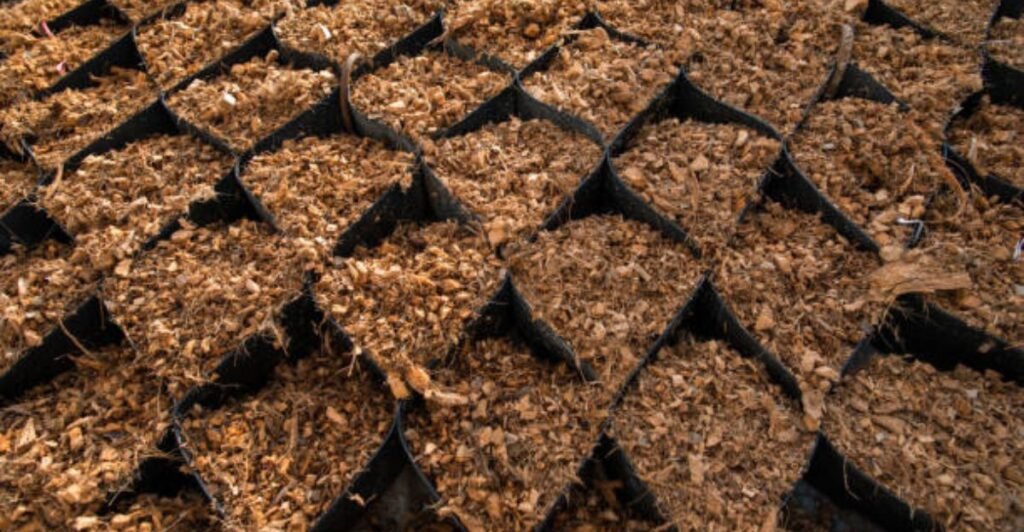
Coco coir, derived from coconut husk fibers, is a popular alternative to peat. It is lightweight, porous, and retains moisture well. (RHS) Thoroughly soak compressed coco coir before blending it with your homemade compost. A mix of mature compost and coir can create a loose, moisture-retentive growing medium.
SOURCE: ISTOCK
4. Balance Green and Brown Materials
A thriving compost pile requires a proper balance of carbon-rich brown materials and nitrogen-rich green materials.
Brown materials include:
– Dry leaves
– Cardboard
– Shredded paper
– Small dry twigs
– Straw
Green materials consist of:
– Vegetable scraps
– Fresh grass clippings
– Young weeds without seeds
– Fresh plant trimmings
The aim is not to measure each ingredient precisely but to maintain a balanced mixture that decomposes effectively.
5. Utilize Shredded Cardboard
Plain, untreated cardboard can serve as a valuable carbon source. Tear it into small pieces and lightly moisten it before adding it to the pile. Mix it with green materials instead of forming a thick layer of cardboard. Avoid using cardboard with heavy coatings, plastic, or excessive colored or chemical treatments.
6. Try Grass Clippings Carefully
Freshly cut grass clippings are rich in moisture and nitrogen.
Incorporate them in thin layers and combine them with dry leaves, shredded cardboard, or other brown materials. A dense layer of grass can become compacted and emit unpleasant odors.
7. Incorporate Small Amounts of Wood Chips or Bark
Small amounts of untreated wood chips and bark can add carbon and structure to your compost.
However, woody materials break down more slowly than vegetable scraps. Cutting them into smaller pieces can accelerate decomposition.
Peat-free growing media often include composted bark and wood fiber. (RHS)
8. Create Leaf Mold
Leaf mold is an easy natural material to produce.
Here’s how to make it:
- Gather fallen leaves.
- Shred them if you can.
- Put them in a pile, wire enclosure, or breathable container.
- Moisten the leaves.
- Keep the material slightly damp.
- Let it decompose over time.
- Turn it occasionally if needed.
- Once sufficiently decomposed, the leaves will transform into dark, crumbly organic matter.
Leaf mold is especially beneficial for enhancing soil structure and moisture retention.
9. Utilize Well-Aged Plant Compost
If you have partially decomposed garden waste, keep composting it until it turns dark, crumbly, and has an earthy scent.
Well-rotted organic material is better for soil improvement than fresh material, as incompletely decomposed matter can temporarily compete with plants for nitrogen. (RHS)
10. Add Coffee Grounds Sparingly
Used coffee grounds can be added to a compost pile as one of several nitrogen-rich ingredients.
Avoid creating a thick layer of coffee grounds. Instead, mix them with dry leaves, shredded paper, or other carbon-rich materials to ensure proper airflow.
11. Keep the Right Moisture Level
Moisture plays a crucial role in decomposition, but too much water can lead to poor aeration in the pile.
A good benchmark is to have the material moist but not saturated. If the pile is very dry, gradually add water. Conversely, if it’s too wet, incorporate dry brown materials and enhance aeration.
The ideal texture is often likened to that of a wrung-out sponge. (The Times of India)
12. Regularly Turn the Compost
Turning the compost helps introduce oxygen and mix the materials effectively.
Utilize a garden fork or compost aerator to periodically turn the pile. If the center is hot and compact while the outer layers remain unchanged, mixing will help distribute moisture and organic matter more evenly.
Aerobic decomposition needs oxygen, making proper airflow a vital aspect of backyard composting. (US EPA)
13. Incorporate a Thin Layer of Mature Compost
If you have mature compost on hand, adding a small amount to a new pile can introduce beneficial microorganisms and organic material.
Layer mature compost between fresh green and brown materials instead of dumping a large quantity all at once.
14. Make a Homemade Peat-Free Potting Mix
Once your homemade compost is ready, you can mix it with appropriate peat-free materials.
For instance:
Homemade compost + leaf mold + coco coir + suitable mineral material
can create an effective general growing medium for various gardening needs.
However, homemade compost can differ significantly in pH, nutrient content, moisture retention, and weed presence. Therefore, it’s usually not the best option for starting delicate seeds unless you are certain the material is suitable and properly processed. (RHS)
15. Allow the Compost to Fully Mature
Patience is a key “home remedy” for producing high-quality compost.
The finished compost should typically be:
– Dark brown to almost black
– Crumbly in texture
– Emitting a pleasant earthy aroma
– Consistently uniform in appearance
– Free from identifiable fresh food scraps and plant remnants
Avoid applying immature compost directly to delicate plants.
Quick Table: Natural Materials for Peat-Like Homemade Compost
| Material | Main Role | How to Use It |
| Dry leaves | Carbon | Shred and mix with greens |
| Vegetable scraps | Nitrogen/moisture | Chop into small pieces |
| Coco coir | Structure/moisture | Hydrate before mixing |
| Shredded cardboard | Carbon | Tear and moisten |
| Grass clippings | Nitrogen | Add in thin layers |
| Small wood chips | Carbon/structure | Use moderately |
| Bark | Structure/carbon | Prefer aged or composted bark |
| Leaf mold | Organic matter | Mix into mature growing media |
| Coffee grounds | Nitrogen | Add in moderation |
| Finished compost | Organic matter/microbial activity | Mix with other mature materials |
Remember: these ingredients can help create a useful peat-free growing medium or soil amendment, but they do not turn into genuine peat at home.
Benefits of Homemade Peat-Free Compost
Creating your own organic compost offers numerous advantages for your garden.
🌱 1. Enhances Soil Structure
Organic materials can significantly improve the physical quality of garden soil.
💧 2. Aids in Moisture Retention
Compost and coco coir can enhance the soil’s ability to retain water.
♻️ 3. Converts Household Waste
Instead of throwing away kitchen scraps and garden debris, you can turn them into valuable soil enhancers.
💰 4. Cuts Costs
By composting at home, you can lessen the need to buy certain soil-enhancing products.
🌿 5. Promotes Sustainable Gardening
Utilizing homemade organic materials can decrease reliance on peat-based options.
🪱 6. Fosters Soil Life
Well-aged compost is rich in microorganisms and organic matter that support vibrant soil ecosystems. (gardening)
Latest Trends in Peat-Free Gardening in 2026
Peat-free gardening is gaining popularity as gardeners seek renewable and recycled ingredients for their growing media.
SOURCE: ISTOCK
Some key trends include:
1. Coco Coir
Coconut coir is a popular alternative to peat due to its excellent water retention and porous nature. (gardening)
2. Composted Bark
Composted bark is increasingly incorporated into peat-free mixes for its ability to enhance structure and porosity. (RHS)
3. Wood Fiber
Wood-based materials are being utilized in various forms to produce lightweight and well-aerated growing media.
4. Recycled Green Waste
Composted garden and green waste serve as a valuable source of organic matter.
5. Homemade Composting
Backyard composting and vermicomposting continue to be effective methods for recycling organic household waste. (US EPA)
6. Better Peat-Free Mixes
Contemporary peat-free products are becoming more varied, offering different formulations tailored for vegetables, flowers, containers, seeds, and specialized plants. (RHS)
Expert Suggestions for Better Homemade Compost
Keep these practical recommendations in mind:
Choose the right ingredients: Use a combination of carbon-rich brown materials and nitrogen-rich green materials.
Maintain airflow: Avoid compressing the pile too tightly.
Control moisture: Keep it damp but never continuously waterlogged.
Cut materials smaller: Smaller pieces generally provide more surface area for decomposers.
Be patient: Mature compost is more useful and safer for plants than unfinished material.
Use peat-free ingredients: If your goal is sustainable gardening, consider materials such as homemade compost, leaf mold, coco coir, and suitable composted bark.
Match the mix to the plant: Different plants have different requirements. Peat-free mixes are not interchangeable for every gardening purpose. (RHS)
Common Mistakes to Avoid
| Common Mistake | Why It Can Be a Problem | Better Approach |
| Adding too much fresh grass | Can compact and smell | Mix with dry leaves |
| Making the pile too wet | Reduces airflow | Add dry brown materials |
| Keeping it completely dry | Slows decomposition | Add water when needed |
| Adding large food pieces | Decomposes slowly | Chop scraps smaller |
| Adding meat or dairy | Can attract pests | Use suitable plant-based scraps |
| Never turning the pile | Can create compacted areas | Mix/aerate periodically |
| Using unfinished compost | May harm plant growth | Allow it to mature |
| Using too much woody material | Decomposes slowly | Balance with greens |
| Assuming homemade compost is actual peat | Peat forms naturally over very long periods | Treat it as compost/peat-free organic matter |
| Using homemade compost for delicate seeds | Quality and pathogen/weed risks can vary | Use a suitable seed-starting medium |
Conclusion
Creating coal peat compost at home requires a crucial understanding: typical household composting cannot replicate true peat, as natural peat forms under specific wetland conditions over extended periods. Nevertheless, you can produce a dark, nutrient-dense, peat-free organic material by composting plant debris, dried leaves, kitchen scraps, leaf mold, coco coir, and other suitable components.
The optimal strategy is to concentrate on a balanced mix of ingredients, maintain proper moisture levels, ensure good aeration, and allow adequate time for maturation. Home composting serves as a cost-effective and eco-friendly method to enhance garden soil while recycling common organic waste.
For gardeners aiming to minimize peat usage, homemade compost and other peat-free options like coir, composted bark, and wood fiber offer viable alternatives. (RHS)
References
- U.S. Environmental Protection Agency (EPA) — Composting at Home: guidance on backyard composting, materials, aeration, and finished compost. (US EPA)
- Royal Horticultural Society (RHS) — Peat-Free Compost Choices and sustainable alternatives to peat. (RHS)
- Royal Horticultural Society (RHS) — Alternatives to Peat, including coir, bark, wood fiber, and green compost. (RHS)
- University of Saskatchewan — Peat and Peat Alternatives, including compost and coco coir. (gardening)
- Royal Horticultural Society (RHS) — Organic Matter: How to Use It in the Garden. (RHS)
FAQs
1. Is it possible to create coal peat at home?
No, authentic peat develops naturally in wet, low-oxygen environments over thousands of years. Home composting cannot replicate this geological process. However, you can produce a beneficial peat-free compost or an organic growing medium that resembles peat.
2. What is the top homemade substitute for peat?
A blend of well-aged homemade compost, leaf mold, coco coir, and appropriate structural materials can be effective for various gardening needs. The perfect mixture will depend on the specific plants being cultivated. (RHS)
3. Is coco coir superior to peat?
Coco coir is a popular alternative to peat, known for its excellent water retention and porosity. Nonetheless, it possesses different properties than peat, so the optimal choice will depend on the type of plant and the growing conditions. (gardening)
4. How long does it take for homemade compost to mature?
The maturation period varies based on factors like ingredients, temperature, moisture, pile size, aeration, and management practices. Instead of relying solely on a specific timeframe, look for a dark, crumbly texture and an earthy aroma to determine readiness.
5. Can I place kitchen waste directly around my plants?
It’s advisable to compost appropriate kitchen waste first. Fresh food scraps can attract pests and may not offer the stable soil enhancement that mature compost does.
6. Is it possible to use homemade compost in pots?
Absolutely, mature homemade compost can be beneficial in container mixes, but it’s best to combine it with suitable materials instead of relying on it as the sole growing medium. The nutrient content, pH, drainage, and moisture retention of homemade compost can vary. (RHS)
7. Can homemade compost completely substitute peat?
For various gardening and soil enhancement purposes, peat-free alternatives can be fantastic options. However, different plants and growing conditions necessitate distinct physical and chemical characteristics, meaning a single homemade blend may not be suitable for all situations. (RHS)
8. What should the aroma of finished compost be like?
Mature compost typically emits an earthy, soil-like fragrance. A strong, foul smell may suggest too much moisture, inadequate aeration, or an imbalance in the materials used. (The Times of India)
9. Is homemade compost good for the environment?
Composting at home can help recycle organic waste and create a valuable soil amendment. Additionally, using peat-free materials allows gardeners to avoid adding to the environmental issues linked to peat extraction. (RHS)
10. What’s the simplest method for beginners?
Begin with a straightforward mix of dry leaves, vegetable scraps, shredded cardboard, and small amounts of grass clippings. Keep it moist, ensure good airflow, and let it mature. Once you grasp the fundamentals, you can start experimenting with leaf mold, coco coir, and other peat-free options.