
Introduction
12 Easy Ways to Reduce Food Waste at Home in 2026
Food waste is a prevalent issue in households that can lead to increased grocery costs and exert undue strain on natural resources. Fortunately, implementing minor adjustments in shopping, cooking, storing, and meal-planning practices can yield significant benefits.
In 2026, minimizing food waste is not only an environmentally conscious decision but also a practical approach to saving money, organizing your kitchen, and optimizing the use of the food you already possess. Below are 12 straightforward tips for reducing food waste that you can begin to apply today.
Importance of This Topic
Food waste frequently occurs due to purchasing more than necessary, overlooking items in the refrigerator, preparing excessive portions, or improper food storage. By minimizing waste at home, households can:

12 Easy Ways to Reduce Food Waste at Home in 2026
source: istock
- Save on grocery expenses
- Utilize available ingredients more effectively
- Decrease unnecessary waste in the household
- Mitigate the environmental impact linked to food production and transportation
- Promote more mindful shopping and cooking practices
- Maintain better organization in refrigerators and kitchens
The encouraging news is that significant lifestyle changes are not required. Consistently practicing simple habits can greatly diminish the quantity of edible food that is discarded.
Main Tips: 12 Easy Ways to Reduce Food Waste at Home

1. Organize Your Meals Prior to Shopping
One of the most effective methods to minimize food waste is to develop a straightforward meal plan before heading to the grocery store.
Begin by examining your refrigerator, freezer, and pantry. Subsequently, design meals around the ingredients you already possess before acquiring additional food items.
Tip: Create adaptable meals that can utilize the same ingredients in various ways.
For instance, leftover vegetables can be incorporated into:
- Soup
- Fried rice
- Pasta
- Sandwiches
- Omelets
2. Create a Grocery List and Adhere to It
Impulse buying is a significant contributor to excess food at home. Prior to shopping, compile a practical grocery list based on your planned meals.
Organize your list into categories such as:
| Grocery Category | Examples | Waste-Reducing Tip |
| Fruits & Vegetables | Apples, tomatoes, spinach | Buy quantities you can consume |
| Dairy | Milk, yogurt, cheese | Check dates before purchasing |
| Grains | Rice, bread, oats | Store properly |
| Proteins | Eggs, beans, chicken | Freeze extras when appropriate |
| Pantry Items | Lentils, pasta, canned foods | Check existing stock first |
Avoid purchasing large quantities solely due to discounts if you are unlikely to utilize the items before they spoil.
3. Comprehend Food Date Labels
Understand the distinctions between common date labels such as “best before,” “use by,” and “sell by,” as they do not always convey the same meaning.
However, food safety regulations differ by product and region, so when a food item has a safety-related expiration or use-by date, adhere to the manufacturer’s or local food safety recommendations.
When uncertain about the safety of a food item, it is advisable not to consume it.
4. Store Food Properly
Appropriate storage can extend the freshness of food.
Keep items in suitable containers and arrange your refrigerator so that older products are easily visible. Certain fruits and vegetables may also require specific storage conditions.
Consider utilizing:
- Airtight containers
- Reusable food storage bags
- Refrigerator organizers
- Transparent containers
- Labels indicating storage dates
Effective organization simplifies the process of knowing what you already possess.
5. Implement the “First In, First Out” Method
Position older food items at the front of your refrigerator or pantry, placing newer acquisitions behind them.
This straightforward FIFO (First In, First Out) strategy can help prevent forgotten items from lingering at the back until they spoil.
Additionally, you may create a small “Eat First” section in your refrigerator for items that need to be consumed promptly.
6. Prepare the Appropriate Quantity
Cooking an excessive amount of food can swiftly result in leftovers that no one desires to consume.
Take into account the number of individuals dining and adjust the portions accordingly. If you purposefully prepare extra for another meal, ensure that the leftovers are stored correctly and plan when you will utilize them.
A beneficial practice is to serve smaller portions initially and allow guests to take additional servings if they remain hungry.
7. Revitalize Leftovers
Leftovers do not necessarily imply consuming the same dish once more.
Transform yesterday’s meal into something innovative. For instance:
- Cooked vegetables → soup or wraps
- Rice → fried rice
- Roasted chicken → sandwiches or salad
- Bread → toast or breadcrumbs
- Cooked beans → curry or bean salad

Inventive leftover recipes can significantly facilitate the reduction of food waste.
8. Preserve Food Before It Spoils
Your freezer serves as an invaluable resource for minimizing food waste.
If you anticipate that you will not utilize an item in the near future, freeze it when suitable. Clearly label the container with the food name and the date to facilitate identification later.
Foods that are generally suitable for freezing include:
- Fruits
- Vegetables
- Bread
- Prepared meals
- Herbs
- Sauces
- Certain dairy products

Always adhere to proper food safety and storage guidelines when freezing and thawing food.
9. Maximize the Use of Your Fruits and Vegetables
Before discarding vegetable stems, leaves, or fruit that remains usable, think about whether it can be integrated into another recipe.
For instance:
- Vegetable stems can be added to soups or stir-fries.
- Herb stems can enhance the flavor of stocks or sauces.
- Overripe bananas can be incorporated into smoothies or banana bread.
- Soft tomatoes can be transformed into sauces.
Only utilize parts that are safe and appropriate for consumption, and dispose of anything that exhibits signs of spoilage.
10. Properly Store Bread
Bread can quickly become stale or moldy.

Purchase an amount that your household can reasonably consume. If you are unlikely to finish it soon, freezing portions can help prolong its shelf life.
Stale bread can also occasionally be repurposed into:
- Croutons
- Breadcrumbs
- Toast
- Bread pudding
Never consume bread that shows visible mold; it is best to discard it rather than attempting to cut around the affected area.
11. Monitor Your Food Waste
For a duration of one week, observe the food items that your household discards.
Establish straightforward categories such as:
Fruits | Vegetables | Bread | Leftovers | Dairy | Other
At the conclusion of the week, determine the primary contributors to waste.
This analysis can uncover valuable trends—for instance, you might find that you consistently purchase an excess of vegetables or prepare more meals than your family can consume.
12. Compost Appropriate Food Scraps
Certain food scraps may not be feasibly reused, yet they could be appropriate for composting.
Depending on the composting system available in your area, acceptable materials may encompass specific fruit and vegetable remnants, coffee grounds, and other organic materials suitable for composting.
While composting does not substitute for the prevention of edible food waste, it serves as a beneficial final measure for scraps that cannot be avoided.
Benefits of Reducing Food Waste at Home
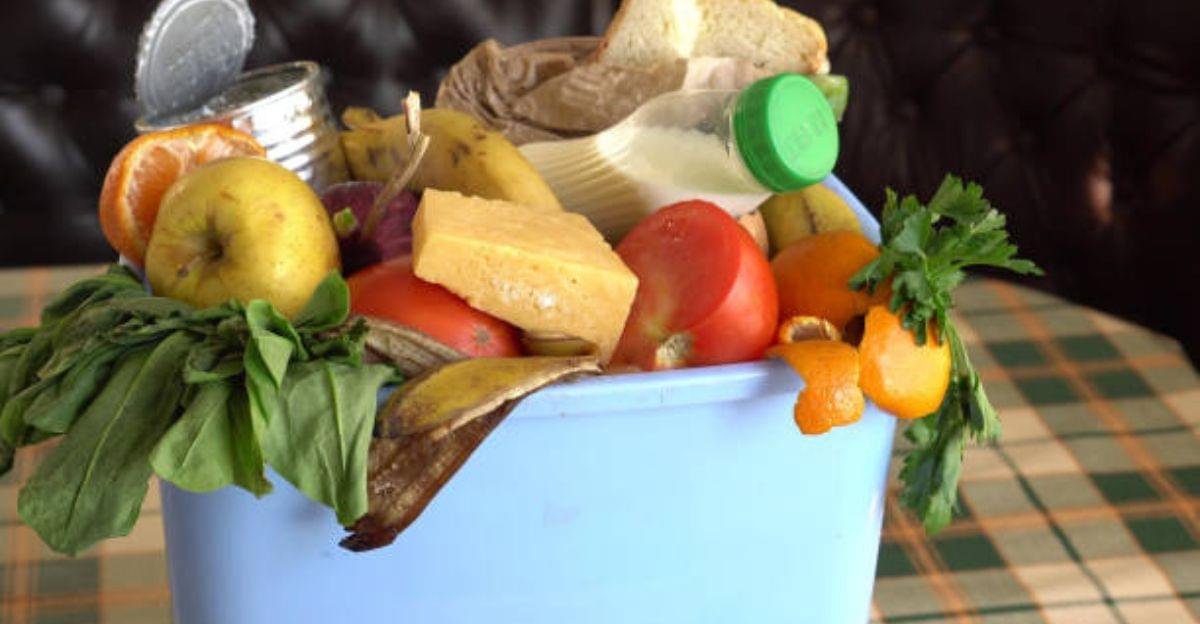
Minimizing food waste provides numerous practical advantages.
source: istock
Cost Savings
Utilizing food that you have already bought results in fewer groceries being discarded, allowing you to maximize the value of your shopping expenditures.
Environmental Benefits
The process of food production consumes resources such as land, water, energy, and transportation. By reducing food waste, you can optimize the use of these resources.
Enhanced Kitchen Organization
Consistently inspecting and organizing your refrigerator and pantry can facilitate easier access to ingredients and decrease the likelihood of food being forgotten.
Promotion of Healthier Eating Practices
Engaging in meal planning can foster increased home cooking and assist you in making more deliberate decisions regarding your diet.
Decrease in Household Waste
Utilizing leftovers, freezing surplus food, and composting appropriate scraps can significantly lower the volume of organic waste entering household trash.
Latest Trends in Food-Waste Reduction for 2026
The reduction of food waste is increasingly intertwined with technology, meal planning, and sustainable living practices.
Smart Kitchen Inventory
Digital grocery lists and inventory management applications assist households in monitoring their ingredients and minimizing duplicate purchases.
Freezer-Friendly Meal Planning
An increasing number of households are organizing their meals around items that can be frozen in portions, which helps to ensure that ingredients and prepared meals are not overlooked.
“Eat What You Have” Challenges
A straightforward household challenge can involve preparing meals primarily from ingredients that are already present in the pantry, refrigerator, and freezer.
Creative Leftover Cooking
Rather than viewing leftovers as undesirable food, home cooks are progressively utilizing them as components for new dishes.
Composting at Home
Where feasible, household composting and community composting initiatives can offer an alternative solution for suitable unavoidable food scraps.
Expert Suggestions
The most effective food-waste reduction strategies are those that become habitual rather than sporadic efforts.

source: istock
Consider these practical suggestions:
- Examine your kitchen inventory before shopping.
- Plan meals around items that should be consumed first.
- Buy realistic quantities instead of solely relying on discounts.
- Store food according to its specific requirements.
- Label leftovers and frozen items clearly.
- Maintain an “Eat First” section in the refrigerator.
- Serve smaller portions and provide seconds when appropriate.
- Regularly assess your household’s food waste.
The fundamental principle is straightforward: purchase only what you need, store it properly, utilize what you have, and refrain from discarding edible food.
Common Mistakes to Avoid
Buying Too Much Food
Bulk deals are not always economical if a large quantity ends up in the garbage.
Ignoring Your Existing Pantry
Always check what you already own before buying more.
Poor Food Storage
Incorrect storage can cause food to deteriorate faster than necessary.
Forgetting About Leftovers
If leftovers disappear into the back of the refrigerator, they are more likely to be forgotten.
Confusing Quality With Safety
A food may sometimes lose quality without necessarily becoming unsafe, but safety-related date instructions and signs of spoilage should always be taken seriously.
Preparing Oversized Portions
Cooking significantly more food than your household needs can create unnecessary leftovers.
Treating the Freezer as Permanent Storage
Freezing can extend storage life, but frozen foods should still be labeled, organized, and used within appropriate storage recommendations for best quality.
A Simple Food-Waste-Reduction Routine
Consider implementing this 5-minute kitchen routine at the conclusion of each day:
- Check → Organize → Label → Plan → Use
- Check: Identify food items that require attention.
- Organize: Position older products in a visible location.
- Label: Clearly mark leftovers or frozen items when necessary.
- Plan: Determine when you will utilize foods nearing their quality threshold.
- Use: Select an ingredient that should be consumed soon when preparing your next meal.
This simple routine can significantly ease the process of reducing food waste over time.
Conclusion
Minimizing food waste at home does not necessitate costly equipment or complex lifestyle modifications. Effective meal planning, intelligent shopping, appropriate storage, portion management, inventive use of leftovers, freezing, and composting can all contribute to households wasting less food.
In 2026, one of the simplest sustainable practices you can embrace is to make better use of the food you already purchase. Begin with two or three of these suggestions, integrate them into your daily habits, and gradually incorporate more.
Every meal that is saved from being discarded translates to less waste, enhanced value, and a more sustainable household.
References
For reliable information about food safety, food waste, and sustainable food practices, readers can consult:
- U.S. Department of Agriculture (USDA) — Food safety, storage, leftovers, and date-label guidance.
- U.S. Food and Drug Administration (FDA) — Food safety and consumer food-storage information.
- United Nations Environment Programme (UNEP) — Global food-waste research and sustainability information.
- Food and Agriculture Organization of the United Nations (FAO) — Food loss, waste, and sustainable food systems.
- U.S. Environmental Protection Agency (EPA) — Food recovery and waste-reduction resources.
FAQs
1. What is the simplest method to minimize food waste at home?
Meal planning and reviewing your refrigerator and pantry prior to shopping are among the most effective strategies to avoid unnecessary food purchases and waste.
2. In what ways can I decrease food waste while saving money?
Purchase only what you genuinely require, utilize leftovers, freeze items before they spoil, and routinely inspect your pantry and refrigerator.
3. What actions should I take with leftover food?
Properly store safe leftovers and plan to incorporate them into another meal. You can also repurpose them into soups, sandwiches, salads, wraps, curries, or other dishes.
4. Does freezing food contribute to waste reduction?
Indeed. Freezing suitable foods before they spoil can prolong their shelf life and provide you with additional time to utilize them.
5. How can I prevent wasting fruits and vegetables?
Purchase realistic amounts, store produce correctly, keep older items visible, and integrate suitable vegetables or overripe fruits into other recipes.
6. What does the FIFO method entail for food storage?
FIFO stands for “First In, First Out.” This method involves placing older food items at the front and newer purchases behind them, ensuring that older items are used first.
7. Is composting an effective way to reduce food waste?
Composting can assist in managing suitable unavoidable food scraps, but the priority should be on preventing edible food from becoming waste.
8. How can I encourage my family to adopt food waste reduction as a habit?
Assign everyone a straightforward role, such as checking the refrigerator, planning for leftovers, or identifying foods that need to be consumed soon. Establishing it as a weekly household routine can help solidify the habit.