
Introduction:
Best TV for Your Budget in 2026: How to Choose the Right TV for Your Home
Purchasing a new television today goes beyond just selecting the largest screen. In 2026, consumers have a variety of options including 4K Smart TVs, OLED, QLED, Mini-LED, LED, Google TV, and other smart-TV platforms, each equipped with features tailored for movies, gaming, sports, streaming, and daily entertainment.
The ideal TV for your home hinges on several factors: your budget, the size of the room, viewing distance, screen dimensions, picture quality, sound capabilities, smart features, and how you plan to use it. This guide will help you navigate the process of selecting a TV that strikes the right balance between cost and performance.
Why This Topic Is Important
A television is typically a long-term investment, making it crucial to select the right model to prevent overspending on unnecessary features. Conversely, opting for the cheapest option without evaluating its display quality, software, connectivity, or warranty can result in dissatisfaction.

Before you buy a TV, take into account:
- Your total budget
- Preferred screen size
- Distance from the screen
- Quality of the picture
- Smart-TV functionalities
- Gaming needs
- Audio quality
- HDMI and other connection options
- Energy efficiency
- Warranty and customer support
The aim is not to simply find the priciest TV, but rather to discover the best television that meets your specific needs and fits within your budget.
Main Tips for Choosing the Best TV for Your Budget in 2026
1. Establish Your TV Budget First
Begin by determining how much you are willing to spend. Having a defined budget simplifies the process of comparing different models without getting sidetracked by unnecessary high-end features.
Rather than allocating your entire budget solely to screen size, think about the overall package: display quality, processor, operating system, audio, connectivity options, and warranty.
2. Select the Appropriate Screen Size
A larger television can enhance your viewing experience, but bigger isn’t always better.
Take into account:
- Room dimensions
- The distance from your sofa to the TV
- Available wall or cabinet space
- The extent of your viewing habits involving movies and sports
For many households, a 55-inch or 65-inch 4K TV strikes a good balance between size and practicality, while smaller spaces might benefit from a 43-inch or 50-inch model.
3. Seek Out 4K Resolution
For the majority of consumers in 2026, 4K Ultra HD is the sensible option. A 4K TV offers significantly enhanced detail compared to Full HD and is widely compatible with contemporary streaming services and gaming consoles.
Unless you have a specific need for an 8K model, investing your budget in superior picture quality, processing capabilities, or sound may yield better value.
4. Familiarize Yourself with LED, QLED, Mini-LED, and OLED
Grasping the various display technologies can greatly simplify your TV shopping experience.
LED:
A traditional and generally budget-friendly option suitable for everyday viewing.
QLED:
Incorporates a quantum-dot layer to create vibrant colors and strong brightness, making it especially appealing in brightly lit rooms.
Mini-LED:
Utilizes much smaller LEDs for more precise backlighting, offering excellent brightness and improved contrast compared to standard LED TVs.
OLED:
Each pixel emits its own light, enabling OLED TVs to achieve incredibly deep blacks and outstanding contrast. They are particularly desirable for movie lovers and high-end home theatres.
5. Evaluate Your Room’s Lighting
The environment plays a crucial role in selecting a display.

If your living room is flooded with natural light, you might want to opt for a bright QLED or Mini-LED TV.
Conversely, for a dimly lit room primarily used for watching films, an OLED TV can offer an outstanding cinematic experience due to its impressive black levels and contrast.
6. Select Smart Features Wisely
While most contemporary TVs come with smart capabilities, the user experience can vary significantly.
Look for:
- A responsive operating system
- Popular streaming applications
- User-friendly navigation
- Voice-control compatibility
- Frequent software updates
- Screen-casting features
- Multiple HDMI ports
Avoid choosing a TV just because it boasts the longest list of apps. A quick and intuitive interface can be more beneficial for daily use.
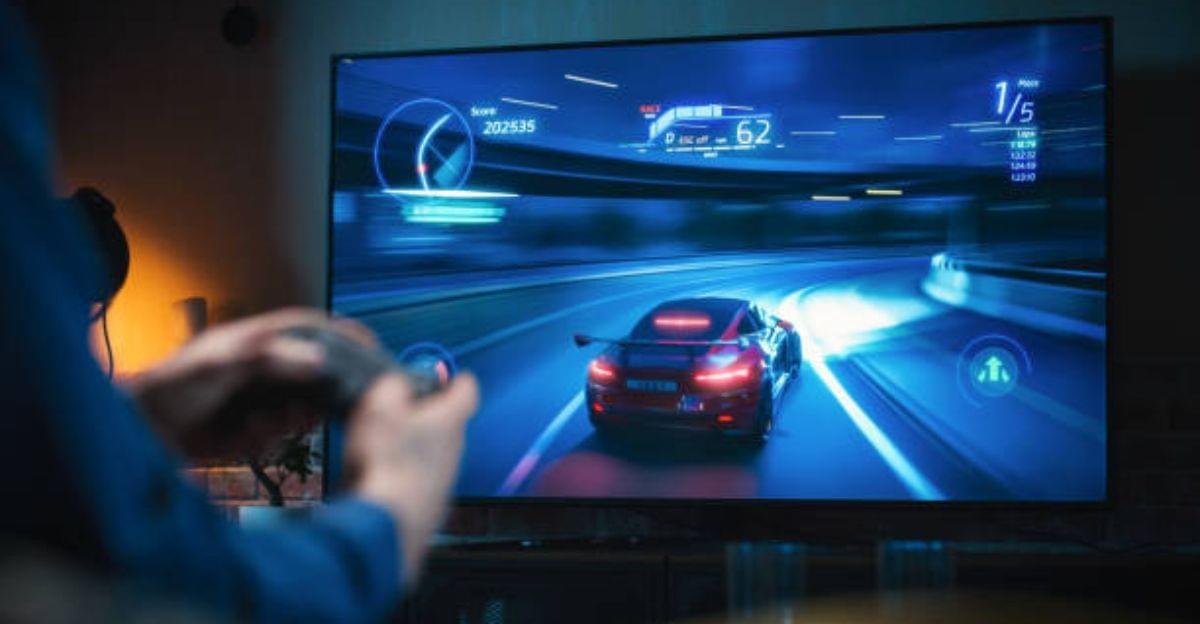
7. Consider Gaming Needs
If you have a PlayStation, Xbox, gaming PC, or any other modern gaming console, verify the TV’s gaming specifications before making a purchase.
Key features to look for include:
- High refresh rate
- Low input lag
- HDMI 2.1 support
- Variable Refresh Rate (VRR)
- Auto Low Latency Mode (ALLM)
A gaming-optimized TV can enhance motion smoothness and responsiveness.
8. Pay Attention to Sound Quality
Today’s TVs are becoming increasingly slim, which can affect the performance of built-in speakers.
If you frequently watch movies, sports, or listen to music, consider whether you might want to invest in a soundbar or home theater system later on.
A reasonably priced TV combined with a quality soundbar can sometimes provide a superior entertainment experience compared to spending your entire budget on the display alone.
9. Evaluate HDMI and Connectivity Options
Before making a purchase, consider all the devices you might want to connect.
You may require HDMI connections for:
- Streaming devices
- Gaming consoles
- Soundbars
- Blu-ray players
- Set-top boxes
- Computers
Additionally, assess Wi-Fi capabilities, Bluetooth support, USB ports, and optical or eARC audio connections as they pertain to your setup.
10. Assess the Warranty and After-Sales Support
Price shouldn’t be your sole focus. A television is an electronic device that you could use for many years.
Before buying, review:
- Warranty duration
- Panel warranty
- Availability of service centers
- Installation policies
- Terms for replacement or repair
- Brand reputation in your area
This is particularly crucial when investing in a high-end OLED, Mini-LED, or large-screen television.
11. Evaluate Total Value, Not Just the Price
Two televisions with comparable screen sizes can offer vastly different performance.
Compare:
Picture quality + smart features + connectivity + sound + gaming capabilities + warranty + price
This method can assist you in recognizing true value instead of merely opting for the least expensive option.
Quick TV Buying Table
| TV Type | Best For | Main Advantage | Consideration |
| LED | Budget shoppers | Affordable and widely available | Picture quality varies |
| QLED | Bright rooms | High brightness and vibrant colors | Usually costs more than basic LED |
| Mini-LED | Movies and gaming | Excellent brightness and contrast | Can be more expensive |
| OLED | Premium movie viewing | Deep blacks and excellent contrast | Premium pricing |
| 4K Smart TV | Most households | Sharp resolution and streaming features | Features vary by model |
| 8K TV | Large-screen enthusiasts | Very high resolution | Often unnecessary for typical viewing |
Benefits of Choosing the Right TV
- Choosing the perfect television offers numerous advantages:
- Enhanced viewing experience: The right display technology can elevate colors, contrast, and brightness.
- Long-lasting value: A carefully selected TV can serve you well for many years.
- Improved gaming: Features like VRR and high refresh rates can enhance your gameplay experience.
- Increased convenience: A user-friendly smart-TV platform simplifies streaming.
- Avoidance of unnecessary expenses: You steer clear of paying for features you don’t require.
- Better room harmony: Selecting the appropriate size ensures the TV complements your space without dominating it.
- Elevated entertainment: An ideal TV can significantly enhance your enjoyment of movies, sports, shows, and games.
Latest TV Trends in 2026
The television market is constantly changing, with various trends shaping purchasing choices in 2026.

AI-Driven Picture Enhancement
Contemporary TVs are increasingly utilizing AI-driven processing to enhance image quality, upscale lower-resolution content, optimize audio, and tailor the viewing experience.
Mini-LED Technology
Mini-LED remains a significant choice for consumers seeking high brightness and excellent contrast without opting for an OLED display.
OLED Technology
OLED continues to be a favored premium choice for viewers who value contrast, deep blacks, and cinematic picture quality.
Enhanced Gaming Features
High refresh rates, HDMI 2.1, VRR, and gaming optimization are becoming more crucial for both console and PC gamers.
Intelligent Home Integration
Televisions are increasingly serving as central entertainment and smart-home devices, with features like voice controls, casting, connected devices, and smart-home compatibility becoming more prevalent.
Larger Displays
Large-screen televisions continue to draw in consumers looking for a more immersive home entertainment experience. However, buyers should ensure that the screen size is appropriate for the room dimensions and viewing distance.
Expert Suggestions
- When selecting the ideal TV for your budget in 2026, keep these practical tips in mind:
- Avoid simply opting for the biggest screen; instead, pick a size that fits your space well.
- Focus on picture quality rather than unnecessary features.
- For most standard home entertainment, go for 4K resolution.
- If you’re a movie enthusiast, consider investing in an OLED display.
- For well-lit rooms, QLED or Mini-LED options are worth considering.
- Gamers should pay attention to refresh rates, VRR, ALLM, and ensure HDMI 2.1 compatibility.
- Before making a purchase, evaluate the smart-TV interface.
- If sound quality is important to you, set aside part of your budget for a soundbar.
- Don’t just look at specifications; also compare warranty and service support.
- Seek out seasonal sales, but remember not to compromise on essential features just to snag the lowest price.
Common Mistakes to Avoid
1. Purchasing Solely Based on Screen Size
A large screen with average picture quality might deliver a less enjoyable experience than a slightly smaller TV with superior display.
2. Overlooking Viewing Distance
A screen that is excessively large for your space can feel overwhelming, while one that is too small may fail to create an immersive atmosphere.
3. Opting for the Cheapest Model
The most affordable TV might miss out on essential features like effective processing, adequate HDMI ports, gaming compatibility, or a robust smart-TV interface.
4. Disregarding Brightness
Consider the amount of natural light in your room before selecting a display technology.
5. Neglecting Sound Quality
An impressive picture combined with subpar audio may not deliver the home theater experience you desire.
6. Purchasing Without Verifying Connectivity
Ensure the TV has sufficient HDMI ports and the necessary connections for your current and future devices.
7. Paying for Unnecessary Features
Not every household requires a high-end premium TV. If your primary viewing consists of regular television and streaming, a quality mid-range 4K Smart TV can offer great value.
8. Overlooking Warranty and Service
A deal becomes less appealing if obtaining service or replacement parts proves challenging later on.
Conclusion
Selecting the ideal TV for your budget in 2026 involves striking the right balance between screen size, picture quality, smart features, connectivity, performance, and cost.
For many families, a solid 4K Smart TV provides an excellent mix of features and affordability. Buyers who value top-notch movie quality may lean towards OLED, while those looking for high brightness and robust performance might consider QLED or Mini-LED options.
Above all, avoid purchasing a television solely because it boasts the largest screen or the most extensive list of specifications. Choose the TV that suits your room, viewing preferences, devices, and budget.
References
For reliable information when researching television specifications and technologies, consult reputable sources such as:
- Consumer technology review publications for independent TV testing and comparisons.
- Display technology manufacturers for information about OLED, QLED, Mini-LED, HDR, and related technologies.
- TV manufacturers’ official websites for current specifications, warranty information, and software features.
- Consumer organizations and electronics retailers for purchasing guidance and product comparisons.
Always verify current specifications, pricing, warranty terms, and availability before purchasing because these can change during 2026.
FAQs
1. What is the top TV to purchase in 2026?
There isn’t a one-size-fits-all answer. A high-quality 4K Smart TV works well for many families, while OLED, QLED, and Mini-LED options might be more suitable for particular viewing habits.
2. Is a 4K TV still a good investment in 2026?
Absolutely. 4K continues to be a solid option for most home entertainment systems, delivering sharp picture quality and compatibility with contemporary content and devices.
3. Is OLED superior to QLED?
There isn’t a definitive answer. OLED typically shines in black levels and contrast, whereas QLED can provide impressive brightness and vivid colors. Your room’s lighting and personal viewing preferences should guide your choice.
4. Is Mini-LED an improvement over LED?
Mini-LED can offer enhanced brightness and more accurate backlighting compared to standard LED TVs, though performance and pricing can differ among models.
5. What is the ideal TV size for a living room?
A 55-inch or 65-inch TV is often a great fit for many living rooms, but the best size ultimately depends on viewing distance, room configuration, and individual taste.
6. Is it worth investing in a high-end premium TV?
Not always. If your primary viewing consists of TV channels and streaming services, a solid mid-range 4K Smart TV might provide better value than a costly flagship model.
7. What features should gamers seek in a TV?
Gamers should look for refresh rate, input lag, VRR, ALLM, HDMI 2.1 support, and compatibility with their gaming console or PC.
8. Is it advisable to buy a TV with integrated smart features?
For most consumers, a Smart TV offers easy access to streaming services and connected functionalities. However, ensure that the operating system is responsive and supports the applications you frequently use.
9. How can I find the best TV within my budget?
Start by establishing your maximum budget, identify essential features, compare various models, and focus on picture quality, size, connectivity, and reliability rather than unnecessary extras.