

Introduction
15 Easy Weekend DIY Projects to Transform Your Home
You need not invest a large sum, utilize professional-grade tools, or allocate an entire week to refresh your home. With a touch of creativity and some basic supplies, weekend DIY projects can improve your living environment, making it more welcoming and personalized.
From rejuvenating old furniture to creating simple storage solutions and decorative elements, these easy DIY home projects are ideal for novices and can usually be completed over a weekend.
In this guide, you will discover 15 straightforward weekend DIY projects aimed at transforming your home, along with their benefits, the latest trends in DIY, expert advice, and common mistakes to avoid.
Why This Topic Is Important
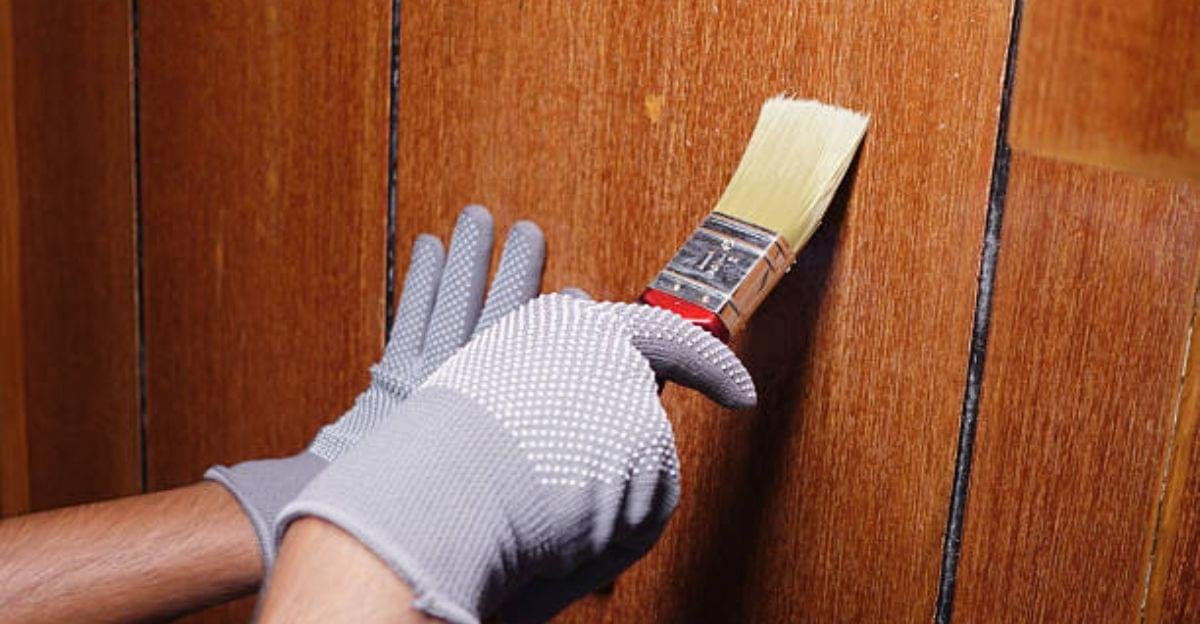
Home improvement does not necessarily entail expensive renovations. Small DIY modifications can greatly enhance your home’s appearance and functionality.
Weekend DIY projects can help you:
- Revitalize outdated spaces without major renovations.
- Repurpose items you already own.
- Reduce unnecessary spending on décor.
- Improve organization and storage.
- Infuse your personal style into different rooms.
- Gain valuable practical skills.
- Reduce waste through creative upcycling.
The essential factor is to choose projects that fit your available time, budget, skill level, and tools.
Main Tips: 15 Easy Weekend DIY Projects
1. Revitalize an Old Piece of Furniture
Instead of discarding an old table, chair, cabinet, or small shelf, think about giving it a refreshed look. Clean the surface, mend minor damages, and apply an appropriate paint or finish.
Select a color that harmonizes with your current décor for a straightforward yet impactful transformation.
2. Construct a DIY Floating Shelf
A floating shelf can serve both decorative and storage purposes. Utilize appropriately sized wood and suitable wall-mounting hardware to create a simple shelf for books, plants, photographs, or decorative items.
Always verify the wall type and weight capacity prior to installation.
3. Create a Decorative Mason Jar Organizer
Clean glass jars can be transformed into practical organizers for small household items. They can be utilized for craft supplies, kitchen utensils, stationery, or bathroom accessories.
Incorporate labels or simple decorative elements to enhance the visual appeal of the organizers.
4. Refresh Your Walls With a DIY Accent
You do not have to repaint an entire room. Consider crafting a small accent wall, geometric pattern, border, or simple painted design.
Before painting, prepare the surface and test your selected color in a small area.
5. Construct a Simple Entryway Organizer
A disorganized entrance can make the entire home appear messy. Create a basic entryway organizer using hooks, a small shelf, or a repurposed wooden board.
This can provide a designated space for keys, bags, hats, and other everyday items.

6. Construct a DIY Indoor Plant Stand

Indoor plants enhance the aesthetic appeal of a space. A straightforward wooden plant stand can effectively showcase plants at varying heights while optimizing the use of available space.
Ensure that the stand is sturdy and robust enough to support the planter.
7. Repurpose an Old Picture Frame
Do not throw away an old picture frame. You can paint it, embellish it, or convert it into a message board, jewelry organizer, photo display, or a decorative wall accent.
This project is a fantastic DIY upcycling opportunity for novices.
8. Create a DIY Storage Basket
You can convert cardboard boxes, fabric, rope, or other appropriate materials into stylish storage solutions.
Utilize them to organize blankets, toys, magazines, craft supplies, or household items.
9. Design a Simple Gallery Wall
Gather family photos, artwork, prints, or motivational quotes and arrange them into a cohesive gallery wall.
To achieve a harmonious look, plan the layout on the floor prior to affixing anything to the wall.
10. Construct a DIY Coffee Table Tray
A stylish tray can enhance the organization of a coffee table. You can craft one using an appropriate wooden board and optionally add handles.
Utilize the completed tray to arrange books, candles, small plants, or other decorative items.
11. Update Cabinet or Drawer Handles
A minor alteration can significantly transform the appearance of furniture. Swap out old cabinet or drawer handles for new hardware that complements your home’s aesthetic.
Be sure to measure the existing holes prior to purchasing replacements.
12. Design a DIY Wall-Mounted Organizer
A wall-mounted organizer can help maximize valuable counter or floor space. Consider making one for your kitchen, home office, craft area, or entryway.
Employ robust mounting hardware and refrain from overloading the organizer.
13. Repurpose an Old Ladder as Decorative Storage
An unused wooden ladder can be creatively transformed into a storage feature. Depending on its condition and design, it can accommodate towels, blankets, plants, magazines, or decorative items.
Ensure the ladder is secure and stable before utilizing it.
14. Create a DIY Decorative Planter
Transform a standard planter with paint, rope, fabric, or other suitable decorative materials.
Select materials that are appropriate for the planter’s environment, especially if it will be exposed to moisture or outdoor conditions.
15. Establish a DIY Relaxation Corner
Identify a small, unused area and convert it into a cozy relaxation space. Incorporate a chair or floor cushion, a small side table, soft lighting, books, and a plant.
The goal isn’t to create a large room makeover but to make one small area more enjoyable and functional.
Quick Table
| DIY Project | Estimated Time | Skill Level | Main Benefit |
| Furniture makeover | 3–6 hours | Beginner | Refreshes old furniture |
| Floating shelf | 2–4 hours | Beginner–Intermediate | Adds storage |
| Mason jar organizer | 1–2 hours | Beginner | Reduces clutter |
| Accent wall | 3–6 hours | Beginner | Updates room appearance |
| Entryway organizer | 2–4 hours | Beginner | Improves organization |
| Plant stand | 2–5 hours | Intermediate | Displays plants |
| Upcycled frame | 1–3 hours | Beginner | Reuses old materials |
| Storage basket | 2–4 hours | Beginner | Creates storage |
| Gallery wall | 2–4 hours | Beginner | Personalizes walls |
| Coffee table tray | 2–4 hours | Beginner | Organizes décor |
| New cabinet handles | 1–2 hours | Beginner | Updates furniture |
| Wall organizer | 2–5 hours | Beginner | Saves space |
| Ladder storage | 2–4 hours | Beginner | Adds creative storage |
| Decorative planter | 1–3 hours | Beginner | Adds visual interest |
| Relaxation corner | 2–4 hours | Beginner | Creates a cozy space |
Time estimates vary according to the materials, tools, drying time, and experience required.
Benefits of Weekend DIY Projects

1. Save Money
DIY projects can be a budget-friendly alternative to purchasing new furniture and décor.
2. Reduce Household Waste
Repurposing old furniture, containers, frames, and other items can give them a second life.
3. Personalize Your Home
DIY allows you to select colors, materials, patterns, and designs that reflect your preferences.
4. Improve Organization
Many DIY projects can provide practical storage for frequently used household items.
5. Develop New Skills
Simple projects can help you become more comfortable with measuring, painting, assembling, decorating, and basic repairs.
6. Create a Sense of Achievement
Completing a project yourself can provide satisfaction and encourage you to take on additional creative projects.
Latest DIY Home Trends
Sustainable and Upcycled DIY
The concept of sustainability is increasingly shaping home décor choices. By repurposing existing materials and furniture, one can minimize waste while crafting distinctive items.
Multifunctional Furniture
DIY initiatives that merge storage capabilities with decorative elements are especially advantageous for smaller residences and apartments.
Natural Materials
Utilizing wood, bamboo, cotton, jute, and other natural-looking materials can foster a warm and inviting ambiance.
Personalized Décor
Rather than imitating a complete décor style, numerous homeowners are integrating personalized artwork, photographs, handmade accessories, and significant objects into their spaces.
Small-Space DIY
Compact shelving, wall organizers, vertical storage solutions, and foldable options can optimize the use of limited areas.
Expert Suggestions for Better DIY Results
Prior to initiating any project, it is generally advised by experts to engage in thorough planning instead of hastily commencing the work.

- Measure twice before proceeding to cut materials.
- Select materials that are suitable for the specific location and purpose of the project.
- Review product instructions prior to utilizing paints, adhesives, finishes, or tools.
- Ensure surfaces are adequately prepared before applying paint.
- Utilize appropriate protective gear when handling tools, dust, or chemicals.
- Conduct color and finish tests on a small area initially.
- Avoid overloading shelves or wall-mounted storage solutions.
- Allow sufficient time for drying and curing.
- Keep children and pets away from tools and materials that may pose hazards.
Begin with projects that are suitable for beginners before tackling more complex constructions.
Common Mistakes to Avoid
1. Initiating Without a Plan
Failing to plan can result in wasted materials and unnecessary costs. Clearly define your objectives before starting.
2. Disregarding Measurements
Inaccurate measurements can complicate the installation of shelves, frames, furniture components, or storage solutions.
3. Selecting Inappropriate Materials
Not all materials are fit for every environment. Take into account factors such as moisture, heat, weight, durability, and intended use.
4. Neglecting Surface Preparation
Painting or finishing a surface that is dirty, damaged, or inadequately prepared can lead to an uneven finish.
5. Undertaking Projects Beyond Your Skill Level
Commence with projects that are within your capabilities and progressively enhance your skills.
6. Overlooking Safety
Follow tool instructions and wear suitable protective equipment when necessary.
7. Concentrating Solely on Aesthetics
A DIY project should not only be visually appealing but also stable, functional, and suitable for its intended purpose.
Conclusion
Weekend DIY projects offer a practical means to rejuvenate your home without the need for costly renovations.
Whether you choose to repaint an old piece of furniture, construct a simple shelf, create additional storage, or convert an unused corner into a tranquil space, even minor projects can enhance the comfort and personalization of your home.
The most effective strategy is to begin with small tasks, plan meticulously, reuse materials whenever feasible, and prioritize safety.
Select a project that aligns with your available time and skill set, and relish the fulfillment that comes from enhancing your home through your own efforts.
References
For reliable information about DIY safety, home maintenance, and sustainable practices, consider consulting:
- U.S. Consumer Product Safety Commission (CPSC)
- U.S. Environmental Protection Agency (EPA)
- ENERGY STAR
- Occupational Safety and Health Administration (OSHA)
- Local hardware and paint manufacturer instructions
FAQs
1. What are some beginner-friendly DIY projects for the weekend?
Furniture renovations, decorative picture frames, mason jar organizers, basic storage baskets, cabinet handle replacements, and small decorative projects serve as excellent starting points.
2. Can engaging in DIY home projects lead to cost savings?
Indeed. By reusing existing furniture and household materials, one can minimize the necessity of purchasing new decorative items and storage solutions.
3. Which DIY project can be completed within a single day?
Small tasks such as updating cabinet handles, embellishing a picture frame, crafting a mason jar organizer, or constructing a simple planter can typically be finished in just a few hours.
4. What essential tools should novices possess for DIY endeavors?
A fundamental toolkit might consist of a measuring tape, a set of screwdrivers, a hammer, a level, a utility knife, a pencil, a drill, and suitable safety gear. The specific tools required will vary based on the project at hand.
5. How can I enhance the eco-friendliness of my DIY projects?
Repurpose existing materials, opt for durable products, repair rather than replace items, minimize waste, and choose lower-impact materials whenever feasible.
6. Are DIY projects appropriate for smaller living spaces?
Certainly. Wall-mounted shelves, vertical organizers, compact storage baskets, and multifunctional furniture can be particularly advantageous in limited spaces.
7. How do I select the most suitable DIY project?
Evaluate your budget, available time, skill level, tools, space, and desired outcome. Begin with a straightforward project that you can realistically accomplish over the weekend.