

Introduction
15 Simple Home Remedies to Stay Healthy During the Rainy Season
The rainy season ushers in cooler temperatures, vibrant greenery, and a respite from the summer heat; however, it also brings heightened humidity, stagnant water, contaminated food or water sources, and ideal conditions for mosquito breeding, which can lead to certain infections. In India, health issues related to the monsoon may encompass food- and water-borne illnesses, in addition to diseases transmitted by mosquitoes. (NCDC)
Fortunately, adopting several daily habits can significantly lower your risk of falling ill. Basic practices such as consuming safe drinking water, regularly washing your hands, eating freshly prepared meals, maintaining dry surroundings, and safeguarding yourself against mosquitoes can enhance the health of your home during the monsoon season..
Important: While home remedies and healthy practices can aid in prevention, they should not be seen as substitutes for medical diagnosis or treatment. Should you experience persistent fever, difficulty breathing, severe diarrhea, dehydration, or any other alarming symptoms, it is essential to seek advice from a healthcare professional.
Why This Topic Matters
SOURCE: ISTOCK
During the rainy season, increased humidity and standing water can foster environments conducive to the proliferation of microorganisms and mosquitoes. The WHO highlights that contaminated food and water can lead to diarrheal diseases, while India’s National Centre for Disease Control emphasizes the significance of food-, water-, and vector-borne diseases as critical issues during monsoon and flood scenarios. (World Health Organization)
Thus, prevention begins with straightforward household practices. Maintaining good hygiene, ensuring safe food preparation, providing clean drinking water, managing waste properly, and implementing mosquito-control strategies can help mitigate preventable health risks.
Main Tips: 15 Simple Home Remedies to Stay Healthy During the Rainy Season

1. Ensure Safe and Clean Drinking Water
Make it a priority to have safe drinking water during the rainy season. If there is any doubt about the safety of your water supply, utilize a suitable household water-treatment method as advised by local health authorities. The World Health Organization (WHO) advocates for safe water for drinking, cooking, and food preparation.
Ensure that drinking-water containers are covered and clean them on a regular basis.
2. Frequently Wash Your Hands
Thoroughly wash your hands with soap and water:
- Before consuming food
- Before preparing meals
- After using the restroom
- After handling waste
- After returning home from outside
Handwashing is a crucial practice for minimizing the transmission of diarrheal and other infectious diseases. (World Health Organization)
3. Consume Freshly Prepared Meals
Whenever feasible, opt for freshly prepared dishes and refrain from consuming food that has been left uncovered for extended periods.
Rainy and humid conditions can promote the growth of microorganisms in food. The WHO recommends maintaining food at safe temperatures and adhering to fundamental food-safety practices. (World Health Organization)
4. Properly Wash Fruits and Vegetables
Thoroughly wash fruits and vegetables with safe water prior to consumption or preparation. Pay special attention to produce that will be consumed raw. (World Health Organization)
If suitable, peel fruits and vegetables before eating them.
5. Keep Food Covered
Flies and other insects can contaminate food that is left exposed. Ensure that cooked meals, snacks, and drinking water are covered.
Additionally, maintain cleanliness in kitchen counters, cutting boards, utensils, and food-preparation areas.
6. Utilize Ginger or Warm Herbal Beverages Judiciously
SOURCE: ISTOCK
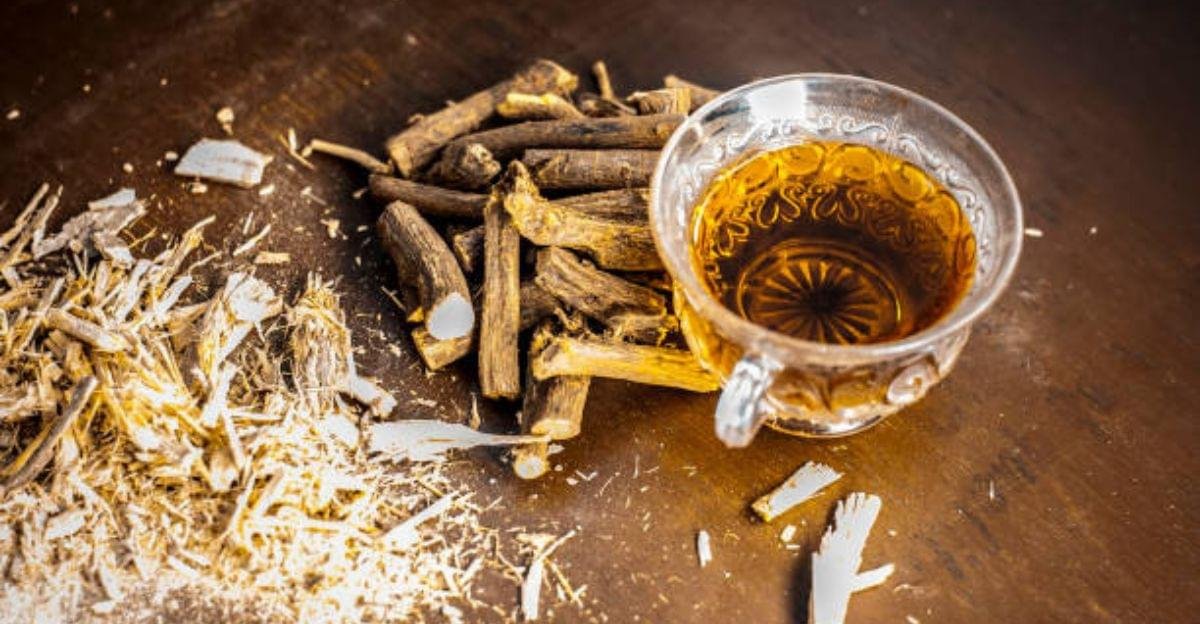
A warm ginger beverage can serve as a soothing addition to your daily routine, especially during cool and rainy days. While ginger can enhance flavor and provide warmth, it should not be viewed as a remedy or a foolproof safeguard against infections.
For overall wellness, prioritize hydration, a nutritious diet, sufficient sleep, and proper hygiene instead of depending on a single ingredient.

7. Maintain a Balanced and Nutritious Diet
Incorporate a diverse range of vegetables, fruits, whole grains, legumes, nuts, and other nutritious foods that meet your dietary requirements.
A well-rounded diet promotes normal immune function and aids in sustaining overall health.
8. Ensure Proper Ventilation in Your Home
Refrain from allowing rooms to remain damp and inadequately ventilated for extended periods. Open windows or doors when weather permits to facilitate adequate airflow.
Regularly inspect areas prone to moisture accumulation, such as bathrooms, kitchens, balconies, and room corners.
9. Prevent Mosquito Breeding
Avoid allowing water to stagnate in:
- Plant pots and saucers
- Buckets
- Old containers
- Coolers
- Roof areas
- Drains
- Discarded tires
Certain mosquitoes that carry diseases like dengue can reproduce in relatively small amounts of standing water, including household items. (World Health Organization)
Regularly empty, clean, or cover containers that hold water.
10. Safeguard Yourself Against Mosquito Bites
Implement effective mosquito-control strategies such as window screens, mosquito nets, suitable repellents, and appropriate clothing.
Minimizing exposure to mosquitoes is particularly crucial in regions where mosquito-borne illnesses are prevalent.
11. Ensure Your Feet Remain Clean and Dry
Moist footwear and socks can lead to discomfort and may result in skin issues. After traversing through rain, thoroughly wash and dry your feet, and switch to clean, dry socks or shoes.
Refrain from walking barefoot in potentially contaminated floodwater.
12. Keep Your Kitchen Clean
Regularly clean kitchen surfaces and utensils. Maintain separation between raw and cooked foods to minimize the risk of cross-contamination.
The World Health Organization’s Five Keys to Safer Food emphasize the importance of cleanliness, separating raw and cooked items, thorough cooking, maintaining safe food temperatures, and utilizing safe water and raw materials. (World Health Organization)
13. Minimize Contact With Floodwater
Floodwater may harbor sewage, microorganisms, chemicals, and other dangers. Avoid walking or engaging in activities in floodwater whenever feasible.
If you inadvertently come into contact with floodwater, cleanse exposed skin with soap and clean water. The National Centre for Disease Control in India specifically recommends avoiding floodwater and taking precautions when contact is unavoidable. (NCDC)
14. Ensure Adequate Sleep and Hydration
Sufficient sleep, proper hydration, and regular nutritious meals are fundamental practices that promote overall health.
Do not wait until you are extremely thirsty to consume fluids, especially if you have been active or are recuperating from an illness.
15. Be Attentive to Early Symptoms
Do not disregard persistent fever, recurrent vomiting, severe diarrhea, respiratory issues, unusual fatigue, or signs of dehydration.
Seeking early medical advice can be especially crucial for children, the elderly, pregnant individuals, and those with pre-existing health conditions.
Quick Monsoon Health Table
| Healthy Habit | What to Do | Why It Helps |
| Safe drinking water | Use clean, safe water | Helps reduce water-borne illness risk |
| Hand hygiene | Wash hands with soap regularly | Reduces transmission of germs |
| Food safety | Cook thoroughly and keep food covered | Helps reduce food contamination |
| Fresh produce | Wash fruits and vegetables with safe water | Helps remove dirt and some contaminants |
| Mosquito control | Remove stagnant water | Reduces mosquito breeding sites |
| Dry footwear | Change wet socks and footwear | Helps keep feet comfortable and healthy |
| Clean kitchen | Wash surfaces and utensils | Helps prevent cross-contamination |
| Floodwater safety | Avoid unnecessary contact | Reduces exposure to contaminated water |
The food- and water-safety recommendations in this table are consistent with WHO guidance, while floodwater precautions reflect Indian NCDC guidance. (World Health Organization)
Benefits of Following These Rainy Season Habits
SOURCE: ISTOCK
- Incorporating these practices into your daily routine can provide numerous advantages:
- Enhanced personal hygiene: Consistent handwashing and maintaining cleanliness can diminish the likelihood of encountering infectious germs.
- Safer food and water: Adequate handling techniques can significantly reduce the chances of food- and water-related illnesses.
- Fewer mosquito breeding grounds: Eliminating stagnant water can assist in managing mosquito populations.
- A tidier home: Regular cleaning contributes to a healthier living space.
- Improved daily wellness: A balanced diet, proper hydration, sufficient sleep, and regular physical activity promote overall health.
- Increased awareness: Understanding common risks associated with the monsoon season can enable you to identify symptoms more promptly.
Latest Trends in Monsoon Health and Prevention
1. Emphasis on Preventive Health
Individuals are progressively prioritizing prevention instead of waiting for illness to manifest. Essential practices such as hand hygiene, safe food handling, access to clean water, and proper household sanitation remain crucial.
2. Safety of Household Water
The importance of safe water storage and treatment methods at home continues to be highlighted, as contaminated water can lead to various diseases. The World Health Organization underscores the significance of safe drinking water and appropriate storage as vital elements in disease prevention.
3. Enhanced Mosquito Control
Rather than solely depending on mosquito repellents, households are increasingly concentrating on the removal of breeding grounds by eliminating stagnant water.
4. Food Safety in Domestic Settings
Home chefs are becoming more aware of issues related to cross-contamination, food storage practices, cooking temperatures, and the necessity of keeping raw and cooked foods separate.
5. Health Literacy Through Digital Platforms
Health information is becoming more accessible via government and international public health websites. Nevertheless, it is essential for readers to prioritize trustworthy sources over unverified health claims found on social media.
Expert Suggestions for Staying Healthy During Monsoon
Public health recommendations consistently highlight the importance of hygiene, safe drinking water, food safety, sanitation, and vector control, rather than depending solely on a specific home remedy. The World Health Organization (WHO) outlines five fundamental food safety principles: maintain cleanliness, separate raw and cooked foods, ensure thorough cooking, keep food at safe temperatures, and utilize safe water and raw materials.
For households, a practical strategy includes:
- Prioritizing clean drinking water on a daily basis.
- Washing hands at critical times.
- Safely preparing and storing food.
- Maintaining cleanliness and dryness in kitchens and bathrooms.
- Eliminating stagnant water around the residence.
- Avoiding unnecessary contact with floodwater.
Seeking medical assistance when symptoms are severe or persistent.
Common Mistakes to Avoid

SOURCE: ISTOCK
1. Consuming Water from an Uncertain Source
Do not presume that water is safe merely because it appears clear. Always use a dependable, safe water source or appropriate treatment methods when necessary.
2. Leaving Food Uncovered
Exposed food is susceptible to contamination. Always keep food covered and store perishable items correctly.
3. Overlooking Stagnant Water
Even minimal amounts of standing water can create breeding grounds for mosquitoes. Regularly inspect your home and its surroundings.
4. Unnecessarily Walking Through Floodwater
Floodwater may contain harmful contaminants. Avoid it whenever possible.
5. Relying Solely on Home Remedies
While ginger, warm beverages, spices, or other traditional remedies may provide comfort, they should not substitute for proper medical care.
6. Disregarding Persistent Symptoms
Do not self-treat prolonged or serious symptoms indefinitely. Seek professional medical advice when necessary.
7. Mixing Raw and Cooked Foods
Using the same utensils or cutting boards without adequate cleaning can transfer microorganisms from raw foods to ready-to-eat items.
Conclusion
The rainy season can be quite pleasant if you implement some sensible precautions. There is no need for complex routines to safeguard your home. Ensuring access to safe drinking water, maintaining clean hands, consuming fresh food, practicing proper kitchen hygiene, controlling mosquitoes, keeping your surroundings dry, and steering clear of contaminated floodwater are some of the most effective measures.
The key takeaway is the importance of consistency. By adopting small healthy habits on a daily basis, you can contribute to a cleaner and safer living environment during the monsoon season.
References
- WHO – Promoting Safe Food Handling (World Health Organization)
- WHO – Diarrhoeal Disease (World Health Organization)
- WHO – Drinking-water (World Health Organization)
- WHO India – Safe Food Equals Good Health (World Health Organization)
- National Centre for Disease Control, India – Public Health Advisory: Floods (NCDC)
FAQs
1. What are the most effective home remedies for maintaining health during the rainy season?
The key preventive practices include consuming safe drinking water, frequently washing hands, eating freshly prepared meals, ensuring kitchen cleanliness, eliminating stagnant water, safeguarding against mosquitoes, and obtaining sufficient rest.
2. Is it advisable to boil drinking water during the rainy season?
If there is a possibility that your drinking water source is contaminated or its safety is questionable, boiling the water can be an effective method to ensure its safety. It is important to adhere to local public health recommendations for your region. (World Health Organization)
3. How can I avoid mosquito-borne diseases at home?
Eliminate stagnant water from containers, plant saucers, coolers, buckets, drains, and other locations around your residence. Implement suitable mosquito control strategies to minimize bites.
4. Is consuming street food safe during the monsoon?
The safety of food is contingent upon the handling of food and water. During the rainy season, opt for vendors who uphold high hygiene standards, serve food that is thoroughly cooked and hot, and utilize safe water and clean utensils.
5. Can ginger or herbal beverages help prevent illnesses during the monsoon?
While ginger or herbal beverages can be pleasant and may offer comfort, they should not be regarded as a foolproof means of preventing infections. Prioritizing hygiene, safe food and water, mosquito control, and timely medical care are more critical preventive strategies.
6. What actions should I take if I experience fever or diarrhea during the rainy season?
Ensure you stay hydrated and seek medical attention, especially if symptoms are severe, persistent, or accompanied by dehydration, blood in the stool, difficulty breathing, confusion, or other alarming signs. The NCDC of India recommends seeking medical care if fever or diarrhea occurs following exposure to floods. (NCDC)
7. How can I ensure my family’s health during the monsoon?
Establish a straightforward household routine: safe water + clean hands + safe food + mosquito control + clean environment + adequate sleep + prompt medical attention when required.