
Introduction
🏠 10 Modern Low-Voltage LED Lighting Trends to Try This Year
Lighting has progressed well beyond the mere act of brightening a space. Nowadays, homeowners are turning to contemporary low-voltage LED lighting solutions that merge energy efficiency, intelligent technology, and exquisite design. Low-voltage LED lights function on lower electrical power while providing remarkable brightness, making them a favored option for both indoor and outdoor settings..
Whether you are remodeling your home, enhancing your garden, or crafting a warm atmosphere, these contemporary LED lighting trends can assist you in creating a chic and energy-efficient living space.
Why This Topic Matters
With energy prices on the rise and a growing awareness of environmental issues, an increasing number of homeowners are looking for sustainable lighting alternatives. Low-voltage LED systems use considerably less electricity compared to traditional lighting while boasting longer lifespans and enhanced design flexibility.
Current LED lighting trends also facilitate smart home integration, enabling users to manage brightness, colors, and schedules directly from their smartphones. By keeping abreast of these trends, homeowners can enhance comfort, lower energy expenses, and boost property value.
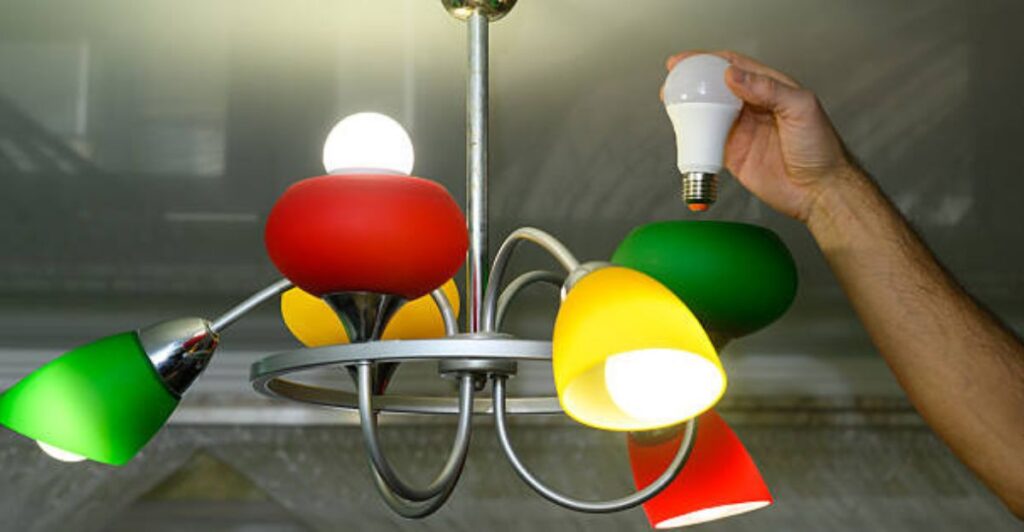
💡 10 Modern Low-Voltage LED Lighting Trends to Try This Year
source: istock
1. Intelligent LED Lighting Solutions
Smart low-voltage LEDs can be managed remotely via mobile applications or voice-activated assistants. Users have the ability to modify brightness, set schedules, and personalize lighting scenes effortlessly.
Why It’s Gaining Popularity:
• Convenient automation
• Energy efficiency
• Improved home security
2. Under-Cabinet Kitchen Illumination
Low-voltage LED strips placed beneath cabinets offer excellent task lighting while imparting a modern, upscale look to kitchens.
Ideal Applications:
• Food prep areas
• Display shelves
• Kitchen islands
3. Sleek Recessed LED Fixtures
The trend towards clean lines and uncluttered ceilings is boosting the appeal of recessed LED lighting. These fixtures integrate flawlessly into modern interiors.
Advantages:
• Contemporary look
• Space-efficient design
• Uniform light distribution
4. LED Cove Illumination
Cove lighting provides a gentle radiance around ceilings and walls, enhancing elegance and depth in living rooms, bedrooms, and home theaters.
Common Areas:
• Living rooms
• Dining spaces
• Master bedrooms
5. Outdoor Landscape LED Illumination
Homeowners are turning to low-voltage landscape lighting to boost curb appeal and enhance outdoor safety.
Perfect For:
• Garden pathways
• Trees and shrubs
• Patios and decks
6. Color-Changing RGB LED Systems
RGB LED lights enable homeowners to adjust colors based on their mood, festive occasions, or special events.
Trending Applications:
• Entertainment rooms
• Gaming setups
• Outdoor gatherings
7. Staircase Accent Lighting
LED strips embedded in staircases enhance both safety and aesthetic appeal.
Advantages:
• Enhanced visibility at night
• Sleek modern design
• Boosted property value
8. Motion-Sensor LED Lighting
Low-voltage LEDs that activate with motion automatically illuminate when movement is sensed, making them perfect for security and ease of use.
Ideal Locations:
• Hallways
• Garages
• Entryways
9. Solar-Powered Low-Voltage LEDs
Integrating solar technology with LED efficiency results in a highly sustainable lighting option for outdoor spaces.
Why Homeowners Adore It:
• Lower electricity consumption
• Environmentally friendly operation
• Simple installation
10. Decorative LED Pendant Lighting
Contemporary pendant lights featuring low-voltage LEDs act as striking centerpieces while ensuring high energy efficiency.
Popular Designs:
• Geometric shapes
• Industrial styles
• Scandinavian-inspired fixtures
🌟 Advantages of Contemporary Low-Voltage LED Lighting
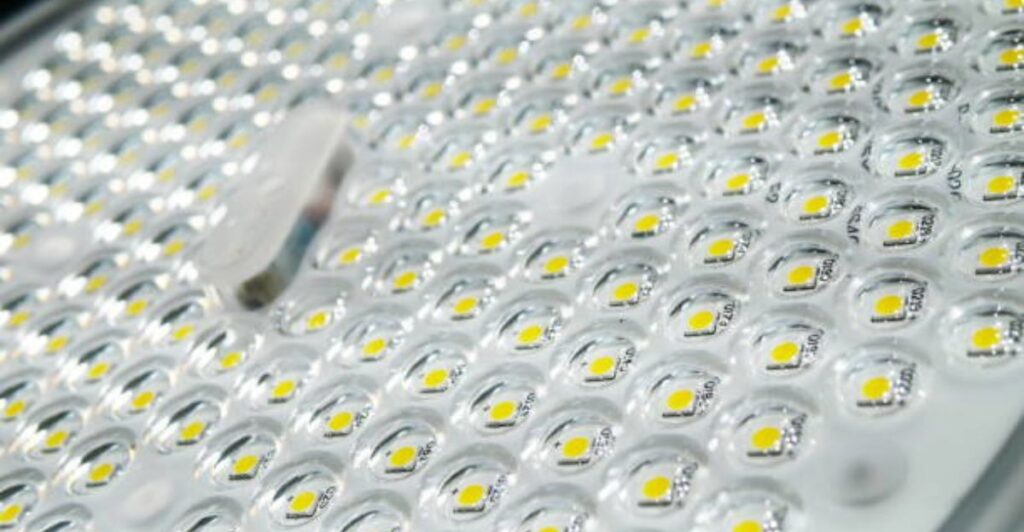
Modern low-voltage LED lighting has gained popularity among homeowners due to its blend of energy efficiency, safety, durability, and stylish aesthetics. Whether utilized indoors or outdoors, these lighting solutions provide a multitude of benefits that enhance both functionality and visual appeal.
source: stock
1. Decreased Energy Usage
Low-voltage LED lights consume significantly less electricity compared to traditional incandescent or halogen bulbs. This leads to lower monthly utility bills while also reducing overall energy consumption.
2. Lower Electricity Expenses
Thanks to their high efficiency, homeowners can enjoy bright lighting while spending less on energy over time. The long-term savings can be considerable, particularly in larger residences.
3. Extended Lifespan
High-quality LED lights can last anywhere from 25,000 to 50,000 hours or even longer. This results in fewer replacements, reduced maintenance costs, and greater convenience for homeowners.
4. Increased Safety
Low-voltage systems function at lower electrical currents, which diminishes the risk of electrical shocks. They are particularly ideal for outdoor spaces, gardens, pathways, and family-friendly areas.
5. Eco-Friendly
LED lights use less energy and emit fewer carbon emissions compared to traditional lighting solutions. Additionally, many LEDs are free from harmful materials like mercury.
6. Low Heat Emission
In contrast to conventional bulbs that produce a lot of heat, LEDs stay relatively cool during use. This enhances safety and minimizes unnecessary heat accumulation indoors.
7. Enhanced Home Design
Modern LED fixtures are available in a wide range of styles, colors, and designs, enabling homeowners to create appealing lighting effects that elevate both interior and exterior environments.
8. Smart Home Integration
Many contemporary low-voltage LED systems work seamlessly with smart home technology, allowing for remote operation, scheduling, voice commands, and personalized lighting scenes.
9. Versatile Installation Choices
LED strips, recessed lights, pathway illumination, and decorative pendants offer adaptable solutions for nearly any room, landscape, or architectural element.
10. Enhanced Outdoor Lighting Efficiency
Low-voltage LEDs are perfect for lighting up gardens, walkways, patios, decks, and driveways, boosting visibility, security, and aesthetic appeal.
11. Immediate Full Brightness
LED lights achieve full brightness instantly upon activation, unlike some traditional lighting options that need time to warm up.
12. Boosted Property Value
Energy-efficient and contemporary lighting enhancements can make a home more appealing to prospective buyers and lead to a higher resale value.
13. Tailored Lighting Atmosphere
Numerous LED systems provide dimming options and adjustable color temperatures, enabling homeowners to craft the ideal ambiance for various activities and moods.
14. Minimal Maintenance Needs
Due to their robustness and extended lifespan, LED lighting systems necessitate less frequent upkeep and replacement compared to traditional lighting.
15. Promotes Sustainable Living
By lowering energy usage and waste, low-voltage LED lighting assists homeowners in embracing a more sustainable and environmentally friendly lifestyle.
⚠️ Common Mistakes to Avoid
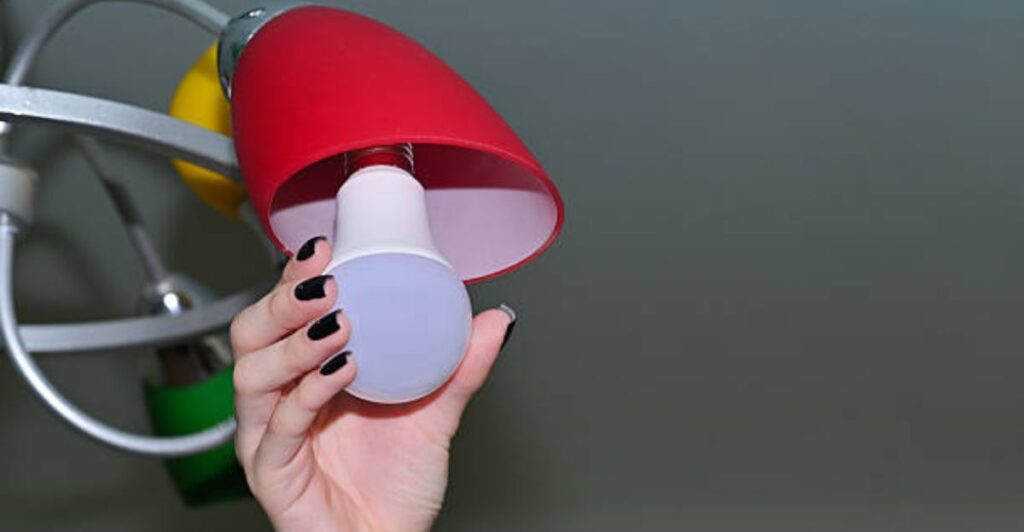
Avoid these frequent errors associated with LED lighting:
source: istock
❌ Using the Wrong Color Temperature
Selecting excessively cool or warm lighting can adversely impact the ambiance of a room.
❌ Ignoring Placement
Inadequate fixture placement can result in shadows and uneven lighting.
❌ Buying Cheap, Low-Quality LEDs
Inexpensive products may fail sooner than expected or deliver inconsistent brightness.
❌ Overlooking Outdoor Weather Ratings
It is essential to choose fixtures that are specifically designed for outdoor applications.
❌ Installing Excessive Brightness
An overabundance of light can lead to glare and discomfort.
❌ Forgetting Energy Controls
Utilizing timers, sensors, and dimmers can greatly enhance energy efficiency.
Contemporary low-voltage LED lighting is revolutionizing homes by promoting energy efficiency, integrating smart technology, and showcasing innovative design. From motion-sensor fixtures and RGB lighting to solar-powered landscape systems and sophisticated cove lighting, the current trends in LED technology provide both practical and stylish solutions for any space.
By adopting these 10 modern low-voltage LED lighting trends in your home, you can foster a brighter, more comfortable, and environmentally friendly living space while also minimizing long-term energy expenses.
Conclusion
Contemporary low-voltage LED lighting is revolutionizing homes by promoting energy efficiency, integrating smart technology, and showcasing innovative design. From motion-sensor fixtures and RGB lighting to solar-powered landscape systems and sophisticated cove lighting, the current trends in LED technology provide both practical and stylish solutions for any space.
By adopting these 10 modern low-voltage LED lighting trends in your home, you can foster a brighter, more comfortable, and environmentally friendly living space while also minimizing long-term energy expenses.
References
- U.S. Department of Energy – LED Lighting Facts
- Energy Star Lighting Guidelines
- International Energy Agency (IEA) Lighting Reports
- Illuminating Engineering Society (IES)
- National Electrical Manufacturers Association (NEMA)
- Lighting Research Center Publications
FAQs
1. What are low-voltage LED lights?
Low-voltage LED lights operate on reduced electrical voltage, typically 12V or 24V, while providing efficient illumination.
2. Are low-voltage LEDs energy efficient?
Yes. They consume significantly less electricity than traditional incandescent and halogen lighting.
3. Can low-voltage LEDs be used outdoors?
Absolutely. Many low-voltage LED systems are specifically designed for landscape and outdoor applications.
4. How long do LED lights typically last?
Most quality LED lights last between 25,000 and 50,000 hours, depending on usage and product quality.
5. Do smart LED lights save energy?
Yes. Smart controls, scheduling, dimming, and automation can help reduce unnecessary energy consumption.
6. Are low-voltage LED systems safe?
Yes. Lower operating voltage reduces electrical risks, making them a safe option for residential use