
Introduction
🏡 10 Adaptive Home Office Setup Ideas for Maximum Productivity in 2026
The nature of work is constantly changing, and home offices have become a vital aspect of contemporary life. By 2026, flexible home office configurations are on the rise, providing comfort, efficiency, and adaptability. Whether you are working remotely full-time, running a side business, participating in virtual meetings, or studying online, a versatile workspace can greatly enhance both productivity and well-being.
This guide delves into ten creative adaptive home office concepts designed to establish a workspace that can adjust to evolving needs while ensuring style and functionality.
Why This Topic Matters

Today’s professionals frequently balance numerous responsibilities throughout their day. A workspace that accommodates various tasks—from concentrated work sessions to video calls and creative endeavors—can significantly impact performance.
Adaptive home office configurations are important because they:
• Boost productivity and focus.
• Enhance physical comfort and health.
• Optimize limited living areas.
• Cater to hybrid and remote work lifestyles.
• Improve work-life balance.
• Prepare your home for future technological advancements and work trends.
10 Adaptive Home Office Setup Ideas for Maximum Productivity in 2026
1. Invest in Height-Adjustable Desks
A sit-stand desk enables you to switch between sitting and standing throughout your workday. This adaptability enhances posture, minimizes fatigue, and promotes movement.
Pro Tip: Opt for a programmable desk with memory settings for swift adjustments.
2. Create Modular Workspace Zones
Organize your office with distinct areas for focused tasks, meetings, brainstorming, and relaxation. Modular furniture allows for easy reconfiguration of your space as necessary.
3. Use Smart Lighting Systems
Smart lighting can automatically modify brightness and color temperature according to the time of day, aiding in reducing eye strain and sustaining energy levels.
4. Incorporate Multi-Functional Furniture
Desks featuring built-in storage, foldable workstations, and convertible shelving units help optimize space while keeping things organized.
5. Optimize Ergonomic Comfort
Adaptive workspaces focus on ergonomics. Invest in:
• Adjustable office chairs
• Ergonomic keyboards
• Monitor stands
• Footrests
These enhancements can help prevent discomfort during extended work periods.
6. Incorporate Portable Privacy Solutions
Portable room dividers, acoustic panels, and privacy screens provide immediate separation in shared living spaces.
7. Implement Smart Storage Systems
Versatile storage options like mobile cabinets, wall-mounted shelves, and modular organizers help maintain a tidy workspace.
8. Embrace Productivity Technology
Contemporary adaptive offices thrive with:
• Wireless charging stations
• Voice assistants
• Smart calendars
• AI-driven productivity tools
These innovations enhance workflows and minimize distractions.
9. Add Wellness-Oriented Features
Introducing plants, air purifiers, natural light, and relaxation areas fosters mental health and encourages sustained productivity.
10. Plan for Future Adaptability
Select furniture and technology that can adjust to your evolving requirements. Flexible arrangements lessen the necessity for costly redesigns in the future.
🌟 Benefits of Adaptive Home Office Setups
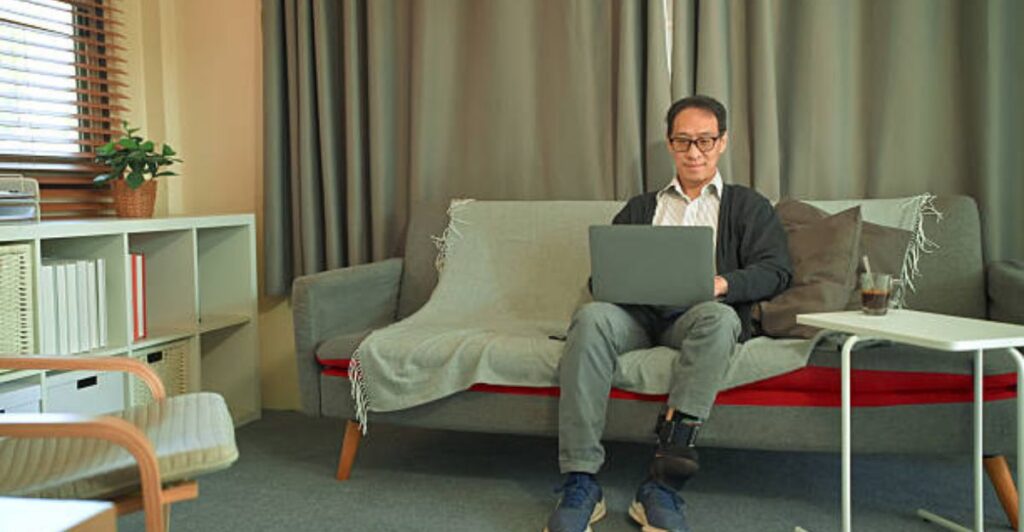
source: istock
Boosted Efficiency
Flexible work environments enable individuals to transition between tasks seamlessly, maintaining a smooth workflow.
Enhanced Physical Well-Being
Ergonomically designed and adjustable furniture alleviates pressure on the back, neck, and wrists.
Optimized Space Usage
Flexible designs assist homeowners in maximizing their limited living space.
Heightened Concentration
Specific areas reduce interruptions and foster focus.
Improved Work-Life Harmony
A versatile office setup aids in creating distinct separations between professional and personal time.
Long-Term Financial Benefits
Investing in multi functional furniture lowers future renovation and replacement costs.
📈 Latest Trends in Adaptive Home Offices for 2026
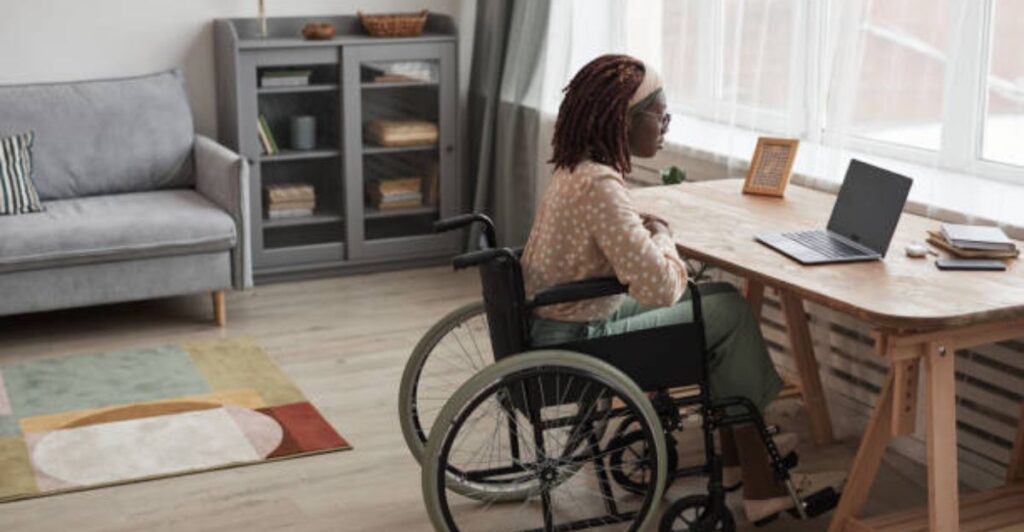
source: istock
AI-Enhanced Work Environments
Artificial intelligence is taking charge of lighting, scheduling, and environmental controls automatically.
Hybrid Work Improvement
Home offices are being crafted to facilitate both in-person and remote teamwork.
Eco-Friendly Furniture
Sustainable materials and recyclable office supplies are becoming popular options.
Soundproofing Solutions
Noise-canceling panels and soundproofing methods are becoming favored by remote employees.
Nature-Inspired Design
Natural features like indoor plants, wooden finishes, and the integration of natural light are still leading trends in workspace design.
Smart Health Tracking
Wearable gadgets and desk-integrated wellness monitors assist users in maintaining healthy work routines.
💡 Professional Recommendations
Focus on Ergonomics First
Comfort should be the cornerstone of any flexible office arrangement.
Keep Your Technology Current
Up-to-date productivity tools can greatly enhance efficiency when utilized wisely.
Regularly Declutter
A tidy workspace fosters clearer thinking and alleviates stress.
Make Your Space Personal
Incorporate art, plants, and decorative items that spark motivation and creativity.
Assess Your Needs Regularly
Revaluate your setup every few months to ensure it continues to support your workflow effectively.
⚠️ Common Mistakes to Avoid
Disregarding Ergonomic Guidelines
Utilizing fixed furniture can result in discomfort and lower efficiency.
Inadequate Cable Organization
Exposed cables create mess and can pose safety risks.
Cluttering the Workspace
Excessive furniture or decorations can make the office feel confined and distracting.
Lack of Adequate Lighting
Insufficient lighting leads to eye strain and tiredness.
Ignoring Storage Options
Without effective organization systems, clutter can quickly build up.
Chasing Trends Over Practicality
Always give precedence to functional needs rather than just aesthetic preferences.
Conclusion
Flexible home office arrangements are now essential for today’s professionals. By integrating adaptable furniture, ergonomic elements, intelligent technology, and wellness-oriented design features, you can establish a workspace that adapts to your requirements and fosters optimal productivity through 2026 and beyond.
Begin with minor enhancements, emphasize adaptability, and consistently adjust your workspace to align with your evolving lifestyle. The outcome will be a more comfortable, productive, and enjoyable work setting.
References
1. Occupational health and ergonomic workplace guidelines.
2. Remote work productivity research and workplace studies.
3. Interior design and home office organization publications.
4. Smart home technology industry reports.
5. Sustainable furniture and workspace design resources.
FAQs
1. What is an adaptive home office?
An adaptive home office is a flexible workspace designed to adjust to changing work styles, tasks, and technology needs.
2. Why are adaptive home offices important in 2026?
With remote and hybrid work becoming common, adaptive offices help improve productivity, comfort, and efficiency.
3. What is the most important feature of an adaptive workspace?
Ergonomic furniture, especially adjustable desks and chairs, is often considered the most important feature.
4. How can I create an adaptive office in a small home?
Use multi-functional furniture, wall-mounted storage, foldable desks, and modular layouts to maximize available space.
5. What technology should I include in my home office?
Consider smart lighting, wireless charging stations, video conferencing equipment, productivity software, and AI-powered tools.
6. How often should I update my home office setup?
Review your workspace every 6–12 months to ensure it continues meeting your productivity and comfort needs.
7. Are adaptive home office setups expensive?
Not necessarily. Many adaptive improvements, such as better organization and modular furniture, can be implemented on a budget.
8. Can plants improve productivity in a home office?
Yes. Indoor plants can improve air quality, reduce stress, and create a more pleasant working environment.