
Introduction
Title: 10 Easy Ways to Improve Soil Structure in Flowerpots
Description: Discover 10 easy ways to improve soil structure in flowerpots naturally. Learn how to increase aeration, drainage, moisture retention, and nutrient availability for healthier plants.
Healthy soil serves as a crucial foundation for thriving and fruitful potted plants. Regardless of whether you cultivate flowers, herbs, vegetables, or indoor plants, the state of the soil has a direct impact on root growth, water movement, aeration, and nutrient accessibility.
Over time, the soil in flowerpots may become hard, compacted, poorly drained, or lacking in organic matter. This deterioration can hinder roots from obtaining sufficient oxygen and water, while excess moisture may linger around the roots.
Fortunately, it is not always necessary to replace all the soil. By employing a few straightforward techniques, you can enhance the soil structure in flowerpots and foster a healthier growing environment for your plants.
Important: When using containers, it is advisable to avoid using regular garden soil on its own. Extension guidance suggests utilizing quality potting or soilless mixes, as garden soil can become heavy and compacted within containers. (Penn State Extension)
Why This Topic Matters
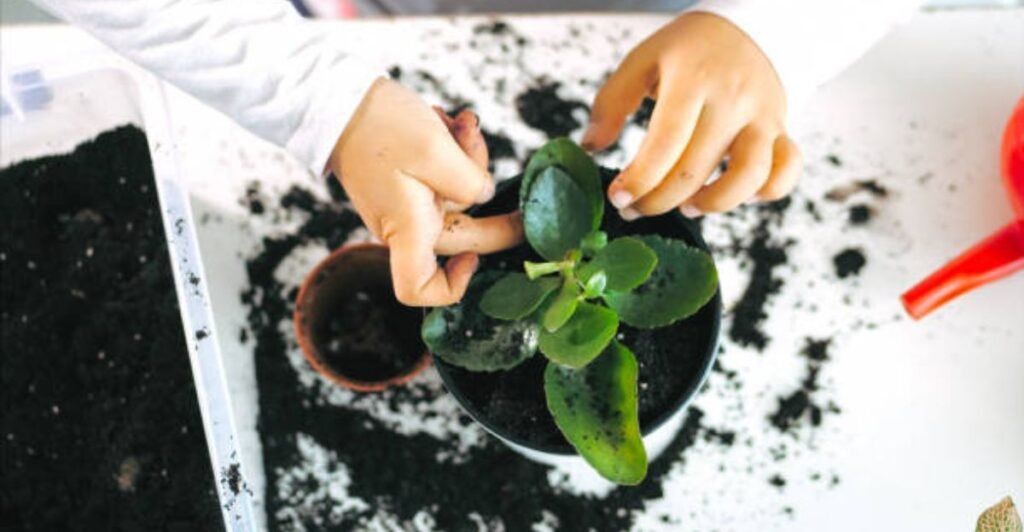
Flowerpots offer plants a limited growing medium. Unlike plants that grow directly in the ground, container plants are unable to extend their roots into the surrounding soil when conditions become unfavorable.
SOURCE: ISTOCK
An ideal soil structure should maintain a balance between:
- Air spaces for healthy root development
- Water retention without remaining overly saturated
- Drainage for excess water
- Nutrients essential for plant growth
- Physical support for roots
A well-structured growing medium features pores of varying sizes. Larger pores facilitate water movement through the medium and allow air to reach the roots, while smaller pores help retain moisture. Additionally, organic matter plays a significant role in soil aggregation and water retention. (Crop News Blog)
For container gardening, sustaining this balance is particularly vital, as pots can dry out rapidly and nutrients may be depleted through frequent watering. (University of Minnesota Extension)
Main Tips: 10 Easy Ways to Improve Soil Structure in Flowerpots
Here are 10 practical ways to make your flowerpot soil healthier and more suitable for plant growth.
1. Begin With a Quality Potting Mix
One of the simplest methods to enhance soil structure is to start with an appropriate growing medium.
Rather than using heavy garden soil to fill flowerpots, opt for a high-quality potting mix specifically formulated for containers. Many potting mixes include components such as coconut coir, peat moss, composted bark, perlite, or vermiculite.
These materials can help establish a balance between drainage, moisture retention, and aeration. (Penn State Extension)
2. Incorporate Finished Compost
Finished compost can enrich the growing medium with organic matter and enhance its overall properties.
Utilize well-aged, mature compost instead of fresh kitchen scraps or unfinished organic materials. Ensure it is mixed thoroughly rather than simply layering it on top.
Compost also provides nutrients and boosts water retention capacity. According to Penn State Extension, finished compost can be integrated into soilless container mixes in significant amounts, although the ideal quantity varies based on the plants and the mix. (Penn State Extension)
3. Utilize Coconut Coir for Enhanced Moisture Management
Coconut coir serves as a beneficial ingredient in various homemade and commercial potting mixes. It aids in moisture retention while keeping the growing medium relatively light.
This is especially advantageous when your potting mix tends to dry out rapidly.
However, it is important to note that increased moisture retention is not always advantageous. The soil in containers should remain moist, not waterlogged. (University of Minnesota Extension)
4. Enhance Aeration With Perlite
If the soil in your flowerpot becomes compacted or retains excessive water, incorporating an appropriate aeration material like perlite can help create additional pore space.
Perlite is lightweight and frequently utilized in container growing mixes to facilitate drainage and aeration. (Penn State Extension)
A sensible strategy is to use a well-balanced potting mix rather than adding large amounts of a single amendment without considering the overall composition of the mixture.
5. Carefully Loosen Compacted Soil
If the surface of a well-established flowerpot has hardened, gently loosen the top layer using a hand cultivator or a similar tool.
Exercise caution around the plant to avoid damaging the shallow roots.
Refrain from digging deeply around established plants repeatedly. The objective is to enhance the surface structure without unnecessarily disturbing the root system.
6. Refrain from Walking on or Compressing the Potting Mix
In contrast to garden beds, flowerpots have very limited space. Excessive pressure can compress the growing medium and diminish air-filled pore spaces.
When filling a pot, place the mix loosely and settle it gently instead of aggressively packing it down.
A light, well-structured medium enables roots to access both moisture and oxygen.
7. Ensure the Pot Has Sufficient Drainage
Even the best potting mix cannot compensate for a container that lacks proper drainage.
Always select flowerpots with suitable drainage holes. Excess water requires an exit from the container to prevent roots from being continuously exposed to saturated conditions. (University of Minnesota Extension)
Avoid the common practice of placing a thick layer of gravel or stones at the bottom of a pot to “enhance drainage.” Penn State Extension clarifies that this can actually impede water movement rather than improve it. (Penn State Extension)
8. Revitalize Old Potting Mix
Potting media can change over time due to decomposition, repeated watering, root growth, and nutrient depletion.
When repotting, examine the old medium. If it has become significantly compacted, exhibits poor drainage, or has deteriorated considerably, replacing part or all of it with fresh, high-quality potting mix may be more effective than merely adding fertilizer.
For mildly depleted soil, refreshing it with an appropriate fresh mix and mature organic matter can be beneficial.
9. Apply Mulch with Care
A thin layer of appropriate organic mulch can assist in minimizing moisture loss due to evaporation and help regulate the temperature of the soil surface.
Materials such as suitable straw, herbicide-free grass clippings, or coconut-based products can be utilized in the right containers. (University of Minnesota Extension)
Avoid piling mulch tightly against the stems of plants, and refrain from using a thick layer that keeps the surface excessively moist.
10. Water Appropriately
A well-structured soil and proper watering practices complement each other.
Rather than watering on a predetermined schedule, assess the moisture level of the growing medium and take into account the plant’s requirements, pot size, weather conditions, and location.
When watering, ensure that you provide enough water so that some drains from the bottom, and do not allow the container to sit in standing water. (Penn State Extension)
Quick Table: 10 Ways to Improve Flowerpot Soil
| No. | Method | Main Purpose | Best Practice |
| 1 | Quality potting mix | Improve overall structure | Choose a container-specific mix |
| 2 | Finished compost | Add organic matter | Use mature, finished compost |
| 3 | Coconut coir | Improve moisture management | Use as part of a balanced mix |
| 4 | Perlite | Increase aeration | Mix evenly into the growing medium |
| 5 | Loosen compacted soil | Improve pore space | Loosen gently around roots |
| 6 | Avoid compression | Protect soil structure | Don’t pack soil tightly |
| 7 | Drainage holes | Remove excess water | Keep drainage holes clear |
| 8 | Refresh old mix | Restore structure | Replace severely degraded media |
| 9 | Mulch | Reduce evaporation | Apply a thin, appropriate layer |
| 10 | Correct watering | Maintain moisture balance | Water thoroughly but avoid saturation |
Benefits of Improving Soil Structure in Flowerpots
Enhancing the composition of your potting medium can yield numerous advantages.
SOURCE: ISTOCK
🌱 Enhanced Root Development
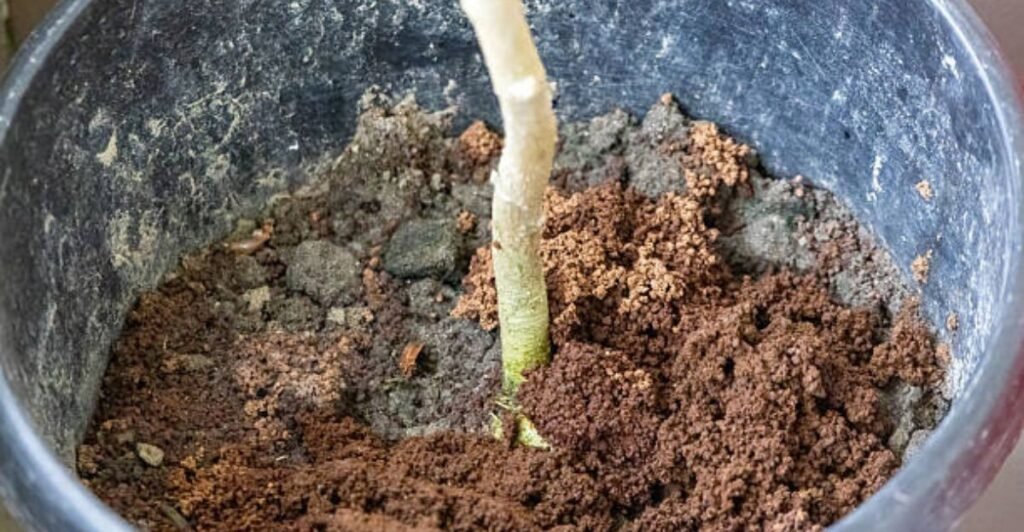
Loose and well-aerated growing media provide roots with improved access to oxygen, water, and nutrients.
💧 Superior Drainage
A well-structured potting mix facilitates the movement of excess water away from the root zone.
🌿 Improved Moisture Retention
Quality growing media can hold sufficient moisture for plants while still permitting excess water to drain away.
🌸 Robust Plant Growth
When roots obtain the optimal balance of air, moisture, and nutrients, plants can produce stronger foliage, stems, flowers, and root systems.
♻️ Reduced Waste
Refreshing and enhancing usable potting media can minimize the necessity to discard soil each time you tend to your containers.
🪴 Simplified Container Gardening
Healthy soil makes the processes of watering, feeding, and general plant care more straightforward.
Latest Trends in Flowerpot Soil Care
Container gardening is continually advancing, especially as gardeners seek sustainable and space-efficient methods for cultivating plants.
1. Sustainable Growing Media
There is a growing interest among gardeners in alternatives and mixtures that lessen dependence on traditional individual components. Modern potting mixes frequently incorporate coconut coir, composted bark, and various renewable or recycled materials.
2. Lightweight Container Mixes
Lightweight growing media are especially advantageous for balconies, patios, rooftops, and other areas where heavy containers may pose challenges.
3. Soil-Free Container Gardening
The use of soilless growing media is becoming more prevalent as they offer controlled physical characteristics such as drainage and aeration. (Penn State Extension)
4. Smarter Water Management
Gardeners are increasingly focusing on moisture management instead of merely watering plants according to a set schedule. This approach is particularly beneficial since container plants can dry out quickly in hot weather. (University of Minnesota Extension)
5. Testing Growing Media
For dedicated container growers and greenhouse gardeners, analyzing the growing medium can yield valuable insights regarding nutrient availability and other conditions. Recent extension recommendations emphasize specialized testing methods for greenhouse and potted media. (Fruit and Vegetable News)
Expert Suggestions for Healthier Flowerpot Soil
Here are several practical suggestions derived from established guidelines for container gardening:
SOURCE: ISTOCK
Select an appropriate medium. Begin with a high-quality potting mix instead of using heavy garden soil.
Ensure proper drainage. Verify that the container has effective drainage holes and that they are not obstructed.
Avoid overwatering. Most container plants thrive in consistently moist growing media rather than in soil that is perpetually saturated. (University of Minnesota Extension)
Refrain from over-fertilizing. While container plants require regular nutrients, too much fertilizer can harm them. Always adhere to the instructions on the fertilizer label. (University of Minnesota Extension)
Align the mix with the plant’s needs. A cactus or succulent typically requires a much faster-draining medium compared to a moisture-loving flowering plant. (University of Minnesota Extension)
Revitalize severely degraded media. If the mix has become compacted, waterlogged, or structurally unsound, repotting with fresh growing medium may be the most effective solution.
Common Mistakes to Avoid
| Mistake | Why It Can Be a Problem | Better Approach |
| Using garden soil alone | It can become heavy and compacted in containers | Use quality potting mix |
| Adding a thick gravel layer | It does not necessarily improve drainage | Use a well-draining growing medium |
| Overwatering | Can leave roots in saturated conditions | Check moisture before watering |
| Packing soil tightly | Reduces pore space and aeration | Fill pots without excessive compression |
| Using unfinished compost | May create problems for plants | Use mature, finished compost |
| Blocking drainage holes | Prevents excess water from escaping | Keep drainage holes clear |
| Excessive fertilizer | Can damage plants and contribute to nutrient buildup | Follow label directions |
| Ignoring plant requirements | Different plants need different moisture levels | Match the mix and watering to the plant |
The gravel-at-the-bottom practice is especially worth avoiding: current Penn State Extension guidance specifically identifies it as a gardening myth and recommends using quality potting mix with drainage holes instead. (Penn State Extension)
Conclusion
Enhancing the soil structure in flowerpots can be straightforward. The essential aspect is to formulate a growing medium that ensures a proper equilibrium of air, moisture, drainage, nutrients, and physical support.
Begin with a high-quality potting mix, incorporate suitable organic matter like well-decomposed compost, enhance aeration as necessary, ensure proper drainage, and refrain from overwatering or compressing the soil. Through consistent monitoring and basic upkeep, your flowerpots can offer a significantly improved environment for robust roots and flourishing plants.
Keep in mind that healthy roots originate from healthy growing media. By providing your potted plants with the appropriate soil structure, you will establish a more solid foundation for vibrant growth throughout the season.
References
- Penn State Extension — Container Vegetable Gardening: Four Keys to Success. (Penn State Extension)
- University of Minnesota Extension — Starting Your Garden and Containers Off Right. (University of Minnesota Extension)
- University of Minnesota Extension — Fertilizing and Watering Container Plants. (University of Minnesota Extension)
- Penn State Extension — Debunking Garden Myths. (Penn State Extension)
- Penn State Extension — Potting Media and Plant Propagation. (Penn State Extension)
FAQs
1. What are the natural methods to enhance soil structure in flowerpots?
You can enhance it by incorporating mature compost, coconut coir, and appropriate aeration materials like perlite, while also ensuring that you avoid excessive compaction and overwatering.
2. Is it advisable to use garden soil in flowerpots?
It is generally not recommended to use garden soil exclusively in containers, as it may become heavy and compacted, which can impede air and water movement. A high-quality container potting mix is a more suitable option. (University of Minnesota Extension)
3. Does compost enhance the soil in flowerpots?
Indeed. Finished compost can introduce organic matter and aid in moisture retention and nutrient availability. However, it should be utilized as part of a suitable growing-medium blend rather than assuming that an increased amount of compost is always beneficial.
4. Does placing gravel at the bottom of a flowerpot enhance drainage?
No. A layer of gravel at the bottom is not advisable as a drainage solution. It can actually obstruct water movement through the potting medium. (Penn State Extension)
5. How can I determine if my flowerpot soil is overly compacted?
Indicators may include water pooling on the surface, very slow drainage, a hardened soil surface, and challenges in allowing water to penetrate the medium.
6. How frequently should I replace potting soil?
There is no universal schedule applicable to all plants. It is advisable to refresh or replace the medium when it has significantly decomposed, become compacted, exhibited poor drainage, or no longer supports healthy plant growth.
7. Is coconut coir beneficial for flowerpots?
Coconut coir can serve as a valuable component of a container growing medium, as it aids in moisture management while keeping the mix relatively lightweight.
8. Should the soil in flowerpots always remain wet?
No. Most container plants prefer growing media that are moist but not saturated. Watering needs vary based on plant type, container size, weather, and growing conditions. (University of Minnesota Extension)
9. Is it possible to reuse old potting soil?
Occasionally, but it is essential to examine it beforehand. If the previous medium is excessively compacted, has poor drainage, is contaminated with diseases, or is significantly degraded, it is usually wiser to replace it.
10. What is the key step for enhancing flowerpot soil?
Begin with an appropriate, high-quality potting mix and make sure the container has proper drainage. These two elements establish the basis for effective root aeration and water management. (Penn State Extension)