
Introduction
10 Easy Ways to Generate Free Organic Mulch for a Healthier Garden
Organic mulch stands out as an incredibly valuable asset for any garden. It aids in retaining soil moisture, suppressing weeds, regulating soil temperature, and enhancing soil fertility over time. While many gardeners opt to buy mulch from garden centers, there are numerous ways to create free organic mulch using materials that are often thrown away. By converting everyday yard and household waste into mulch, you can save money, cut down on landfill waste, and foster a healthier environment for your plants.
In this guide, you will uncover 10 simple methods to produce free organic mulch and see how these straightforward techniques can turn your garden into a flourishing, sustainable haven.
Why This Topic Matters
The costs of gardening can escalate quickly, particularly when it comes to regularly purchasing fertilizers, compost, and mulch. Free organic mulch presents an Eco-friendly alternative that benefits both your finances and the planet.
Organic mulch contributes to:
• Minimizing water evaporation from the soil
• Enhancing soil structure and fertility
• Naturally reducing weed growth
• Shielding plant roots from temperature changes
• Promoting beneficial microorganisms and earthworms
• Effectively recycling organic waste
Utilizing free mulch materials is a sustainable gardening approach that nurtures healthier plants while minimizing household waste.
10 Easy Ways to Generate Free Organic Mulch for a Healthier Garden
source: istock
1. Gather Fallen Leaves
Autumn leaves serve as one of the simplest and most plentiful sources of mulch. Shred them using a lawn mower to speed up decomposition and distribute them around your garden beds.
2. Employ Grass Clippings
Fresh grass clippings are an excellent source of nitrogen-rich mulch. Apply them in thin layers to avoid matting and unpleasant smells.
3. Recycle Garden Prunings
Small branches, stems, and hedge trimmings can be chipped or shredded into valuable mulch for flower beds and pathways.
4. Preserve Pine Needles
Pine needles make for attractive mulch for acid-loving plants like blueberries, azaleas, and rhododendrons.
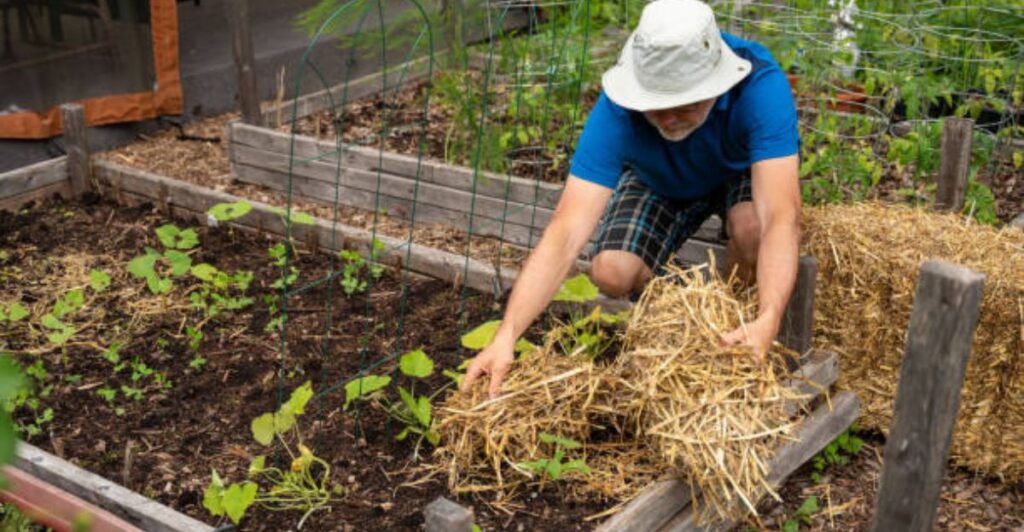
5. Utilize Straw from Local Farms
Many farmers provide leftover straw at little or no cost. Straw mulch is particularly effective in vegetable gardens.
6. Transform Kitchen Scraps into Compost Mulch
Fruit peels, vegetable scraps, coffee grounds, and eggshells can be composted and later utilized as nutrient-rich mulch.
7. Collect Wood Chips from Tree Services
Tree-trimming companies often have surplus wood chips and may offer them for free instead of paying for disposal.
8. Use Cardboard and Newspaper
Plain cardboard and newspaper sheets can be placed directly on the soil as biodegradable weed barriers and mulch layers.
9. Gather Weeds Before They Seed
Young weeds that haven’t seeded can be dried and used as mulch, returning nutrients to the soil.
10. Reuse Crop Residues
After harvesting vegetables, chop healthy plant stalks and leaves into smaller pieces and use them as mulch for future crops.
Benefits of Free Organic Mulch
Enhanced Soil Quality
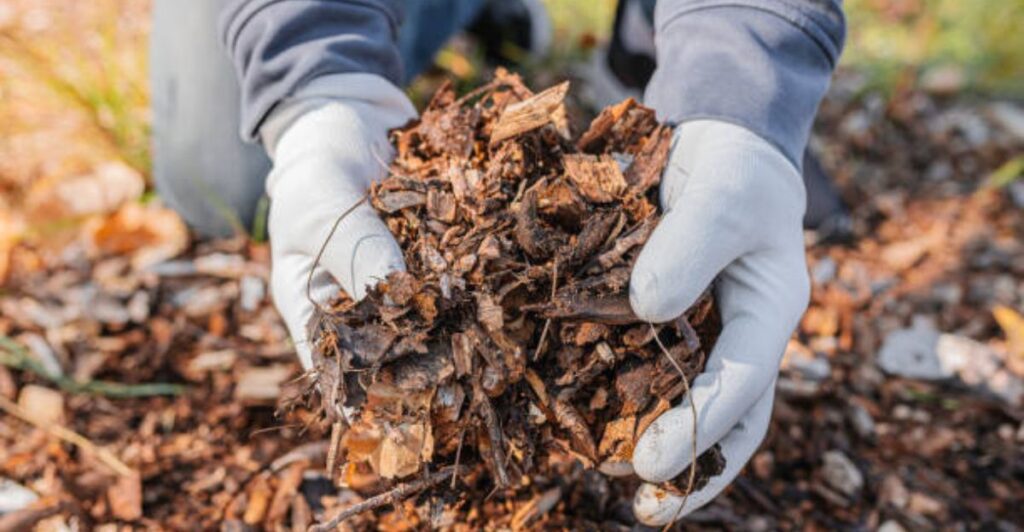
Organic mulch decomposes over time, enriching the soil with essential nutrients.
Improved Water Retention
Mulch minimizes water loss through evaporation, ensuring plants remain hydrated in warm conditions.
Weed Control
A dense layer of mulch obstructs sunlight, making it difficult for weeds to thrive.
Lower Gardening Expenses
Utilizing free resources negates the need for purchasing commercial mulch.

Increased Biodiversity
Organic mulch fosters a habitat for beneficial insects, fungi, and earthworms.
Eco-Friendly Practices
Recycling natural materials decreases landfill waste and encourages sustainable gardening.
Current Trends
Sustainable Gardening Approaches
Home gardeners are increasingly prioritizing the recycling of yard and kitchen waste into valuable garden resources.
Sheet Mulching
The practice of layering cardboard, compost, and organic materials is gaining traction as a popular no-dig gardening technique.
Community Mulch Sharing Initiatives
Numerous communities now provide free mulch sourced from municipal tree-trimming activities.
Regenerative Gardening
Gardeners are incorporating mulch into regenerative practices that enhance long-term soil health.
Compost-and-Mulch Combination
The integration of compost and mulch applications is becoming more popular for naturally maximizing plant growth.
Expert Suggestions
Maintain Proper Mulch Depth
To fully reap the benefits, apply mulch at a depth of 2–4 inches while ensuring air can circulate.
Keep Mulch Away from Plant Stems
It’s important to leave a small space around the trunks and stems to avoid rot and pest problems.
Mix Different Mulch Materials
Creating a balanced mulch layer can be achieved by combining leaves, grass clippings, and wood chips.
Refresh Mulch Regularly
Since organic mulch breaks down over time, it should be replenished on an annual basis.
Monitor Soil Conditions
Be sure to adjust the thickness of the mulch according to rainfall, temperature, and the needs of your plants.
Common Mistakes to Avoid
source: istock
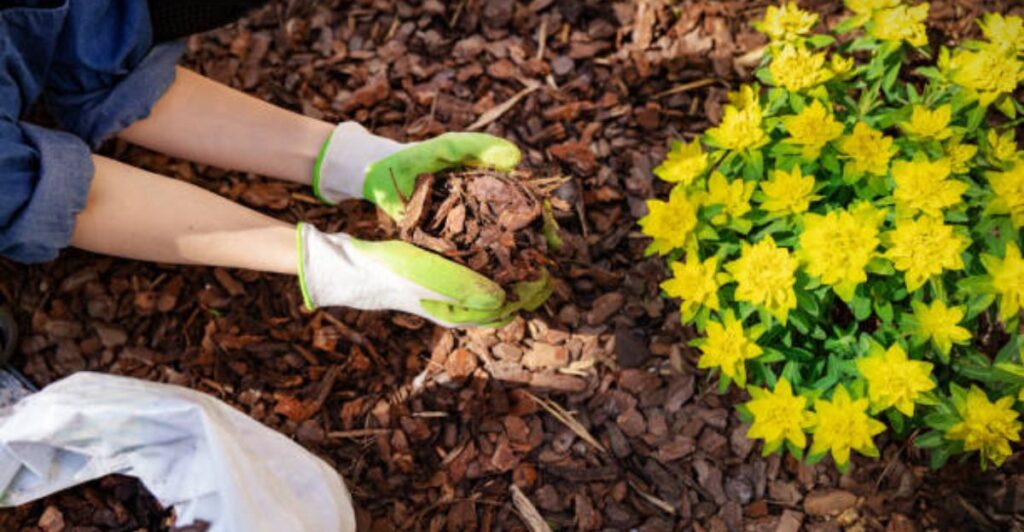
Applying Mulch Too Thickly
Too much mulch can hinder airflow and promote fungal issues.
Using Diseased Plant Material
Steer clear of using plants that are diseased for mulching to avoid spreading pathogens.
Mulching Against Tree Trunks
Creating “mulch volcanoes” can lead to bark damage and root complications.
Using Seed-Containing Weeds
These weeds can sprout and lead to future weed challenges.
Ignoring Material Preparation
Large leaves and branches take longer to decompose unless they are shredded or chipped beforehand.
Conclusion
Generating free organic mulch is a practical and Eco-friendly method to enhance your garden. Utilizing materials like fallen leaves, grass clippings, compost, and wood chips, you can access a variety of free resources that serve as effective mulch while minimizing waste. By integrating these 10 simple techniques into your gardening practices, you can foster healthier soil, conserve water, suppress weeds, and cultivate a flourishing garden without incurring additional costs.
Begin gathering organic materials today and transform everyday waste into a valuable asset for your gardening endeavors.
References
1. USDA Natural Resources Conservation Service – Mulching Guidelines
2. University Extension Gardening Programs
3. Composting and Soil Health Research Publications
4. Sustainable Gardening Best Practices
5. Organic Farming and Mulching Resources
FAQs
1. What is the best free organic mulch?
Shredded leaves are frequently regarded as one of the top free mulch choices due to their abundance and nutrient richness.
2. Can grass clippings be used directly as mulch?
Yes, but they should be applied in thin layers to prevent matting and odor issues.
3. How often should organic mulch be replaced?
Most organic mulches need to be refreshed once or twice a year as they break down.
4. Is cardboard safe for garden mulching?
Yes, plain cardboard without glossy finishes is biodegradable and effective for controlling weeds.
5. Can mulch improve soil fertility?
Absolutely. Organic mulch decomposes over time, enriching the soil with nutrients and organic matter.
6. How thick should mulch be applied?
A thickness of 2–4 inches is generally recommended for most gardening uses.
7. Are wood chips suitable for vegetable gardens?
Yes, particularly on pathways and around perennial plants, although composted chips are often favored near vegetables.