
Introduction
10 Rainy Season Nutrition Tips for Aging Cats | Senior Cat Health Guide
Meta Description: Discover 10 rainy season nutrition tips for aging cats. Learn how to support your senior cat’s immune system, digestion, hydration, and overall health during the monsoon season..
The rainy season ushers in cooler temperatures and offers a much-needed respite from the summer heat; however, it also presents challenges for senior cats. The rise in humidity, decrease in activity levels, seasonal bacteria, and fluctuations in appetite can significantly impact the overall health of your aging feline. Given that older cats typically possess weaker immune systems and experience slower digestion, ensuring proper nutrition is crucial during the monsoon months.
By implementing a few careful modifications to your cat’s diet, you can aid in maintaining healthy digestion, bolstering immunity, safeguarding joints, and ensuring your feline friend remains comfortable throughout the rainy season.
This guide provides 10 practical nutrition tips tailored for aging cats during the rainy season to help them remain healthy and active.
Why This Topic Is Important
source:istock
Senior cats necessitate more specialized care compared to their younger counterparts, particularly during seasonal transitions. The rainy season can heighten exposure to moisture, mold, bacteria, and parasites, which may adversely affect older pets more severely.
A well-balanced seasonal diet contributes to:
• Supporting immune function
• Enhancing digestion
• Maintaining a healthy body weight
• Minimizing inflammation
• Protecting kidney health
• Promoting healthy skin and coat
• Boosting energy levels
• Supporting healthy aging
Ensuring proper nutrition during the monsoon can mitigate the risk of illness and enhance your cat’s quality of life.
10 Rainy Season Nutrition Tips for Aging Cats
1. Opt for Premium Senior Cat Food
Select food that is specifically designed for senior cats. These diets generally include:
• Easily digestible proteins
• Regulated phosphorus levels
• Well-balanced minerals
• Supplemented vitamins
• Essential fatty acids
High-quality nutrition aids aging organs while ensuring sufficient energy.
2. Ensure Your Cat Stays Hydrated
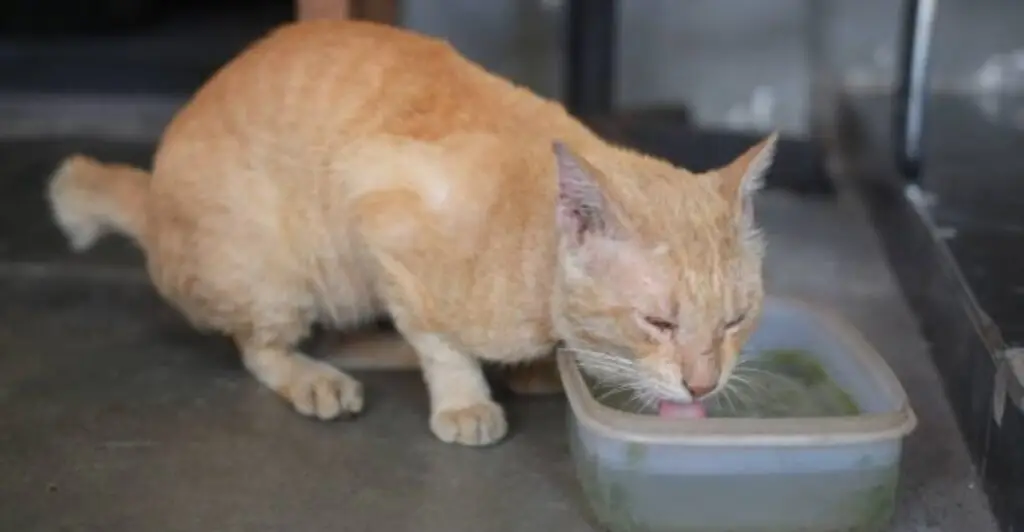
Many senior cats tend to drink less water, which heightens the risk of dehydration.
Promote hydration by:
• Providing fresh water multiple times a day
• Utilizing a pet water fountain
• Offering wet food
• Distributing several water bowls throughout your home
Adequate hydration also supports kidney function.
3. Incorporate Easily Digestible Protein
Senior cats still need protein, but their digestion may become less effective with age.
Select protein sources such as:
• Chicken
• Turkey
• Fish
• Eggs (when suitable)
Steer clear of low-quality fillers that offer minimal nutritional benefits.
4. Include Omega-3 Fatty Acids
Omega-3 fatty acids can assist in:
• Alleviating joint inflammation
• Supporting cognitive health
• Enhancing skin condition
• Promoting a lustrous coat
Fish oil supplements should only be administered as per your veterinarian’s guidance.
5. Provide Smaller, More Frequent Meals
Large meals may cause discomfort for an aging cat’s stomach.
Instead:
• Serve 3–4 smaller meals throughout the day.
• Keep feeding times consistent.
• Regularly check their appetite.
Smaller meals are typically easier to digest.
6. Promote Digestive Health
Humidity can lead to digestive issues.
Seek out foods that include:
• Prebiotics
• Probiotics
• Natural fiber
• Digestive enzymes
Effective digestion enhances nutrient absorption.
7. Steer Clear of Spoiled or Moist Food
Food tends to spoil more rapidly in humid conditions.
Always:
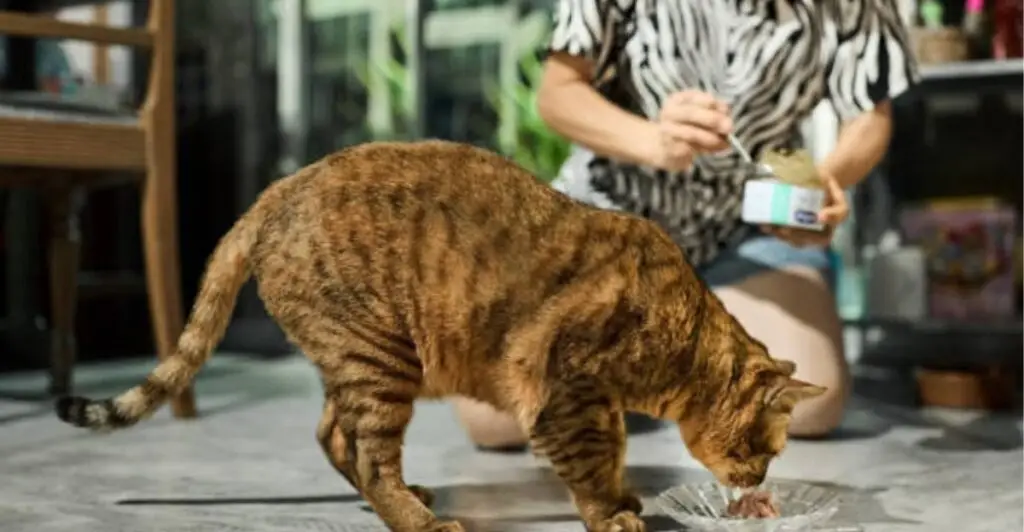
• Discard uneaten moist food after approximately 30–60 minutes.
• Sanitize bowls on a daily basis.
• Keep dry food in sealed containers.
• Verify expiration dates.
Fresh food minimizes the likelihood of gastrointestinal problems.
8. Provide Antioxidant-Rich Nutrition
Antioxidants are essential for safeguarding aging cells from harm.
Look for diets that include:
• Vitamin E
• Vitamin C
• Selenium
• Taurine
These nutrients play a role in bolstering the immune system.
9. Keep a Healthy Weight
Senior cats may become less active during rainy weather.
Limit excessive treats and keep an eye on:
• Body condition
• Weight fluctuations
• Muscle mass
Consult your veterinarian for optimal calorie guidelines.
10. Consult Your Veterinarian Prior to Dietary Adjustments
Each senior cat has distinct nutritional requirements.
Cats with health issues such as:
• Kidney disease
• Diabetes
• Arthritis
• Dental disease
• Thyroid disorders
may need tailored diets.
Routine veterinary examinations ensure your cat receives suitable nutrition.
Benefits of Proper Rainy Season Nutrition
Adhering to these nutritional guidelines can yield a variety of advantages:
source: istock
• Enhanced immune function
• Improved digestive health
• Healthier kidney function
• Increased joint flexibility
• Lowered risk of dehydration
• Better skin and coat condition
• Enhanced appetite
• Boosted energy levels
• Effective weight management
• Elevated quality of life
Emerging Trends in Senior Cat Nutrition (2026)
The field of cat nutrition is advancing with an emphasis on promoting healthy aging. Notable trends include:
• Customized nutrition tailored to age and health conditions
• Functional foods enriched with probiotics and prebiotics
• Limited-ingredient diets designed for cats with food sensitivities
• Omega-3 fortified formulas aimed at supporting joint and cognitive health
• High-moisture diets to aid in hydration
• Natural antioxidant mixtures for immune enhancement
• Veterinary nutrition consultations utilizing digital pet health records
While these trends may offer advantages, they should serve as a supplement—not a substitute—for advice from your veterinarian.
Recommendations from Experts
source: istock
Veterinary nutrition specialists typically advise:
• Schedule routine wellness check-ups for senior cats.
• Gradually introduce new foods over a period of 7–10 days.
• Observe any changes in appetite, weight, and water consumption.
• Maintain cleanliness of feeding bowls to minimize bacterial proliferation.
• Promote gentle daily exercise indoors.
• Refrain from offering human food unless confirmed safe by your veterinarian.
• Ensure vaccinations and parasite control measures are current.
Common Mistakes to Avoid
Avoid these frequent mistakes during the rainy season:
• Providing spoiled food
• Excessively giving treats
• Neglecting decreased water consumption
• Implementing abrupt dietary changes
• Offering unsuitable human foods
• Skipping veterinary appointments
• Leaving wet food out for extended periods
• Overlooking weight loss or lack of appetite
• Assuming all supplements are safe without consulting a veterinarian
• Ignoring dental issues that may cause eating discomfort
Conclusion
The rainy season brings distinct challenges for senior cats, yet careful nutrition can significantly impact their well-being. Selecting high-quality senior cat food, ensuring adequate hydration, supporting digestive health, and keeping track of your cat’s weight are straightforward yet effective strategies to encourage healthy aging.
It is important to remember that each senior cat is unique. If your cat experiences persistent health issues or a noticeable change in appetite, consult your veterinarian for guidance. With diligent care and balanced nutrition, your feline friend can have a healthier and more enjoyable rainy season.
References
• American Association of Feline Practitioners (AAFP). Senior Cat Care Guidelines.
• American Animal Hospital Association (AAHA). Senior Pet Care Recommendations.
• Cornell Feline Health Center. Nutrition and Aging Cats.
• World Small Animal Veterinary Association (WSAVA). Global Nutrition Guidelines.
• Merck Veterinary Manual. Nutrition for Senior Cats.
Frequently Asked Questions (FAQs)
1. What is the most suitable food for senior cats during the rainy season?
A complete and balanced diet specifically formulated for senior cats, containing high-quality protein, sufficient moisture, antioxidants, and essential nutrients, is typically advised.
2. Is it advisable for senior cats to consume wet food during the rainy season?
Wet food can enhance water intake, which is advantageous for many senior cats. Ensure proper storage and promptly discard any leftovers to avoid spoilage.
3. How frequently should I feed my senior cat?
Many senior cats thrive on smaller, more frequent meals. It is best to consult your veterinarian for a feeding schedule tailored to your cat’s health and weight.
4. Can rainy weather influence my cat’s appetite?
Indeed. Variations in weather, humidity, stress, or underlying health issues can impact appetite. A persistent decrease in appetite should be assessed by a veterinarian.
5. Are supplements essential for aging cats?
While some cats may gain from supplements, they should only be administered under veterinary supervision to ensure their appropriateness and safety.
6. What methods can I use to encourage my senior cat to drink more water?
Offer fresh water in various locations, consider using a pet water fountain, and include moisture-rich foods if advised by your veterinarian.
7. What symptoms suggest that my aging cat may require veterinary care?
Seek veterinary assistance if your cat exhibits ongoing vomiting, diarrhea, weight loss, difficulty eating, lethargy, increased thirst, or a prolonged reduction in appetite.