
Introduction
🏡 10 Creative Rooftop Fruit Garden Designs for Beginners
Cultivating fruits on your rooftop is an excellent method to make use of otherwise neglected space while savoring fresh, home-grown produce. Rooftop fruit gardens are particularly suitable for urban residences, apartments, and compact properties where conventional gardening areas are scarce. With appropriate planning, even novices can establish a fruitful and aesthetically pleasing rooftop orchard.
In this guide, we will examine 10 innovative rooftop fruit garden designs that are beginner-friendly, space-efficient, and visually attractive..
🏡 10 Creative Rooftop Fruit Garden Designs for Beginners

source: istock
🍓 1. Container Fruit Garden Layout
Container gardening represents one of the simplest rooftop fruit garden designs for newcomers.
Optimal fruits:
• Strawberries
• Lemons
• Figs
• Blueberries
• Dwarf guava
Advantages:
• Easy to relocate
• Minimal maintenance
• Ideal for small rooftops
Select large containers with adequate drainage to promote healthy root development.
🍋 2. Raised Bed Fruit Garden Design
Raised beds provide enhanced soil management and better drainage.
Recommended fruits:
• Strawberries
• Melons
• Dwarf papaya
• Ground cherries
Raised beds assist in keeping plants organized while creating a polished garden look.
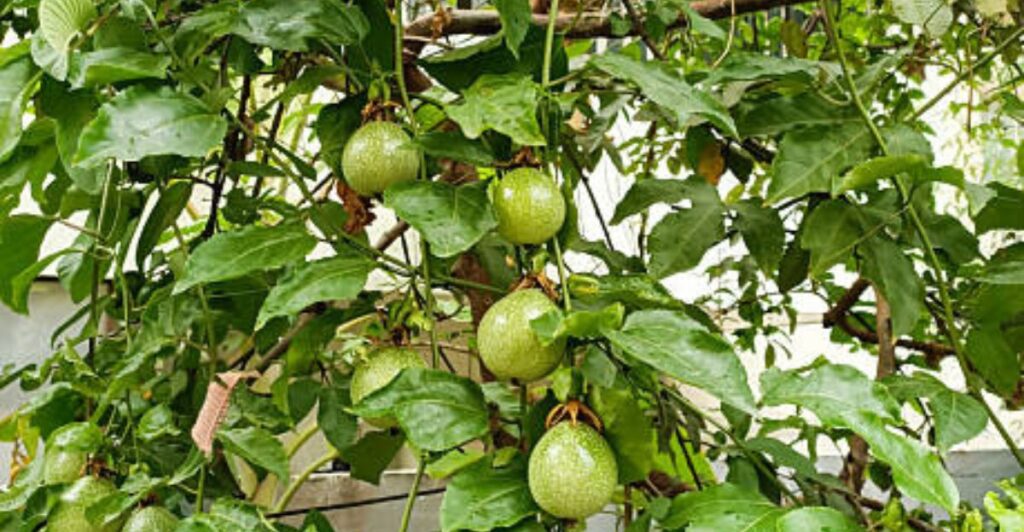
🌿 3. Vertical Fruit Garden System
Optimize rooftop space by cultivating fruits in a vertical manner.
Appropriate plants:
• Grapes
• Passion fruit
• Kiwi
• Climbing berries
Install robust trellises or wall-mounted supports to facilitate upward growth and conserve valuable floor space.
🍒 4. Dwarf Fruit Tree Collection
Dwarf fruit trees are ideal for rooftop gardens as they remain compact while yielding plentiful harvests.
Common choices:
• Dwarf mango
• Dwarf apple
• Dwarf peach
• Dwarf citrus
Arrange trees in decorative pots to form a miniature rooftop orchard.
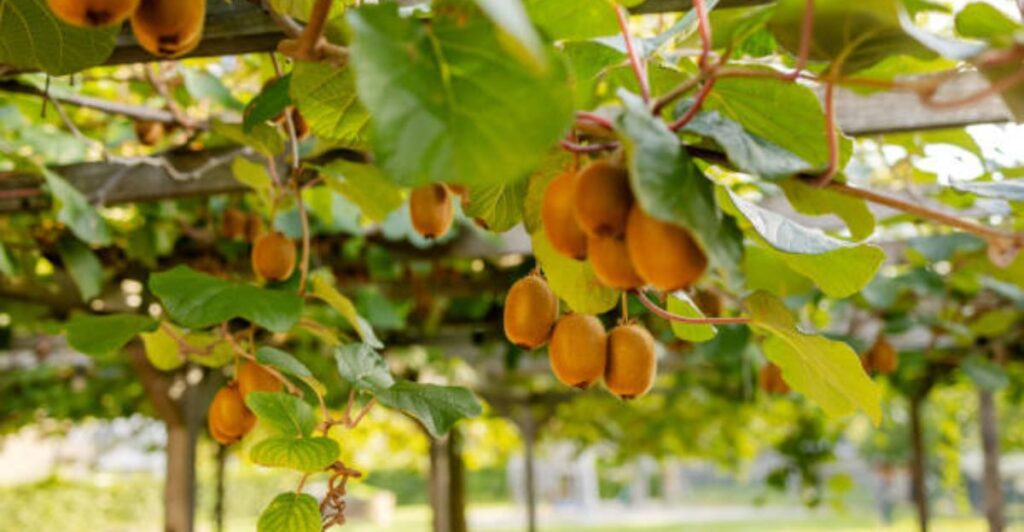
🍇 5. Pergola Fruit Garden Design
A rooftop pergola can fulfill both aesthetic and functional roles.
Best climbing fruits:
• Grapes
• Passion fruit
• Dragon fruit
The pergola offers shade while supporting fruit-bearing vines, enhancing the rooftop’s comfort and productivity.
🍍 6. Tropical Fruit Corner
Dedicate a section of the rooftop to tropical fruit plants.
Excellent options include:
• Pineapple
• Papaya
• Banana
• Dragon fruit
By grouping tropical plants together, you create an appealing theme while simplifying care requirements.
🍉 7. Multi-Level Fruit Garden
Utilize plant stands, shelves, and tiered racks to establish various growing levels.
Benefits include:
• Enhanced space utilization
• Increased visual appeal
• Simplified plant organization
Position larger fruit trees at the base and smaller fruiting plants on the upper shelves.
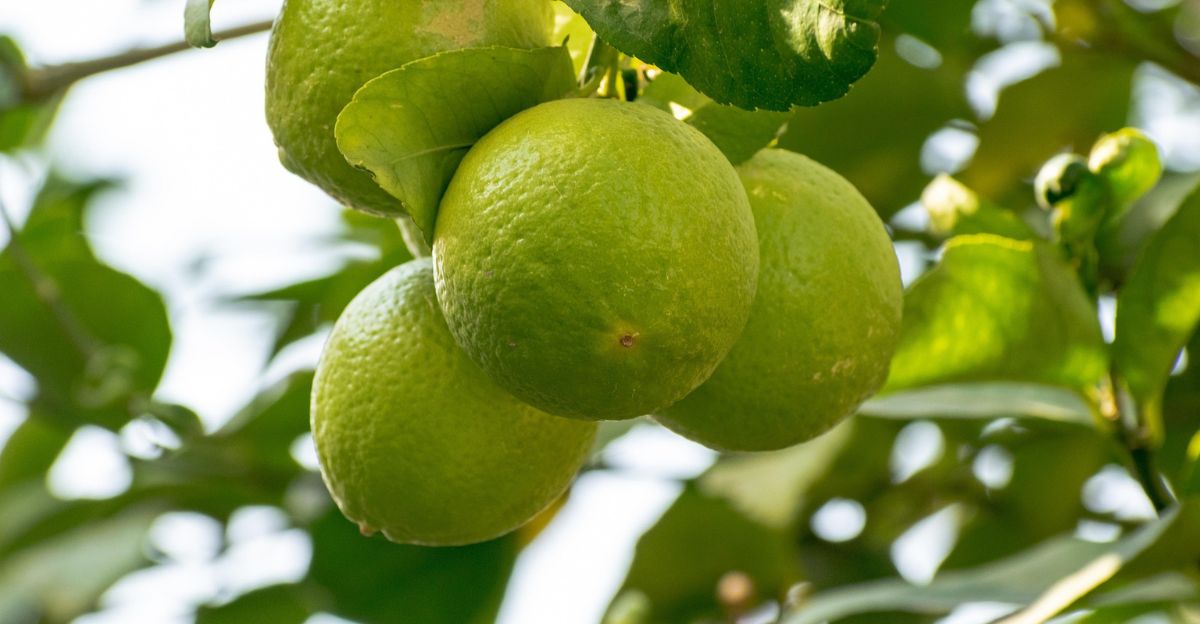
🍊 8. Rooftop Citrus Garden
Citrus fruits flourish in sunny rooftop environments.
Recommended varieties are:
• Lemon
• Lime
• Orange
• Mandarin
Their fragrant flowers and vibrant fruits make them wonderful ornamental additions.
🍓 9. Hanging Fruit Basket Design
Hanging baskets introduce greenery without occupying precious floor space.
Appropriate fruits include:
• Strawberries
• Cherry tomatoes
• Small trailing berries
Suspend baskets along railings, pergolas, or rooftop walls for a decorative touch.
🌳 10. Mini Rooftop Orchard
Convert your rooftop into a compact orchard featuring various fruit tree types.
Example combinations could include:
• Guava
• Pomegranate
• Lemon
• Fig
• Mango
Strategically arrange trees to ensure each one receives adequate sunlight and airflow.
🌟 Advantages of Rooftop Fruit Gardens
Rooftop fruit gardens are gaining popularity among urban residents and apartment owners. They convert neglected rooftop areas into fruitful green spaces that yield fresh produce, enhance the environment, and improve overall health. Below are some key advantages of rooftop fruit gardens:
source:istock
1. Fresh and Organic Produce
Cultivating fruits on your rooftop enables you to savor fresh, chemical-free produce directly from your home. You maintain full control over gardening practices, allowing you to avoid harmful pesticides and synthetic fertilizers.
2. Optimizes Unused Areas
Numerous rooftops remain vacant and underused. A rooftop fruit garden transforms this idle space into a productive growing area, particularly beneficial in urban settings where ground space is scarce.
3. Lowers Grocery Costs
Growing your own fruits can significantly reduce household food expenses. Over time, fruit trees and plants yield continuous harvests, making them a financially wise investment.
4. Enhances Air Quality
Fruit plants absorb carbon dioxide and release oxygen, contributing to improved air quality around your residence. They also capture dust and diminish airborne pollutants.
5. Aids in Cooling Your Home
Plants and growing containers offer natural insulation for rooftops. This can decrease heat absorption, helping to maintain cooler indoor temperatures during the hot summer months.
6. Promotes Sustainable Living
Rooftop fruit gardens encourage eco-friendly practices such as composting, rainwater collection, and local food production, thereby minimizing your environmental impact.
7. Attracts Pollinators
Flowering fruit plants draw in bees, butterflies, and other beneficial pollinators that enhance the health of the urban ecosystem.
8. Improves Property Aesthetics
A thoughtfully designed rooftop fruit garden enhances the beauty and greenery of your property. It creates a serene outdoor space while increasing visual appeal.
9. Encourages Physical Activity
Gardening tasks such as planting, pruning, watering, and harvesting offer gentle exercise and promote an active lifestyle.
10. Alleviates Stress and Enhances Mental Well-Being
Engaging with plants can foster relaxation, alleviate stress, and elevate mood. Rooftop gardens provide serene environments for daily enjoyment.
11. Offers Learning Opportunities
Families can gain insights into plant growth, sustainability, and healthy eating through practical gardening experiences. Children particularly benefit from witnessing the growth process.
12. Boosts Urban Biodiversity
Fruit gardens contribute to creating habitats for birds, insects, and beneficial organisms, thereby enhancing biodiversity in urban settings.
13. Promotes Healthy Eating Practices
Having fresh fruits readily accessible often encourages families to incorporate more nutritious options into their daily meals.
14. Provides Year-Round Gardening Opportunities
With appropriate plant selection and container management, numerous fruit varieties can be cultivated throughout the year, ensuring continuous harvests.
15. Establishes a Tranquil Outdoor Retreat
A rooftop fruit garden can serve as a serene getaway where one can relax, appreciate nature, and enjoy quality moments with family and friends.
📈 Trends in Rooftop Fruit Gardening for 2026
Contemporary rooftop gardening is advancing with innovative solutions:
source:istock
• Smart irrigation systems
• Lightweight grow bags
• Self-watering containers
• Vertical fruit walls
• Solar-powered garden lighting
• Organic rooftop orchards
• Pollinator-friendly fruit gardens
These trends facilitate rooftop fruit cultivation, making it more manageable and productive than ever before.
💡 Suggestions for Effective Rooftop Fruit Gardening

source:istock
1. Confirm that the rooftop can adequately bear the weight of the garden.
2. Opt for lightweight containers and potting mixes.
3. Set up appropriate drainage systems.
4. Select dwarf or compact fruit varieties.
5. Ensure a minimum of 6–8 hours of sunlight each day.
6. Maintain consistent watering during hot weather.
7. Utilize organic compost to promote healthy growth.
8. Shield plants from strong winds on the rooftop.
9. Regularly prune to sustain size and productivity.
10. Frequently check for pests and diseases.
🛒 Suggested Supplies
To initiate your rooftop fruit garden, consider the following:
• Spacious grow bags
• Lightweight planters
• Raised bed kits
• Trellis systems
• Organic compost
• Drip irrigation kits
• Plant supports
• Mulch materials
• Gardening gloves
• Watering cans
Conclusion
Rooftop fruit gardens offer a wonderful chance to cultivate fresh produce while converting unused urban areas into flourishing green spaces. Whether you opt for containers, raised beds, vertical systems, or a mini orchard, these beginner-friendly rooftop fruit garden designs can assist you in achieving plentiful harvests and a lovely outdoor setting. Begin with small steps, try out various fruits, and progressively develop the rooftop garden of your aspirations.
References
- Rooftop Gardening Guidelines and Urban Agriculture Resources.
- Home Fruit Production Extension Publications.
- Sustainable Urban Gardening Practices.
- Container Fruit Growing Manuals.
- Organic Gardening and Rooftop Farming Resources.
FAQs
1. Which fruit is easiest to grow on a rooftop?
Strawberries, lemons, guavas, and dwarf figs are among the easiest fruits for beginners.
2. Can fruit trees grow successfully on rooftops?
Yes. Dwarf fruit tree varieties grow very well in large containers on rooftops.
3. How much sunlight do rooftop fruit plants need?
Most fruit plants require 6–8 hours of direct sunlight daily.
4. What containers are best for rooftop fruit gardens?
Lightweight grow bags, plastic pots, and fiberglass containers work well.
5. Is rooftop gardening safe for buildings?
Yes, provided the rooftop structure can support the weight of containers, soil, and water.