
Introduction
🏡 10 Bright Open-Concept Small Home Ideas for Modern Living
Designing a cozy and fashionable home within a small area can be quite a task. Nevertheless, open-concept layouts have emerged as one of the best strategies to create an illusion of space, brightness, and warmth in compact homes. By eliminating unnecessary walls and optimizing natural light, homeowners can relish a roomy ambiance without expanding their living area.
In this article, we will delve into 10 illuminating open-concept ideas for small homes that can turn tight living quarters into stylish, functional, and aesthetically pleasing residences.
Why This Topic Is Important
As city living becomes increasingly prevalent, a growing number of individuals are opting for smaller houses, apartments, and condominiums. Limited space necessitates intelligent design strategies that enhance comfort and usability.
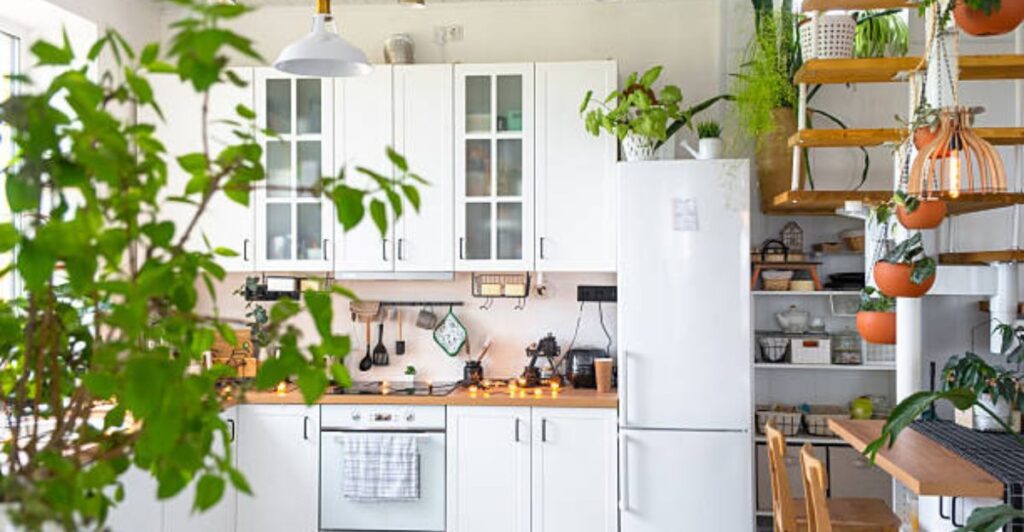
source:istock
Open-concept designs offer:
• The illusion of larger rooms
• Enhanced flow of natural light
• Better opportunities for socializing
• Greater flexibility in furniture placement
• A contemporary and airy feel
These advantages make open-concept living an excellent option for homeowners who desire both style and functionality.
10 Bright Open-Concept Small Home Ideas for Modern Living
1. Enhance Natural Light with Expansive Windows
Large windows enable sunlight to pour into the interior, making compact areas feel more illuminated and spacious. Opt for sheer curtains or blinds that allow natural light to flow in.
2. Embrace a Light Color Scheme
White, cream, soft gray, and pastel hues reflect light and foster an open atmosphere. Light-colored walls and furnishings can visually enlarge a room.
3. Merge Living, Dining, and Kitchen Spaces
Removing unnecessary walls creates a fluid transition between areas. This layout promotes social interaction while giving the home a more expansive appearance.
4. Incorporate Multi-Functional Furniture
Invest in pieces that serve various functions, such as storage ottomans, sofa beds, and extendable dining tables. These items help conserve precious space.
5. Use Glass Partitions
Rather than solid walls, opt for glass dividers to delineate spaces while preserving openness and light flow throughout the home.
6. Select Minimalist Décor
An excess of decorative items can make a small home feel cluttered. Concentrate on a few standout pieces and maintain clean surfaces.
7. Utilize Mirrors Wisely
Mirrors can reflect light and create the illusion of more space. Position them opposite windows for the best effect.
8. Add Open Shelving
Open shelves offer storage while keeping the room visually lighter than heavy cabinets. Display decorative items sparingly for a tidy appearance.
9. Establish Consistent Flooring
Using the same flooring throughout interconnected areas creates visual harmony and makes the home feel more spacious.
10. Bring Nature Inside
Houseplants introduce freshness, color, and texture while enhancing the bright, airy ambiance of an open-concept home.
Advantages of Bright Open-Concept Small Homes
Bright open-concept small homes are gaining popularity as they create a sense of spaciousness, comfort, and functionality in compact living areas. By integrating natural light with open designs, homeowners can relish a contemporary and welcoming atmosphere without the need for a large residence.
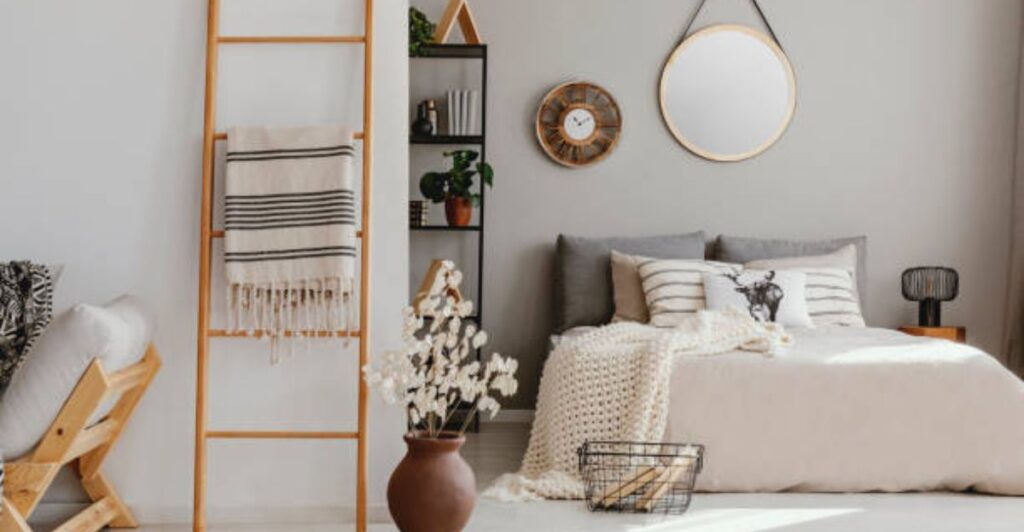
source: istock
1. Creates the Illusion of More Space
Open floor plans eliminate unnecessary walls, allowing rooms to seem larger than their actual size. Bright interiors amplify this effect by reflecting light throughout the home.
2. Maximizes Natural Light
Expansive windows, glass doors, and light-hued interiors enable sunlight to flow freely through the living space, minimizing dark corners and fostering a joyful ambiance.
3. Improves Energy Efficiency
Homes that are bathed in natural light require less artificial illumination during daylight hours. This can lead to decreased electricity usage and lower utility expenses.
4. Enhances Social Interaction
An open-concept layout links the kitchen, dining, and living spaces, facilitating easier interaction among family members and guests while cooking, dining, or unwinding.
5. Increases Flexibility
With fewer walls separating areas, homeowners can effortlessly rearrange furniture or modify spaces for various activities such as working, studying, or entertaining.
6. Makes Cleaning Easier
Fewer walls and divisions result in fewer surfaces to dust and maintain. Open areas are typically quicker and simpler to clean.
7. Enhances Airflow
Open layouts facilitate better air movement throughout the house, resulting in a fresher and more pleasant indoor atmosphere.
8. Elevates Mood and Wellness
Exposure to natural light is associated with enhanced mood, improved sleep quality, and heightened productivity. Bright living areas tend to feel more inviting and uplifting.
9. Introduces Contemporary Charm
Open-concept layouts are a signature of modern architecture. They offer a sleek, fashionable look that attracts many homeowners and potential buyers.
10. Boosts Property Worth
Well-designed, luminous homes typically garner more attention in the real estate market. Buyers value homes that appear spacious, practical, and energy-efficient.
11. Promotes Minimalist Living
Compact open areas encourage homeowners to minimize clutter and concentrate on essential furnishings, fostering a tidier and more organized lifestyle.
12. Offers Improved Sight Lines
Parents can easily monitor their children, and family members can maintain visual connections across various parts of the home.
Current Trends in Open-Concept Small Home Design (2026)
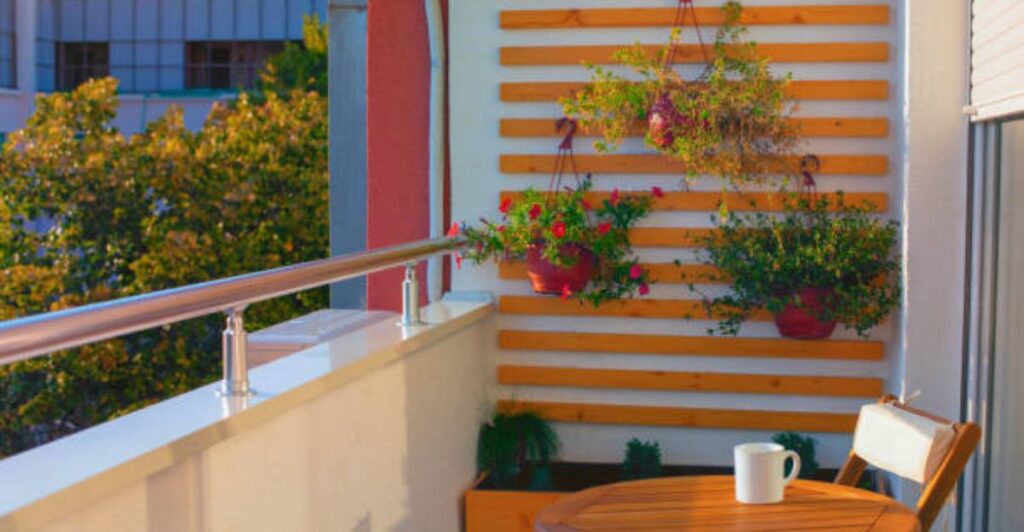
source: istock
📈 Smart Home Integration
Voice-activated lighting, intelligent thermostats, and automated window treatments are becoming commonplace.
📈 Sustainable Materials
Environmentally friendly flooring, upcycled furniture, and energy-efficient windows are gaining traction.
📈 Hidden Storage Solutions
Integrated storage benches, under-stair nooks, and hidden cabinets assist in minimizing clutter.
📈 Biophilic Design
Elements from nature, including indoor plants, wooden textures, and organic materials, are being woven into interior designs.
📈 Flexible Living Zones
Adjustable partitions and modular furnishings enable homeowners to modify spaces for work, leisure, and socializing.
Expert Recommendations
• Prioritize natural light whenever feasible.
• Ensure furniture is proportionate to the size of the room.
• Utilize vertical storage to optimize floor space.
• Maintain a cohesive color palette throughout the home.
• Steer clear of overcrowding rooms with too much furniture.
• Integrate reflective surfaces like mirrors and glass.
• Keep pathways clear for effortless movement.
Common Mistakes to Avoid
When creating a bright, open-concept small home, steering clear of common pitfalls can help you design a space that is comfortable, functional, and visually attractive.
1. Overcrowding the Space
Filling the area with too much furniture can make an open-concept home feel cramped. Select only essential items and ensure there is ample room for movement.
2. Ignoring Storage Needs
Open layouts can quickly appear cluttered without adequate storage solutions. Incorporate built-in cabinets, storage ottomans, and multifunctional furniture to keep things tidy.
3. Blocking Natural Light
Positioning large furniture in front of windows or using heavy drapes can restrict sunlight. Choose sheer window treatments and arrange furniture thoughtfully.
4. Using Too Many Dark Colors
Dark walls and furnishings can create a sense of confinement in a small home. Counterbalance darker elements with light-colored walls, flooring, and décor.
5. Lacking Defined Zones
In the absence of visual boundaries, open spaces can seem chaotic. Utilize area rugs, lighting, furniture arrangement, or shelving to delineate living, dining, and work areas.
6. Selecting Oversized Furniture
Large sofas, tables, or cabinets can dominate a small home. Choose furniture that is appropriately sized for the dimensions of the room.
7. Overlooking Lighting Layers
Relying solely on a single ceiling fixture can lead to shadows and uneven illumination. Incorporate ambient, task, and accent lighting to create a more vibrant environment.
8. Disregarding Traffic Flow
A poor furniture layout can hinder movement. Make sure that pathways are clear and accessible throughout the living space.
9. Generating Excess Visual Clutter
Too many decorations, patterns, and accessories can make a compact area feel disordered. Stick to a simple and cohesive design approach.
10. Overlooking Privacy Needs
Open-concept layouts may lack private areas. Think about using room dividers, sliding doors, curtains, or decorative screens when necessary.
11. Blending Too Many Design Styles
Mixing various styles and colors can create a sense of inconsistency in the space. Keep a consistent theme throughout the home.
12. Failing to Plan for Future Requirements
Design decisions should reflect evolving lifestyles. Versatile furniture and flexible layouts ensure the home remains functional over time.
💡 Quick Tip
Concentrate on brightness, simplicity, clever storage, and practical furniture. These aspects will ensure your airy open-concept small home appears spacious, organized, and inviting while steering clear of typical design mistakes.
Conclusion
A bright open-concept layout is one of the best strategies to enhance comfort and style in small residences. By welcoming natural light, utilizing smart furniture options, and keeping a tidy, unified look, homeowners can craft inviting areas that feel significantly larger than their actual dimensions.
Whether you’re updating a cozy apartment or planning a new small home, these 10 bright open-concept suggestions can assist you in creating a modern, functional, and visually attractive living space.
References
- Principles of Interior Design for Small Spaces
- Sustainable Home Design Guidelines
- Modern Residential Architecture Trends
- Home Organization and Space Optimization Resources
- Energy-Efficient Housing Design Studies
FAQs
Q1. What is an open-concept home?
An open-concept home combines multiple living areas, such as the kitchen, dining room, and living room, into one connected space without many walls.
Q2. Are open-concept layouts good for small homes?
Yes. They create a more spacious appearance, improve light flow, and enhance functionality.
Q3. How can I make my small home brighter?
Use large windows, light colors, mirrors, glass elements, and minimal décor to maximize brightness.
Q4. What furniture works best in open-concept spaces?
Multi-functional furniture, modular seating, storage ottomans, and expandable tables are excellent choices.
Q5. Do open-concept homes increase property value?
In many markets, open-concept layouts are highly desirable and can improve a home’s appeal to buyers.
Q6. How do I prevent clutter in an open-concept home?
Use smart storage solutions, declutter regularly, and choose furniture with built-in storage features.