
Introduction
15 Simple Monsoon Oral Care Tips to Prevent Infections and Bad Breath
The rainy season introduces cooler temperatures, increased humidity, and alterations in daily habits; however, maintaining oral hygiene should remain a priority during the monsoon months. Consistent oral care is essential year-round, as factors such as plaque, food remnants, bacteria, dry mouth, tooth decay, and gum issues can lead to unpleasant breath and various oral health concerns. (Mayo Clinic)
A straightforward and regular oral-care regimen can assist in keeping your teeth, gums, tongue, and mouth cleaner. The subsequent 15 oral care tips for the monsoon season emphasize practical habits that can help minimize plaque accumulation, promote healthy gums, and ensure fresher breath.
Important: Persistent bad breath despite maintaining good oral hygiene, or symptoms like significant gum swelling, bleeding, pain, pus, loose teeth, or mouth sores, should prompt a visit to the dentist.
Why This Topic Matters
During the rainy season, individuals may find themselves indoors more often, altering their eating patterns, consuming more tea or coffee, or neglecting certain aspects of their usual hygiene practices. These shifts can lead to a lapse in oral care.

Bad breath, clinically referred to as halitosis, typically originates in the mouth. Bacteria can build up on the tongue, around the teeth, and in between them. Inadequate oral hygiene can also lead to plaque formation, gingivitis, tooth decay, and gum disease. (Mayo Clinic)
Saliva plays a crucial role in the natural cleansing of the mouth. A dry mouth can exacerbate bad breath due to the reduced saliva available to eliminate food particles and bacteria. (Mayo Clinic)
Main Tips: 15 Simple Monsoon Oral Care Tips

1. Brush Your Teeth Twice a Day
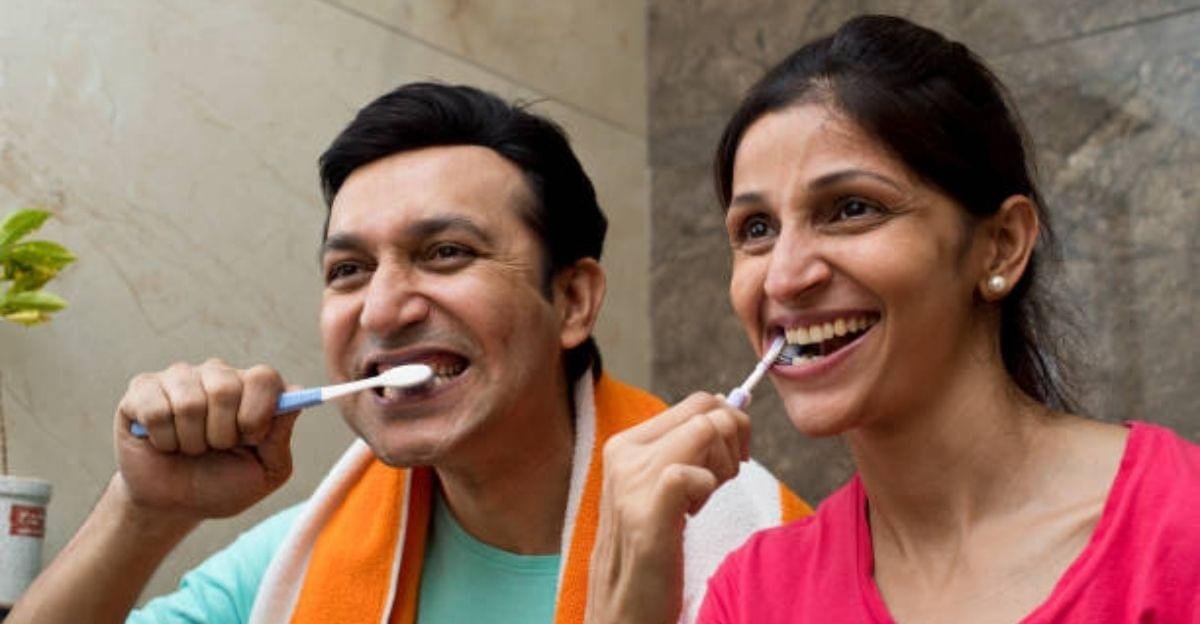
Brush your teeth twice a day for approximately two minutes using fluoride toothpaste. Ensure you focus on the front, back, and chewing surfaces of your teeth.
The American Dental Association advocates for brushing twice daily with fluoride toothpaste as part of a standard oral care routine. (ADA)
2. Clean Between Your Teeth Every Day
A toothbrush is unable to effectively access every area between teeth. Utilize dental floss or another appropriate interdental cleaner once daily to eliminate trapped food and plaque.
Daily interdental cleaning can significantly lower the chances of gum disease and tooth decay. (ADA)
3. Gently Clean Your Tongue
The tongue can harbor bacteria that lead to bad breath. Carefully brush your tongue or employ a suitable tongue cleaner as part of your daily hygiene routine.
Cleaning your tongue is especially beneficial when you observe a visible coating or experience persistent mouth odor. (Mayo Clinic)
4. Drink Enough Water
Ensure you stay hydrated throughout the day. Water aids in maintaining moisture in the mouth and promotes saliva production.
If you often experience a dry mouth, consult a healthcare professional or dentist, particularly if the issue continues. (Mayo Clinic)
5. Rinse Your Mouth After Eating
After meals or snacks, rinsing with plain water can assist in removing loose food particles. This is particularly useful when immediate brushing is not feasible.

source: istock
6. Limit Frequent Sugary Snacks
Regular intake of sugary foods and beverages can heighten the risk of tooth decay. Aim to keep sugary snacks to a minimum and adhere to a consistent brushing and interdental cleaning routine.
7. Avoid Tobacco Products
Smoking and other tobacco products can lead to bad breath and elevate the risk of oral health issues. Steering clear of tobacco is crucial for maintaining a healthier mouth. (Mayo Clinic)
8. Keep Your Toothbrush Clean and Dry
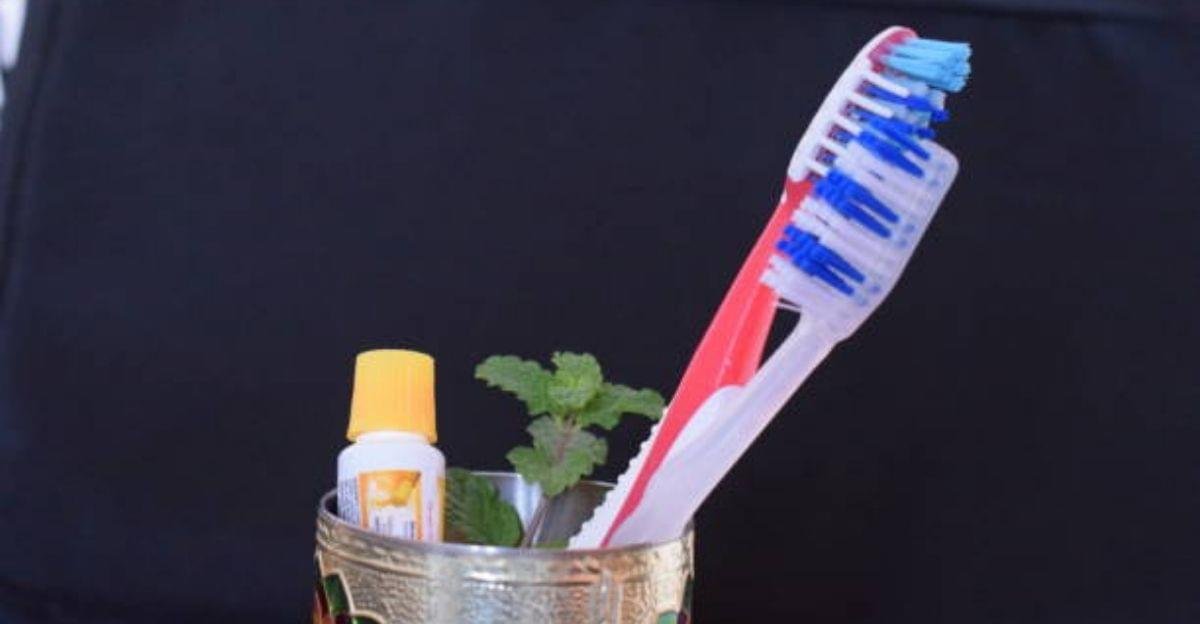
After brushing, thoroughly rinse the toothbrush and allow it to air dry. Refrain from habitually storing a wet toothbrush in a closed container, as moisture can promote microbial growth.
9. Regularly Replace Your Toothbrush
It is advisable to replace your toothbrush once the bristles show signs of wear or fraying. The Mayo Clinic suggests changing toothbrushes approximately every three to four months, or sooner if necessary, and recommends using a soft-bristled brush. (Mayo Clinic)
10. Avoid Sharing Toothbrushes
It is essential to refrain from sharing toothbrushes, even among family members. Each individual should possess their own toothbrush and oral-care tools.
11. Properly Clean Dental Appliances
For those who utilize dentures, retainers, bridges, mouth guards, or similar devices, it is crucial to clean them according to your dentist’s guidelines. Neglecting proper maintenance can lead to the accumulation of food particles and bacteria. (Mayo Clinic)
12. Consider Using an Appropriate Mouthwash
Incorporating a mouthwash can enhance your oral-care regimen, but it should not substitute for brushing and interdental cleaning. Therapeutic mouth rinses may address specific oral health issues, while some cosmetic rinses primarily offer temporary freshness. (ADA)
Select products based on your requirements and adhere to the instructions on the label or your dentist’s recommendations.
13. Limit Foods That Cause Bad Breath
Certain foods, such as garlic and onions, can temporarily alter breath odor. If you identify specific foods that lead to persistent odor, consider minimizing their intake and ensuring good oral hygiene afterward. (Mayo Clinic)
14. Schedule Regular Dental Checkups
Routine dental checkups are vital for detecting cavities, gum disease, plaque, and other oral health issues before they escalate. Your dentist can also provide tailored recommendations for your oral-care routine.
15. Do Not Overlook Persistent Bad Breath
While fresh breath products may provide a temporary solution, ongoing bad breath can sometimes signal an underlying oral health issue. Conditions such as gum disease, tooth decay, infections, dry mouth, and others can contribute to bad breath. (Mayo Clinic)
If the issue persists despite maintaining good oral hygiene, it is advisable to schedule an appointment with a dentist.
Quick Monsoon Oral Care Table
| Oral Care Habit | How Often | Why It Helps |
| Brush with fluoride toothpaste | Twice daily | Helps remove plaque and protect against tooth decay |
| Clean between teeth | Once daily | Removes food particles and plaque from hard-to-reach areas |
| Clean tongue | Daily | Helps reduce bacteria associated with bad breath |
| Drink water | Throughout the day | Helps maintain mouth moisture |
| Rinse after meals | When practical | Helps remove loose food particles |
| Replace toothbrush | About every 3–4 months or when worn | Helps maintain effective brushing |
| Clean dental appliances | Daily/as directed | Helps prevent buildup of food and bacteria |
| Dental checkup | As recommended | Helps identify oral problems early |
The brushing, interdental-cleaning, toothbrush-replacement, and dental-checkup recommendations above are consistent with guidance from dental and medical sources. (Mayo Clinic)
Benefits of Good Monsoon Oral Care
Maintaining a regular oral-care routine can yield numerous advantages:
source: istock
- Aids in controlling plaque accumulation.
- Promotes healthier teeth and gums.
- Assists in eliminating food particles that may lead to bad breath.
- Encourages fresher breath.
- Lowers the likelihood of tooth decay and gingivitis.
- Facilitates the early detection of dental issues.
- Fosters improved overall hygiene practices.
- Helps avert oral-care issues from being neglected during hectic rainy-season schedules.
Effective home care significantly contributes to oral health and can minimize the necessity for extensive dental treatments in the future. (ADA)
Emerging Oral Care Trends in 2026
1. Customized Oral Care
Individuals are increasingly seeking oral-care routines tailored to their specific needs instead of adhering to a generic approach. The ADA also highlights that dentists may customize home-care suggestions based on a person’s oral health requirements. (ADA)
2. Electric and Timed Toothbrushes
Electric toothbrushes and integrated timers can assist some individuals in maintaining consistent brushing practices and achieving the recommended brushing time.
3. Expanded Interdental-Cleaning Options
Traditional floss is no longer the sole choice. Interdental brushes, floss picks, and water flossers offer alternatives based on personal needs and preferences. (ADA)
4. Enhanced Mouthwash Selections
Consumers are becoming increasingly aware that mouthwash serves as a supplement to brushing and interdental cleaning rather than a substitute. Therapeutic mouth rinses may address specific oral health issues. (ADA)
5. Emphasis on Identifying Bad Breath Causes
Instead of merely covering up unpleasant breath with mints, contemporary oral-care guidance focuses on uncovering potential causes such as plaque, gum disease, dry mouth, tooth decay, or infection. (Mayo Clinic)
Expert Suggestions
For an effective monsoon dental routine, focus on the essentials:

source: istock
- Brush your teeth twice daily using fluoride toothpaste.
- Clean between your teeth once each day.
- Maintain a clean tongue.
- Stay hydrated by drinking sufficient water.
- Refrain from using tobacco products.
- Ensure that toothbrushes and dental devices are kept clean.
- Consult a dentist if you experience persistent symptoms.
The key takeaway is consistency. No matter how costly oral-care products may be, they cannot substitute for regular brushing and interdental cleaning. The American Dental Association (ADA) emphasizes that mouthwash should not be considered a replacement for proper brushing and flossing.
Common Mistakes to Avoid
1. Brushing Too Hard
There is no need for aggressive brushing. Employ gentle strokes with an appropriate toothbrush.
2. Cleaning Only the Teeth
Bacteria and food particles can also accumulate on the tongue and in the spaces between teeth. (Mayo Clinic)
3. Using Mouthwash as a Substitute for Brushing
While mouthwash can enhance an oral-care regimen, it should not take the place of brushing and cleaning between teeth. (ADA)
4. Overlooking Bleeding or Swollen Gums
Signs such as bleeding, swollen, or tender gums, along with persistent bad breath, may indicate gum issues that require professional evaluation. (Mayo Clinic)
5. Relying Solely on Breath Mints
Mints may temporarily conceal bad breath but do not address the root cause. Ongoing bad breath should be examined. (Mayo Clinic)
6. Neglecting Dental Appliances
Regular cleaning is also necessary for dentures, retainers, mouth guards, and similar devices. (Mayo Clinic)
7. Disregarding Persistent Dry Mouth
Chronic dry mouth can lead to bad breath and other dental issues. If it persists, seek professional guidance. (Mayo Clinic)
Conclusion
Maintaining proper oral hygiene during the monsoon season does not necessitate a complex regimen. Brushing your teeth twice daily, flossing, cleaning your tongue, staying hydrated, ensuring dental appliances are sanitized, and scheduling regular dental checkups can establish a solid foundation for effective oral care.
It is important to note that persistent bad breath is not solely a matter of hygiene. If you experience ongoing unpleasant breath despite adhering to good oral care practices—or if you notice symptoms such as pain, swelling, bleeding, pus, loose teeth, or other alarming signs—seek the advice of a dentist for a thorough assessment. (Mayo Clinic)
A few consistent practices can assist you in achieving cleaner teeth, healthier gums, and fresher breath throughout the rainy season.
References
- American Dental Association — Home Oral Care and brushing recommendations. (ADA)
- American Dental Association — Dental Floss and Interdental Cleaners. (ADA)
- American Dental Association — Mouthrinse/Mouthwash guidance. (ADA)
- Mayo Clinic — Bad Breath: Symptoms, Causes, Diagnosis and Treatment. (Mayo Clinic)
- Mayo Clinic — Gingivitis and Periodontitis information. (Mayo Clinic)
FAQs
1. Is the rainy season a potential cause of bad breath?
The rainy season itself does not directly lead to bad breath. However, alterations in routine, hydration levels, dietary habits, and oral hygiene practices can create conditions that may result in unpleasant breath.
2. How frequently should I brush my teeth?
For the majority of individuals, it is advisable to brush twice daily for approximately two minutes using fluoride toothpaste. (ADA)
3. Is it essential to clean the tongue for fresh breath?
Cleaning the tongue can assist in eliminating bacteria that lead to bad odors. It serves as a beneficial complement to regular brushing and interdental cleaning. (Mayo Clinic)
4. Does drinking water alleviate bad breath?
Sufficient hydration aids in maintaining moisture in the mouth. Since dry mouth can lead to bad breath, drinking water can be advantageous when dehydration contributes to dryness. (Mayo Clinic)
5. Can mouthwash serve as a substitute for brushing?
No. While mouthwash may offer additional benefits, it cannot replace the necessity of proper brushing and cleaning between the teeth. (ADA)
6. How often is it recommended to floss?
The ADA suggests cleaning between your teeth once daily using floss or another suitable interdental cleaner. (ADA)
7. When should I consult a dentist regarding bad breath?
If bad breath persists despite improvements in your oral hygiene, it is advisable to see a dentist. Ongoing bad breath may sometimes be linked to gum disease, tooth decay, infections, dry mouth, or other health issues. (Mayo Clinic)
8. What is the most effective way to prevent oral infections during the monsoon season?
The most effective strategy is to maintain consistent basic hygiene: brush twice daily with fluoride toothpaste, clean between teeth daily, clean your tongue, stay hydrated, avoid tobacco, clean dental appliances, and seek professional care if symptoms persist.