
Introduction
🌊 16 Creative Eco-Friendly Aquarium Décor Ideas for Freshwater Tanks
Freshwater aquariums serve as more than mere habitats for fish; they are vibrant representations of nature that can convert any space into a serene sanctuary. With a growing number of aquarium enthusiasts adopting sustainable practices, the demand for Eco-friendly aquarium décor has surged. Selecting natural, biodegradable, and ethically sourced decorations not only beautifies your tank but also fosters a healthier habitat for aquatic organisms.
If you aim to create a breath taking freshwater aquarium while minimizing your ecological footprint, these innovative Eco-friendly aquarium décor suggestions will motivate you.
🌿 Why Opt for Eco-Friendly Aquarium Décor?
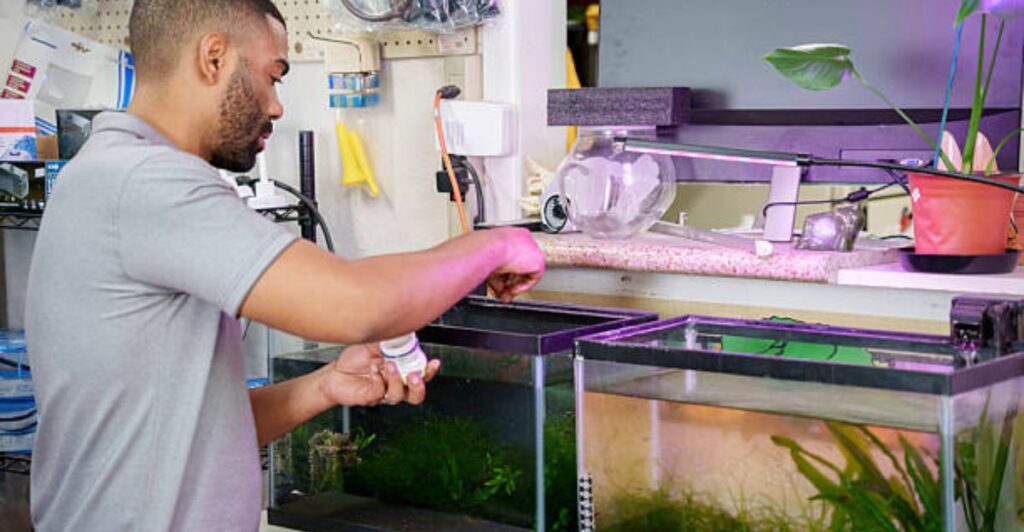
source:istock
Conventional aquarium decorations are frequently constructed from plastic and synthetic substances that may deteriorate over time. Eco-friendly options present numerous advantages:
• Safer for fish and aquatic flora
• More authentic-looking aquarium environments
• Decreased plastic waste
• Sustainable and environmentally conscious
• Enhanced water quality in many instances
• Better facilitation of natural fish behaviors
Let us delve into some exquisite and sustainable décor choices.
🌊 16 Creative Eco-Friendly Aquarium Décor Ideas for Freshwater Tanks
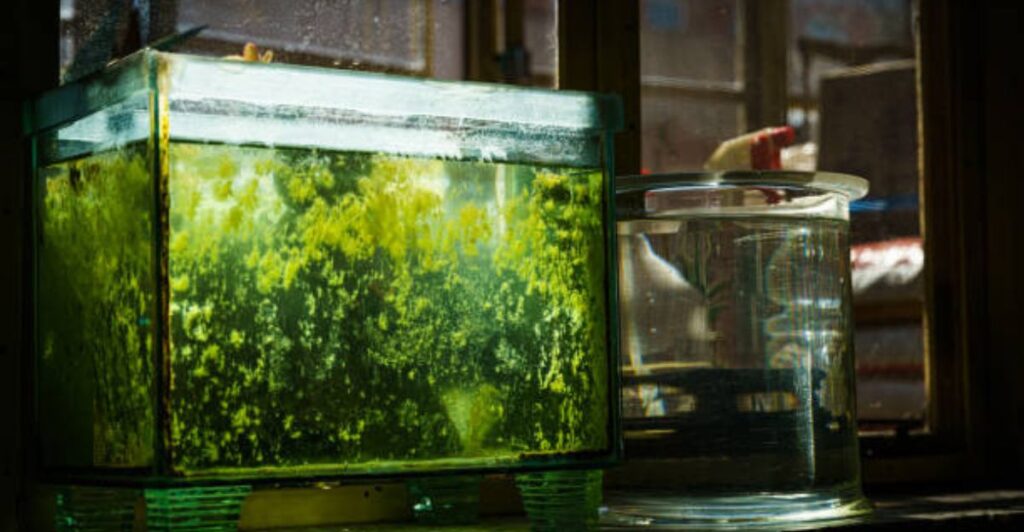
source: istock
🌊 1. Natural Driftwood Displays
Driftwood contributes to a lifelike underwater setting while offering hiding spots for fish. It also fosters the growth of beneficial bacteria and imparts a rustic aesthetic to freshwater aquariums.
Best suited for: Bettas, tetras, angelfish, and shrimp tanks.
🪨 2. River Stone Aquas capes
Smooth river stones provide a tidy, natural look. Arrange them in groups to replicate stream beds and river environments.
Tip: Select aquarium-safe stones that are free from harmful chemicals.
🌱 3. Live Aquatic Plants
Live plants rank among the most environmentally friendly decorations available. They absorb nitrates, generate oxygen, and offer natural shelter for fish.
Popular selections include:
• Java Fern
• Anubias
• Amazon Sword
• Hornwort
• Water Wisteria
🍂 4. Dried Indian Almond Leaves
Indian almond leaves release beneficial tannins into the water and create a natural forest-floor appearance.
Advantages include:
• Stress alleviation for fish
• Natural antibacterial properties
• Improved breeding conditions
🪵 5. Bamboo-Inspired Décor
Sustainably sourced bamboo elements can introduce a tropical aesthetic to freshwater aquariums. Decorative bamboo tunnels offer shelter for shrimp and small fish.
🌾 6. Coconut Shell Caves
Repurposed coconut shells serve as excellent shelters for fish. They are biodegradable, visually appealing, and perfect for species that prefer hiding spots.
Ideal for:
• Plecos
• Shrimp
• Bettas
• Dwarf cichlids
🍃 7. Floating Plant Islands
Floating plants provide shade while enhancing water quality. They also replicate natural freshwater ecosystems.
Popular floating plants include:
• Frogbit
• Salvinia
• Water Lettuce
• Duckweed
🐚 8. Natural Leaf Litter Zones
Establishing leaf litter zones mimics tropical streams and offers food sources for beneficial microorganisms.
Utilize aquarium-safe leaves such as:
• Catappa leaves
• Guava leaves
• Oak leaves (properly prepared)
🌳 9. Root-Inspired Hardscape Designs
Tree-root-style driftwood elements craft striking underwater environments and act as central features within the aquarium.
These formations are particularly effective in nature-themed aquascapes.
🌿 10. Moss-Covered Décor
Aquarium moss can convert rocks and wood into vibrant green attributes.
Consider:
• Java Moss
• Christmas Moss
• Flame Moss
Moss also offers excellent refuge for juvenile fish and shrimp.
🪨 11. Natural Rock Caves
Arranging aquarium-safe stones can form caves and hiding places while preserving a realistic look.
Always ensure rocks are secured properly to avoid collapsing structures.
🌾 12. Eco-Friendly Clay Pots
Unglazed clay pots are economical, natural, and safe for fish when adequately cleaned.
Innovative applications include:
• Breeding caves
• Shrimp shelters
• Decorative planters for aquatic flora
🌱 13. Planted Driftwood Arrangements
Merge driftwood with attached plants such as Java Fern and Anubias for an attractive, low-maintenance presentation.
This method fosters a mature aquascape that appears naturally established.
🍂 14. Botanical Aquascaping
Botanical aquariums utilize natural elements like seed pods, leaves, and wood to mimic forest streams.
This trend has gained popularity among aquascaping enthusiasts pursuing sustainable tank designs.
🌊 15. Recycled Glass Aquarium Accents
Smooth, aquarium-safe recycled glass fragments can introduce subtle visual appeal while promoting sustainable manufacturing practices.
Employ them sparingly for a natural aesthetic.
🌿 16. Nature-Inspired Minimalist Layouts
At times, simplicity is key. A minimalist design featuring a few thoughtfully chosen natural components creates a refined, eco-friendly aquarium.
Essential elements:
• One focal driftwood piece
• Several stones
• Live plants
• Open swimming area
This style accentuates the beauty of both fish and natural materials.
📈 Eco-Friendly Aquarium Trends in 2026
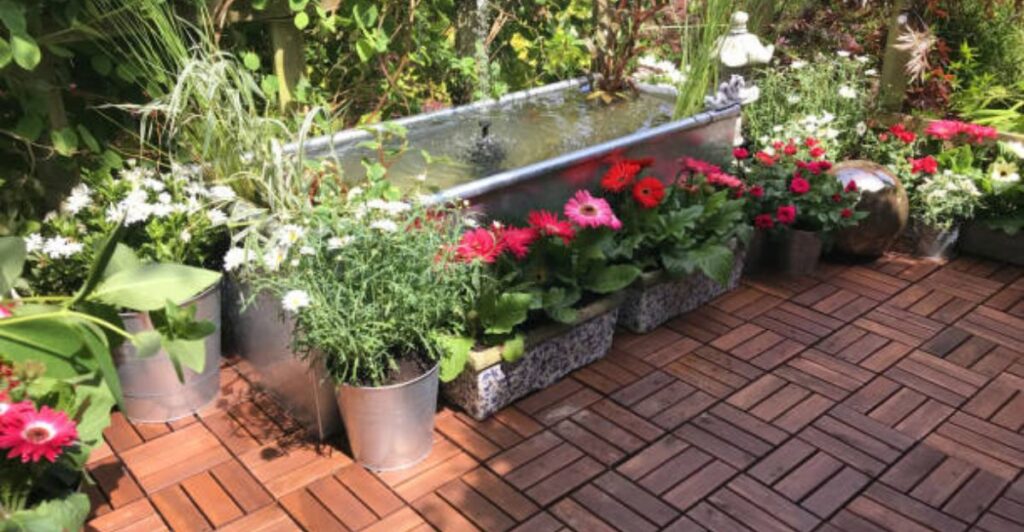
source: istock
Sustainable aquascaping is increasingly gaining traction. Notable trends include:
• Biotope-style freshwater tanks
• Plastic-free aquarium decorations
• Displays of native aquatic plants
• Botanical aquascaping designs
• Sourcing driftwood sustainably
• Ecosystems planted with shrimp-friendly flora
• Natural aquariums that require low maintenance
Aquarium enthusiasts are placing greater emphasis on environmental stewardship while crafting stunning aquatic habitats.
💡 Tips for Decorating a Freshwater Tank Sustainably
• Opt for natural materials whenever feasible.
• Steer clear of decorations that are painted or chemically treated.
• Acquire driftwood and rocks that are sustainably sourced.
• Use live plants to facilitate natural filtration.
• Repurpose safe natural items such as coconut shells.
• Investigate the compatibility of décor with fish species.
• Strive for a balance between visual appeal and the welfare of fish.
🌟 Benefits of Eco-Friendly Aquarium Décor
Employing sustainable decorations in aquariums presents a variety of benefits:
• Fosters healthier environments for fish
• Promotes natural behaviors in fish
• Minimizes environmental impact
• Enhances the visual appeal of the tank
• Stimulates beneficial biological processes
• Offers durable decorative options
• Aids in sustaining a more natural ecosystem 🏁
Conclusion
Eco-friendly aquarium décor enables the creation of a visually appealing freshwater tank while promoting sustainable living practices. Utilizing materials such as driftwood, live plants, coconut caves, and botanical aquascaping, natural decorations can elevate a standard aquarium into a vibrant aquatic ecosystem. By selecting environmentally responsible materials, you will not only improve the aesthetic of your tank but also foster a healthier and more enriching environment for your fish.
Whether you are establishing your first aquarium or revamping an existing one, these 16 innovative Eco-friendly aquarium décor ideas can assist you in crafting a breathtaking underwater realm that both you and your aquatic companions will appreciate.
❓ Frequently Asked Questions (FAQs)
1. Is natural driftwood safe for freshwater aquariums?
Yes, driftwood that is safe for aquariums is commonly utilized and provides shelter, aesthetic appeal, and surfaces for beneficial bacteria.
2. Are live plants superior to artificial plants?
Live plants provide additional advantages such as oxygen generation, nitrate absorption, and the creation of natural habitats.
3. Can coconut shells be utilized in fish tanks?
Yes, well-cleaned coconut shells serve as excellent natural caves and hiding places for various fish species.
4. What are the Eco-friendliest aquarium decorations?
Live plants, driftwood, river stones, coconut shells, moss, and botanical materials rank among the most sustainable choices.
5. How do I maintain a natural aquascape?
Conduct regular water changes, trim plants as necessary, eliminate decaying materials, and consistently monitor water quality.
📚 References
- Freshwater Aquascaping Principles and Natural Aquarium Design
- Sustainable Aquarium Keeping Practices
- Aquatic Plant Care and Freshwater Ecosystem Management
- Natural Aquarium Hardscape Materials Guide
- Environmental Benefits of Live Aquarium Plants