
Introduction
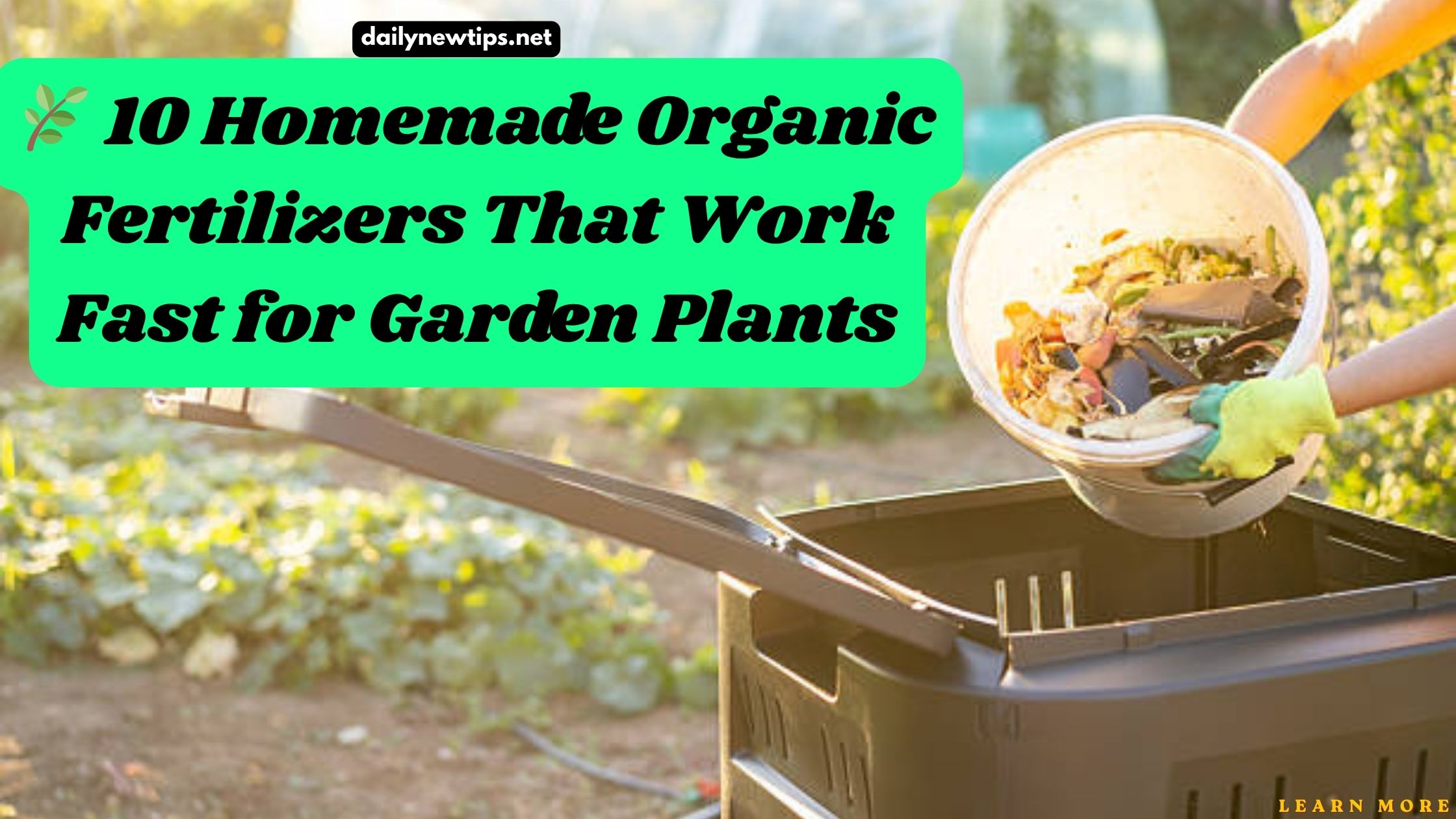
🌿 10 Homemade Organic Fertilizers That Work Fast for Garden Plants
For plants to thrive, they require the right nutrients, but expensive chemical fertilizers aren’t necessary. By using basic ingredients found in your kitchen, you can make effective organic fertilizers that rapidly enhance soil health in a natural way. These DIY options are not only friendly to the environment and your wallet, but they also ensure safety for your garden.
This guide will introduce you to 10 quick-acting homemade organic fertilizers designed to enhance plant growth and maintain the vitality of your garden..
🌱 10 Homemade Organic Fertilizers That Work Fast
source: istocks
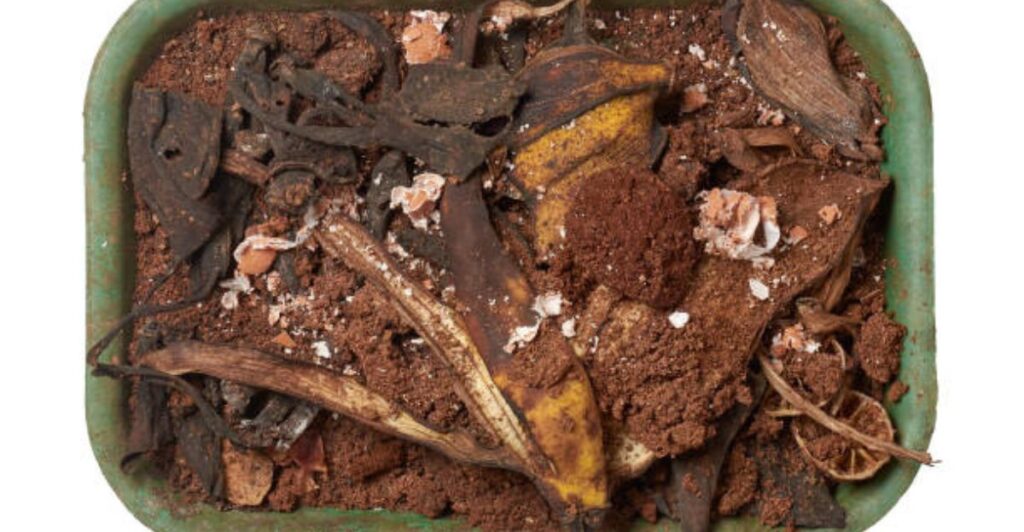
1. Banana Peel Fertilizer 🍌
Banana peels are rich in potassium, which promotes flowering and fruiting.
How to use:
- Chop peels and bury them in soil
- Or soak in water for 24–48 hours and use as liquid fertilizer
2. Coffee Grounds ☕
Used coffee grounds add nitrogen to the soil and improve plant growth.
How to use:
- Sprinkle directly around plants
- Mix into compost for better results
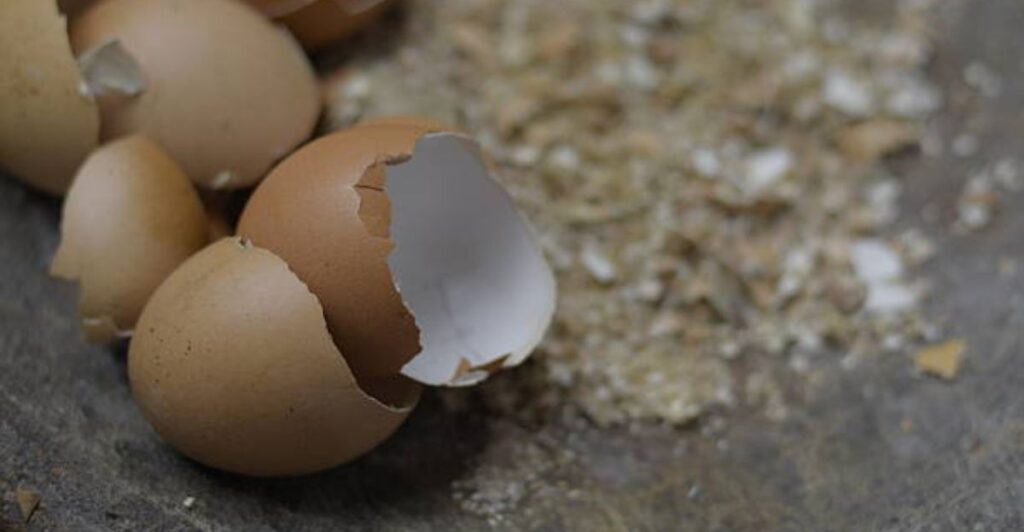
3. Eggshell Powder 🥚
Eggshells are a great source of calcium, essential for strong plant cells.
How to use:
- Dry and crush into powder
- Mix into soil or compost
4. Compost Tea 🌿
Compost tea is a fast-acting liquid fertilizer loaded with nutrients.
How to use:
- Soak compost in water for 24 hours
- Strain and spray or pour on plants
5. Rice Water 🍚
Rice water contains minerals that boost plant energy and growth.
How to use:

- Use leftover rice water (unsalted)
- Apply directly to soil once a week
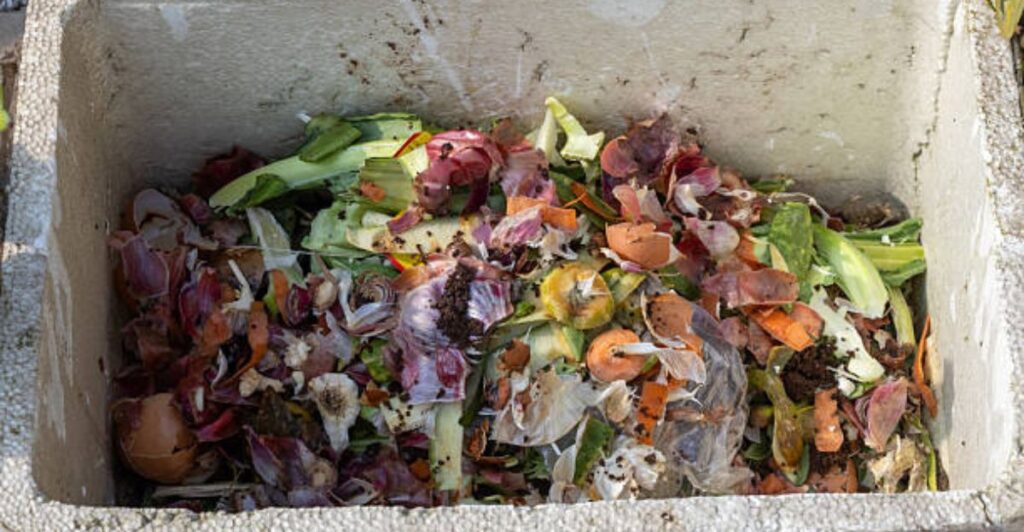
6. Vegetable Scraps Fertilizer 🥕
Kitchen scraps provide a mix of essential nutrients.
How to use:
- Boil vegetable peels in water
- Cool and use as liquid fertilizer
7. Epsom Salt Solution 🧂
Epsom salt is rich in magnesium, which enhances photosynthesis.
How to use:
- Mix 1 tablespoon in 1 liter of water
- Spray on leaves or water plants
8. Wood Ash 🔥
Wood ash adds potassium and improves soil pH.
How to use:
- Sprinkle lightly around plants
- Avoid overuse, especially in acidic soils
9. Green Tea Fertilizer 🍵
Used tea leaves improve soil structure and provide nutrients.
How to use:
- Add tea leaves to soil or compost
- Use cooled tea as a liquid feed
10. Molasses Solution 🍯
Molasses feeds beneficial soil microbes, speeding up nutrient absorption.
How to use:
- Mix 1 tablespoon in water
- Apply to soil every 2 weeks
✨ Benefits of Homemade Organic Fertilizers
The use of homemade organic fertilizers is gaining traction among gardeners at home, and this trend is backed by several compelling advantages. These fertilizers not only enhance the health of plants but also promote environmentally sustainable practices.
source: istocks
1. Environmentally Friendly and Free of Chemicals Homemade fertilizers, crafted from natural materials such as kitchen scraps, are safe for the ecosystem. They help minimize soil contamination and safeguard beneficial organisms like bees and earthworms.
2. Affordable Gardening Solutions There is no need to invest in pricey fertilizers. Common items such as banana peels, eggshells, and coffee grounds can often be found at home, allowing you to reduce gardening expenses.
3. Benefits Soil Quality Organic fertilizers add vital nutrients to the soil and enhance its overall structure. Over time, they boost soil fertility, improve water retention, and promote better aeration.
4. Quick Nutrient Uptake Various homemade fertilizers, particularly liquid options like compost tea and rice water, are absorbed rapidly by plants. This leads to accelerated growth and noticeable outcomes.
5. Safe for Humans, Pets, and Plants In contrast to synthetic fertilizers, organic products pose no toxicity risks. They can be used safely around children, pets, and edible plants without any health concerns.
6. Minimizes Kitchen Waste Applying food remnants as fertilizers aids in recycling household waste, thereby decreasing landfill contributions and supporting a zero-waste philosophy.
7. Naturally Promotes Plant Development Organic fertilizers deliver a well-rounded array of nutrients that foster root growth, flowering, and fruit production without harming the plant.
8. Encourages Sustainable Gardening By utilizing homemade fertilizers, you play a role in fostering a more eco-friendly and responsible approach to gardening.
💡 Tips for Best Results
Applying homemade organic fertilizers can yield exceptional results, but the method of application significantly impacts their effectiveness. To maximize the benefits of natural fertilizers, consider the following practical advice:
source: istocks
1. Moderation is Key
Excessive use of any fertilizer, even organic varieties, can damage your plants. Begin with small quantities and monitor your plants’ reactions prior to increasing the amount.
2. Timing Matters
It is best to nourish your plants in the early morning or late evening. This timing reduces evaporation and enhances nutrient uptake.
3. Dilution is Essential
Always mix strong liquid fertilizers such as compost tea, rice water, or Epsom salt with water prior to application to prevent potential root damage.
4. Align Fertilizers with Plant Requirements
Plants have distinct nutritional needs:
– Leafy varieties thrive with extra nitrogen
– Flowering types benefit more from increased potassium
Select your fertilizers accordingly to encourage optimal growth.
5. Vary Your Fertilizers
Avoid dependence on a single type of fertilizer. Alternate between options like banana peels, compost tea, and others to ensure balanced nutrient supply.
6. Conduct a Small Scale Test First
Prior to feeding all your plants, try the fertilizer on a limited area to verify that it does not cause any adverse effects.
7. Choose Fresh Materials
Utilizing fresh kitchen scraps yields the best results. Steer clear of spoiled, oily, or salted leftovers as they could degrade soil quality.
8. Watering Technique
Before and after applying fertilizer, lightly water your plants. This practice ensures that nutrients effectively reach the root system.
9. Maintain Regularity
Consistent feeding every one to two weeks is more beneficial than inconsistent applications.
10. Appropriate Storage (If Necessary)
If you prepare surplus liquid fertilizer, keep it in a cool, shaded place and use it within a few days to maintain its efficacy.
🌿 Suggestions for Gardeners
Whether you are just starting out or have years of experience in gardening, effectively employing homemade organic fertilizers calls for some forethought and keen observation. Here are some helpful recommendations to help you achieve optimal natural results:
1. Begin with the Basics
For those new to organic gardening, it’s best to start with straightforward choices, such as banana peel fertilizer or rice water. These options are easy to use, safe, and efficient.
2. Create a Simple Compost Setup
Form a basic compost bin at home using scraps from your kitchen. This will ensure you have a steady supply of nutrient-rich fertilizer for your plants.
3. Regularly Monitor Your Plants
Keep an eye out for indicators like yellowing leaves, sluggish growth, or frail stems. These signs may suggest nutrient shortages that homemade fertilizers can help remedy.
4. Vary Your Fertilizer Use
Instead of relying solely on one type of fertilizer, try mixing different kinds. This approach provides a well-rounded array of nutrients essential for the health of your plants.
5. Prioritize Soil Quality
Plants thrive in healthy soil. To enhance soil structure and fertility over time, make it a habit to add organic materials regularly.
6. Ensure Consistent Watering
No fertilizer will work effectively without suitable watering. Make sure your plants receive a steady level of moisture, avoiding extremes of dryness or saturation.
7. Provide Sufficient Sunlight
Most garden plants require between five and eight hours of sunlight each day. Fertilizers yield better results when plants are adequately illuminated for growth.
8. Try Out Different Approaches
Recognize that every garden is unique. Experiment with various homemade fertilizers and track which ones yield the best results for your plants.
9. Integrate Natural Pest Management
Incorporate neem oil or soap spray with your fertilizers to help maintain healthy, pest-free plants.
10. Embrace Eco-Friendly Gardening
Recycle kitchen waste, save water, and steer clear of chemicals. Small actions can contribute significantly to making your garden sustainable and fruitful.
Conclusion
Creating your own organic fertilizers is an effective method to enrich your garden naturally and cut costs. By trying out these 10 quick-acting options, you can enhance plant development, increase harvests, and support a vibrant ecosystem in your backyard. Begin with small amounts, test various fertilizers, and observe your garden flourish—organically!
🔗 References
- Organic Gardening Practices – General Sustainable Farming Guides
- Soil Nutrition and Plant Growth Studies
- Home Composting and Natural Fertilizer Research
❓ FAQs
1. How often should I use homemade fertilizers?
Most can be used once every 1–2 weeks, depending on plant needs.
2. Can I mix different fertilizers together?
Yes, but use small amounts to avoid overfeeding.
3. Are homemade fertilizers safe for all plants?
Generally yes, but sensitive plants may need diluted solutions.
4. Which fertilizer works fastest?
Liquid fertilizers like compost tea and rice water act the quickest.
5. Can I store homemade fertilizers?
Some (like liquid fertilizers) can be stored for a few days, but fresh use is best.