
Introduction
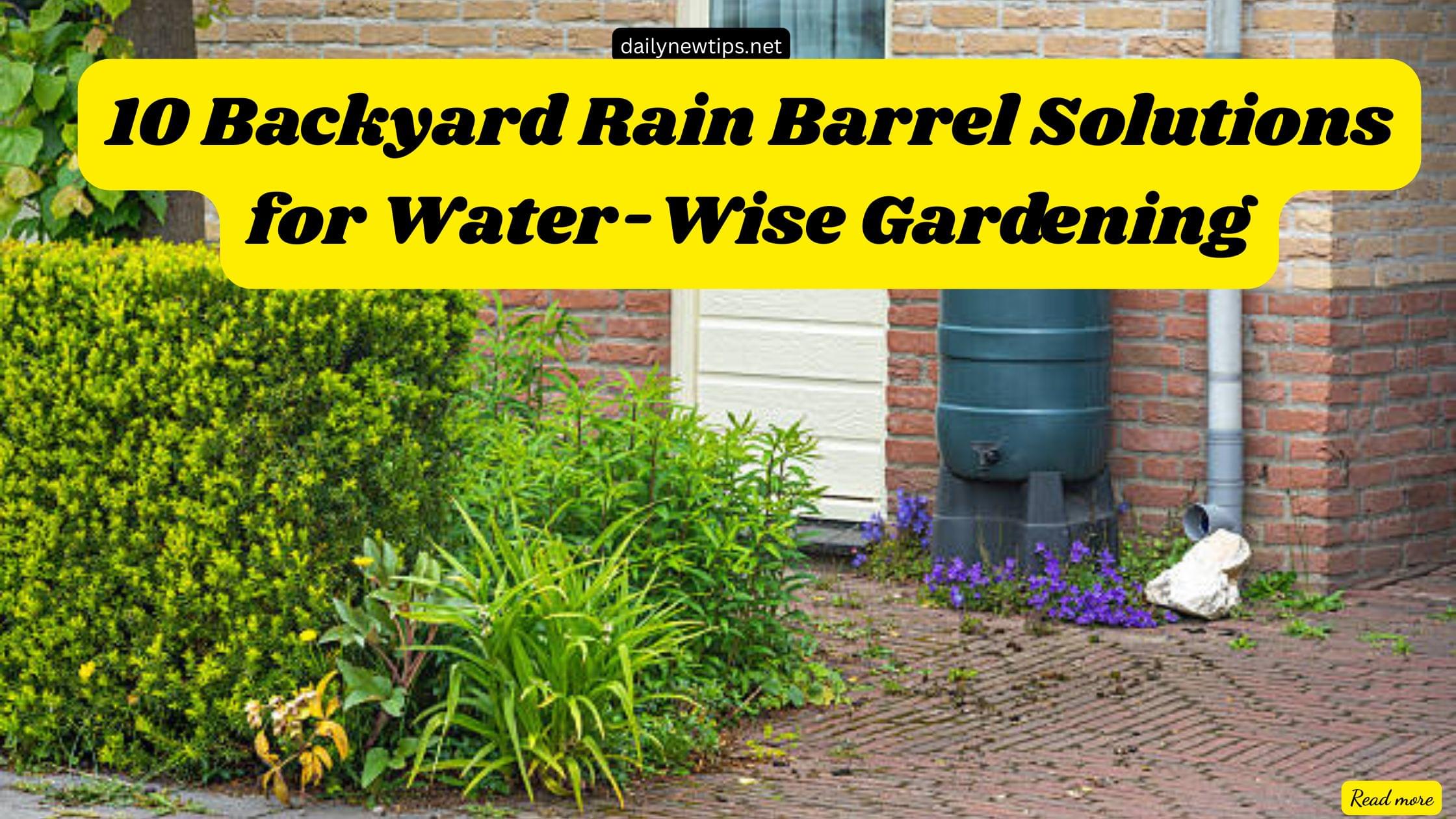
10 Backyard Rain Barrel Solutions for Water-Wise Gardening
Water conservation has become a vital aspect of contemporary gardening. As water costs rise and weather patterns become more unpredictable, many homeowners are seeking sustainable methods to maintain their gardens. One of the most effective solutions is the installation of a rain barrel system. Rain barrels gather and store rainwater from rooftops, offering a free and Eco-friendly water source for plants..
In this article, you will find 10 backyard rain barrel solutions for water-wise gardening that can assist you in saving water, cutting down on utility bills, and fostering a healthier garden environment.
Why This Topic Matters
Freshwater resources are increasingly precious, and gardeners frequently rely on significant amounts of treated municipal water for irrigation. Rainwater harvesting presents a practical alternative by capturing natural rainfall that would otherwise flow into storm drains.
source: istock
By utilizing rain barrels, homeowners can:
• Reduce water waste
• Lower water bills
• Encourage sustainable gardening practices
• Decrease soil erosion caused by runoff
• Supply plants with naturally soft, chemical-free water
Establishing a rain barrel system is a straightforward step towards creating a more environmentally friendly and self-sufficient garden.
10 Backyard Rain Barrel Solutions for Water-Wise Gardening
1. Set Up a Basic Single Rain Barrel System
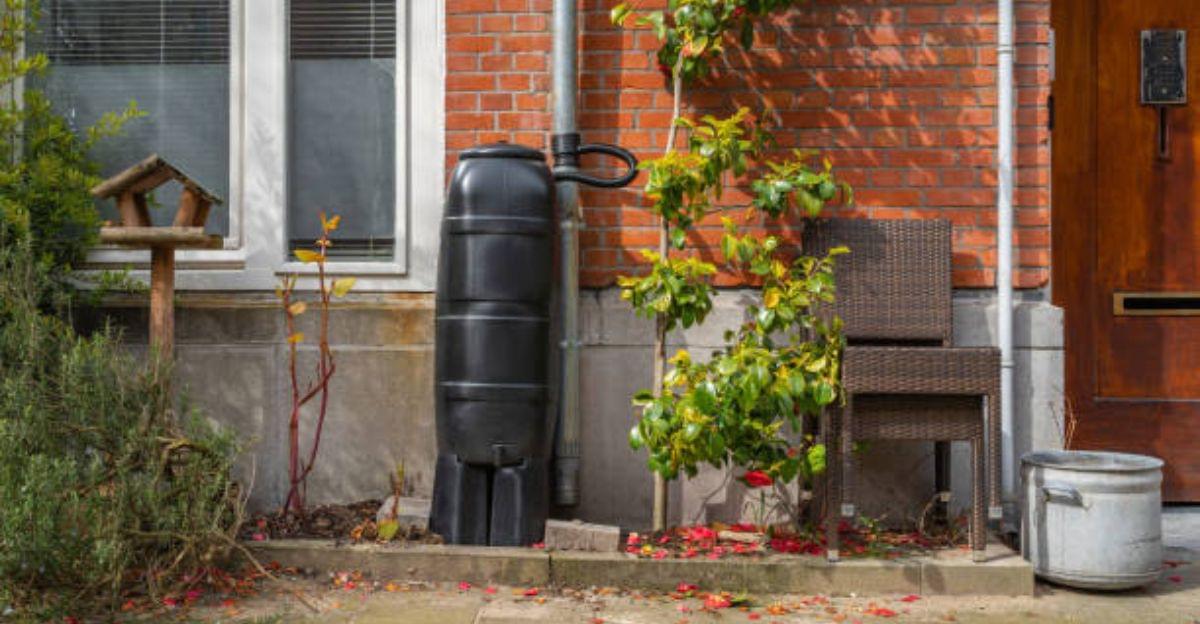
A single rain barrel attached to a downspout is the simplest way to begin collecting rainwater. Opt for a food-grade barrel that has a secure lid and a faucet for easy watering.
Tip: Place the barrel on a solid platform to enhance water pressure.
2. Connect Multiple Rain Barrels
For larger gardens, connect several barrels using overflow hoses. This arrangement boosts storage capacity and ensures that no rainwater is wasted during heavy rainfall.
Best For: Vegetable gardens and expansive landscapes.
3. Use Decorative Rain Barrels
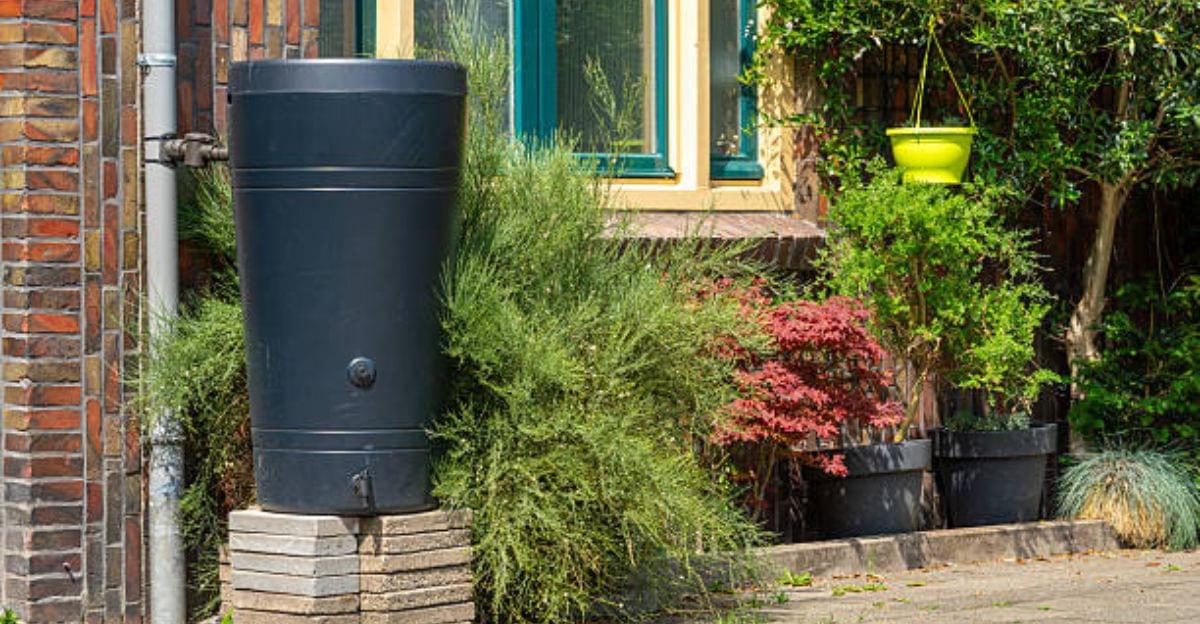
Contemporary rain barrels are available in appealing designs that mimic stone urns, wooden barrels, or decorative planters.
Benefit: Beautifies your garden while saving water.
4. Add a Rain Barrel Diverter Kit
A diverter channels excess water away from the barrel once it is full.
Advantages:
• Prevents overflow
• Safeguards foundations
• Lowers maintenance
5. Create a Gravity-Fed Irrigation System
Attach a hose or drip irrigation line directly to your rain barrel.
Result: Slow, efficient watering with minimal effort.
6. Install a Rain Barrel with Built-In Planter
Some rain barrels come with a planter on top, allowing you to grow flowers or herbs while collecting water underneath.
Ideal Plants:
• Petunias
• Basil
• Marigolds
• Lavender
7. Build a DIY Wooden Barrel Enclosure
Conceal plastic rain barrels within decorative wooden enclosures.
Benefits:
• Enhanced aesthetics
• UV protection
• Prolonged barrel lifespan
8. Utilize Smart Rain Barrel Monitoring Systems
Technology now enables gardeners to keep track of water levels through smartphone applications and sensors.
Features:
• Water level monitoring
• Overflow notifications
• Weather integration
9. Add Rain Chains
Swap out conventional downspouts for decorative rain chains that direct water into barrels.
Bonus: It creates a stunning visual display during rainfall.
10. Combine Rain Barrels with Drip Irrigation
Integrate collected rainwater with drip irrigation systems for optimal efficiency.
Why It Works:
• Minimizes evaporation
• Directly supplies water to roots
• Conserves a significant amount of water
Benefits of Rain Barrel Systems
Implementing rain barrel systems comes with numerous advantages:
source: istock
Environmental Benefits
• Conserves freshwater supplies
• Reduces storm water runoff
• Lowers ecological footprint
Gardening Benefits
• Supplies chemical-free rainwater
• Encourages healthier plant development
• Mitigates drought conditions
Financial Benefits
• Lowers monthly water bills
• Reduces landscape upkeep expenses
• Provides long-term financial savings
Property Benefits
• Helps manage drainage issues
• Prevents soil erosion
• Boosts garden sustainability
Emerging Trends in Rainwater Harvesting
Several cutting-edge trends are influencing backyard rainwater collection in 2026:
Smart Water Monitoring
Digital sensors and mobile applications enable homeowners to monitor water levels from afar.
Modular Rain Barrel Systems
Expandable systems allow for easy increases in storage capacity over time.
Decorative Eco-Friendly Designs
Manufacturers are creating visually appealing barrels that harmonize with outdoor aesthetics.
Integrated Irrigation Solutions
Modern systems merge rainwater collection with automated watering technologies.
Sustainable Landscaping
Rain barrels are becoming a key feature in Eco-friendly landscape designs and water-efficient gardens.
Expert Tips for Water-Wise Gardening with Rain Barrels
source: istock
To maximize the benefits of your rain barrel system, consider these expert suggestions:
1. Pick the Appropriate Barrel Size
o Choose a rain barrel that suits your roof area and the watering requirements of your garden. Larger gardens may benefit from using several interconnected barrels.
2. Install a First-Flush Diverter
o A first-flush system helps divert the initial runoff, which can contain dust, leaves, and bird droppings, thus enhancing water quality.
3. Elevate Your Rain Barrel
o Position the barrel on concrete blocks or a solid stand to boost water pressure and simplify the process of filling watering cans.
4. Use a Fine Mesh Screen
o Ensure all openings are covered with fine mesh screens to prevent leaves, debris, and mosquitoes from entering.
5. Combine Rain Barrels with Mulching
o Spread organic mulch around your plants to retain moisture, which will lessen the amount of water needed from the barrel.
6. Regularly Inspect Gutters
o Frequently clean your gutters and downspouts to ensure effective water collection and avoid contamination.
7. Connect a Drip Irrigation System
o Drip irrigation provides water directly to the roots of plants, optimizing the use of collected rainwater.
8. Monitor Water Usage
o Keep an eye on your garden’s water consumption throughout the seasons to better plan your storage needs.
9. Prepare for Overflow
o Always set up an overflow hose or diverter to channel excess water away from your home’s foundation during heavy rains.
10. Expand Gradually
o Begin with one barrel and gradually expand your rainwater harvesting system as you gain experience and understand your garden’s requirements.
11. Shield Barrels from Sunlight
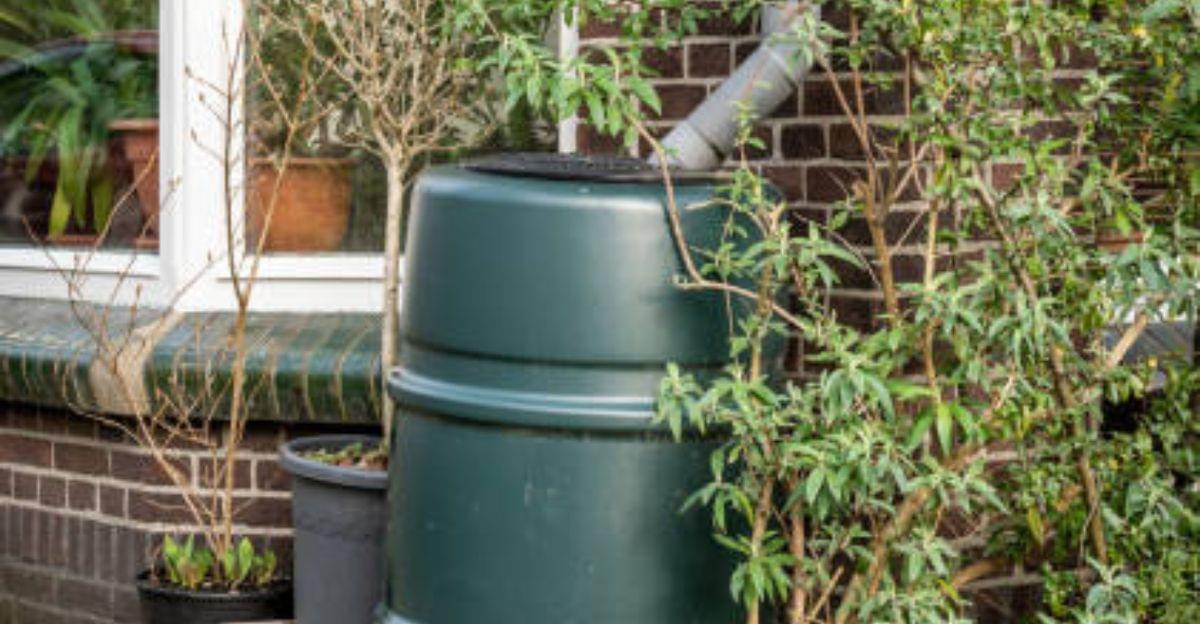
o Dark-colored or covered barrels can help minimize algae growth and maintain superior water quality.
12. Use Collected Water Wisely
o Give priority to using rainwater for vegetable gardens, flower beds, container plants, and newly planted trees, where water conservation is most crucial.
Common Mistakes to Avoid
Using Unsafe Containers
Steer clear of barrels that have held chemicals or hazardous substances.
Ignoring Overflow Management
Not installing overflow outlets can lead to flooding around your foundations.
Skipping Maintenance
Neglected barrels can attract algae, produce unpleasant odors, and invite mosquitoes.
Poor Placement
Setting barrels on uneven ground can lead to stability problems.
Overestimating Storage Needs
Begin with a practical system size and increase it gradually if necessary.
Neglecting Water Filtration
Debris and leaves can block hoses and compromise water quality.
Conclusion
Rain barrel systems are one of the most effective and sustainable methods for water-efficient gardening. Whether you opt for a basic single-barrel arrangement or a more complex multi-barrel irrigation setup, collecting rainwater can greatly lower water usage while fostering healthier plants.
These 10 backyard rain barrel solutions provide choices for gardeners of all experience levels and budgets. By adopting even one of these strategies, you can cultivate a more resilient, Eco-friendly, and cost-effective garden while playing a part in responsible water conservation.
References
- United States Environmental Protection Agency (EPA) – Rainwater Harvesting Guidelines
- Natural Resources Conservation Service (NRCS)
- Water Wise Gardening Resources
- Local Municipal Water Conservation Programs
- Sustainable Landscaping and Rainwater Harvesting Publications
FAQs
1. How much water can a rain barrel collect?
A standard 55-gallon rain barrel can fill quickly during a moderate rainfall. One inch of rain on a 1,000-square-foot roof can produce over 600 gallons of water.
2. Is rainwater safe for garden plants?
Yes. Rainwater is generally excellent for plants because it contains no chlorine or other treatment chemicals commonly found in municipal water.
3. Do rain barrels attract mosquitoes?
Properly sealed barrels with mesh screens prevent mosquitoes from breeding.
4. How often should I clean my rain barrel?
Most experts recommend cleaning barrels at least once or twice per year.
5. Can I use rain barrel water for vegetables?
Yes. Rainwater is commonly used for vegetable gardens, especially when collected and stored properly.
6. Are rain barrels expensive?
Basic systems are relatively affordable, and many DIY options can be built at a low cost.
7. Can multiple rain barrels be connected together?
Absolutely. Linking barrels is one of the best ways to increase water storage capacity.