
Introduction
10 Low-Sugar Cake Recipes That Retain Flavor | Healthy Homemade Baking
Description: Discover 10 delicious low-sugar cake recipes that are moist, fluffy, and full of flavor. Learn healthier baking tips, ingredient swaps, expert advice, and common mistakes to avoid.
Do you love cake but wish to reduce your sugar consumption? The positive aspect is that you can still enjoy a delicious dessert without compromising on taste. By making a few intelligent ingredient substitutions and incorporating naturally flavorful elements, you can create cakes that are moist, airy, and fulfilling while significantly lowering the amount of added sugar.
Whether you are baking for your family, monitoring your sugar intake, or simply seeking lighter dessert alternatives, these 10 low-sugar cake recipes demonstrate that delightful treats can seamlessly fit into a balanced lifestyle.
The Importance of This Topic
Numerous conventional cake recipes are laden with excessive amounts of added sugar, which can elevate calorie consumption without providing any nutritional benefits. Opting for lower-sugar recipes allows you to relish homemade desserts while promoting healthier eating practices.
Reducing added sugar can assist in:
– Decreasing overall calorie consumption
– Fostering improved portion control
– Allowing natural flavors to emerge
– Supporting sustainable healthy eating habits
– Making homemade desserts more accommodating for various dietary needs
Instead of completely removing sweetness, these recipes utilize fruits, spices, vanilla, and other flavorful components to craft satisfying desserts.
10 Low-Sugar Cake Recipes That Retain Flavor
1. Banana Oat Cake
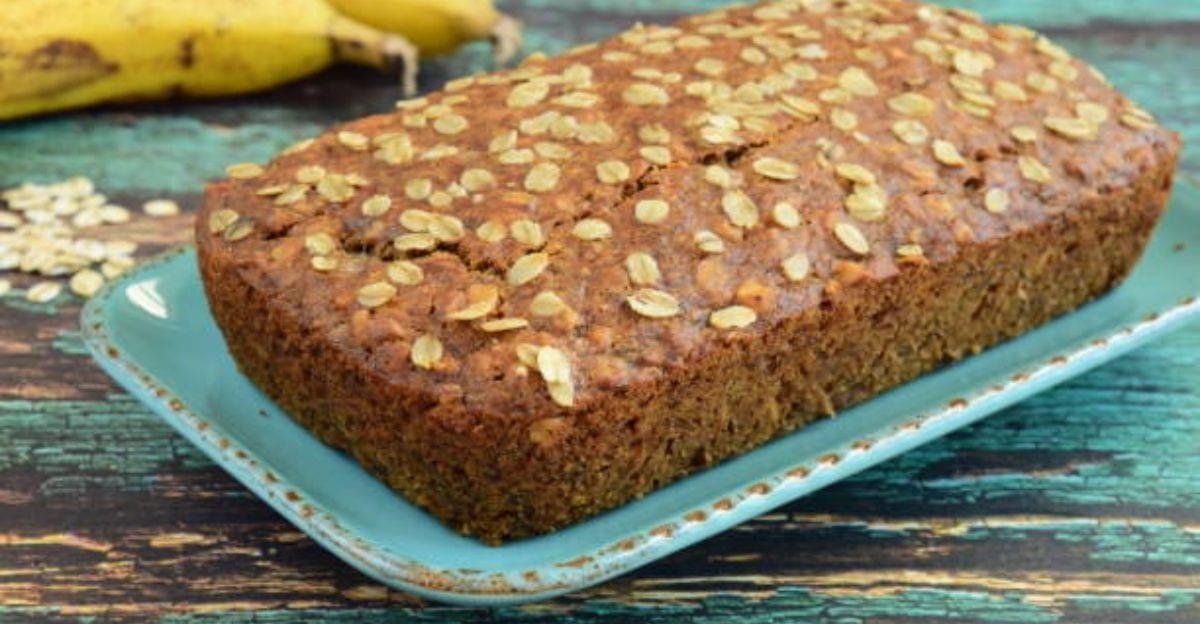
source: istock
Naturally sweet and ripe bananas minimize the requirement for additional sugar, while oats contribute fiber and a tender texture.
Best for: Breakfast, snacks, or afternoon tea.
2. Apple Cinnamon Cake
Fresh apples combined with cinnamon yield a naturally sweet and comforting cake, ideal for any season.
Flavor Boost: Incorporate chopped walnuts for added crunch.
3. Greek Yogurt Vanilla Cake
Greek yogurt ensures the cake remains moist, adds protein, and decreases the need for excess butter.
Tip: Opt for pure vanilla extract to enhance the flavor.
4. Lemon Yogurt Cake
Fresh lemon juice and zest invigorate each bite, allowing this cake to taste fresh without relying heavily on sweetness.
5. Carrot Walnut Cake
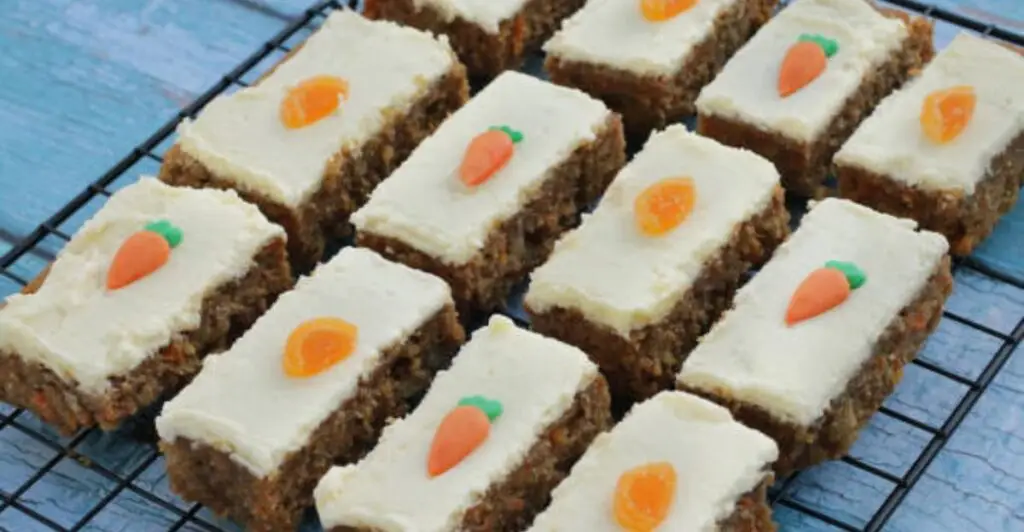
source: istock
Naturally sweet carrots, aromatic spices, and crunchy walnuts render this cake both flavorful and fulfilling.
Optional: Garnish with a light yogurt-based frosting.
6. Whole Wheat Chocolate Cake
Unsweetened cocoa powder imparts a rich chocolate flavor, while whole wheat flour contributes additional fiber.
7. Almond Flour Berry Cake
Fresh berries offer natural sweetness and antioxidants, while almond flour results in a delicate crumb.
8. Pumpkin Spice Cake
Pumpkin purée, cinnamon, ginger, and nutmeg combine to create a moist cake brimming with seasonal flavor.
9. Orange Honey Cake
Fresh orange juice and zest harmonize beautifully with a modest amount of honey for a well-balanced sweetness.
10. Date and Walnut Cake
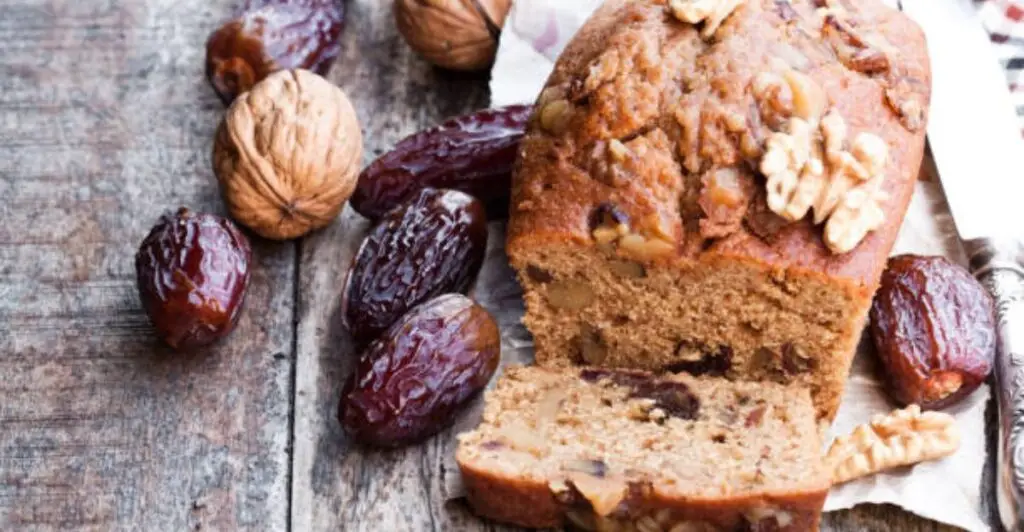
source: istock
Dates provide natural sweetness to this cake, along with fiber, minerals, and a rich caramel-like flavor.
Advantages of Low-Sugar Cakes
Opting for homemade cakes with reduced sugar presents numerous benefits:
Less added sugar compared to many conventional recipes
Lower overall calorie count in various recipes
Intense flavor derived from fruits, spices, and natural components
Increased fiber content when incorporating whole grains or fruit
Enhanced control over ingredient selection
Ideal for family gatherings and everyday indulgences
Promotes healthier baking practices
Easily customizable with seasonal fruits and nuts
Encourages mindful dessert selections
Suitable for home bakers of all experience levels
Current Healthy Baking Trends (2026)
The landscape of home baking is continually changing, focusing on nutrition, convenience, and sustainability. Present trends encompass:
Naturally Sweet Ingredients
Numerous bakers are utilizing ripe bananas, dates, applesauce, and berries to minimize added sugar while preserving flavor.
Whole-Grain Baking
Whole wheat flour, oat flour, and almond flour are gaining popularity for their nutritional benefits and texture.
Protein-Enriched Desserts
Greek yogurt, cottage cheese, and nut flours are frequently incorporated to boost protein levels.
Smaller Portions
Mini cakes, cupcakes, and loaf cakes promote portion control while minimizing food waste.
Simple Ingredient Lists
Recipes featuring familiar pantry staples remain appealing to home cooks seeking straightforward, wholesome baking.
Expert Recommendations
To achieve consistently delightful low-sugar cakes:
Utilize very ripe fruits for their natural sweetness.
Incorporate vanilla extract to elevate the flavor profile.
Add warm spices like cinnamon, nutmeg, or cardamom for depth.
Accurately measure flour to prevent dense cakes.
Avoid over lining the batter.
Test for oneness by inserting a toothpick into the center.
Allow cakes to cool completely before cutting.
Store any leftovers in an airtight container to preserve freshness.
Common Errors to Avoid
Steer clear of these frequent baking mistakes:
Drastically reducing sugar without modifying other ingredients.
Using under drive fruit in recipes that rely on natural sweetness.
Over baking the cake.
Over lining the batter.
Neglecting leavening agents or using expired baking powder.
Inaccurately measuring ingredients.
Opening the oven door too often during baking.
Disregarding suggested cooling times.
Opting for low-quality flavorings.
Assuming that reduced-sugar cakes will taste identical to heavily sweetened desserts.
Conclusion
Indulging in cake does not necessitate the consumption of excessive added sugars. By utilizing naturally sweet components, aromatic spices, and wholesome baking practices, you can craft desserts that are both enjoyable and lighter in sugar content. These ten low-sugar cake recipes cater for various occasions—from breakfast cakes and afternoon snacks to celebratory desserts. Experiment with an array of fruits, nuts, and whole-grain flours to uncover your family’s preferences and integrate healthier baking into your daily routine.
References
World Health Organization (WHO). Guideline: Sugars Intake for Adults and Children.
American Heart Association (AHA). Added Sugars Recommendations.
U.S. Department of Agriculture (USDA). MyPlate Nutrition Resources.
Academy of Nutrition and Dietetics. Healthy Baking Tips.
Harvard T.H. Chan School of Public Health. Nutrition Source: Healthy Eating.
Frequently Asked Questions (FAQs)
1. Can cakes taste good with less sugar?
Indeed. Ingredients such as fruits, vanilla, spices, citrus zest, and high-quality cocoa powder can enhance flavor while minimizing the need for excessive added sugar.
2. What are some natural alternatives to refined sugar?
Common substitutes include mashed ripe bananas, dates, unsweetened applesauce, berries, and small amounts of honey or maple syrup, depending on the recipe.
3. Which flour works best for healthier cakes?
Whole wheat flour, oat flour, almond flour, or combinations of these can contribute fiber and nutrients while producing delightful cakes. Each type behaves uniquely, so it is advisable to follow a recipe tailored for the selected flour.
4. Can I freeze low-sugar cakes?
Yes. Most cakes can be frozen effectively when securely wrapped and stored in an airtight, freezer-safe container. Thaw at room temperature prior to serving.
5. How do I keep a low-sugar cake moist?
Ingredients like Greek yogurt, fruit purées, pumpkin purée, or healthy fats can assist in maintaining moisture. It is important to avoid overbaking, which is a frequent cause of dry cakes.
6. Are low-sugar cakes suitable for children?
They can serve as a nutritious homemade dessert option for many families due to their lower added sugar content. Modify ingredients according to your family’s tastes and dietary requirements.
7. Can I make these recipes gluten-free?
Many recipes can be modified using gluten-free flour blends or naturally gluten-free flours such as almond or oat flour (when certified gluten-free). Adhere to recipe-specific instructions for optimal results.