
Introduction
10 Benefits of Turning Rotten Vegetables into Homemade Compost
Many individuals discard spoiled vegetables without realizing their potential as a valuable asset for their gardens. Composting these rotten veggies is an environmentally friendly method that transforms kitchen waste into nutrient-dense organic material. Regardless of whether you have a spacious backyard or a compact balcony garden, homemade compost can enhance soil quality, minimize waste, and promote healthier plant growth.
In this guide, we will delve into the key advantages of converting spoiled vegetables into homemade compost and discover how this straightforward practice can benefit both your garden and the environment.
The Importance of This Topic
Food waste is an escalating environmental issue globally. Spoiled vegetables frequently find their way to landfills, where they emit harmful greenhouse gases as they decompose. By composting these vegetable remnants at home, gardeners can cut down on waste, naturally recycle nutrients, and establish a sustainable gardening ecosystem.
Creating homemade compost also lessens reliance on chemical fertilizers, making it a fantastic option for eco-conscious homeowners and gardeners.
10 Benefits of Turning Rotten Vegetables into Homemade Compost
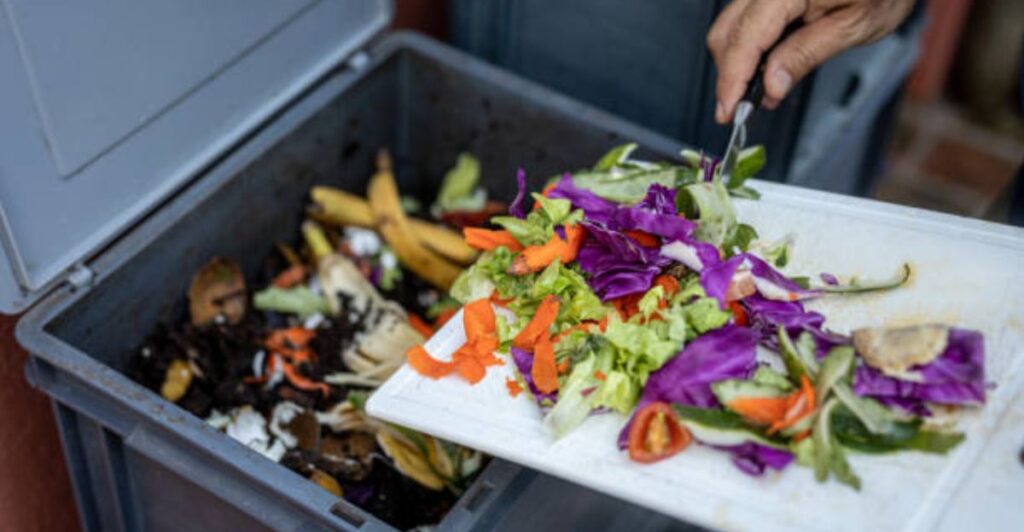
source: istock
1. Naturally Enhances Soil Fertility
Rotting vegetables decompose into nutrient-dense compost that is rich in vital elements like nitrogen, phosphorus, and potassium. These nutrients feed plants and boost overall soil vitality.
2. Minimizes Household Waste
Composting prevents vegetable scraps from ending up in trash bins and landfills. This straightforward practice significantly reduces the volume of organic waste produced by homes.
3. Cuts Costs on Fertilizers
DIY compost acts as a natural fertilizer, lessening the need to buy costly commercial soil enhancers and plant nutrients.
4. Improves Soil Structure
Compost enhances soil texture by promoting aeration and drainage in dense soils while aiding sandy soils in retaining moisture more efficiently.
5. Fosters Beneficial Microorganisms
Quality compost nurtures the development of helpful bacteria, fungi, and earthworms that play a crucial role in a flourishing garden ecosystem.
6. Boosts Water Retention
Soil enriched with compost retains moisture for extended periods, decreasing the frequency of watering and assisting plants during dry spells.
7. Promotes Sustainable Gardening
Composting encourages a circular gardening approach where kitchen waste is transformed into valuable nutrients instead of being thrown away.
8. Lowers Environmental Impact
By composting spoiled vegetables, homeowners help reduce methane emissions from landfills, contributing to a healthier planet.
9. Yields Healthier Plants
Plants cultivated in compost-amended soil typically exhibit stronger root systems, healthier leaves, and greater resistance to diseases.
10. Generates Free Organic Mulch
Mature compost can be utilized as mulch around plants, aiding in weed suppression, regulating soil temperature, and conserving moisture.

Advantages
Here are some extra benefits of making your own compost:
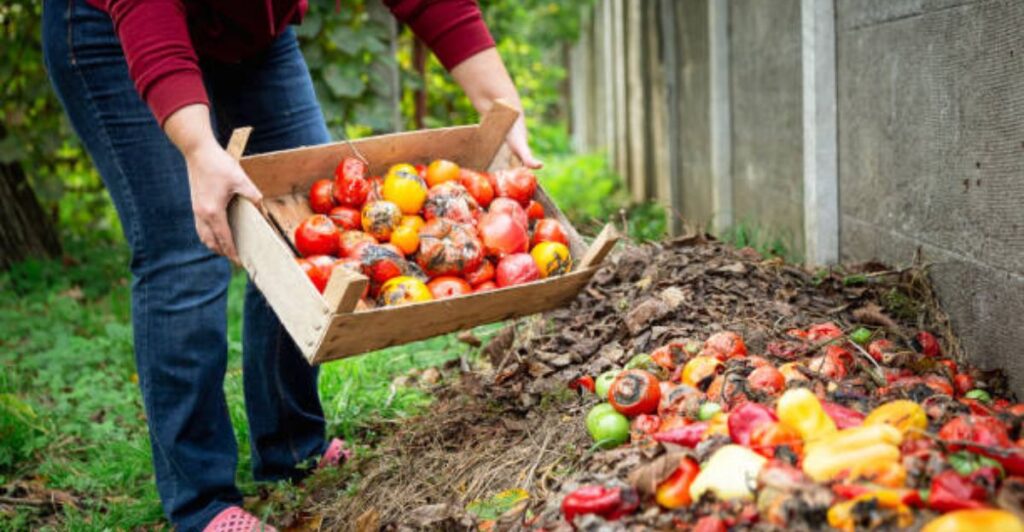
source; istock
• Enhances the yield of vegetables and flowers.
• Supports practices in organic gardening.
• Decreases reliance on synthetic fertilizers.
• Boosts biodiversity within garden soil.
• Encourages Eco-friendly living.
• Aids in the efficient recycling of nutrients.
• Increases long-term soil fertility.
• Ideal for gardens of any size.
Current Trends
Innovative Composting Solutions
Contemporary compost bins now feature temperature monitoring and aeration systems that accelerate the decomposition process.
Urban Composting
Residents of apartments are increasingly utilizing compact compost bins and vermicomposting systems to manage kitchen waste in limited spaces.
Community Composting Initiatives
Numerous communities are establishing shared composting programs that motivate residents to collectively minimize food waste.
Organic Gardening Movement
With a growing number of individuals adopting organic gardening, homemade compost has emerged as a vital element of sustainable food production.
Bokashi Composting
This fermentation-based composting technique is becoming more popular due to its ability to quickly and effectively break down food scraps.
Expert Tips
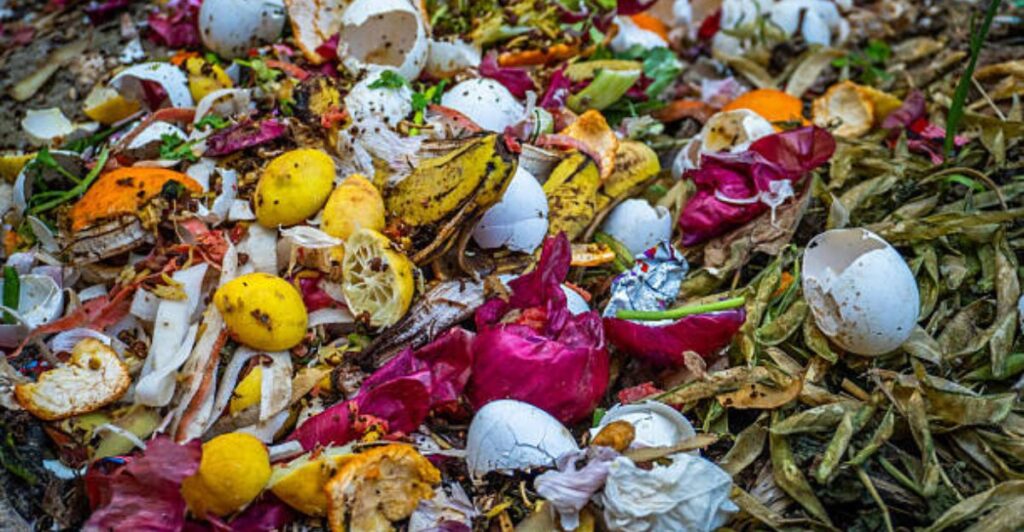
source: istock
• Cut vegetable scraps into smaller pieces to speed up decomposition.
• Combine green materials (like vegetable scraps) with brown materials (such as dry leaves, cardboard, and paper).
• Regularly turn the compost to enhance airflow.
• Keep moisture levels moderate—similar to a damp sponge.
• Position compost bins in partially shaded areas.
• Refrain from adding diseased plants or heavily treated food waste.
• Collect finished compost when it appears dark, crumbly, and has an earthy scent.
Common Mistakes to Avoid
Excessive Wet Material
Too much vegetable waste can lead to soggy compost and generate unpleasant odors.
Neglecting Brown Materials
Achieving the right mix of green and brown materials is crucial for effective composting.
Inadequate Aeration
Not turning the compost regularly can slow down decomposition and produce bad smells.
Including Non-Compostable Waste
Steer clear of adding plastic, metal, glass, or chemically treated items.
Over-Saturating the Compost Pile
Excess moisture can create anaerobic conditions that impede composting.
Using Compost Prematurely
Using unfinished compost may introduce materials that haven’t fully broken down, potentially harming plants.
Conclusion
Transforming spoiled vegetables into homemade compost is one of the simplest and most effective methods to minimize household waste while enhancing garden health. Composting not only boosts soil fertility and water retention but also encourages sustainable gardening practices, providing numerous advantages for both gardeners and the environment. By embracing straightforward composting habits, you can convert everyday kitchen scraps into valuable organic matter that nurtures healthier plants, enriches soil, and contributes to a greener future.
References
1. Composting Basics – Resources for environmentally friendly gardening.
2. Studies on organic gardening and soil health.
3. Guidelines for sustainable waste management.
4. Publications on best practices for home composting.
5. Research reports on soil fertility and organic matter.
FAQs
1. Is it safe to compost all rotten vegetables?
Most rotten vegetables can be composted without issue. However, steer clear of those that are contaminated with chemicals or severe diseases.
2. What is the time frame for vegetable compost to mature?
The maturation of compost can vary, typically taking between 2 to 6 months depending on the conditions.
3. Will composting rotten vegetables produce a bad smell?
A well-maintained compost pile should emit a mild earthy aroma. Strong odors often suggest inadequate airflow or too much moisture.
4. Are vegetable peels and scraps compostable?
Absolutely! Vegetable peels, trimmings, and scraps make for excellent compost materials.
5. What should I add to rotten vegetables in my compost?
Mix them with dry leaves, shredded paper, straw, or cardboard to ensure a healthy compost balance.
6. Is homemade compost superior to chemical fertilizers?
Homemade compost enhances soil health over time and serves as a natural nutrient source, making it a fantastic long-term solution for gardening.
7. Can compost attract unwanted pests?
Compost bins that are properly managed, with balanced materials and covered food waste, are less likely to draw in pests.
8. How can I tell when my compost is ready?
Finished compost will appear dark brown, crumbly, and have the scent of fresh earth, with no visible food scraps left.