

Introduction
11 Best Glass and Mirror Cleaning Techniques for Busy Homeowners
Clean glass and mirrors can significantly enhance the ambiance of a home, creating an illusion of larger, fresher, and more welcoming spaces. However, achieving streak-free windows, shower doors, and mirrors can prove to be a challenge, particularly for busy homeowners balancing work, family, and everyday tasks. Fortunately, by employing the appropriate techniques and tools, you can attain sparkling results in a shorter amount of time..
This guide delves into the 11 most effective glass and mirror cleaning techniques tailored for busy homeowners, assisting you in maintaining every reflective surface in pristine condition with minimal effort.
Why This Topic Matters
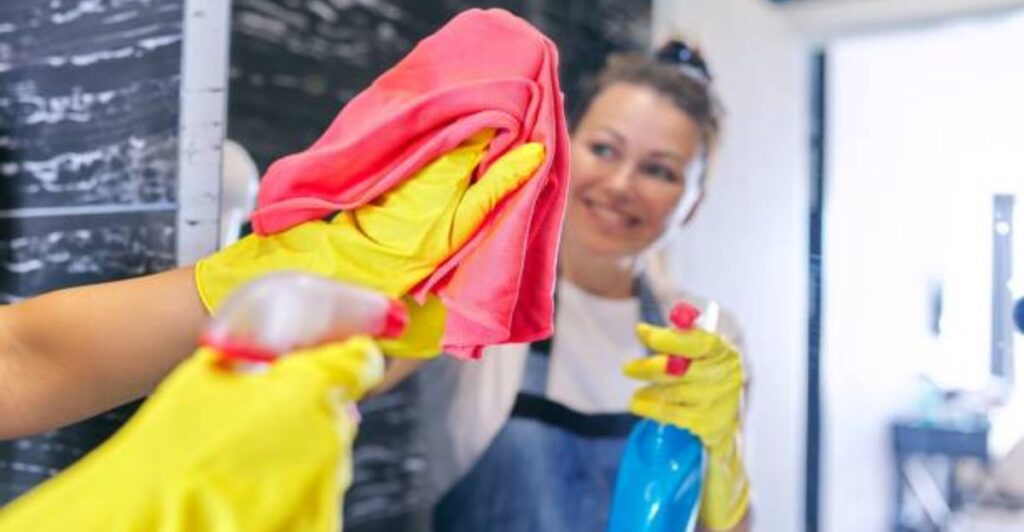
source: istock
Glass surfaces and mirrors rank among the most prominent features in any residence. Fingerprints, dust, water spots, and smudges can swiftly detract from their visual appeal. Regular cleaning not only enhances aesthetics but also boosts natural light, promotes hygiene, and prolongs the lifespan of glass surfaces.
For busy homeowners, mastering efficient cleaning techniques translates to reduced scrubbing time and increased enjoyment of a clean, attractive home.
11 Best Glass and Mirror Cleaning Techniques for Busy Homeowners
1. Opt for Microfiber Cloths Instead of Paper Towels
Microfiber cloths excel at capturing dust and dirt without leaving any lint behind. In contrast to paper towels, they minimize streaking and can be reused several times.
Pro Tip: Designate specific microfiber cloths solely for glass cleaning.
2. Clean on a Cloudy Day
Cleaning solutions tend to dry too rapidly under direct sunlight, which can lead to streaks. It is advisable to select an overcast day or to clean during the early morning or evening hours.
3. Prepare a Simple Vinegar Solution
Combine equal parts of white vinegar and distilled water in a spray bottle. This natural cleaner is effective in eliminating fingerprints, grease, and water spots.
4. Spray the Cloth, Not the Surface
Rather than spraying directly onto mirrors or glass, apply the cleaning solution to your microfiber cloth. This technique prevents excess moisture from dripping into frames and edges.
5. Employ the “S” Cleaning Pattern
When wiping glass, use an “S” or zigzag motion from top to bottom. This approach efficiently covers the entire surface and reduces streaks.
6. Dust Before Wet Cleaning
Always begin by dusting surfaces with a dry microfiber cloth. Cleaning over dust can create muddy streaks and necessitate additional effort.
7. Utilize Distilled Water for Superior Results
Minerals in hard water can leave spots and residue. Using distilled water contributes to a cleaner, streak-free finish.
8. Address Tough Spots with Rubbing Alcohol
For persistent marks such as hairspray residue, toothpaste splashes, or adhesive stains, apply a small amount of rubbing alcohol prior to regular cleaning.
9. Maintain a Daily Quick-Clean Routine
Dedicate just 2–3 minutes each day to wipe down bathroom mirrors and frequently used glass surfaces. Regular maintenance helps prevent significant buildup.
10. Invest in a Quality Squeegee
A compact squeegee is ideal for shower glass, windows, and large mirrors. It efficiently removes water and cleaning solution without leaving streaks.
11. Conclude with a Dry Buff
After cleaning, utilize a dry microfiber cloth to buff the surface. This final step enhances shine and removes any lingering streaks.
Benefits of Proper Glass and Mirror Cleaning
Maintaining the cleanliness of glass surfaces and mirrors not only enhances their aesthetic appeal but also fosters a healthier, brighter, and more comfortable living space. Below are several significant advantages:
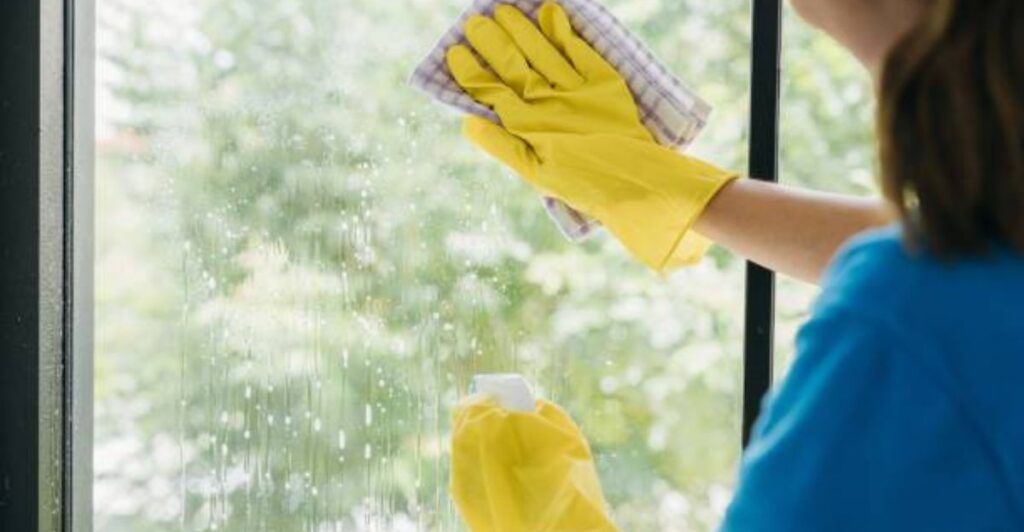
source: istock
1. Enhances Your Home’s Aesthetic Appeal
Pristine, streak-free glass and mirrors instantly elevate the look of rooms, making them appear more polished, organized, and welcoming. Shimmering surfaces leave a favorable impression on both guests and family members.
2. Maximizes Natural Illumination
Dust, fingerprints, and smudges can obstruct sunlight from entering your home. Clean windows and mirrors reflect and distribute light more efficiently, creating a brighter and more spacious atmosphere.
3. Promotes Indoor Hygiene
Regular cleaning eliminates dust, allergens, bacteria, and grime that accumulate on glass surfaces, thereby helping to sustain a cleaner and healthier home environment.
4. Prolongs the Lifespan of Glass Surfaces
Mineral deposits, hard water stains, and dirt accumulation can gradually harm glass. Consistent cleaning aids in preserving the quality and clarity of windows, mirrors, and glass furniture.
5. Saves Time and Labor
Regular light cleaning prevents the accumulation of dirt that necessitates extensive scrubbing later on. A straightforward maintenance routine can significantly decrease overall cleaning time.
6. Enhances Visibility and Safety
Clean windows offer a clearer view of the outdoors, while spotless mirrors provide accurate reflections. This is particularly crucial in bathrooms, entryways, and vehicles.
7. Diminishes Mold and Mildew Growth
Routine cleaning of bathroom mirrors, shower doors, and glass surfaces helps eliminate moisture and residue that can promote mold and mildew growth.
8. Fosters a More Comfortable Living Environment
Bright, clean surfaces contribute to a fresh and pleasant ambiance, making your home feel more relaxing and enjoyable.
9. Increases Property Attractiveness
Well-maintained glass and mirrors enhance the overall appearance of a property, which can be advantageous if you intend to sell or rent your home in the future.
10. Encourages Improved Cleaning Practices
Maintaining clean glass surfaces fosters regular housekeeping habits, contributing to a tidy and organized home.
11. Improves Mirror Reflection Clarity
Clean mirrors offer clearer and sharper reflections, essential for grooming, makeup application, shaving, and daily personal care activities.
By integrating regular cleaning of glass and mirrors into your household routine, you can achieve a brighter, healthier, and more appealing home while safeguarding your investment in glass fixtures and furnishings.
Current Trends in Glass and Mirror Cleaning
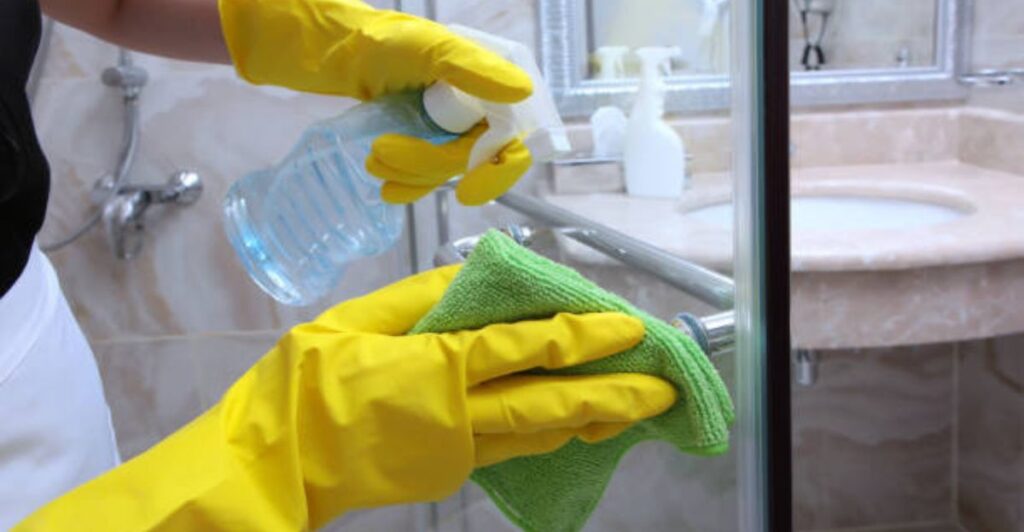
source: istock
Eco-Conscious Cleaning Products
An increasing number of homeowners are opting for natural ingredients like vinegar, lemon juice, and plant-based cleaners.
Reusable Cleaning Tools
The use of washable microfiber cloths and refillable spray bottles is gaining popularity as a means to minimize waste.
Smart Cleaning Devices
Automated window-cleaning robots assist homeowners in maintaining extensive glass surfaces with minimal effort.
Streak-Free Nano Coatings
Protective coatings for glass surfaces help to repel water, dust, and fingerprints, thereby decreasing the frequency of cleaning.
Multi-Surface Cleaning Products
Contemporary cleaning solutions are formulated to be effective on mirrors, windows, shower doors, and glass furniture.
Expert Suggestions
Select High-Quality Microfiber Cloths
Investing in premium microfiber cloths yields superior cleaning outcomes and enhanced longevity.
Avoid Excessive Cleaner
Applying an excessive amount of solution frequently results in streaking. A light mist is generally adequate.
Maintain Frequently Used Mirrors Weekly
Regular upkeep of bathroom and entryway mirrors is essential to prevent the accumulation of grime.
Replace Worn Cleaning Tools
Aged cloths and damaged squeegees can leave marks and diminish cleaning effectiveness.
Store Cleaning Supplies Conveniently
Maintain a compact cleaning kit in bathrooms and laundry areas for prompt touch-ups.
Common Mistakes to Avoid
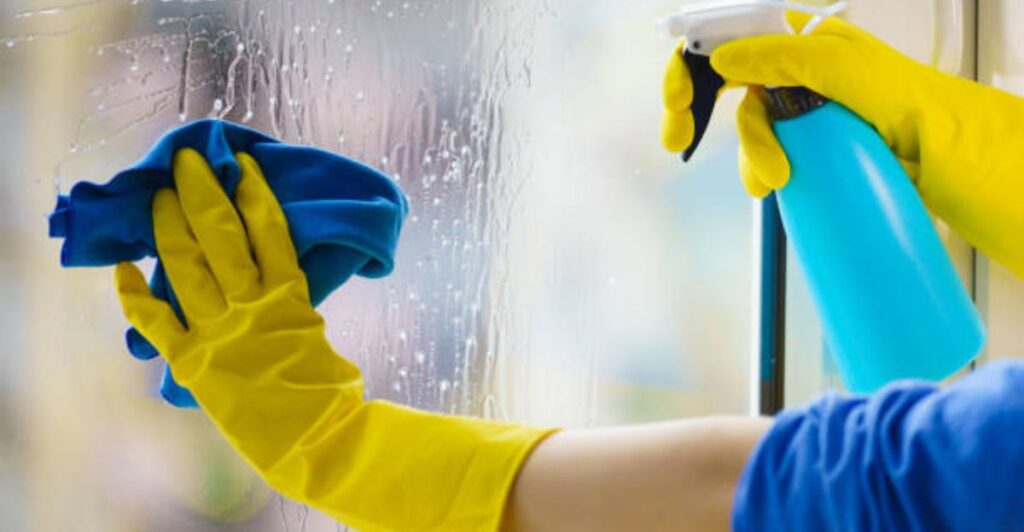
source: istock
Using Dirty Cloths
A soiled cloth merely redistributes dirt and produces streaks.
Cleaning in Direct Sunlight
Quick-drying cleaner often results in visible marks.
Applying Excessive Pressure
Forceful scrubbing can harm certain glass coatings.
Neglecting Frame Edges
Moisture trapped around the edges of mirrors can cause deterioration over time.
Using Abrasive Materials
Steel wool, coarse sponges, and harsh scrubbers can scratch glass surfaces.
Omitting the Dusting Step
Dust and debris can lead to additional streaks during the cleaning process.
Utilizing Hard Water in DIY Solutions
The minerals present in hard water frequently leave spots and residue.
Conclusion
Keeping glass and mirrors sparkling does not need to be a time-consuming task. By implementing these 11 effective cleaning methods, busy homeowners can achieve results comparable to professional cleaning with minimal effort. Simple practices such as utilizing microfiber cloths, employing vinegar solutions for cleaning, and establishing a quick maintenance routine can ensure that every reflective surface remains gleaming throughout the year.
A clean mirror can illuminate a room, while pristine glass contributes to the overall aesthetic of your home. With the appropriate tools and techniques, achieving streak-free results has never been easier.
References
1. Good Housekeeping Institute – Tips for Cleaning Glass and Windows
2. The Spruce – Guides for Cleaning Mirrors
3. Better Homes & Gardens – Advice on Home Cleaning
4. EPA Green Cleaning Resources
5. International Window Cleaning Association (IWCA)
FAQs
1. What is the most effective homemade glass cleaner?
A blend of equal parts white vinegar and distilled water is among the most efficient homemade glass cleaners.
2. Why do my mirrors consistently have streaks?
Streaks typically arise from an excess of cleaning solution, unclean cloths, or cleaning in direct sunlight.
3. How frequently should mirrors be cleaned?
Bathroom mirrors should be cleaned weekly, while other mirrors may be cleaned every two to four weeks.
4. Are microfiber cloths superior to paper towels?
Indeed. Microfiber cloths are more effective at removing dirt and leave behind fewer streaks and lint.
5. Can vinegar harm mirrors?
When used correctly and not allowed to penetrate the edges of the mirror, vinegar is generally safe and effective.
6. What is the quickest method to clean shower glass?
Utilize a squeegee after each shower and conduct a weekly deep clean using a vinegar solution.
7. How can I minimize dust accumulation on glass surfaces?
Regular dusting, air filtration, and maintaining appropriate indoor humidity levels can assist in reducing dust buildup.