
Introduction
7 Smart Lighting and Color Tips to Create a Peaceful Home Atmosphere
Your home should be a place where you feel calm, relaxed, and refreshed. However, many people overlook how lighting and color choices directly affect mood and mental well-being. Bright, harsh lighting and chaotic color schemes can create stress, while soft lighting and soothing colors promote peace and comfort.
In this article, we’ll explore 7 smart lighting and color tips to help you create a peaceful home atmosphere in 2026 and beyond.
7 Smart Lighting and Color Tips for a Calm Home

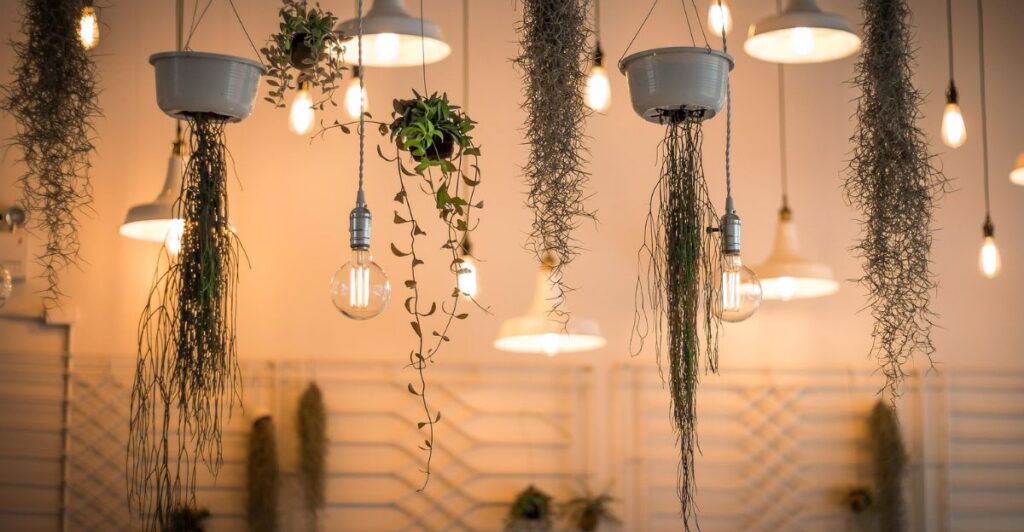
1. Choose Soft and Warm Lighting
Warm lighting creates a cozy and inviting environment. Replace harsh white lights with soft yellow or warm LED bulbs to reduce eye strain and promote relaxation.
2. Use Natural Light Whenever Possible
Natural sunlight boosts mood and energy levels. Keep windows clean, use light curtains, and allow sunlight to flow freely into your home.
3. Pick Calm and Neutral Colors
Colors like beige, cream, soft gray, and pastels create a peaceful vibe. Avoid overly bright or clashing colors that can feel overwhelming.
4. Add Layered Lighting
Combine different types of lighting such as ambient, task, and accent lighting. This creates balance and allows you to adjust brightness according to your mood.
5. Incorporate Nature-Inspired Colors
Earthy tones like green, brown, and soft blue bring a sense of nature indoors, helping reduce stress and improve mental clarity.
6. Use Dimmers for Flexibility
Dimmer switches allow you to control light intensity. Lower lighting in the evening can help create a calm and relaxing atmosphere.
7. Highlight Relaxation Zones
Use soft lighting and gentle colors in spaces like bedrooms and reading corners to create dedicated areas for rest and peace.
✨ Benefits of Using Proper Lighting and Colors

Choosing the right lighting and color combinations in your home is not just about aesthetics—it significantly impacts your overall well-being and lifestyle. Here are the key benefits:
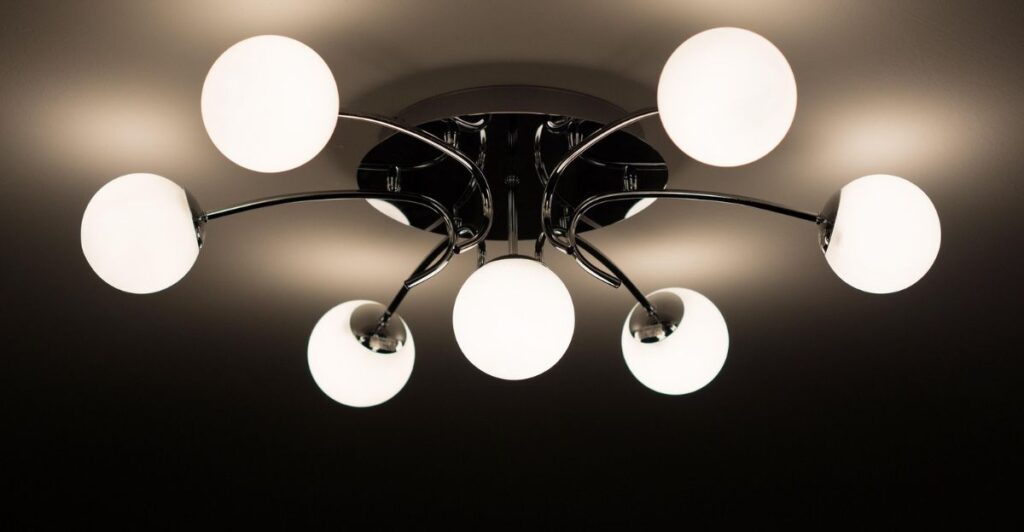
1. Reduces Stress and Anxiety
Soft lighting and calming colors like blue, green, and neutrals help create a soothing environment, reducing mental stress and promoting relaxation.
2. Improves Sleep Quality
Warm, dim lighting in the evening supports your body’s natural sleep cycle, helping you fall asleep faster and enjoy deeper rest.
3. Enhances Mood and Happiness
Well-balanced lighting combined with pleasant colors can uplift your mood and create a positive, cheerful atmosphere in your home.
4. Boosts Productivity and Focus
Proper lighting—especially natural light—improves concentration and efficiency, making it ideal for work-from-home setups or study areas.
5. Creates a Cozy and Welcoming Space
Warm tones and soft lighting make your home feel inviting and comfortable for both family members and guests.
6. Supports Eye Comfort
Balanced lighting reduces eye strain caused by harsh or insufficient light, making daily activities more comfortable.
7. Enhances Interior Aesthetics
The right combination of lighting and colors highlights your décor, furniture, and design elements, making your home look more stylish and harmonious.
📈 Trends in 2026: Lighting and Color Design
In 2026, home design is moving beyond just style—it’s all about creating emotional comfort, warmth, and personalization. Lighting and color trends are evolving to make homes feel more peaceful, natural, and functional.
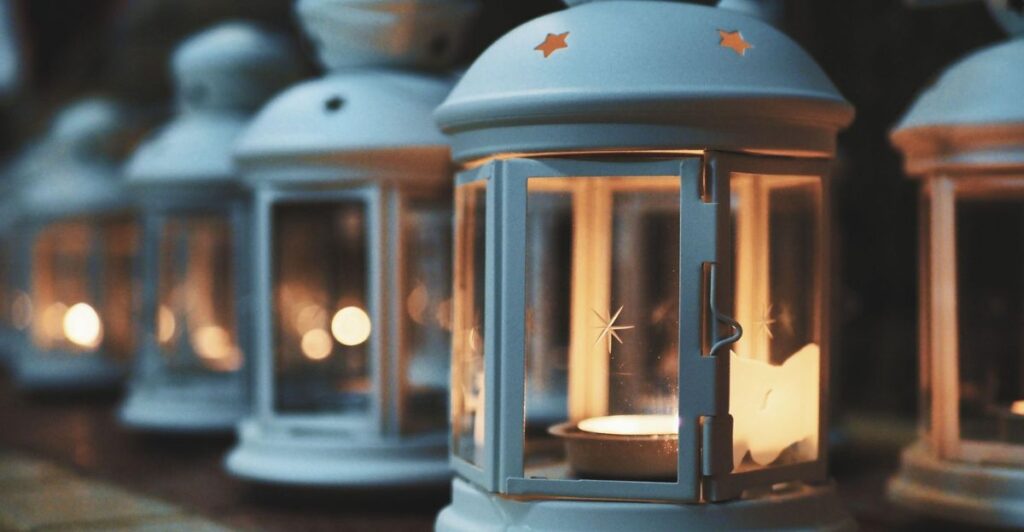
1. Warm and Soft Lighting Takes Center Stage
Harsh white lights are fading out, while warm, diffused lighting (2700K–3000K) is becoming the top choice for homes. This type of lighting creates a cozy and relaxing atmosphere.
2. Layered Lighting for a Balanced Ambience
Modern homes are using a mix of ambient, task, and accent lighting. LED strips, wall sconces, and table lamps are combined to create depth and flexibility in lighting design.
3. Smart and Adjustable Lighting Systems
Smart lighting that can be controlled via apps or voice assistants is trending. Homeowners prefer lights that adjust brightness and color based on time of day or mood.
4. Nature-Inspired Color Palettes
Earthy tones like sage green, terracotta, beige, and soft browns are dominating interiors. These colors create a calming, grounded, and natural feel.
5. Soft Whites and Calm Neutrals
Clean, soft whites (like “Cloud Dancer”) and neutral tones are being used to make spaces feel larger, brighter, and more peaceful—especially in modern homes.
6. Statement and Sculptural Lighting
Lighting is no longer just functional—it’s decorative. Artistic chandeliers, sculptural lamps, and unique fixtures are becoming focal points in rooms.
7. Vintage and Warm Metal Finishes
Materials like aged brass, bronze, and dark wood are trending, adding warmth and character to lighting fixtures and interiors.
8. Organic Shapes and Natural Materials
Lighting designs inspired by nature—such as curved shapes, textured surfaces, and materials like linen, stone, and glass—are gaining popularity for their calming effect.
9. Personalized and “Emotional” Interiors
In 2026, homes are designed to reflect personal feelings. Lighting and colors are chosen not just for looks, but for how they make you feel—calm, happy, and relaxed.
✨ Summary
The biggest shift in 2026 is clear:
👉 Homes are becoming warmer, softer, and more human-centered
👉 Lighting is gentle, layered, and smart
👉 Colors are natural, earthy, and soothing
By following these trends, you can easily transform your home into a peaceful and modern sanctuary.
💡 Suggestions for Best Results
To truly create a peaceful home atmosphere using lighting and colors, it’s important to apply the right strategies thoughtfully. These practical suggestions will help you get the best results:
1. Test Lighting Before Finalizing
Always check how lighting looks at different times of the day. Natural and artificial light can change how colors appear in your space.
2. Stick to a Consistent Color Palette
Choose 2–3 main colors and keep them consistent throughout your home to maintain a harmonious and clutter-free look.
3. Use Warm Lighting in Relaxation Areas
Install warm lights in bedrooms, living rooms, and reading corners to create a calm and cozy environment.
4. Balance Natural and Artificial Light
Maximize daylight during the day and complement it with soft artificial lighting in the evening for a balanced atmosphere.
5. Avoid Overly Bright or Harsh Lights
Too much brightness can cause discomfort and stress. Use diffused or shaded lighting to soften the effect.
6. Add Layers for Flexibility
Combine ceiling lights, lamps, and accent lighting so you can adjust the mood according to your needs.
7. Use Colors According to Room Function
- Bedrooms: Soft blues, greens, and neutrals
- Living room: Warm neutrals and earthy tones
- Workspace: Light, energizing shades like soft white or pastel yellow
8. Include Natural Elements
Pair calming colors with indoor plants, wooden textures, or natural fabrics to enhance the peaceful vibe.
9. Keep It Simple and Clutter-Free
Avoid too many patterns or color contrasts. A clean and simple design helps maintain mental clarity and calmness.
10. Upgrade Gradually
You don’t need a complete makeover. Start with small changes like switching bulbs, adding lamps, or repainting one wall.
✨ Pro Tip
Small changes in lighting and color can make a big difference. Focus on comfort and simplicity rather than perfection.
Conclusion
Lighting and color are powerful tools that shape how you feel in your home. By choosing soft lighting, calming colors, and thoughtful design, you can transform your living space into a peaceful retreat. Start with small changes, and gradually create a home environment that supports relaxation, happiness, and well-being.
References
- Interior design and home décor best practices
- Environmental psychology studies on color and mood
- Lighting design guidelines for modern homes
FAQs
1. Which light color is best for relaxation?
Warm white or soft yellow light is best for relaxation as it creates a cozy and calming atmosphere.
2. What colors make a home feel peaceful?
Neutral shades, pastels, and nature-inspired colors like green and blue promote peace and calmness.
3. Can lighting really affect mood?
Yes, lighting has a strong impact on mood, energy levels, and even sleep patterns.
4. How can I improve lighting on a budget?
Use LED bulbs, rearrange lamps, and maximize natural light to improve lighting without spending much.
5. Are bright colors always bad for interiors?
Not necessarily. Bright colors can be used as accents, but too many can create visual stress.