
🌿 Introduction
4 Smart Ways to Reuse Old Bathroom Fixtures in Your Garden
Reusing old bathroom fixtures in your garden is a creative, eco-friendly way to reduce waste and add charm to your outdoor space. Items like bathtubs, sinks, and toilets can be transformed into unique planters, water features, or decorative elements. This sustainable approach not only saves money but also enhances your garden’s personality.
With growing awareness about sustainability in India, many homeowners are exploring ways to repurpose household items instead of discarding them. Old bathroom fixtures, often bulky and difficult to dispose of, can be turned into stunning garden features. From rustic planters to playful water fountains, these fixtures can breathe new life into your outdoor space while supporting eco-conscious living..
🛠️ 4 Smart Ways to Reuse Old Bathroom Fixtures in Your Garden
1. Bathtub Garden Planter
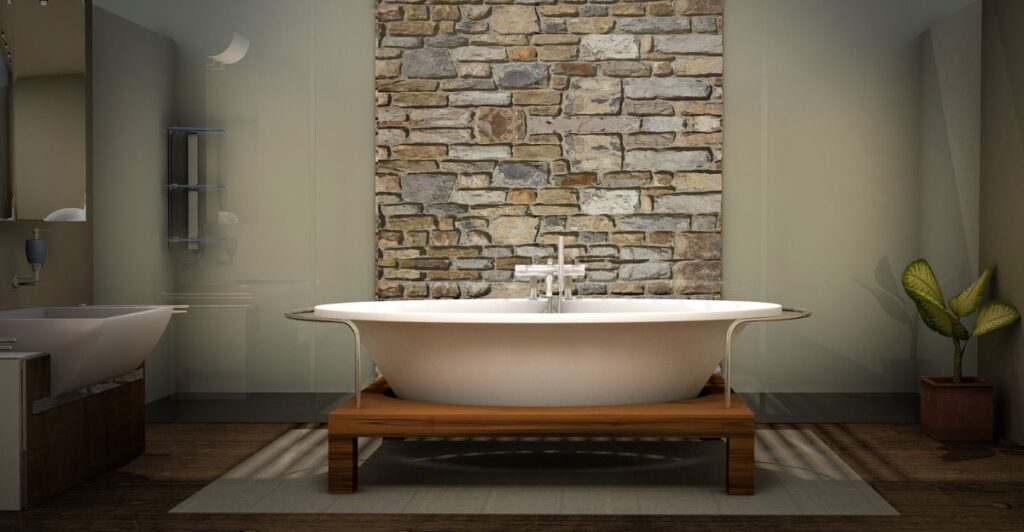
Old bathtubs make excellent raised garden beds. Their depth allows for growing vegetables, herbs, and flowering plants.
Best for: Tomatoes, spinach, marigolds, and herbs
Tip: Drill drainage holes and add gravel at the base for proper water flow.
2. Sink Flower Bed
Wall-mounted or pedestal sinks can become charming flower beds for small spaces or balcony gardens.
Best for: Succulents, petunias, and trailing plants
Tip: Mount the sink securely and ensure proper drainage.
3. Toilet Planter (Quirky Garden Art)
An old toilet can be transformed into a fun planter that adds a whimsical touch to your garden.
Best for: Bright flowers like pansies or seasonal blooms
Tip: Paint it with weatherproof paint for durability and aesthetic appeal.
4. Basin Water Feature
Turn an old basin into a mini pond or bird bath to attract wildlife.
Best for: Lotus, water lilies, or bird-friendly setups
Tip: Place stones inside for birds to perch safely.
🌱 Tips for Success: Reusing Old Bathroom Fixtures in Your Garden
Transforming old bathroom fixtures into garden features can be rewarding when done thoughtfully. Follow these practical tips to ensure durability, plant health, and visual appeal.
🧼 1. Clean and Sanitize Thoroughly
Before using any fixture:
- Scrub with mild disinfectant to remove soap residue and bacteria.
- Rinse well to avoid chemical buildup that can harm plants.
💧 2. Ensure Proper Drainage
Good drainage prevents root rot and waterlogging.
- Drill holes if none exist.
- Add a layer of gravel or broken pottery at the base.
- Use well-draining soil mix.
🌞 3. Choose the Right Location
Placement affects plant growth.
- Sun-loving plants: place in full sunlight.
- Shade plants: position under partial cover.
- Keep heavy fixtures on stable, level ground.
🌿 4. Select Suitable Plants
Match plants to fixture size and depth.
- Bathtubs: vegetables, herbs, and deep-rooted flowers.
- Sinks: succulents, trailing plants, small blooms.
- Basins: aquatic plants or bird baths.
🎨 5. Use Weatherproof Finishes
Protect fixtures from outdoor elements.
- Apply weather-resistant paint.
- Seal cracks to prevent water leakage.
- Choose light colors to reduce heat absorption in hot climates like Gujarat.
🪨 6. Add Stability and Support
Bathroom fixtures can be heavy and fragile.
- Place on bricks or a concrete base.
- Anchor tall fixtures to prevent tipping.
- Avoid placing on soft soil without support.
🐦 7. Make It Wildlife-Friendly
Encourage birds and pollinators.
- Add stones in water features for bird perches.
- Plant nectar-rich flowers nearby.
- Keep water clean and shallow.
♻️ 8. Combine with Other Recycled Materials
Enhance sustainability and aesthetics.
- Use old tiles, bricks, or wooden pallets.
- Create themed corners with multiple fixtures.
- Label plants for a learning-friendly garden.
🌼 9. Maintain Regularly
Keep your garden feature looking fresh.
- Remove debris and algae from water features.
- Refresh soil every season.
- Check drainage holes for blockages.
✅ Final Thought
With proper preparation and care, repurposed bathroom fixtures can become long-lasting, eco-friendly highlights in your garden. These small steps ensure your creative project remains both beautiful and functional.
📈 Trends in 2026: Reusing Bathroom Fixtures & Upcycled Garden Ideas

In 2026, garden design is moving toward sustainability, creativity, and smart use of resources—making repurposed sinks, bathtubs, and fixtures more popular than ever. Here are the key trends shaping this movement.
🌍 1. Eco-Friendly & Sustainable Gardening
Homeowners are prioritizing reuse to reduce waste and environmental impact. Upcycling old fixtures into planters or water features aligns with eco-conscious living and circular design.
Why it matters:
- Reduces landfill waste
- Supports sustainable lifestyles
- Encourages mindful consumption
🏙️ 2. Urban Gardening & Space Optimization
With smaller homes and apartments, creative container gardening is booming. Repurposed sinks and tubs serve as stylish, space-saving planters.
Popular uses:
- Balcony herb gardens
- Rooftop vegetable beds
- Portable edible gardens
💧 3. Water-Wise Garden Design
Water conservation is a major focus in 2026. Old bathtubs are being reused as rainwater collectors or self-watering beds to support water-efficient gardening.
Trending ideas:
- Rainwater harvesting tubs
- Drip irrigation setups
- Hydro-zoning plant layouts
🪴 4. Container Gardening as a Design Statement
Containers are no longer just functional—they’re focal points. Large, sculptural planters (including bathtubs) are used to create visual impact.
Design tips:
- Use bold colors and textures
- Group containers for layered effects
- Mix edible and ornamental plants
🤖 5. Smart Gardening Technology
Technology is transforming even small gardens. Sensors, smart irrigation, and AI apps help maintain plants in repurposed containers.
Emerging tools:
- Soil moisture sensors
- Automated watering systems
- Plant health monitoring apps
🌼 6. Edible & Ornamental Fusion (“Edimentals”)
Gardeners are blending beauty with functionality by growing decorative edible plants in upcycled fixtures.
Examples:
- Kale and lettuce borders
- Herbs in vintage sinks
- Colorful vegetables for décor
🧘 7. Wellness & Sensory Gardens
Gardens are increasingly designed as peaceful retreats with aromatic plants, water features, and calming layouts.
Wellness elements:
- Lavender and jasmine
- Small water features in tubs
- Seating near greenery
🇮🇳 8. India’s Green Urban Initiatives
Cities are investing in greener spaces and biodiversity, encouraging residents to create eco-friendly home gardens.
Impact:
- More community gardens
- Increased awareness of green living
- Support for urban sustainability
💡 Suggestions for Best Results: Reusing Old Bathroom Fixtures in Your Garden
To make your upcycled garden project both beautiful and long-lasting, follow these practical suggestions. They will help you maximize plant health, safety, and visual appeal—especially in warm regions like Gujarat.
🌿 1. Match Fixtures to Plant Needs
- Use deep bathtubs for vegetables and root crops.
- Choose sinks and basins for herbs, succulents, and small flowers.
- Avoid overcrowding—give plants room to grow.
☀️ 2. Optimize Sunlight Exposure
- Place sun-loving plants (tomatoes, marigolds) in full sun.
- Keep shade-loving plants (ferns, peace lilies) in partial shade.
- Rotate movable fixtures for even growth.
💧 3. Improve Soil Quality
- Use a mix of garden soil, compost, and sand for drainage.
- Add organic compost regularly to replenish nutrients.
- Mulch the surface to retain moisture in hot climates.
🛠️ 4. Ensure Strong Drainage Systems
- Drill extra holes if water pools at the bottom.
- Add gravel or broken tiles for better water flow.
- Elevate fixtures slightly to prevent water stagnation.
🎨 5. Enhance Aesthetic Appeal
- Paint fixtures with weatherproof, non-toxic paint.
- Use natural tones for a rustic look or bright colors for a playful garden.
- Arrange fixtures at different heights for visual interest.
🐦 6. Encourage Biodiversity
- Add bird baths using basins.
- Plant pollinator-friendly flowers like zinnias and sunflowers.
- Avoid chemical pesticides to protect beneficial insects.
♻️ 7. Combine Sustainability Practices
- Use rainwater for irrigation.
- Repurpose tiles, bricks, or wood for borders.
- Create a compost corner to recycle kitchen waste.
🔒 8. Focus on Safety
- Secure heavy fixtures to prevent tipping.
- Smooth sharp edges to protect children and pets.
- Avoid placing fragile ceramic pieces in high-traffic areas.
🌼 9. Maintain Regular Care
- Remove weeds and debris weekly.
- Refresh soil seasonally for healthy growth.
- Clean water features to prevent algae buildup.
✅ Final Thought
With thoughtful planning and regular care, repurposed bathroom fixtures can become stunning, eco-friendly highlights in your garden. These suggestions will help you achieve a sustainable, functional, and visually appealing outdoor space.
✅ Conclusion
Reusing old bathroom fixtures in your garden is a smart, sustainable, and budget-friendly way to enhance your outdoor space. Whether you create a bathtub vegetable bed or a basin bird bath, these creative ideas reduce waste while adding charm and functionality. With a little imagination, your discarded fixtures can become the highlight of your eco-friendly garden.
📚 References
- Ministry of Environment, Forest and Climate Change, India – Sustainable waste practices
- Urban gardening communities and DIY sustainability initiatives
- Local horticulture guides for climate-appropriate planting
❓ FAQs
1. Are old bathroom fixtures safe for gardening?
Yes, as long as they are cleaned properly and have good drainage.
2. What plants grow best in bathtub planters?
Vegetables, herbs, and flowering plants thrive due to the depth and space.
3. How do I prevent waterlogging?
Drill drainage holes and add a gravel layer at the bottom.
4. Can I use these ideas in small spaces?
Absolutely. Sinks and basins are perfect for balconies and compact gardens.
5. Is this approach environmentally friendly?
Yes, repurposing fixtures reduces landfill waste and promotes sustainable living.