
Introduction
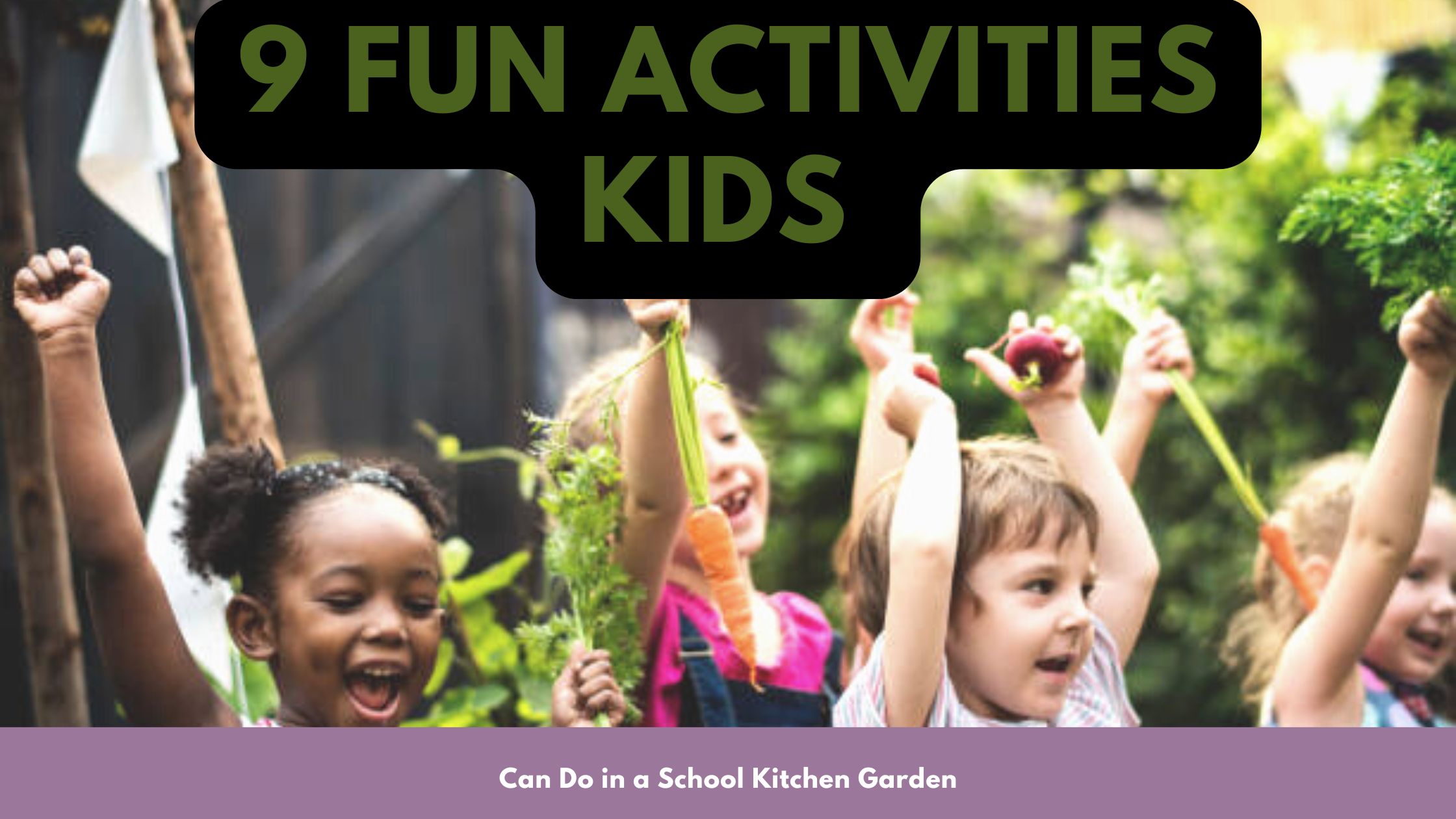
9 Fun Activities Kids Can Do in a School Kitchen Garden
A school kitchen garden is more than just a place to grow vegetables—it is a lively outdoor classroom where students can learn through fun and practical experiences. Gardening activities allow children to explore nature, understand how food grows, and develop important life skills such as teamwork, responsibility, and patience..
In today’s digital world, many children spend less time outdoors. A school kitchen garden provides a wonderful opportunity for students to connect with nature while learning about healthy eating, environmental care, and sustainability. Through engaging and creative activities, students not only gain knowledge but also enjoy the process of growing and harvesting their own food.
Here are nine fun activities that kids can enjoy in a school kitchen garden while learning valuable lessons about nature and nutrition..
9 Fun Activities Kids Can Do in a School Kitchen Garden
1. Planting Seeds and Seedlings
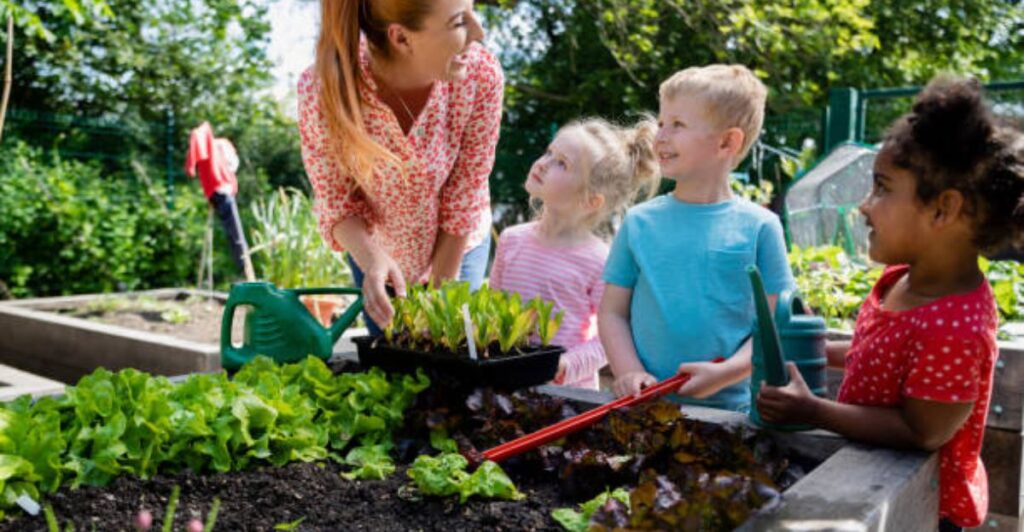
Children can start by planting seeds or small seedlings in garden beds or containers. This simple activity teaches them about plant life cycles and the importance of caring for growing plants.
2. Watering and Plant Care
Kids can take turns watering plants and removing weeds. This helps them develop responsibility and understand the daily care plants need to grow healthy.
3. Garden Scavenger Hunt
Teachers can organize a fun scavenger hunt where students search for different plants, leaves, insects, or garden tools. This activity encourages observation and curiosity about nature.
4. Making Plant Labels
Students can create colorful labels for different plants using recycled materials. This activity combines creativity with learning about plant names and varieties.
5. Composting Activity
Children can collect fruit and vegetable scraps from the school kitchen and add them to a compost bin. They learn how organic waste turns into nutrient-rich soil.
6. Harvesting Vegetables
One of the most exciting activities for kids is harvesting vegetables they helped grow. It gives them a sense of achievement and appreciation for fresh food.
7. Cooking Simple Garden Recipes
Teachers can organize small cooking activities where students prepare simple recipes using fresh vegetables from the garden, such as salads or sandwiches.
8. Insect and Nature Observation
Students can observe beneficial insects like bees, butterflies, and ladybugs in the garden. This activity teaches them about pollination and the role insects play in plant growth.
9. Garden Art and Decoration
Kids can decorate the garden with painted stones, handmade signs, or recycled garden ornaments. This adds beauty to the garden and encourages creativity.
🌱 Tips for Making Garden Activities Fun for Kids
Making gardening enjoyable for children is key to keeping them interested and engaged in a school kitchen garden. When gardening activities are fun and interactive, kids are more likely to participate, learn new skills, and develop a love for nature. Here are some helpful tips to make garden activities exciting for students.

1. Turn Gardening into a Game
Introduce fun games such as planting races, garden scavenger hunts, or “find the insect” activities. Games make learning about plants and nature more enjoyable.
2. Choose Colorful and Fast-Growing Plants
Plant bright flowers and quick-growing vegetables like radishes, lettuce, beans, and sunflowers. Seeing plants grow quickly keeps children motivated and curious.
3. Allow Kids to Decorate the Garden
Encourage students to paint stones, create plant labels, or make small garden signs. Decorating the garden helps children feel proud of their work.
4. Let Kids Take Responsibility
Assign each child or group a small garden area or a few plants to care for. When children feel responsible for something, they become more engaged and attentive.
5. Include Creative Activities
Combine gardening with art and craft projects such as making bird feeders, building mini scarecrows, or creating recycled planters.
6. Organize Harvest Celebrations
Plan special days where students harvest vegetables and taste or cook simple recipes. This gives them a sense of achievement and excitement.
7. Encourage Exploration and Observation
Allow kids to observe insects, soil, worms, and plant growth. Provide magnifying glasses or notebooks so they can record what they discover.
8. Use Storytelling and Nature Lessons
Teachers can share stories about plants, farmers, or the environment while working in the garden. This makes the learning experience more interesting and memorable.
9. Work in Small Teams
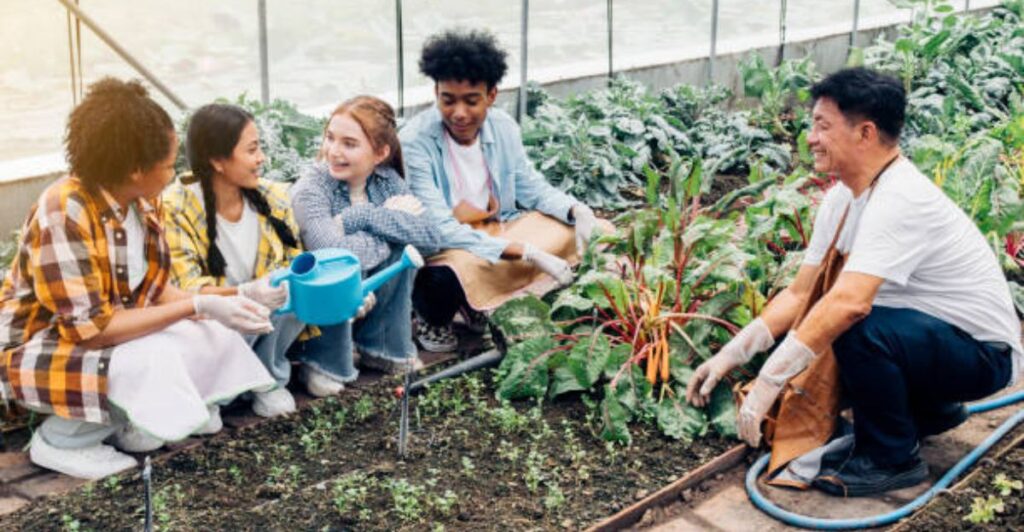
Group activities help students cooperate and learn teamwork. Children can share tasks like watering, planting, and harvesting.
10. Celebrate Small Successes
Praise students when plants grow well or when they complete tasks successfully. Positive encouragement keeps children excited about gardening.
💡 Suggestions for Best Results
To make activities in a school kitchen garden enjoyable and educational, it is important to plan them carefully and encourage active participation from students. These suggestions can help schools create a productive garden environment where children learn while having fun.
1. Keep Activities Simple and Age-Appropriate
Choose gardening tasks that match the age and ability of the students. Younger children can help with watering and planting seeds, while older students can handle tasks like composting and garden planning.
2. Encourage Hands-On Participation
Allow every student to take part in gardening activities. When children are actively involved in planting, watering, and harvesting, they develop a stronger connection with nature.
3. Create a Weekly Garden Activity Plan
Organize regular garden sessions where students rotate tasks such as watering, weeding, observing insects, and harvesting vegetables. A clear schedule helps maintain the garden effectively.
4. Use the Garden as an Outdoor Classroom
Teachers can integrate gardening with subjects like science, environmental studies, math, and nutrition. This makes learning more interactive and meaningful.
5. Grow Quick and Easy Crops
Select vegetables that grow quickly, such as lettuce, spinach, radishes, beans, and herbs. Fast-growing plants keep students motivated because they can see results sooner.
6. Promote Teamwork and Responsibility
Divide students into small groups and assign them specific garden areas or plants to care for. This encourages teamwork and accountability.
7. Practice Eco-Friendly Gardening
Teach students to use organic compost, natural fertilizers, and water-saving methods. This helps them understand the importance of sustainable gardening.
8. Celebrate Harvest and Achievements
Organize small harvest celebrations, cooking activities, or garden exhibitions. Recognizing students’ efforts builds excitement and pride in their work.
9. Involve Parents and the Community
Invite parents, teachers, and local gardeners to support the garden project. Community involvement can provide extra knowledge, resources, and encouragement.
10. Maintain Consistent Care
Regular watering, weeding, and monitoring are essential for a healthy garden. Establish routines so the garden remains productive throughout the school year.
By following these suggestions, schools can create a successful and engaging kitchen garden that helps students learn about nature, healthy food, and environmental responsibility while enjoying meaningful outdoor activities. 🌱
Conclusion
A school kitchen garden offers countless opportunities for children to learn while having fun. Activities such as planting seeds, observing insects, harvesting vegetables, and creating garden art help students develop a deeper connection with nature.
These experiences not only improve students’ knowledge about plants and food but also encourage healthy habits, teamwork, and environmental responsibility. By including enjoyable gardening activities in school programs, educators can inspire students to appreciate nature and adopt sustainable lifestyles.
References
- Food and Agriculture Organization (FAO) – School Garden Programs
- National Gardening Association – Benefits of School Gardens
- UNICEF – Nutrition and School Gardening Initiatives
- World Health Organization (WHO) – Healthy School Programs
FAQs
1. What is a school kitchen garden?
A school kitchen garden is a garden area where students grow vegetables, fruits, and herbs while learning about gardening, nutrition, and nature.
2. Why are garden activities important for children?
Garden activities help children develop practical skills, environmental awareness, and healthy eating habits.
3. What vegetables are best for school kitchen gardens?
Easy vegetables such as spinach, lettuce, beans, tomatoes, radishes, and carrots are ideal for school gardens.
4. How can teachers make gardening fun for kids?
Teachers can include games, creative projects, scavenger hunts, and cooking activities using garden produce.
5. Do school kitchen gardens require large spaces?
No, school gardens can be created in small spaces using containers, raised beds, or vertical gardening methods.