
Introduction
7 Easy DIY Planters Using Recycled Household Items
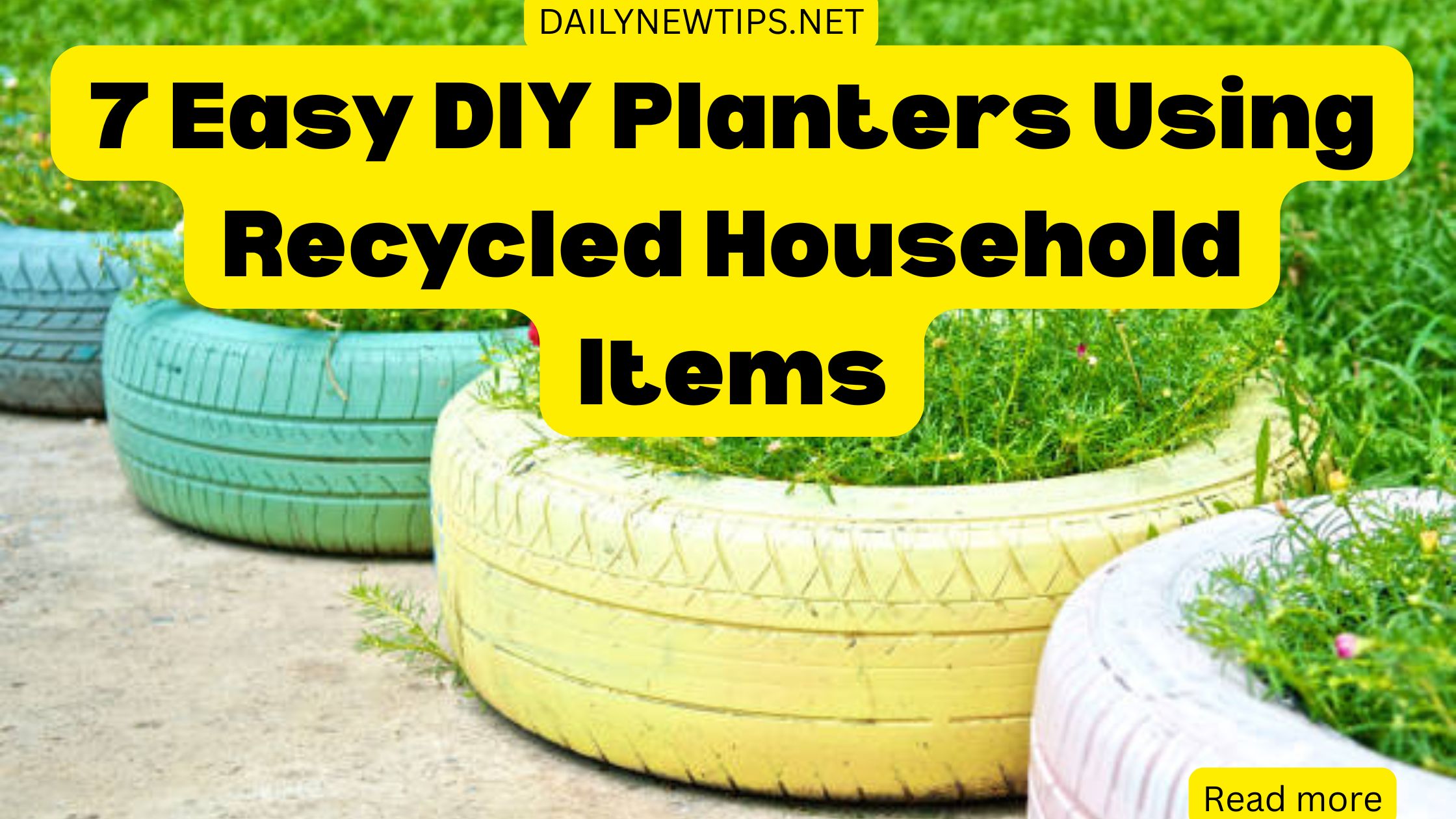
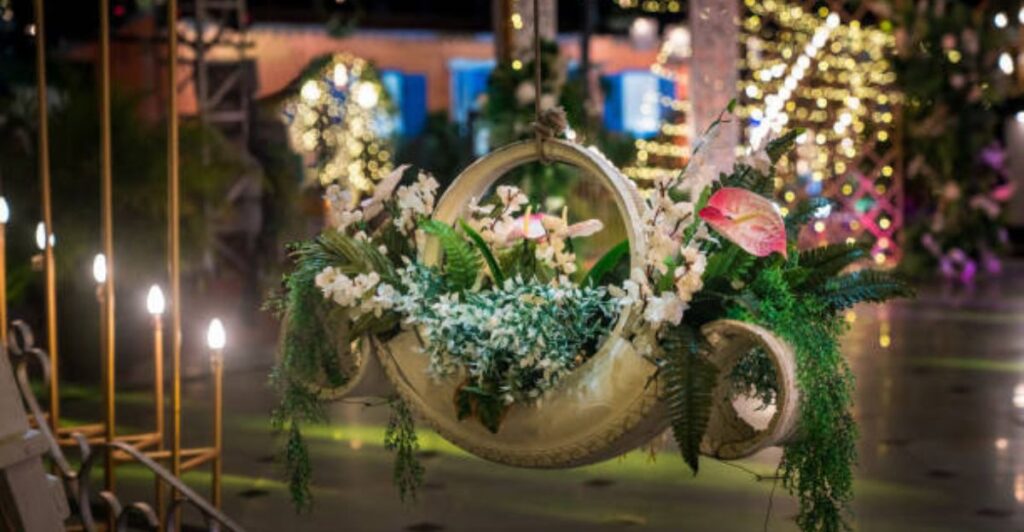
Creating planters from recycled household items is a simple and creative way to decorate your home while helping the environment. Instead of throwing away old containers, bottles, cans, or boxes, you can transform them into beautiful planters for flowers, herbs, or vegetables. This eco-friendly approach not only reduces waste but also saves money and encourages sustainable living..
DIY recycled planters are perfect for small spaces such as balconies, windowsills, or kitchen gardens. They are also great projects for families, schools, and gardening enthusiasts who enjoy creative activities. With a little imagination and basic tools, everyday household items can become charming plant containers that add personality to your home and garden.
In this article, we will explore seven easy DIY planter ideas using recycled household items, along with helpful tips, current gardening trends, and practical suggestions for the best results.
7 Easy DIY Planters Using Recycled Household Items
1. Plastic Bottle Planters
Old plastic bottles can be easily turned into hanging or wall-mounted planters. Cut the bottle in half, make small drainage holes, fill it with soil, and plant herbs or small flowers. These planters are ideal for vertical gardens and small spaces.
2. Tin Can Planters
Empty food cans can become stylish planters. Clean the cans thoroughly, punch a few drainage holes at the bottom, and paint them in bright colors. They work well for growing herbs like mint, basil, or coriander.
3. Wooden Box Planters
Old wooden crates or boxes can be repurposed into rustic garden planters. Simply line the inside with plastic or landscape fabric, add soil, and plant vegetables or flowers.
4. Glass Jar Planters
Glass jars from sauces or jams make attractive indoor planters. They are perfect for growing small plants or water-based plants like lucky bamboo.
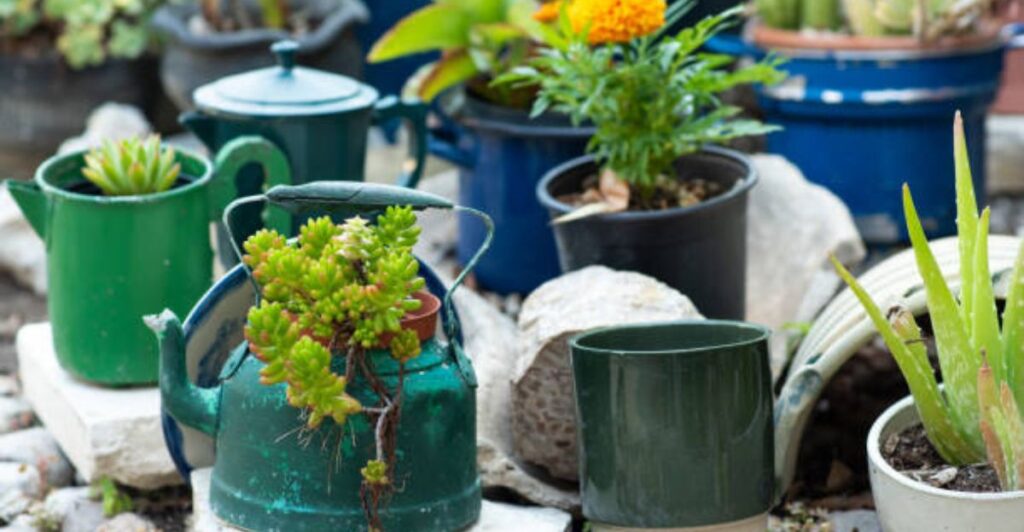
5. Old Teacup Planters
Broken or unused teacups and mugs can be used to grow small succulents or decorative plants. These miniature planters add charm to windowsills and tabletops.
6. Bucket Planters
Old buckets or paint containers can be reused as large planters for vegetables like tomatoes, chilies, or spinach. Make sure to drill holes for proper drainage.
7. Shoe Planters
Old shoes or boots can be turned into quirky garden planters. Fill them with soil and plant flowers to create a unique and eye-catching garden display.
🌱 Tips for Making Successful DIY Recycled Planters
Creating DIY recycled planters is a fun and eco-friendly way to grow plants while reducing household waste. However, to ensure your plants grow well and your planters last longer, it’s important to follow a few practical tips. Here are some helpful guidelines for making successful recycled planters.
1. Choose Durable Containers
Select containers that are strong and long-lasting, such as plastic bottles, tin cans, wooden boxes, or sturdy jars. Avoid containers that may easily break or rust.
2. Clean Containers Thoroughly
Before using any recycled item as a planter, wash it properly to remove leftover food, chemicals, or dirt. Clean containers help protect plants from contamination.
3. Create Proper Drainage
Make small holes at the bottom of the container so excess water can drain out. Proper drainage prevents waterlogging and keeps plant roots healthy.
4. Use Quality Potting Soil
Fill your recycled planters with nutrient-rich potting soil instead of ordinary garden soil. Good soil improves plant growth and ensures better drainage.
5. Select the Right Plants
Choose plants that match the size and depth of your container. Herbs, succulents, and small vegetables work best in most recycled planters.
6. Decorate Creatively
Add colors, designs, or natural materials like jute rope to your recycled containers. Creative decoration can transform simple items into attractive garden décor.
7. Place Planters in the Right Location
Most plants require sunlight and fresh air. Place your recycled planters near windows, balconies, patios, or garden areas where they can receive enough light.
8. Water Carefully
Check soil moisture regularly and water plants when necessary. Avoid overwatering, which can damage plant roots and cause mold growth.
9. Maintain Your Planters
Remove dry leaves, check drainage holes, and occasionally clean the containers. Proper maintenance helps plants stay healthy and keeps your recycled planters looking neat.
10. Experiment and Have Fun
One of the best parts of DIY gardening is creativity. Try different recycled items such as bottles, cups, cans, and boxes to create unique planter designs.
By following these tips, you can turn everyday household waste into beautiful, eco-friendly planters that support sustainable gardening while adding charm to your home or garden. 🌿♻️
📈 Trends: Recycled Gardening in 2026
Recycled gardening is gaining popularity as more people focus on sustainability, waste reduction, and eco-friendly living. In 2026, gardeners are finding creative ways to reuse household items and reduce environmental impact while still growing beautiful plants and vegetables. Here are some of the most important trends shaping recycled gardening today.
1. Upcycled Household Containers
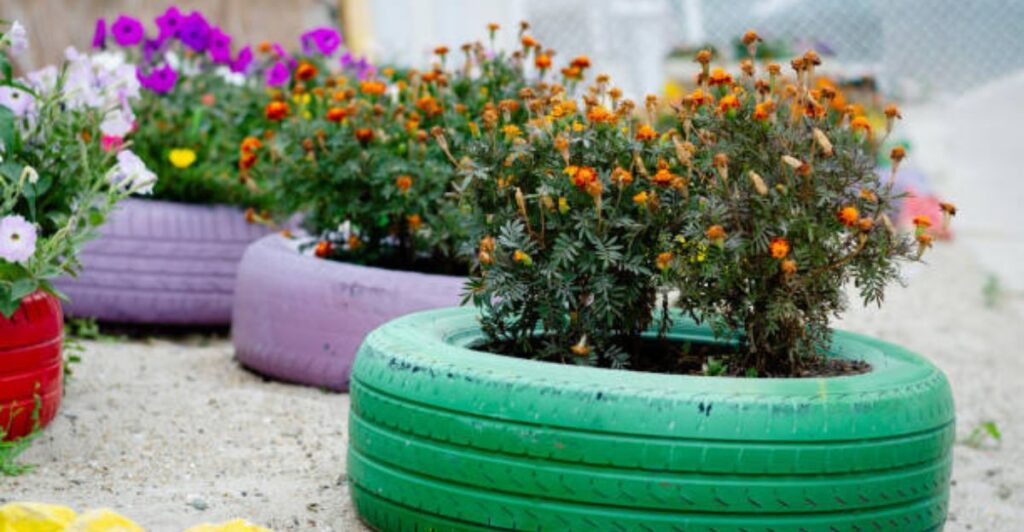
Gardeners are increasingly turning everyday waste items—such as yogurt tubs, plastic packaging, and food containers—into planters for herbs, flowers, and vegetables. This approach reduces waste and encourages creative reuse of materials that would otherwise be discarded.
2. Vertical Gardens from Recycled Materials
Vertical gardens made from plastic bottles, cans, or reused containers are becoming popular, especially in urban areas where space is limited. These systems allow people to grow plants on walls or balconies while recycling materials.
3. Eco-Friendly and Recycled Garden Materials
Garden tools, soil additives, and containers made from recycled materials—such as recycled glass or plant-based materials—are gaining attention. These products help reduce environmental impact while supporting sustainable gardening practices.
4. Container Gardening for Small Spaces
Container gardening continues to grow in popularity, particularly in apartments and small homes. Reused containers provide flexible, portable gardening solutions and can even become decorative design elements in gardens or balconies.
5. Composting and Waste Recycling
Composting kitchen scraps and garden waste is another important trend. Many gardeners now turn organic waste into nutrient-rich compost to improve soil quality and reduce landfill waste.
6. Climate-Friendly Gardening Practices
Modern gardeners are focusing on methods that conserve water, improve soil health, and adapt to climate changes. Techniques such as mulching, rainwater collection, and soil recycling help create more sustainable gardens.
7. Smart and Sustainable Gardening Technologies
Some gardeners are using smart tools, apps, or sensors to monitor plant growth, watering needs, and harvesting time. These technologies help reduce waste and improve plant care efficiency.
8. Wildlife-Friendly and Natural Gardens
Many gardens now include pollinator-friendly plants and natural habitats for birds and insects. Sustainable gardening practices help support biodiversity and create healthier ecosystems.
Overall, recycled gardening in 2026 reflects a growing global movement toward sustainability and creative reuse. By transforming waste materials into planters and gardening tools, people can reduce environmental impact while enjoying beautiful, productive gardens. 🌱♻️
.
💡 Suggestions for Best Results
To successfully create DIY planters using recycled household items, it is important to follow a few practical tips. These suggestions will help your plants grow well while making your recycled planters look attractive and durable.
1. Choose Strong and Safe Containers
Select containers that are sturdy and safe for plants. Avoid materials that may rust quickly or release harmful chemicals into the soil.
2. Ensure Proper Drainage
Always make small holes at the bottom of the container so excess water can drain out. Proper drainage helps prevent root rot and keeps plants healthy.
3. Use Good Quality Potting Soil
Fill your recycled planters with nutrient-rich potting soil. Good soil improves plant growth and ensures plants receive the nutrients they need.
4. Select Suitable Plants
Choose plants that match the size and depth of the container. Herbs, succulents, and small flowers usually grow well in recycled planters.
5. Decorate Your Planters Creatively
Paint containers, wrap them with jute rope, or decorate them with stickers and patterns. Creative decorations can turn simple recycled items into beautiful garden décor.
6. Place Planters in the Right Location
Most plants need sunlight to grow well. Place your planters on balconies, windowsills, patios, or garden areas where they receive enough natural light.
7. Water Plants Regularly
Check the soil moisture regularly and water plants when needed. Avoid overwatering, as it can damage plant roots.
8. Maintain and Clean Planters
Occasionally clean your recycled containers and remove dried leaves or weeds. Proper maintenance keeps plants healthy and your garden looking neat.
9. Encourage Creativity and Experimentation
Try different types of recycled materials and planter designs. Experimenting with new ideas can make gardening more fun and inspiring.
By following these suggestions, you can create beautiful, eco-friendly planters from recycled household items while promoting sustainable and budget-friendly gardening. 🌱
Conclusion
DIY planters made from recycled household items are a wonderful way to combine creativity with sustainability. By reusing everyday materials such as bottles, cans, jars, and boxes, you can create beautiful planters without spending much money. These eco-friendly gardening ideas not only reduce waste but also add charm and personality to your home or garden.
Whether you have a large backyard or a small balcony, recycled planters provide a practical and creative solution for growing plants. With a little imagination and effort, anyone can transform ordinary household items into attractive and functional garden containers.
References
- Environmental Protection Agency (EPA) – Recycling and Waste Reduction
- National Gardening Association – Container Gardening Tips
- Food and Agriculture Organization (FAO) – Sustainable Gardening Practices
- Royal Horticultural Society – DIY Gardening Ideas
FAQs
1. Why should I use recycled items as planters?
Using recycled items as planters helps reduce waste, saves money, and promotes eco-friendly gardening practices.
2. What types of household items can be used as planters?
Many items can be used, including plastic bottles, tin cans, buckets, jars, wooden boxes, teacups, and old shoes.
3. Do recycled planters need drainage holes?
Yes, drainage holes are important to prevent water from collecting in the soil and damaging plant roots.
4. What plants grow well in recycled planters?
Herbs, succulents, small flowers, and vegetables such as lettuce, spinach, and mint grow well in recycled containers.
5. Can recycled planters be used indoors?
Yes, many recycled planters like jars, cups, and small containers are perfect for indoor plants and decorative gardening.