
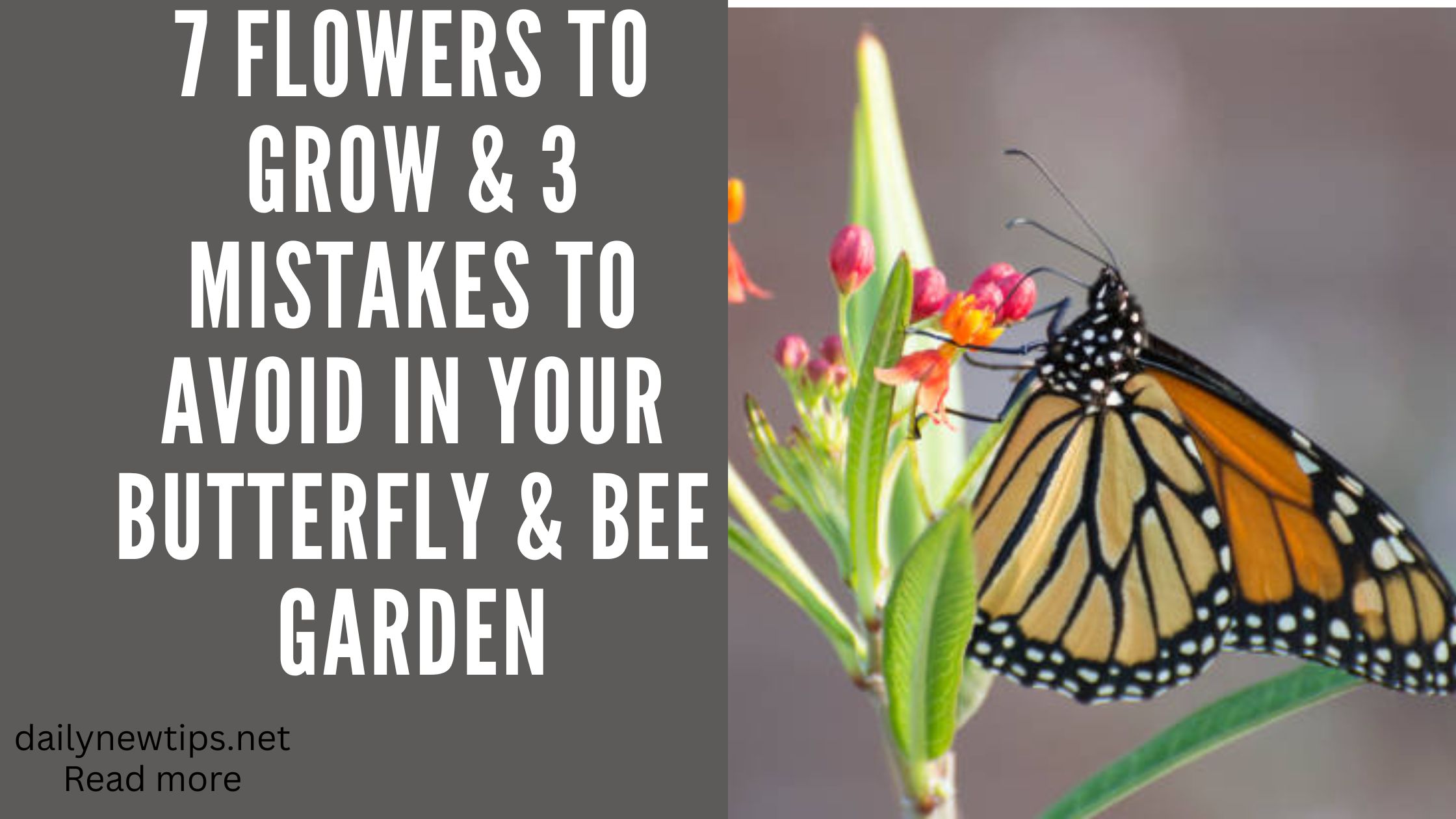
🌿 Introduction
7 Flowers to Grow & 3 Mistakes to Avoid in Your Butterfly & Bee Garden
Butterflies and bees are vital pollinators that bring life, color, and balance to our gardens. By planting the right flowers and avoiding common mistakes, you can create a thriving pollinator-friendly space that supports biodiversity and enhances your garden’s beauty. Let’s explore the best flowers to grow and the pitfalls to avoid.
🌸 7 Flowers That Attract Both Butterflies & Bees
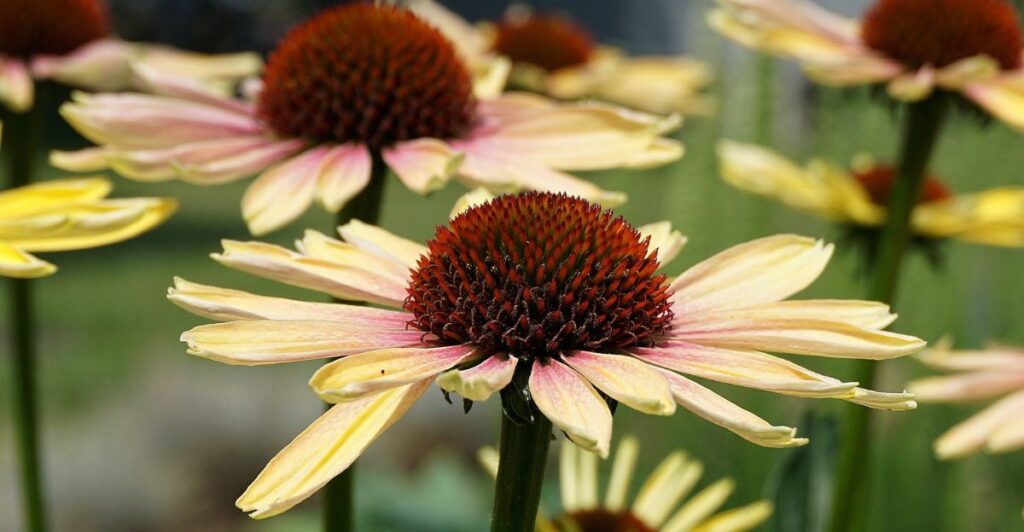
| Flower | Why It Works | Bloom Season |
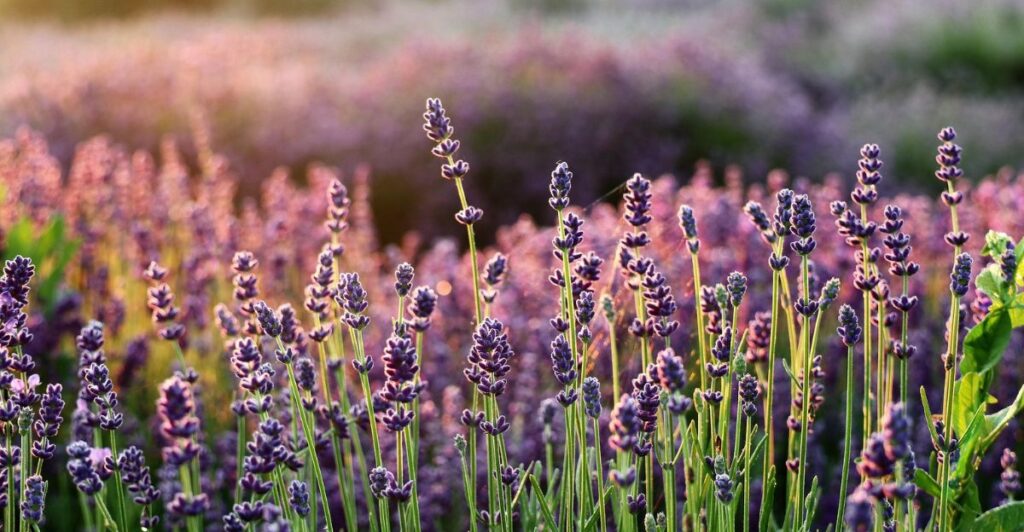
| Lavender | Rich in nectar, highly fragrant | Summer |
| Echinacea (Coneflower) | Large blooms, easy landing spots | Summer–Fall |
| Milkweed | Essential for monarch butterflies | Summer |
| Sunflowers | Bright, pollen-rich heads | Summer–Fall |
| Borage | Star-shaped flowers loved by bees | Spring–Summer |
| Goldenrod | Late-season nectar source | Fall |
| Thyme & Oregano (Herbs) | Dual-purpose: culinary + pollinator-friendly | Summer |
🚫 3 Mistakes to Avoid in Your Butterfly & Bee Garden
1. Using Pesticides and Chemicals
- Why it’s harmful: Pesticides kill not only pests but also pollinators. Even “bee-friendly” chemicals can disrupt their navigation and reproduction.
- Better alternative: Use organic pest control methods like companion planting, neem oil, or encouraging natural predators (ladybugs, lacewings).
2. Planting Non-Native or Invasive Species
- Why it’s harmful: Exotic plants may look appealing but often don’t provide the right nectar or pollen. Some invasive species can even crowd out native plants that pollinators rely on.
- Better alternative: Choose native flowers and herbs that are adapted to your region. They’re more resilient and naturally attract local pollinators.
3. Ignoring Bloom Cycles
- Why it’s harmful: If your garden only blooms in spring, pollinators will struggle to find food in summer and fall. This reduces biodiversity and weakens pollinator populations.
- Better alternative: Plan for continuous blooms by mixing early, mid, and late-season plants. For example:
- Early: Crocus, thyme
- Mid: Lavender, echinacea
- Late: Goldenrod, asters
🌱 Quick Success Tip
Think of your garden as a year-round buffet for pollinators. The more variety and seasonal coverage you provide, the more butterflies and bees will return—and thrive.
🌱 Tips for Success in Pollinator Gardening
1. Go Native
Choose native plants—they’re naturally adapted to your region and provide the best nectar and pollen for local pollinators.
2. Plan for Year-Round Blooms
Mix early, mid, and late-season flowers so pollinators always have food.
- Early: Crocus, thyme
- Mid: Lavender, echinacea
- Late: Goldenrod, asters
3. Plant in Clusters
Pollinators prefer mass plantings over scattered single blooms. Group flowers together for stronger visual and nectar signals.
4. Provide Shelter
Add shrubs, grasses, or bee hotels. Butterflies need resting spots, and bees benefit from safe nesting areas.
5. Offer Water Sources
Use shallow dishes with stones or a small birdbath. Butterflies enjoy “puddling” spots to absorb minerals.
6. Avoid Chemicals
Skip pesticides and herbicides—they harm pollinators. Use organic pest control methods like companion planting or natural predators.
7. Include Host Plants
Support butterfly life cycles by planting host plants for caterpillars (e.g., milkweed for monarchs, parsley for swallowtails).
8. Mix Herbs and Flowers
Herbs like thyme, basil, and oregano attract pollinators while adding fragrance and flavor to your kitchen.
9. Choose Sunny Spots
Pollinators thrive in warm, sunny areas. Position your garden where it gets at least 6 hours of sunlight daily.
10. Observe and Document
Keep a journal or take photos of visiting pollinators. Tracking biodiversity helps you refine your garden design over time.
🌱 Key Trends
1. Soil Health First
Gardeners are prioritizing soil health with composting, mulching, and reduced tillage. Healthy soil supports stronger plants and resilient pollinator habitats. Sustainability is now the baseline, not just a buzzword.
2. Climate-Resilient Planting
With unpredictable weather, drought-tolerant and climate-adapted plants are essential. These resilient species ensure pollinators have reliable food sources even in challenging conditions.
3. Wildlife-Friendly Spaces
Pollinator gardens are expanding into broader wildlife-friendly areas, incorporating bird baths, native shrubs, and insect hotels. This creates balanced ecosystems where pollinators thrive alongside other beneficial species.
4. Pollinator Corridors
Communities are linking gardens, parks, and green spaces to form continuous pollinator pathways. These corridors help bees and butterflies travel safely across urban and suburban landscapes.
5. Urban Micro-Gardens
Balconies, rooftops, and patios are being transformed into pollinator havens. Even small spaces are being optimized with container plants and vertical gardens.
6. Educational & Community Gardens
Schools, libraries, and public spaces are increasingly building pollinator-friendly gardens to raise awareness and engage communities in conservation efforts.
🌼 Why These Trends Matter
- They support biodiversity by giving pollinators safe habitats.
- They adapt to climate change, ensuring food sources year-round.
- They connect communities, encouraging collective responsibility for ecological health.
💡 Smart Suggestions for Pollinator-Friendly Gardens
1. Start Small, Scale Gradually
- Even a 2×2 meter patch can attract pollinators. Begin with a manageable area and expand as you learn what works best.
2. Mix Annuals and Perennials
- Annuals provide quick color and nectar, while perennials ensure long-term stability. A balanced mix keeps pollinators coming back year after year.
3. Cluster Planting
- Group flowers of the same species together. Pollinators are drawn to mass color displays and find it easier to forage efficiently.
4. Add Herbs for Dual Benefits
- Herbs like thyme, oregano, basil, and mint are pollinator favorites—and they’re useful in your kitchen too.
5. Create Resting & Nesting Spots
- Include shrubs, native grasses, or bee hotels. Butterflies need resting areas, and bees benefit from safe nesting habitats.
6. Provide Water Sources
- A shallow dish with stones or a small birdbath gives pollinators a safe place to drink. Butterflies especially enjoy “puddling” spots for minerals.
7. Think Seasonally
- Plan for continuous blooms across spring, summer, and fall. This ensures pollinators always have food sources.
8. Avoid Chemicals
- Skip pesticides and herbicides—they harm pollinators directly. Use organic pest control methods like companion planting or natural predators.
9. Add Educational Elements
- If your garden is in a community space, small signs explaining which plants attract which pollinators can inspire and educate visitors.
10. Document & Share
- Track pollinator visits with photos or notes. Sharing your garden’s progress online can inspire others to create pollinator-friendly spaces.
📝 Conclusion
A butterfly and bee garden is more than just a visual delight—it’s a contribution to ecological health. By planting seven pollinator-friendly flowers and avoiding three common mistakes, you can create a thriving sanctuary that supports biodiversity, adapts to climate trends, and brings joy to your outdoor space.
📚 References
- Almanac.com – Pollinator Garden Layout and Design Plans
- The Home Growns – 10 Flower Garden Designs That Butterflies & Bees Love
- Pollinator Partnership – Creating Pollinator-Friendly Habitats
❓ FAQs
Q1: Can I grow a pollinator garden in containers?
Yes, container gardens with herbs and native flowers can attract pollinators even in small spaces.
Q2: How do I attract butterflies specifically?
Include host plants like milkweed (for monarchs) and parsley (for swallowtails).
Q3: What’s the best way to provide water for pollinators?
Use shallow dishes with stones so bees and butterflies can safely land and drink.
Q4: Are herbs really effective for pollinators? Absolutely—thyme, oregano, basil, and mint are nectar-rich and loved by bees.
Q5: How can I make my garden pollinator-friendly year-round? Choose plants with staggered bloom cycles and add evergreens for shelter.