
Introduction
11 Home Design Tips to Create Perfect Work and Relaxation
Modern homes often serve multiple purposes—offices, family spaces, and relaxation areas. With remote work becoming more common, creating separate zones for productivity and rest is essential for maintaining balance and reducing stress. When work and relaxation happen in the same place without clear boundaries, it can negatively affect focus and mental well-being.
Home design experts emphasize that designating specific areas for work can reduce stress and improve productivity, while relaxation zones help the mind disconnect from work responsibilities.
By using thoughtful interior design strategies such as lighting, furniture placement, and color zoning, you can create spaces that support both efficiency and comfort.
In this article for the Daily New Tips blog, we will explore 11 practical home design tips to help you create perfect work and relaxation zones in your home.
11 Home Design Tips to Create Perfect Work and Relaxation Zones
1. Define Clear Zones in Your Home
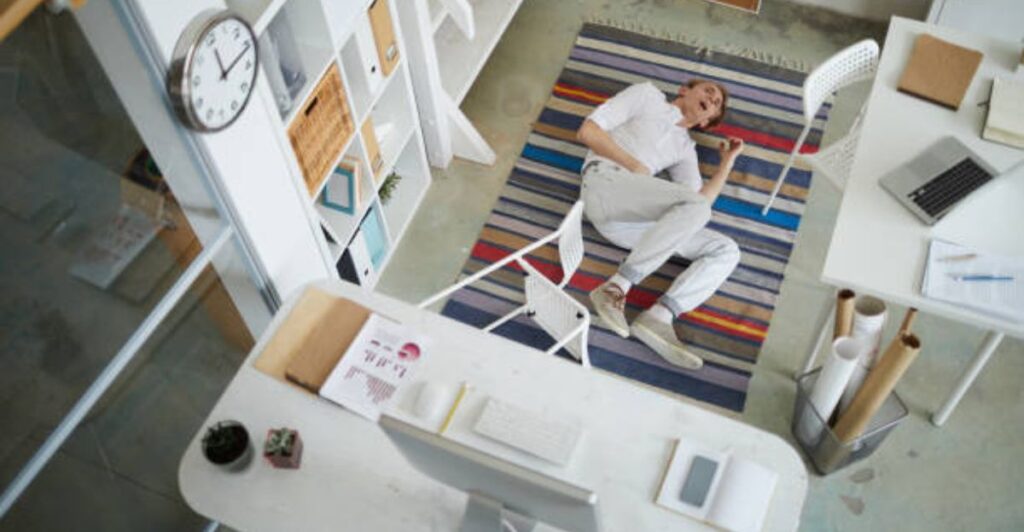
Start by assigning specific areas for work and relaxation. Even in small homes, a corner desk or a small lounge chair can create a psychological separation between tasks.
Research shows that individuals who work in a designated workspace experience less stress and better focus than those working in shared spaces.
Tip: Use furniture, rugs, or lighting to visually separate zones.
2. Use Color Zoning to Distinguish Spaces
Colors influence mood and productivity. Designers often recommend:
- Cool colors (blue, green) for work zones to promote focus.
- Warm neutral tones for relaxation areas to create a calming atmosphere.
Using different color palettes helps your brain recognize when it’s time to work or unwind.
3. Choose the Right Lighting for Each Zone
Lighting is one of the most powerful tools in home design.
- Work Zone: Bright task lighting improves concentration.
- Relaxation Zone: Soft warm lighting promotes calmness.
Task lighting around 300–500 lux is recommended for workspaces, while softer lighting works better for living areas.
4. Use Rugs or Furniture to Define Spaces
Area rugs and furniture placement can create invisible boundaries without building walls.
Examples:
- A desk and chair with a flat rug for the workspace.
- A sofa or armchair with a soft rug for relaxation.

This technique is especially useful in small apartments or open-plan homes.
5. Keep the Work Zone Organized
Clutter can blur the boundaries between work and home life.
To maintain productivity:
- Use storage shelves and drawers
- Keep office supplies organized
- Store work items out of sight after working hours
An organized workspace reduces stress and improves concentration.
6. Create a Relaxation Corner
A relaxation corner helps you disconnect from work mentally.
Ideas include:
- Reading chair with a small lamp
- Meditation or yoga corner
- Cozy sofa with soft cushions
Experts suggest incorporating small mindfulness or rest spaces to balance productivity and relaxation.
7. Incorporate Natural Elements
Adding natural elements such as plants or wooden furniture can improve mood and create a calming environment.
Benefits include:
- Better air quality
- Reduced stress
- Improved creativity
Plants also enhance the visual appeal of both work and relaxation spaces.
8. Improve Noise Control
Noise can disturb concentration and relaxation.
Solutions:
- Rugs and curtains to absorb sound
- Acoustic panels
- Soft furniture and cushions
Soft materials help create quieter and more comfortable spaces.
9. Personalize Your Workspace
A personalized workspace increases motivation and comfort.
You can add:
- Photos
- Artwork
- Motivational quotes
- Decorative accessories
Personal touches make the workspace feel inviting and enjoyable.
10. Maintain a Daily Work Routine
Design alone cannot create balance—habits matter too.
Try these routines:
- Set clear working hours
- Take short breaks every hour
- Have a closing ritual to signal the end of work
Structured routines help separate work life from personal time.
11. Use Smart Storage Solutions
Smart storage keeps both zones tidy and functional.
Ideas include:
- Floating shelves
- Hidden storage furniture
- Multi-purpose cabinets
- Under-desk organizers
When everything has a place, the home feels calmer and more organized.
Trends in 2026: Home Work & Relaxation Spaces
Home design in 2026 focuses on balance, flexibility, and wellness. As more people work from home or follow hybrid schedules, homes are being redesigned to support both productivity and relaxation. Here are the key trends shaping work and relaxation spaces this year.
1. Hybrid-Friendly Home Workspaces
With hybrid work becoming common, homes are being designed with flexible work areas that can quickly adapt to different needs. Movable desks, foldable workstations, and modular furniture allow spaces to switch between work and relaxation modes easily.
2. Biophilic Design and Natural Elements
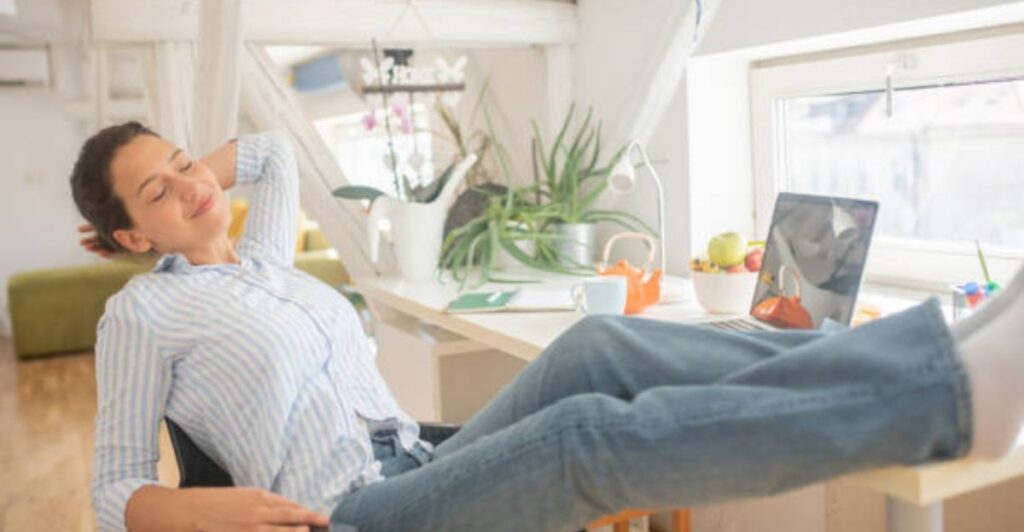
One of the biggest trends is bringing nature indoors. Designers are adding plants, natural wood, stone textures, and large windows to create calming environments that reduce stress and increase productivity.
Examples include:
- Indoor plants and vertical gardens
- Natural wood desks and furniture
- Earth-tone colors like sage green and terracotta
These elements help workspaces feel more like peaceful retreats than traditional offices.
3. Ergonomic and Comfortable Furniture
In 2026, comfort is just as important as style. Adjustable desks, ergonomic chairs, and multifunctional furniture are becoming essential for home workspaces.
These furniture solutions:
- Improve posture
- Reduce fatigue
- Support long working hours comfortably
4. Minimalist and Clutter-Free Design
Minimalist layouts remain a major trend because they help reduce distractions and improve focus. Clean desks, hidden storage, and simple décor create calm and organized environments.
Designers recommend:
- Floating shelves instead of bulky cabinets
- Neutral color palettes
- Simple decorative elements
5. Smart Technology Integration
Smart home technology is transforming home offices and relaxation areas. In 2026, many homes include:
- Smart lighting that adjusts automatically
- Built-in charging stations
- Wireless devices and hidden cable management
These features keep spaces clean and highly functional.
6. Layered Lighting for Work and Relaxation
Lighting plays a crucial role in defining different zones within the home.
Popular lighting trends include:
- Task lighting for work areas
- Soft ambient lighting for relaxation spaces
- Adjustable lamps for evening work sessions
Layered lighting helps create a smooth transition between productivity and rest.
7. Personalized and Expressive Spaces
Homes in 2026 are becoming more personal and expressive. Instead of neutral, staged interiors, people are adding artwork, unique furniture, and meaningful décor that reflects their personality.
Personal touches help both workspaces and relaxation areas feel inspiring and comfortable.
8. Wellness-Focused Relaxation Zones
Another important trend is designing homes with dedicated wellness spaces such as:
- Meditation corners
- Reading nooks
- Yoga or stretching areas
These spaces encourage mental health, relaxation, and work-life balance.
✅ In summary:
The biggest home design trend in 2026 is creating flexible, comfortable, and wellness-focused spaces that allow people to work efficiently while still enjoying a relaxing home environment.
Suggestions for Best Results
To successfully create perfect work and relaxation zones in your home, consider these practical suggestions:
1. Start with a Simple Layout Plan
Before rearranging furniture, take a moment to plan your space. Decide where the work zone and relaxation area will be located so they do not overlap.
2. Prioritize Natural Light
Place your workspace near a window if possible. Natural light improves focus, mood, and productivity, while relaxation areas can benefit from softer lighting.
3. Invest in Comfortable Furniture
Choose an ergonomic chair and a suitable desk for the work area. For the relaxation zone, select cozy seating such as a comfortable armchair or sofa.
4. Maintain Clear Boundaries
Avoid mixing work materials with relaxation spaces. Keep laptops, documents, and office supplies within the work zone only.
5. Add Plants for a Fresh Environment
Indoor plants can improve air quality and create a calming atmosphere in both work and relaxation areas.
6. Keep Both Areas Organized
Regularly declutter and clean each zone. A tidy space promotes productivity and helps create a peaceful environment.
7. Use Multi-Functional Furniture in Small Homes
If space is limited, choose furniture that serves multiple purposes, such as a foldable desk or storage ottoman.
8. Create a Daily Routine
Use your work zone during working hours and move to the relaxation area when work is finished. This routine helps your mind switch from productivity to rest.
9. Personalize Your Spaces
Add personal touches like artwork, family photos, or decorative items to make each area inviting and comfortable.
Conclusion
Creating dedicated work and relaxation zones is essential for a balanced and productive lifestyle. By using simple design techniques such as color zoning, smart lighting, and organized storage, you can transform your home into a space that supports both efficiency and relaxation.
As home lifestyles continue to evolve, designing flexible and wellness-focused environments will become increasingly important. With the right approach, even small homes can provide the perfect balance between productivity, comfort, and peace of mind.
References
- Home workspace productivity and stress reduction research.
- Interior zoning techniques for work and living areas.
- Lighting and ergonomic recommendations for home offices.
- Interior design methods for small-space zoning.
- Relaxation corners and stress-reducing workspace design.
FAQs
1. Why is it important to separate work and relaxation areas at home?
Separating these areas helps maintain work-life balance, reduces stress, and improves focus.
2. Can small homes create separate work zones?
Yes. You can use furniture, rugs, lighting, or room dividers to create visual separation.
3. What colors are best for a home office?
Cool colors like blue and green help improve concentration and productivity.
4. How can I create a relaxation zone at home?
Add comfortable seating, soft lighting, plants, and calming décor to create a peaceful environment.
5. What is the biggest mistake when designing a home workspace?
The biggest mistake is mixing work items with personal spaces, which makes it harder to relax after work.