
Introduction
7 Simple Steps to Start Your First Podcast in 2026
Podcasting has become one of the fastest-growing content formats in the world. In 2026, starting a podcast is easier, more affordable, and more rewarding than ever. Whether you want to share knowledge, build a personal brand, or grow your business, podcasting gives your voice a powerful platform. This beginner-friendly guide walks you through 7 simple steps to start your first podcast successfully in 2026..
🚀 7 Simple Steps to Start Your First Podcast
1. Choose a Clear Podcast Topic
Pick a topic you’re passionate about and that your audience cares about. A focused niche helps attract loyal listeners and improves discoverability.
Examples:
- Education & tips
- Health & fitness
- Faith & motivation
- Lifestyle & personal growth
- Business & marketing
2. Define Your Target Audience
Ask yourself:
- Who will listen to my podcast?
- What problem am I solving?
- What value will listeners gain?
Knowing your audience helps shape your content, tone, and episode length.
3. Plan Your Podcast Format
Decide how your podcast will sound:
- Solo episodes
- Interview-based
- Co-hosted discussions
- Storytelling or educational
Also decide episode length (15–30 minutes works well for beginners).
4. Get Basic Podcast Equipment
You don’t need expensive gear to start in 2026.
Basic essentials:
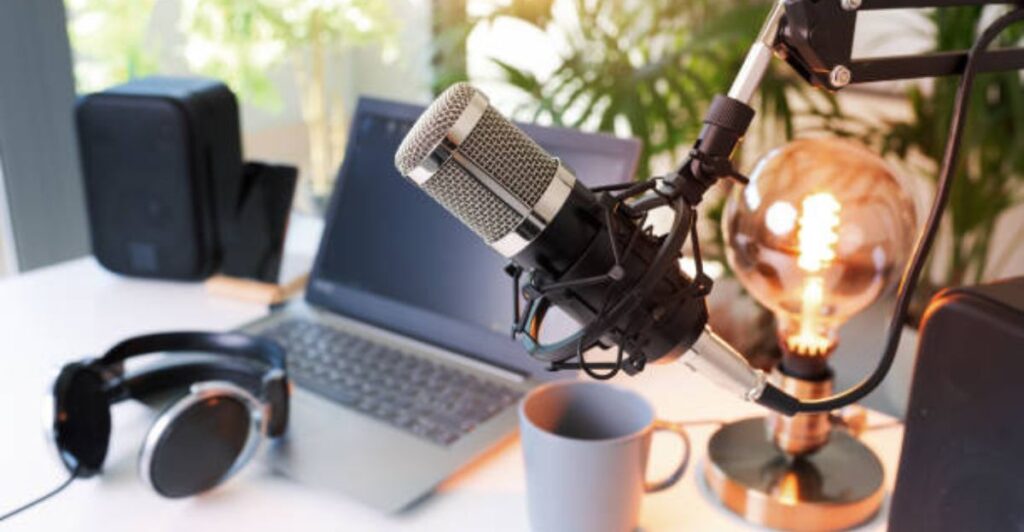
- USB microphone
- Headphones
- Quiet recording space
- Recording software (Audacity, GarageBand, or online tools)
5. Record and Edit Your First Episode
Create a simple structure:
- Introduction
- Main content
- Key takeaways
- Outro with call-to-action
Edit out background noise, long pauses, and mistakes to keep it engaging.
6. Choose a Podcast Hosting Platform
Podcast hosts distribute your show to platforms like Spotify, Apple Podcasts, and Google Podcasts.
Popular options in 2026:
- Spotify for Podcasters
- Buzzsprout
- Podbean
- Anchor-style platforms
7. Publish, Promote, and Stay Consistent
Once published:
- Share episodes on social media
- Embed them on your blog or website
- Ask listeners to follow and review
Consistency is key — weekly or bi-weekly uploads build trust.
5 Benefits of Investing in💡 Practical Tips for New Podcasters

- Record multiple episodes before launch
- Write a short script or outline
- Speak clearly and naturally
- Keep your intro under 30 seconds
- Always end with a call-to-action
- Track listener feedback and improve
🌟 Benefits of Starting a Podcast
- Builds personal or brand authority
- Creates a loyal audience
- Improves communication skills
- Low startup cost
- Supports blogging, YouTube, and social media
- Monetization opportunities over time
📈 Trending Now: Podcasting in 2026
- AI-assisted editing tools
- Short-form podcast clips for social media
- Video podcasts gaining popularity
- Niche and hyper-focused podcasts
- Podcasts used for education and faith-based learning
- Voice-search-optimized podcast descriptions
💬 Suggestions for Best Results
- Stick to one niche consistently
- Batch record episodes to save time
- Learn from listener analytics
- Collaborate with guest speakers
- Upgrade equipment gradually
- Focus on value, not perfection
✅ Do’s & ❌ Don’ts of Podcasting
✅ Do’s
- Be authentic and consistent
- Prepare episode outlines
- Promote every episode
- Listen to audience feedback
- Improve audio quality steadily
❌ Don’ts
- Don’t wait for perfection to start
- Don’t change topics frequently
- Don’t ignore editing
- Don’t publish irregularly
- Don’t copy other podcasts
How much does it cost to start a podcast in 2026?
Here’s a clear, up-to-date answer on how much it costs to start a podcast in 2026:
🎙️ Podcasting Can Be Very Affordable — or More Investment-Focused
The cost to start a podcast depends on your goals and how professional you want it to be. You can launch with almost no budget, or invest in better gear and services as you grow.
💸 Beginner / Budget Setup (Most Common)
- Equipment: Basic USB microphone, headphones, pop filter — ~$50–$150
- Software: Free recording/editing tools (Audacity, GarageBand) — $0
- Hosting: Free or entry-level podcast hosting (Spotify for Podcasters, etc.) — $0–$10/month
👉 Total: Roughly $100–$300 upfront + minimal monthly fees
You can start almost for free if you already have a computer or smartphone!
📈 Mid-Range Setup
- Better mic & headphones: $150–$300
- Paid hosting: $10–$20/month
- Optional enhancements: pop filters, boom arm, editing tools
👉 Total: About $300–$800 initial investment
This setup works well for higher quality audio and more frequent publishing.
🎧 Professional Level
- Pro microphones and interfaces: $300–$1,000+
- Premium editing software & hosting: $20–$50+/month
- Graphic design, website, marketing, niche production costs
👉 Total: $1,000–$5,000+ or more for very polished shows
This type suits podcasters building a brand with monetization or high audio standards.
🧠 Things That Affect Your Cost
- Audio vs. video podcast (video increases cost)
- DIY editing vs. hiring help
- Paid tools for interviews, analytics, or promotion
All these can raise your monthly or one-time expenses.
📌 Quick Summary
| Type of Podcast | Estimated Startup Cost | Notes |
| Budget/Starter | ~$0–$300 | Use free tools, bootstrap equipment |
| Mid-Range | ~$300–$800 | Better sound quality & hosting |
| Professional | ~$1,000–$5,000+ | Studio-like production & branding |
So, you absolutely can start your first podcast on a small budget in 2026 — even under ~$150 — and scale up as your audience grows!
Do I need technical skills to start podcasting?
👉 No, you don’t need technical skills to start podcasting.
Here’s the clear breakdown 👇🎙️
✅ Why Technical Skills Are NOT Required
- Beginner-friendly tools: Most podcast platforms in 2026 are designed for non-technical users. Recording, editing, and uploading are mostly click-based.
- Easy recording apps: Tools like Audacity, GarageBand, and online podcast recorders are simple and intuitive.
- Automatic distribution: Hosting platforms automatically publish your podcast to Spotify, Apple Podcasts, and other apps.
- Built-in editing features: Many tools now offer AI-assisted editing, noise reduction, and auto-cut options.
- Step-by-step tutorials: Almost every platform provides free guides and videos for beginners.
🧠 What You Actually Need Instead
- Basic computer or smartphone usage
- Willingness to learn simple steps
- Clear speaking and consistency
- Passion for your topic
That’s it. No coding. No advanced audio engineering.
💡 Pro Tip for Beginners
Start simple. Focus on content and consistency first. You can always improve audio quality and learn advanced features later as your podcast grows.
👉 Many successful podcasters started with zero technical background.
If you want, I can also share:
- a super-simple beginner tech checklist, or
- the easiest podcast tools for non-tech users in 2026
🏁 Conclusion
Starting your first podcast in 2026 doesn’t require technical expertise or expensive tools. With a clear topic, simple equipment, and consistent effort, anyone can build a meaningful podcast. Focus on helping your audience, stay patient, and enjoy the journey — your voice matters.
📚 References
- Spotify for Podcasters – Podcasting Guides
- Google Podcasts Creator Resources
- Buzzsprout Podcast Education Hub
- HubSpot Content Marketing Blog
❓ FAQs
1. How long should podcast episodes be?
15–30 minutes is ideal for beginners, but quality matters more than length.
2. How often should I publish episodes?
Weekly or bi-weekly publishing works best for consistency.
3. Can I make money from podcasting?
Yes, through sponsorships, affiliate links, donations, or promoting your own products.