
Introduction
20 Best Tips to Enhance Garden Sustainability in 2026
Sustainable gardening has evolved from a mere trend into a vital practice for those who care about saving resources, shielding the environment, and cultivating healthier outdoor areas. As we look ahead to 2026, the emphasis on garden sustainability is clear: it revolves around minimizing waste, conserving water, enhancing soil health, and fostering local biodiversity. Whether you nurture a tiny balcony garden or manage an expansive backyard, implementing sustainable gardening techniques allows you to grow robust plants while cutting costs and reducing your environmental footprint.
This guide presents 20 practical and effective strategies to boost garden sustainability in 2026.
The Importance of Sustainable Gardening
With the pressing issues of climate change, dwindling water supplies, and growing environmental concerns, gardeners around the globe are re-evaluating conventional gardening practices. Embracing sustainable gardening offers numerous benefits, such as:
– Cutting down on water usage
– Naturally enhancing soil fertility
– Decreasing reliance on chemical products
– Providing support for pollinators and local wildlife
– Reducing gardening costs
– Minimizing household waste through recycling and composting
By implementing even small adjustments today, gardeners can foster vibrant ecosystems that will thrive for generations to come.
20 Best Tips to Enhance Garden Sustainability in 2026
1. Harvest Rainwater
Set up rain barrels or storage tanks to catch rainwater for your plants. This helps you rely less on city water and can save you money on your bills.
2. Start Composting
Transform your kitchen scraps, grass clippings, and leaves into rich compost. Not only does it enhance soil quality, but it also cuts down on waste.
3. Opt for Native Plants
Choose plants that naturally thrive in your area’s climate, as they need less water, fertilizer, and upkeep.
4. Use Organic Mulch
Spread mulch made from leaves, wood chips, or straw to keep your soil moist, keep weeds at bay, and boost soil nutrients.
5. Practice Companion Planting
Grow plants that work well together to fend off pests and boost your garden’s productivity.
6. Scale Back Lawn Areas
Swap out sections of grass for native ground covers, edible gardens, or plants that attract pollinators.
7. Install Drip Irrigation
Drip irrigation systems provide water right to the roots, cutting down on evaporation and waste.
8. Grow Pollinator-Friendly Flowers
Plant flowers rich in nectar to draw in bees, butterflies, and other helpful insects.
9. Repurpose Garden Materials
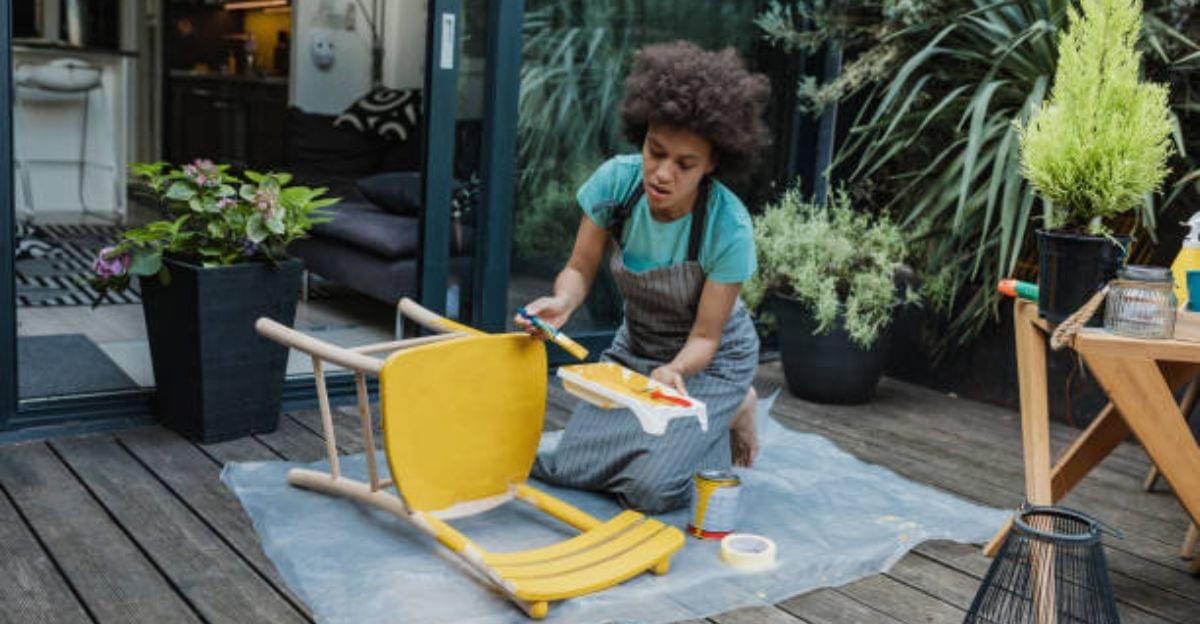
Give new life to old containers, pallets, bricks, and crates for your garden projects.
10. Steer Clear of Chemical Pesticides
Opt for natural pest control solutions like neem oil, insecticidal soap, or introducing beneficial insects.
11. Create a Wildlife Habitat
Incorporate birdhouses, water features, and shelters to welcome local wildlife.
12. Plant Trees and Shrubs
Trees enhance air quality, provide shade, and help maintain temperature balance in your garden.
13. Enhance Soil Naturally
Opt for compost, aged manure, and cover crops instead of relying on synthetic fertilizers.
14. Embrace Crop Rotation
Change up your vegetable crops each year to help prevent disease and keep the soil fertile.
15. Grow Your Own Food
By growing fruits, vegetables, and herbs at home, you can cut down on transportation emissions and reduce packaging waste.
16. Utilize Solar Garden Lights
Solar-powered lighting not only saves on electricity costs but also adds charm to your garden.
17. Reduce Plastic Use
Whenever possible, select biodegradable pots, reusable containers, and natural materials for your garden.
18. Establish a Leaf Mold System
Transform fallen leaves into nutrient-rich leaf mold to enrich your soil and retain moisture.
19. Try Vertical Gardening
Vertical gardens allow you to make the most of your space, reducing land use while boosting productivity.
20. Keep Track of Resource Use
Monitor your water, fertilizer, and energy consumption to find ways to improve efficiency.
Benefits of Sustainable Gardening
Environmental Advantages
• Preserves water resources
• Decreases landfill waste
• Encourages biodiversity
• Enhances soil health
• Reduces carbon footprint
Financial Advantages
• Lowers water bills
• Decreases fertilizer expenses
• Reduces costs for replacing plants
• Cuts down maintenance needs
Gardening Advantages
• Produces healthier plants
• Results in better harvests
• Minimizes pest issues
• Increases garden resilience
Latest Trends in Garden Sustainability for 2026
Smart Water Management
More and more gardeners are turning to smart irrigation systems that adapt watering schedules based on the weather.
Regenerative Gardening
The focus is shifting from merely sustaining to actively regenerating the soil and ecosystem health.
Pollinator Gardens
Homeowners are increasingly creating dedicated spaces for pollinators, highlighting their importance in the ecosystem.
Edible Landscaping
Blending ornamental plants with edible crops is becoming a sought-after design approach in gardens.
Upcycled Garden Décor
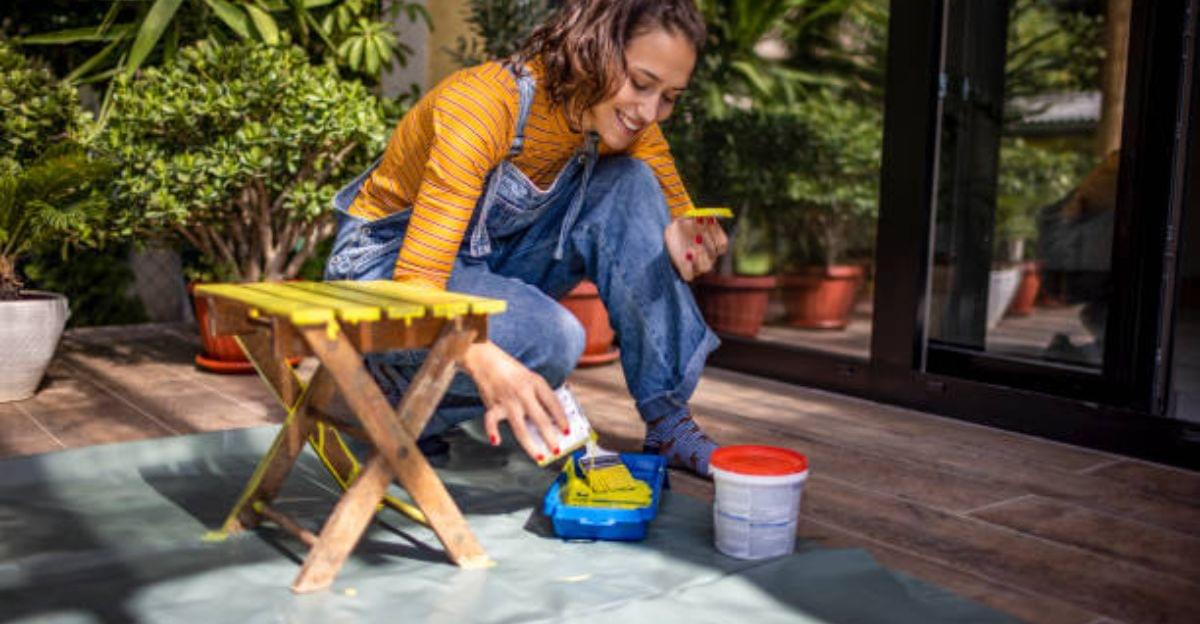
Repurposing household and garden materials not only reduces waste but also enhances the garden’s visual appeal.
Solar Garden Technology
Solar-powered solutions like lighting, fountains, and irrigation systems are becoming more affordable and efficient.
Expert Suggestions
– Begin with one or two sustainability projects each season.
– Focus on soil health, as it’s the foundation for successful gardening.
– Water deeply but less frequently to develop robust root systems.
– Diversify plant species to foster resilience in your garden.
– Maintain a garden journal to document successes and areas to improve.
– Observe local wildlife and add features that attract beneficial species.
– Stay informed about sustainable gardening methods and new technologies emerging in the field.
Common Mistakes to Avoid
Over watering Plants
Watering your plants too much can waste valuable resources and lead to root diseases.
Using Too Much Fertilizer
Applying an excess of fertilizer can harm your plants and pollute groundwater.
Ignoring Soil Quality
A thriving garden starts with healthy soil.
Planting Invasive Species
Certain non-native plants can upset the balance of local ecosystems.
Removing All Fallen Leaves
Fallen leaves are important—they provide organic matter and mulch for your garden.
Depending Solely on Chemicals
Relying exclusively on chemical solutions can be detrimental to beneficial insects and soil organisms.
Neglecting Biodiversity
Gardens that focus on a single crop type are often more susceptible to pests and diseases.
FAQs
1. What is sustainable gardening?
Sustainable gardening involves cultivating plants while taking care of our resources, supporting ecosystems, and minimizing any negative impact on the environment.
2. How can I make my garden more sustainable?
Enhance sustainability by composting, saving water, choosing native plants, and cutting back on chemical usage.
3. Are native plants better for sustainable gardens?
Absolutely! Native plants typically require less water, fertilizer, and maintenance, and they help provide habitats for local wildlife.
4. Why is compost important for sustainability?
Compost transforms organic waste into essential nutrients that enrich soil health and decrease landfill contributions.
5. How does mulch aid sustainable gardening?
Mulch helps by conserving moisture, keeping weeds at bay, regulating soil temperature, and enriching the soil with organic matter.
6. Can sustainable gardening save money?
Yes, it can lead to savings over time by lowering costs related to water, fertilizers, and general upkeep.
7. What is the best watering method for sustainable gardens?
Drip irrigation is one of the most efficient choices, as it directs water right to the roots of the plants.
8. What are the biggest sustainability trends in 2026?
Emerging trends include smart irrigation systems, regenerative gardening, edible landscaping, pollinator-friendly gardens, and solar-powered gardening technologies.
Conclusion
Enhancing garden sustainability in 2026 is not only attainable but also incredibly fulfilling. By adopting practices like composting, rainwater collection, native planting, organic mulching, and supporting pollinators, you can create vibrant landscapes that will benefit both the environment and your home. Remember, sustainable gardening isn’t about being perfect—it’s about making mindful choices that nurture healthier plants, enrich the soil, and contribute to a greener future. Start with a few of these tips and gradually develop a garden that is productive, Eco-friendly, and resilient for years to come.
References
1. United States Environmental Protection Agency (EPA) – Sustainable Landscaping Resources
2. Food and Agriculture Organization (FAO) – Sustainable Agriculture Guidelines
3. Royal Horticultural Society (RHS) – Sustainable Gardening Advice
4. National Wildlife Federation – Wildlife-Friendly Gardening
5. Xerces Society – Pollinator Conservation Resources
6. University Extension Gardening Programs
7. Sustainable Agriculture Research and Education (SARE)