
Introduction
Title: 15 Domain Buying Tips Every Website Owner Should Know in 2026
Description: Discover 15 essential domain buying tips for 2026, including choosing the right extension, checking domain history, protecting privacy, and avoiding common mistakes.
Selecting an appropriate domain name is among the initial and most crucial choices when establishing a website. Your domain serves as more than just a web address—it can significantly impact your brand identity, credibility, memorability, and your long-term online presence.
Whether you are initiating a business website, blog, online store, portfolio, or personal brand in 2026, thoughtful domain selection can prevent future complications and expenses. An effective domain should be memorable, easy to type, relevant to your brand, and adaptable for future expansion.
With thousands of new domains being registered daily and numerous desirable names already claimed, website owners must adopt a strategic approach prior to acquiring a domain.
Here are 15 essential domain purchasing tips that every website owner should be aware of in 2026.
The Importance of This Topic
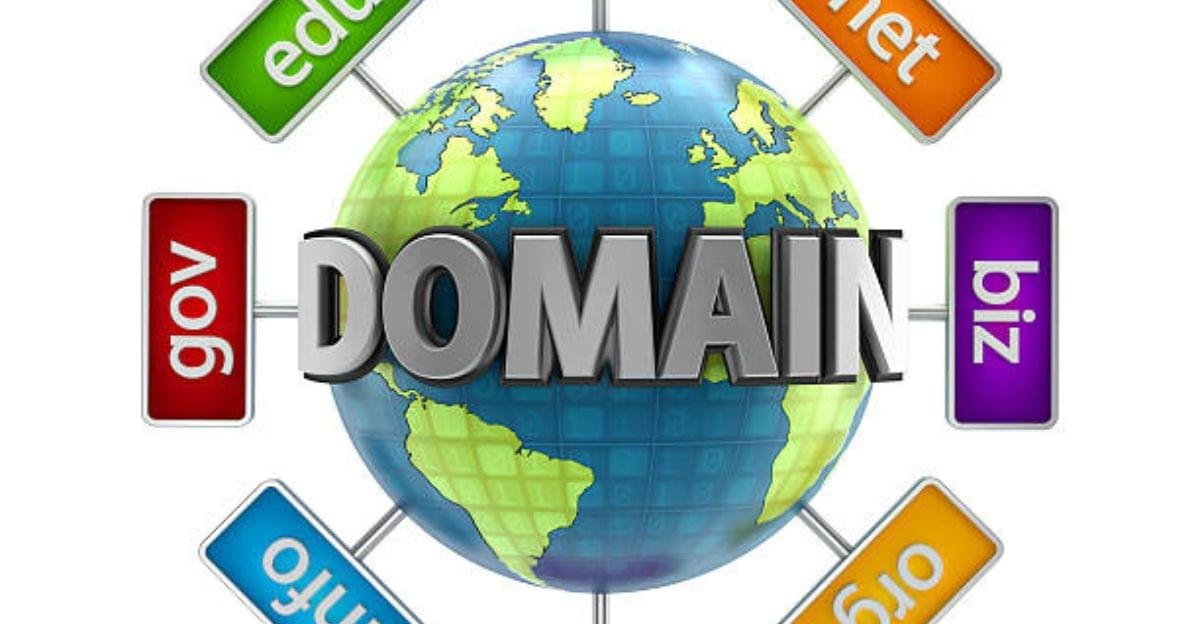
A domain name is typically the first element that visitors encounter when they find your website. If the domain is confusing, excessively long, or hard to spell, it can hinder your brand’s memorability.
Source: istock
Selecting the right domain can assist you in:
- Establishing a professional online identity
- Enhancing brand recognition
- Making your website more memorable
- Supporting marketing and promotional efforts
- Creating a cohesive online presence
- Building credibility with your audience
- Preparing your website for future growth
Nevertheless, opting for a domain solely based on its availability or a low initial cost can result in complications down the line. It’s essential to take into account renewal fees, ownership rights, privacy considerations, domain history, extensions, security measures, and branding before finalizing your purchase.
15 Domain Buying Tips Every Website Owner Should Know in 2026
1. Opt for a Concise and Memorable Domain
A concise domain is typically easier for users to recall and input.
- Aim for a name that is:
- Simple to pronounce
- Simple to spell
- Easy to remember
- Straightforward to type
- Relevant to your site
Steer clear of unnecessarily lengthy combinations of words, numbers, and complex spellings.
Tip: Say the domain name out loud. If it could be easily misinterpreted in spelling, think about another choice.
2. Focus on Your Brand Name
If you’re establishing a business or a long-term website, your domain should ideally reflect your brand.
Rather than opting for a keyword-heavy domain that feels forced, think about a catchy brand name that you can develop.
For instance, a distinctive brand-centric domain may offer more adaptability if your business diversifies into new products or services.
3. Choose the Appropriate Domain Extension
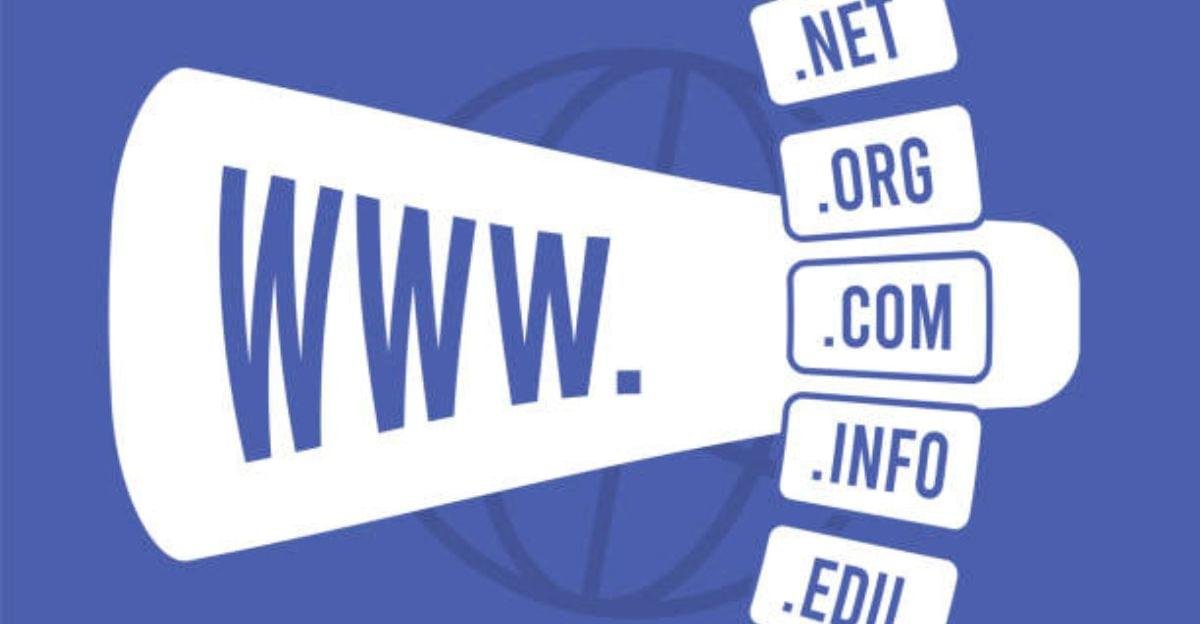
The domain extension is the suffix of your web address, like .com, .org, .net, or a country-specific extension.
For many commercial sites, .com remains a well-known and trusted choice. However, other extensions might be suitable based on your organization, location, audience, or industry.
Before deciding on an extension, consider:
- Your target audience
- Business location
- Website purpose
- Brand image
- Availability
- Renewal costs
Avoid selecting an unusual extension just because it is cheaper.
4. Verify the Renewal Cost Before Purchase
A frequent error is focusing solely on the initial registration price.
Some domain registrars provide promotional rates for the first year but impose a higher renewal fee later.
Before making a purchase, check:
- First-year cost
- Renewal cost
- Transfer fees
- Privacy fees
- Optional extras
- Taxes and other applicable charges
Consider the overall cost of ownership, not just the introductory price.
5. Investigate the Domain’s Background
A previously registered domain may come with an existing history.
Before acquiring an expired or previously owned domain, research whether it was linked to spam, malware, misleading content, or dubious SEO tactics.
Check availability.
6. Steer Clear of Trademark Issues
Before you buy a domain, ensure that the name doesn’t clash with any existing trademarks.
This is particularly crucial for business websites.
Don’t assume a domain is safe just because it’s available for registration; domain availability and trademark status are not the same.
If you’re establishing a serious commercial brand, it’s wise to conduct a thorough trademark search and seek professional legal advice when needed.
7. Think About Your Future Business Expansion
Avoid selecting a domain that could restrict your future ambitions.
For instance, if you currently offer a specific product but plan to branch out into a wider range, choosing a very narrow domain might pose challenges down the line.
Consider this question:
“Will this domain still reflect my website five or ten years from now?”
A versatile name can facilitate future growth.
8. Exercise Caution with Numbers and Hyphens
Using numbers and hyphens can complicate domain communication.
For instance, if someone hears a domain with a number, they might be unsure if it should be written as a digit or spelled out.
Hyphens can also lead to misunderstandings when verbally sharing your website address.
Whenever possible, opt for a straightforward domain that doesn’t require constant clarification.
9. Verify Social Media Name Availability
source: istock
Your website and social media profiles should ideally maintain a consistent or closely related brand identity.
Before purchasing a domain, check major social media platforms to see if your brand name is already strongly linked to another business or individual.
While you don’t need to have the exact same username across all platforms, a cohesive identity can enhance brand recognition.
10. Safeguard Your Domain Account
Your domain account is a crucial part of your online presence.
Utilize strong, unique credentials and activate multi-factor authentication if your registrar offers it.
A compromised domain account may result in unauthorized modifications to critical domain settings.
11. Activate Auto-Renewal with Caution
Allowing a domain to lapse for a significant website can lead to major disruptions. Auto-renewal is a useful feature to avoid unintentional expiration, but it’s essential to keep an eye on your payment details and renewal timelines. Ensure that you:
Keep your:
- Payment information current
- Email address updated
- Renewal settings reviewed
- Domain portfolio organized
Never take for granted that auto-renewal means you can neglect your domain account.
12. Grasp Domain Privacy and WHOIS Data
Domain registration details may reveal information about the domain owner, but the extent of personal information displayed varies based on relevant policies, registrar practices, and privacy laws. Many registrars offer privacy or proxy services. Before making a purchase, familiarize yourself with what information might be publicly accessible and what privacy safeguards your registrar provides.
13. Select a Trustworthy Domain Registrar
Avoid choosing a registrar solely based on the lowest price advertised. Instead, seek a provider that offers:
- Clear pricing
- Dependable account management
- Robust security features
- Transparent renewal terms
- Support for domain transfers
- Responsive customer service
- Helpful DNS management tools
A trustworthy registrar can significantly simplify domain management in the long run.
14. Avoid Acquiring Excessive Domains Without a Plan
Having multiple domains can be beneficial for brand protection, marketing campaigns, or related initiatives. However, buying numerous domains without a defined strategy can lead to unnecessary annual costs. Before acquiring more domains, consider:
- Do I genuinely need it?
- Does it safeguard my brand?
- Will it redirect to my primary website?
- Could it serve a future project?
- Is the annual renewal fee reasonable?
Make purchases with a strategy in mind rather than acting on impulse.
15. Consider the Long-Term Impact Before Hitting Buy
While registering a domain might seem affordable, switching your main domain down the line can lead to complications.
You might have to revise:
- Website URLs
- Business cards
- Email addresses
- Social media profiles
- Marketing collateral
- Internal links
- Redirects
- Search engine listings
Thus, it’s wise to thoroughly assess your domain choice before making a purchase.
Investing a few additional minutes in research now can save you considerable effort in the future.
Benefits of Choosing the Right Domain
A thoughtfully chosen domain can offer numerous long-term benefits.
Enhanced Brand Recognition
A catchy domain helps people easily remember and return to your website.
Professional Image
A suitable, well-selected domain can enhance your online presence, making it appear more trustworthy and professional.
Simplified Marketing
Straightforward domains are easier to incorporate into ads, social media updates, printed materials, videos, and email marketing campaigns.
Long-Term Adaptability
A versatile and brandable domain can grow with your website as your products, services, or content change.
Improved User Experience
A domain that is simple to type and comprehend minimizes confusion for visitors.
Latest Domain Buying Trends in 2026
The domain market is continuously adapting in tandem with branding, online commerce, and technological advancements.
source: istock
1. The Significance of Brandable Domains Persists
Businesses are placing a higher value on distinctive names that can evolve into recognizable brands, moving away from a sole reliance on exact-match keywords.
2. An Increase in Domain Extension Options
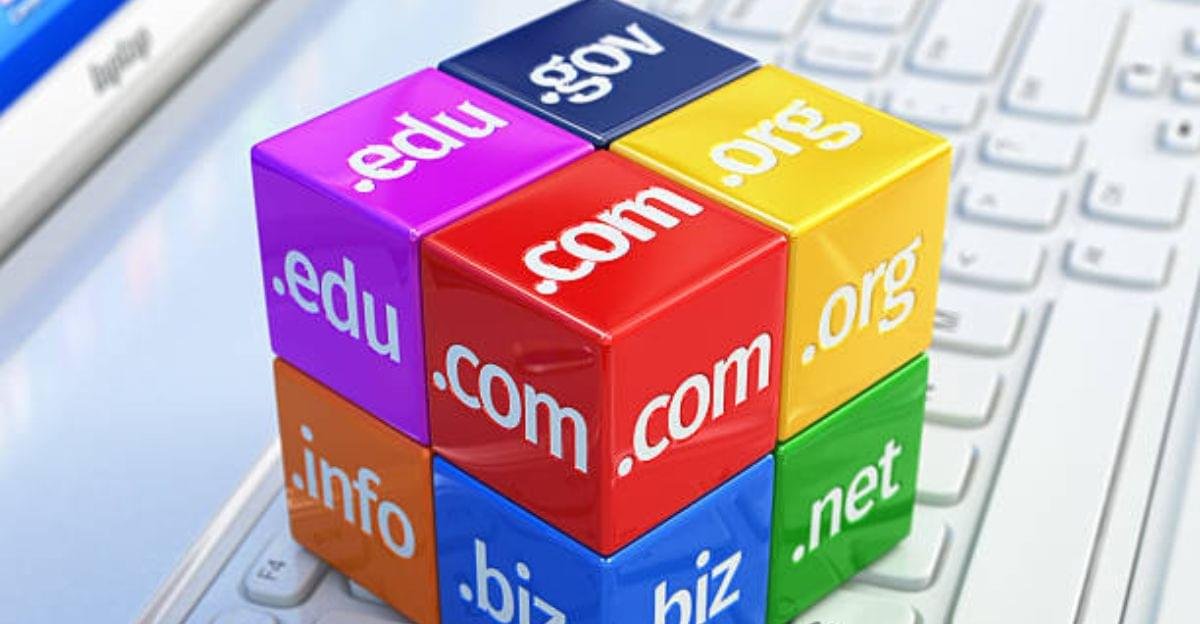
Website owners now have a broader selection of extensions beyond the conventional .com, .net, and .org. Industry-specific and community-focused extensions offer further branding possibilities.
3. The Growing Importance of Domain Security
With the rise of sophisticated online threats, website owners are increasingly prioritizing account security, multi-factor authentication, registrar safety, and effective domain management.
4. The Value of Short Names Endures
Short, easy-to-pronounce, and memorable domains remain highly sought after due to their ease of communication and branding potential.
5. A Focus on Digital Brand Consistency
Companies are now more mindful of how domain names align with social media handles, brand identities, email addresses, and other digital representations.
6. The Impact of AI on Brand and Domain Exploration
AI-driven brainstorming tools can assist in generating potential brand names and domain suggestions. Nevertheless, website owners should independently check for availability, trademarks, meanings, pronunciations, and possible conflicts before making a purchase.
Expert Suggestions for Buying a Domain in 2026
Before you register your next domain, consider these practical tips:
1. Prioritize branding over keywords.
2. Verify the total renewal cost prior to making a purchase.
3. Investigate the domain’s past usage when relevant.
4. Look for any trademark issues before finalizing your business name.
5. Select a trustworthy registrar that offers robust security features.
6. Activate multi-factor authentication whenever it is an option.
7. Ensure your registration and account details are up to date.
8. Opt for a domain that has the potential to evolve with your website.
9. Steer clear of confusing spellings, too many hyphens, and superfluous numbers.
10. Monitor renewal dates and keep track of domain ownership details.
Common Domain Buying Mistakes to Avoid

Choosing Solely Based on Cost
The lowest first-year price might not be the most economical choice in the long run.
Overlooking Renewal Costs
Always verify what your expenses will be after the initial promotional period.
Opting for a Complicated Name
A complex domain can lead to spelling errors and communication issues.
Neglecting Trademark Checks
Just because a domain is available doesn’t guarantee that it’s legally safe to use as a brand.
Disregarding Domain History
It’s essential to research previously registered domains before adopting one for a significant website.
Employing Weak Account Security
A strong domain name loses its value if your registrar account lacks proper protection.
Registering Too Many Domains
Securing every possible variation can drain resources without offering substantial benefits.
Procrastinating on Registering a Valuable Name
If you’ve thoroughly researched a domain and it aligns with your long-term brand vision, unnecessary delays could result in someone else claiming it.
Conclusion
Acquiring a domain name is a minor action that can significantly influence your website’s future. The ideal domain isn’t always the latest, least expensive, or most keyword-rich choice. It ought to be memorable, relevant, brandable, secure, legally sound, and appropriate for long-term development.
Before you buy a domain in 2026, investigate its extension, cost, renewal conditions, history, trademark issues, security features, and potential for future branding.
By adhering to these 15 tips for purchasing a domain, website owners can make better-informed choices and establish a more robust foundation for their online presence.
References
For reliable domain-related information, website owners can consult:
- ICANN — Information about domain names, registrars, and the Domain Name System
- ICANN Lookup — Domain registration and registration-data information
- WIPO — Trademark and intellectual-property resources
- IANA — Domain Name System and top-level-domain information
- Your chosen domain registrar — Current pricing, renewal policies, privacy options, and security features
FAQs
1. What is the key tip for buying a domain?
Select a domain that is memorable, easy to spell, brandable, and aligns with your website’s long-term objectives.
2. Is .com still a viable domain extension in 2026?
Absolutely. .com continues to be a popular choice for numerous businesses and general-purpose sites. However, other extensions might also be suitable based on your brand and target audience.
3. Should I invest in a domain that includes keywords?
While keywords can sometimes clarify a website’s purpose, it’s essential to also prioritize branding, memorability, and user experience.
4. How much should I budget for a domain name?
There isn’t a one-size-fits-all price. Assess the initial registration fee, renewal costs, transfer fees, privacy options, and any additional charges before making a decision.
5. Is it wise to purchase multiple domain extensions?
This can be beneficial for protecting a significant brand or fulfilling a specific need. However, refrain from acquiring multiple domains without a well-defined strategy.
6. Can a domain name influence SEO?
A domain name can play a role in branding, relevance, and user trust, but merely adding keywords to a domain won’t ensure better search rankings. The overall quality of your website, content, technical SEO, authority, and user experience are far more critical.
7. What should I investigate before acquiring an expired domain?
Examine its past usage, available historical data, backlinks, reputation, potential trademark concerns, and whether it was linked to spam or harmful activities.
8. Is it advisable to use hyphens in my domain name?
Typically, a straightforward domain without hyphens is easier to communicate and remember. If the only viable option includes a hyphen, consider whether the advantages outweigh the possible confusion.
9. How can I safeguard my domain?
Utilize a strong, unique password for your registrar account, activate multi-factor authentication when possible, keep recovery information up to date, monitor renewal dates, and regularly review essential domain settings.
10. Is it possible to change my domain name later?
Yes, you can change a website’s domain, but it often involves setting up redirects, updating links and marketing materials, making email adjustments, and performing meticulous SEO migration. It’s generally advisable to choose a fitting long-term domain from the start.
Final Takeaway
A domain name serves as more than just a web address; it represents your digital identity. Invest time in exploring your options, comprehending the associated costs and risks, and selecting a name that will sustain your website for many years ahead.