
✨ Introduction
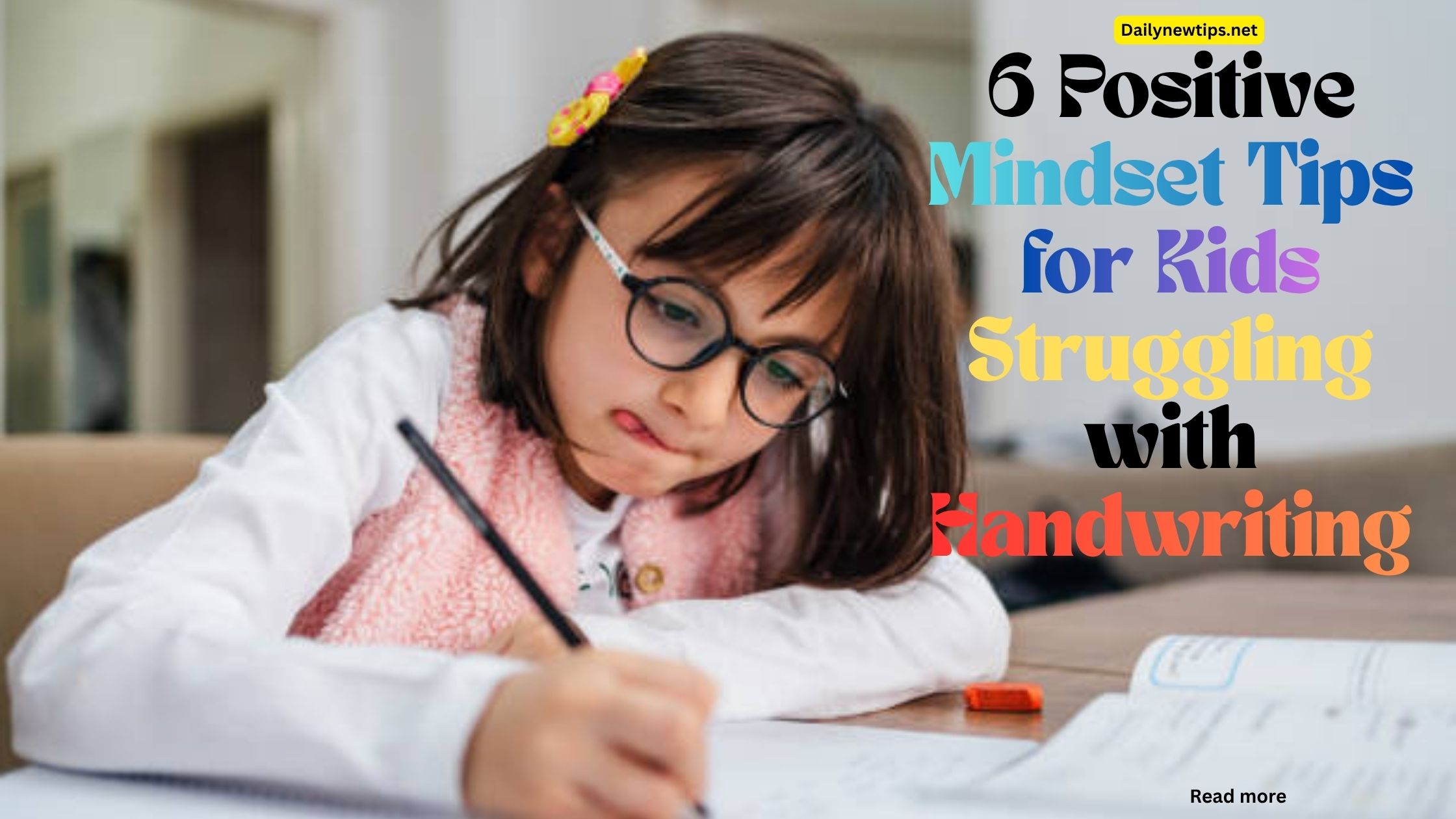
6 Positive Mindset Tips for Kids Struggling with Handwriting
Challenges in handwriting can be a source of frustration for children; however, with the appropriate mindset, they can turn these challenges into opportunities. A constructive attitude not only enhances writing abilities but also fosters confidence, patience, and creativity.
✅ 6 Positive Mindset Tips

source: istocks
1. Utilize Positive Affirmations
Encourage kids to say uplifting statements like “I can enhance my writing” or “My effort is important.” This fosters self-confidence and alleviates anxiety.
2. Celebrate Minor Achievements
Commend neat handwriting, better spacing, or effort. Acknowledgement inspires children to continue practising and boosts their confidence.
3. Make Practice Enjoyable
Incorporate colorful pens, stickers, or affirmation worksheets that blend handwriting with fun activities.
4. Emphasise Effort Over Perfection
Teach children that progress is more significant than perfect writing. This lessens pressure and cultivates resilience.
5. Establish Short, Attainable Goals
Divide practice into 10–15-minute intervals. Small steps help avoid feeling overwhelmed and promote consistency.
6. Foster Self-Expression
Allow children to write about topics they love—stories, notes of gratitude, or doodles. Connecting handwriting to personal interests makes practice more meaningful.
🌟 Advantages of Maintaining a Positive Mindset in Handwriting
1. Enhances Confidence & Self-Worth
• Children take pride when their hard work is acknowledged.
• Every advancement in letter formation is a “small victory” that boosts self-confidence.
2. Increases Focus & Drive
• Positive feedback heightens attention to detail.
• Kids are more inclined to remain engaged when handwriting is presented as attainable and rewarding.
3. Alleviates Stress & Worry
• Supportive words reduce frustration and deter avoidance behaviours.
• A nurturing environment aids children in managing their emotions during practice.
4. Fosters Academic Achievement
• Clear handwriting enhances exam presentation and communication skills.

• Good writing habits play a vital role in literacy and cognitive growth.
5. Promotes Emotional Development
• Handwriting serves as a pathway to persistence, patience, and resilience.
• Children discover that effort is more important than perfection.
📈 Why This Matters Today
• Mindfulness in Classrooms Schools are increasingly integrating mindfulness with handwriting exercises. Brief breathing techniques before writing assist children in remaining calm, focused, and prepared to learn.
• Digital Balance for Kids. As screen time continues to rise, parents and educators are reintroducing hands-on writing activities—such as letters, journals, and cards—to enhance fine motor skills and creativity.
• Confidence Through Affirmations Positive affirmation worksheets are becoming popular, motivating children to combine handwriting practice with uplifting phrases that foster resilience.
• Gamified Learning Tools Applications and printable worksheets that transform handwriting into a game (earning points, stickers, or stars) are becoming more popular as enjoyable incentives.
• Holistic Child Development Educators now recognize handwriting not merely as a skill but as a component of emotional development—assisting children in cultivating patience, persistence, and self-expression.
📈 Trending Now

source: istocks
Here are some 📈 Trending Now insights related to handwriting and positive mindset practices that parents and teachers are adopting today:
🔥 Current Trends
• Mindfulness Before Writing Short breathing or relaxation exercises are being introduced in classrooms to help children calm down and focus before handwriting practice.
• Affirmation Worksheets Printable sheets with motivational phrases (“I can do this”, “My writing improves every day”) are trending among parents and teachers to boost confidence.
• Creative Journaling Kids are encouraged to keep gratitude journals, doodle diaries, or story notebooks—combining handwriting with self-expression.
• Digital Balance Parents are limiting screen time and reintroducing physical writing activities like letters, cards, and diaries to strengthen fine motor skills.
• Gamified Practice Tools Apps and worksheets that turn handwriting into a game—earning points, stickers, or stars—are popular motivators.
• Holistic Development Approach Educators now see handwriting as more than a skill—it’s part of emotional growth, patience, and resilience building.
💡 Suggestions for Parents & Teachers
Here are some 💡 Practical Suggestions for Parents & Teachers to help children develop a positive mindset while improving their handwriting:
🖊️ Actionable Suggestions
1. Provide Comfortable Writing Tools Use pencils that have soft grips or triangular designs to enhance comfort for small hands.
2. Promote Good Posture Teach kids to sit up straight with their feet flat on the ground. Maintaining good posture helps reduce fatigue and enhances handwriting control.
3. Blend Practice with Fun Integrate handwriting practice with enjoyable activities like journaling, making cards, or keeping doodle diaries to make it more engaging.
4. Utilize Rewards & Encouragement Stickers, stars, or verbal compliments for neat writing inspire children to keep practicing.
5. Demonstrate Patience & Positivity Teach children that making mistakes is a natural part of learning. Celebrate their efforts instead of focusing on perfection to foster resilience.
6. Establish Realistic, Short-Term Goals Divide handwriting practice into 10–15 minute intervals. Small, manageable tasks help avoid overwhelm and promote regular practice.
Q1. Why is handwriting important in the digital age?
1. Cognitive Advantages
• Writing by hand engages various areas of the brain, enhancing memory retention and understanding.
• It demands fine motor skills and concentration, which improves focus and learning.
2. Academic Achievement
• Handwriting aids in reading, spelling, and math by reinforcing the connection between sounds and letters.
• Students with tidy handwriting frequently earn better grades due to clearer communication.
3. Creativity & Expression
• Handwriting nurtures creativity by decelerating thought processes, enabling deeper contemplation.
• Journaling and doodling promote self-expression and emotional strength.
4. Child Development
• For kids, handwriting develops fine motor skills and increases self-esteem.
• It assists those with learning challenges by offering structured practice and remediation techniques
.📈 Why This Is Relevant in 2026
• Digital
Overload: As screen time increases, handwriting provides a sense of balance and
aids in healthy brain development.
• Educational Trends: Numerous schools are bringing back handwriting instruction alongside digital tools to promote comprehensive learning.
• Global Research: Research conducted in Japan, Norway, and the U.S. shows that taking notes by hand enhances memory retention compared to typing notes.
⚠️ Risks of Neglecting Handwriting
• Excessive dependence on typing can diminish fine motor skills in children.
• Students with subpar handwriting might experience lower self-esteem and face academic challenges.
• Insufficient handwriting practice can hinder creativity and limit deep learning.
📝 Conclusion
Challenges in handwriting do not determine a child’s potential. Through positive affirmations, support, and enjoyable practice techniques, children can conquer difficulties and build their self-esteem. Embracing a growth mindset transforms handwriting into a delightful journey of skill development.
📚 References
- Sea of Knowledge – Positive Affirmation Worksheets for Kids
- Times of India – Tried-and-Tested Ways to Enhance Handwriting
- Footprints Childcare – Benefits and Tips for Handwriting Improvement
❓ FAQs
Q1. How much time should children spend on handwriting practice each day?
10 to 15 minutes of dedicated practice is sufficient to notice improvement.
Q2. What should I do if my child feels disheartened?
Encourage them with positive affirmations, celebrate their small achievements, and remind them that progress requires patience.
Q3. Can practicing handwriting enhance a child’s confidence?
Absolutely! Clear writing enhances self-esteem and leaves a good impression in their school assignments.