
Introduction
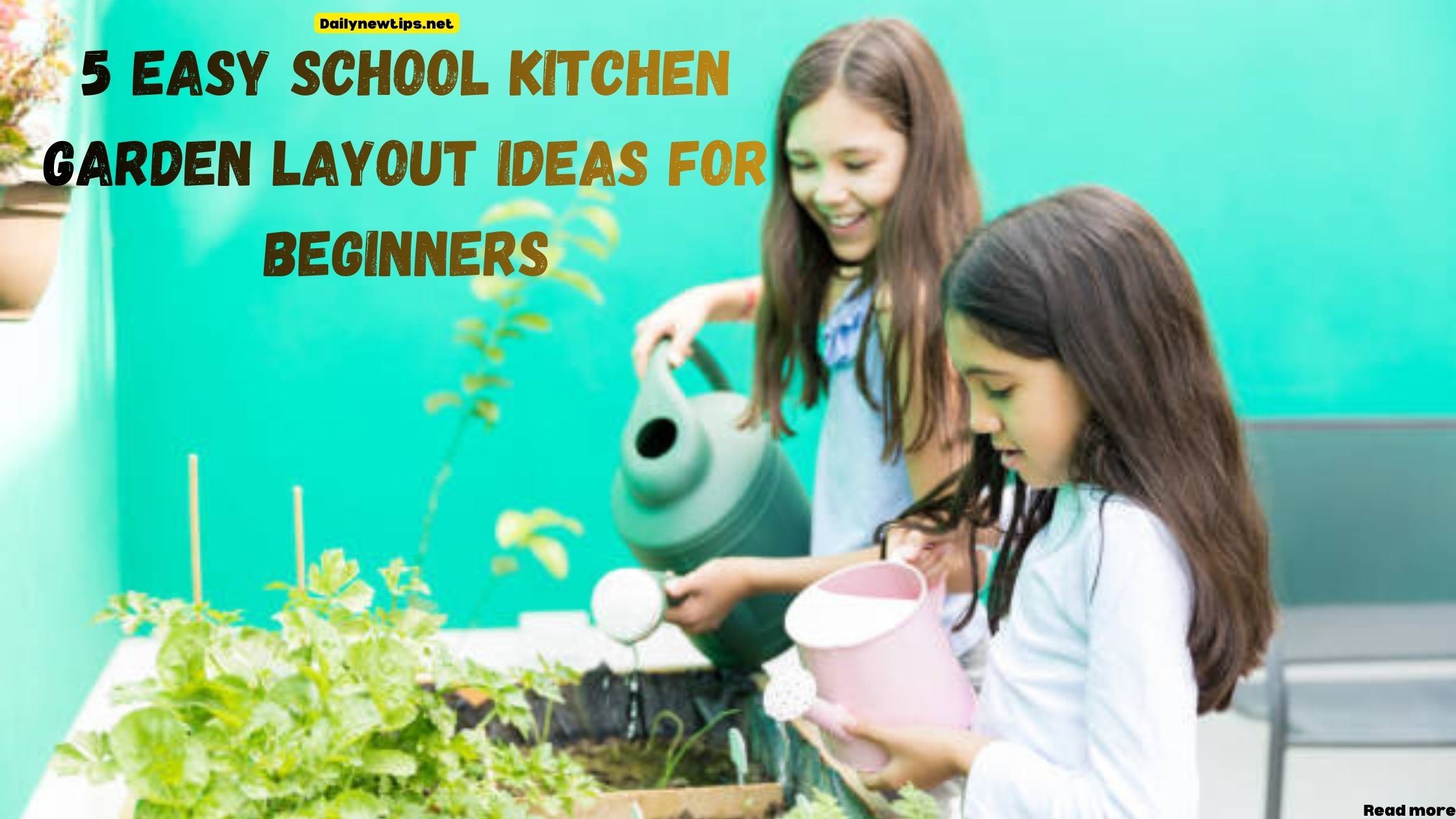
5 Easy School Kitchen Garden Layout Ideas for Beginners
A school kitchen garden is a wonderful way to teach students about nature, healthy eating, and sustainability. However, for beginners, deciding how to design and organize the garden space can feel challenging. A well-planned layout makes gardening easier, more productive, and more enjoyable for both students and teachers.
The right garden layout helps maximize space, ensures proper plant growth, and allows students to move around easily while learning. Whether your school has a large open ground or a small corner space, there are simple and effective layout ideas that can turn it into a thriving kitchen garden.
In this article, we will explore five easy school kitchen garden layout ideas for beginners, along with practical tips, current trends in 2026, and useful suggestions to help you create a successful and educational garden.
5 Easy School Kitchen Garden Layout Ideas for Beginners

1. Raised Bed Garden Layout
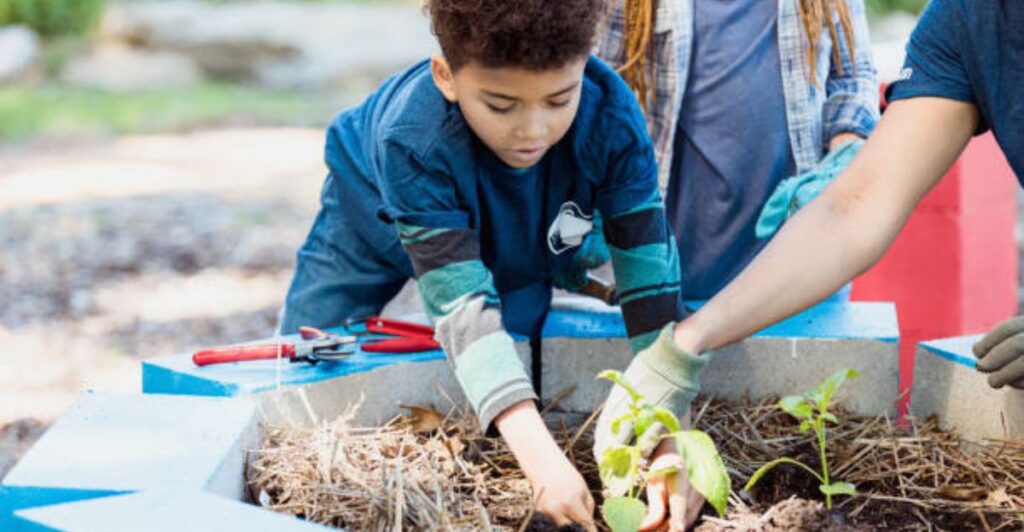
Raised beds are one of the easiest and most organized ways to start a school kitchen garden. Wooden or brick beds are filled with soil and arranged in neat rows. This layout improves drainage, reduces weeds, and makes it easier for students to access plants.
2. Row Garden Layout
In this traditional layout, plants are grown in straight rows with walking paths in between. It is simple to design and ideal for growing vegetables like spinach, carrots, and beans. This layout also helps students clearly understand plant spacing and organization.
3. Square Foot Garden Layout
This method divides the garden into small square sections, each used to grow different crops. It is perfect for small spaces and helps maximize productivity. Students can easily manage each section and observe different plants growing side by side.
4. Container Garden Layout
For schools with limited space, container gardening is a great option. Plants are grown in pots, buckets, or recycled containers arranged in a planned pattern. This layout is flexible, portable, and easy to maintain.
5. Vertical Garden Layout
Vertical gardens use walls, fences, or hanging structures to grow plants. Recycled bottles or containers can be used to create a space-saving design. This layout is ideal for urban schools with very limited ground space.
🌱 Tips for Planning a School Kitchen Garden Layout
Planning a school kitchen garden layout is the first step toward creating a productive, organized, and student-friendly gardening space. A well-designed layout not only improves plant growth but also makes it easier for students to learn and participate actively. Here are some essential tips to help you plan effectively:
1. Choose the Right Location
Select a spot that receives at least 5–6 hours of sunlight daily. Good sunlight is essential for healthy plant growth. Also, ensure the area has easy access to water.
2. Start Small and Expand Later
Begin with a simple layout that is easy to manage. As students gain experience and confidence, you can gradually expand the garden.
3. Plan Proper Pathways
Design clear walking paths between beds or rows so students can move easily without stepping on plants. This keeps the garden organized and prevents damage.
4. Group Plants Wisely
Grow similar plants together based on their needs (sunlight, water, and spacing). For example, leafy vegetables in one section and herbs in another.
5. Use Raised Beds or Containers
Raised beds and containers help in better soil management and drainage. They are also easier for students to handle and maintain.
6. Ensure Proper Spacing
Avoid overcrowding by leaving enough space between plants. Proper spacing allows better air circulation and healthier growth.
7. Add Labels and Signs
Use plant labels or small signboards to identify crops. This makes it easier for students to learn plant names and track growth.
8. Include a Compost Area
Set aside a small corner for composting kitchen and garden waste. This promotes eco-friendly practices and improves soil fertility.
9. Plan for Watering Systems
Arrange a simple watering system such as watering cans, hoses, or drip irrigation. Make sure it is easy for students to use.
10. Create Learning Zones
Divide the garden into sections like vegetable beds, herb gardens, and flower areas. This helps in structured learning and better organization.
11. Consider Seasonal Planting
Plan your layout based on seasonal crops so plants grow well and produce better results.
12. Ensure Safety and Accessibility
Make sure the garden is safe for children, with no sharp tools or slippery areas. Paths should be easy to walk on for all students.
By following these tips, schools can design a well-organized and effective kitchen garden layout that supports learning, promotes teamwork, and encourages sustainable gardening practices. 🌿
💡 Suggestions for Best Results
To get the most out of your school kitchen garden layout, it’s important to combine good planning with consistent care and student involvement. These practical suggestions will help ensure your garden stays productive, organized, and enjoyable for everyone.

1. Keep the Layout Simple and Practical
Avoid overcomplicating the design. A simple layout with clear sections and pathways is easier for students and teachers to manage.
2. Involve Students in Design and Maintenance
Let students participate in planning the layout, choosing plants, and maintaining the garden. This increases their interest and sense of responsibility.
3. Use Seasonal and Local Plants
Select crops that grow well in your local climate and season. This improves success rates and ensures better harvests.
4. Maintain Regular Care Routines
Create a schedule for watering, weeding, and monitoring plant growth. Consistency is key to keeping the garden healthy.
5. Combine Different Layout Methods
You can mix raised beds, containers, and vertical gardening to make the best use of available space and create a more engaging layout.
6. Focus on Soil Health
Use compost and organic fertilizers to enrich the soil. Healthy soil leads to stronger plants and better yields.
7. Ensure Proper Water Management
Avoid overwatering or underwatering. Teach students how to check soil moisture and water plants correctly.
8. Keep the Garden Clean and Organized
Remove weeds, dry leaves, and waste regularly. A clean garden looks attractive and supports plant growth.
9. Encourage Teamwork and Responsibility
Divide students into small groups and assign tasks. This promotes teamwork and ensures all areas of the garden are cared for.
10. Track Progress and Celebrate Success
Keep records of plant growth and organize small celebrations during harvest. Recognizing efforts motivates students and builds enthusiasm.
By following these suggestions, schools can create a well-maintained and successful kitchen garden layout that supports learning, sustainability, and healthy living. 🌱
Conclusion
Designing a school kitchen garden does not have to be complicated. With simple layouts like raised beds, rows, square foot gardening, containers, or vertical gardens, beginners can easily create a productive and organized garden space.
A well-planned layout not only improves plant growth but also enhances the learning experience for students. It allows them to explore gardening in a structured and enjoyable way while developing valuable life skills.
By choosing the right layout and following practical tips, schools can create a beautiful, functional, and educational kitchen garden that benefits both students and the environment.
References
- Food and Agriculture Organization (FAO) – School Garden Programs
- National Gardening Association – Garden Planning Guides
- Royal Horticultural Society – Beginner Gardening Tips
- UNICEF – School Nutrition and Garden Initiatives
FAQs
1. What is the best layout for a beginner school kitchen garden?
Raised bed and container layouts are the easiest for beginners because they are simple to manage and maintain.
2. How much space is needed for a school kitchen garden?
A garden can be created in any space—from a small corner to a large playground—depending on available resources.
3. Can a school kitchen garden be made in small spaces?
Yes, vertical gardening and container gardening are perfect for small spaces.
4. Why is garden layout important?
A good layout helps plants grow better, makes maintenance easier, and provides a safe and organized learning environment.
5. What plants are suitable for a school kitchen garden?
Easy-to-grow plants like spinach, lettuce, beans, tomatoes, radishes, and herbs are ideal for beginners.