
Introduction
9 Common Cashless Payment Mistakes to Avoid
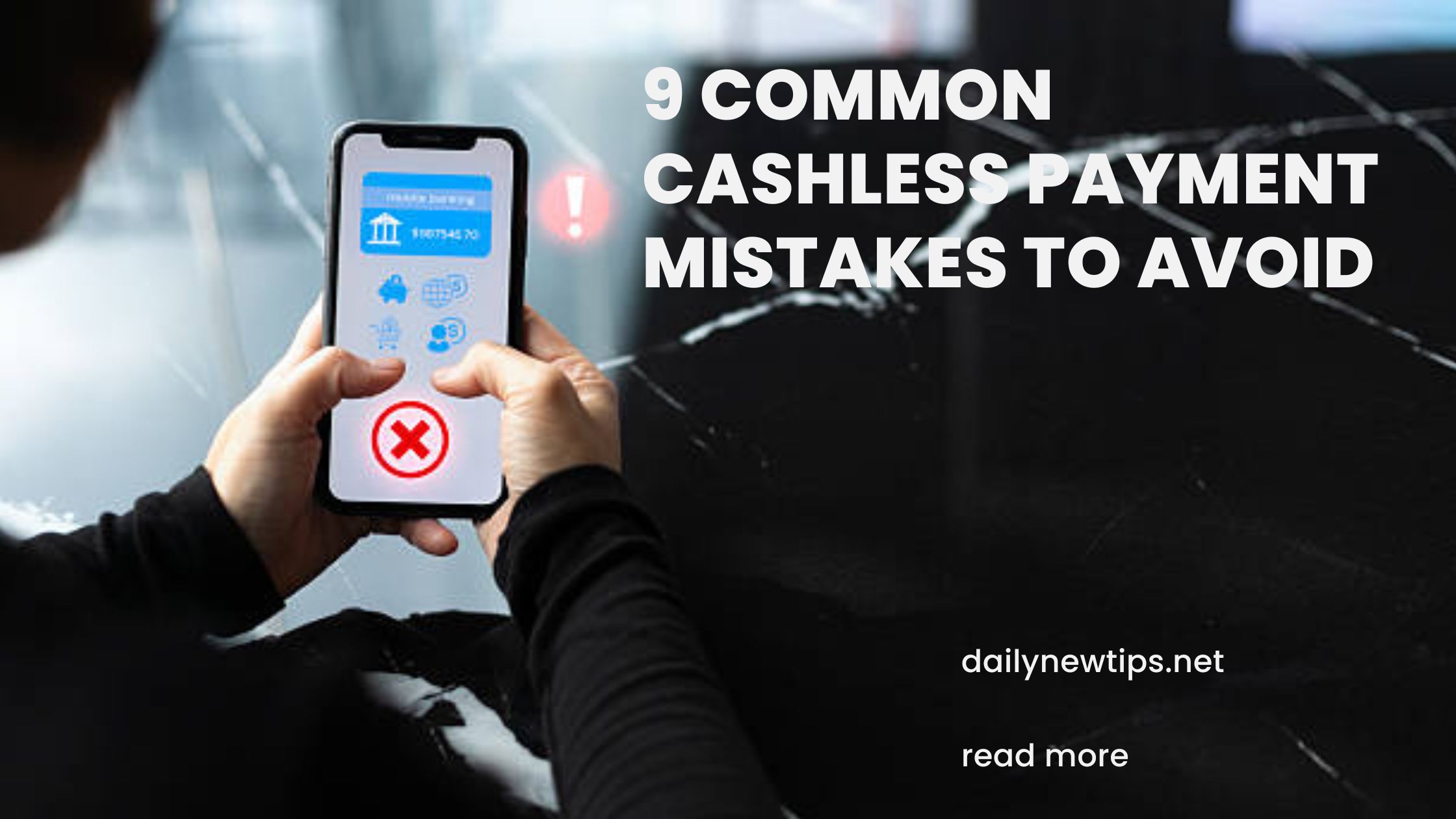
The world is rapidly moving toward a cashless economy, with digital wallets, UPI, credit cards, and contactless payments becoming the norm. While these methods offer speed and convenience, many individuals and businesses fall into common traps that compromise security, efficiency, and customer trust. Avoiding these mistakes ensures smoother transactions and builds confidence in digital payments..
9 Common Cashless Payment Mistakes


- Ignoring cybersecurity measures: Weak passwords, unsecured Wi-Fi, and lack of two-factor authentication expose users to fraud.
- Not educating customers: Businesses often fail to guide users on safe digital payment practices, leading to confusion and mistrust.
- Overlooking transaction fees: Hidden charges from banks or payment gateways can erode profits if not monitored.
- Failing to update software: Outdated apps or POS systems increase vulnerability to hacks.
- Neglecting backup payment options: Relying solely on one platform can cause downtime during outages.
- Poor internet connectivity: Weak networks delay or fail transactions, frustrating customers.
- Ignoring regulatory compliance: Not adhering to RBI or government guidelines can result in penalties.
- Skipping transaction records: Lack of proper documentation complicates audits and dispute resolution.
- Resistance to change: Businesses hesitant to adopt new payment technologies risk losing customers.
✅ Tips to Avoid Cashless Payment Mistakes

- Enable two-factor authentication: Add an extra layer of security to protect against unauthorized access.
- Use strong, unique passwords: Avoid reusing passwords across multiple accounts.
- Update apps and POS systems regularly: Keep software patched to reduce vulnerabilities.
- Educate staff and customers: Provide clear instructions on safe payment practices.
- Monitor transaction fees: Track charges and negotiate better terms with providers.
- Maintain multiple payment options: Offer UPI, cards, and wallets to avoid downtime.
- Ensure reliable internet connectivity: Invest in stable networks to prevent failed transactions.
- Comply with regulations: Stay updated with RBI and government guidelines to avoid penalties.
- Keep transaction records: Document payments for audits, disputes, and financial tracking.
🌐 Current Trends in Cashless Payments
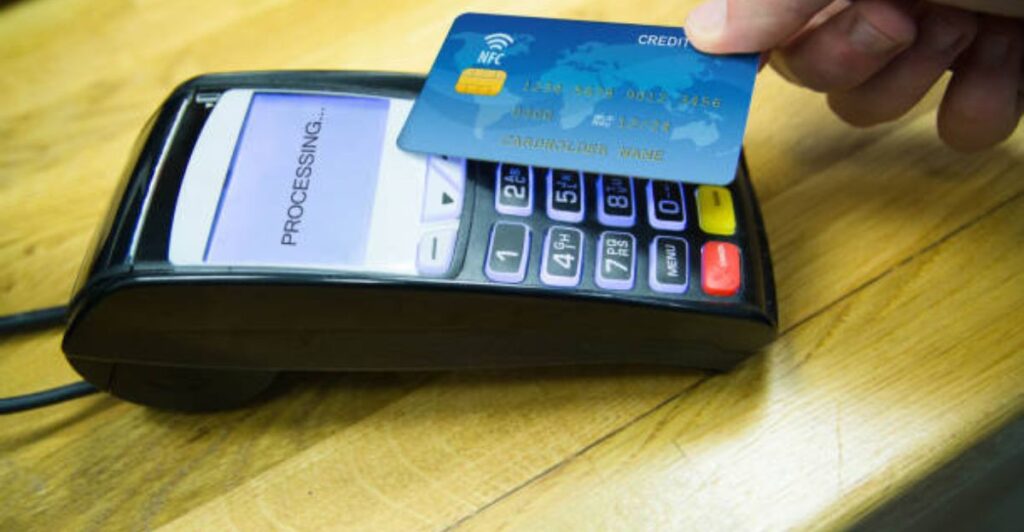
- Contactless payments: NFC-enabled cards, smartphones, and QR codes are now standard in retail, cafés, and transport systems. They offer speed, hygiene, and convenience.
- Biometric authentication: Fingerprint and facial recognition are increasingly used to secure transactions, reducing reliance on PINs and passwords.
- AI-driven fraud detection: Generative AI is boosting fraud protection rates by up to 300%, identifying suspicious activity in real time.
- Blockchain and cryptocurrency integration: Financial institutions are exploring blockchain for secure, transparent, and faster payments.
- Cross-border digital payments: Fintech platforms are making international transactions seamless, reducing fees and delays.
- Mobile wallet growth: Apps like Google Pay, Apple Pay, and local wallets are expanding rapidly, especially among younger generations.
- Government initiatives: Programs like India’s Digital India are accelerating adoption of cashless systems worldwide.
📊 Comparison Table: Key Trends & Benefits

| Trend | Benefit |
| Contactless payments | Faster, hygienic, widely adopted |
| Biometric authentication | Stronger security, user convenience |
| AI-driven fraud detection | Real-time fraud prevention |
| Blockchain integration | Transparency, reduced transaction costs |
| Cross-border payments | Seamless global transactions |
| Mobile wallet growth | Accessibility, youth adoption |
| Government initiatives | Policy support, infrastructure growth |
⚠️ Risks & Challenges
- Data privacy concerns with biometric and AI systems.
- Regulatory hurdles in cross-border and crypto payments.
- Digital divide: rural areas may struggle with infrastructure.
- Hidden transaction fees in mobile wallets and international transfers.
Cashless payments in 2025 are defined by speed, security, and global reach. Businesses that embrace these trends—while addressing risks—will stay competitive in the evolving digital economy.
Sources:
💼 Suggestions for Businesses
- Invest in secure infrastructure: Use encryption, firewalls, and PCI-DSS compliant systems to protect customer data.
- Stay updated with regulations: Follow RBI, GDPR, and other local/global compliance standards to avoid penalties.
- Offer multiple payment options: Provide UPI, cards, wallets, and net banking to ensure flexibility and reduce downtime.
- Educate customers: Share guides, FAQs, and reminders about safe payment practices to build trust.
- Leverage analytics: Use transaction data to understand customer behavior and improve services.
- Provide strong customer support: Quickly resolve failed or disputed transactions to maintain loyalty.
👤 Suggestions for Users
- Enable two-factor authentication: Add an extra layer of security for all digital wallets and banking apps.
- Avoid public Wi-Fi: Use secure networks when making transactions to prevent hacking.
- Update apps regularly: Keep wallets and banking apps patched to reduce vulnerabilities.
- Monitor transaction alerts: Always check SMS/email notifications to detect unauthorized activity.
- Keep backup payment methods: Carry an extra card or enable multiple wallets to avoid disruptions.
- Maintain transaction records: Save receipts or screenshots for dispute resolution and financial tracking.
For businesses, the priority is building trust and compliance, while for users, it’s ensuring personal security and vigilance. Together, these practices create a safer and more efficient cashless ecosystem.
💰 Are Cashless Payments Cheaper than Cash Transactions?
✅ When Cashless Payments Can Be Cheaper
- Reduced handling costs: Businesses save on cash counting, storage, and bank deposits.
- Faster transactions: Digital payments reduce checkout time, improving efficiency.
- Lower risk of theft: No physical cash means less risk of robbery or employee pilferage.
- Promotional offers: Wallets and apps often provide cashback, discounts, or loyalty rewards.
⚠️ When Cashless Payments Can Be More Expensive
- Transaction fees: Banks and payment gateways may charge merchants per transaction.
- Infrastructure costs: Businesses must invest in POS machines, software, and internet connectivity.
- Hidden charges: International transfers or credit card payments may include extra fees.
- Dependence on providers: Outages or downtime can cause indirect losses.
📊 Comparison Table
| Factor | Cash Transactions | Cashless Payments |
| Handling costs | High (counting, depositing) | Low (automated) |
| Speed | Slower | Faster |
| Security | Risk of theft | Safer, but cyber risks |
| Fees | None | Possible transaction charges |
| Customer perks | Rare | Cashback, discounts |
| Infrastructure | Minimal | Requires devices & internet |
🔎 Key Takeaway
Cashless payments are often cheaper in the long run due to efficiency, reduced handling costs, and customer perks. However, transaction fees and infrastructure costs can make them more expensive for small businesses if not managed properly.
Conclusion
Cashless payments are here to stay, but success depends on avoiding common mistakes and embracing secure, customer-friendly practices. By staying updated with trends, educating users, and investing in reliable systems, both individuals and businesses can enjoy the benefits of a digital economy without unnecessary risks.
References
- 10 Mistakes to Avoid in Cashless Event Ticketing
- Cashless Transaction Challenges and Remedies – IJCRT
- Challenges Associated with Cashless Payment Systems – Businesshab
FAQs
- What are the biggest risks of cashless payments?
Cybersecurity threats, hidden fees, and poor connectivity are the most common risks.
- How can I make my digital payments safer?
Use strong passwords, enable two-factor authentication, and avoid public Wi-Fi.
- Are cashless payments cheaper than cash transactions?
They save time but may involve transaction fees depending on the provider.
- What trends will shape the future of cashless payments?
Contactless tech, biometric security, and AI-driven fraud detection are leading innovations.