5 Reasons You Should Stop Using the Same Password Across Accounts

Introduction

5 Reasons You Should Stop Using the Same Password Across Accounts

Online security is more critical than ever, yet many people still use the same password for multiple accounts. While it may seem convenient, this practice can have serious consequences for your personal and financial safety. In this article, we will explore five compelling reasons why you should avoid reusing passwords and provide actionable tips to enhance your online security..

5 Reasons You Should Stop Using the Same Password Across Accounts

source:pixabay

1. Increased Risk of Data Breaches

When you use the same password across multiple accounts, a single data breach can compromise all your accounts. Hackers often target popular platforms, and leaked passwords can be used to access other accounts you own.

Tip: Use a password manager to generate and store unique, complex passwords for each account.

2. Credential Stuffing Attacks

Credential stuffing is a technique where hackers use stolen credentials from one breach to try accessing accounts on other platforms. If your passwords are identical, you’re an easy target.

Suggestion: Enable two-factor authentication (2FA) on all accounts to add an extra layer of security.

3. Difficulty Detecting Unauthorized Access

Reusing passwords makes it harder to identify which account has been compromised in the event of unauthorized access. This delay can give hackers more time to exploit your information.

Tip: Regularly review your account activity for unusual login attempts or transactions.

4. Impact on Personal and Financial Information

Using the same password for sensitive accounts, such as email and banking, can lead to devastating consequences if breached. Hackers can gain access to sensitive information, potentially leading to identity theft.

Suggestion: Separate your passwords by category. For example, create stronger, more complex passwords for financial accounts and other high-risk services.

5. Loss of Trust and Reputation

If your accounts are hacked, it can impact your reputation, especially if the accounts are tied to your professional or social identity. Recovering from such incidents can be both time-consuming and stressful.

Tip: Change your passwords regularly and avoid reusing old ones.

How often should I change my passwords?

The frequency with which you should change your passwords depends on various factors, including the sensitivity of the account, your security practices, and whether there are signs of a security breach. Here’s a general guideline:

source:pixabay

1. For Personal Accounts:

  • Sensitive Accounts (e.g., banking, email): Change passwords every 3–6 months, or immediately if you suspect they’ve been compromised.
  • Regular Accounts (e.g., social media): Consider changing passwords annually, or if there’s a known breach.
  • Compromised Accounts: Change your password immediately if the account is hacked or involved in a data breach.

2. For Work or Shared Accounts:

  • Follow your organization’s password policy. Many companies require password changes every 90 days.
  • Change immediately if someone with access leaves the organization or their access needs to be revoked.

3. Use of Password Managers:

  • With a password manager, you can create and store unique passwords for each account. This reduces the need to change passwords frequently, as long as they’re strong and not compromised.

4. Adopt Best Practices:

  • Use strong, unique passwords for every account.
  • Enable multi-factor authentication (MFA) wherever possible.
  • Monitor for data breaches using tools like Have I Been Pwned to see if your credentials are exposed.

Changing passwords unnecessarily can lead to “password fatigue,” where users resort to weaker or reused passwords. Focus on strong, unique passwords and good overall security hygiene.

What is the best way to manage multiple passwords?

Managing multiple passwords effectively is critical to maintaining strong security across your online accounts. Here are the best practices for doing so:

source:pixabay

1. Use a Password Manager

  • What It Does: A password manager securely stores and organizes your passwords in an encrypted vault.
  • Why It’s the Best Option:
    • Generates strong, unique passwords for every account.
    • Autofills passwords for convenience.
    • Syncs across devices so you can access passwords anytime.
  • Popular Options:
    • Paid: LastPass, Dashlane, 1Password.
    • Free: Bitwarden, KeePass.

2. Enable Multi-Factor Authentication (MFA)

  • Add an extra layer of security to your accounts, even if a password is compromised.
  • Use authentication apps like Google Authenticator, Authy, or built-in options like Microsoft Authenticator.

3. Use Strong, Unique Passwords

  • Combine uppercase, lowercase, numbers, and special characters.
  • Make passwords at least 12–16 characters long.
  • Avoid dictionary words, personal information, or common patterns (e.g., “123456” or “password”).

4. Regularly Update Passwords

  • Change passwords immediately for compromised accounts.
  • Update sensitive accounts (e.g., email, banking) periodically, especially if there’s a breach.

5. Monitor for Breaches

  • Use services like:
    • Have I Been Pwned: Checks if your email or passwords are part of a data breach.
    • Dark web monitoring services offered by some password managers or antivirus software.

6. Avoid Password Reuse

  • Reusing passwords across multiple accounts increases your vulnerability in case of a breach. Use a unique password for every account.

7. Use Secure Methods for Password Storage

  • Avoid insecure methods: Don’t write passwords down or store them in plain text files.
  • If you must write them down, use a physical notebook kept in a safe place.

8. Backup Your Password Vault

  • Ensure your password manager’s vault is backed up securely, especially if you use local storage solutions like KeePass.

By combining these methods, you can effectively manage multiple passwords while minimizing the risk of unauthorized access.

Conclusion

Reusing passwords may seem convenient, but the risks far outweigh the benefits. By adopting better password practices, such as using a password manager, enabling 2FA, and creating unique passwords for each account, you can significantly enhance your online security and protect your personal information.

References

  • National Cyber Security Centre (NCSC). “Guidance on Passwords.” NCSC.
  • Krebs on Security. “Why Unique Passwords Matter.” Krebs.
  • Microsoft Security. “Password Reuse: A Major Risk.” Microsoft.
FAQs

1. Why is using the same password across accounts unsafe? Using the same password increases your vulnerability to data breaches and credential stuffing attacks. Hackers can exploit one compromised account to access others.

2. What is two-factor authentication (2FA)? 2FA adds an extra layer of security by requiring a second form of verification, such as a code sent to your phone, in addition to your password.

3. Can I reuse passwords if they are very strong? Even strong passwords should not be reused across accounts. The strength of a password doesn’t matter if it’s compromised in a data breach.

read more

6 Creative Ways to Wrap Gifts with Style

Introduction:

6 Creative Ways to Wrap Gifts with Style

When it comes to gift-giving, the presentation is just as important as the gift itself. Wrapping a gift with style adds a personal touch that makes the recipient feel special and appreciated. Here are six creative ways to wrap gifts that will surely impress:

6 Creative Ways to Wrap Gifts with Style

source:pixabay

1. Fabric Wrap

Tips:

  • Use a piece of fabric that can be reused, such as a scarf, tea towel, or cloth napkin.
  • Tie the fabric with a ribbon or a decorative brooch for added flair.

Benefits:

  • Eco-friendly and sustainable.
  • The recipient can reuse the fabric for other purposes.

Suggestions:

  • Choose fabrics with vibrant colors or interesting patterns to make the wrapping more attractive.

2. Brown Paper with a Twist

Tips:

  • Use plain brown paper as a base and add colorful accents like ribbons, tags, and stamps.
  • Personalize it with the recipient’s name or a special message.

Benefits:

  • Inexpensive and easily customizable.
  • Gives a rustic and charming look.

Suggestions:

  • Combine different textures like twine, lace, or burlap to create a unique design.

3. Map Paper Wrap

Tips:

  • Wrap the gift with old maps or atlases for a travel-themed presentation.
  • Highlight meaningful locations by positioning them on the front of the package.

Benefits:

  • Unique and visually appealing.
  • Great conversation starter, especially if the recipient loves to travel.

Suggestions:

  • Pair with travel-related tags and accessories for a cohesive look.

4. Chalkboard Paper

Tips:

  • Use chalkboard paper and write personalized messages with chalk or chalk markers.
  • Draw doodles or designs to make it fun and interactive.

Benefits:

  • Allows for creativity and personalization.
  • The recipient can write on it again or keep it as a memento.

Suggestions:

  • Include a small piece of chalk with the gift for added thoughtfulness.

5. Botanical Wrap

Tips:

  • Wrap the gift with plain paper and decorate it with natural elements like leaves, flowers, and twigs.
  • Secure the botanical elements with twine or washi tape.

Benefits:

  • Beautiful and natural aesthetic.
  • Adds a touch of nature to the gift presentation.

Suggestions:

  • Choose elements that complement the season or the recipient’s preferences.

6. Photo Wrap

Tips:

  • Print photos of memorable moments and use them as wrapping paper.
  • Include captions or small notes on the photos for a personalized touch.

Benefits:

  • Highly sentimental and thoughtful.
  • Creates a keepsake that the recipient can cherish.

Suggestions:

  • Use high-quality prints to ensure the photos look their best.

How can I make brown paper wrapping more festive?

Adding a festive touch to brown paper wrapping is a fun and easy way to personalize your gifts. Here are some ideas to get you started:

source:pixabay

1. Colorful Ribbons and Bows

Use bright, festive ribbons and bows to add a pop of color. You can mix and match different colors and textures for a more unique look.

2. Stamps and Stickers

Decorate the brown paper with holiday-themed stamps or stickers. This is a quick way to add some festive flair.

3. Hand-Drawn Designs

Get creative and draw your own designs directly on the paper. You could draw snowflakes, Christmas trees, or other holiday symbols.

4. Natural Elements

Add sprigs of holly, pinecones, or cinnamon sticks to the wrapping. These natural elements add a rustic and festive touch.

5. Washi Tape

Use colorful washi tape to create patterns or frames on the brown paper. It’s easy to use and comes in many festive designs.

6. Personalized Tags

Create personalized gift tags with the recipient’s name and a special message. Attach them with twine or ribbon for a charming touch.

7. Glitter and Metallic Accents

Add some sparkle with glitter or metallic markers. You can write festive messages or create shimmering designs.

8. Fabric Accents

Incorporate bits of fabric, like strips of plaid or velvet, to add texture and color.

By using these techniques, you can transform plain brown paper into a festive and personalized gift wrap that will delight the recipient. Happy wrapping! 🎁

What type of photos work best for photo wrapping

For photo wrapping, you want to choose high-quality images that are clear and meaningful. Here are some tips to help you select the best photos:

source:pixabay

High-Resolution Images

  • Use high-resolution photos to ensure they print clearly and crisply.
  • Avoid pixelated or blurry images, as they can detract from the overall look.

Memorable Moments

  • Select photos that capture special moments or significant events shared with the recipient.
  • Think about birthdays, holidays, vacations, or other memorable occasions.

Personal Touch

  • Choose images that reflect the recipient’s interests or hobbies. For example, if they love hiking, include photos from your hiking trips together.
  • Consider using pictures that have a personal connection, like inside jokes or candid shots.

Variety of Shots

  • Mix up close-ups and wider shots to create visual interest.
  • Incorporate both posed and candid photos to add variety.

Editing and Enhancements

  • Edit the photos to enhance colors, contrast, and brightness if needed.
  • Consider adding filters or effects to create a cohesive look.

Printing Quality

  • Use a good quality printer and photo paper for the best results.
  • Ensure the photos are printed in the correct size to fit your wrapping needs.

By choosing the right photos, you can create a heartfelt and unique wrapping that will add an extra layer of sentiment to your gift. Happy wrapping! 📸🎁

Conclusion

Gift wrapping is an art that can elevate the entire gifting experience. By using these creative wrapping ideas, you can make your gifts stand out and show the recipient that you’ve put extra thought and effort into the presentation. Whether you choose fabric wrap, brown paper, map paper, chalkboard paper, botanical wrap, or photo wrap, the key is to personalize it in a way that reflects the recipient’s personality and interests.

References

  1. Smith, J. (2023). The Art of Gift Wrapping. New York: Creative Press.
  2. Green, A. (2022). Eco-Friendly Gift Wrapping Ideas. London: Sustainable Living Publications.
  3. Johnson, L. (2021). Personalized Gift Wrapping Techniques. Boston: Thoughtful Gifts Press.
FAQs

Q: What is the best type of fabric to use for fabric wrapping?

A: Natural fabrics like cotton or linen are ideal as they are easy to work with and eco-friendly.

Q: Where can I find chalkboard paper?

A: Chalkboard paper can be found at most craft stores or online retailers.

Q: Are botanical wraps suitable for all seasons?

A: Yes, you can adjust the botanical elements to match the season, such as using holly and pine for winter or flowers and leaves for spring and summer.

Feel free to ask if you have any further questions or need more information!

25 Days of Biblical Reflections for a Christ-Centered Advent

Introduction

25 Days of Biblical Reflections for a Christ-Centered Advent

The Advent season is a time of anticipation and preparation, a moment to reflect on the coming of Jesus Christ. This year, embrace the true meaning of Christmas by dedicating 25 days to biblical reflections that center your heart and mind on Christ. Here’s a guide to help you embark on this spiritual journey.

25 Days of Biblical Reflections

source:pixabay

Week 1: Hope

  1. Day 1 – Isaiah 9:6: Reflect on the prophecy of Jesus’ birth.
  2. Day 2 – Romans 15:13: Meditate on the God of hope.
  3. Day 3 – Psalm 33:20-22: Trust in God’s unfailing love.
  4. Day 4 – Lamentations 3:21-24: Renew your hope in God’s faithfulness.
  5. Day 5 – Hebrews 11:1: Understand the essence of faith and hope.

Week 2: Peace

  • Day 6 – John 14:27: Jesus’ promise of peace.
  • Day 7 – Philippians 4:6-7: Overcoming anxiety through prayer.
  • Day 8 – Colossians 3:15: Letting Christ’s peace rule your heart.
  • Day 9 – Isaiah 26:3: Perfect peace through trust in God.
  • Day 10 – Matthew 5:9: Embracing the role of a peacemaker.

Week 3: Joy

  1. Day 11 – Luke 2:10-11: The angels announce good news of great joy.
  2. Day 12 – Nehemiah 8:10: Finding strength in the joy of the Lord.
  3. Day 13 – Psalm 16:11: Joy in God’s presence.
  4. Day 14 – John 15:11: Jesus’ joy made complete in us.
  5. Day 15 – 1 Peter 1:8-9: Inexpressible joy through faith in Christ.

Week 4: Love

  1. Day 16 – John 3:16: God’s ultimate gift of love.
  2. Day 17 – Romans 8:38-39: Nothing can separate us from God’s love.
  3. Day 18 – 1 John 4:9-11: Loving others as God loved us.
  4. Day 19 – Ephesians 3:17-19: Comprehending the depth of Christ’s love.
  5. Day 20 – 1 Corinthians 13:4-7: The attributes of love.

Christmas Week: Christ’s Birth

  • Day 21 – Isaiah 7:14: The prophecy of Immanuel.
  • Day 22 – Micah 5:2: The birthplace of the Messiah.
  • Day 23 – Luke 1:46-55: Mary’s song of praise.
  • Day 24 – Matthew 1:18-25: The birth of Jesus foretold.
  • Day 25 – Luke 2:1-20: The nativity story.

Tips for a Christ-Centered Advent

Here’s an expanded explanation of each tip for a Christ-centered Advent:

source:pixabay

1. Start with Prayer

Prayer sets the tone for your day, aligning your heart with God’s will. During Advent, focus your prayers on gratitude, hope, and preparing your heart for Christ’s coming. You might say a simple prayer like, “Lord, help me draw closer to You during this season. Open my heart to Your word and guide me in living out Your love.”

2. Create a Sacred Space

Designating a quiet, dedicated area for Advent reflections helps eliminate distractions and creates a sense of reverence. Include meaningful items like:

  • A Bible for scripture reading.
  • Candles or an Advent wreath to symbolize the light of Christ.
  • A cross or devotional book to focus your thoughts.
    This space serves as a visual reminder of your commitment to spiritual growth during Advent.

3. Use a Journal

Writing in a journal helps deepen your reflections and creates a record of your spiritual journey. Use it to:

  • Jot down scripture verses or phrases that resonate with you.
  • Record your prayers and blessings.
  • Note personal insights or moments when you felt God’s presence.
    This practice can also help you see how God is working in your life over time.

4. Involve the Family

Advent is a beautiful opportunity to grow spiritually as a family. Share reflections or scripture readings during meals or evenings. For children:

  • Use age-appropriate devotionals or picture books about the Nativity.
  • Engage them with crafts, such as making an Advent calendar or wreath.
  • Discuss the themes of hope, peace, joy, and love in ways they can understand.
    These activities teach children the importance of Advent and make it a cherished family tradition.

5. Set a Routine

Consistency is key to making Advent meaningful. Choose a time that works best for you and your family, whether it’s:

  • Morning: Start the day with prayer and scripture.
  • Lunchtime: Pause to reflect and re-center amidst the day’s busyness.
  • Evening: Reflect on the day and prepare your heart for rest in God’s peace.
    Establishing a routine makes Advent reflections a natural and anticipated part of your daily life.

Suggestions for a Deeper Experience

To create a deeper and more meaningful experience in life, consider these suggestions across various aspects of personal growth and connection:

source:pixabay

1. Personal Growth

  • Practice Mindfulness: Engage in activities like meditation, journaling, or mindful breathing to stay present and connected with yourself.
  • Set Intentional Goals: Focus on meaningful objectives that align with your values and passions.
  • Learn Continuously: Dive into topics that interest you, take online courses, or read books to expand your knowledge.

2. Relationships

  • Deep Conversations: Prioritize open and honest communication with loved ones.
  • Quality Time: Spend time engaging in meaningful activities with family and friends.
  • Acts of Service: Show care through small, thoughtful gestures.

3. Spirituality

  • Reflect on Faith: Dedicate time to prayer, meditation, or studying religious texts if you follow a faith.
  • Engage in Service: Volunteer or give back to the community as an act of gratitude and compassion.

4. Hobbies and Creativity

  • Explore Your Passions: Take up hobbies like painting, gardening, or writing to express yourself creatively.
  • Connect with Nature: Spend time outdoors to recharge and find inspiration.

5. Lifestyle

  • Simplify Your Surroundings: Choose quality over quantity in possessions, such as curating a wardrobe that reflects your personal style.
  • Healthy Habits: Focus on fitness, nutrition, and sleep to maintain overall well-being.

6. Connection with Others

  • Mentorship: Share your skills or experiences to help others grow.
  • Group Activities: Join clubs, classes, or community groups that align with your interests.

7. Mindset

  • Gratitude Practice: Reflect daily on things you’re thankful for.
  • Embrace Challenges: View setbacks as opportunities to grow and learn.

Would you like tailored suggestions for any specific area?

Conclusion

Advent is a time to slow down and realign our hearts with the true meaning of Christmas. By dedicating these 25 days to biblical reflections, you’ll deepen your relationship with Christ and prepare to celebrate His birth with joy, peace, and love.

References

  1. Holy Bible, New International Version (NIV)
  2. “The Advent Storybook: 25 Bible Stories Showing Why Jesus Came” by Laura Richie
  3. “Come, Let Us Adore Him: A Daily Advent Devotional” by Paul David Tripp
FAQs

1. What is Advent? Advent is a Christian tradition that marks the four weeks leading up to Christmas, focusing on themes of hope, peace, joy, and love.

2. How do I start Advent reflections? Choose a quiet time and space, use the suggested Bible verses, and begin with prayer. You can also involve family members for a shared experience.

3. Can children participate in Advent reflections? Absolutely! Simplify the verses and engage them with stories, crafts, or songs related to the themes.

4. Do I need special materials for these reflections? A Bible, a journal, and optional items like an Advent wreath or candles can enhance the experience but are not mandatory.

5. How can I stay consistent with daily reflections? Set a reminder on your phone or integrate it into your daily routine, such as during meals or before bedtime.

12 Facts About Room Heaters: The Good and the Bad

Introduction:-

12 Facts About Room Heaters: The Good and the Bad

When the winter chill sets in, room heaters become a go-to solution for creating a cozy and warm environment indoors. However, while they are a convenient appliance, room heaters also come with their share of benefits and drawbacks. Here are 12 essential facts about room heaters to help you make an informed decision this winter season.

12 Facts About Room Heaters: The Good and the Bad

source:pixabay

The Good: Advantages of Room Heaters

1. Quick Heating

Room heaters provide instant warmth, making them ideal for quickly heating up a room on cold days. This is especially beneficial for small spaces.

2. Energy Efficiency (in Some Models)

Modern room heaters come with energy-saving features, such as thermostats and timers, to help reduce electricity consumption.

3. Portability

Most room heaters are lightweight and portable, allowing you to move them easily between rooms.

4. Affordable Heating Option

Room heaters are generally more affordable than installing a central heating system, making them accessible to many households.

5. Customizable Temperature

Many heaters allow you to adjust the temperature, ensuring you can create a comfortable environment tailored to your needs.

6. Compact Design

With sleek and compact designs, room heaters fit seamlessly into modern interiors without occupying too much space.

The Bad: Disadvantages of Room Heaters

7. High Electricity Bills

Continuous use of room heaters can lead to a significant increase in your electricity bills, especially if the heater is not energy-efficient.

8. Dry Air

Room heaters tend to reduce humidity levels, leading to dry skin, throat irritation, and discomfort for some people.

9. Fire Hazard Risk

Improper use or faulty models can pose a fire risk. It’s essential to follow safety guidelines and invest in high-quality heaters.

10. Limited Heating Area

Room heaters are designed for small spaces and may not be effective for larger areas, leaving some parts of the room cold.

11. Health Concerns

Extended exposure to the heat from room heaters can cause headaches, dehydration, and in rare cases, respiratory issues.

12. Noise Levels

Certain models, especially fan-based heaters, can produce noticeable noise, which may disrupt sleep or concentration.

Tips for Using Room Heaters Safely and Efficiently

Here are some tips for using room heaters safely and efficiently:

source:pixabay

Safety Tips

  1. Choose the Right Heater
    • Select a heater with safety certifications like UL or CE.
    • Opt for models with features such as tip-over protection and automatic shut-off.
  2. Placement
    • Place the heater on a flat, stable surface, away from flammable items such as curtains, furniture, and paper.
    • Keep it at least 3 feet (1 meter) away from combustible materials.
  3. Supervision
    • Avoid leaving the heater unattended while it’s on.
    • Turn off the heater before going to bed or leaving the room.
  4. Child and Pet Safety
    • Use heaters with cool-to-touch exteriors if children or pets are around.
    • Install a safety gate or barrier to prevent direct access.
  5. Proper Ventilation
    • For gas or kerosene heaters, ensure adequate ventilation to prevent carbon monoxide buildup.
    • Install a carbon monoxide detector as an added precaution.
  6. Avoid Overloading Circuits
    • Plug the heater directly into a wall socket, not an extension cord or power strip, to reduce the risk of fire.
    • Check the wiring regularly for signs of wear or overheating.
  7. Regular Maintenance
    • Clean the heater regularly to prevent dust buildup, which can be a fire hazard.
    • Inspect for damaged cords or malfunctioning parts.

Efficiency Tips

  1. Use the Right Size Heater
    • Choose a heater appropriate for the size of the room. A heater too small won’t warm efficiently, while one too large wastes energy.
  2. Insulate the Room
    • Seal drafts around doors and windows to retain heat.
    • Use heavy curtains to reduce heat loss through windows.
  3. Set the Right Temperature
    • Maintain a moderate temperature to save energy and prevent overheating the room.
    • Use a heater with a thermostat for better control.
  4. Zone Heating
    • Focus on heating occupied rooms rather than the whole house.
    • Close doors to unoccupied spaces to concentrate warmth.
  5. Use a Timer
    • Utilize a heater with a timer to avoid running it unnecessarily.
    • Consider programmable heaters for customized schedules.
  6. Supplement Heating
    • Layer clothing and use blankets to reduce reliance on the heater.
    • Use ceiling fans in reverse mode to circulate warm air.

By following these tips, you can enjoy a warm and cozy environment while minimizing risks and energy costs.

Reduce the dryness caused by room heaters

Room heaters can reduce humidity, leading to dry air. Here are effective ways to counteract the dryness:

source:pixabay

1. Use a Humidifier

  • Add moisture: Place a humidifier in the room to maintain a comfortable humidity level (ideal range: 30–50%).
  • Choose the right type: Ultrasonic or evaporative humidifiers work well with heaters.

2. Place Water Bowls Near the Heater

  • Natural evaporation: Put a shallow bowl or pan of water near (but not on) the heater to let the warmth evaporate the water into the air.
  • Add decor: Use decorative bowls for aesthetic appeal.

3. Use Indoor Plants

  • Natural humidifiers: Plants like peace lilies, spider plants, or areca palms release moisture into the air through transpiration.
  • Dual benefit: They improve air quality and add greenery to your space.

4. Dry Laundry Indoors

  • Kill two birds with one stone: Dry damp clothes or towels in the room to release moisture as they dry.
  • Caution: Avoid placing them too close to the heater to prevent fire hazards.

5. Ventilate Occasionally

  • Prevent stuffiness: Open a window briefly to let in fresh air and balance moisture levels.
  • Do this sparingly: This works best on milder days.

6. Stay Hydrated

  • Drink water: Compensate for the dry air by drinking plenty of fluids.
  • Use moisturizers: Apply hydrating skincare products to keep your skin from drying out.

7. Adjust Heater Settings

  • Lower temperature: Run the heater at a moderate level to avoid excessively drying the air.
  • Use an oil-filled heater: These are less drying compared to fan-forced heaters.

8. Use Damp Sponges or Towels

  • DIY humidifier: Place a damp sponge or towel in a heat-safe container near the heater. The heat will help release moisture into the air.

9. Avoid Overheating the Room

  • Energy-efficient heating: Overheated rooms are more likely to feel dry. Keep the temperature at a comfortable but not overly high level.

Implementing a combination of these tips will help you reduce dryness and maintain a more comfortable environment when using a room heater.

Conclusion

Room heaters are a practical and efficient way to combat the winter chill. However, understanding their advantages and disadvantages is crucial for making an informed decision. By following safety tips and choosing the right model, you can enjoy the benefits of a room heater while minimizing the downsides.

FAQs

1. Are room heaters safe for children and pets?

Yes, but safety precautions are essential. Opt for heaters with cool-to-touch surfaces and automatic shut-off features to ensure safety.

2. What is the most energy-efficient type of room heater?

Oil-filled radiators and ceramic heaters are generally considered more energy-efficient than fan or radiant heaters.

3. Can room heaters cause carbon monoxide poisoning?

Only gas-powered heaters have this risk. Electric heaters are safe and do not emit carbon monoxide.

4. What is the average lifespan of a room heater?

With proper maintenance, most room heaters last between 5 to 10 years.

References

By keeping these facts in mind, you can enjoy a warm and safe winter with your room heater.

9 Inspiring Small Roof Garden Designs You’ll Love

Introduction

9 Inspiring Small Roof Garden Designs You’ll Love

A small roof garden can be a tranquil retreat, a productive space for growing plants, or a beautiful extension of your home. Whether you’re working with limited space or looking for fresh ideas, these nine inspiring roof garden designs will help you create a space you’ll love.

9 Inspiring Small Roof Garden Designs

source:pixabay

1. Vertical Garden Paradise

Make the most of your small space with vertical gardening.

Tips:

  • Use wall-mounted planters, trellises, or hanging pots to grow plants upward.
  • Incorporate a mix of herbs, flowers, and small vegetables for variety.

Benefits:

  • Saves floor space and creates a lush, green wall.
  • Easy to maintain and customize.

2. Minimalist Zen Garden

Create a calming space with a minimalist design inspired by Zen gardens.

Tips:

  • Use simple elements like gravel, bamboo, and a small water feature.
  • Add low-maintenance plants like succulents and moss.

Benefits:

  • Promotes relaxation and mindfulness.
  • Perfect for a serene retreat in the city.

3. Cozy Lounge Area

Combine greenery with a comfortable seating area to create a cozy outdoor lounge.

Tips:

  • Use compact, weather-resistant furniture and cushions.
  • Surround the seating area with potted plants or raised beds.

Benefits:

  • A perfect space for entertaining or unwinding.
  • Enhances the usability of your rooftop.

4. Herb and Vegetable Haven

Turn your roof garden into a productive space for growing fresh produce.

Tips:

  • Use tiered planters or modular containers to organize your plants.
  • Grow easy-to-maintain crops like basil, mint, lettuce, and cherry tomatoes.

Benefits:

  • Enjoy fresh, homegrown herbs and vegetables.
  • Reduces your grocery bill and promotes sustainability.

5. Rustic Wooden Deck

Add warmth and charm with a rustic wooden deck surrounded by greenery.

Tips:

  • Use reclaimed wood for an eco-friendly design.
  • Place large pots with vibrant plants around the edges.

Benefits:

  • Creates a natural, inviting space.
  • Ideal for outdoor dining or relaxation.

6. Wildlife-Friendly Oasis

Attract birds, bees, and butterflies with a wildlife-friendly garden.

Tips:

  • Plant native flowering species and install a birdbath or feeder.
  • Avoid using pesticides to maintain a healthy ecosystem.

Benefits:

  • Supports local biodiversity.
  • Adds life and movement to your garden.

7. Modern Minimalist Design

Go for a sleek and stylish look with a modern minimalist design.

Tips:

  • Use neutral colors and geometric planters for a clean aesthetic.
  • Limit plant choices to a few species for a cohesive look.

Benefits:

  • Easy to maintain and visually appealing.
  • Complements contemporary architecture.

8. Multi-Functional Space

Combine gardening with other uses, such as a workout area or workspace.

Tips:

  • Use foldable furniture to maximize space.
  • Incorporate lightweight planters to allow for easy rearrangement.

Benefits:

  • Increases the versatility of your rooftop.
  • Perfect for urban lifestyles.

9. Romantic Garden Nook

Create an intimate, romantic setting with soft lighting and lush greenery.

Tips:

  • Use fairy lights or lanterns to enhance the ambiance.
  • Add flowering plants like roses or jasmine for fragrance and beauty.

Benefits:

  • Ideal for evening relaxation or date nights.
  • Adds charm and personality to your rooftop.

Suggestions for Designing Your Roof Garden

  • Plan Your Layout: Sketch out your design to make the most of your space.
  • Choose the Right Plants: Select plants that thrive in your climate and rooftop conditions.
  • Focus on Drainage: Ensure proper drainage to protect your roof and plants.
  • Invest in Lightweight Materials: Use lightweight soil, pots, and furniture to reduce roof load.

Benefits of a Small Roof Garden

  • Enhances property value and aesthetic appeal.
  • Provides a peaceful retreat from urban life.
  • Promotes sustainable living by growing your plants.
  • Improves air quality and reduces heat.

How much does it cost to set up a roof garden?

The cost of setting up a roof garden can vary widely depending on several factors, including the size of the roof, the type of garden you want, and the materials and labor involved. Here’s a breakdown of the typical costs:

source:pixabay

1. Structural Assessment

  • Cost: $500–$2,000
    Before starting, you need an engineer to assess if your roof can support the added weight of a garden, including soil, plants, and water.

2. Waterproofing and Drainage

  • Cost: $1,000–$5,000
    Installing a waterproof membrane and proper drainage is crucial to prevent water damage to the building.

3. Soil and Growing Medium

  • Cost: $20–$50 per cubic yard
    Lightweight soil mixes are often used to reduce weight on the roof.

4. Plants and Vegetation

  • Cost: $5–$20 per plant, or $1–$5 per square foot for ground cover
    Costs depend on the types of plants chosen, such as grass, flowers, vegetables, or shrubs.

5. Containers or Raised Beds

  • Cost: $10–$500 each
    This depends on the materials used (plastic, wood, metal, etc.) and their size.

6. Irrigation System

  • Cost: $500–$2,500
    Automated drip irrigation systems are a common choice for roof gardens.

7. Hardscaping and Furniture

  • Cost: $500–$5,000+
    Includes pathways, benches, or seating areas.

8. Labor

  • Cost: $1,000–$5,000+
    Labor costs depend on the complexity of the design and local rates.

9. Permits

  • Cost: $100–$500
    You may need permits depending on your location and the scope of the project.

Total Estimated Costs

  • Basic Roof Garden: $5,000–$10,000
  • Moderate Roof Garden with Features: $10,000–$25,000
  • Luxury Roof Garden: $25,000+

Cost-Saving Tips

  • Start small with container gardening.
  • Use recycled materials for planters and furniture.
  • Choose low-maintenance plants to reduce irrigation needs.

Conclusion

A small roof garden can be a versatile and inspiring space with the right design. Whether you prefer a modern minimalist look, a cozy lounge, or a productive herb garden, there’s a design to suit every taste and lifestyle. By incorporating thoughtful elements and making the most of your space, you can create a roof garden that’s not only beautiful but also functional and enjoyable.

References

  1. “Rooftop Garden Ideas,” The Spruce.
  2. “Urban Gardening Designs,” Better Homes & Gardens.
  3. “Small Space Gardening Tips,” Gardening Know How.
FAQs

1. What are the best plants for a small roof garden?
Succulents, herbs, flowering plants, and compact vegetables like lettuce and cherry tomatoes are ideal.

2. How do I maintain a roof garden?
Regularly water your plants, ensure proper drainage, and protect them from extreme weather.

3. Can I create a roof garden on a rented property?
Yes, use portable containers and avoid permanent modifications.

4. What safety measures should I consider?
Check your roof’s load capacity, install railings, and ensure proper drainage to protect your structure.

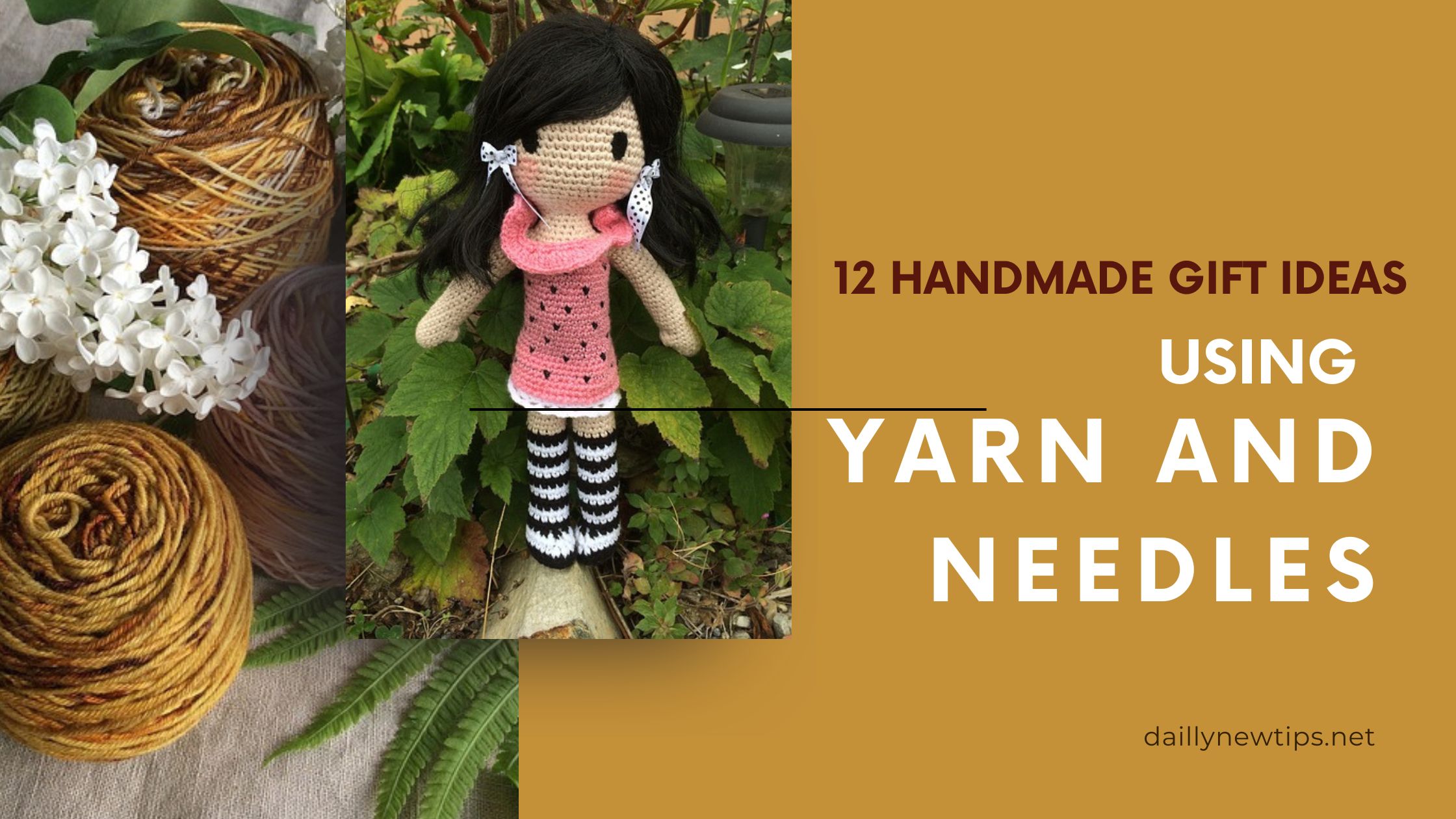
12 Handmade Gift Ideas Using Yarn and Needles

Introduction

12 Handmade Gift Ideas Using Yarn and Needles

Handmade gifts always carry a personal touch that makes them extra special. If you’re looking to create unique and thoughtful gifts for your loved ones, yarn and needles are fantastic tools to craft something beautiful and meaningful. Whether you’re a beginner or an experienced crafter, there are endless possibilities when it comes to creating gifts using yarn and needles. Here are 12 creative handmade gift ideas that will impress your friends and family.

12 Handmade Gift Ideas Using Yarn and Needles

source:pixabay

1. Knitted Scarf

A cozy knitted scarf is a classic gift that never goes out of style. Choose a soft, high-quality yarn in your recipient’s favorite color, and create a warm, stylish accessory. You can experiment with different stitch patterns to add texture and flair.

2. Crochet Blanket

A handmade crochet blanket is a wonderful gift for any occasion. With a little patience, you can create a blanket in a variety of patterns and colors. A soft, chunky yarn will make it extra cozy and perfect for snuggling.

3. Knitted Mittens

Warm mittens are a thoughtful gift for the colder months. You can knit mittens in different styles, from fingerless to full gloves, using a variety of yarns. Add decorative elements like buttons or pom-poms for a personal touch.

4. Crochet Coasters

Crocheted coasters are practical yet stylish gifts that anyone can use. Use colorful yarn to create a set of coasters in fun, unique designs. These small projects are perfect for beginners and can be completed quickly.

5. Yarn Wrapped Photo Frame

A photo frame wrapped in yarn adds a handmade touch to any home decor. Choose yarn in a color that complements the recipient’s space and wrap it around a simple wooden frame. You can even add embellishments like buttons or beads for extra detail.

6. Knitted Headband

A knitted headband is an easy and stylish gift that works well in colder weather. You can knit a basic design or experiment with more intricate patterns. Add a cute flower or button to make it even more unique.

7. Crochet Basket

A crochet basket is a practical gift that can be used for organizing small items like keys, coins, or makeup. Choose sturdy yarn and crochet a small, functional basket that can be placed on a desk or bedside table.

8. Knitted Shawl

A knitted shawl is a beautiful and versatile gift that can be worn in various ways. Choose a lightweight yarn for a more delicate look, or opt for a chunky yarn for added warmth. A shawl can be draped over the shoulders or worn as a scarf.

9. Crochet Plant Hanger

For plant lovers, a crochet plant hanger is a great handmade gift. Use strong yarn to create a stylish hanger that can hold small to medium-sized plants. This gift will brighten up any home and add a touch of boho charm.

10. Yarn Pom-Pom Keychain

A yarn pom-pom keychain is a fun and easy-to-make gift. You can create pom-poms in a variety of sizes and colors, then attach them to key rings or zipper pulls. These colorful keychains are a great addition to bags or backpacks.

11. Knitted Socks

Knitted socks are a thoughtful and cozy gift for loved ones. Use soft, warm yarn to knit a pair of socks that will keep feet toasty during the winter months. You can personalize them with different stitch patterns or colors.

12. Crochet Flower Brooch

A crochet flower brooch is a charming gift that can be worn on a jacket, scarf, or hat. Choose vibrant yarn and crochet a flower in your recipient’s favorite color. You can also add beads or buttons to the center for added detail.

Tips for Making Handmade Gifts with Yarn and Needles

source:pixabay
  1. Choose the Right Yarn: Select yarn that suits both the project and the recipient’s preferences. Soft, natural fibers like merino wool are perfect for cozy accessories, while sturdier fibers like cotton work well for home decor items.
  2. Start Simple: If you’re a beginner, begin with basic patterns such as scarves, coasters, or simple keychains. This will help you build your skills and gain confidence before tackling more complex projects.
  3. Use Quality Needles: The right needles can make a huge difference in your crafting experience. Choose needles that are comfortable to hold and appropriate for the thickness of your yarn. For beginners, bamboo or wooden needles are often easier to handle.
  4. Pay Attention to Tension: Consistent tension is key to making your project look neat and professional. If your stitches are too tight or too loose, your finished product may look uneven. Practice to find a comfortable tension that works for you.
  5. Experiment with Colors and Patterns: Don’t be afraid to mix different yarn colors and textures. A combination of yarns can make your project stand out and add an extra touch of personality. You can also experiment with stitch patterns to add depth and interest to your gift.
  6. Consider the Recipient’s Preferences: Think about the recipient’s style and needs when selecting your project. If they love bright colors, opt for a vibrant yarn for a scarf or blanket. If they appreciate functional items, consider making a crochet basket or a set of coasters.
  7. Add Personal Touches: To make your gift extra special, personalize it by adding unique details such as buttons, beads, or embroidery. This can transform a simple project into something truly one-of-a-kind.
  8. Plan Ahead: Handmade gifts take time, so start early to ensure you have enough time to complete your project. If you’re making a large item like a blanket or shawl, break it down into smaller sections and work on it over time.
  9. Practice and Patience: Crafting with yarn and needles requires practice. Be patient with yourself and don’t be discouraged if your first few projects don’t turn out perfect. The more you practice, the better your creations will become.
  10. Use Free Online Resources: There are countless tutorials, patterns, and videos available online to help you learn new techniques and find inspiration for your next project. Websites like Ravelry and YouTube offer great resources for beginners and experienced crafters alike.

Benefits of Handmade Gifts Using Yarn and Needles

source:pixabay
  1. Personal Touch: Handmade gifts are often more meaningful because they show the time, effort, and thought you put into creating something special. A gift made by hand feels personal and heartfelt, making it more memorable for the recipient.
  2. Customization: When you create a gift using yarn and needles, you can tailor it to the recipient’s style, favorite colors, and needs. This level of customization is difficult to achieve with store-bought items.
  3. Creative Expression: Crafting with yarn allows you to express your creativity. Whether you’re experimenting with different stitch patterns, colors, or textures, each project gives you the opportunity to explore new techniques and ideas.
  4. Stress Relief: Knitting and crocheting can be incredibly relaxing and therapeutic. The repetitive motions can help reduce stress, improve focus, and provide a sense of calm. It’s a great way to unwind while creating something beautiful.
  5. Sustainability: Handmade gifts are often more sustainable than mass-produced items. By using high-quality yarn and needles, you’re contributing to a more eco-friendly lifestyle. Additionally, many yarns are made from natural, renewable fibers, making them a better choice for the environment.
  6. Cost-Effective: While buying gifts can be expensive, crafting your own gifts using yarn and needles can be much more affordable. A skein of yarn can go a long way, allowing you to make several items for a fraction of the cost of store-bought gifts.
  7. Skill Development: Making gifts with yarn and needles is a great way to develop new skills. Whether you’re learning how to crochet, knit, or follow a pattern, you’re constantly improving your craft. Over time, you’ll become more skilled and confident in your abilities.
  8. Lasting Gifts: Handmade gifts tend to be more durable and long-lasting. If made with care, items like knitted scarves, crocheted blankets, or yarn-wrapped frames can be cherished for years to come.
  9. Gift for All Ages: Yarn and needles can be used to create gifts for people of all ages. From soft baby blankets to cozy socks for grandparents, there’s a handmade yarn gift suitable for everyone on your list.
  10. Bonding Experience: If you make these gifts for friends or family, crafting together can be a fun and bonding experience. You can teach others how to knit or crochet, share patterns, and even create gifts together for a shared purpose.

By following these tips and enjoying the benefits of crafting with yarn and needles, you’ll be able to create thoughtful, beautiful, and lasting handmade gifts that are sure to delight your loved ones.

Conclusion

Creating handmade gifts with yarn and needles is a rewarding and heartfelt way to show your appreciation for someone. These 12 ideas offer a wide range of options for different occasions, from cozy scarves to practical plant hangers. With a little creativity and time, you can make beautiful, personalized gifts that your loved ones will cherish for years to come.

References:

  1. Yarn Craft Ideas for Beginners – Craftsy.com
  2. Handmade Gift Ideas for Every Occasion – MarthaStewart.com
  3. Knitting and Crochet Projects – Ravelry.com
  4. Easy Crochet Patterns – AllFreeCrochet.com
FAQs

Q1: What type of yarn is best for knitting gifts? A1: The best yarn for knitting gifts depends on the project and the recipient’s preferences. For scarves, blankets, and shawls, soft yarn like merino wool or acrylic blends is ideal. For mittens and socks, a wool or wool blend provides warmth and durability.

Q2: How long does it take to make a knitted scarf? A2: The time it takes to knit a scarf varies depending on the complexity of the pattern and your knitting speed. A basic scarf can take a few hours to a few days, while a more intricate design may take longer.

Q3: Can beginners make these gifts? A3: Yes! Many of these gift ideas are beginner-friendly, such as crocheted coasters, yarn pom-pom keychains, and knitted headbands. Choose simple patterns to start, and as you gain experience, you can tackle more complex projects.

Q4: Can I use yarn for non-clothing gifts? A4: Absolutely! Yarn is incredibly versatile and can be used to make a variety of non-clothing gifts, such as photo frames, baskets, and plant hangers. Let your creativity guide you!

Q5: How do I make sure my handmade gift lasts? A5: To ensure your handmade gift lasts, choose high-quality yarn and follow care instructions for washing and storing the item. If you’re giving a gift like a blanket or scarf, consider adding a care tag with washing instructions to keep it in great condition.

Read more

8 Essential Tips for First-Time Home Buyers

Introduction:-

8 Essential Tips for First-Time Home Buyers

Purchasing your first home is an exciting milestone, but it can also be overwhelming. With careful planning and informed decision-making, you can navigate the process smoothly. Here are eight essential tips for first-time home buyers to ensure a successful and stress-free experience..

8 Essential Tips for First-Time Home Buyers

source:pixabay

1. Determine Your Budget

Tip: Before you start house hunting, establish a realistic budget. Calculate your monthly income, expenses, and how much you can afford for a mortgage payment.

Benefit: Setting a budget prevents financial strain and ensures you can comfortably afford your home.

Suggestion: Use online mortgage calculators to estimate costs, including property taxes, insurance, and maintenance.

2. Check Your Credit Score

Tip: Your credit score plays a significant role in securing a mortgage and determining your interest rate.

Benefit: A good credit score can help you qualify for better loan terms and save money in the long run.

Suggestion: Obtain a free credit report, review it for errors, and take steps to improve your score if necessary.

3. Save for a Down Payment

Tip: Aim to save at least 20% of the home’s price for a down payment to avoid private mortgage insurance (PMI).

Benefit: A larger down payment reduces your monthly mortgage payments and overall loan amount.

Suggestion: Set up a dedicated savings account and consider automating contributions to build your fund efficiently.

4. Get Pre-Approved for a Mortgage

Tip: Obtain a mortgage pre-approval before house hunting to understand how much you can borrow.

Benefit: Pre-approval shows sellers you are a serious buyer and speeds up the purchasing process.

Suggestion: Compare rates from multiple lenders to find the best deal.

5. Research Neighborhoods

Tip: Explore potential neighborhoods to find one that fits your lifestyle and budget.

Benefit: A good location enhances your quality of life and ensures your home’s value appreciates over time.

Suggestion: Consider factors like school districts, commute times, safety, and nearby amenities.

6. Work with a Real Estate Agent

Tip: Hire an experienced real estate agent who specializes in helping first-time buyers.

Benefit: Agents provide valuable market insights, negotiate on your behalf, and guide you through the process.

Suggestion: Seek recommendations from friends or family and interview multiple agents before choosing one.

7. Don’t Skip the Home Inspection

Tip: Always hire a professional home inspector to assess the property’s condition before closing the deal.

Benefit: Inspections uncover potential issues, saving you from costly repairs in the future.

Suggestion: Be present during the inspection and ask questions about any concerns.

8. Plan for Additional Costs

Tip: Factor in expenses beyond the purchase price, such as closing costs, moving fees, and future maintenance.

Benefit: Being prepared for additional costs helps you avoid financial surprises.

Suggestion: Create a separate budget for these expenses to stay organized.

How much money should I prepare for down payment?

The amount you should save for a down payment depends on the type of property, your financial situation, and the loan program you choose. Here’s a breakdown to guide you:

source:pixabay

1. Standard Recommendations

  • Conventional Loans: Typically require 5% to 20% of the home price.
    • Example: For a $300,000 home, a 20% down payment would be $60,000.
  • FHA Loans: Require as little as 3.5% for qualified buyers.
    • Example: For a $300,000 home, a 3.5% down payment would be $10,500.
  • VA and USDA Loans: May require 0% down for eligible buyers (e.g., veterans or rural properties).

2. Benefits of a Larger Down Payment

  • Lower monthly payments.
  • Avoiding Private Mortgage Insurance (PMI) (typically required for down payments under 20%).
  • Better loan terms (lower interest rates).

3. Factors to Consider

  • Your Budget: Ensure the down payment doesn’t deplete your emergency savings.
  • Additional Costs: Account for closing costs, moving expenses, and an emergency fund.
  • Property Location: Some areas have higher property prices or local assistance programs.

4. Savings Goal

Aim to save 20% of the home price if possible. If that’s challenging, programs with lower down payment requirements can help you get started.

How long does it take to buy a home?

The time it takes to buy a home can vary based on your circumstances and the real estate market, but here’s a general timeline broken into key steps:

source:pixabay

1. Preparing to Buy (1-6+ Months)

  • Save for a Down Payment: This depends on your savings rate and target amount.
  • Improve Your Credit Score: Takes time if your credit needs work.
  • Get Pre-Approved for a Mortgage: Usually 1-2 weeks, but you’ll need financial documents ready.
  • Define Your Budget and Needs: Research the market and identify your priorities.

2. Searching for a Home (1-6+ Months)

  • House Hunting: Finding the right home can take weeks or months depending on availability, competition, and your preferences.
  • Making an Offer: Once you find a home, making an offer and negotiating typically takes 1-2 weeks.

3. Under Contract (30-60 Days)

  • Home Inspection: Scheduled within a week of the offer being accepted.
  • Appraisal: Usually completed within 1-2 weeks.
  • Loan Processing: Lenders finalize your mortgage, which can take 30-45 days.
  • Closing Disclosure: Issued 3 days before closing.

4. Closing (1 Day)

  • The closing appointment involves signing documents and transferring ownership, usually completed in a single day.

Total Time Estimate

  • Quick Purchase: 2-3 months (if pre-approved and find a home quickly).
  • Typical Purchase: 4-8 months (allowing time for preparation and house hunting).

Conclusion

Buying your first home is a significant achievement that requires careful preparation. By following these tips, you can make informed decisions, avoid common pitfalls, and enjoy the process. Remember, investing time in planning and research pays off in the long run, turning your dream of homeownership into a rewarding reality.

References

  1. “Understanding Your Credit Score,” Federal Trade Commission, ftc.gov.
  2. “How Much House Can You Afford?” NerdWallet, nerdwallet.com.
  3. “The Importance of a Home Inspection,” American Society of Home Inspectors, ashi.org.
FAQs

Q: What is the difference between pre-qualification and pre-approval? A: Pre-qualification is an estimate of your borrowing power, while pre-approval involves a formal review of your financial documents by a lender.

Q: Should I buy a fixer-upper? A: Fixer-uppers can be cost-effective but require time and money for renovations. Ensure the repairs align with your budget and skills.

Q: What’s included in closing costs? A: Closing costs often include loan origination fees, appraisal fees, title insurance, and escrow fees, totaling 2-5% of the purchase price.

8 People on the Ark: 5 Key Lessons from Noah’s Family

Introduction:-

8 People on the Ark: 5 Key Lessons from Noah’s Family

The story of Noah’s Ark is one of the most well-known accounts in the Bible, symbolizing faith, obedience, and divine salvation. Among the millions on Earth, only eight people boarded the ark: Noah, his wife, his three sons (Shem, Ham, and Japheth), and their wives. This account is not just a historical narrative but a treasure trove of lessons applicable to modern life. Let’s explore what we can learn from the eight people who survived the flood.

5 Key Lessons from Noah’s Family

source:pixabay

1. Obedience to God Brings Salvation

Noah’s obedience to God was pivotal. He followed God’s instructions to build the ark, despite the ridicule and disbelief of others (Genesis 6:22). His unwavering faith ensured his family’s survival.

Lesson: Trusting God and adhering to His commands, even when it’s challenging, can lead to salvation and blessings.

2. The Importance of Family Unity

Noah’s family worked together to build the ark and prepare for the flood. Their unity and shared faith were critical to their survival.

Lesson: A united family can overcome challenges when they work together with a shared purpose and trust in God.

3. Preparedness in the Face of Adversity

Noah’s family spent years preparing the ark. They stocked it with provisions and ensured it was ready before the floodwaters came (Genesis 6:21).

Lesson: Preparation and foresight are essential. We should heed warnings and act with diligence to face life’s uncertainties.

4. God’s Mercy and Justice

While the flood represents God’s judgment, the ark symbolizes His mercy. God provided a way of escape for those who trusted Him.

Lesson: God’s mercy is available to all who seek it, but His justice is also inevitable. Choosing faith over disbelief is crucial.

5. New Beginnings Are Possible

After the flood, Noah’s family started anew, replenishing the Earth (Genesis 9:1). Their journey demonstrates that God can bring restoration after devastation.

Lesson: No matter how dire the situation, God offers new beginnings to those who trust Him.

Practical Applications for Today

  1. Build Your Ark: Take proactive steps to prepare for life’s challenges, whether financial, emotional, or spiritual.
  2. Strengthen Family Bonds: Foster unity and faith within your family, making them your support system in tough times.
  3. Trust God’s Plan: Even when it’s unclear or seems daunting, rely on God’s guidance and promises.

Why did only eight people board the ark

The account of only eight people boarding Noah’s ark comes from the Bible, specifically in the book of Genesis, chapters 6-9. According to the narrative:

source:pixabay
  1. God’s Judgment: God saw that the earth was filled with violence and wickedness, and He decided to cleanse it with a flood (Genesis 6:5-7). Noah, however, was described as a righteous man who “walked with God” (Genesis 6:9).
  2. Noah’s Family: God instructed Noah to build an ark to preserve life during the flood. He told Noah to bring his family into the ark because Noah found favor in His eyes (Genesis 6:18). Noah’s family included:
    • Noah
    • His wife
    • His three sons (Shem, Ham, and Japheth)
    • Their wives

This makes a total of eight people.

  1. Human Response: Although Noah preached righteousness and likely warned others about the coming judgment (as inferred from 2 Peter 2:5, where Noah is called “a preacher of righteousness”), the rest of humanity did not heed his warnings. They continued in their wickedness and did not repent.
  2. God’s Plan: The eight people on the ark represented the only survivors of the flood, through whom humanity was preserved. This was part of God’s plan to start anew with Noah’s family.

This story serves as a spiritual lesson in many traditions about obedience, faith, and the consequences of ignoring divine warnings.

How can we apply the story of Noah’s Ark to our lives today?


The story of Noah’s Ark, found in Genesis 6–9, offers timeless lessons that can be applied to our lives today. Here are some key takeaways and their practical applications:

source:pixabay

1. Faith in Action

  • Lesson: Noah trusted God’s instructions and acted in faith, even when the task seemed impossible or when others likely mocked him.
  • Application: Trust God’s guidance even when it doesn’t make sense to others. Act on your convictions, especially when pursuing what is right or moral, even in the face of criticism.

2. Obedience to God

  • Lesson: Noah obeyed God’s commands precisely, building the ark according to God’s specifications.
  • Application: Obey God’s word and teachings in your life. Follow through with integrity and attention to detail in what you are called to do.

3. Preparation and Diligence

  • Lesson: Noah prepared for the flood long before it arrived, despite not seeing immediate evidence of it.
  • Application: Prepare for challenges and future uncertainties. Spiritually, emotionally, or practically, take steps today to build a foundation for tomorrow.

4. Righteousness Amid Corruption

  • Lesson: Noah was righteous in a world filled with wickedness and violence, setting himself apart by walking faithfully with God.
  • Application: Live a life of integrity, even when surrounded by negativity, corruption, or societal pressure. Stand firm in your values and lead by example.

5. The Importance of Family

  • Lesson: Noah’s obedience ensured the survival of his family.
  • Application: Invest in and care for your family. Lead them spiritually, emotionally, and practically to ensure their well-being.

6. God’s Patience and Judgment

  • Lesson: God was patient, giving humanity time to repent before the flood came, but judgment eventually arrived.
  • Application: Reflect on the consequences of actions. God’s patience should inspire us to seek Him, repent of wrongdoing, and live lives that honor Him.

7. New Beginnings

  • Lesson: After the flood, God made a covenant with Noah, symbolized by the rainbow, representing hope and new beginnings.
  • Application: Embrace new opportunities and trust that even after hardships, there is a chance for renewal and growth.

8. Care for Creation

  • Lesson: God instructed Noah to bring animals onto the ark to preserve life.
  • Application: Be good stewards of the earth and its creatures. Respect and care for the environment and all living things.

9. Faithful Witness

  • Lesson: Noah was a “preacher of righteousness” (2 Peter 2:5), though the world around him ignored his message.
  • Application: Share truth and hope with others, even if the message isn’t popular. Trust that your faithfulness has value, even if results aren’t immediately visible.

Conclusion

The story of Noah and the eight people on the ark is more than an ancient tale; it’s a blueprint for faith, unity, and perseverance. By applying the lessons from Noah’s family, we can navigate the storms of life with confidence and hope. Trusting in God’s plan and preparing for challenges can lead to a life of purpose and divine blessings.

FAQs

Q: Why did only eight people board the ark?
A: Noah and his family were the only ones who remained righteous and obedient to God in a corrupt world (Genesis 6:9-10).

Q: What does the ark symbolize?
A: The ark symbolizes God’s salvation and protection for those who trust and obey Him.

Q: How can we apply the story of Noah’s Ark to our lives today?
A: We can learn to trust God, prepare for challenges, and foster unity within our families, drawing strength from faith.

Q: What happened to Noah’s family after the flood?
A: They repopulated the Earth, fulfilling God’s command to be fruitful and multiply (Genesis 9:1).

References
  1. The Holy Bible, Genesis Chapters 6-9.
  2. “Noah’s Ark: A Lesson in Faith and Obedience” – Bible Study Tools.
  3. “The Symbolism of the Ark in Christian Theology” – GotQuestions.org.
  4. Read more

Top 5 Vegetables to Grow in a Low-Space Roof Garden

Introduction

Top 5 Vegetables to Grow in a Low-Space Roof Garden

Roof gardens are becoming increasingly popular as urban dwellers seek creative ways to embrace sustainable living. With limited space, growing your vegetables on the roof can provide fresh produce, reduce your carbon footprint, and create a relaxing green oasis. This article explores the top five vegetables you can easily grow in a low-space roof garden, along with tips, care instructions, benefits, and suggestions to help you succeed..

Top 5 Vegetables for Roof Gardens

source:pixabay
  1. Tomatoes
    • Why They’re Great: Tomatoes thrive in containers and require minimal space. They are versatile and rich in vitamins.
    • Varieties to Try: Cherry tomatoes, Roma tomatoes.
    • Care Tips: Ensure they receive 6-8 hours of sunlight daily and support them with stakes or cages for optimal growth.
  2. Spinach
    • Why They’re Great: Spinach grows quickly and doesn’t require deep soil, making it perfect for shallow containers.
    • Varieties to Try: Bloomsdale, Baby Spinach.
    • Care Tips: Water regularly to keep the soil moist and harvest leaves when they are tender for the best taste.
  3. Radishes
    • Why They’re Great: Radishes mature quickly, allowing for multiple harvests in a season. They’re compact and thrive in small pots.
    • Varieties to Try: Cherry Belle, French Breakfast.
    • Care Tips: Plant in loose soil and water evenly to prevent cracking.
  4. Peppers
  5. Herbs (Basil, Parsley, Cilantro)
    • Why They’re Great: Herbs require minimal space, grow quickly, and enhance your cooking.
    • Care Tips: Use small pots or hanging baskets and harvest frequently to encourage new growth.

Tips for a Thriving Roof Garden

Here are some practical tips to help you maintain a thriving roof garden:

source:pixabay

1. Plan Your Layout

  • Assess the Space: Evaluate the weight capacity, drainage system, and exposure to sunlight.
  • Maximize Space: Use vertical gardening techniques like trellises, hanging baskets, and wall planters.

2. Choose Suitable Plants

  • Opt for Hardy Plants: Select vegetables and herbs that can tolerate wind and sun, such as tomatoes, spinach, lettuce, and basil.
  • Companion Planting: Pair plants that benefit each other to deter pests and improve growth.

3. Use Lightweight Containers

  • Choose Durable Materials: Use lightweight pots made of plastic, fabric, or fiberglass.
  • Ensure Proper Drainage: Containers should have drainage holes to prevent waterlogging.

4. Invest in Quality Soil

  • Use a lightweight, well-draining potting mix enriched with organic compost.
  • Avoid using regular garden soil, as it can be too heavy for rooftops.

5. Water Smartly

  • Install a drip irrigation system for consistent watering.
  • Use mulch to retain moisture and reduce watering frequency.

6. Protect Against Wind and Sun

  • Wind Barriers: Use screens, trellises, or hedges to reduce wind impact.
  • Shade Protection: Install shade nets during peak summer to prevent plants from scorching.

7. Regular Maintenance

  • Prune and deadhead plants to encourage growth.
  • Remove weeds and check for pests regularly.

8. Fertilize Appropriately

  • Feed plants with organic fertilizers like compost tea or fish emulsion.
  • Follow a regular fertilization schedule based on plant needs.

9. Harvest Often

  • Harvest vegetables and herbs regularly to encourage continuous production.
  • Avoid over-ripening, which can reduce plant vigor.

10. Monitor Roof Conditions

  • Check for any signs of water leakage or damage to the rooftop.
  • Ensure the roof can handle the garden’s weight, especially after rain.

Benefits of Growing Vegetables in a Roof Garden

Growing vegetables in a roof garden offers numerous benefits, including:

source:pixabay

1. Efficient Use of Space

  • Ideal for urban areas where ground space is limited.
  • Utilizes otherwise unused rooftop areas for productive purposes.

2. Fresh and Organic Produce

  • Enjoy chemical-free, homegrown vegetables.
  • Harvest fresh produce just steps away from your kitchen.

3. Improved Air Quality

  • Plants help reduce carbon dioxide and produce oxygen, enhancing air quality.
  • Vegetation can filter pollutants and dust.

4. Temperature Regulation

  • Roof gardens act as natural insulators, keeping your home cooler in summer and warmer in winter.
  • Reduces energy costs by lowering the need for air conditioning.

5. Stress Relief and Mental Health

  • Gardening is a therapeutic activity that reduces stress and promotes mental well-being.
  • A green space on the roof offers a serene retreat from city life.

6. Waste Reduction

  • Compost kitchen waste to enrich your soil, promoting sustainable practices.
  • Reduce packaging waste by growing your own food.

7. Encourages Biodiversity

  • Attracts beneficial insects like pollinators, supporting local ecosystems.

8. Water Management

  • Rainwater can be harvested and used for irrigation, reducing water wastage.
  • Roof gardens absorb rainwater, helping prevent urban flooding.

9. Aesthetic Appeal

  • Transforms rooftops into vibrant, green spaces, enhancing property value and appearance.

10. Educational Opportunity

  • Teaches children and adults about sustainable living and food production.

Suggestions for Beginners

Here are some beginner-friendly gardening tips to help you get started:

1. Start Small

  • Begin with a few pots or a small garden bed to avoid feeling overwhelmed.
  • Focus on 3–5 easy-to-grow plants like basil, cherry tomatoes, spinach, or marigolds.

2. Use Quality Soil

  • Invest in nutrient-rich potting soil or compost to ensure healthy plant growth.
  • Avoid using regular garden soil, as it might be too compact or lack nutrients.

3. Choose the Right Location

  • Ensure your plants get the right amount of sunlight—6–8 hours for most vegetables.
  • Place shade-loving plants like lettuce or ferns in partially shaded areas.

4. Water Wisely

  • Water deeply but less frequently to encourage strong root growth.
  • Check the soil moisture with your finger; water when the top inch feels dry.

5. Learn About Your Plants

  • Research the specific needs of each plant, such as spacing, watering, and sunlight.
  • Group plants with similar requirements together.

6. Use Mulch

  • Mulch helps retain soil moisture, reduce weeds, and regulate soil temperature.
  • Organic mulches like straw or wood chips decompose and enrich the soil.

7. Keep a Gardening Journal

  • Track planting dates, watering schedules, and growth progress.
  • Note what works well and what doesn’t for future reference.

8. Join a Gardening Community

  • Seek advice and support from local gardeners or online forums.
  • Participate in plant swaps or workshops to expand your knowledge.

9. Start Composting

  • Use kitchen scraps like vegetable peels and coffee grounds to create compost.
  • Compost enriches soil and reduces waste.

10. Be Patient

  • Gardening is a learning process, and not all plants will thrive.
  • Celebrate small successes and learn from challenges.

Conclusion

Creating a low-space roof garden is an enriching experience that offers fresh produce, a sense of accomplishment, and environmental benefits. With proper planning and care, even small rooftops can flourish into thriving vegetable gardens. Start with the five vegetables mentioned in this guide, and watch your roof garden transform into a green sanctuary.

References

  1. “Container Gardening for Beginners,” Urban Gardening Society, 2023.
  2. “Top Vegetables for Small Spaces,” Green Thumb Weekly, 2024.
  3. “Roof Gardening Tips,” Sustainable Living Journal, 2022.
FAQs

Q: Can I grow vegetables year-round in a roof garden? A: Yes, depending on your climate, you can grow certain vegetables year-round. Use season-appropriate crops and consider using protective covers during colder months.

Q: How much sunlight do roof garden vegetables need? A: Most vegetables require 6-8 hours of sunlight daily. Ensure your rooftop gets adequate sunlight before planting.

Q: What if my roof can’t handle heavy weights? A: Opt for lightweight containers and avoid overwatering to minimize added weight. Consult a structural engineer if unsure about your roof’s load capacity.

Q: How do I deal with pests in a roof garden? A: Use organic solutions like neem oil, introduce beneficial insects, or practice companion planting to deter pests naturally.

Q: Can I use kitchen scraps as fertilizer? A: Yes, composting kitchen scraps is an excellent way to create organic fertilizer for your garden.

5 Essential Tools to Stay Consistent in Your Daily Routine

Introduction:-

5 Essential Tools to Stay Consistent in Your Daily Routine

Maintaining consistency in your daily routine is crucial for achieving long-term success and personal satisfaction. Whether you want to improve productivity, stay on top of tasks, or create better habits, having the right tools can make all the difference. Here are five essential tools that will help you stay consistent and make your daily routine more manageable.

5 Essential Tools to Stay Consistent in Your Daily Routine

source:pixabay

1. Task Management Apps

Task management apps are excellent for organizing your day and prioritizing tasks. Tools like Trello, Asana, or Todoist allow you to create to-do lists, set deadlines, and track progress. With features like reminders and notifications, these apps ensure you don’t miss important tasks.

Tip:

Break down your tasks into smaller, actionable steps. This makes them less overwhelming and more achievable.

2. Digital Calendar

A digital calendar, such as Google Calendar or Microsoft Outlook, is indispensable for scheduling appointments, meetings, and personal commitments. Syncing your calendar across devices ensures you have access to your schedule anytime, anywhere.

Suggestion:

Color-code different categories in your calendar (e.g., work, personal, fitness) for quick and easy identification.

3. Habit-Tracking Apps

Building good habits requires consistency. Apps like Habitica, Streaks, or Loop Habit Tracker help you monitor daily habits and celebrate milestones. These tools gamify habit formation, making the process engaging and motivating.

Tip:

Start with one or two habits to track. Gradually add more as you build momentum.

4. Time Management Tools

Time management tools like Pomodoro timers or apps such as Focus Booster and Clockify can help you manage your time effectively. These tools encourage focused work sessions followed by short breaks, which can boost productivity and reduce burnout.

Suggestion:

Experiment with different time intervals to find what works best for your focus and energy levels.

5. Fitness and Wellness Apps

Physical and mental well-being play a crucial role in staying consistent. Apps like MyFitnessPal, Headspace, or FitOn offer resources for tracking fitness goals, practicing mindfulness, and maintaining a balanced lifestyle.

Tip:

Schedule wellness activities during your least productive hours to maximize your overall efficiency.

Why is consistency important in a daily routine?

Consistency in a daily routine is important for several reasons:

source:pixabay
  1. Builds Habits: Consistency helps turn positive actions into habits. When you repeatedly engage in the same behaviors, they become automatic and require less mental effort.
  2. Improves Productivity: A structured routine allows you to prioritize tasks and allocate time more effectively, leading to greater productivity and less procrastination.
  3. Reduces Stress: Knowing what to expect each day and having a plan in place helps reduce anxiety and uncertainty, promoting a sense of control.
  4. Enhances Focus: By establishing a routine, your brain can focus more effectively on the task at hand, rather than being distracted by decisions about what to do next.
  5. Encourages Healthy Lifestyle: Consistency supports healthy habits, like regular exercise, proper nutrition, and sufficient sleep, contributing to overall well-being.
  6. Promotes Progress: Small, consistent actions accumulate over time, leading to significant progress in long-term goals, whether in personal development, career, or fitness.
  7. Time Management: A consistent routine helps you manage your time better, ensuring you can fit in both responsibilities and leisure.

Overall, consistency creates a foundation that helps you stay on track, stay healthy, and achieve your long-term objectives.

Can I stay consistent without using digital tools?

Yes, you can definitely stay consistent without relying on digital tools. In fact, many people find that offline methods help them stay focused and grounded. Here are some strategies you can use:

source:pixabay

1. Use a Physical Planner or Journal

  • Write Down Your Goals: A traditional paper planner or journal can be a great tool to track your daily activities and goals. You can write down a list of tasks and check them off as you complete them.
  • Daily Logs: Keeping a physical journal allows you to reflect on your day and progress without distractions.

2. Establish Rituals

  • Morning and Evening Routines: Create specific rituals in the morning and evening to signal the start and end of your day. This consistency in timing can help you maintain your routine.
  • Habit Stacking: Attach new habits to existing ones, like drinking water after brushing your teeth or stretching after waking up. This makes it easier to stick to a routine.

3. Use Visual Cues

  • Post-it Notes or Vision Boards: Placing reminders on your walls or workspace can help you stay on track. For example, a note with your goals or a to-do list on your desk can help you focus on tasks.
  • Checklists: Use a physical checklist that you can hang somewhere visible, like on your fridge or office wall, to remind you of important tasks.

4. Time Blocking

  • Set Specific Times for Tasks: Without digital reminders, you can still set a fixed time each day to do certain activities. For example, you could always go for a walk at 7 AM or work on a project from 9 AM to 11 AM.
  • Pomodoro Technique with a Timer: Use a simple kitchen timer or an analog clock to divide your tasks into focused intervals (e.g., 25-minute work blocks followed by short breaks).

5. Accountability Partner

  • Tell Someone Your Plans: Having an accountability partner, whether a friend or family member, can help keep you consistent. Regular check-ins or shared goals with another person can motivate you to stick to your routine.

6. Mindfulness and Reflection

  • End of Day Reflection: Reflect on your progress daily. You can use journaling or simply take a few moments to think about what went well and what you can improve.
  • Mindfulness Practice: This helps you stay present, which can improve consistency by reducing distractions and increasing focus on the current task.

7. Physical Reminders

  • Visual Timers: You can use simple hourglasses or countdown clocks to measure time for tasks. These tools can help you stay on schedule without the use of phones or apps.

While digital tools can be helpful, it’s entirely possible to maintain consistency through mindful planning, physical tools, and internal motivation. The key is to find strategies that work for you and stick to them.

Conclusion

Staying consistent in your daily routine doesn’t have to be challenging. By leveraging these tools, you can organize your tasks, track habits, manage time effectively, and prioritize well-being. Start small, experiment with different tools, and tailor them to your unique needs. Over time, these tools will become integral to your daily success.

References

  1. “Best Task Management Apps in 2025,” TechRadar, 2025.
  2. “The Science of Habit Formation,” Journal of Psychology, 2023.
  3. “Top Time Management Tools for Professionals,” Forbes, 2024.
  4. “The Importance of Physical and Mental Wellness,” Healthline, 2025.
FAQs
1. How do I choose the right tools for my routine?

Identify your goals and challenges. For example, if you struggle with time management, try a Pomodoro timer. Experiment with different tools to find what fits your lifestyle.

2. What should I do if I miss a day in my routine?

Don’t be discouraged. Reflect on what caused the disruption and adjust accordingly. The key is to resume your routine as soon as possible.

3. How long does it take to build a habit?

Research suggests it takes about 21 to 66 days to form a habit, depending on the complexity. Consistency and commitment are crucial during this period.

Read more