

Introduction:
12 Must-Watch Future Gadget Trends for Forward-Thinking Businesses



As technology advances at an unprecedented pace, gadgets are becoming smarter, more efficient, and increasingly essential for businesses. From automating mundane tasks to enhancing productivity and security, future-ready gadgets are reshaping how businesses operate. Staying informed about these emerging trends is no longer a luxury but a necessity for forward-thinking businesses that aim to remain competitive and innovative. This article explores 12 gadget trends poised to define the future of business technology.
12 Must-Watch Future Gadget Trends for Forward-Thinking Businesses
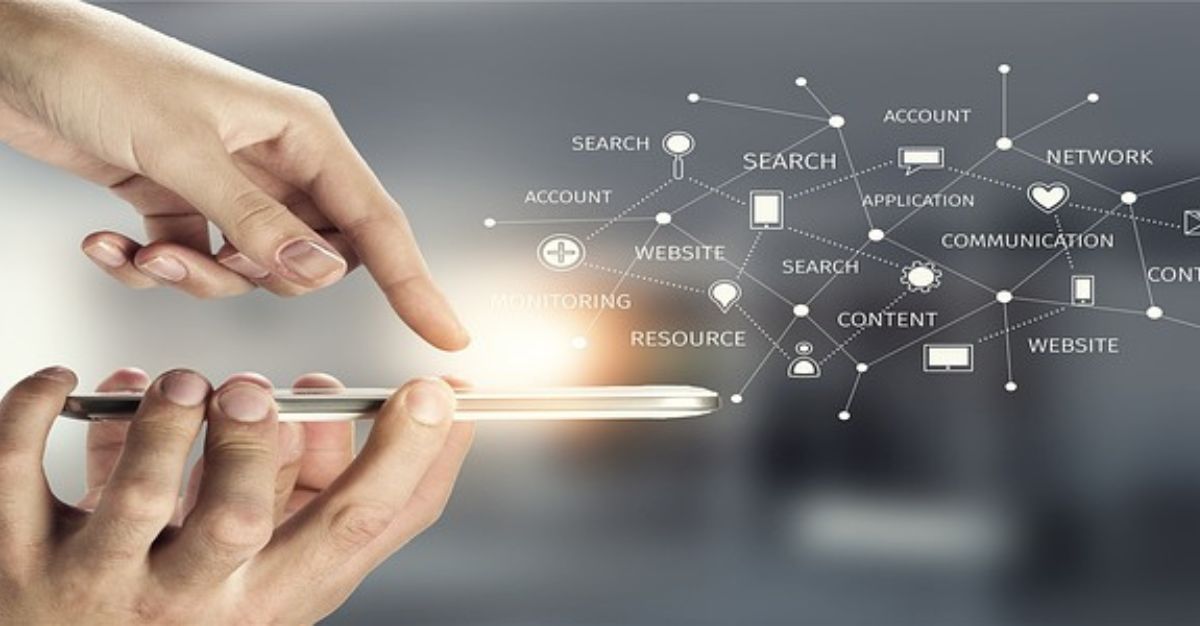

1. Artificial Intelligence and Machine Learning Integration
- AI-Powered Gadgets: Tools like AI-driven assistants and chatbots are becoming smarter, offering predictive analytics, task automation, and personalized customer experiences.
- AI Cameras and Surveillance: Enhanced security with facial recognition, behavior analytics, and real-time threat detection.
2. Internet of Things (IoT) Expansion
- Smart Office Ecosystems: IoT-enabled devices like smart lighting, climate control, and automated inventory management will drive operational efficiency.
- Wearables for Employees: Devices that monitor health, productivity, and communication.
3. 5G and Advanced Connectivity
- Faster Wireless Networks: Businesses can leverage 5G for real-time data transfer, seamless video conferencing, and IoT device communication.
- Edge Computing: Devices with local data processing capabilities will reduce latency and improve real-time decision-making.

4. Sustainable and Eco-Friendly Gadgets
- Energy-Efficient Devices: Solar-powered and energy-saving gadgets will gain traction as sustainability becomes a priority.
- Recyclable and Modular Gadgets: Businesses might adopt repairable and upgradable devices to reduce waste.
5. AR, VR, and Mixed Reality
- Training and Collaboration: VR/AR tools will be used for immersive training, virtual meetings, and collaborative design.
- Customer Experiences: Retailers can offer virtual try-ons, real estate can provide virtual tours, and manufacturers can use AR for prototyping.
6. Advanced Robotics and Automation
- Collaborative Robots (Cobots): Small-scale robots designed to work alongside humans in warehouses, manufacturing, and customer service.
- Delivery Drones and Robots: Revolutionizing logistics and last-mile delivery.
7. Quantum Computing Preparation
- While still nascent, quantum-safe encryption tools and early adoption of quantum-inspired gadgets could become crucial for cybersecurity and data analysis in the future.
8. Biometric and Zero-Trust Security Gadgets
- Biometric Authentication: Fingerprint, iris, and facial recognition for secure access to devices and facilities.
- Hardware Security Modules (HSMs): Specialized gadgets for encrypting sensitive business data.
9. Modular and Adaptable Devices
- Customizable Gadgets: Businesses will favor modular hardware for scalability, repairability, and tailored functionality.
- Subscription-Based Hardware: Pay-as-you-go models for high-tech equipment and devices.
10. Digital Twins and Smart Analytics
- Digital Twin Technology: Using IoT and AI, businesses can simulate and optimize physical processes or products in a virtual environment.
- Analytics Gadgets: Devices with built-in AI to provide real-time insights into operations, customer behavior, and market trends.
11. Advanced Battery and Energy Storage
- Solid-State Batteries: Longer-lasting, faster-charging, and safer batteries will revolutionize portable gadgets.
- Energy Harvesting Gadgets: Devices that generate power from light, motion, or heat.
12. Personalized Gadgets for Employees
- Employee-Specific Tools: Devices tailored for individual roles, improving productivity and engagement. Examples include portable task-specific tools, wearable monitors, and smart notebooks.

How to Prepare
To stay ahead, businesses should:
- Invest in Versatility: Opt for scalable and adaptable gadgets.
- Prioritize Cybersecurity: Ensure new devices adhere to robust security standards.
- Monitor Emerging Markets: Keep an eye on trends in sectors like sustainability, AI, and immersive technology.
Conclusion
The future of business technology lies in embracing these transformative gadget trends. By adopting AI, IoT, 5G, and other emerging technologies, businesses can enhance their operations, stay ahead of competitors, and meet the evolving needs of their customers. Remaining proactive in exploring and integrating these innovations will ensure long-term growth and sustainability in an ever-changing landscape.
References
- “The Impact of 5G on Business Connectivity,” Forbes.
- “How AI is Shaping the Future of Work,” Harvard Business Review.
- “Sustainability in Business Tech: A Growing Priority,” TechCrunch.
- “IoT Trends 2025,” McKinsey & Company.
- “Augmented and Virtual Reality: Transforming Industries,” Gartner.
FAQs
1. Why are gadget trends important for businesses?
Gadget trends are important for businesses because:
- Innovation and Efficiency: Keeping up with trends ensures businesses adopt the latest technologies that can improve operations, increase efficiency, and drive innovation.
- Adaptability: Trends in gadgets often reflect changing customer expectations and industry standards, helping businesses stay relevant and competitive.
- Cost-Effectiveness: Investing in the right gadgets can reduce operational costs, enhance productivity, and provide better ROI.
- Cybersecurity: Staying updated with trends ensures that businesses adopt secure, compliant, and cutting-edge technologies to protect data and reduce risks.
- Growth Opportunities: Embracing emerging technologies, such as AI or IoT, can open doors to new markets and enhance customer experiences.
2. Which industries benefit the most from IoT gadgets?
Industries that benefit the most from IoT (Internet of Things) gadgets include:
- Healthcare: Enables remote monitoring of patients, improving diagnostics, and streamlining operations.
- Manufacturing: Boosts efficiency through predictive maintenance, real-time asset tracking, and automation.
- Retail: Enhances customer experience with smart inventory management, personalized shopping, and better supply chain visibility.
- Logistics and Supply Chain: Provides real-time tracking, fleet management, and predictive analytics to optimize operations.
- Smart Cities: Integrates IoT for traffic management, waste collection, energy efficiency, and public safety.
- Agriculture: Implements IoT for precision farming, monitoring soil conditions, and optimizing crop yields.
- Energy: Facilitates energy management, smart grids, and conservation through connected devices.
3. How does 5G impact gadgets?
5G has a significant impact on gadgets by enabling faster, more reliable, and high-speed connectivity. Here’s how:
- Enhanced Performance: 5G allows gadgets, such as smartphones, wearables, and IoT devices, to operate at higher speeds with lower latency, improving overall user experience.
- Increased Data Usage: With faster speeds, 5G facilitates more data-intensive applications, including streaming high-definition content, virtual reality, and real-time gaming.
- Improved Connectivity: 5G provides more stable connections, reducing network congestion and supporting a higher number of connected devices simultaneously.
- Advancements in IoT: 5G enables the seamless integration of IoT devices with faster communication, allowing smart homes, industrial automation, and smart cities to function more effectively.
- Reduced Energy Consumption: Devices with 5G tend to consume less power compared to previous generations, extending battery life and efficiency.
4. Are sustainable gadgets more expensive?
Sustainable gadgets can be more expensive upfront, but they often offer long-term cost benefits and value. Here’s why:
- Higher Initial Cost: Sustainable materials, advanced technology, and eco-friendly certifications often increase the production cost of gadgets.
- Durability and Efficiency: Many sustainable gadgets are designed to last longer, consume less energy, and reduce waste, which can lower operating costs over time.
- Energy Savings: Eco-friendly gadgets tend to be more energy-efficient, resulting in reduced utility bills.
- Return on Investment: While the initial investment may be higher, businesses and consumers can save money through reduced maintenance, energy consumption, and a longer lifespan.
5. What are digital twins, and how do they benefit businesses?
Digital twins are virtual replicas of physical objects, systems, or processes. They are created using real-time data and advanced modeling to simulate and analyze how physical assets behave in different scenarios. Here’s how they benefit businesses:
- Improved Efficiency: By simulating real-world scenarios, businesses can optimize operations, reduce downtime, and improve productivity.
- Predictive Maintenance: Digital twins help anticipate failures and maintenance needs by providing insights into asset performance and potential issues.
- Cost Savings: Reducing physical testing and trial-and-error approaches can lead to significant cost reductions in design, production, and maintenance.
- Enhanced Innovation: Virtual models allow businesses to experiment with various configurations and scenarios, fostering innovation without risk to physical assets.
- Better Decision-Making: With real-time data and simulations, businesses can make more informed and accurate decisions to improve performance and outcomes.
.