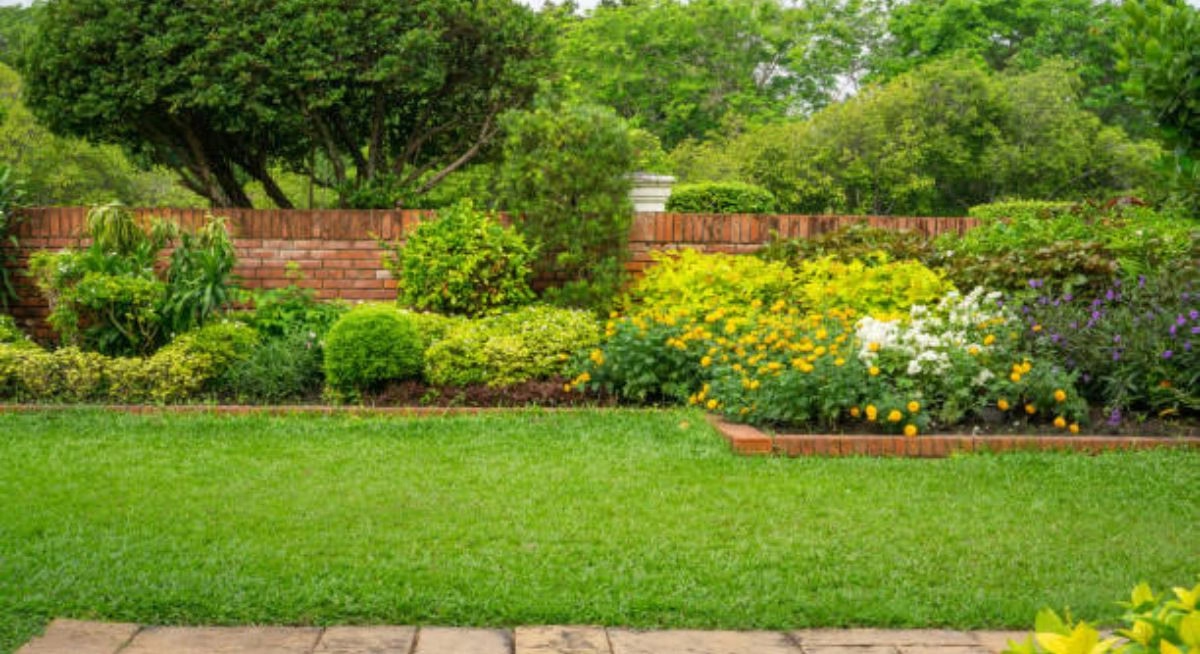
12 Clay Pot Decorating Hacks You Need to Try

Introduction

12 Clay Pot Decorating Hacks You Need to Try

Clay pots are a versatile and affordable way to add charm and character to your home. Whether you’re looking to create a rustic ambiance or a modern vibe, these decorating hacks will help you transform simple clay pots into stunning decor pieces.

12 Clay Pot Decorating Hacks You Need to Try

source:pixabay

1. Decoupage Designs

Turn your clay pots into works of art with decoupage. Use napkins, scrapbook paper, or fabric to create unique designs. Apply a layer of Mod Podge, place your design, and seal it with another coat for a polished look.

2. Chalkboard Paint

Give your pots a functional twist with chalkboard paint. This allows you to label your plants or write seasonal messages that can be updated easily.

3. Ombre Effect

Create a gradient of colors on your clay pots for a trendy ombre effect. Use three to four shades of the same color, blending them with a sponge for a smooth transition.

4. Stencil Art

Add intricate patterns to your pots with stencils. Secure the stencil to the pot and dab on paint for precise and professional-looking designs.

5. Metallic Accents

Elevate the look of your pots with metallic paints. Gold, silver, or copper accents can give your clay pots a chic, modern appearance.

6. Mosaic Masterpieces

Glue small pieces of broken tiles, glass, or mirrors onto your pots to create stunning mosaics. Seal with grout for a durable and eye-catching finish.

7. Natural Twine Wrap

Wrap your clay pots with natural twine or jute rope for a rustic look. Secure with hot glue and add embellishments like buttons or shells for extra charm.

8. Painted Patterns

Experiment with freehand painting to create patterns such as stripes, polka dots, or geometric shapes. Use acrylic paint for vibrant, long-lasting colors.

9. Drip Painting

Achieve an abstract and artistic look by letting paint drip down the sides of your pots. Use multiple colors for a vibrant effect.

10. Pressed Flowers

Capture nature’s beauty by pressing flowers or leaves onto your pots. Seal them with a clear varnish to preserve the delicate details.

11. Glow-in-the-Dark Paint

Light up your garden at night by using glow-in-the-dark paint. These pots will add a magical ambiance to your outdoor spaces.

12. Personalized Messages

Customize your pots with inspirational quotes, names, or special dates. Use a paint pen for precision and seal with a clear coat for longevity.

Tips for Decorating Clay Pots

source:pixabay
  1. Paint with Bold Colors: Use acrylic paints to give your clay pots a pop of color. Bright shades like yellow, teal, and red can make your pots stand out.
  2. Add Patterns with Stencils: Create intricate designs using stencils. This technique is perfect for beginners who want a professional-looking finish.
  3. Use Decoupage: Apply decorative paper or fabric to the surface of your pots using Mod Podge for a unique look.
  4. Incorporate Natural Elements: Wrap your pots with jute rope or burlap for a rustic aesthetic.
  5. Create Ombre Effects: Blend two or more colors to achieve a gradient effect that’s both trendy and elegant.
  6. Attach Beads or Gems: Glue decorative beads, gems, or buttons onto your pots for a textured and eye-catching design.

Trending Clay Pot Decoration Ideas

  1. Chalkboard Paint: Paint your pots with chalkboard paint to label plants or write seasonal messages.
  2. Geometric Patterns: Use tape to create clean lines and geometric designs for a modern touch.
  3. Glow-in-the-Dark Paint: Make your pots glow at night by applying glow-in-the-dark paint.
  4. Marble Effect: Swirl multiple colors of paint together to create a marbled look.
  5. Nature-Inspired Art: Paint leaves, flowers, or other natural motifs on your pots.
  6. Hanging Clay Pots: Add hooks or macramé hangers to turn your pots into stylish hanging decor.

Suggestions for Placement

  1. Indoor Spaces: Place decorated pots on shelves, tables, or windowsills to add a personal touch to your interiors.
  2. Outdoor Areas: Use weather-resistant finishes to protect your pots and place them in gardens, patios, or balconies.
  3. Themed Arrangements: Group pots with similar designs to create cohesive decor themes, such as boho, minimalist, or vintage.

Benefits of Using Clay Pots for Decoration

  1. Eco-Friendly: Clay pots are made from natural materials and are biodegradable.
  2. Affordable: They are cost-effective compared to other decorative items.
  3. Customizable: The porous surface makes them easy to paint and decorate.
  4. Versatile: Suitable for both indoor and outdoor use.

Are clay pots durable for outdoor use

Clay pots are generally durable for outdoor use, but they do have some limitations. They are made from porous terracotta, which allows them to absorb water. This characteristic helps regulate moisture for plants but can also make them susceptible to cracking in freezing temperatures if water inside them expands. To improve their durability outdoors, consider these tips:

source:pixabay
  1. Seal the Pot: Apply a waterproof sealant to the inside and outside of the pot to reduce water absorption and prevent cracking.
  2. Elevate the Pot: Use pot feet or risers to keep them off the ground and prevent water from pooling underneath.
  3. Bring Them Indoors in Winter: If you live in a region with harsh winters, move the pots indoors or into a sheltered area during freezing conditions.
  4. Handle with Care: Clay pots are prone to chipping or breaking if dropped, so handle them carefully.

For outdoor use, properly maintained clay pots can last for many seasons while providing a classic and natural look to your garden.

Conclusion

Decorating clay pots is an enjoyable and creative way to enhance your home’s aesthetic. With these 12 hacks, you can customize your pots to reflect your personal style while adding charm to your space. From painting and stenciling to using natural elements, the possibilities are endless.

References

  1. “Creative Clay Pot Decoration Ideas,” Home & Garden Magazine, 2023.
  2. “DIY Pot Painting Techniques,” Crafty Creations Blog, 2022.
  3. “The Benefits of Clay Pots,” Eco Decor Journal, 2023.
FAQs

1. Can I use any type of paint on clay pots?

It’s best to use acrylic or chalk paints, as they adhere well to the porous surface of clay pots. For outdoor use, seal the paint with a weather-resistant finish.

2. How do I prepare clay pots for decoration?

Clean the pots thoroughly to remove dust and dirt. If the surface is rough, sand it lightly to ensure smooth application of paint or other materials.

3. Are clay pots durable for outdoor use?

Yes, but it’s recommended to seal them with a protective coating to prevent cracking and fading from weather exposure.

4. Can I combine multiple decorating techniques on one pot?

Absolutely! For instance, you can paint a base color, add stenciled patterns, and finish with attached beads for a unique design.

5. How do I clean decorated clay pots?

Wipe them gently with a damp cloth. Avoid using harsh chemicals that could damage the decorations.
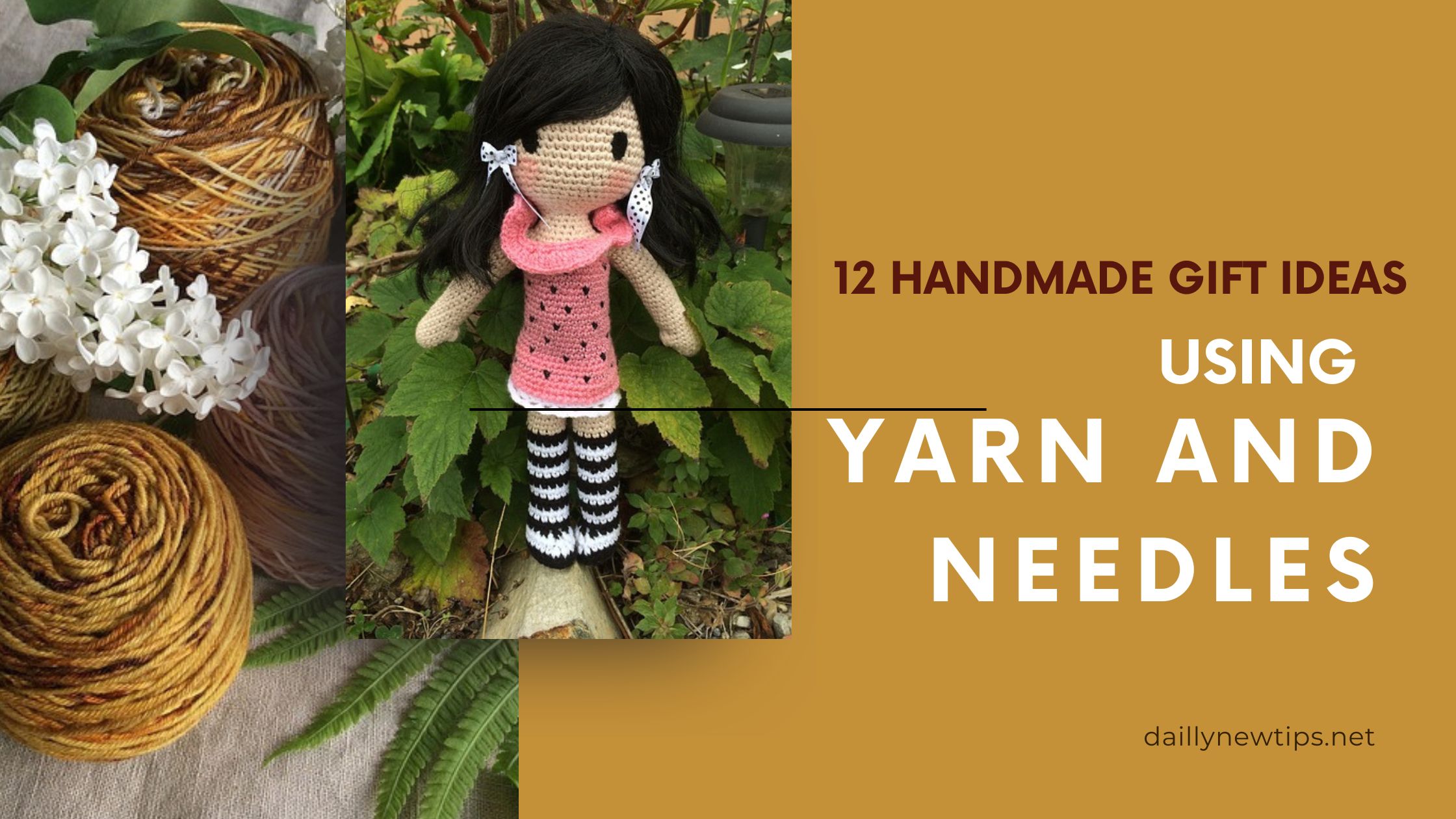

9 Modern Clay Pot Décor Ideas for Stylish Homes

Introduction

9 Modern Clay Pot Décor Ideas for Stylish Homes

Clay pot décor is an enduring trend that combines the rustic charm of natural materials with contemporary design aesthetics. Whether you’re a seasoned interior designer or a DIY enthusiast, these modern clay pot décor ideas will help you transform your home into a stylish haven. In this article, we’ll explore the latest trends, offer tips, highlight benefits, provide suggestions, and answer frequently asked questions about modern clay pot décor.

9 Modern Clay Pot Décor Ideas for Stylish Homes

source;pixabay

Trends in Modern Clay Pot Décor

  1. Minimalist Designs: Simple, clean lines with monochromatic color schemes.
  2. Geometric Patterns: Bold, eye-catching patterns that add a touch of modernity.
  3. Mix of Textures: Combining smooth and rough surfaces for a dynamic look.
  4. Eco-Friendly Materials: Sustainable clay pots made from natural and recycled materials.
  5. Hand-Painted Art: Unique, hand-painted designs that showcase individuality.
  6. Hanging Planters: Stylish hanging clay pots that save space and add vertical interest.
  7. Multi-functional Pots: Pots that double as storage containers or decorative bowls.
  8. Indoor Gardens: Creating small, indoor gardens with a variety of clay pots.
  9. Colorful Glazes: Vibrant, glazed pots that add a pop of color to any room.

Tips for Incorporating Clay Pots into Your Décor

  • Mix and Match: Combine different sizes, shapes, and colors to create visual interest.
  • Use in Every Room: Clay pots can enhance the décor of any room, from the living room to the bathroom.
  • Layer Heights: Place pots at different heights to create depth and dimension.
  • Add Greenery: Use clay pots to house a variety of plants, adding a touch of nature indoors.
  • Personalize: Customize pots with your favorite patterns, colors, or even quotes.

Benefits of Modern Clay Pot Décor

Absolutely! Modern clay pot décor offers several benefits, making it an excellent choice for enhancing your home’s aesthetic. Here are some of the key advantages:

source;pixabay

Durability

Clay pots are known for their longevity. They are sturdy and can withstand various environmental conditions, making them ideal for both indoor and outdoor use.

Eco-Friendly

Clay pots are made from natural materials, often sourced sustainably. Many are also biodegradable and environmentally friendly, which is a significant advantage for those looking to reduce their carbon footprint.

Versatility

Clay pots come in a wide range of shapes, sizes, and designs. Whether you prefer a minimalist look or something more ornate, there’s a clay pot to match your style. They can be used in any room of the house, adding a touch of nature wherever you place them.

Customizable

One of the greatest benefits of clay pots is their customizability. You can paint, engrave, or embellish them to suit your personal taste. This makes clay pots perfect for DIY projects and personalized home décor.

Breathability for Plants

Clay pots are porous, allowing air and moisture to circulate through the walls of the pot. This breathability is beneficial for plant health, preventing root rot and promoting healthy growth.

Affordable

Compared to other decorative items, clay pots are relatively inexpensive. They offer an affordable way to enhance your home décor without breaking the bank.

Natural Aesthetics

Clay pots have a rustic, natural look that adds warmth and charm to any space. They blend well with various interior design styles, from traditional to contemporary.

Functional and Decorative

Clay pots are not just for planting. They can be used as decorative items on their own or repurposed for various functions, such as storage containers, candle holders, or even artistic centerpieces.

Heat Regulation

Clay pots can help regulate temperature, keeping the soil cooler in summer and warmer in winter. This helps create a more stable environment for plants.

Low Maintenance

Clay pots are relatively low maintenance. They require occasional cleaning and care but do not demand extensive upkeep.

With these benefits, it’s clear why modern clay pot décor continues to be a popular choice for stylish homes. Whether you’re looking to enhance your interior design or create a thriving indoor garden, clay pots offer a versatile and eco-friendly solution.

Is there anything specific you would like to know more about?

Suggestions for Clay Pot Décor Projects

  • DIY Herb Garden: Create a kitchen herb garden using small clay pots.
  • Indoor Succulent Planter: Arrange succulents in a large, shallow clay pot for a modern look.
  • Seasonal Displays: Decorate clay pots with seasonal themes for festive décor.
  • Artful Arrangement: Use clay pots as part of an artful arrangement on shelves or mantels.
  • Functional Décor: Repurpose clay pots as candle holders or pencil organizers.

How can I personalize my clay pots?

Personalizing your clay pots is a fun and creative way to make them uniquely yours! Here are some ideas to get you started:

source;pixabay

Painting

  • Acrylic Paint: Use acrylic paint to create intricate designs or simple patterns. You can go for solid colors, stripes, polka dots, or even florals.
  • Chalk Paint: Gives a rustic and vintage look. It’s also easy to distress for that shabby-chic effect.
  • Stencil Designs: Use stencils to add geometric patterns, letters, or themed motifs to your pots.

Adding Textures

  • Decoupage: Apply decorative paper or fabric to your pots using Mod Podge for a unique texture and pattern.
  • Embossing: Use clay or resin to create raised designs on the surface of your pots.
  • Natural Elements: Glue on natural elements like pebbles, shells, or small pieces of driftwood for an earthy feel.

Custom Details

  • Engraving: Carve designs, initials, or meaningful quotes into the clay before it’s fired.
  • Personalized Labels: Create customized labels or tags that you can attach to your pots.
  • Fabric Wraps: Wrap the pots with fabric strips or ribbons for a soft, decorative touch.

Mixed Media

  • Beads and Buttons: Attach beads, buttons, or small trinkets to add a whimsical touch.
  • Rope and Twine: Wrap rope or twine around the pots for a rustic look.
  • Tiles and Mosaics: Create mosaic patterns using broken tiles or glass pieces.

Seasonal Themes

  • Holiday Decor: Paint or decorate your pots to match different holidays and seasons.
  • Themed Designs: Incorporate themes like nautical, bohemian, or farmhouse styles depending on your preference.

Other Creative Ideas

  • Glow in the Dark: Use glow-in-the-dark paint to make your pots shine at night.
  • Chalkboard Paint: Paint a section with chalkboard paint so you can write messages or plant names.

Remember, the sky’s the limit when it comes to personalizing your clay pots. Let your creativity flow and enjoy the process!

Got any specific design ideas in mind that you’d like to try?

Conclusion

Modern clay pot décor is a versatile and stylish way to enhance your home. By incorporating the latest trends, following practical tips, and exploring creative projects, you can make the most of clay pots in your interior design. Their durability, eco-friendliness, and affordability make them a perfect addition to any home.

References

  • House Beautiful: Clay Pot Décor Ideas
  • HGTV: Modern Clay Pot Trends
  • Architectural Digest: Incorporating Clay Pots in Home Design
FAQs

1. How do I care for clay pots? To care for clay pots, ensure they are kept dry when not in use, clean them regularly with a mild soap solution, and avoid exposing them to extreme temperatures.

2. Can clay pots be used for both indoor and outdoor plants? Yes, clay pots are versatile and can be used for both indoor and outdoor plants. Just make sure they have proper drainage.

3. Are clay pots eco-friendly? Yes, clay pots are made from natural materials and are often eco-friendly. Some are even made from recycled materials.

4. How can I personalize my clay pots? You can personalize clay pots by painting them, adding decals, or using stencils to create unique designs.

I hope you find these ideas and tips helpful for transforming your home with modern clay pot décor! Let me know if you need more information or have any other questions.

8 Creative Ways to Use Cushions, Rugs, and Wall Art in Small Spaces

Introduction:-

8 Creative Ways to Use Cushions, Rugs, and Wall Art in Small Spaces

When decorating small spaces, every design choice counts. Cushions, rugs, and wall art can transform a cramped area into a cozy and visually appealing retreat. Here are eight creative ways to use these elements effectively, along with tips, tricks, benefits, suggestions, and a conclusion to inspire your design journey.

8 Creative Ways to Use Cushions, Rugs, and Wall Art in Small Spaces

source:pixabay

1. Layer Textures with Cushions

Use cushions of varying textures to add depth to your space. Combine velvet, linen, and knitted covers to create a visually rich environment. Opt for a mix of patterns and solid colors to keep the design cohesive without overwhelming the room.

Tip: Stick to a palette of 2-3 colors to maintain harmony in a small area.

2. Define Zones with Rugs

Rugs can help delineate areas within a single room. In studio apartments or open-plan layouts, use rugs to separate living, dining, and sleeping zones.

Trick: Choose rugs with bold patterns to create a focal point, or opt for neutral tones to make the space feel larger.

3. Use Wall Art to Create Height

Hang wall art higher up on the walls to draw the eye upward and create an illusion of height. This technique makes your room feel more spacious.

Benefit: Vertical arrangements make ceilings appear taller, enhancing the overall proportions of the room.

4. Opt for Multifunctional Cushions

Select cushions that serve multiple purposes, such as those with removable covers or storage pockets. These are especially useful in small spaces where functionality is key.

Suggestion: Look for foldable floor cushions to accommodate extra seating when needed.

5. Layer Rugs for Depth

Layering rugs can add dimension and personality to a small room. Pair a large neutral rug with a smaller patterned one to create a stylish look.

Trick: Use a non-slip mat underneath to keep the layers in place and ensure safety.

6. Curate a Gallery Wall

Incorporate a gallery wall to showcase art, photos, or prints. This feature can become the centerpiece of your room, adding character and charm.

Tip: Use frames of different sizes and styles but stick to a unifying theme, like color or subject matter.

7. Use Oversized Art for Impact

Contrary to popular belief, oversized art can work wonders in small spaces. A single large piece can make a bold statement without cluttering the walls.

Benefit: It eliminates the need for multiple smaller items, which can make a room feel busy.

8. Play with Patterns and Colors

Experiment with patterns and colors in your cushions, rugs, and wall art. Geometric designs or abstract prints can add a modern touch, while floral or traditional motifs evoke warmth.

Suggestion: Balance bold patterns with neutral furniture to avoid visual chaos.

Benefits of Using Cushions, Rugs, and Wall Art in Small Spaces

Here’s a comprehensive overview of the benefits of using cushions, rugs, and wall art to enhance small spaces:

source:pixabay

1. Cushions

Benefits:

  • Comfort and Coziness: Cushions instantly make a space feel more inviting and comfortable. They can transform a basic chair or sofa into a cozy retreat.
  • Versatility in Design: With various colors, patterns, and textures, cushions allow you to update your decor easily without major changes.
  • Visual Interest: Adding cushions in contrasting or complementary colors can create a focal point, making the room feel vibrant and dynamic.
  • Space Maximization: In small spaces, floor cushions can double as additional seating without occupying much space.

2. Rugs

Benefits:

  • Defines Zones: In open layouts, rugs help delineate different areas, such as a living area or workspace, making the room feel more organized.
  • Adds Warmth: Rugs add a layer of insulation and comfort, especially on cold floors, enhancing the cozy feel of the room.
  • Enhances Style: Rugs come in various styles, patterns, and materials that can complement your overall decor theme.
  • Illusion of Space: A well-chosen rug can make a room appear larger. For example, a large rug with a light or neutral tone can open up the space.

3. Wall Art

Benefits:

  • Vertical Space Utilization: Wall art makes use of vertical space, an essential strategy in small rooms, drawing the eye upward and creating the illusion of a taller space.
  • Personalization: It allows you to showcase your personality, interests, and style without occupying floor space.
  • Creates Focal Points: A striking piece of art can serve as the centerpiece of the room, making the decor feel cohesive.
  • Color Coordination: Wall art can tie together the room’s color scheme, enhancing harmony in the decor.

Overall Advantages in Small Spaces

  • Boosts Aesthetics: These elements collectively enhance the visual appeal of a small space.
  • Cost-Effective: Compared to larger furniture pieces, cushions, rugs, and wall art are relatively affordable ways to refresh a room.
  • Flexibility: Easy to replace or rearrange, these items let you experiment with different styles and layouts without significant effort or expense.
  • Maximizes Space Usage: By focusing on vertical and multifunctional decor, these items ensure small spaces feel stylish yet uncluttered.

Suggestions for Small Space Styling

Here are some practical suggestions for styling small spaces effectively:

source:pixabay

1. Use Light Colors and Mirrors

  • Why? Light colors reflect natural and artificial light, making a room feel larger and airier.
  • How? Opt for neutral tones like white, beige, or pastels for walls and furniture. Add a large mirror to create the illusion of depth and amplify light.

2. Opt for Multi-Functional Furniture

  • Why? Furniture that serves multiple purposes maximizes space efficiency.
  • How? Look for items like a sofa bed, ottoman with storage, or foldable dining tables.

3. Incorporate Vertical Storage

  • Why? Vertical storage utilizes unused wall space and keeps the floor area clear.
  • How? Install floating shelves, wall-mounted hooks, or tall bookcases to store and display items.

4. Embrace Minimalism

  • Why? Less clutter creates a sense of openness.
  • How? Keep only essential items visible and store the rest. Use baskets, boxes, or cabinets for hidden storage.

5. Play with Textures and Patterns

  • Why? Textures and patterns add depth and interest to small spaces.
  • How? Use patterned rugs, textured cushions, or wallpaper on a single accent wall. Stick to a cohesive color palette to avoid overwhelming the space.

6. Add Plants and Greenery

  • Why? Plants bring life and freshness, making the space feel more inviting.
  • How? Choose small indoor plants like succulents, hanging plants, or a single statement plant in a corner.

7. Focus on Lighting

  • Why? Proper lighting enhances the ambiance and functionality of a room.
  • How? Use a mix of lighting sources, such as pendant lights, table lamps, and wall sconces, to create layers of light.

8. Use Rugs to Define Spaces

  • Why? Rugs help create distinct zones in open-plan layouts.
  • How? Place a rug under a seating area or dining table to anchor the space visually.

9. Maximize Natural Light

  • Why? Natural light makes small spaces feel larger and more open.
  • How? Use sheer curtains or blinds and avoid blocking windows with bulky furniture.

10. Personalize with Wall Art

  • Why? Wall art adds character without taking up floor space.
  • How? Choose pieces that reflect your personality and arrange them in a gallery wall or as a single statement piece.

11. Choose Scaled-Down Furniture

  • Why? Oversized furniture can overwhelm small spaces.
  • How? Select compact furniture with sleek designs, like armless chairs or slim-legged tables.

12. Keep the Layout Flexible

  • Why? Small spaces often need to serve multiple purposes.
  • How? Use lightweight, movable furniture to easily reconfigure the layout for different activities.

Conclusion

Decorating small spaces doesn’t have to be limiting. By thoughtfully incorporating cushions, rugs, and wall art, you can create a stylish, functional, and inviting environment. Whether you prefer bold patterns or subtle tones, these versatile elements can transform your home into a sanctuary.

References

  • Smith, A. (2023). Interior Design Basics for Small Spaces. HomeStyle Press.
  • Johnson, R. (2022). The Art of Layering in Interior Design. Modern Living.
  • Thompson, L. (2021). Color Psychology in Home Decor. Design Trends Journal.
FAQs

1. What type of cushions work best for small spaces? Opt for cushions with removable covers for easy cleaning and storage. Choose a mix of solid colors and subtle patterns to avoid overwhelming the space.

2. Can I use dark-colored rugs in small rooms? Yes, but balance them with light-colored walls and furniture to prevent the space from feeling cramped.

3. How can I hang wall art without damaging walls? Use adhesive hooks or removable strips designed for wall art to avoid permanent damage.

4. Are oversized cushions suitable for small spaces? Oversized cushions can work if used sparingly, as they add a cozy and relaxed vibe without overcrowding.

5. How do I choose the right rug size for a small room? Ensure the rug is large enough to fit under the front legs of your furniture to anchor the space effectively.

8 Texture Trends That Will Elevate Your Home Style

Introduction:

8 Texture Trends That Will Elevate Your Home Style

In the world of interior design, texture plays a crucial role in creating a visually stunning and comfortable living space. From cozy fabrics to natural materials, incorporating the right textures can transform your home into a stylish sanctuary. Here are eight texture trends that will elevate your home style and leave a lasting impression..

8 Texture Trends That Will Elevate Your Home Style

source:pixabay

1. Velvet Elegance

Velvet is making a grand comeback in interior design. Its luxurious, soft feel and rich colors add a touch of sophistication to any room. Consider velvet upholstery for your sofas and chairs or velvet cushions and throws for a subtle yet opulent touch..

2. Natural Fibers

Natural fibers like jute, sisal, and hemp are gaining popularity for their eco-friendly appeal and rustic charm. These materials are perfect for rugs, baskets, and even wall hangings. Their earthy textures bring a sense of warmth and tranquility to your home.

3. Layered Textiles

Layering different textiles creates depth and visual interest in your space. Mix and match various fabrics such as wool, linen, and cotton in your bedding, curtains, and cushions. This trend not only enhances comfort but also adds a dynamic element to your decor.

4. Faux Fur

Faux fur is a fantastic way to introduce a touch of luxury without harming animals. From faux fur throws to rugs, this texture adds a cozy and glamorous feel to your home. It’s perfect for creating a warm and inviting atmosphere, especially during colder months.

5. Woven Accents

Woven textures, like macramé and wicker, are trending for their bohemian and artisanal vibe. These handcrafted elements bring a unique, personal touch to your decor. Think about incorporating woven wall hangings, baskets, and furniture to add texture and charm.

6. Metallic Finishes

Incorporating metallic textures, such as brushed gold, copper, and silver, can add a modern and sophisticated edge to your home. Use metallic accents in lighting fixtures, furniture legs, and decorative accessories to create a chic and polished look.

7. Textured Wallpapers

Textured wallpapers are an excellent way to make a bold statement in any room. Choose designs with embossed patterns, grasscloth, or fabric finishes to add depth and interest to your walls. This trend can dramatically change the ambiance of your space.

8. Exposed Brick

Exposed brick walls bring an industrial and timeless aesthetic to your home. The rough texture and natural color of bricks add character and charm to any room. Whether you have an original brick wall or use brick veneer, this trend creates a cozy and inviting environment.

Benefits of Using Textures in Home Decor

Incorporating textures into your home decor can make a world of difference. Here are some benefits:

source:pixabay
  1. Adds Depth and Dimension: Textures create visual interest and make a space feel more dynamic. Different materials and surfaces can add layers to your decor.
  2. Enhances Comfort: Soft textures like plush rugs, knitted throws, and velvet cushions can make your home feel more cozy and inviting.
  3. Defines Style: Textures can help define the style of your space. For instance, rustic decor often incorporates rough, natural textures like wood and stone, while modern decor might use sleek, smooth textures like glass and metal.
  4. Balances the Room: A mix of textures can balance out a room. For example, if you have a lot of hard, shiny surfaces, adding some softer textures can create a more harmonious environment.
  5. Engages the Senses: Texture isn’t just about how things look, but also how they feel. Incorporating different textures can create a more engaging and sensory-rich environment.
  6. Creates Focus Areas: Use textures to highlight certain areas or features in your room. A textured wall or a patterned fabric can draw attention and become a focal point.

Do you have a particular style or room in mind for your decor? I’d love to dive deeper!

Suggestions for Incorporating Textures

Here are some suggestions to seamlessly incorporate textures into your home decor:

  1. Layer Textiles: Add different textiles like throw pillows, blankets, and rugs. Mix materials like linen, wool, velvet, and cotton to create a cozy and inviting atmosphere.
  2. Wall Treatments: Use textured wallpaper, wood paneling, or even a feature wall with exposed brick or stone. These elements can add a focal point and depth to the room.
  3. Furniture: Mix and match furniture materials, like combining a plush upholstered sofa with a wooden coffee table or metal accents. This can create a balanced and stylish look.
  4. Natural Elements: Incorporate natural materials like wood, stone, and plants. These elements bring warmth and a touch of nature into your space.
  5. Accessories: Use textured accessories like woven baskets, ceramic vases, and metal sculptures. These small details can make a big impact.
  6. Window Treatments: Choose curtains or blinds with interesting textures, such as linen, silk, or bamboo. This can add a sophisticated touch to your decor.
  7. Lighting: Opt for lighting fixtures with interesting textures, like woven lampshades or metal chandeliers. The interplay of light and shadow on these surfaces can create a beautiful effect.
  8. Art and Decor: Select artwork and decor pieces with varying textures, such as textured paintings, fabric wall hangings, or 3D sculptures.
  9. Mix Patterns: Don’t be afraid to mix patterns, but do so thoughtfully. Combine patterns with different scales and textures to avoid overwhelming the space.
  10. Flooring: Choose flooring with a distinct texture, like hardwood, tiles, or a textured area rug. This sets the foundation for the rest of the room’s decor.

By thoughtfully incorporating these elements, you can create a space that feels cohesive, inviting, and visually interesting. If you have a specific room or style in mind, let me know!

Can metallic finishes be mixed with other textures?

Absolutely! Mixing metallic finishes with other textures can create a balanced and stylish look. Here are a few ways to incorporate metallics with various textures:

source:pixabay

1. Velvet and Metal

Combine plush velvet furniture with metallic accents like gold or silver side tables, lamps, or decorative objects. The contrast between the soft velvet and shiny metal creates a luxurious and sophisticated ambiance.

2. Wood and Metal

Pair natural wood furniture or floors with metallic finishes. For example, a wooden dining table with metal legs or a wooden shelf with metal brackets. This combination adds an industrial chic vibe to your space.

3. Faux Fur and Metal

Introduce faux fur throws or cushions alongside metallic accessories like candle holders, photo frames, or trays. The combination of the fluffy texture with the sleek metal adds a cozy yet glamorous touch.

4. Woven Accents and Metal

Incorporate woven textures like wicker or rattan with metallic elements. For instance, a wicker chair with a metal frame or woven baskets with metal handles. This blend brings a bohemian and artisanal feel to your decor.

5. Layered Textiles and Metal

Mix different textiles like wool, linen, and cotton with metallic accents. You can have metal curtain rods, metallic fabric trims, or cushions with metallic thread details. This layering adds depth and visual interest to your space.

6. Natural Fibers and Metal

Combine natural fibers like jute or sisal with metallic decor items. For example, a jute rug with a metal coffee table or sisal baskets with metallic planters. This combination brings an earthy and contemporary touch to your home.

When mixing textures, aim for balance and harmony. Use metallic finishes as accents to enhance and complement the primary textures in your space. This way, you’ll create a cohesive and visually appealing interior.

Conclusion

Incorporating these texture trends into your home decor can transform your living space into a stylish and inviting haven. Whether you prefer luxurious velvet or natural fibers, there’s a texture trend to suit every taste and style. Experiment with different textures to create a harmonious and visually appealing home that reflects your personality.

References

  1. Interior Design Trends 2025
  2. Home Decor Ideas
  3. Eco-Friendly Textiles
FAQs

Q1: What is the best way to clean velvet upholstery? A: To clean velvet upholstery, use a soft brush to remove dust and a damp cloth for spot cleaning. Avoid harsh chemicals and consult a professional cleaner for tough stains.

Q2: How can I incorporate textures in a small space? A: In small spaces, use textures in accessories like cushions, rugs, and wall art. Opt for lighter textures to avoid overwhelming the room.

Q3: Are natural fibers suitable for allergy sufferers? A: Natural fibers can be hypoallergenic, but it’s essential to ensure they are clean and free from dust mites. Consider using organic and untreated fibers for a healthier option.

Q4: Can metallic finishes be mixed with other textures? A: Yes, metallic finishes can complement various textures. Pair metallic accents with soft fabrics or natural materials for a balanced look.

Top 5 Woven Wall Hanging Trends of the Year

Introduction

Top 5 Woven Wall Hanging Trends of the Year

Woven wall hangings are making a significant comeback in interior design, blending artistry with texture to create stunning focal points in any space. Let’s explore the top five trends in woven wall hangings that are taking over this year!

Top 5 Woven Wall Hanging Trends of the Year

source:pixabay

1. Macramé Magic

Macramé has resurfaced as a beloved craft, making waves with intricate knotting techniques that yield visually captivating patterns. With its bohemian charm, macramé wall hangings add a touch of handcrafted elegance to any room..

Tips:

  • Choose neutral colors for a classic look.
  • Experiment with different knotting techniques to create unique patterns.

Suggestions:

  • Use macramé hangings as a headboard alternative.
  • Combine macramé with wooden dowels for an earthy feel.

Benefits:

  • Adds texture and warmth to the space.
  • Versatile and customizable to fit various design styles.

2. Color Blocking

Bold and vibrant, color-blocked woven hangings are perfect for making a statement. By using contrasting hues and geometric patterns, these hangings can transform a plain wall into a piece of art.

Tips:

  • Select colors that complement the existing decor.
  • Keep the design balanced by not overwhelming the space with too many colors.

Suggestions:

  • Hang color-blocked pieces in living rooms or entryways.
  • Pair with neutral furniture to let the colors pop.

Benefits:

  • Brings energy and vibrancy to any room.
  • Great for modern and contemporary interiors.

3. Natural Fibers

The trend of using natural fibers like jute, wool, and cotton emphasizes sustainability and organic beauty. These materials offer a rustic and cozy appeal, perfect for creating a homely atmosphere.

Tips:

  • Opt for handmade pieces to ensure the use of authentic materials.
  • Maintain the natural look by avoiding synthetic dyes.

Suggestions:

  • Place in dining rooms or bedrooms for a calming effect.
  • Complement with other natural elements like plants and wooden furniture.

Benefits:

  • Eco-friendly and sustainable choice.
  • Adds a tactile and organic feel to the decor.

4. 3D Textures

Textured wall hangings featuring elements like tufting, fringe, and layered weaves are gaining popularity. These pieces add depth and dimension to walls, making them stand out as true works of art.

Tips:

  • Select pieces with varying textures for a dynamic look.
  • Use in areas with minimal decor to highlight the texture.

Suggestions:

  • Perfect for living rooms and creative spaces.
  • Combine with simple furnishings to balance the design.

Benefits:

  • Adds visual interest and sophistication.
  • Creates a focal point in any room.

5. Abstract Designs

Abstract woven wall hangings are ideal for those who appreciate modern art. With their unconventional shapes and artistic flair, these pieces can evoke emotions and spark conversations.

Tips:

  • Pair with minimalist decor to let the artwork shine.
  • Look for unique designs that resonate with your personal style.

Suggestions:

  • Display in galleries or art-inspired spaces.
  • Use as a statement piece in modern homes.

Benefits:

  • Adds a touch of contemporary art to interiors.
  • Encourages creativity and individuality in home decor.

Are woven wall hangings difficult to maintain?

Generally, woven wall hangings are not difficult to maintain. Here are some tips to keep them looking their best:

source:pixabay
  1. Regular Dusting: Use a soft brush or vacuum cleaner with a gentle attachment to remove dust. This helps to keep the fibers clean and prevent any buildup.
  2. Avoid Direct Sunlight: Prolonged exposure to sunlight can cause the colors to fade. Place your hangings away from direct sunlight or use UV-protective film on windows.
  3. Spot Cleaning: For small stains, gently spot clean with a mild detergent and water. Avoid soaking the fibers, as this could cause damage.
  4. Air Circulation: Ensure good air circulation in the room to prevent any musty odors. This is particularly important if the hanging is made from natural fibers.
  5. Professional Cleaning: For more intricate or delicate pieces, consider professional cleaning services to maintain their integrity and beauty.

Overall, with some simple care routines, your woven wall hangings can stay beautiful and vibrant for years to come! If you have any specific concerns, feel free to ask. 😊

Where can I buy woven wall hangings?

You can find woven wall hangings at various online and physical stores. Here are a few options:

source:pixabay
  1. Online Marketplaces: Websites like Amazon and Flipkart offer a wide range of woven wall hangings2. You can find handmade macramé tapestries, boho woven textiles, and more.
  2. Specialty Stores: Stores like Wooden Street specialize in home decor and offer a variety of woven wall hangings. They often have unique and artisanal pieces3.
  3. Local Craft Fairs: Visiting local craft fairs and markets can be a great way to find unique, handmade woven wall hangings from local artisans.
  4. Home Decor Stores: Many home decor stores, both online and offline, carry woven wall hangings. Check out stores like West Elm, Urban Outfitters, and Anthropologie for stylish options.
  5. Etsy: This online marketplace is perfect for finding handmade and vintage items, including woven wall hangings from independent artists around the world.

Would you like more information on any of these options?

Conclusion

Woven wall hangings are not just decorative elements; they are expressions of artistry that bring personality and warmth to any space. Whether you prefer the intricate knots of macramé or the bold statements of color blocking, there’s a trend to suit every taste. Embrace these trends to enhance your living space with textures and designs that speak to your style.

References

  • Interior Design Magazine: “The Return of Woven Wall Hangings”
  • Home Decor Trends 2025: “Top Wall Decor Trends to Watch”
  • Sustainable Living: “Natural Fibers in Home Decor”
FAQs

Q: Can I make my own woven wall hanging? A: Absolutely! There are many tutorials available online for various techniques, from simple weaving to more complex macramé.

Q: What size should I choose for my wall hanging? A: The size depends on the wall space you have. Large hangings can make a statement on wide walls, while smaller pieces work well in cozy corners or as part of a gallery wall.

I hope you find this article helpful and engaging! 😊 If you need any more assistance or have other topics in mind, feel free to let me know!

read more

10 Textured Accents to Refresh Your Wall Décor

Introduction

10 Textured Accents to Refresh Your Wall Décor

Transforming the look and feel of your home can be as simple as adding textured accents to your wall décor. Textures bring depth, warmth, and visual interest, making your space more inviting and dynamic. Here are ten textured accents that can give your walls a refreshing makeover:

Suggestions for 10 Textured Accents

source:pixabay
  1. Textured Wallpaper: An easy way to add texture without much effort. Look for designs that mimic natural materials like wood or stone.
  2. Woven Wall Hangings: Add a touch of warmth and softness with woven textiles. These can be handmade and come in various styles and colors.
  3. 3D Wall Panels: Create a dramatic effect with three-dimensional panels that add depth and interest.
  4. Exposed Brick: For an industrial and rustic look, consider exposing brick walls or using brick veneer.
  5. Wood Planks: Add a natural and cozy feel with wooden planks or shiplap. They can be painted or stained to match your décor.
  6. Stone Veneer: Give your walls a natural, earthy texture with stone veneer. It adds elegance and sophistication.
  7. Fabric Panels: Upholstered fabric panels can add softness and warmth, making the room feel more inviting.
  8. Metal Accents: Incorporate metal elements like tin tiles or metal grids for a modern and sleek look.
  9. Paint Techniques: Use techniques like sponging, rag rolling, or stucco to add texture to painted walls.
  10. Natural Elements: Consider using natural elements like bamboo, cork, or rattan for a sustainable and organic touch.

Tips for Incorporating Textured Accents

  1. Choose the Right Material: Use materials like wood, stone, fabric, or metal to add texture. Each material brings its own unique feel and can complement different styles of décor.
  2. Balance with Smooth Surfaces: To avoid overwhelming the space, balance textured accents with smooth, plain surfaces. This creates a harmonious and cohesive look.
  3. Play with Colors: Combine textures with different colors to enhance the visual appeal. Neutral tones can create a sophisticated look, while bold colors can make a statement.
  4. Layering: Layer different textures for a rich, multidimensional effect. For example, you can combine a woven wall hanging with a textured paint finish.
  5. Scale and Proportion: Consider the size and scale of textured accents in relation to the room. Large textured pieces can become focal points, while smaller ones can add subtle interest.

Benefits of Textured Wall Décor

  • Adds Dimension: Textured accents break the monotony of flat walls, creating visual interest and depth.
  • Enhances Ambiance: Textures can make a room feel cozier, more luxurious, or more rustic, depending on the material and design.
  • Personalizes Space: Customizing wall textures allows you to express your personality and style, making your space truly unique.
  • Improves Acoustics: Some textured materials, like fabric and wood, can help absorb sound, reducing echoes and improving the acoustics of the room.
  • Conceals Imperfections: Textured accents can hide wall imperfections, such as cracks or uneven surfaces, giving your walls a flawless appearance.

Are textured accents difficult to maintain?

source:pixabay

The level of maintenance required for textured accents can vary depending on the material and design. Here are a few general guidelines to consider:

  1. Woven Textiles: Items like woven wall hangings or fabric panels may need occasional dusting or gentle cleaning to keep them looking fresh.
  2. Wood: Wooden accents might require periodic dusting or polishing to maintain their finish and prevent drying out.
  3. Stone Veneer: Stone surfaces can be easy to maintain with regular dusting and, if necessary, a damp cloth to clean.
  4. Metal: Metal accents, like tin tiles, might need cleaning to prevent tarnish or rust. Regular dusting and occasional polishing can help.
  5. Textured Wallpaper: Typically, textured wallpaper is quite durable and can be lightly dusted or wiped with a damp cloth for cleaning.
  6. Paint Techniques: Textured paint finishes usually don’t require special maintenance beyond regular wall cleaning methods.

The key is to choose materials that fit your lifestyle and willingness to perform upkeep. Most textured accents are designed to be relatively low-maintenance, adding beauty without demanding too much of your time.

If you have a specific textured accent in mind, I can provide more detailed maintenance tips for it!

What are some easy ways to add texture to my walls?

Adding texture to your walls can be both easy and fun. Here are some simple methods to bring depth and visual interest to your space:

source:pixabay
  1. Textured Wallpaper: Choose a wallpaper with a raised design that mimics natural materials like wood, stone, or fabric. It’s a quick way to add texture without a lot of effort.
  2. Woven Wall Hangings: Hang woven textiles or tapestries on your walls. They add warmth and a touch of handmade charm.
  3. 3D Wall Panels: Install three-dimensional wall panels made of materials like wood, MDF, or PVC. These panels come in various designs and can create a striking effect.
  4. Paint Techniques: Use painting techniques such as sponging, rag rolling, or stucco to create a textured finish on your walls. These methods add depth and interest with just a few tools and some paint.
  5. Exposed Brick: If you have brick walls, consider leaving them exposed for a rustic and industrial look. Alternatively, you can use brick veneer to achieve a similar effect.
  6. Wood Planks or Shiplap: Add wood planks or shiplap to your walls for a cozy, farmhouse-style look. You can paint or stain them to match your décor.
  7. Fabric Panels: Upholstered fabric panels can add softness and texture to your walls. Choose fabrics that complement your interior design.
  8. Stone Veneer: Apply stone veneer to your walls for a natural, earthy texture. It’s a great way to add elegance and sophistication.
  9. Metal Accents: Incorporate metal elements like tin tiles or metal grids. They add a modern, sleek texture to your walls.
  10. Natural Elements: Use materials like bamboo, cork, or rattan for an organic, sustainable touch. These natural textures can create a calming and inviting atmosphere.

These ideas can help you create a dynamic and visually appealing space. Enjoy experimenting with different textures to find the perfect look for your home! If you need any more ideas or guidance, feel free to ask.

Conclusion

Incorporating textured accents into your wall décor is a fantastic way to add character and charm to your home. Whether you prefer a rustic, modern, or eclectic look, there’s a texture that will suit your style. Experiment with different materials and designs to find the perfect combination that reflects your personality and enhances your space.

References

  • “Interior Design Tips: How to Use Texture to Add Interest to Your Décor.” InteriorDesign.net
  • “Top 10 Textured Wall Décor Ideas.” HomeDecor.com
  • “The Benefits of Textured Wall Treatments.” HouseBeautiful.com
  • “Creative Wall Textures That Add Depth and Dimension.” ArchitecturalDigest.com
FAQs

Q1: How do I choose the right texture for my home? A2: Consider your overall décor style, color scheme, and the mood you want to create. Balance textured accents with smooth surfaces to maintain harmony.

Q2: Can textured wall décor improve my room’s acoustics? A3: Yes, materials like fabric and wood can help absorb sound, reducing echoes and improving the room’s acoustics.

Q3: Can I mix different textures in one room? A5: Absolutely! Mixing textures can create a rich, layered look. Just ensure that the textures complement each other and don’t clash.

I hope this article helps you create a stunning, textured wall décor for your home! If you have any more questions or need further assistance, feel free to ask.

7 Creative Projects to Transform Everyday Objects into Home Decor

Introduction

7 Creative Projects to Transform Everyday Objects into Home Decor

Transforming everyday objects into home decor is a fun, budget-friendly, and sustainable way to enhance your living space. By repurposing old or unused items, you can create one-of-a-kind pieces that reflect your personal style. Below, we explore seven creative DIY projects, along with tips, benefits, and everything you need to get started.

7 Creative Projects to Transform Everyday Objects into Home Decor

source:pixabay

1. Mason Jar Chandeliers

Convert old mason jars into stunning chandeliers. Attach them to a wooden base, add light bulbs, and hang the piece for a rustic and elegant vibe.

2. Wine Bottle Vases

Repurpose empty wine bottles as chic vases. Paint or wrap them in twine, then display flowers for a simple yet classy decoration.

3. Wooden Crate Shelves

Old wooden crates can be stacked and secured to create modular shelves. Paint them to match your decor, or keep their natural look for a rustic touch.

4. Tin Can Lanterns

Puncture designs into tin cans, paint them, and place candles inside for a cozy, decorative lantern. Perfect for indoor or outdoor use.

5. Teacup Bird Feeders

Attach vintage teacups to saucers and hang them in your garden as charming bird feeders. It’s a delightful way to attract feathered friends while adding whimsy to your yard.

6. Ladder Plant Stands

Transform an old ladder into a vertical plant stand. Place pots on each rung for a beautiful display that saves space.

7. Picture Frame Key Holders

Repurpose an old picture frame into a decorative key holder. Add hooks or small knobs to hang your keys, and mount the frame near your entryway for convenience.

Benefits of Transforming Everyday Objects

  1. Cost Savings
    • Avoid spending on costly decor or new items by reusing and repurposing what you already own. This approach is budget-friendly while still allowing for style and functionality.
  2. Eco-Friendly
    • Transforming everyday objects helps reduce waste and minimizes environmental impact. By upcycling, you contribute to sustainability and promote a more resourceful lifestyle.
  3. Unique Designs
    • Create decor and functional items that are entirely your own. Transformed objects often stand out for their originality and add character to your space.
  4. Creative Expression
    • Repurposing items allows you to unleash your artistic side. Each project becomes an opportunity to showcase your skills and bring your vision to life.
  5. Sentimental Value
    • Old items with personal significance can be given a new lease on life. By repurposing them into meaningful decor, you preserve memories while adding a unique touch to your home.

Suggestions for Successful Projects

  1. Start Simple
    • Choose beginner-friendly projects to build confidence and skills. Examples include turning tin cans into lanterns, wine bottles into vases, or jars into storage containers.
  2. Use Quality Tools
    • Equip yourself with reliable tools like strong glue, sharp scissors, durable paint, and other essentials. Good tools ensure smoother processes and better results.
  3. Research Techniques
    • Learn from others by watching tutorials, reading guides, or exploring DIY blogs. Familiarizing yourself with specific methods can save time and prevent mistakes.
  4. Experiment Freely
    • Embrace creativity and don’t shy away from bold colors, unique textures, or unconventional ideas. Some of the best designs come from thinking outside the box.
  5. Plan Ahead
    • Take time to visualize your project and outline the steps. Gather all necessary materials before starting to avoid interruptions and ensure a seamless workflow.

Where can I find everyday objects for repurposing?

Here are several places where you can find everyday objects for repurposing, whether you’re looking for items at home, in your community, or from external sources:

source:pixabay

1. At Home

  • Closets and Storage: Look for old clothing, shoes, or accessories that can be transformed into bags, patchwork, or decor.
  • Kitchen: Empty jars, cans, and bottles are excellent for crafting and organization.
  • Garage or Attic: Discover forgotten items like furniture, tools, or decorations with repurposing potential.
  • Drawers: Gather unused electronics, cords, or stationary items for creative projects.

2. Friends and Family

  • Hand-me-downs: Ask loved ones for items they no longer need.
  • Swap events: Organize an exchange where everyone brings old items to trade or share.

3. Thrift Stores and Secondhand Shops

  • Charity shops: Look for affordable materials like furniture, textiles, or vintage decor.
  • Antique stores: Find unique items that can be modernized or reimagined.
  • Garage sales: Pick up low-cost, usable items for your projects.

4. Community Resources

  • Recycling centers: Some centers have reuse sections for items like wood, metal, or fabric.
  • Freecycling platforms: Use sites like Freecycle or Buy Nothing groups to find free items in your area.
  • Community groups: Check local Facebook or neighborhood groups for giveaways.

5. Online Marketplaces

  • Classifieds: Platforms like Craigslist, eBay, or Facebook Marketplace often have free or cheap items.
  • Upcycling communities: Join forums or groups focused on repurposing to find inspiration and materials.

6. Nature and Outdoors

  • Stones and wood: Collect driftwood, pebbles, or branches for natural decor projects.
  • Plants: Repurpose plants and flowers for eco-friendly designs.

7. Businesses and Offices

  • Discarded items: Ask local businesses for surplus or unwanted items, like pallets, crates, or packing materials.
  • Office clearouts: Keep an eye out for old furniture or supplies during relocations or renovations.

8. DIY and Craft Stores

  • Check clearance sections for discounted items that can be repurposed or serve as inspiration for your project.

Conclusion

Transforming everyday objects into home decor is an inspiring and rewarding way to personalize your space. These projects are not only cost-effective and sustainable but also allow you to unleash your creativity. With a little effort and imagination, you can turn old or forgotten items into decor that adds charm and character to your home.

References

  1. “10 Upcycling Projects for Beginners,” DIY Daily Blog, [link].
  2. “Eco-Friendly Home Decor Tips,” Green Living Magazine, [link].
  3. “Creative Home Transformations,” Thrift Style Guide, [link].
FAQs

1. What are the best materials for beginners to repurpose?
Start with simple materials like mason jars, tin cans, wine bottles, or old frames. They’re easy to work with and versatile.

2. Do I need special tools for these projects?
Basic tools like glue, scissors, paint, and a drill (for advanced projects) are usually sufficient.

3. How long do these projects take?
Small projects like wine bottle vases can take under an hour, while larger ones like wooden crate shelves might take a weekend.

4. Can these projects be customized to fit my decor style?
Absolutely! Use colors, patterns, and textures that align with your home’s aesthetic.

5. Where can I find everyday objects for repurposing?
Look around your home, visit thrift stores, or ask friends and family for unused items they’re willing to part with.

5 Inspiring Furniture Upcycling Ideas to Refresh Your Space

Introduction

5 Inspiring Furniture Upcycling Ideas to Refresh Your Space

Are you looking for creative ways to breathe new life into your furniture without breaking the bank? Upcycling is the perfect solution! Not only does it save money, but it also allows you to create personalized, one-of-a-kind pieces while reducing waste. Here are five inspiring furniture upcycling ideas to transform your home..

5 Inspiring Furniture Upcycling Ideas to Refresh Your Space

source:pixabay

1. Turn an Old Dresser into a Chic TV Stand

Give that outdated dresser a modern twist by removing a few drawers and repainting it. Use the open spaces for electronics or decor. Add new hardware for a polished look..

2. Transform a Wooden Chair into a Plant Stand

Broken chairs don’t have to go to waste! Repaint the frame and use the seat to display potted plants. It’s a quirky addition to any indoor or outdoor space.

3. Convert a Vintage Suitcase into a Side Table

Attach legs to an old suitcase to create a retro-inspired side table. Use the interior for storage and the top for decor. This functional yet stylish piece will be a conversation starter!

4. Revamp Coffee Tables with Stencils or Tiles

Refresh your old coffee table by stenciling patterns on the surface or adding decorative tiles. This is an easy way to give a plain table a bold personality.

5. Reimagine a Bed Frame as a Garden Bench

Give an old bed frame a new life by turning it into a bench. Use the headboard and footboard as the backrest and armrests. Add cushions for comfort and place it in your backyard or patio.

Benefits of Furniture Upcycling

Upcycling furniture offers numerous advantages that benefit not only your home but also the environment and your wallet. Here’s a detailed breakdown of its benefits:

source:pixabay

1. Cost-Effective

  • Save Money: Upcycling allows you to repurpose old furniture instead of buying new pieces.
  • Affordable Materials: Most upcycling projects require basic tools and supplies, which are often inexpensive.
  • DIY Savings: Avoid labor costs by doing the work yourself.

2. Environmentally Friendly

  • Reduces Waste: Keeps furniture out of landfills and minimizes waste production.
  • Sustainable Practices: Upcycling reduces the need for new materials, lowering demand for resources like wood and metal.
  • Lowers Carbon Footprint: Fewer new products mean less energy consumption in manufacturing and transportation.

3. Promotes Creativity

  • Customizable Designs: Upcycling lets you create furniture tailored to your tastes and needs.
  • Artistic Outlet: Experiment with paints, fabrics, and techniques to express your creativity.
  • Unique Results: Each piece becomes a one-of-a-kind creation that adds character to your space.

4. Enhances Home Aesthetics

  • Personalized Style: Upcycled furniture can complement your home’s decor perfectly.
  • Vintage Charm: Give old or antique pieces a modern twist while preserving their charm.
  • Statement Pieces: Upcycled furniture often serves as a focal point and conversation starter.

5. Emotional Connection

  • Sentimental Value: Transform old furniture with personal memories into something useful again.
  • Sense of Achievement: Completing an upcycling project provides a rewarding sense of accomplishment.

6. Encourages a Greener Lifestyle

  • Inspires Sustainability: Upcycling promotes a mindset of reusing and repurposing, encouraging greener habits.
  • Community Impact: Sharing and showcasing your projects can inspire others to adopt sustainable practices.

Suggestions for Successful Upcycling

To make your furniture upcycling project a success, proper planning and execution are key. Here are some practical suggestions to guide you:

source:pixabay

1. Start with a Plan

  • Sketch Your Design: Visualize the final look by sketching your ideas before starting.
  • Measure Carefully: Ensure that modifications fit the space and purpose of the furniture.
  • Choose a Project That Matches Your Skill Level: Begin with simple projects if you’re new to upcycling.

2. Prep Your Furniture

  • Clean Thoroughly: Remove dirt, grease, or grime to ensure paint or finishes adhere well.
  • Sand the Surface: Smooth rough areas and remove old paint or finishes for better results.
  • Repair Damage: Fix loose joints, cracks, or missing parts before beginning.

3. Use High-Quality Materials

  • Invest in Tools: Basic tools like a screwdriver, paintbrushes, and sandpaper are essential.
  • Choose Durable Paint and Finishes: Use primers, chalk paints, or topcoats designed for furniture to ensure a professional finish.
  • Opt for Reclaimed Materials: Incorporate sustainable elements like reclaimed wood or recycled hardware.

4. Experiment with Techniques

  • Try Stenciling or Decoupage: Add patterns or textures for a unique touch.
  • Use Natural Stains: Enhance wood’s natural beauty with eco-friendly stains or oils.
  • Add Upholstery: Reupholster chairs or cushions for a fresh, stylish look.

5. Incorporate Current Trends

  • Minimalist Designs: Keep it simple with clean lines and neutral tones.
  • Vintage Revival: Restore antique furniture to preserve its charm.
  • Bold Colors and Patterns: Make a statement with vibrant hues or geometric designs.

6. Pay Attention to Safety

  • Work in a Ventilated Area: When painting or staining, ensure proper airflow to avoid harmful fumes.
  • Wear Protective Gear: Use gloves, goggles, and masks to protect yourself from dust and chemicals.
  • Handle Tools Carefully: Follow safety instructions when using power tools or sharp instruments.

7. Take Your Time

  • Don’t Rush the Process: Allow paint or finishes to dry fully before applying additional coats.
  • Test on a Small Area First: Avoid mistakes by trying your chosen technique on an inconspicuous part of the furniture.

8. Stay Flexible

  • Adapt Your Design: If something doesn’t go as planned, modify your idea rather than abandoning the project.
  • Use Mistakes Creatively: Turn errors into features, like adding extra texture or design elements.

By following these suggestions, you can ensure your upcycling projects are successful and enjoyable, resulting in beautiful, functional pieces that enhance your home.

Conclusion

Upcycling furniture is a rewarding and sustainable way to refresh your home. Whether you’re a DIY enthusiast or just starting, these five ideas offer a perfect blend of creativity and practicality. By giving old furniture a second life, you can make your space unique, eco-friendly, and inviting.

References

  1. “The Benefits of Upcycling Furniture,” Eco Home Magazine, [link].
  2. “Creative Upcycling Projects to Try,” DIY Daily Blog, [link].
  3. “How to Start Furniture Upcycling,” Green Living Guide, [link].
FAQs

1. What tools do I need for furniture upcycling?
You’ll need basic tools like a screwdriver, paintbrushes, sandpaper, and possibly a power drill. For advanced projects, consider tools like a staple gun or tile cutter.

2. Can I upcycle furniture without painting it?
Absolutely! You can use adhesive vinyl, fabric, or even natural wood stains for a fresh look without paint.

3. Is upcycling furniture expensive?
Not at all. Upcycling is often more affordable than buying new furniture, especially if you already have some materials or tools on hand.

4. How do I prepare furniture for upcycling?
Start by cleaning the furniture thoroughly. Sand any rough edges or peeling paint, and apply a primer if you’re painting.

5. Where can I find old furniture for upcycling?
Check out thrift stores, garage sales, or online marketplaces like Facebook Marketplace or Craigslist.

12 Handmade Gift Ideas Using Yarn and Needles

Introduction

12 Handmade Gift Ideas Using Yarn and Needles

Handmade gifts always carry a personal touch that makes them extra special. If you’re looking to create unique and thoughtful gifts for your loved ones, yarn and needles are fantastic tools to craft something beautiful and meaningful. Whether you’re a beginner or an experienced crafter, there are endless possibilities when it comes to creating gifts using yarn and needles. Here are 12 creative handmade gift ideas that will impress your friends and family.

12 Handmade Gift Ideas Using Yarn and Needles

source:pixabay

1. Knitted Scarf

A cozy knitted scarf is a classic gift that never goes out of style. Choose a soft, high-quality yarn in your recipient’s favorite color, and create a warm, stylish accessory. You can experiment with different stitch patterns to add texture and flair.

2. Crochet Blanket

A handmade crochet blanket is a wonderful gift for any occasion. With a little patience, you can create a blanket in a variety of patterns and colors. A soft, chunky yarn will make it extra cozy and perfect for snuggling.

3. Knitted Mittens

Warm mittens are a thoughtful gift for the colder months. You can knit mittens in different styles, from fingerless to full gloves, using a variety of yarns. Add decorative elements like buttons or pom-poms for a personal touch.

4. Crochet Coasters

Crocheted coasters are practical yet stylish gifts that anyone can use. Use colorful yarn to create a set of coasters in fun, unique designs. These small projects are perfect for beginners and can be completed quickly.

5. Yarn Wrapped Photo Frame

A photo frame wrapped in yarn adds a handmade touch to any home decor. Choose yarn in a color that complements the recipient’s space and wrap it around a simple wooden frame. You can even add embellishments like buttons or beads for extra detail.

6. Knitted Headband

A knitted headband is an easy and stylish gift that works well in colder weather. You can knit a basic design or experiment with more intricate patterns. Add a cute flower or button to make it even more unique.

7. Crochet Basket

A crochet basket is a practical gift that can be used for organizing small items like keys, coins, or makeup. Choose sturdy yarn and crochet a small, functional basket that can be placed on a desk or bedside table.

8. Knitted Shawl

A knitted shawl is a beautiful and versatile gift that can be worn in various ways. Choose a lightweight yarn for a more delicate look, or opt for a chunky yarn for added warmth. A shawl can be draped over the shoulders or worn as a scarf.

9. Crochet Plant Hanger

For plant lovers, a crochet plant hanger is a great handmade gift. Use strong yarn to create a stylish hanger that can hold small to medium-sized plants. This gift will brighten up any home and add a touch of boho charm.

10. Yarn Pom-Pom Keychain

A yarn pom-pom keychain is a fun and easy-to-make gift. You can create pom-poms in a variety of sizes and colors, then attach them to key rings or zipper pulls. These colorful keychains are a great addition to bags or backpacks.

11. Knitted Socks

Knitted socks are a thoughtful and cozy gift for loved ones. Use soft, warm yarn to knit a pair of socks that will keep feet toasty during the winter months. You can personalize them with different stitch patterns or colors.

12. Crochet Flower Brooch

A crochet flower brooch is a charming gift that can be worn on a jacket, scarf, or hat. Choose vibrant yarn and crochet a flower in your recipient’s favorite color. You can also add beads or buttons to the center for added detail.

Tips for Making Handmade Gifts with Yarn and Needles

source:pixabay
  1. Choose the Right Yarn: Select yarn that suits both the project and the recipient’s preferences. Soft, natural fibers like merino wool are perfect for cozy accessories, while sturdier fibers like cotton work well for home decor items.
  2. Start Simple: If you’re a beginner, begin with basic patterns such as scarves, coasters, or simple keychains. This will help you build your skills and gain confidence before tackling more complex projects.
  3. Use Quality Needles: The right needles can make a huge difference in your crafting experience. Choose needles that are comfortable to hold and appropriate for the thickness of your yarn. For beginners, bamboo or wooden needles are often easier to handle.
  4. Pay Attention to Tension: Consistent tension is key to making your project look neat and professional. If your stitches are too tight or too loose, your finished product may look uneven. Practice to find a comfortable tension that works for you.
  5. Experiment with Colors and Patterns: Don’t be afraid to mix different yarn colors and textures. A combination of yarns can make your project stand out and add an extra touch of personality. You can also experiment with stitch patterns to add depth and interest to your gift.
  6. Consider the Recipient’s Preferences: Think about the recipient’s style and needs when selecting your project. If they love bright colors, opt for a vibrant yarn for a scarf or blanket. If they appreciate functional items, consider making a crochet basket or a set of coasters.
  7. Add Personal Touches: To make your gift extra special, personalize it by adding unique details such as buttons, beads, or embroidery. This can transform a simple project into something truly one-of-a-kind.
  8. Plan Ahead: Handmade gifts take time, so start early to ensure you have enough time to complete your project. If you’re making a large item like a blanket or shawl, break it down into smaller sections and work on it over time.
  9. Practice and Patience: Crafting with yarn and needles requires practice. Be patient with yourself and don’t be discouraged if your first few projects don’t turn out perfect. The more you practice, the better your creations will become.
  10. Use Free Online Resources: There are countless tutorials, patterns, and videos available online to help you learn new techniques and find inspiration for your next project. Websites like Ravelry and YouTube offer great resources for beginners and experienced crafters alike.

Benefits of Handmade Gifts Using Yarn and Needles

source:pixabay
  1. Personal Touch: Handmade gifts are often more meaningful because they show the time, effort, and thought you put into creating something special. A gift made by hand feels personal and heartfelt, making it more memorable for the recipient.
  2. Customization: When you create a gift using yarn and needles, you can tailor it to the recipient’s style, favorite colors, and needs. This level of customization is difficult to achieve with store-bought items.
  3. Creative Expression: Crafting with yarn allows you to express your creativity. Whether you’re experimenting with different stitch patterns, colors, or textures, each project gives you the opportunity to explore new techniques and ideas.
  4. Stress Relief: Knitting and crocheting can be incredibly relaxing and therapeutic. The repetitive motions can help reduce stress, improve focus, and provide a sense of calm. It’s a great way to unwind while creating something beautiful.
  5. Sustainability: Handmade gifts are often more sustainable than mass-produced items. By using high-quality yarn and needles, you’re contributing to a more eco-friendly lifestyle. Additionally, many yarns are made from natural, renewable fibers, making them a better choice for the environment.
  6. Cost-Effective: While buying gifts can be expensive, crafting your own gifts using yarn and needles can be much more affordable. A skein of yarn can go a long way, allowing you to make several items for a fraction of the cost of store-bought gifts.
  7. Skill Development: Making gifts with yarn and needles is a great way to develop new skills. Whether you’re learning how to crochet, knit, or follow a pattern, you’re constantly improving your craft. Over time, you’ll become more skilled and confident in your abilities.
  8. Lasting Gifts: Handmade gifts tend to be more durable and long-lasting. If made with care, items like knitted scarves, crocheted blankets, or yarn-wrapped frames can be cherished for years to come.
  9. Gift for All Ages: Yarn and needles can be used to create gifts for people of all ages. From soft baby blankets to cozy socks for grandparents, there’s a handmade yarn gift suitable for everyone on your list.
  10. Bonding Experience: If you make these gifts for friends or family, crafting together can be a fun and bonding experience. You can teach others how to knit or crochet, share patterns, and even create gifts together for a shared purpose.

By following these tips and enjoying the benefits of crafting with yarn and needles, you’ll be able to create thoughtful, beautiful, and lasting handmade gifts that are sure to delight your loved ones.

Conclusion

Creating handmade gifts with yarn and needles is a rewarding and heartfelt way to show your appreciation for someone. These 12 ideas offer a wide range of options for different occasions, from cozy scarves to practical plant hangers. With a little creativity and time, you can make beautiful, personalized gifts that your loved ones will cherish for years to come.

References:

  1. Yarn Craft Ideas for Beginners – Craftsy.com
  2. Handmade Gift Ideas for Every Occasion – MarthaStewart.com
  3. Knitting and Crochet Projects – Ravelry.com
  4. Easy Crochet Patterns – AllFreeCrochet.com
FAQs

Q1: What type of yarn is best for knitting gifts? A1: The best yarn for knitting gifts depends on the project and the recipient’s preferences. For scarves, blankets, and shawls, soft yarn like merino wool or acrylic blends is ideal. For mittens and socks, a wool or wool blend provides warmth and durability.

Q2: How long does it take to make a knitted scarf? A2: The time it takes to knit a scarf varies depending on the complexity of the pattern and your knitting speed. A basic scarf can take a few hours to a few days, while a more intricate design may take longer.

Q3: Can beginners make these gifts? A3: Yes! Many of these gift ideas are beginner-friendly, such as crocheted coasters, yarn pom-pom keychains, and knitted headbands. Choose simple patterns to start, and as you gain experience, you can tackle more complex projects.

Q4: Can I use yarn for non-clothing gifts? A4: Absolutely! Yarn is incredibly versatile and can be used to make a variety of non-clothing gifts, such as photo frames, baskets, and plant hangers. Let your creativity guide you!

Q5: How do I make sure my handmade gift lasts? A5: To ensure your handmade gift lasts, choose high-quality yarn and follow care instructions for washing and storing the item. If you’re giving a gift like a blanket or scarf, consider adding a care tag with washing instructions to keep it in great condition.

Read more

12 Unique Chandeliers to Brighten Your Living Space

Introduction:

12 Unique Chandeliers to Brighten Your Living Space

Chandeliers are more than just light fixtures; they are statement pieces that can elevate your home’s ambiance. From contemporary designs to timeless classics, chandeliers can transform any room into a space of elegance and charm. Here, we present 12 unique chandeliers that will brighten your living space and add a touch of sophistication to your home.

12 Unique Chandeliers to Brighten Your Living Space

source:pixabay

1. Rustic Wooden Chandeliers

Bring the outdoors in with rustic wooden chandeliers. These designs, often featuring reclaimed wood and natural finishes, are perfect for creating a warm and inviting atmosphere in dining rooms or living areas.

2. Geometric Chandeliers

Geometric chandeliers feature bold shapes and clean lines, making them a great choice for modern and minimalist interiors. Choose metal or glass finishes for a sleek, contemporary look.

3. Crystal Rainfall Chandeliers

Add luxury to your home with crystal rainfall chandeliers. These designs cascade light through dozens of shimmering crystals, creating a mesmerizing effect in any room.

4. Sputnik Chandeliers

Inspired by mid-century modern design, Sputnik chandeliers have an atomic-era aesthetic. Their multiple arms and globe-like bulbs make them a fun and retro addition to living rooms or bedrooms.

5. Art Deco Chandeliers

Art Deco chandeliers bring a touch of glamour and sophistication. Featuring bold geometric patterns and metallic finishes, these fixtures are ideal for dining rooms or entryways.

6. Bohemian Beaded Chandeliers

Boho-inspired chandeliers with intricate beadwork and natural materials like jute or rattan add a relaxed yet artistic vibe to your living space.

7. Industrial Pipe Chandeliers

Industrial chandeliers, often made from metal pipes and Edison bulbs, are perfect for loft-style homes or spaces with an urban edge. Pair them with exposed brick walls for maximum effect.

8. Candle-Style Chandeliers

For a classic and timeless look, opt for candle-style chandeliers. With designs mimicking traditional candelabras, these fixtures are perfect for formal dining rooms or vintage-inspired interiors.

9. LED Ring Chandeliers

Sleek and energy-efficient, LED ring chandeliers are a modern marvel. Their minimalist design and soft lighting make them a great choice for contemporary living rooms or offices.

10. Tiered Chandeliers

Make a grand statement with tiered chandeliers. These multi-layered designs work beautifully in large spaces with high ceilings, such as foyers or grand dining rooms.

11. Nature-Inspired Chandeliers

Chandeliers inspired by nature often feature designs resembling branches, flowers, or leaves. These artistic fixtures bring an organic feel to your living space.

12. Colorful Glass Chandeliers

Brighten up your home with colorful glass chandeliers. These vibrant fixtures, often featuring hand-blown glass, are perfect for adding a pop of color to neutral spaces.

Tips for Choosing the Right Chandelier

Choosing the right chandelier can elevate the aesthetic of your space and create a focal point that enhances the room’s ambiance. Here are some tips to help you choose the perfect chandelier:

source:pixabay

1. Determine the Purpose of the Chandelier

  • Lighting Functionality: Decide if you want the chandelier to provide ambient light, task lighting, or decorative lighting.
  • Focal Point: Consider if it will serve as the room’s centerpiece or complement other decor elements.

2. Consider the Room Size and Ceiling Height

  • Room Size:
    • Measure the room dimensions. Add the length and width (in feet) and convert the sum to inches for the ideal chandelier diameter.
    • Example: A 10′ x 12′ room → 10 + 12 = 22 → A 22-inch diameter chandelier.
  • Ceiling Height:
    • For standard 8-foot ceilings, ensure the chandelier hangs 7 feet above the floor.
    • For higher ceilings, consider larger chandeliers or those with adjustable chains/rods.

3. Match the Style to Your Decor

  • Traditional: Crystal or ornate chandeliers for classic elegance.
  • Modern: Sleek, minimalist designs with clean lines.
  • Rustic: Wooden or wrought iron chandeliers for a cozy vibe.
  • Bohemian: Beaded or colorful designs for an eclectic touch.

4. Consider the Hanging Location

  • Dining Room:
    • Hang the chandelier 30-36 inches above the dining table.
    • Ensure it is about 12 inches narrower than the table width.
  • Living Room: Center it in the room or above a coffee table.
  • Entryway: Use a bold chandelier to make a statement; ensure it doesn’t block the door when open.

5. Check the Lighting Needs

  • Ensure the chandelier provides adequate brightness for the space. Use dimmable bulbs to adjust the lighting as needed.

6. Pay Attention to Material and Finish

  • Match the material and finish to other room elements, such as furniture, hardware, or fixtures, for a cohesive look.

7. Keep Energy Efficiency in Mind

  • Choose LED bulbs or energy-efficient designs to save on electricity bills and reduce your carbon footprint.

8. Stick to Your Budget

  • Determine a budget and explore options within your range. Remember, a chandelier is an investment that enhances your home’s value and aesthetic.

Final Thoughts

A unique chandelier can do wonders for your living space, blending functionality with artistry. Whether you prefer a modern geometric design or a classic candle-style fixture, the right chandelier can transform your home into a haven of style and elegance. Explore these options to find the perfect fit for your home and let your lighting make a statement!

FAQs

Q: How do I choose the right size chandelier for my room? A: Add the dimensions of your room (in feet) and convert the sum to inches. This number is the ideal diameter for your chandelier. For example, a 12×14-foot room would suit a chandelier around 26 inches in diameter.

Q: Can I install a chandelier in a small room? A: Yes, opt for a compact or minimalist design that doesn’t overwhelm the space. Consider LED ring chandeliers or small geometric designs.

Q: How high should I hang a chandelier? A: For dining tables, hang the chandelier 30-36 inches above the table surface. In rooms with high ceilings, ensure there’s at least 7 feet of clearance from the floor.

Q: Are chandeliers energy-efficient? A: Many modern chandeliers, such as LED ring designs, are highly energy-efficient. You can also use energy-saving bulbs in traditional chandeliers.

Q: How do I maintain a chandelier? A: Regularly dust the fixture with a soft cloth. For deeper cleaning, use a mild soap solution and ensure the chandelier is turned off and cool before cleaning.

References
  • “How to Choose the Perfect Chandelier for Your Home,” Lighting Design Magazine, 2023.
  • “Top Trends in Modern Lighting,” Home Decor Journal, 2024.
  • “Chandelier Placement and Sizing Guide,” Interior Illumination Experts, 2024.
  • “Energy-Efficient Lighting Options for Your Home,” EcoLiving Insights, 2023.
  • read more