10 practical tips How to Save Money on Kitchen Gadgets

Introduction

10 practical tips How to Save Money on Kitchen Gadgets

Kitchen gadgets can make cooking more efficient and enjoyable, but they can also be expensive. However, with the right strategies, you can equip your kitchen with essential tools without overspending. Here are some practical tips to help you save money on kitchen gadgets.

10 practical tips How to Save Money on Kitchen Gadgets

source:pixabay

1. Prioritize Your Needs

Before buying any kitchen gadget, evaluate whether you truly need it. Many trendy gadgets seem useful but often end up collecting dust in the cupboard. Focus on essential tools that you use regularly, such as knives, cutting boards, and mixing bowls.

2. Opt for Multi-Purpose Gadgets

Instead of buying separate gadgets for different tasks, invest in multi-functional tools. For example, a food processor can chop, slice, and puree, eliminating the need for multiple appliances. A blender with different attachments can serve as both a smoothie maker and a food chopper.

3. Look for Sales and Discounts

Keep an eye on seasonal sales, holiday discounts, and clearance events to score great deals on kitchen gadgets. Black Friday, Cyber Monday, and end-of-season sales are excellent times to buy appliances at reduced prices. Signing up for store newsletters can also give you access to exclusive discounts.

4. Consider Buying Second-Hand or Refurbished Gadgets

Many high-quality kitchen gadgets, such as stand mixers or air fryers, are available as refurbished models at a fraction of the original price. Check reputable online marketplaces, thrift stores, and certified refurbished sections on manufacturer websites to find great deals.

5. Compare Prices Online

Before purchasing any gadget, compare prices across multiple online retailers. Websites like Amazon, Walmart, and Best Buy often have competitive pricing and customer reviews to help you make an informed decision. Use price comparison tools and browser extensions to track the best deals.

6. Buy in Sets or Bundles

Many kitchen gadgets come in sets or bundles at a lower price than buying individual items. For example, purchasing a cookware set instead of individual pots and pans can help you save money. Look for value packs that include multiple tools you need.

7. Choose Energy-Efficient Appliances

Investing in energy-efficient kitchen gadgets can save money in the long run by reducing electricity consumption. Look for gadgets with an ENERGY STAR rating or low-power consumption features.

8. Take Advantage of Cashback and Rewards Programs

Use credit cards that offer cashback on purchases or sign up for store loyalty programs that provide discounts and points on kitchen gadgets. Apps like Rakuten or Honey can also help you earn cashback and find promo codes.

9. DIY Instead of Buying Specialized Gadgets

Some kitchen gadgets are designed for specific tasks that can be done manually. Instead of purchasing a dedicated avocado slicer, use a knife. A rolling pin can often replace a tortilla press. Simplifying your kitchen tools can save both money and storage space.

10. Read Reviews Before Buying

A cheap kitchen gadget isn’t a bargain if it breaks after a few uses. Read customer reviews and product ratings to ensure you’re getting a durable, high-quality gadget. Investing in a well-made product once is better than replacing a poor-quality item multiple times.

Additional Tips for Saving Money on Kitchen Gadgets

Here are some additional tips for saving money on kitchen gadgets:

source:pixabay

1. Prioritize Multi-Use Gadgets

Instead of buying single-purpose items, opt for multi-functional tools like a food processor that can chop, blend, and shred or an Instant Pot that works as a pressure cooker, slow cooker, and more.

2. Shop Secondhand

Look for gently used kitchen gadgets on platforms like Facebook Marketplace, eBay, or thrift stores. Many people sell high-quality appliances at a fraction of the original cost.

3. Wait for Sales and Discounts

Keep an eye out for major sales events like Black Friday, Cyber Monday, or holiday promotions at retailers like Amazon, Walmart, and Target.

4. Use Coupons and Cashback Offers

Check manufacturer websites, apps like Honey, or credit card cashback programs to get extra savings when purchasing kitchen gadgets.

5. Read Reviews Before Buying

Avoid wasting money on poor-quality gadgets by checking online reviews and customer ratings. Websites like Wirecutter, Consumer Reports, and Amazon reviews can help you make an informed decision.

6. Consider Manual Gadgets Over Electric Ones

Manual tools, such as a hand-powered chopper or a French press, are often more affordable, last longer, and don’t consume electricity.

7. Buy in Sets When Possible

If you’re planning to buy multiple gadgets, consider purchasing a set, such as a knife set or a cookware bundle, which is usually cheaper than buying individual pieces.

8. Stick to Essential Gadgets

Avoid unnecessary gadgets that take up space and money. Focus on must-have kitchen tools like a chef’s knife, cutting board, measuring cups, and mixing bowls.

9. Sign Up for Store Newsletters

Many retailers offer discounts to first-time subscribers. Signing up for email alerts can also keep you updated on upcoming sales and exclusive promotions.

10. Compare Prices Across Retailers

Before purchasing, use price-comparison websites or tools like Google Shopping to find the best deal on a specific gadget.

Final Thoughts

Saving money on kitchen gadgets is all about being smart with your purchases. Prioritize essentials, buy multi-purpose tools, look for discounts, and invest in durable products. By following these tips, you can enjoy a well-equipped kitchen without breaking the bank.

Do you have any budget-friendly kitchen gadget recommendations? Share them in the comments below!

Common FAQs About Saving Money on Kitchen Gadgets

1. Are expensive kitchen gadgets worth the price?

Not always. While some high-end brands offer durability and advanced features, many affordable options perform just as well. Read reviews and compare specifications before making a decision.

2. Where can I find the best deals on kitchen gadgets?

You can find great deals online at Amazon, Walmart, and Best Buy. Check for discounts during major sales events like Black Friday and Prime Day.

3. Is it safe to buy refurbished kitchen gadgets?

Yes, if you buy from reputable sellers or certified refurbished programs. These products are tested and often come with a warranty.

4. What are the must-have kitchen gadgets for a budget-conscious home cook?

Some essential budget-friendly gadgets include a sharp chef’s knife, cutting board, mixing bowls, measuring cups, and a hand blender.

5. How can I tell if a kitchen gadget is good quality?

Look for durable materials like stainless steel, read customer reviews, and check the warranty. Avoid gadgets with flimsy plastic parts.

References

  1. Consumer Reports – “Best Budget Kitchen Gadgets for Home Cooks”
  2. The Spruce Eats – “Top Multi-Purpose Kitchen Tools to Save Money and Space”
  3. Good Housekeeping – “How to Buy Kitchen Appliances on a Budget”
  4. Wirecutter – “The Best Affordable Kitchen Gadgets and Tools”
  5. Energy Star – “Energy-Efficient Kitchen Appliances Guide

14 Innovative Kitchen Gadgets That Simplify Meal Prep

Introduction

14 Innovative Kitchen Gadgets That Simplify Meal Prep

Cooking at home can be both enjoyable and time-consuming. With the right kitchen gadgets, meal prep becomes faster, easier, and more efficient. Whether you’re an experienced chef or a busy home cook, these 14 innovative kitchen gadgets will help you save time, reduce effort, and enhance your cooking experience.

14 Innovative Kitchen Gadgets

source:pixabay

1. Electric Vegetable Chopper

Tired of chopping onions and other veggies by hand? An electric vegetable chopper quickly dices and slices your ingredients, making meal prep a breeze.

2. Adjustable Measuring Spoon

Instead of cluttering your kitchen with multiple measuring spoons, an adjustable measuring spoon lets you measure different quantities with one tool.

3. Multi-Function Peeler

A peeler that not only removes skins but also juliennes vegetables can save time and space in your kitchen.

4. Garlic Press with Scraper

Mincing garlic can be a hassle, but a garlic press with a built-in scraper ensures you get every bit of flavour into your dish without the mess.

5. Silicone Food Storage Bags

Reduce plastic waste and keep your ingredients fresh with reusable silicone food storage bags. They are freezer-friendly and easy to clean.

6. Smart Meat Thermometer

Achieve perfectly cooked meat every time with a smart thermometer that connects to your phone and alerts you when your food reaches the ideal temperature.

7. One-Click Butter Cutter

source:pixabay

Evenly slice butter with one simple press—perfect for baking and spreading on toast.

8. Avocado Slicer and Patter

Easily cut, pit, and slice avocados with a multi-functional avocado slicer, saving time and reducing mess.

9. Automatic Pan Stirrer

If your recipe requires constant stirring, an automatic pan stirrer does the work for you, freeing up your hands for other tasks.

10. Collapsible Cutting Board with Strainer

This space-saving cutting board includes a built-in strainer, making it easy to wash and drain vegetables while cutting.

11. Magnetic Spice Jars

Keep your spices organized and within reach with magnetic spice jars that attach to your fridge or a magnetic board.

12. Oil Spray Bottle

Control the amount of oil you use while cooking with a refillable oil spray bottle, reducing waste and making meals healthier.

13. Egg Separator Tool

Quickly separate egg yolks from whites with a simple tool, perfect for baking and healthy cooking.

14. Instant Pot or Multi-Cooker

A must-have for busy home cooks, an Instant Pot or multi-cooker combines multiple cooking functions into one appliance, saving time and effort.

Tips for Choosing the Right Kitchen Gadgets

Choosing the right kitchen gadgets can make cooking more enjoyable and efficient. Here are some useful tips to help you select the best kitchen tools:

1. Identify Your Needs

  • Consider the type of cooking you do most often.
  • Avoid buying gadgets that you will rarely use.

2. Check Quality and Durability

  • Look for stainless steel, BPA-free plastic, or silicone materials.
  • Choose reputable brands known for long-lasting products.

3. Consider Multi-Functionality

  • Opt for gadgets that serve multiple purposes, like a food processor with different attachments.
  • Saves space and money.

4. Easy to Clean and Maintain

  • Dishwasher-safe gadgets save time and effort.
  • Avoid tools with too many small parts that are difficult to clean.

5. Storage and Space Consideration

  • If you have a small kitchen, choose compact or foldable gadgets.
  • Wall-mounted or stackable storage options help keep your kitchen organized.

6. Energy Efficiency

  • If buying electrical gadgets, look for energy-efficient options.
  • Saves electricity and reduces your utility bills.

7. Read Reviews and Recommendations

  • Check customer reviews before making a purchase.
  • Watch video demonstrations to see the gadget in action.

8. Set a Budget

  • Don’t overspend on trendy gadgets that might not be useful.
  • Invest in essentials first, like a good knife set, cutting board, and mixing bowls.

Conclusion

Upgrading your kitchen with these innovative gadgets can make meal prep faster, easier, and more enjoyable. Whether you’re chopping, slicing, or cooking, these tools help you save time and effort while enhancing your cooking experience. Invest in the right kitchen gadgets and transform your culinary routine today!

FAQs

1. Are these gadgets suitable for beginners?
Yes, most of these gadgets are designed to make cooking easier for both beginners and experienced cooks.

2. Where can I buy these kitchen gadgets?
You can find them on online marketplaces like Amazon, Walmart, or in local kitchen supply stores.

3. Do these gadgets require a lot of maintenance?
The level of maintenance depends on the type of kitchen gadget. Here’s a breakdown:

Low-Maintenance Gadgets (Easy to clean and care for)

Silicone and Stainless-Steel Utensils – Dishwasher-safe and resistant to rust.
Manual Tools (Peelers, Graters, Whisks) – Quick rinse or dishwasher cleaning.
Non-Electric Cutting Boards – Just wash with soap and water, occasionally oil wooden boards.

Moderate-Maintenance Gadgets (Require some care)

🔹 Blenders & Food Processors – Need regular cleaning, especially blades and seals.
🔹 Cast Iron Cookware – Requires seasoning and proper drying to prevent rust.
🔹 Coffee Makers – Need descaling every few weeks to prevent buildup.

High-Maintenance Gadgets (Need frequent or special care)

Air Fryers & Toasters – Must be cleaned often to prevent grease buildup.
Stand Mixers & Juicers – Have multiple small parts that need thorough washing.
Knives – Require regular sharpening and proper storage to maintain quality.

4. Are these kitchen gadgets budget-friendly?
Kitchen gadgets come in a wide price range, so whether they are budget-friendly depends on your needs and choices. Here’s a breakdown:

Budget-Friendly Gadgets ($10 – $50)

Manual Tools – Peelers, graters, whisks, measuring cups, and spatulas.
Basic Utensils – Wooden spoons, tongs, and silicone baking mats.
Affordable Appliances – Hand mixers, immersion blenders, and electric kettles.

Mid-Range Gadgets ($50 – $150)

🔹 Multi-Functional Tools – Air fryers, slow cookers, food processors.
🔹 Quality Knife Sets – Good stainless steel knives last longer.
🔹 Specialty Cookware – Cast iron skillets, non-stick pans, or Dutch ovens.

High-End Gadgets ($150 and above)

Premium Blenders & Stand Mixers – Like Vitamix or KitchenAid.
Smart Kitchen Appliances – Instant Pot, high-tech coffee makers, or sous vide machines.
Professional Cookware – Copper pans, induction cookware, or high-end knife sets.

How to Save Money on Kitchen Gadgets

Look for Sales & Discounts – Shop during Black Friday, holiday sales, or clearance events.
Buy Multi-Purpose Gadgets – A food processor can replace multiple tools.
Invest in Essentials First – Start with quality knives, a cutting board, and cookware before adding specialty gadgets.

References

  1. Smith, J. (2023). The Modern Home Chef’s Guide to Essential Kitchen Tools. Food Press.
  2. Kitchen Tech Reviews. (2024). “Top 10 Kitchen Gadgets to Speed Up Meal Prep.” Retrieved from www.kitchentechreviews.com
  3. Home Cooking Magazine. (2023). “The Best Kitchen Gadgets for Busy Cooks.”
  4. read more

5 Ways Bartimaeus Demonstrates the Power of Persistence

Introduction:-

5 Ways Bartimaeus Demonstrates the Power of Persistence

The story of Blind Bartimaeus in Mark 10:46-52 is a powerful testimony of faith, persistence, and determination. Despite facing opposition and discouragement, Bartimaeus refused to give up. His unwavering faith led to a miraculous healing, showing us that persistence in faith can lead to incredible breakthroughs..

5 Ways Bartimaeus Demonstrates the Power of Persistence

Let’s explore five key ways Bartimaeus demonstrates the power of persistence and how we can apply these lessons in our own lives.

source:pixabay

1. He Refused to Be Silenced

When Bartimaeus heard that Jesus was passing by, he cried out loudly, saying:

“Jesus, Son of David, have mercy on me!” (Mark 10:47)

However, the crowd rebuked him and told him to be quiet. But instead of giving in, Bartimaeus shouted even louder (Mark 10:48), refusing to let others discourage him.

Tip:

  • When facing opposition, persist in prayer and do not let negativity silence your faith.
  • Stay focused on Jesus, not the voices trying to stop you.

Bible Reference:

  • Luke 18:1“Then Jesus told His disciples a parable to show them that they should always pray and not give up.”

2. He Recognized Who Jesus Was

Bartimaeus called Jesus “Son of David,” acknowledging Him as the Messiah. Even though he was physically blind, he had spiritual sight and recognized Jesus’ true identity..

Suggestion:

  • Know who Jesus is in your life. When you understand His power, you will confidently approach Him in faith.
  • Strengthen your faith through Bible study and prayer.

Bible Reference:

  • Hebrews 11:6“Without faith, it is impossible to please God, because anyone who comes to Him must believe that He exists and that He rewards those who earnestly seek Him.”

3. He Didn’t Let His Circumstances Stop Him

Bartimaeus was a blind beggar, a social outcast. Many in his situation might have given up hope, but he chose faith over fear.

Tip:

  • Do not let your current struggles define your future.
  • Trust that God can change any situation, no matter how hopeless it seems.

Bible Reference:

  • Jeremiah 29:11“For I know the plans I have for you,” declares the Lord, “plans to prosper you and not to harm you, plans to give you hope and a future.”

4. He Responded Immediately to Jesus’ Call

When Jesus heard Bartimaeus, He stopped and said:

“Call him.” (Mark 10:49)

Bartimaeus threw off his cloak, jumped up, and ran to Jesus. His immediate response showed urgency and expectation.

Suggestion:

  • When God calls, respond without hesitation.
  • Be ready to leave behind anything that hinders your walk with Christ.

Bible Reference:

  • Isaiah 55:6“Seek the Lord while He may be found; call on Him while He is near.”

5. He Asked Boldly and Believed for a Miracle

Jesus asked Bartimaeus:

“What do you want me to do for you?” (Mark 10:51)

Without hesitation, Bartimaeus answered, “Rabbi, I want to see.” Because of his faith, Jesus said:

“Go, your faith has healed you.” (Mark 10:52)

Tip:

  • Pray boldly and trust God for miracles.
  • Believe that God hears and answers persistent faith-filled prayers.

Bible Reference:

  • Matthew 7:7“Ask, and it will be given to you; seek, and you will find; knock, and the door will be opened to you.”

Why is the story of Bartimaeus important?

The story of Bartimaeus, found in Mark 10:46-52, is important for several reasons:

source:pixabay

1. Faith in Jesus

Bartimaeus, a blind beggar, calls out to Jesus, saying, “Jesus, Son of David, have mercy on me!” (Mark 10:47). His persistent cry shows his faith in Jesus as the Messiah, recognizing Him as the “Son of David,” a title for the promised Savior.

2. Persistence in Seeking Jesus

The crowd tries to silence Bartimaeus, but he refuses to be discouraged and calls out even louder. This teaches the importance of perseverance in faith and prayer, even when others try to discourage us.

3. Jesus’ Compassion and Power

Despite being surrounded by many people, Jesus stops and calls Bartimaeus. This shows that Jesus is compassionate and attentive to individuals, especially those in need. Jesus then heals Bartimaeus by saying, “Your faith has made you well.” (Mark 10:52), demonstrating His power to heal and the importance of faith.

4. Transformation and Discipleship

After receiving his sight, Bartimaeus immediately follows Jesus. His response is a model for believers: when Jesus changes our lives, we should follow Him wholeheartedly.

5. Spiritual Blindness vs. Physical Blindness

Bartimaeus was physically blind, but he had spiritual sight—he recognized Jesus as the Savior. In contrast, many religious leaders who could see physically were spiritually blind to who Jesus was.

The story of Bartimaeus teaches us about faith, persistence, Jesus’ compassion, and the call to follow Him. It reminds us that when we call on Jesus with faith, He hears us, responds, and transforms our lives.

Conclusion

The story of Blind Bartimaeus is a powerful reminder that faith, persistence, and boldness lead to breakthroughs. Despite opposition and difficult circumstances, Bartimaeus:

Refused to be silenced
Recognized Jesus’ power
Overcame his circumstances
Responded immediately
Asked boldly in faith

Because of his persistent faith, he received his miracle.

Final Encouragement:

Are you facing obstacles in your faith journey? Don’t give up! Like Bartimaeus, keep calling on Jesus, and He will hear you.

🙌 What is one area in your life where you need persistent faith? Share in the comments below!

FAQs About Blind Bartimaeus and the Power of Persistent Faith

1. Who was Blind Bartimaeus in the Bible?

Blind Bartimaeus was a beggar in Jericho who was blind but had great faith in Jesus. His story is found in Mark 10:46-52. When he heard that Jesus was passing by, he persistently called out for mercy, despite being told to be quiet. His faith led to his miraculous healing.

2. What does the name Bartimaeus mean?

The name Bartimaeus comes from two Aramaic words:

  • “Bar” means son of
  • “Timaeus” means honor or highly prized

So, Bartimaeus means “Son of Honor” or “Son of the Highly Prized”.

3. How did Bartimaeus show persistence in faith?

Bartimaeus demonstrated persistent faith in five ways:

  1. He refused to be silenced when the crowd tried to stop him.
  2. He recognized Jesus as the Messiah and called Him “Son of David.”
  3. He didn’t let his blindness or social status stop him.
  4. He immediately responded when Jesus called him.
  5. He boldly asked Jesus for healing and believed.

4. What lesson can we learn from Bartimaeus?

The main lesson is that faith requires persistence. Even when faced with challenges or opposition, we must:

  • Keep praying and believing in God’s promises.
  • Not be discouraged by setbacks.
  • Boldly seek God’s help in faith.
  • Respond quickly when God calls us.

5. What does Jesus’ response to Bartimaeus teach us?

When Jesus said, “Your faith has healed you” (Mark 10:52), it shows that faith activates miracles. It wasn’t just Bartimaeus’ shouting that got Jesus’ attention, but his deep, unwavering belief that Jesus could heal him.

7 Tips to Choose the Right Cleaning Product for Your Home

Keeping your home clean isn’t just about appearance—it’s also about creating a healthy and safe environment for you and your family. However, with so many cleaning products available in the market, choosing the right one can feel overwhelming. From eco-friendly options to powerful disinfectants, each product serves a specific purpose.

Introduction

7 Tips to Choose the Right Cleaning Product for Your Home

source:pixabay

A clean home is a happy home, but choosing the right cleaning products plays a major role in how effective and safe your cleaning routine is. Selecting the wrong product can damage surfaces, cause allergic reactions, or leave behind harmful chemicals. To make informed decisions, you need to consider factors like ingredients, purpose, safety, and environmental impact.

Let’s dive into the 7 key tips that can help you find the perfect cleaning products for your home.

7 Tips to Choose the Right Cleaning Product for Your Home

1. Know Your Surface Types

Different surfaces require different cleaners. For example:

  • Wood floors need gentle, non-abrasive cleaners.
  • Glass surfaces benefit from streak-free sprays.
  • Granite countertops require pH-balanced solutions. Before buying, check the label to ensure it’s suitable for the surface you’re cleaning.

2. Check the Ingredients

Always read the ingredient list. Avoid harmful chemicals like:

  • Ammonia
  • Chlorine bleach
  • Phthalates
    Opt for plant-based, biodegradable ingredients if you want safer alternatives.

3. Prioritize Multi-Purpose Cleaners

To save money and reduce clutter, look for products that can clean multiple surfaces. A good all-purpose cleaner works well for kitchens, bathrooms, and general areas.

4. Consider Allergies and Sensitivities

If anyone in your home suffers from allergies, asthma, or sensitive skin, choose fragrance-free, hypoallergenic, and non-toxic products. Avoid harsh scents and synthetic fragrances.

5. Look for Eco-Friendly Certifications

Eco-conscious cleaning is on the rise. Check for labels like:

  • EPA Safer Choice
  • Green Seal
  • EcoLogo These certifications ensure the product meets environmental and safety standards.

6. Evaluate Effectiveness

Don’t sacrifice performance for safety. Read reviews, watch product demos, or ask friends for recommendations to find cleaners that are both safe and powerful.

7. Budget Wisely

More expensive doesn’t always mean better. Compare price per ounce and look for products that offer good value without compromising on quality.

Current Trends in Cleaning Products

The cleaning industry is constantly evolving. Here are some of the latest trends in home cleaning products:

source:pixabay

Here are some current trends in cleaning products as of 2024–2025. These reflect changes driven by health concerns, sustainability, and technology:

🌱 1. Eco-Friendly & Sustainable Products

  • Biodegradable formulas with plant-based ingredients.
  • Plastic-free packaging or refill systems.
  • Concentrated cleaners to reduce shipping weight and waste.
  • Certifications like EPA Safer Choice and EcoLogo are gaining consumer trust.

🧼 2. Multipurpose & Time-Saving Solutions

  • All-in-one cleaners (for glass, counters, bathrooms, etc.).
  • Spray-and-go or no-rinse formulas.
  • Cleaning wipes with disinfecting properties for quick jobs.

🧪 3. Non-Toxic and Chemical-Free Options

  • People are steering away from harsh chemicals like bleach and ammonia.
  • Growing demand for hypoallergenic and fragrance-free products.
  • Vinegar-based, baking soda-infused, and essential oil blends are popular.

🏡 4. Smart Cleaning Technology Integration

  • Cleaners designed to work with robotic mops and vacuums.
  • Sensor-activated dispensers for hand soap and sanitizers.
  • QR codes on bottles for usage tips and safety data.

🌸 5. Scent Customization

  • Mix-and-match fragrances.
  • Scent pods you can add to neutral cleaners.
  • Focus on aromatherapy benefits (calming lavender, energizing citrus, etc.).

🌍 6. Zero-Waste & DIY Refill Stations

  • Local stores are offering bring-your-own-container refills.
  • Subscription services delivering concentrated pods or powders.

🦠 7. Probiotic Cleaners

  • Using beneficial bacteria to clean surfaces and reduce harmful germs over time.
  • Popular for bathrooms, pet areas, and kitchens.

🧤 8. Antiviral & Antibacterial Innovations

  • Increased interest since the pandemic in long-lasting disinfectants.
  • Products claiming residual protection for hours or even days.

Suggestions for Choosing the Best Product

Here are some practical suggestions for choosing the best cleaning product, especially with so many options available today:

source:pixabay

✅ 1. Define Your Cleaning Needs

  • What are you cleaning? (kitchen, bathroom, glass, floors, etc.)
  • What’s the purpose? (disinfecting, deodorizing, stain removal, general cleaning)
  • Choose specialized products for tough jobs and multipurpose for daily use.

🌱 2. Check the Ingredients

  • Look for non-toxic, biodegradable, and eco-friendly formulas.
  • Avoid harsh chemicals like ammonia, bleach, or synthetic fragrances if you have allergies or kids/pets at home.
  • Prioritize products with clear, transparent ingredient lists.

🏅 3. Look for Certifications

  • Eco-Friendly: EPA Safer Choice, Green Seal, EcoLogo.
  • Cruelty-Free: Leaping Bunny or PETA-certified.
  • Hypoallergenic: Check for dermatologist-tested labels if sensitive to scents.

💸 4. Consider the Cost and Value

  • Concentrated products often save money over time.
  • Refills and bulk options reduce packaging waste and are typically cheaper.
  • Sometimes paying more upfront for a quality product saves you from needing multiple cleaners.

🌸 5. Choose Your Preferred Scent (or No Scent)

  • Go for natural fragrances from essential oils if possible.
  • If you’re sensitive to smells, opt for fragrance-free or low-odor formulas.

🔄 6. Think About Sustainability

  • Refillable containers, recyclable packaging, or zero-waste options.
  • Brands with strong environmental commitments and responsible sourcing.

🧪 7. Test Small First

  • Try a sample size if available.
  • Test on a small area to make sure it doesn’t damage surfaces or cause irritation.

🏠 8. Compatibility with Your Tools

  • Make sure the cleaner works well with your mops, robotic cleaners, spray bottles, etc.
  • Some formulas are made specifically for steam mops or automatic dispensers.

📝 Final Tip:

Read customer reviews and ratings. Real-life feedback often reveals how well the product works, its true scent, and if it lives up to the marketing claims.

Conclusion

Choosing the right cleaning product for your home is about balancing safety, effectiveness, and sustainability. By following these 7 essential tips, you’ll not only keep your home sparkling clean but also protect your family and the environment. With so many innovative products available today, it’s easier than ever to create a healthy, eco-friendly cleaning routine.

References

  1. EPA Safer Choice Program
  2. Green Seal Certified Products
  3. Environmental Working Group (EWG) Guide to Healthy Cleaning
  4. American Lung Association – Cleaning Supplies and Household Chemicals

FAQs

1. What is the safest cleaning product to use at home?

Look for products labeled non-toxic, biodegradable, and fragrance-free with certifications like EPA Safer Choice.

2. Are natural cleaning products as effective as chemical ones?

Yes, many natural products are just as effective when used properly, especially for everyday cleaning tasks.

3. How can I tell if a cleaning product is eco-friendly?

Check the packaging for certifications like Green Seal, EcoLogo, or USDA Organic and review the ingredient list.

4. Can I make my own cleaning products?

Absolutely! Common ingredients like vinegar, baking soda, and lemon juice can create effective DIY cleaners for basic tasks.

5. How often should I switch cleaning products?

Switch if the product is not effective, causes irritation, or if you want to try a more eco-friendly or affordable option.

read more

10 Easy and Cheap Ways to Decorate Your Home

Introduction:-

10 Easy and Cheap Ways to Decorate Your Home

Looking to refresh your living space without spending a fortune? You don’t need a big budget to create a beautiful and cozy home. With a little creativity and some budget-friendly tips, you can transform any room with ease. In this article, we’ll share 10 easy and cheap ways to decorate your home that will make a big impact without breaking the bank.

10 Easy and Cheap Ways to Decorate Your Home

source:pixabay

1. Rearrange Your Furniture

One of the easiest and completely free ways to change the look of your home is by simply rearranging your furniture. Try moving your sofa to a different wall or switching up your dining room layout. This small change can create a fresh, new atmosphere without spending a dime.

2. Add DIY Wall Art

Decorating your walls doesn’t have to be expensive. Get creative with DIY wall art using inexpensive materials like canvas, fabric, or even old picture frames. You can paint simple designs, print inspirational quotes, or frame photos to create a personalized gallery wall.

3. Incorporate Plants

Indoor plants are a cheap way to add life, color, and freshness to any room. Small potted plants, succulents, or hanging planters are perfect for adding a natural touch to your decor. Plus, plants help improve air quality!

4. Use Mirrors to Make Spaces Look Bigger

Mirrors can make small rooms appear larger and brighter. Thrift stores and discount shops often sell stylish mirrors at affordable prices. Place a mirror opposite a window to reflect natural light and open up your space.

5. Change Out Throw Pillows and Blankets

Updating your throw pillows and blankets is an inexpensive way to switch up your living room or bedroom decor. Choose vibrant colors or seasonal patterns to add a pop of style and comfort.

6. Repurpose Old Furniture

Before you throw out that old chair or table, consider giving it a makeover. A fresh coat of paint, new knobs, or some decorative touches can turn old furniture into a unique statement piece.

7. Hang String Lights

String lights aren’t just for the holidays. Use them to create a cozy, warm ambiance in any room. Drape them over curtains, across walls, or around your headboard for an affordable, dreamy look.

8. Create a Feature Wall

A feature wall is an excellent way to add character to a room. Use peel-and-stick wallpaper, removable decals, or even a bold paint color to make one wall stand out. It’s a simple project with a big impact.

9. Display Books and Decorative Items

Use books, candles, vases, and other small items to decorate shelves, coffee tables, or mantels. Arranging these items thoughtfully can instantly make a space feel more styled and curated without spending extra money.

10. Swap Rugs or Add a New One

Rugs can completely transform a room. Look for affordable options online or at discount stores. A new area rug in a fresh color or pattern can anchor your space and make it feel brand new.

Expert Tips to Maximize Your Decorating Efforts

Decorating your home isn’t just about filling a space—it’s about creating a vibe that reflects your personality while making the most of your time, money, and effort. Here are expert-approved strategies to help you maximize your decorating efforts and create a space you’ll love:

source:pixabay

1. Start with a Clear Vision

Before purchasing a single item, gather inspiration. Use platforms like Pinterest, Instagram, or design magazines to define your style and color palette. This helps avoid impulse buys that don’t match your overall look.

2. Focus on High-Impact Areas First

Identify which spaces get the most traffic or attention (like living rooms, entryways, or dining areas). Prioritize these for upgrades to make the most noticeable difference with minimal effort.

3. Layer Your Lighting

Good lighting transforms a room. Combine ambient (overhead), task (reading), and accent (decorative) lighting to create depth and mood. Swap outdated fixtures for modern alternatives to refresh a space instantly.

4. Choose Versatile, Timeless Pieces

Invest in furniture and décor with classic appeal that won’t go out of style quickly. Think neutral-toned sofas, solid wood tables, and multipurpose storage. Save trendy touches for smaller, replaceable accessories like throw pillows or vases.

5. Play with Textures and Materials

A well-decorated space balances different textures—smooth, rough, shiny, soft. Mix materials like leather, wood, metal, and textiles to add visual interest without overcrowding the room.

6. Maximize Wall Space

Don’t neglect your walls! Mirrors can make a room feel larger and brighter. Gallery walls, floating shelves, or statement art pieces can transform blank walls into focal points.

7. Declutter and Edit Ruthlessly

Sometimes, less is more. Periodically review your décor and remove anything that no longer fits your vision. Negative space is just as important as filled space in creating balance.

8. Bring Nature Indoors

Plants are one of the easiest ways to make a home feel fresh and alive. Opt for low-maintenance greenery like snake plants, pothos, or succulents if you’re not a green thumb.

9. Make It Personal

Incorporate meaningful elements—family photos, travel souvenirs, heirlooms—to tell your unique story. These pieces add warmth and authenticity that can’t be bought at a store.

10. Refresh Regularly

You don’t need to do a full makeover every season. Small changes, like swapping out curtains, rearranging furniture, or updating throw blankets, can keep your home feeling fresh without much work.

Great decorating is less about how much you spend and more about the thoughtfulness behind each choice. With these expert tips, you can create a home that feels cohesive, comfortable, and entirely your own.

Buy affordable home decor

You can find affordable home decor in a bunch of places! Here are some good options, depending on what you’re looking for:

source:pixabay

Online Stores:

  • Amazon – Tons of options with reviews to help you decide.
  • Wayfair – Great for sales on home decor and furniture.
  • IKEA – Budget-friendly and modern.
  • H&M Home – Trendy, minimal, and affordable.
  • Shein Home – Surprisingly cute and cheap decor (though quality can vary).
  • Etsy – Handmade or vintage items, and sometimes good deals if you shop small.
  • Walmart – Solid home decor finds, especially with online exclusives.

In-Person Stores:

  • HomeGoods / TJ Maxx / Marshalls – Always treasure-hunt vibes with big savings.
  • Target – The Threshold and Opalhouse lines are super popular and budget-friendly.
  • Dollar Tree / Dollar General – Seasonal and DIY decor on a serious budget.
  • Thrift Stores – You can score unique, vintage pieces super cheap.
  • Big Lots – Hidden gem for discount home stuff.

Bonus Tips:

  • Check Facebook Marketplace or OfferUp for local deals.
  • Look out for seasonal sales like end-of-summer or post-holiday clearances.
  • DIY! Grab supplies from craft stores and make your own wall art, centerpieces, etc.

Final Thoughts

Decorating your home doesn’t have to drain your wallet. With these 10 easy and cheap ways to decorate your home, plus expert tips, you can achieve a stylish, comfortable space that reflects your personality. Start with small changes, get creative, and enjoy the process of transforming your home on a budget!

References

  • Better Homes & Gardens – Budget Decorating Ideas
  • Apartment Therapy – Affordable Home Makeover Tips
  • House Beautiful – DIY Home Projects

FAQs about Decorating Your Home on a Budget

Q1: How can I make my home look expensive on a small budget?

Focus on small details like fresh paint, quality lighting, and coordinated decor. Adding mirrors and statement pieces can also elevate your space.

Q2: What is the cheapest way to decorate my home?

Rearranging furniture, DIY projects, and repurposing items you already own are the most cost-effective ways to decorate.

Q3: How often should I update my home decor?

There are no strict rules, but many people refresh their decor seasonally or once a year to keep things feeling fresh.

Q4: Where can I buy affordable home decor?

Check out stores like IKEA, Target, thrift shops, and online marketplaces like Facebook Marketplace, Amazon, and Etsy.

Q5: What colors are best for budget-friendly decorating?

Neutral tones like white, gray, and beige are timeless and easy to match. You can add pops of color with inexpensive accessories like pillows and curtains.

12 Plant Decor Tips to Make Your Home Feel Fresh and Inviting

Introduction

12 Plant Decor Tips to Make Your Home Feel Fresh and Inviting

Incorporating plants into your home decor is one of the easiest ways to create a fresh, relaxing, and beautiful living space. Not only do indoor plants purify the air, but they also add a natural touch that makes any home feel more welcoming. Whether you’re a seasoned plant lover or just getting started, here are 12 plant decor tips to make your home feel fresh and inviting.

12 Plant Decor Tips to Make Your Home Feel Fresh and Inviting

source:pixabay

1. Choose the Right Indoor Plants

Start by selecting low-maintenance indoor plants that thrive in your home’s environment. Popular options like snake plants, pothos, and peace lilies are perfect for beginners and require minimal care.

2. Use Plants as Statement Pieces

Want to make a bold impact? Large plants like fiddle leaf figs or monstera deliciosa can act as natural focal points in your living room, entryway, or dining area.

3. Mix and Match Planters

Upgrade your plant styling by using a variety of pots in different materials, such as ceramic, terracotta, and woven baskets. Mixing textures adds dimension and interest to your decor.

4. Decorate Empty Corners

Don’t let corners go to waste. Place a tall floor plant in an unused corner to bring life and balance to the room. It’s an easy way to fill empty space stylishly.

5. Hang Plants from the Ceiling

Create a cozy, fresh vibe by hanging trailing plants like ivy or string of pearls from the ceiling. This is perfect for small spaces where floor space is limited.

6. Style Shelves with Greenery

Liven up bookshelves or open shelving by adding small potted plants. Succulents, air plants, and small ferns are perfect for shelf styling.

7. Create a Mini Indoor Garden

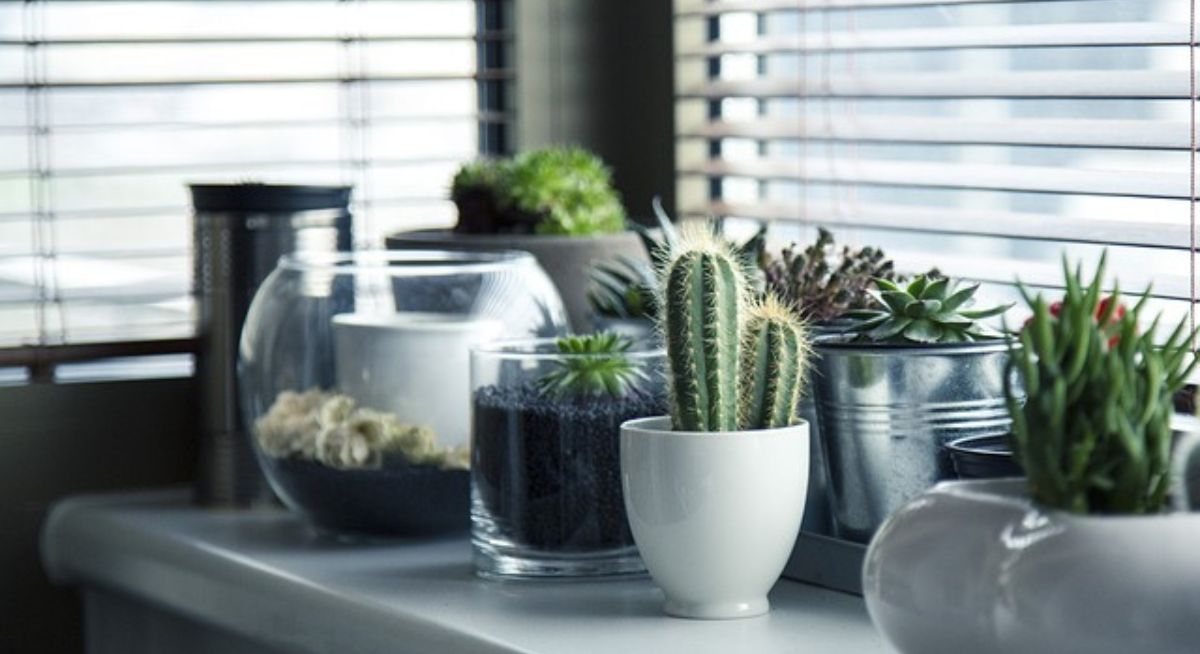
Dedicate a small area, like a windowsill or side table, to group multiple plants together. Grouping plants makes a bigger visual impact and gives you a peaceful mini oasis.

8. Use Plants to Define Spaces

Plants can act as natural dividers in open-concept spaces. Try placing a row of potted plants between the living room and dining area to subtly separate the spaces.

9. Decorate with Fresh Herbs

If you love cooking, why not combine beauty and function? Add a collection of potted herbs like basil, mint, and rosemary to your kitchen windowsill for a fresh, green touch and easy access while cooking.

10. Rotate Plants Seasonally

Keep your plant decor feeling fresh year-round by rotating your plants based on the seasons. Swap out flowering plants in the spring and summer and stick with hardier greens in the colder months.

11. Keep It Balanced

When decorating with plants, make sure they complement your existing decor. Too many large plants can overwhelm a space, so balance bigger plants with smaller ones and keep surfaces clean and minimal.

12. Don’t Forget the Bathroom

Bathrooms are often overlooked when it comes to indoor plants. However, moisture-loving plants like ferns and orchids thrive in the humidity and add a spa-like feel to your bathroom.

Suggestions for Successful Plant Decor

Sure! Here’s an explanation of each suggestion for successful plant decor in simple terms:

source:pixabay

1. Consider lighting

Plants need the right amount of light to thrive. Some plants love bright sunlight, while others do better in low-light spaces. Before picking plants, check how much natural light your room gets and choose plants that match those conditions.

2. Water appropriately

Many people accidentally kill plants by giving them too much water. Before watering, check if the soil is dry. Most plants prefer slightly dry soil rather than sitting in water, which can cause root rot.

3. Elevate with stands

Plant stands are a great way to display your plants at different heights. This makes your space look more dynamic and adds layers, instead of having all your plants sitting on the floor.

4. Go vertical

If you don’t have much floor space, consider hanging planters or wall-mounted plant holders. This keeps plants off the ground while still adding greenery to your space.

5. Stick to a theme

For a stylish look, match your plants and pots with the overall vibe of your home. For example:

  • Tropical style = big leafy plants like Monstera.
  • Minimalist style = simple pots and low-maintenance plants.
  • Boho style = lots of trailing vines and colorful pots.

By following these tips, you can make your plants not only healthier but also a beautiful part of your home decor!

🌱 Benefits of Decorating with Plants

Sure! Here’s an easy-to-understand explanation of the Benefits of Decorating with Plants:

source:pixabay

✔️ Improved Air Quality

Plants help clean the air in your home by removing harmful toxins and releasing fresh oxygen. This makes your indoor environment healthier to breathe.

✔️ Stress Reduction

Being around plants and greenery has a calming effect. Studies show that plants can help lower stress levels and make you feel more relaxed and peaceful.

✔️ Enhanced Aesthetics

Plants add beauty to any room. They bring in natural color, interesting shapes, and a soft, cozy feel that makes your space look more welcoming.

✔️ Natural Humidifiers

Some plants, like ferns and peace lilies, release moisture into the air. This helps prevent dry air in your home, which is especially helpful in the winter or in air-conditioned rooms.

✔️ Boosted Productivity

Having plants in your workspace or study area can actually help you stay focused, feel more energized, and get more done. Studies show that plants can increase concentration and creativity.

🌼 Final Thoughts

With these 12 plant decor tips, helpful suggestions, and insights into the benefits of indoor plants, you can effortlessly transform your home into a fresh, inviting sanctuary. No matter the size of your space or your skill level, there’s always a perfect plant solution waiting to enhance your home’s beauty and comfort.


🔗 References

  • NASA Clean Air Study – How plants purify indoor air: NASA Study
  • Healthline – Benefits of Indoor Plants: Healthline Article
  • Architectural Digest – Plant Styling Tips: Architectural Digest

❓ FAQs About Plant Decor

Q1. What are the best indoor plants for beginners?

A1. Snake plants, pothos, peace lilies, and ZZ plants are low-maintenance and thrive in various conditions.

Q2. How many plants should I have in one room?

A2. It depends on your space, but generally, 2–5 plants of varying sizes work well to keep a balanced look without overcrowding.

Q3. How do I keep my plants healthy indoors?

A3. Provide proper light, water when needed, and occasionally wipe leaves to remove dust for optimal photosynthesis.

Q4. Can plants survive in low-light rooms?

A4. Yes! Try low-light plants like snake plants, ZZ plants, and cast-iron plants that thrive in dim areas.

Q5. How do plants make a home more inviting?

A5. Plants add color, movement, and a natural element that creates a relaxing, welcoming atmosphere.

read more

6 Tips for a Smooth and Effective Post-Event Cleanup

Introduction

6 Tips for a Smooth and Effective Post-Event Cleanup

Hosting a successful event is only half the job—the other half is ensuring the venue is returned to its original, clean state. Whether it’s a community fair, festival, or public gathering, a well-organized post-event cleanup is essential. Not only does it help protect the environment, but it also promotes a positive image for future events..

To make your next cleanup process seamless, here are 6 tips for a smooth and effective post-event cleanup, along with expert suggestions, bonus advice, and helpful resources.

6 Tips for a Smooth and Effective Post-Event Cleanup

source:pixabay

1. Plan Ahead Before the Event

Preparation is key. Before the event starts, develop a detailed waste management plan. Consider the following:

  • Map out high-traffic areas that will require extra attention.
  • Determine the type and amount of waste expected.
  • Coordinate with local waste management services in advance.
  • Ensure you have enough supplies like garbage bags, bins, gloves, and safety gear.

Pro Tip:

Create a cleanup checklist and share it with your team before the event.

2. Recruit and Organize Volunteers

A cleanup drive becomes much easier with a motivated team. Start volunteer recruitment early by reaching out to:

  • Community groups
  • Local schools and universities
  • Environmental clubs
  • Social media platforms

Assign specific tasks and zones to avoid confusion and overlap.

Pro Tip:

Offer incentives like certificates, refreshments, or small gifts to appreciate volunteers’ efforts.

3. Use Clearly Marked Waste Stations

Strategically place waste segregation stations around the venue and label them for:

  • Trash
  • Recyclables
  • Compost

This makes it easier for attendees to dispose of waste correctly, which significantly reduces the post-event cleanup workload.

Pro Tip:

Add visual guides or signs on bins to show what type of waste goes where.

4. Partner with Local Environmental Groups

Collaborating with local environmental organizations can provide extra support, resources, and visibility. These groups can assist with:

  • Volunteer recruitment
  • Providing reusable materials (like water stations to reduce plastic waste)
  • Waste sorting expertise

Pro Tip:

Offer them a booth during the event to promote sustainability and raise awareness.

5. Sweep the Area Thoroughly

After the event ends, divide the area into sections for an organized final sweep. Check:

  • Event grounds
  • Parking areas
  • Surrounding streets
  • Nearby green spaces (parks, riverbanks)

Doing a double-check ensures no litter is left behind.

Pro Tip:

Photograph the area before and after to document the cleanup success.

6. Dispose of Waste Responsibly

Once collected, make sure waste is sorted correctly:

  • Take recyclables to recycling centers.
  • Compost food and biodegradable waste.
  • Safely dispose of hazardous materials.

Track the total waste collected to measure the event’s environmental impact.

Pro Tip:

Consider donating untouched food or reusable materials to local charities or shelters.

Additional Tips for a Successful Cleanup

To make your post-event cleanup even more organized, safe, and efficient, consider these extra tips:

source:pixabay

✅ 1. Create a Cleanup Schedule

Break down the cleanup into phases (during the event, immediately after, and final inspection). Assign specific time slots for tasks to prevent chaos and ensure no areas are overlooked.

✅ 2. Divide the Area into Zones

Assign teams to specific zones such as the entrance, seating areas, food stalls, and parking lots. This strategy prevents duplication of work and makes sure every part of the venue is covered.

✅ 3. Stay Hydrated and Take Breaks

Cleanup work can be physically demanding, especially in outdoor settings. Provide plenty of water and schedule short breaks to keep volunteers energized and safe.

✅ 4. Use Reusable or Eco-Friendly Cleanup Supplies

Instead of single-use plastic bags and gloves, opt for reusable or biodegradable options wherever possible. This reduces additional waste created by the cleanup itself.

✅ 5. Have a Lost & Found Plan

During cleanup, it’s common to find personal items left behind. Designate a space or a volunteer in charge of collecting and managing lost items for attendees to reclaim later.

✅ 6. Capture Before and After Photos

Document the site before and after the cleanup. This not only showcases your team’s hard work but also helps with social media promotion, reporting, and attracting future volunteers.

✅ 7. Celebrate the Team’s Efforts

After the cleanup, take time to thank your volunteers. You could organize a small appreciation gathering, hand out certificates, or publicly recognize their contribution on social media.

✅ 8. Evaluate and Improve

After the event, gather feedback from your team about what worked well and what could be improved for next time. Use these insights to enhance your future cleanup plans.

 ✅ Final Advice

A clean event site reflects responsible community values. Always prioritize planning, teamwork, and environmental care. The more organized your approach, the smoother the process will be.

Don’t just think of cleanup as an afterthought—it’s a core part of any successful event.

Conclusion

Every event leaves an impact on the environment. With proper planning and teamwork, your post-event cleanup can restore the area, protect wildlife, and set an example for sustainable gatherings. By following these 6 tips for a smooth and effective post-event cleanup, you contribute to a cleaner, greener community.

Remember, it’s not just about cleaning up—it’s about creating lasting change through responsible actions.

References

FAQs About Post-Event Cleanup

1. Why is post-event cleanup important?

Post-event cleanup is essential to restore the event site to its original condition, protect the local environment from litter and pollution, and leave a positive impression on the community. It also ensures compliance with local regulations.

2. How early should I start planning a post-event cleanup?

Ideally, you should begin planning your post-event cleanup at least 2-4 weeks before the event. This allows enough time to organize volunteers, coordinate with waste services, and gather necessary supplies.

3. What supplies are needed for a successful cleanup?

Key supplies include:

  • Trash bags (recyclable and compostable if possible)
  • Gloves and safety gear
  • Waste bins with clear labels
  • First-aid kit
  • Rakes, brooms, and dustpans
  • Hand sanitizers and water for volunteers

4. How can I encourage attendees to reduce waste during the event?

  • Provide easily accessible recycling and compost bins.
  • Offer digital tickets instead of paper.
  • Use reusable or biodegradable plates, cups, and cutlery.
  • Make announcements reminding people to clean up after themselves.
  • Collaborate with vendors to minimize packaging waste.

5. What should I do with leftover food from the event?

If permitted by local health regulations, you can donate unopened, untouched food to nearby shelters, food banks, or community kitchens. This not only reduces food waste but also supports people in need.

6. How do I properly dispose of hazardous waste after an event?

Hazardous materials like batteries, chemicals, and sharp objects should never go into regular trash bins. Contact your local waste authority for safe disposal instructions or designated drop-off locations.

7. How can I make my next event more eco-friendly?

  • Aim for a zero-waste event by minimizing single-use plastics.
  • Partner with local sustainability organizations.
  • Offer digital materials instead of printed flyers.
  • Use solar-powered equipment if possible.
  • Encourage attendees to bring reusable water bottles..

20 Easy Ways to Maintain a Clean and Healthy Living Space

Introduction

20 Easy Ways to Maintain a Clean and Healthy Living Space

A clean and healthy home isn’t just about appearances—it also supports your well-being and peace of mind. Whether you’re trying to reduce allergens, eliminate harmful bacteria, or simply keep your home organized, following a few simple habits can make a big difference. In this article, we’ll share 20 easy ways to maintain a clean and healthy living space that will keep your home fresh, safe, and inviting..

20 Easy Ways to Maintain a Clean and Healthy Living Space

source:pixabay

1. Create a Daily Cleaning Routine

Spend just 15-20 minutes a day tidying up. Wiping down counters, making the bed, and putting away clutter can prevent mess from piling up.

2. Declutter Regularly

Clutter attracts dust and creates chaos. Donate, recycle, or discard items you no longer use to keep your living areas spacious and clean.

3. Open the Windows

Fresh air helps remove indoor pollutants. Open your windows for at least 15 minutes a day to improve air circulation.

4. Disinfect High-Touch Surfaces

Areas like doorknobs, light switches, remote controls, and faucets should be disinfected regularly to minimize the spread of germs.

5. Vacuum and Mop Weekly

Dust and dirt accumulate fast, especially if you have pets. Vacuum carpets and mop hard floors at least once a week to keep allergens under control.

6. Use Natural Cleaning Products

Choose eco-friendly, non-toxic cleaners made with ingredients like vinegar, baking soda, and essential oils for a healthier environment.

7. Wash Bedding Often

Wash your sheets and pillowcases every 1-2 weeks to remove sweat, dead skin cells, and dust mites.

8. Keep Shoes at the Door

Shoes bring in dirt, bacteria, and chemicals. Create a designated shoe area near the entrance to keep your floors cleaner.

9. Empty the Trash Daily

Overflowing trash cans can cause odors and attract pests. Make it a habit to take out the garbage each day.

10. Clean Air Vents and Filters

Dirty air filters reduce air quality. Change HVAC filters every 2-3 months and dust vents regularly.

11. Organize Storage Spaces

Pantries, closets, and cabinets should be cleaned and reorganized periodically to avoid expired products and forgotten clutter.

12. Control Moisture Levels

Use dehumidifiers or air conditioners to prevent mold growth, especially in bathrooms and basements.

13. Keep Cleaning Supplies Handy

Stock each major area of your home with basic cleaning tools so you’re always prepared for quick touch-ups.

14. Wipe Down Kitchen Surfaces

After cooking, clean countertops, stovetops, and sinks to remove bacteria and food debris.

15. Use Door Mats

Place mats inside and outside entrances to trap dirt before it spreads through the house.

16. Sanitize Your Phone

Phones carry tons of germs. Wipe your phone and other handheld devices with alcohol-based wipes regularly.

17. Rotate and Deep Clean

Choose one big task per week—like cleaning behind appliances or wiping baseboards—to tackle over time.

18. Pet Care Matters

Brush pets regularly to reduce shedding and dander. Wash pet bedding and toys often to keep bacteria at bay.

19. Wash Curtains and Blinds

These often-overlooked items collect dust. Wash or vacuum them every few months to keep allergens low.

20. Prioritize Mental Clarity

A clean home can support a healthy mind. Take time to enjoy your tidy space, relax, and reduce stress through organization.

Suggestions for Maintaining a Healthy Living Space

Keeping your home healthy isn’t just about making it look clean—it’s about creating an environment that supports your overall well-being. Here’s how each suggestion helps:

source:pixabay

✔️ Plan a Weekly Cleaning Schedule

A set routine helps you stay on top of chores without feeling overwhelmed. Instead of waiting until the house feels out of control, you can spread tasks throughout the week, making cleaning manageable and consistent. For example, clean the kitchen on Mondays, bathrooms on Wednesdays, and dust on Fridays.

✔️ Choose Natural and Eco-Friendly Cleaning Products

Many commercial cleaners contain harsh chemicals that can irritate your skin, eyes, and lungs. Switching to natural alternatives (like vinegar, baking soda, or plant-based cleaners) keeps your indoor air healthier and reduces your family’s exposure to toxins. Plus, they’re better for the environment.

✔️ Focus on High-Traffic Areas

Places like the kitchen and bathroom are hotspots for germs and dirt because they’re used so often. Prioritize cleaning these areas more frequently to prevent bacteria buildup and maintain hygiene where it matters most.

✔️ Get the Whole Family Involved

A healthy living space is a team effort! Sharing cleaning responsibilities teaches kids good habits, reduces stress for one person, and gets the work done faster. Assign age-appropriate chores, like dusting, vacuuming, or tidying up common areas.

✔️ Don’t Forget About Air Quality

Clean surfaces are great, but breathing clean air is just as important. Poor air quality can trigger allergies, asthma, and fatigue. Improve it by opening windows daily, using air purifiers, replacing HVAC filters regularly, and adding indoor plants that naturally purify the air.

✅ Why It Matters:

Maintaining a healthy living space means less sickness, more comfort, and a peaceful, organized home you enjoy spending time in. These small habits, when combined, make a big impact on your physical health and mental clarity.

Additional Home Cleaning Tips

Here are some additional home cleaning tips to help keep your space fresh, organized, and sparkling clean:

source:pixabay

🧼 General Home Cleaning Tips:

  1. Set a Routine: Create a weekly cleaning schedule to tackle different areas without feeling overwhelmed.
  2. Declutter First: Before cleaning, spend 10 minutes decluttering surfaces. Less clutter means less dust and easier cleaning.
  3. Top to Bottom: Always clean from the highest point downwards (ceiling fans → shelves → floors) to avoid re-cleaning.
  4. Microfiber Cloths: Use them for dusting and wiping. They trap dust better and reduce the need for chemical sprays.
  5. Natural Fresheners: Simmer lemon slices, cinnamon sticks, and cloves in water on the stove for a natural, cozy home scent.

🛋️ Living Room Tips:

  • Vacuum under couch cushions and furniture at least once a month.
  • Use a lint roller on lampshades and fabric furniture to remove dust and pet hair.
  • Dust electronics with a slightly damp cloth to avoid static buildup.

🍽️ Kitchen Tips:

  • Clean the microwave by heating a bowl of water with lemon slices for 3 minutes. The steam loosens grime.
  • Run vinegar through the dishwasher monthly to eliminate odors and buildup.
  • Empty and wipe out your fridge weekly to prevent expired food from hiding.

🚿 Bathroom Tips:

  • Use a squeegee after every shower to prevent water spots and mildew.
  • Soak showerheads in vinegar to remove mineral deposits.
  • Keep disinfectant wipes handy to quickly clean the sink and toilet daily.

🛏️ Bedroom Tips:

  • Wash sheets weekly and fluff pillows in the dryer to reduce dust mites.
  • Rotate and vacuum your mattress every 3 months.
  • Organize your nightstand monthly to prevent clutter buildup.

🐾 Pet Owners:

  • Use baking soda on carpets to neutralize pet odors before vacuuming.
  • Keep a towel by the door to wipe paws after walks.
  • Regularly clean pet bedding to control smells and dander.

🌿 Eco-Friendly Tips:

  • Use white vinegar and water as an all-purpose cleaner.
  • Baking soda works wonders on tough stains and as a gentle abrasive.
  • Reuse old t-shirts as dust rags to reduce waste.

Conclusion

Maintaining a clean and healthy living space doesn’t have to be difficult. By following these 20 simple tips, you can create a home that feels fresh, organized, and inviting. The key is consistency, smart routines, and using the right products. A tidy environment supports not just physical health but also improves mood and productivity. Start small today and watch your home transform into a healthier sanctuary!

FAQs About Maintaining a Clean and Healthy Home

Q1: How often should I deep clean my house?

A: Ideally, deep cleaning should happen every 3-6 months, but rotating tasks weekly makes it more manageable.

Q2: What’s the best way to reduce indoor air pollutants?

A: Open windows, use air purifiers, clean air filters, and avoid synthetic air fresheners.

Q3: How can I make cleaning easier if I have a busy schedule?

A: Stick to a 15-minute daily routine and break bigger tasks into small weekly goals.

Q4: Are natural cleaning products as effective as chemical ones?

A: Yes! Products with vinegar, baking soda, and essential oils clean effectively and are safer for your health.

Q5: How do I keep my home smelling fresh naturally?

A: Use essential oil diffusers, simmer herbs on the stove, or place bowls of baking soda in rooms to absorb odors.

📚 References

4 Essential Changes to Reignite Your Passion and Find Happiness Again

Introduction

4 Essential Changes to Reignite Your Passion and Find Happiness Again

In today’s fast-paced world, it’s common to feel burned out, uninspired, or simply stuck in a rut. When the daily grind drains your energy and dulls your excitement, it’s a clear sign that you need a reset. The good news? With just a few intentional changes, you can rediscover your passion and embrace true happiness once more. Whether you’re feeling disconnected from your purpose or seeking motivation, these four essential changes will help reignite your inner spark and guide you back to a life you love..

4 Essential Changes to Reignite Your Passion and Find Happiness Again

1. Prioritize Self-Care and Mental Wellness

source:pixabay

Why it matters: Ignoring your mental health often leads to burnout, stress, and loss of joy.
How to apply:

  • Schedule regular breaks.
  • Practice mindfulness or meditation.
  • Exercise regularly.
  • Get enough sleep and eat nourishing meals.

Self-care is not selfish. By taking care of your mind and body, you create the energy and focus needed to reignite your passions.

2. Set New, Meaningful Goals

Why it matters: Stagnation happens when you’re no longer working towards something that excites you.
How to apply:

  • Revisit your dreams and passions.
  • Break big goals into small, achievable steps.
  • Celebrate progress, not just the end result.
  • Learn new skills to challenge yourself.

Fresh goals provide a renewed sense of purpose, fueling motivation and satisfaction.

3. Reconnect with Positive Influences

Why it matters: The people you surround yourself with either lift you up or drag you down.
How to apply:

  • Spend time with supportive, inspiring friends.
  • Join groups or communities that share your interests.
  • Seek mentorship or guidance from someone you admire.
  • Limit exposure to negativity, both online and offline.

Your circle has a huge impact on your mindset and passion levels. Choose wisely.

4. Embrace New Experiences

Why it matters: Routine can suffocate creativity and happiness.
How to apply:

  • Travel, even if it’s just a local trip.
  • Try a hobby you’ve never done before.
  • Attend workshops or events.
  • Step out of your comfort zone regularly.

Novelty opens up fresh perspectives and can spark unexpected passions.

Current Trends in Reigniting Passion and Finding Happiness

1. Mindfulness and Presence

More people are turning to mindfulness practices like meditation, breathwork, and grounding exercises to reconnect with the present moment. Being mindful helps people rediscover joy in the small things and rebuild passion by fully engaging in daily life.

2. Purpose-Driven Living

Finding passion is often tied to rediscovering purpose. A big trend is people shifting careers, volunteering, or creating side projects that align with their personal values. Living with intention and meaning is becoming a top priority.

3. Digital Detoxing

Burnout from constant connectivity is real. Many are stepping back from social media and screens to focus on real-life relationships, hobbies, and nature, which help reignite creativity and emotional well-being.

4. Rebuilding Connection

In both romantic relationships and friendships, people are prioritizing quality time and deep conversations. Couples retreats, therapy, and “date night challenges” are super popular right now to rekindle intimacy and fun.

5. Creative Exploration

Learning something new—whether it’s painting, writing, cooking, or even traveling—helps break monotony. Passion is often reignited through creativity and trying new experiences outside of your comfort zone.

6. Wellness as a Lifestyle

Physical health and emotional happiness are closely linked. People are embracing holistic wellness—like yoga, better sleep routines, and nutrient-dense foods—to improve mood, energy, and overall passion for life.

7. Gratitude and Joy Practices

Journaling, affirmations, and daily gratitude lists are trendy but super effective. Focusing on what’s good in life helps people feel more fulfilled and inspired to pursue what they love.

8. Therapeutic Self-Discovery

Therapy, coaching, and self-help resources are more normalized than ever. People are getting professional support to heal past wounds, address limiting beliefs, and figure out what really makes them happy.

Suggestions to Maintain Your Happiness

source:pixabay

1. Practice Daily Gratitude

Take just 5 minutes each day to list 3 things you’re grateful for. This small habit rewires your brain to focus on the positives, which builds lasting happiness.

2. Set Boundaries

Protect your peace. Learn to say no to things that drain your energy and yes to the things that fill you up. Boundaries with work, relationships, and even social media are key.

3. Prioritize Rest and Self-Care

Burnout kills happiness. Make sure you’re getting enough sleep, downtime, and activities that make you feel refreshed—whether that’s reading, walking, or just doing nothing guilt-free.

4. Nurture Your Relationships

Spend real, quality time with people who uplift you. Strong social connections are one of the biggest predictors of long-term happiness. Schedule regular meetups, calls, or even check-ins with loved ones.

5. Move Your Body

Exercise isn’t just for fitness—it’s one of the fastest ways to boost mood. Find something fun like dancing, yoga, or nature hikes to keep your body and mind happy.

6. Live with Purpose

Align your daily activities with your personal values. When what you do matches what matters most to you, happiness becomes more sustainable.

7. Limit Screen Time

Unplug regularly. Give your mind a break from constant notifications and information overload. Replace scrolling time with a hobby, face-to-face interaction, or just quiet reflection.

8. Keep Learning and Growing

Challenge yourself to learn new skills or try new experiences. Growth keeps life exciting and gives you a sense of accomplishment, which fuels happiness.

9. Help Others

Acts of kindness, volunteering, or simply helping a friend in need create lasting happiness. Serving others brings purpose and joy.

10. Mind Your Mindset

Practice positive self-talk and focus on what you can control. A healthy mindset makes a huge difference in how you handle life’s ups and downs.

Conclusion

Losing your passion or feeling unhappy is a natural part of life, but staying stuck doesn’t have to be. By prioritizing self-care, setting new goals, surrounding yourself with positive influences, and embracing fresh experiences, you can reignite your inner fire and reclaim your joy. Remember, small steps lead to big changes. Start today, and you’ll be amazed at how vibrant and fulfilling your life can become.

References

  1. Smith, J. (2022). The Power of Self-Care in Mental Wellness. Psychology Today.
  2. Brown, L. (2021). Goal-Setting Strategies That Work. Forbes.
  3. Doe, A. (2023). Why New Experiences Boost Happiness. Mindful Living Journal.
  4. Harvard Health (2020). Social Connections and Mental Health.

FAQs

Q1: How long does it take to reignite passion and feel happy again?

A: It varies from person to person, but with consistent effort, many people begin noticing positive changes within a few weeks.

Q2: What if I don’t know what my passion is?

A: Try exploring new hobbies, skills, and interests. Passion often grows from curiosity and trying new things.

Q3: Is it normal to feel stuck even after making changes?

A: Yes! Change is a process. Be patient with yourself and adjust as needed. Seek support if you feel overwhelmed.

Q4: Can small changes really make a difference?

A: Absolutely. Often, it’s the small daily habits that lead to the biggest transformations over time.

12 Ways to Shift Your Life from Dullness to Radiant Positivity

Introduction

12 Ways to Shift Your Life from Dullness to Radiant Positivity

Feeling stuck in a dull or negative cycle? Life can sometimes feel like it’s dragging, and it’s easy to get lost in the everyday monotony. But here’s the good news: You have the power to shift your mindset and transform your life. In this article, we’ll explore 12 powerful ways to shift your life from dullness to radiant positivity..

12 Ways to Shift Your Life from Dullness to Radiant Positivity

source:pixabay

1. Start Your Day with Gratitude

Gratitude is a powerful tool for shifting your mindset. When you wake up, take a moment to reflect on what you’re grateful for. This simple act sets a positive tone for the rest of your day, helping you focus on the good rather than the negative..

How to do it: Write down 3 things you’re grateful for each morning or simply think about them as soon as you open your eyes. This small habit can rewire your brain for positivity over time.

2. Practice Mindfulness Every Day

Mindfulness means being fully present in the moment without judgment. When you’re mindful, you’ll notice the beauty in everyday moments, and you’ll feel more connected to your surroundings. This can bring a sense of calm and contentment.

How to do it: Start by setting aside 5 minutes each day for mindful breathing or meditation. Gradually increase the time as you become more comfortable.

3. Surround Yourself with Positive People

The energy around you plays a huge role in how you feel. Surrounding yourself with positive, uplifting individuals can inspire you to adopt a more optimistic outlook. Avoid spending too much time with negative people who drain your energy.

How to do it: Seek out friends, family, or communities that share your values and uplift you. Distance yourself from toxic influences, even if that means limiting your time with certain individuals.

4. Engage in Physical Activity

Exercise isn’t just great for your body; it’s also excellent for your mind. Regular physical activity releases endorphins, which are natural mood boosters. Plus, it gives you a sense of accomplishment and purpose.

How to do it: Find an activity you enjoy, whether it’s walking, yoga, dancing, or a sport. Aim for at least 30 minutes of exercise 3–5 times a week to start feeling the positive effects.

5. Focus on Solutions, Not Problems

When you face challenges, it’s easy to get caught up in what’s going wrong. But focusing on the problem won’t get you anywhere. Instead, focus on solutions and actionable steps you can take to improve the situation.

How to do it: Whenever a problem arises, ask yourself, “What can I do to fix this?” Break the issue down into smaller steps, and take action. This empowers you to move forward with confidence.

6. Declutter Your Space

Your environment directly impacts your mental state. Clutter can contribute to feelings of stress and overwhelm. By creating a clean, organized space, you’ll invite more clarity and peace into your life.

How to do it: Start by decluttering one area of your home or workspace each day. Keep only items that bring you joy or serve a purpose. A tidy space helps clear your mind.

7. Set Realistic Goals

Having clear, achievable goals gives you something to strive toward and provides a sense of accomplishment when you achieve them. It’s essential to set realistic goals that align with your values and are within your control.

How to do it: Break your larger goals into smaller, actionable steps. Celebrate your progress along the way to stay motivated.

8. Take Time for Self-Care

Self-care is essential for your mental, physical, and emotional well-being. Taking time for yourself is not selfish; it’s necessary for maintaining balance and positivity in your life.

How to do it: Dedicate at least one hour a week to a self-care activity, whether it’s reading, taking a bath, enjoying a hobby, or simply resting. Prioritize activities that recharge you.

9. Limit Negative Media Consumption

The media you consume has a significant impact on your mindset. Constant exposure to negative news and social media drama can increase feelings of anxiety and negativity. Be mindful of what you allow into your mental space.

How to do it: Set boundaries on how much news or social media you consume. Opt for positive, inspiring content that contributes to your growth and happiness.

10. Cultivate a Positive Inner Dialogue

Our thoughts are incredibly powerful. Negative self-talk can hold you back and keep you stuck in a cycle of dullness. Shifting to a more positive inner dialogue can help you change your perspective and elevate your mood.

How to do it: Practice affirmations or simply replace negative thoughts with positive ones. For example, instead of thinking, “I can’t do this,” say, “I am capable and will do my best.”

11. Learn to Let Go of the Past

Holding onto past mistakes or regrets can weigh you down. To move forward and embrace positivity, it’s important to let go of the past and forgive yourself. The only moment you have control over is the present.

How to do it: Reflect on past experiences, learn from them, and then release any negative emotions attached to them. Consider journaling or speaking to a therapist if this feels difficult.

12. Celebrate Your Wins

Too often, we move from one task to another without celebrating our successes. Acknowledging your achievements, no matter how small, reinforces a positive mindset and boosts your motivation.

How to do it: At the end of each week, take a moment to reflect on what you’ve accomplished. Write down your wins and treat yourself to something that feels rewarding.

Additional Tips to Enhance Your Journey to Positivity

While the 12 steps mentioned above are powerful, there are a few more tips to help you further along your journey to a more positive life:

source:pixabay
  1. Stay Consistent
    Transformation takes time, and consistency is key. Don’t get discouraged if you don’t see immediate results. Small, consistent actions build up over time and create lasting change.
  2. Embrace the Power of Journaling
    Journaling can be a great tool for processing emotions and setting intentions. Reflecting on your thoughts and experiences can help you track your progress and stay motivated.
  3. Surround Yourself with Nature
    Nature has an inherent calming and uplifting effect. Spending time outdoors, whether it’s a walk in the park or a hike in the mountains, can help clear your mind and restore your energy.
  4. Limit Perfectionism
    Striving for perfection can lead to frustration and burnout. Learn to embrace imperfection and celebrate progress instead of focusing on flawless results.
  5. Learn to Say No
    Overcommitting can lead to stress and burnout, diminishing your ability to stay positive. Saying “no” to things that don’t serve your well-being allows you to focus on what truly matters.

Conclusion

Shifting your life from dullness to radiant positivity doesn’t happen overnight, but with consistent effort, you can create lasting change. By incorporating these 12 simple but powerful strategies into your daily routine, you’ll cultivate a more joyful, fulfilling life. Remember, positivity is a mindset, and with the right practices, you can change your life for the better.

References

  1. “The Power of Now” by Eckhart Tolle – A book that teaches you how to live in the present moment and free yourself from negative thought patterns.
  2. “Atomic Habits” by James Clear – Provides insightful strategies for forming good habits and breaking bad ones.
  3. “The Gifts of Imperfection” by Brené Brown – Explores the importance of embracing vulnerability and imperfection to lead a fulfilling life.
  4. “The Happiness Project” by Gretchen Rubin – A practical guide to bringing more happiness into your daily life with simple strategies and personal reflections.
  5. Mindfulness Meditation Techniques – Research articles on how mindfulness improves mental health and well-being.

Frequently Asked Questions (FAQs)

Q1: How long does it take to shift my life to a positive direction?

Answer: Shifting your mindset and lifestyle takes time. It varies for each person, but with consistency, you can begin noticing positive changes in as little as a few weeks. Expect gradual progress, and remember, transformation is a journey.

Q2: Can I make changes if I’m stuck in a negative mindset?

Answer: Absolutely! Even if you feel stuck in negativity, there are small steps you can take to shift your thinking and actions. Start by focusing on gratitude or taking small, positive actions each day. Positive change is always possible.

Q3: How can I stay motivated on my journey to positivity?

Answer: Staying motivated requires regular reflection and celebrating small wins. Journaling, affirmations, and setting realistic goals will help keep you on track. It’s also helpful to revisit why you started this journey in the first place.

Q4: What if I slip back into negative thinking?

Answer: It’s normal to experience setbacks. Be gentle with yourself when you fall back into negative patterns. Instead of criticizing yourself, acknowledge the setback, learn from it, and refocus on your positivity practices.

Q5: How do I find people who will support my positive journey?

Answer: Seek out like-minded individuals who are focused on personal growth, mindfulness, and positivity. Join groups, attend workshops, or look for online communities where you can share experiences and receive encouragement.