10 Creative Ways to Make a Handmade Rope Basket

Introduction

10 Creative Ways to Make a Handmade Rope Basket

Handmade rope baskets are a stylish and budget-friendly way to enhance home decor while providing practical storage solutions. Whether you’re repurposing old materials or starting from scratch, rope baskets can add a rustic, bohemian, or modern touch to any space. In this guide, we’ll explore 10 creative ways to make a handmade rope basket, along with useful tips, trends, and expert suggestions.

10 Creative Ways to Make a Handmade Rope Basket

source:pixabay

1. Classic Wrapped Rope Basket

One of the simplest ways to create a rope basket is by wrapping an old storage bin or cardboard box with rope and securing it with a hot glue gun. This method is great for beginners and provides a sturdy base for the basket.

2. Braided Rope Basket

For a unique textured look, braid strands of rope before coiling and gluing them together. This method creates a visually appealing and durable basket ideal for home organization.

3. Macramé Rope Basket

If you love intricate designs, try incorporating macramé techniques. Knot the rope in decorative patterns and attach it to a wireframe or woven base for an elegant and artistic touch.

4. Sewn Rope Basket

Using a sewing machine, you can stitch coils of rope together with a zigzag stitch to form a sturdy and flexible basket. This method allows for creative color variations using different thread shades.

5. Dyed Rope Basket

Customize your basket by dyeing the rope in vibrant colors or ombre shades before assembling. Natural cotton rope absorbs dye well and adds a personalized aesthetic to your basket.

6. Fabric-Wrapped Rope Basket

For a cozy look, wrap fabric strips around the rope before coiling and stitching or gluing. This technique adds softness and a pop of color to your handmade basket.

7. Beaded Rope Basket

Incorporate beads by threading them onto the rope before coiling. This detail adds a decorative flair and is perfect for bohemian or eclectic home decor styles.

8. Hanging Rope Basket

Turn your rope basket into a hanging planter or wall storage by attaching leather straps or macramé cords. This is a great way to save space and enhance vertical storage.

9. Jute Rope Basket

For a more rustic look, use jute rope instead of cotton. Jute has a natural, earthy feel that blends beautifully with farmhouse and vintage decor.

10. Embroidered Rope Basket

Add embroidery or appliqué designs onto your rope basket for a unique, personalized touch. This technique works well for gifting or adding a special element to your home decor.

Tips for Making a Perfect Rope Basket

Making a rope basket is a fun and creative DIY project that can add a rustic and handmade touch to your home décor. Whether you’re a beginner or experienced in crafting, these tips will help you create a perfect rope basket:

source:pixabay

1. Choose the Right Rope

  • Cotton, jute, sisal, or synthetic rope works well.
  • Thicker rope (¼ to ½ inch) provides sturdiness, while thinner rope gives flexibility.

2. Select a Strong Base

  • Use a sturdy material like cardboard, wood, or a pre-made basket as a base.
  • If making a fabric-based basket, start with a coiled rope base.

3. Use the Right Adhesive

  • Hot glue is ideal for quick projects but may not be very durable.
  • Fabric glue or E6000 provides a stronger hold.
  • Sewing the coils together with a zigzag stitch on a sewing machine ensures durability.

4. Shape the Basket Gradually

  • Start flat and build the walls slowly by adjusting the angle of the rope.
  • Use clips or pins to hold the shape before securing.

5. Keep the Coils Tight

  • Ensure that each round of rope is tightly pressed against the previous one.
  • For added strength, reinforce with glue, stitches, or both.

6. Add Handles for Functionality

  • Integrate rope loops or attach leather or fabric handles.
  • Sew or glue them securely for durability.

7. Decorate Creatively

  • Dye the rope for a colorful effect.
  • Wrap sections with fabric or yarn for a stylish touch.
  • Use beads, tassels, or paint for personalization.

8. Finish with a Sealant (Optional)

  • If using a rope like jute or sisal, a fabric stiffener or mod podge can add durability.
  • A matte or glossy spray sealant can protect against dust and moisture.

Trends in Handmade Rope Baskets

Handmade rope baskets are gaining popularity due to their versatility, eco-friendliness, and aesthetic appeal. Here are some current trends in rope basket design:

source:pixabay

1. Natural & Sustainable Materials

  • Eco-conscious consumers prefer baskets made from cotton, jute, or sisal.
  • Upcycled and repurposed materials, such as old fabric or recycled rope, are trending.

2. Two-Tone & Ombre Effects

  • Baskets featuring a gradual color fade (ombre) or contrasting colors in the top and bottom sections are stylish.
  • Neutral tones (beige, white, gray) paired with bold accents are in demand.

3. Boho & Rustic Styles

  • Tassels, macramé details, and woven textures give baskets a bohemian look.
  • Natural, unprocessed rope and earthy tones complement rustic home décor.

4. Functional & Multipurpose Designs

  • Rope baskets with handles, lids, or compartments make them more practical for storage.
  • Foldable or collapsible designs add convenience.

5. Decorative Embellishments

  • Baskets are often personalized with leather handles, wooden beads, or fabric lining.
  • Painted patterns, stitched details, and embroidered initials add uniqueness.

6. Hanging & Wall Baskets

  • Rope baskets designed as wall organizers or hanging planters are trendy for small spaces.
  • Circular and oval-shaped hanging baskets add a modern touch.

7. Mini Rope Baskets for Organizing

  • Small baskets for storing jewelry, keys, or bathroom essentials are popular.
  • Nesting basket sets (multiple sizes in the same design) offer stylish organization.

8. DIY & Handmade Appeal

  • Consumers appreciate the uniqueness of handcrafted baskets.
  • Personalized or custom-made rope baskets are in high demand.

Suggestions for Beginners

If you’re a beginner, making a rope basket can be a fun and rewarding DIY project. Here are some beginner-friendly suggestions to help you get started:

1. Start with a Small Basket

  • Begin with a small or medium-sized basket to practice your technique.
  • A simple round or oval shape is easier than complex designs.

2. Choose a Soft and Flexible Rope

  • Cotton rope is the easiest to work with and provides a clean, soft look.
  • Avoid stiff or rough ropes like sisal or jute for your first project.

3. Use a Hot Glue Gun for Easy Assembly

  • Hot glue dries quickly and helps beginners secure the rope in place.
  • Apply small amounts of glue to avoid mess and burns.

4. Use a Pre-Made Base

  • Start with a plastic bowl, cardboard, or an old basket as a base.
  • This helps you maintain the shape without worrying about structure.

5. Keep the Rope Coils Tight

  • Press each coil firmly against the previous one to prevent gaps.
  • Work in small sections to keep control of the shape.

6. Experiment with Colors and Textures

  • Try using two-toned rope or wrapping sections with yarn for a stylish effect.
  • Decorate with ribbons, fabric strips, or pom-poms to personalize.

7. Practice with a Mini Rope Coaster First

  • If you’re unsure, start by making a simple rope coaster.
  • This helps you get familiar with coiling, gluing, or stitching techniques.

8. Be Patient and Have Fun!

  • Don’t worry if your first basket isn’t perfect.
  • Enjoy the process and try different methods to improve your skills.

Conclusion

Making a handmade rope basket is a rewarding and creative project that enhances home decor while promoting sustainability. Whether you prefer a simple wrapped design or an intricate macramé style, there are endless possibilities to explore. With the right materials and a bit of creativity, you can craft a unique and functional rope basket to suit your needs.

FAQs

1. What type of rope is best for making baskets?
Cotton, jute, and synthetic ropes are commonly used. Cotton is soft and easy to dye, jute offers a rustic look, and synthetic ropes are durable for outdoor use.

2. Can I wash a handmade rope basket?
Yes, but it depends on the material. Cotton rope baskets can be spot-cleaned, while jute baskets should be dry-cleaned to maintain their shape.

3. What’s the best glue for making a rope basket?
Hot glue is the easiest to use, but fabric glue or a strong adhesive like E6000 works better for long-lasting results.

4. How do I make my rope basket sturdier?
Using a solid base, tightly coiling the rope, and stitching instead of gluing can improve durability.

5. Can I add handles to my rope basket?
Yes! You can attach leather, fabric, or rope handles for added functionality.

References

  • DIY Craft Blogs & Tutorials
  • Home Decor & Organization Trends Reports
  • Eco-Friendly Crafting Websites
  • Sewing & Knitting Guides

With these creative ideas, you can design a handmade rope basket that’s both functional and stylish. Happy crafting!

25 Genius DIY Home Ideas You’ll Wish You Knew Sooner

Introduction

25 Genius DIY Home Ideas You’ll Wish You Knew Sooner

If you love DIY projects, you’re in for a treat! Whether you want to add a touch of creativity to your home, save money, or make life easier, these 25 genius DIY home ideas will inspire you to transform your space effortlessly..

25 Genius DIY Home Ideas You’ll Wish You Knew Sooner

source:pixabay

1. Peel-and-Stick Backsplash

Give your kitchen or bathroom a facelift with peel-and-stick tiles. They are easy to install, affordable, and come in various styles.

2. Upcycled Furniture Makeover

Transform old furniture with a fresh coat of paint, new handles, or stylish wallpaper to give it a whole new look.

3. Floating Shelves from Reclaimed Wood

Make stylish floating shelves using reclaimed wood to add storage and rustic charm to any room.

4. DIY Chalkboard Wall

Turn a section of your kitchen or home office into a chalkboard wall for notes, grocery lists, or inspirational quotes.

5. Handmade Rope Basket

Wrap an old storage bin with rope and glue for a budget-friendly, trendy storage solution.

6. Mason Jar Organizers

Attach mason jars to a wooden board to create a wall-mounted organizer for bathroom essentials or kitchen utensils.

7. Pallet Wood Coffee Table

Repurpose wooden pallets to create a unique and sturdy coffee table with a rustic vibe.

8. Customized Doormat

Use stencils and outdoor paint to personalize a plain doormat with a fun greeting or design.

9. Fabric-Covered Storage Boxes

Wrap old cardboard boxes in stylish fabric for chic, homemade storage solutions.

10. DIY Pegboard Wall Organizer

Create a pegboard wall in your garage, office, or craft room to keep tools and supplies neatly arranged.

11. Handmade Wall Art

Paint, stencil, or use fabric scraps to create custom wall art that reflects your personality.

12. Washi Tape Accent Wall

Use colorful washi tape to create temporary patterns or designs on walls without damaging the paint.

13. DIY Under-Bed Storage

Attach wheels to wooden crates to create rolling storage bins that fit neatly under the bed.

14. Corkboard Headboard

Turn a large corkboard into a headboard to pin photos, notes, or fabric swatches.

15. Plant Hanger with Macrame

Create your own macrame plant hanger to add a boho touch to your indoor garden.

16. Repainted Tile Floors

Use tile paint and stencils to update old tiles without the need for expensive replacements.

17. DIY Window Seat

Add a cozy reading nook by building a simple window seat with storage underneath.

18. Reclaimed Wood Headboard

Build a rustic or modern headboard using repurposed wood planks for a budget-friendly bedroom upgrade.

19. Homemade Scented Candles

Melt wax and add essential oils to create custom-scented candles in decorative jars.

20. Painted Brick Fireplace

Give your outdated fireplace a new look with a coat of heat-resistant paint.

21. DIY Hanging Planter

Upcycle an old colander or basket to make a stylish hanging planter for your garden or balcony.

22. Glow-in-the-Dark Pathway Stones

Paint garden stones with glow-in-the-dark paint to create a magical nighttime pathway.

23. Picture Frame Earring Holder

Turn a vintage frame and mesh wire into a chic earring organizer.

24. Ladder Blanket Holder

Repurpose an old wooden ladder into a stylish holder for blankets or towels.

25. Hidden Charging Station

Drill a hole in a decorative box to create a concealed charging station for your electronics.

Tips for Successful DIY Projects

source:pixabay
  1. Start Small – Begin with simple projects to gain experience before moving on to more complex tasks.
  2. Plan Ahead – Outline your steps, gather materials, and understand the process before starting.
  3. Use Quality Materials – Investing in good materials ensures durability and a professional finish.
  4. Measure Twice, Cut Once – Double-check measurements to avoid costly mistakes.
  5. Stay Organized – Keep tools and materials neatly arranged to work more efficiently.
  6. Follow Safety Guidelines – Wear protective gear and use tools properly to prevent accidents.
  7. Be Patient – Rushing can lead to errors; take your time for the best results.
  8. Learn from Mistakes – Every mistake is a learning opportunity, so don’t get discouraged.
  9. Be Creative – Add your personal touch to make the project unique and tailored to your style.
  10. Have Fun – Enjoy the process and take pride in your DIY accomplishments!

Suggestions for Beginners

DIY Tips for Beginners
  1. Start with Simple Projects – Choose easy projects to build confidence and skills.
  2. Gather the Right Tools – Invest in basic tools like a hammer, screwdriver set, measuring tape, and utility knife.
  3. Follow Instructions – Read guides, watch tutorials, and follow step-by-step instructions carefully.
  4. Practice Safety First – Wear protective gear and handle tools properly to avoid injuries.
  5. Take Your Time – Rushing can lead to mistakes; work patiently for better results.
  6. Learn from Mistakes – Errors are part of the learning process—analyze them and improve next time.
  7. Stay Organized – Keep your workspace tidy to work more efficiently.
  8. Use Quality Materials – Good materials lead to a more durable and polished final product.
  9. Ask for Help if Needed – Don’t hesitate to seek advice from experienced DIYers or professionals.
  10. Enjoy the Process – Have fun and take pride in creating something with your own hands!

Conclusion

With these genius DIY ideas, you can enhance your home without spending a fortune. Whether you’re looking for storage solutions, home decor, or clever upcycling tricks, these projects will make your home more stylish and functional.

References

  • Home Improvement Blogs
  • DIY YouTube Tutorials
  • Interior Design Magazines

FAQs

1. What are the easiest DIY home projects for beginners?

Simple projects like mason jar organizers, customized doormats, and fabric-covered storage boxes are great for beginners.

2. How can I make my home look stylish on a budget?

Use affordable DIY tricks like repainting furniture, making homemade wall art, and using peel-and-stick wallpaper.

3. What tools do I need for most DIY home projects?

Basic tools include a hammer, screwdriver set, measuring tape, glue gun, and paintbrushes.

4. Are DIY projects really cost-effective?

Yes! Many DIY projects repurpose old materials, saving you money compared to buying new items.

5. Where can I find more DIY inspiration?

Follow home decor blogs, Pinterest, and YouTube channels dedicated to DIY projects.

Which DIY idea are you excited to try first? Let us know in the comments!

10 Easy Ways to Reduce Dirt and Dust in Your Home

Introduction

10 Easy Ways to Reduce Dirt and Dust in Your Home

Dust and dirt are constant battles in every household. Not only do they make your living space look messy, but they also contribute to allergies, respiratory issues, and overall discomfort. The good news is that keeping your home dust-free doesn’t have to be difficult. With the right strategies, you can minimize dirt and dust and create a cleaner, healthier living environment.

In this article, we’ll explore 10 easy ways to reduce dirt and dust in your home, so you can breathe easier and enjoy a spotless space.

10 Easy Ways to Reduce Dirt and Dust in Your home

source:pixabay

1. Keep Shoes at the Door

Shoes track in dirt, bacteria, and dust from outside. Create a designated spot at your entryway for shoes, and encourage family and guests to remove their footwear before entering the house.

2. Use Doormats Inside and Out

Place sturdy doormats on both sides of every entrance. Mats help trap dirt before it spreads inside, reducing the amount of dust that accumulates in your home.

3. Vacuum Regularly with a HEPA Filter

Dust and allergens settle deep into carpets and rugs. Vacuum at least twice a week using a vacuum with a HEPA filter, which effectively traps small particles instead of releasing them back into the air.

4. Dust from Top to Bottom

When dusting, always start from the highest surfaces (like shelves and ceiling fans) and work your way down. This ensures dust doesn’t fall onto already-cleaned areas.

5. Change HVAC Filters Frequently

Dirty air filters can circulate dust throughout your home. Replace your HVAC filters every 2-3 months to improve air quality and reduce airborne particles.

6. Mop Hard Floors Weekly

Sweeping alone often stirs up dust. After vacuuming, use a damp mop on hardwood, tile, and vinyl floors to capture lingering dust and dirt.

7. Keep Pets Groomed

Pets contribute to dirt and dander. Regularly brushing and bathing your pets helps reduce the amount of hair, skin flakes, and dirt that end up on your floors and furniture.

8. Declutter Your Home

The more items you have, the more surfaces there are for dust to settle on. Keep your home simple and organized by minimizing knick-knacks and other dust-collecting objects.

9. Wash Bedding and Curtains Often

Dust mites thrive in fabrics. Wash sheets, pillowcases, and blankets at least once a week, and clean curtains and drapes every few months to eliminate hidden dust.

10. Use an Air Purifier

Air purifiers with HEPA filters help remove dust particles from the air. Place them in high-traffic areas or bedrooms to improve indoor air quality and reduce airborne dust.

Extra Tips to Reduce Dust in Your Home

Here are some extra practical tips to reduce dust in your home that go beyond the usual vacuuming and wiping:

source:pixabay

1. Upgrade Your Air Filters

  • Use HEPA filters in your HVAC system to trap tiny particles.
  • Change filters regularly (every 2-3 months).

️ 2. Cover Bedding and Mattresses

  • Use dust mite-proof covers on pillows, mattresses, and box springs.
  • Wash bedding weekly in hot water to kill dust mites.

3. Make a No-Shoes Policy

  • Shoes track in dirt and dust. Keep a shoe rack by the door and offer slippers.

4. Use an Air Purifier

  • Place HEPA air purifiers in commonly used rooms like bedrooms and living areas to continuously reduce airborne dust.

5. Ditch Fabric Soft Surfaces

  • Swap out heavy curtains for washable blinds.
  • Choose leather or vinyl furniture over fabric when possible.

6. Clean from Top to Bottom

  • Dust high surfaces like ceiling fans and shelves first so the dust falls and you can vacuum it last.

7. Seal Cracks and Gaps

  • Dust sneaks in through small gaps in windows and doors. Apply weather stripping or caulking where needed.

8. Groom Pets Regularly

  • Brush your pets outside to reduce dander and loose fur.
  • Wash pet bedding often.

9. Reduce Clutter

  • Less stuff means fewer surfaces for dust to collect.
  • Organize shelves and clear off counters.

10. Keep Humidity Levels in Check

  • Use a humidifier if your air is too dry. Aim for around 40-50% humidity to keep dust from becoming airborne.

Suggestions for Maintaining a Dust-Free Home

Here are some practical suggestions for maintaining a dust-free home:

source:pixabay

1. Adopt a Regular Cleaning Routine

  • Dust surfaces at least twice a week using a microfiber cloth to trap dust instead of spreading it.
  • Vacuum carpets, rugs, and upholstery with a HEPA-filter vacuum to capture fine dust particles.

2. Improve Indoor Air Quality

  • Use HEPA air purifiers in frequently used rooms.
  • Keep air vents and filters clean and change them every 2-3 months.

3. Control Dust Entry

  • Place doormats at all entry points to trap dirt and dust from shoes.
  • Create a no-shoes policy indoors.

4. Keep Bedding Fresh

  • Wash pillowcases, sheets, and blankets weekly in hot water.
  • Use dust mite-proof covers on pillows and mattresses.

5. Choose the Right Cleaning Tools

  • Use microfiber cloths instead of feather dusters, which spread dust.
  • Opt for damp mopping on hard floors instead of sweeping.

6. Manage Pet Dander

  • Bathe and brush pets regularly to reduce shedding.
  • Keep pet bedding clean and vacuum areas where they rest.

7. Reduce Clutter

  • Store items in sealed containers instead of open shelves.
  • Minimize decorative fabric items like throw pillows and stuffed animals.

8. Maintain Floors and Furniture

  • Vacuum carpets and rugs at least twice a week.
  • Use washable slipcovers on furniture for easy cleaning.

9. Control Indoor Humidity

  • Keep humidity levels around 40-50% to prevent dust from becoming airborne.
  • Use a humidifier or dehumidifier as needed.

10. Deep Clean Periodically

  • Wash curtains and blinds every few months.
  • Dust hard-to-reach areas like ceiling fans, vents, and baseboards.

Conclusion

Reducing dirt and dust in your home doesn’t have to be complicated. By following these 10 easy steps, you can maintain a cleaner, healthier, and more comfortable living space. A consistent cleaning routine, combined with smart habits like removing shoes at the door and using an air purifier, will keep dust and dirt under control.

Remember, a dust-free home isn’t just about appearances—it’s about creating a healthier environment for you and your family to thrive. Start small, stay consistent, and enjoy the benefits of a cleaner home today!

📚 References

💬 FAQs About Reducing Dirt and Dust

Q1: How often should I dust my home?

A: For the best results, aim to dust surfaces at least once a week, with high-traffic areas needing more frequent attention.

Q2: Why does my home get so dusty so fast?

A: Common reasons include poor air circulation, old carpets, outdoor dust entering through windows and doors, and pet dander.

Q3: Do air purifiers really help with dust?

A: Yes! Air purifiers with HEPA filters capture fine dust particles and can significantly reduce airborne allergens.

Q4: What are the health effects of dust in the home?

A: Excess dust can trigger allergies, asthma, and other respiratory issues. Keeping your home clean reduces these health risks.

Q5: Can houseplants help reduce dust?

A: While they don’t eliminate dust, some plants improve air quality, which can indirectly support a cleaner home environment.

10 practical tips How to Save Money on Kitchen Gadgets

Introduction

10 practical tips How to Save Money on Kitchen Gadgets

Kitchen gadgets can make cooking more efficient and enjoyable, but they can also be expensive. However, with the right strategies, you can equip your kitchen with essential tools without overspending. Here are some practical tips to help you save money on kitchen gadgets.

10 practical tips How to Save Money on Kitchen Gadgets

source:pixabay

1. Prioritize Your Needs

Before buying any kitchen gadget, evaluate whether you truly need it. Many trendy gadgets seem useful but often end up collecting dust in the cupboard. Focus on essential tools that you use regularly, such as knives, cutting boards, and mixing bowls.

2. Opt for Multi-Purpose Gadgets

Instead of buying separate gadgets for different tasks, invest in multi-functional tools. For example, a food processor can chop, slice, and puree, eliminating the need for multiple appliances. A blender with different attachments can serve as both a smoothie maker and a food chopper.

3. Look for Sales and Discounts

Keep an eye on seasonal sales, holiday discounts, and clearance events to score great deals on kitchen gadgets. Black Friday, Cyber Monday, and end-of-season sales are excellent times to buy appliances at reduced prices. Signing up for store newsletters can also give you access to exclusive discounts.

4. Consider Buying Second-Hand or Refurbished Gadgets

Many high-quality kitchen gadgets, such as stand mixers or air fryers, are available as refurbished models at a fraction of the original price. Check reputable online marketplaces, thrift stores, and certified refurbished sections on manufacturer websites to find great deals.

5. Compare Prices Online

Before purchasing any gadget, compare prices across multiple online retailers. Websites like Amazon, Walmart, and Best Buy often have competitive pricing and customer reviews to help you make an informed decision. Use price comparison tools and browser extensions to track the best deals.

6. Buy in Sets or Bundles

Many kitchen gadgets come in sets or bundles at a lower price than buying individual items. For example, purchasing a cookware set instead of individual pots and pans can help you save money. Look for value packs that include multiple tools you need.

7. Choose Energy-Efficient Appliances

Investing in energy-efficient kitchen gadgets can save money in the long run by reducing electricity consumption. Look for gadgets with an ENERGY STAR rating or low-power consumption features.

8. Take Advantage of Cashback and Rewards Programs

Use credit cards that offer cashback on purchases or sign up for store loyalty programs that provide discounts and points on kitchen gadgets. Apps like Rakuten or Honey can also help you earn cashback and find promo codes.

9. DIY Instead of Buying Specialized Gadgets

Some kitchen gadgets are designed for specific tasks that can be done manually. Instead of purchasing a dedicated avocado slicer, use a knife. A rolling pin can often replace a tortilla press. Simplifying your kitchen tools can save both money and storage space.

10. Read Reviews Before Buying

A cheap kitchen gadget isn’t a bargain if it breaks after a few uses. Read customer reviews and product ratings to ensure you’re getting a durable, high-quality gadget. Investing in a well-made product once is better than replacing a poor-quality item multiple times.

Additional Tips for Saving Money on Kitchen Gadgets

Here are some additional tips for saving money on kitchen gadgets:

source:pixabay

1. Prioritize Multi-Use Gadgets

Instead of buying single-purpose items, opt for multi-functional tools like a food processor that can chop, blend, and shred or an Instant Pot that works as a pressure cooker, slow cooker, and more.

2. Shop Secondhand

Look for gently used kitchen gadgets on platforms like Facebook Marketplace, eBay, or thrift stores. Many people sell high-quality appliances at a fraction of the original cost.

3. Wait for Sales and Discounts

Keep an eye out for major sales events like Black Friday, Cyber Monday, or holiday promotions at retailers like Amazon, Walmart, and Target.

4. Use Coupons and Cashback Offers

Check manufacturer websites, apps like Honey, or credit card cashback programs to get extra savings when purchasing kitchen gadgets.

5. Read Reviews Before Buying

Avoid wasting money on poor-quality gadgets by checking online reviews and customer ratings. Websites like Wirecutter, Consumer Reports, and Amazon reviews can help you make an informed decision.

6. Consider Manual Gadgets Over Electric Ones

Manual tools, such as a hand-powered chopper or a French press, are often more affordable, last longer, and don’t consume electricity.

7. Buy in Sets When Possible

If you’re planning to buy multiple gadgets, consider purchasing a set, such as a knife set or a cookware bundle, which is usually cheaper than buying individual pieces.

8. Stick to Essential Gadgets

Avoid unnecessary gadgets that take up space and money. Focus on must-have kitchen tools like a chef’s knife, cutting board, measuring cups, and mixing bowls.

9. Sign Up for Store Newsletters

Many retailers offer discounts to first-time subscribers. Signing up for email alerts can also keep you updated on upcoming sales and exclusive promotions.

10. Compare Prices Across Retailers

Before purchasing, use price-comparison websites or tools like Google Shopping to find the best deal on a specific gadget.

Final Thoughts

Saving money on kitchen gadgets is all about being smart with your purchases. Prioritize essentials, buy multi-purpose tools, look for discounts, and invest in durable products. By following these tips, you can enjoy a well-equipped kitchen without breaking the bank.

Do you have any budget-friendly kitchen gadget recommendations? Share them in the comments below!

Common FAQs About Saving Money on Kitchen Gadgets

1. Are expensive kitchen gadgets worth the price?

Not always. While some high-end brands offer durability and advanced features, many affordable options perform just as well. Read reviews and compare specifications before making a decision.

2. Where can I find the best deals on kitchen gadgets?

You can find great deals online at Amazon, Walmart, and Best Buy. Check for discounts during major sales events like Black Friday and Prime Day.

3. Is it safe to buy refurbished kitchen gadgets?

Yes, if you buy from reputable sellers or certified refurbished programs. These products are tested and often come with a warranty.

4. What are the must-have kitchen gadgets for a budget-conscious home cook?

Some essential budget-friendly gadgets include a sharp chef’s knife, cutting board, mixing bowls, measuring cups, and a hand blender.

5. How can I tell if a kitchen gadget is good quality?

Look for durable materials like stainless steel, read customer reviews, and check the warranty. Avoid gadgets with flimsy plastic parts.

References

  1. Consumer Reports – “Best Budget Kitchen Gadgets for Home Cooks”
  2. The Spruce Eats – “Top Multi-Purpose Kitchen Tools to Save Money and Space”
  3. Good Housekeeping – “How to Buy Kitchen Appliances on a Budget”
  4. Wirecutter – “The Best Affordable Kitchen Gadgets and Tools”
  5. Energy Star – “Energy-Efficient Kitchen Appliances Guide

14 Innovative Kitchen Gadgets That Simplify Meal Prep

Introduction

14 Innovative Kitchen Gadgets That Simplify Meal Prep

Cooking at home can be both enjoyable and time-consuming. With the right kitchen gadgets, meal prep becomes faster, easier, and more efficient. Whether you’re an experienced chef or a busy home cook, these 14 innovative kitchen gadgets will help you save time, reduce effort, and enhance your cooking experience.

14 Innovative Kitchen Gadgets

source:pixabay

1. Electric Vegetable Chopper

Tired of chopping onions and other veggies by hand? An electric vegetable chopper quickly dices and slices your ingredients, making meal prep a breeze.

2. Adjustable Measuring Spoon

Instead of cluttering your kitchen with multiple measuring spoons, an adjustable measuring spoon lets you measure different quantities with one tool.

3. Multi-Function Peeler

A peeler that not only removes skins but also juliennes vegetables can save time and space in your kitchen.

4. Garlic Press with Scraper

Mincing garlic can be a hassle, but a garlic press with a built-in scraper ensures you get every bit of flavour into your dish without the mess.

5. Silicone Food Storage Bags

Reduce plastic waste and keep your ingredients fresh with reusable silicone food storage bags. They are freezer-friendly and easy to clean.

6. Smart Meat Thermometer

Achieve perfectly cooked meat every time with a smart thermometer that connects to your phone and alerts you when your food reaches the ideal temperature.

7. One-Click Butter Cutter

source:pixabay

Evenly slice butter with one simple press—perfect for baking and spreading on toast.

8. Avocado Slicer and Patter

Easily cut, pit, and slice avocados with a multi-functional avocado slicer, saving time and reducing mess.

9. Automatic Pan Stirrer

If your recipe requires constant stirring, an automatic pan stirrer does the work for you, freeing up your hands for other tasks.

10. Collapsible Cutting Board with Strainer

This space-saving cutting board includes a built-in strainer, making it easy to wash and drain vegetables while cutting.

11. Magnetic Spice Jars

Keep your spices organized and within reach with magnetic spice jars that attach to your fridge or a magnetic board.

12. Oil Spray Bottle

Control the amount of oil you use while cooking with a refillable oil spray bottle, reducing waste and making meals healthier.

13. Egg Separator Tool

Quickly separate egg yolks from whites with a simple tool, perfect for baking and healthy cooking.

14. Instant Pot or Multi-Cooker

A must-have for busy home cooks, an Instant Pot or multi-cooker combines multiple cooking functions into one appliance, saving time and effort.

Tips for Choosing the Right Kitchen Gadgets

Choosing the right kitchen gadgets can make cooking more enjoyable and efficient. Here are some useful tips to help you select the best kitchen tools:

1. Identify Your Needs

  • Consider the type of cooking you do most often.
  • Avoid buying gadgets that you will rarely use.

2. Check Quality and Durability

  • Look for stainless steel, BPA-free plastic, or silicone materials.
  • Choose reputable brands known for long-lasting products.

3. Consider Multi-Functionality

  • Opt for gadgets that serve multiple purposes, like a food processor with different attachments.
  • Saves space and money.

4. Easy to Clean and Maintain

  • Dishwasher-safe gadgets save time and effort.
  • Avoid tools with too many small parts that are difficult to clean.

5. Storage and Space Consideration

  • If you have a small kitchen, choose compact or foldable gadgets.
  • Wall-mounted or stackable storage options help keep your kitchen organized.

6. Energy Efficiency

  • If buying electrical gadgets, look for energy-efficient options.
  • Saves electricity and reduces your utility bills.

7. Read Reviews and Recommendations

  • Check customer reviews before making a purchase.
  • Watch video demonstrations to see the gadget in action.

8. Set a Budget

  • Don’t overspend on trendy gadgets that might not be useful.
  • Invest in essentials first, like a good knife set, cutting board, and mixing bowls.

Conclusion

Upgrading your kitchen with these innovative gadgets can make meal prep faster, easier, and more enjoyable. Whether you’re chopping, slicing, or cooking, these tools help you save time and effort while enhancing your cooking experience. Invest in the right kitchen gadgets and transform your culinary routine today!

FAQs

1. Are these gadgets suitable for beginners?
Yes, most of these gadgets are designed to make cooking easier for both beginners and experienced cooks.

2. Where can I buy these kitchen gadgets?
You can find them on online marketplaces like Amazon, Walmart, or in local kitchen supply stores.

3. Do these gadgets require a lot of maintenance?
The level of maintenance depends on the type of kitchen gadget. Here’s a breakdown:

Low-Maintenance Gadgets (Easy to clean and care for)

Silicone and Stainless-Steel Utensils – Dishwasher-safe and resistant to rust.
Manual Tools (Peelers, Graters, Whisks) – Quick rinse or dishwasher cleaning.
Non-Electric Cutting Boards – Just wash with soap and water, occasionally oil wooden boards.

Moderate-Maintenance Gadgets (Require some care)

🔹 Blenders & Food Processors – Need regular cleaning, especially blades and seals.
🔹 Cast Iron Cookware – Requires seasoning and proper drying to prevent rust.
🔹 Coffee Makers – Need descaling every few weeks to prevent buildup.

High-Maintenance Gadgets (Need frequent or special care)

Air Fryers & Toasters – Must be cleaned often to prevent grease buildup.
Stand Mixers & Juicers – Have multiple small parts that need thorough washing.
Knives – Require regular sharpening and proper storage to maintain quality.

4. Are these kitchen gadgets budget-friendly?
Kitchen gadgets come in a wide price range, so whether they are budget-friendly depends on your needs and choices. Here’s a breakdown:

Budget-Friendly Gadgets ($10 – $50)

Manual Tools – Peelers, graters, whisks, measuring cups, and spatulas.
Basic Utensils – Wooden spoons, tongs, and silicone baking mats.
Affordable Appliances – Hand mixers, immersion blenders, and electric kettles.

Mid-Range Gadgets ($50 – $150)

🔹 Multi-Functional Tools – Air fryers, slow cookers, food processors.
🔹 Quality Knife Sets – Good stainless steel knives last longer.
🔹 Specialty Cookware – Cast iron skillets, non-stick pans, or Dutch ovens.

High-End Gadgets ($150 and above)

Premium Blenders & Stand Mixers – Like Vitamix or KitchenAid.
Smart Kitchen Appliances – Instant Pot, high-tech coffee makers, or sous vide machines.
Professional Cookware – Copper pans, induction cookware, or high-end knife sets.

How to Save Money on Kitchen Gadgets

Look for Sales & Discounts – Shop during Black Friday, holiday sales, or clearance events.
Buy Multi-Purpose Gadgets – A food processor can replace multiple tools.
Invest in Essentials First – Start with quality knives, a cutting board, and cookware before adding specialty gadgets.

References

  1. Smith, J. (2023). The Modern Home Chef’s Guide to Essential Kitchen Tools. Food Press.
  2. Kitchen Tech Reviews. (2024). “Top 10 Kitchen Gadgets to Speed Up Meal Prep.” Retrieved from www.kitchentechreviews.com
  3. Home Cooking Magazine. (2023). “The Best Kitchen Gadgets for Busy Cooks.”
  4. read more

10 Easy and Cheap Ways to Decorate Your Home

Introduction:-

10 Easy and Cheap Ways to Decorate Your Home

Looking to refresh your living space without spending a fortune? You don’t need a big budget to create a beautiful and cozy home. With a little creativity and some budget-friendly tips, you can transform any room with ease. In this article, we’ll share 10 easy and cheap ways to decorate your home that will make a big impact without breaking the bank.

10 Easy and Cheap Ways to Decorate Your Home

source:pixabay

1. Rearrange Your Furniture

One of the easiest and completely free ways to change the look of your home is by simply rearranging your furniture. Try moving your sofa to a different wall or switching up your dining room layout. This small change can create a fresh, new atmosphere without spending a dime.

2. Add DIY Wall Art

Decorating your walls doesn’t have to be expensive. Get creative with DIY wall art using inexpensive materials like canvas, fabric, or even old picture frames. You can paint simple designs, print inspirational quotes, or frame photos to create a personalized gallery wall.

3. Incorporate Plants

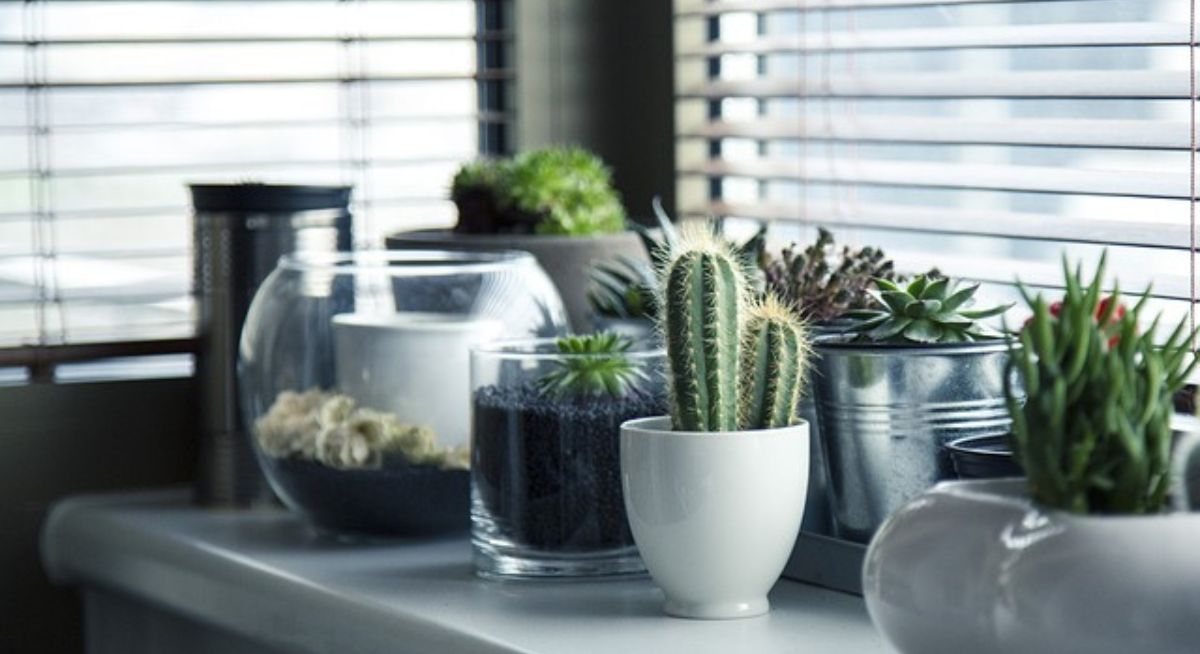
Indoor plants are a cheap way to add life, color, and freshness to any room. Small potted plants, succulents, or hanging planters are perfect for adding a natural touch to your decor. Plus, plants help improve air quality!

4. Use Mirrors to Make Spaces Look Bigger

Mirrors can make small rooms appear larger and brighter. Thrift stores and discount shops often sell stylish mirrors at affordable prices. Place a mirror opposite a window to reflect natural light and open up your space.

5. Change Out Throw Pillows and Blankets

Updating your throw pillows and blankets is an inexpensive way to switch up your living room or bedroom decor. Choose vibrant colors or seasonal patterns to add a pop of style and comfort.

6. Repurpose Old Furniture

Before you throw out that old chair or table, consider giving it a makeover. A fresh coat of paint, new knobs, or some decorative touches can turn old furniture into a unique statement piece.

7. Hang String Lights

String lights aren’t just for the holidays. Use them to create a cozy, warm ambiance in any room. Drape them over curtains, across walls, or around your headboard for an affordable, dreamy look.

8. Create a Feature Wall

A feature wall is an excellent way to add character to a room. Use peel-and-stick wallpaper, removable decals, or even a bold paint color to make one wall stand out. It’s a simple project with a big impact.

9. Display Books and Decorative Items

Use books, candles, vases, and other small items to decorate shelves, coffee tables, or mantels. Arranging these items thoughtfully can instantly make a space feel more styled and curated without spending extra money.

10. Swap Rugs or Add a New One

Rugs can completely transform a room. Look for affordable options online or at discount stores. A new area rug in a fresh color or pattern can anchor your space and make it feel brand new.

Expert Tips to Maximize Your Decorating Efforts

Decorating your home isn’t just about filling a space—it’s about creating a vibe that reflects your personality while making the most of your time, money, and effort. Here are expert-approved strategies to help you maximize your decorating efforts and create a space you’ll love:

source:pixabay

1. Start with a Clear Vision

Before purchasing a single item, gather inspiration. Use platforms like Pinterest, Instagram, or design magazines to define your style and color palette. This helps avoid impulse buys that don’t match your overall look.

2. Focus on High-Impact Areas First

Identify which spaces get the most traffic or attention (like living rooms, entryways, or dining areas). Prioritize these for upgrades to make the most noticeable difference with minimal effort.

3. Layer Your Lighting

Good lighting transforms a room. Combine ambient (overhead), task (reading), and accent (decorative) lighting to create depth and mood. Swap outdated fixtures for modern alternatives to refresh a space instantly.

4. Choose Versatile, Timeless Pieces

Invest in furniture and décor with classic appeal that won’t go out of style quickly. Think neutral-toned sofas, solid wood tables, and multipurpose storage. Save trendy touches for smaller, replaceable accessories like throw pillows or vases.

5. Play with Textures and Materials

A well-decorated space balances different textures—smooth, rough, shiny, soft. Mix materials like leather, wood, metal, and textiles to add visual interest without overcrowding the room.

6. Maximize Wall Space

Don’t neglect your walls! Mirrors can make a room feel larger and brighter. Gallery walls, floating shelves, or statement art pieces can transform blank walls into focal points.

7. Declutter and Edit Ruthlessly

Sometimes, less is more. Periodically review your décor and remove anything that no longer fits your vision. Negative space is just as important as filled space in creating balance.

8. Bring Nature Indoors

Plants are one of the easiest ways to make a home feel fresh and alive. Opt for low-maintenance greenery like snake plants, pothos, or succulents if you’re not a green thumb.

9. Make It Personal

Incorporate meaningful elements—family photos, travel souvenirs, heirlooms—to tell your unique story. These pieces add warmth and authenticity that can’t be bought at a store.

10. Refresh Regularly

You don’t need to do a full makeover every season. Small changes, like swapping out curtains, rearranging furniture, or updating throw blankets, can keep your home feeling fresh without much work.

Great decorating is less about how much you spend and more about the thoughtfulness behind each choice. With these expert tips, you can create a home that feels cohesive, comfortable, and entirely your own.

Buy affordable home decor

You can find affordable home decor in a bunch of places! Here are some good options, depending on what you’re looking for:

source:pixabay

Online Stores:

  • Amazon – Tons of options with reviews to help you decide.
  • Wayfair – Great for sales on home decor and furniture.
  • IKEA – Budget-friendly and modern.
  • H&M Home – Trendy, minimal, and affordable.
  • Shein Home – Surprisingly cute and cheap decor (though quality can vary).
  • Etsy – Handmade or vintage items, and sometimes good deals if you shop small.
  • Walmart – Solid home decor finds, especially with online exclusives.

In-Person Stores:

  • HomeGoods / TJ Maxx / Marshalls – Always treasure-hunt vibes with big savings.
  • Target – The Threshold and Opalhouse lines are super popular and budget-friendly.
  • Dollar Tree / Dollar General – Seasonal and DIY decor on a serious budget.
  • Thrift Stores – You can score unique, vintage pieces super cheap.
  • Big Lots – Hidden gem for discount home stuff.

Bonus Tips:

  • Check Facebook Marketplace or OfferUp for local deals.
  • Look out for seasonal sales like end-of-summer or post-holiday clearances.
  • DIY! Grab supplies from craft stores and make your own wall art, centerpieces, etc.

Final Thoughts

Decorating your home doesn’t have to drain your wallet. With these 10 easy and cheap ways to decorate your home, plus expert tips, you can achieve a stylish, comfortable space that reflects your personality. Start with small changes, get creative, and enjoy the process of transforming your home on a budget!

References

  • Better Homes & Gardens – Budget Decorating Ideas
  • Apartment Therapy – Affordable Home Makeover Tips
  • House Beautiful – DIY Home Projects

FAQs about Decorating Your Home on a Budget

Q1: How can I make my home look expensive on a small budget?

Focus on small details like fresh paint, quality lighting, and coordinated decor. Adding mirrors and statement pieces can also elevate your space.

Q2: What is the cheapest way to decorate my home?

Rearranging furniture, DIY projects, and repurposing items you already own are the most cost-effective ways to decorate.

Q3: How often should I update my home decor?

There are no strict rules, but many people refresh their decor seasonally or once a year to keep things feeling fresh.

Q4: Where can I buy affordable home decor?

Check out stores like IKEA, Target, thrift shops, and online marketplaces like Facebook Marketplace, Amazon, and Etsy.

Q5: What colors are best for budget-friendly decorating?

Neutral tones like white, gray, and beige are timeless and easy to match. You can add pops of color with inexpensive accessories like pillows and curtains.

12 Plant Decor Tips to Make Your Home Feel Fresh and Inviting

Introduction

12 Plant Decor Tips to Make Your Home Feel Fresh and Inviting

Incorporating plants into your home decor is one of the easiest ways to create a fresh, relaxing, and beautiful living space. Not only do indoor plants purify the air, but they also add a natural touch that makes any home feel more welcoming. Whether you’re a seasoned plant lover or just getting started, here are 12 plant decor tips to make your home feel fresh and inviting.

12 Plant Decor Tips to Make Your Home Feel Fresh and Inviting

source:pixabay

1. Choose the Right Indoor Plants

Start by selecting low-maintenance indoor plants that thrive in your home’s environment. Popular options like snake plants, pothos, and peace lilies are perfect for beginners and require minimal care.

2. Use Plants as Statement Pieces

Want to make a bold impact? Large plants like fiddle leaf figs or monstera deliciosa can act as natural focal points in your living room, entryway, or dining area.

3. Mix and Match Planters

Upgrade your plant styling by using a variety of pots in different materials, such as ceramic, terracotta, and woven baskets. Mixing textures adds dimension and interest to your decor.

4. Decorate Empty Corners

Don’t let corners go to waste. Place a tall floor plant in an unused corner to bring life and balance to the room. It’s an easy way to fill empty space stylishly.

5. Hang Plants from the Ceiling

Create a cozy, fresh vibe by hanging trailing plants like ivy or string of pearls from the ceiling. This is perfect for small spaces where floor space is limited.

6. Style Shelves with Greenery

Liven up bookshelves or open shelving by adding small potted plants. Succulents, air plants, and small ferns are perfect for shelf styling.

7. Create a Mini Indoor Garden

Dedicate a small area, like a windowsill or side table, to group multiple plants together. Grouping plants makes a bigger visual impact and gives you a peaceful mini oasis.

8. Use Plants to Define Spaces

Plants can act as natural dividers in open-concept spaces. Try placing a row of potted plants between the living room and dining area to subtly separate the spaces.

9. Decorate with Fresh Herbs

If you love cooking, why not combine beauty and function? Add a collection of potted herbs like basil, mint, and rosemary to your kitchen windowsill for a fresh, green touch and easy access while cooking.

10. Rotate Plants Seasonally

Keep your plant decor feeling fresh year-round by rotating your plants based on the seasons. Swap out flowering plants in the spring and summer and stick with hardier greens in the colder months.

11. Keep It Balanced

When decorating with plants, make sure they complement your existing decor. Too many large plants can overwhelm a space, so balance bigger plants with smaller ones and keep surfaces clean and minimal.

12. Don’t Forget the Bathroom

Bathrooms are often overlooked when it comes to indoor plants. However, moisture-loving plants like ferns and orchids thrive in the humidity and add a spa-like feel to your bathroom.

Suggestions for Successful Plant Decor

Sure! Here’s an explanation of each suggestion for successful plant decor in simple terms:

source:pixabay

1. Consider lighting

Plants need the right amount of light to thrive. Some plants love bright sunlight, while others do better in low-light spaces. Before picking plants, check how much natural light your room gets and choose plants that match those conditions.

2. Water appropriately

Many people accidentally kill plants by giving them too much water. Before watering, check if the soil is dry. Most plants prefer slightly dry soil rather than sitting in water, which can cause root rot.

3. Elevate with stands

Plant stands are a great way to display your plants at different heights. This makes your space look more dynamic and adds layers, instead of having all your plants sitting on the floor.

4. Go vertical

If you don’t have much floor space, consider hanging planters or wall-mounted plant holders. This keeps plants off the ground while still adding greenery to your space.

5. Stick to a theme

For a stylish look, match your plants and pots with the overall vibe of your home. For example:

  • Tropical style = big leafy plants like Monstera.
  • Minimalist style = simple pots and low-maintenance plants.
  • Boho style = lots of trailing vines and colorful pots.

By following these tips, you can make your plants not only healthier but also a beautiful part of your home decor!

🌱 Benefits of Decorating with Plants

Sure! Here’s an easy-to-understand explanation of the Benefits of Decorating with Plants:

source:pixabay

✔️ Improved Air Quality

Plants help clean the air in your home by removing harmful toxins and releasing fresh oxygen. This makes your indoor environment healthier to breathe.

✔️ Stress Reduction

Being around plants and greenery has a calming effect. Studies show that plants can help lower stress levels and make you feel more relaxed and peaceful.

✔️ Enhanced Aesthetics

Plants add beauty to any room. They bring in natural color, interesting shapes, and a soft, cozy feel that makes your space look more welcoming.

✔️ Natural Humidifiers

Some plants, like ferns and peace lilies, release moisture into the air. This helps prevent dry air in your home, which is especially helpful in the winter or in air-conditioned rooms.

✔️ Boosted Productivity

Having plants in your workspace or study area can actually help you stay focused, feel more energized, and get more done. Studies show that plants can increase concentration and creativity.

🌼 Final Thoughts

With these 12 plant decor tips, helpful suggestions, and insights into the benefits of indoor plants, you can effortlessly transform your home into a fresh, inviting sanctuary. No matter the size of your space or your skill level, there’s always a perfect plant solution waiting to enhance your home’s beauty and comfort.


🔗 References

  • NASA Clean Air Study – How plants purify indoor air: NASA Study
  • Healthline – Benefits of Indoor Plants: Healthline Article
  • Architectural Digest – Plant Styling Tips: Architectural Digest

❓ FAQs About Plant Decor

Q1. What are the best indoor plants for beginners?

A1. Snake plants, pothos, peace lilies, and ZZ plants are low-maintenance and thrive in various conditions.

Q2. How many plants should I have in one room?

A2. It depends on your space, but generally, 2–5 plants of varying sizes work well to keep a balanced look without overcrowding.

Q3. How do I keep my plants healthy indoors?

A3. Provide proper light, water when needed, and occasionally wipe leaves to remove dust for optimal photosynthesis.

Q4. Can plants survive in low-light rooms?

A4. Yes! Try low-light plants like snake plants, ZZ plants, and cast-iron plants that thrive in dim areas.

Q5. How do plants make a home more inviting?

A5. Plants add color, movement, and a natural element that creates a relaxing, welcoming atmosphere.

read more

20 Easy Ways to Maintain a Clean and Healthy Living Space

Introduction

20 Easy Ways to Maintain a Clean and Healthy Living Space

A clean and healthy home isn’t just about appearances—it also supports your well-being and peace of mind. Whether you’re trying to reduce allergens, eliminate harmful bacteria, or simply keep your home organized, following a few simple habits can make a big difference. In this article, we’ll share 20 easy ways to maintain a clean and healthy living space that will keep your home fresh, safe, and inviting..

20 Easy Ways to Maintain a Clean and Healthy Living Space

source:pixabay

1. Create a Daily Cleaning Routine

Spend just 15-20 minutes a day tidying up. Wiping down counters, making the bed, and putting away clutter can prevent mess from piling up.

2. Declutter Regularly

Clutter attracts dust and creates chaos. Donate, recycle, or discard items you no longer use to keep your living areas spacious and clean.

3. Open the Windows

Fresh air helps remove indoor pollutants. Open your windows for at least 15 minutes a day to improve air circulation.

4. Disinfect High-Touch Surfaces

Areas like doorknobs, light switches, remote controls, and faucets should be disinfected regularly to minimize the spread of germs.

5. Vacuum and Mop Weekly

Dust and dirt accumulate fast, especially if you have pets. Vacuum carpets and mop hard floors at least once a week to keep allergens under control.

6. Use Natural Cleaning Products

Choose eco-friendly, non-toxic cleaners made with ingredients like vinegar, baking soda, and essential oils for a healthier environment.

7. Wash Bedding Often

Wash your sheets and pillowcases every 1-2 weeks to remove sweat, dead skin cells, and dust mites.

8. Keep Shoes at the Door

Shoes bring in dirt, bacteria, and chemicals. Create a designated shoe area near the entrance to keep your floors cleaner.

9. Empty the Trash Daily

Overflowing trash cans can cause odors and attract pests. Make it a habit to take out the garbage each day.

10. Clean Air Vents and Filters

Dirty air filters reduce air quality. Change HVAC filters every 2-3 months and dust vents regularly.

11. Organize Storage Spaces

Pantries, closets, and cabinets should be cleaned and reorganized periodically to avoid expired products and forgotten clutter.

12. Control Moisture Levels

Use dehumidifiers or air conditioners to prevent mold growth, especially in bathrooms and basements.

13. Keep Cleaning Supplies Handy

Stock each major area of your home with basic cleaning tools so you’re always prepared for quick touch-ups.

14. Wipe Down Kitchen Surfaces

After cooking, clean countertops, stovetops, and sinks to remove bacteria and food debris.

15. Use Door Mats

Place mats inside and outside entrances to trap dirt before it spreads through the house.

16. Sanitize Your Phone

Phones carry tons of germs. Wipe your phone and other handheld devices with alcohol-based wipes regularly.

17. Rotate and Deep Clean

Choose one big task per week—like cleaning behind appliances or wiping baseboards—to tackle over time.

18. Pet Care Matters

Brush pets regularly to reduce shedding and dander. Wash pet bedding and toys often to keep bacteria at bay.

19. Wash Curtains and Blinds

These often-overlooked items collect dust. Wash or vacuum them every few months to keep allergens low.

20. Prioritize Mental Clarity

A clean home can support a healthy mind. Take time to enjoy your tidy space, relax, and reduce stress through organization.

Suggestions for Maintaining a Healthy Living Space

Keeping your home healthy isn’t just about making it look clean—it’s about creating an environment that supports your overall well-being. Here’s how each suggestion helps:

source:pixabay

✔️ Plan a Weekly Cleaning Schedule

A set routine helps you stay on top of chores without feeling overwhelmed. Instead of waiting until the house feels out of control, you can spread tasks throughout the week, making cleaning manageable and consistent. For example, clean the kitchen on Mondays, bathrooms on Wednesdays, and dust on Fridays.

✔️ Choose Natural and Eco-Friendly Cleaning Products

Many commercial cleaners contain harsh chemicals that can irritate your skin, eyes, and lungs. Switching to natural alternatives (like vinegar, baking soda, or plant-based cleaners) keeps your indoor air healthier and reduces your family’s exposure to toxins. Plus, they’re better for the environment.

✔️ Focus on High-Traffic Areas

Places like the kitchen and bathroom are hotspots for germs and dirt because they’re used so often. Prioritize cleaning these areas more frequently to prevent bacteria buildup and maintain hygiene where it matters most.

✔️ Get the Whole Family Involved

A healthy living space is a team effort! Sharing cleaning responsibilities teaches kids good habits, reduces stress for one person, and gets the work done faster. Assign age-appropriate chores, like dusting, vacuuming, or tidying up common areas.

✔️ Don’t Forget About Air Quality

Clean surfaces are great, but breathing clean air is just as important. Poor air quality can trigger allergies, asthma, and fatigue. Improve it by opening windows daily, using air purifiers, replacing HVAC filters regularly, and adding indoor plants that naturally purify the air.

✅ Why It Matters:

Maintaining a healthy living space means less sickness, more comfort, and a peaceful, organized home you enjoy spending time in. These small habits, when combined, make a big impact on your physical health and mental clarity.

Additional Home Cleaning Tips

Here are some additional home cleaning tips to help keep your space fresh, organized, and sparkling clean:

source:pixabay

🧼 General Home Cleaning Tips:

  1. Set a Routine: Create a weekly cleaning schedule to tackle different areas without feeling overwhelmed.
  2. Declutter First: Before cleaning, spend 10 minutes decluttering surfaces. Less clutter means less dust and easier cleaning.
  3. Top to Bottom: Always clean from the highest point downwards (ceiling fans → shelves → floors) to avoid re-cleaning.
  4. Microfiber Cloths: Use them for dusting and wiping. They trap dust better and reduce the need for chemical sprays.
  5. Natural Fresheners: Simmer lemon slices, cinnamon sticks, and cloves in water on the stove for a natural, cozy home scent.

🛋️ Living Room Tips:

  • Vacuum under couch cushions and furniture at least once a month.
  • Use a lint roller on lampshades and fabric furniture to remove dust and pet hair.
  • Dust electronics with a slightly damp cloth to avoid static buildup.

🍽️ Kitchen Tips:

  • Clean the microwave by heating a bowl of water with lemon slices for 3 minutes. The steam loosens grime.
  • Run vinegar through the dishwasher monthly to eliminate odors and buildup.
  • Empty and wipe out your fridge weekly to prevent expired food from hiding.

🚿 Bathroom Tips:

  • Use a squeegee after every shower to prevent water spots and mildew.
  • Soak showerheads in vinegar to remove mineral deposits.
  • Keep disinfectant wipes handy to quickly clean the sink and toilet daily.

🛏️ Bedroom Tips:

  • Wash sheets weekly and fluff pillows in the dryer to reduce dust mites.
  • Rotate and vacuum your mattress every 3 months.
  • Organize your nightstand monthly to prevent clutter buildup.

🐾 Pet Owners:

  • Use baking soda on carpets to neutralize pet odors before vacuuming.
  • Keep a towel by the door to wipe paws after walks.
  • Regularly clean pet bedding to control smells and dander.

🌿 Eco-Friendly Tips:

  • Use white vinegar and water as an all-purpose cleaner.
  • Baking soda works wonders on tough stains and as a gentle abrasive.
  • Reuse old t-shirts as dust rags to reduce waste.

Conclusion

Maintaining a clean and healthy living space doesn’t have to be difficult. By following these 20 simple tips, you can create a home that feels fresh, organized, and inviting. The key is consistency, smart routines, and using the right products. A tidy environment supports not just physical health but also improves mood and productivity. Start small today and watch your home transform into a healthier sanctuary!

FAQs About Maintaining a Clean and Healthy Home

Q1: How often should I deep clean my house?

A: Ideally, deep cleaning should happen every 3-6 months, but rotating tasks weekly makes it more manageable.

Q2: What’s the best way to reduce indoor air pollutants?

A: Open windows, use air purifiers, clean air filters, and avoid synthetic air fresheners.

Q3: How can I make cleaning easier if I have a busy schedule?

A: Stick to a 15-minute daily routine and break bigger tasks into small weekly goals.

Q4: Are natural cleaning products as effective as chemical ones?

A: Yes! Products with vinegar, baking soda, and essential oils clean effectively and are safer for your health.

Q5: How do I keep my home smelling fresh naturally?

A: Use essential oil diffusers, simmer herbs on the stove, or place bowls of baking soda in rooms to absorb odors.

📚 References

10 Practical Strategies to Let Go of Self-Criticism

Introduction

10 Practical Strategies to Let Go of Self-Criticism

Self-criticism is a common struggle that many individuals face in their daily lives. It manifests as negative self-talk, self-doubt, and an unrelenting pursuit of perfection. While self-reflection is essential for growth, excessive self-criticism can be detrimental to mental well-being, self-esteem, and personal development. Learning to let go of self-criticism and embracing self-compassion is crucial for leading a happier and more fulfilling life. In this article, we will explore the origins of self-criticism, its effects on mental health, and practical strategies to overcome it..

Understanding Self-Criticism

Self-criticism arises from various sources, including childhood experiences, societal expectations, perfectionism, and a fear of failure. Many people internalize critical voices from authority figures, such as parents, teachers, or peers, and adopt these voices as their own inner dialogue. This harsh self-judgment often stems from the belief that being overly critical of oneself will lead to improvement and success. However, research shows that self-compassion, rather than self-criticism, is more effective in fostering motivation and resilience.

10 Practical Strategies to Let Go of Self-Criticism

Letting go of self-criticism requires conscious effort and practice. Here are some effective ways to cultivate self-compassion and self-acceptance:

source:pixabay

1. Practice Self-Awareness

The first step to overcoming self-criticism is awareness. Pay attention to your inner dialogue and recognize negative self-talk patterns. Journaling or mindfulness meditation can help identify moments when self-judgment arises and uncover the underlying beliefs driving it.

2. Challenge Negative Thoughts

Once you become aware of your critical inner voice, challenge it with rational and compassionate thoughts. Ask yourself:

  • Is this thought based on facts or assumptions?
  • Would I speak this way to a loved one?
  • What evidence supports a kinder perspective of myself?

By questioning negative thoughts, you can replace them with more balanced and encouraging self-talk.

3. Cultivate Self-Compassion

Self-compassion involves treating yourself with the same kindness you would offer a friend. According to Dr. Kristin Neff, self-compassion consists of three components:

  • Self-Kindness – Being gentle with yourself instead of harshly criticizing mistakes.
  • Common Humanity – Recognizing that everyone makes mistakes and struggles at times.
  • Mindfulness – Observing thoughts and emotions without over-identifying with them.

Practicing self-compassion helps reframe mistakes as learning experiences rather than personal failures.

4. Reframe Mistakes as Growth Opportunities

Instead of viewing mistakes as failures, see them as opportunities for growth. Every setback provides valuable lessons that contribute to personal development. Adopting a growth mindset—believing that abilities can be developed through effort—can reduce the fear of making mistakes and encourage perseverance.

5. Set Realistic Expectations

Unrealistic expectations often fuel self-criticism. Striving for excellence is admirable, but setting unattainable standards leads to disappointment and frustration. Adjust your expectations to align with reality, allowing for progress rather than perfection.

6. Practice Gratitude and Positive Affirmations

Shifting focus from self-criticism to gratitude fosters a more positive self-view. Take time each day to acknowledge your strengths, achievements, and qualities you appreciate about yourself. Additionally, practicing positive affirmations, such as “I am worthy of love and kindness,” can counteract self-doubt.

7. Surround Yourself with Supportive People

The company you keep plays a significant role in shaping your self-perception. Surround yourself with positive, supportive individuals who uplift and encourage you. Avoid people who are excessively critical or negative, as their influence can reinforce self-criticism.

8. Develop Healthy Coping Mechanisms

Engaging in activities that promote relaxation and well-being can help reduce stress and self-criticism. Consider practices such as:

  • Exercise: Physical activity boosts mood and self-esteem.
  • Meditation: Mindfulness reduces over-identification with negative thoughts.
  • Creative outlets: Writing, painting, or music can serve as a form of self-expression and healing.
  • Therapy: Speaking with a therapist can provide professional guidance in overcoming self-critical patterns.

9. Accept Imperfection as Part of Being Human

Perfection is an illusion. Accepting that mistakes and imperfections are natural aspects of life allows for greater self-acceptance. When you embrace your flaws, you free yourself from the constant pressure of self-judgment.

10. Celebrate Small Wins

Acknowledge and celebrate your achievements, no matter how small. Recognizing progress fosters self-confidence and reinforces a positive self-image. Even minor accomplishments deserve appreciation and recognition.

The Impact of Self-Criticism on Mental Health

Excessive self-criticism can have serious consequences for mental and emotional well-being. Some of its effects include:

source:pixabay
  1. Lowered Self-Esteem – Constantly berating oneself can diminish confidence and create feelings of inadequacy.
  2. Increased Anxiety and Depression – Negative self-talk fuels anxiety and can lead to feelings of hopelessness and depression.
  3. Perfectionism and Fear of Failure – People who are highly self-critical often struggle with perfectionism, which prevents them from taking risks and embracing growth.
  4. Procrastination and Avoidance – Fear of making mistakes can result in avoidance of challenges, leading to missed opportunities.
  5. Strained Relationships – Self-criticism can extend to others, creating difficulties in interpersonal relationships due to unrealistic expectations.

Recognizing these effects is the first step toward breaking the cycle of self-judgment and embracing a healthier mindset.

The Journey to Self-Acceptance

Letting go of self-criticism is a journey, not a destination. It requires patience, practice, and a commitment to self-growth. Over time, by adopting self-compassion and replacing negative self-talk with encouragement, you can cultivate a healthier, more fulfilling mindset.

Embracing self-acceptance does not mean ignoring areas for improvement but rather approaching them with kindness and understanding. By acknowledging your worth and treating yourself with compassion, you pave the way for greater happiness, resilience, and personal success.

Final Thoughts

Self-criticism may be deeply ingrained, but it is not an unchangeable trait. By taking proactive steps toward self-compassion, you can silence your inner critic and nurture a more positive and empowering self-view. Remember, you are worthy of love, respect, and kindness—not just from others, but from yourself as well. Let go of self-criticism and embrace the beautiful, imperfect, and evolving person that you are.

Letting go of self-criticism is a journey that requires patience, self-awareness, and intentional action. By implementing these practical strategies, you can replace negative self-talk with self-compassion and confidence. Remember, growth comes from embracing imperfections and treating yourself with kindness. Over time, shifting your mindset will help you build resilience, improve self-esteem, and lead a more fulfilling life. Start small, be consistent, and celebrate every step towards self-acceptance.

References

  1. Neff, K. (2011). Self-Compassion: The Proven Power of Being Kind to Yourself. HarperCollins.
  2. Brown, B. (2012). Daring Greatly: How the Courage to Be Vulnerable Transforms the Way We Live, Love, Parent, and Lead. Avery.
  3. Gilbert, P. (2010). The Compassionate Mind: A New Approach to Life’s Challenges. New Harbinger Publications.
  4. Linehan, M. (2015). DBT Skills Training Manual. Guilford Press.
  5. American Psychological Association. (2023). Self-Compassion and Mental Health. Retrieved from www.apa.org.

FAQs

1. Why is self-criticism harmful?
Self-criticism can lower self-esteem, increase stress and anxiety, and prevent personal growth. It creates a negative cycle of doubt and discouragement.

2. How can I differentiate self-improvement from self-criticism?
Self-improvement is about constructive feedback and growth, whereas self-criticism is often harsh, unrealistic, and damaging to self-worth.

3. What is the first step to overcoming self-criticism?
The first step is self-awareness—recognizing when you’re engaging in negative self-talk and actively choosing a more compassionate response.

4. Can self-criticism ever be beneficial?
Mild self-reflection can help identify areas for growth, but excessive self-criticism is counterproductive. Aim for balance with self-compassion.

5. How long does it take to change self-critical thoughts?
It varies from person to person, but with practice, mindfulness, and self-compassion exercises, you can see improvements within weeks to months.

Would you like any refinements or additions?

9 DIY Fly Repellents That Are Trending Right Now

Introduction

9 DIY Fly Repellents That Are Trending Right Now

Flies can be a persistent nuisance in homes and outdoor spaces. Instead of relying on chemical-laden solutions, many people are turning to DIY fly repellents that are natural, safe, and effective. Here are nine trending homemade fly repellents that you can try today.

9 DIY Fly Repellents

source:pixabay

1. Vinegar and Dish Soap Trap

Mix equal parts apple cider vinegar and dish soap in a bowl. The vinegar attracts flies, and the soap traps them, preventing escape.

Do:

  • Mix apple cider vinegar with a few drops of dish soap in a jar.
  • Cover the jar with plastic wrap and poke small holes.
  • Place it where flies are most active.

Don’t:

  • Use just vinegar without dish soap; flies may escape.
  • Leave it out for too long without refreshing the mixture.

2. Essential Oil Spray

Combine water with essential oils like lavender, eucalyptus, or peppermint in a spray bottle. Spritz around windows, doors, and other entry points.

Do:

  • Mix essential oils like lavender, peppermint, or eucalyptus with water and witch hazel.
  • Spray around doors, windows, and kitchen areas.

Don’t:

  • Apply undiluted essential oils directly on surfaces or skin, as they may cause irritation.
  • Expect long-term effects without reapplying regularly.

3. Clove-Stuffed Lemon

Slice a lemon in half and insert whole cloves into the pulp. Place it on kitchen counters or near doors to repel flies naturally.

Do:

  • Stick cloves into a halved lemon and place them near windows or dining areas.
  • Replace every few days for best results.

Don’t:

  • Let the lemons dry out completely before replacing them.

4. Basil and Mint Plants

Flies dislike the strong scent of basil and mint. Keeping these plants near windows and doorways helps deter them.

Do:

  • Keep fresh basil or mint plants on windowsills and doorways.
  • Crush a few leaves occasionally to release their natural oils.

Don’t:

  • Rely on dried herbs; fresh plants work best.
  • Forget to water the plants, as dried-out ones lose their effectiveness.

5. Cayenne Pepper Spray

Mix cayenne pepper with water and spray in fly-prone areas. The strong scent keeps flies away effectively.

Do:

  • Mix cayenne pepper with water and spray it around doorways and windows.

Don’t:

  • Spray directly on sensitive surfaces or near pets, as it can cause irritation.

6. Honey and Paper Trap

Spread honey on strips of paper and hang them near windows. Flies get attracted to the sweetness and stick to the paper.

Do:

  • Coat strips of paper with a mixture of honey and sugar to attract flies.
  • Hang them where flies gather the most.

Don’t:

  • Place sticky traps near food preparation areas.

7. Cucumber Slices

Flies dislike the smell of cucumber. Place slices around your kitchen or garbage area to deter them.

Do:

  • Place cucumber slices near entry points or garbage bins.

Don’t:

  • Expect them to last forever—replace them regularly.

8. DIY Fly-Repelling Candles

Melt wax and add citronella, lavender, or eucalyptus oil. Pour into a jar with a wick to create an effective fly-repelling candle.

Do:

  • Fill a bowl with vinegar and a few drops of dish soap to attract and trap flies.

Don’t:

  • Forget to clean and refresh it regularly.

By following these do’s and don’ts, you can naturally and effectively keep flies at bay without harmful chemicals! Which one are you planning to try? 🪰

9. Garlic and Onion Spray

Blend garlic and onion with water, strain, and spray the solution in fly-infested areas to repel them naturally.

Do:

  • Blend garlic with water and let it steep overnight before straining and using as a spray.

Don’t:

  • Use too much near seating areas—it has a strong smell.

What to Do

  • Keep your home clean and free from food scraps.
  • Use natural fly repellents consistently.
  • Seal garbage bins tightly.
  • Place fly-repelling plants around entry points.

What Not to Do

  • Avoid leaving food uncovered, especially sweets.
  • Do not use strong chemical repellents if you have pets or children.
  • Avoid leaving standing water, as it attracts flies.

Benefits of DIY Fly Repellents

DIY fly repellents offer several benefits compared to store-bought alternatives. Here are some key advantages:

source:pixabay

1. Natural and Non-Toxic

Many commercial fly repellents contain harsh chemicals that can be harmful to humans, pets, and the environment. DIY repellents often use natural ingredients like essential oils, vinegar, and herbs, making them a safer option.

2. Cost-Effective

Homemade fly repellents are typically cheaper than commercial products. You can use common household items such as lemon, cloves, and apple cider vinegar, saving money in the long run.

3. Customizable

You can adjust the ingredients in a DIY fly repellent based on your preferences and needs. For example, if you dislike the scent of citronella, you can use lavender or eucalyptus oil instead.

4. Eco-Friendly

DIY repellents often eliminate the need for plastic packaging and aerosol sprays, reducing waste and environmental impact.

5. Safe for Pets and Children

Since DIY fly repellents use natural ingredients, they are generally safer for households with kids and pets. However, some essential oils can be harmful to animals, so it’s important to research safe options.

6. Easy to Make

Most DIY fly repellents require just a few ingredients and minimal effort to prepare. Whether it’s a spray, a homemade fly trap, or a herb-based deterrent, they can be made quickly and conveniently.

7. Effective Against Multiple Pests

Many natural fly repellents also work against other pests like mosquitoes, ants, and gnats, providing broader protection for your home and outdoor spaces.

Final Advice

DIY fly repellents are an effective and safe alternative to chemical-based solutions. By using natural ingredients and maintaining cleanliness, you can significantly reduce the presence of flies in your home.

Conclusion

With these nine trending DIY fly repellents, you can enjoy a fly-free environment without relying on harmful chemicals. Experiment with different methods to find what works best for your space.

References

  • National Pesticide Information Center
  • Environmental Protection Agency (EPA)
  • Home Remedies for Pest Control

FAQs

Q: Are DIY fly repellents as effective as chemical sprays?
A: While DIY repellents may take longer to work, they are safer and equally effective with consistent use.

Q: Can I use essential oils to keep flies away?
A: Yes! Essential oils like peppermint, lavender, and citronella are excellent natural fly deterrents.

Q: How often should I reapply DIY fly sprays?
A: It depends on the ingredients used. Most sprays need reapplication every few hours for optimal results.

Q: Do fly-repelling plants really work?
A: Yes, plants like basil, mint, and citronella naturally repel flies with their strong aroma.

Q: Can I mix multiple DIY fly repellents?
A: Absolutely! Combining methods can enhance effectiveness and provide better coverage.