7 Advantages of Wind Turbines Over Traditional Solar Energy Systems

Introduction

7 Advantages of Wind Turbines Over Traditional Solar Energy Systems

As the global demand for renewable energy grows, many homeowners and businesses are reevaluating their options between wind turbines and solar panels. While solar panels have long dominated the green energy landscape, wind turbines are quickly emerging as a compelling alternative. In this article, we’ll explore the 7 key advantages of wind turbines over traditional solar energy systems, helping you decide which option best suits your sustainability goals.

🌪️ 7 Advantages of Wind Turbines Over Solar Panels

source:pixabay

1. Higher Energy Output in Windy Areas

Wind turbines can generate more electricity than solar panels in locations with consistent wind patterns. While solar output depends on sunlight hours, wind can blow day or night, offering 24/7 power generation potential.

2. Smaller Land Footprint

Vertical-axis wind turbines, in particular, occupy less ground space than solar panels spread across rooftops or fields. This makes them suitable for small properties, urban areas, or farms looking to optimize land use.

3. Better Performance in Cloudy or Stormy Weather

Solar panels lose efficiency during cloudy days or rain. Wind turbines, on the other hand, often perform better in such weather, providing more consistent year-round output.

4. Faster Return on Investment in Windy Zones

In locations with strong, steady winds, turbines often provide a quicker ROI due to their higher power generation rates. They can generate more electricity per dollar spent than solar in such regions.

5. Less Maintenance for Modern Designs

Today’s small and residential wind turbines are designed for durability with fewer moving parts, reducing the frequency and cost of maintenance compared to solar panel systems, which may need regular cleaning and inverter replacements.

6. Energy Independence and Grid Flexibility

Wind turbines can complement or replace traditional grid energy sources, offering a reliable backup power solution—especially in remote or off-grid areas where solar may be insufficient during prolonged cloudy periods.

7. Wind Turbines Are More Scalable

Wind systems are easily scalable, from small backyard turbines to larger commercial-grade setups. This flexibility makes wind energy suitable for a variety of users, from eco-conscious homeowners to large-scale agricultural operations.

Benefits of Choosing Wind Energy

Switching to wind energy isn’t just a green decision—it’s a smart, future-ready investment. Here are some of the top benefits that make wind power an attractive choice:

source:pixabay

1. Clean and Renewable

Wind energy is 100% renewable and does not emit greenhouse gases during operation. It helps reduce reliance on fossil fuels and minimizes your carbon footprint.

2. Cost-Effective Over Time

Although the upfront cost of installation can be significant, wind turbines have low operating and maintenance costs, leading to long-term savings and a favorable return on investment.

3. Works Day and Night

Unlike solar panels, which only generate power during daylight, wind turbines can operate 24/7 as long as wind conditions are met—making them more reliable for continuous energy needs.

4. Low Land Use Impact

Most wind turbines occupy minimal ground space. The land beneath them can often still be used for agriculture or other purposes, making them land-efficient compared to solar farms.

5. Scalable and Flexible

From small home-based vertical turbines to large commercial wind farms, wind systems are highly scalable. This means they can grow with your energy needs or budget.

6. Enhances Energy Independence

Installing your own wind turbine reduces dependency on the grid, especially useful in remote areas or during power outages, improving energy resilience.

7. Job Creation and Economic Growth

Wind energy supports local economies by creating jobs in manufacturing, installation, maintenance, and research sectors.

🔥 Trending Now: Why Wind Energy Is Gaining Ground

source:pixabay

1. Record-Breaking Global Installations

In 2024, the world added 117 GW of new wind power capacity, marking a significant milestone in renewable energy expansion. Projections indicate that 2025 will surpass this, with an anticipated 145 GW of new installations, positioning wind energy as a central pillar in the global energy transition .

2. China’s Leadership in Renewable Energy

China has emerged as a global leader in renewable energy, producing 30% of its electricity from clean sources. The nation’s strategic investments in wind, solar, and battery technologies have not only bolstered its energy security but also positioned it as a dominant player in the global clean energy market .

3. Significant Economic Opportunities

Regions like Scotland’s Highlands and Islands are poised to attract substantial investments, with reports suggesting a potential £100 billion influx primarily from renewable energy projects, including onshore and offshore wind. These developments are expected to create over 18,000 direct jobs by 2040, underscoring wind energy’s role in economic revitalization .

4. Advancements in Offshore Wind Technology

The development of floating offshore wind farms, such as Europe’s first commercial-scale project in the North Sea, exemplifies the technological strides in harnessing wind energy. These innovations enable the exploitation of wind resources in deeper waters, expanding the potential for wind energy generation .

5. Policy Support and Investment Growth

Global investment in energy and natural resources is projected to reach record levels in 2025, exceeding $1.5 trillion. A significant portion of this investment is directed toward renewable energy, including wind power, reflecting strong policy support and financial commitment to clean energy transitions .

6. Integration with Smart Grids and Energy Storage

The integration of wind energy with smart grid technologies and energy storage solutions is enhancing the reliability and efficiency of power systems. These advancements facilitate better management of energy supply and demand, ensuring a stable and resilient energy infrastructure.

7. Emergence of Airborne Wind Energy

Innovative approaches like Airborne Wind Energy (AWE) systems are gaining traction. These systems utilize tethered flying devices to capture high-altitude winds, offering a promising avenue for energy generation in areas unsuitable for traditional turbines

💡 Suggestions for Homeowners & Businesses

If you’re considering switching to wind energy, these expert-backed suggestions will help you make an informed and effective transition—whether you’re powering a home, farm, or commercial building.

1. Evaluate Local Wind Speeds

Use tools like the U.S. Wind Atlas or local wind maps to determine if your location consistently experiences average wind speeds of 9–12 mph (4–5.4 m/s)—ideal for small turbines.

2. Choose the Right Type of Wind Turbine

  • Horizontal-axis turbines are efficient but need open space.

Vertical-axis turbines are better suited for urban areas and rooftops.
Select a model based on your available space and energy requirements.

3. Check Local Regulations and Permits

Before installation, consult your city or county for zoning laws, height restrictions, and permitting requirements. Some regions offer incentives for renewable installations.

4. Consider a Hybrid System

Combine wind turbines with solar panels to balance out seasonal and daily energy production. This ensures more stable and reliable power supply throughout the year.

5. Invest in Battery Storage

Pair your wind turbine with a battery storage system to store excess electricity generated during high-wind periods. This allows you to use stored energy when the wind is low or during outages.

6. Work with Certified Installers

Choose reputable and certified installers who can assess your site, handle all permits, and ensure your system is set up safely and efficiently.

7. Monitor and Maintain Regularly

Modern turbines require minimal maintenance, but regular inspections help optimize performance and lifespan. Use smart monitoring tools to track output and detect issues early.

🧾 Conclusion

While solar energy continues to be a popular choice, wind turbines offer significant advantages in terms of energy efficiency, land usage, and year-round reliability—especially in areas with consistent wind. As technology advances and costs decline, wind energy is becoming more viable and attractive for both residential and commercial applications. Wind turbines are not just a backup plan—they’re the future of green energy.

📚 References

  1. U.S. Department of Energy – Wind Energy Basics
    https://www.energy.gov/eere/wind
  2. National Renewable Energy Laboratory – Wind vs. Solar
    https://www.nrel.gov
  3. EnergySage – Solar vs. Wind Energy Comparison
    https://www.energysage.com
  4. International Renewable Energy Agency (IRENA)
    https://www.irena.org

❓FAQs About Wind Turbines vs. Solar Panels

Q1: Can I use wind turbines and solar panels together?

Yes! A hybrid system offers consistent energy production and can help cover energy gaps caused by weather changes.

Q2: Are wind turbines noisy?

Modern turbines are much quieter than older models, and noise levels are comparable to household appliances at a reasonable distance.

Q3: Is wind energy cheaper than solar?

It depends on your location. In windy areas, wind can be more cost-effective over time due to higher energy output.

Q4: Do wind turbines work at night?

Absolutely. Unlike solar panels, wind turbines can generate electricity 24 hours a day if wind conditions are favorable.

Q5: What is the average lifespan of a wind turbine?

Most wind turbines last 20–25 years with proper maintenance, similar to solar panel systems.

10 Clever Space-Saving Planters for Balcony Gardens

Introduction

10 Clever Space-Saving Planters for Balcony Gardens

Living in urban areas often means sacrificing space, but that doesn’t mean you have to give up your gardening dreams. Balcony gardens are a great way to enjoy greenery without needing a backyard. The key to a thriving balcony garden lies in using space-saving planters that are both stylish and functional. In this article, we’ll explore 10 clever planter ideas that help maximize your balcony’s potential while adding charm to your outdoor space.

10 Clever Space-Saving Planters for Balcony Gardens

source:pixabay

1. Vertical Wall Planters

Perfect for limited horizontal space, vertical wall planters allow you to grow herbs, flowers, or succulents up a wall or railing.

2. Hanging Basket Planters

Suspend these from overhead railings or hooks. Great for trailing plants like petunias or ivy, they add dimension without taking up floor space.

3. Tiered Plant Stands

Use tiered stands to stack multiple plants vertically. They are ideal for creating a mini garden in one compact corner.

4. Railing Planter Boxes

Attach these boxes directly to your balcony railing for a tidy and decorative plant display. They’re great for growing herbs or small veggies.

5. Corner Shelf Planters

Make the most of unused corners with triangular or tiered corner planters, perfect for organizing a variety of plants.

6. Stackable Planter Pots

These innovative planters can be stacked upward, making them ideal for strawberries, lettuce, or herbs.

7. Foldable Ladder Planters

A rustic and mobile solution, ladder planters can be leaned against a wall and folded away when not in use.

8. Pocket Fabric Planters

Hang these fabric pockets on a wall or railing. They’re breathable, lightweight, and excellent for growing herbs or leafy greens.

9. Over-the-Rail Planters

These dual-sided planters hook over the railing, making use of both inner and outer balcony space.

10. Rolling Planter Carts

Perfect for rearranging your setup, rolling carts give you flexibility and easy access to sunlight for all your plants.

Gardening Trends: Balcony Edition

Urban gardening is blossoming like never before, especially on balconies. With limited space and growing interest in sustainable living, gardeners are getting more creative and efficient. Here are the top balcony gardening trends taking root in 2025:

source:pixabay

1. Vertical Gardening Goes Mainstream

Wall-mounted planters, stackable pots, and hanging baskets are more popular than ever. These vertical setups maximize space while creating an eye-catching green wall effect.

2. Smart & Self-Watering Planters

With busy schedules and rising temperatures, many gardeners are turning to self-watering planters and app-connected pots that track moisture levels and send care alerts.

3. Multipurpose Furniture-Planters

Think benches that double as planter boxes or side tables with built-in herb gardens. These hybrid pieces are perfect for small spaces and design-savvy gardeners.

4. Microgreens & Edible Plants

Microgreens, leafy vegetables, and herbs are trending for their fast growth and high nutritional value. Balcony gardeners love harvesting fresh food right outside their door.

5. Sustainable & Eco-Friendly Materials

Planters made from recycled plastics, bamboo, coir, and biodegradable materials are a hot choice for the eco-conscious gardener.

6. Color-Coordinated Plant Scapes

Gone are the days of random pots and mismatched colors. Aesthetic, color-themed plant arrangements are becoming a statement in small space gardening.

7. No-Soil Growing Systems

Hydroponic kits and soil-less planters are now balcony-friendly, allowing gardeners to grow greens cleanly and efficiently without the mess.

8. Pollinator-Friendly Balcony Gardens

More people are planting flowers and herbs to attract bees, butterflies, and beneficial insects—even on the 10th floor.

Suggestions for Success

To make the most of your balcony garden, it’s essential to combine creativity with smart planning. These suggestions will help ensure your space-saving planters thrive and your garden flourishes:

source:pixabay

1. Know Your Sunlight Zones

Observe how much sunlight your balcony receives throughout the day. Group plants based on their sunlight needs—sun-loving plants on bright ledges, shade-tolerant ones in corners.

2. Use Lightweight Planters

Opt for plastic, resin, or fabric containers. These reduce structural strain and are easier to move when rearranging your garden layout.

3. Implement Vertical and Corner Designs

Install shelves, hanging racks, and ladder-style plant stands to free up floor space while expanding your planting area.

4. Install a Drip Irrigation System

Conserve water and time with a simple drip system or self-watering planters—especially helpful in hot climates or for frequent travelers.

5. Choose Compact and Multi-Use Plants

Go for dwarf varieties or plants that serve multiple purposes (like basil for cooking and scent). This approach saves space and enhances functionality.

6. Regular Maintenance is Key

Trim, rotate, and fertilize plants regularly. Keep an eye out for pests or signs of overcrowding, and be ready to repot when needed.

7. Use Reflective Surfaces

Mirrors or light-colored walls can bounce sunlight to darker corners, helping your plants get the light they need without crowding the sunny spots.

8. Secure Planters Against Wind

Especially for high-rise balconies, secure hanging or railing planters with brackets or ties to prevent tipping or falling in windy conditions.

9. Use Natural Repellents

In small gardens, pest control is critical. Use neem oil, garlic sprays, or companion planting to keep pests at bay without chemicals.

10. Label Your Plants

Especially when growing herbs or similar-looking plants, labels can help keep your garden organized and make care routines easier.

Conclusion

You don’t need a sprawling backyard to enjoy the joys of gardening. With these 10 clever space-saving planters, you can turn even the smallest balcony into a lush, green retreat. From vertical gardens to rolling carts, the right planters can help you make the most of your limited space while bringing life and beauty to your home.

References

  1. Better Homes & Gardens – Balcony Gardening Tips
  2. Gardening Know How – Space Saving Planters
  3. The Spruce – Balcony Garden Design Ideas

FAQs

Q1: What plants are best for balcony gardens?

A: Herbs, succulents, tomatoes, strawberries, and leafy greens thrive well in balcony environments.

Q2: How do I water balcony plants efficiently?

A: Use self-watering planters or install a drip irrigation system to save time and reduce water waste.

Q3: Can heavy planters damage my balcony?

A: Yes, always check your building’s load-bearing limits and opt for lightweight materials when possible.

Q4: How do I protect plants from wind on a high-rise balcony?

A: Use windbreaks like bamboo screens or position larger plants to shield smaller ones.

read more

7 Tips for Building Your Hybrid Energy System

Introduction

7 Tips for Building Your Hybrid Energy System

In today’s world, where energy costs and environmental concerns are constantly rising, hybrid energy systems offer a smart and sustainable solution. These systems combine multiple sources like solar, wind, and backup generators to deliver reliable power. Whether you’re living off-grid, running a homestead, or just trying to cut down on utility bills, building your own hybrid energy system can be a game changer.

7 Tips for Building Your Hybrid Energy System

source:pixabay

1. Understand What a Hybrid Energy System Is

A hybrid energy system combines two or more sources of energy production (like solar and wind) along with a battery storage system and sometimes a backup generator. The goal is to provide consistent power by balancing the strengths of each source..

2. Evaluate Your Energy Needs

Before setting up a system:

  • List all electrical appliances and devices.
  • Check their power ratings and daily usage.
  • Calculate your average energy consumption (in kWh).

This helps you size your system correctly and avoid overspending.

3. Choose the Right Combination of Energy Sources

Solar + Wind

Perfect for areas with good sunlight and strong winds. Solar panels work well during the day, while wind turbines can generate power at night or on cloudy days.

Solar + Generator

Ideal for areas with inconsistent sunlight. The generator kicks in during extended cloudy periods.

Wind + Generator

Great for windy locations with long winters and limited sun exposure.

4. Invest in Quality Components

To build an efficient and long-lasting system, focus on quality:

  • Solar panels – Choose high-efficiency panels with a good warranty.
  • Wind turbines – Opt for low-maintenance, durable models.
  • Charge controller – Prevents battery overcharging.
  • Inverter – Converts DC to AC power.
  • Battery bank – Stores excess power for use during low-generation times.

5. Site Planning and Installation Tips

  • Place solar panels facing true south (in the northern hemisphere) with optimal tilt.
  • Install wind turbines at least 30 feet above surrounding obstructions.
  • Ensure proper ventilation for battery banks.
  • Use weatherproof materials and proper grounding.

6. Include a Monitoring System

Use energy monitoring tools to:

  • Track generation and consumption in real-time.
  • Identify performance issues quickly.
  • Optimize usage and system efficiency.

7. Plan for Maintenance

Hybrid systems need periodic maintenance to function optimally:

  • Clean solar panels monthly.
  • Check turbine blades and bearings.
  • Test battery voltage and water levels (for lead-acid).
  • Inspect wiring and connections.

Benefits of a Hybrid Energy System

  • Energy independence
  • Lower electricity bills
  • Reduced carbon footprint
  • Backup power during outages
  • Increased property value

Trends in Hybrid Energy Systems

Hybrid energy systems are rapidly evolving in 2025, driven by technological advancements, policy shifts, and growing demand for sustainable energy solutions. Here are the top trends shaping the future of hybrid energy systems:​

source:pixabay

🔋 1. Advancements in Battery Storage Technologies

The adoption of lithium iron phosphate (LFP) batteries is accelerating due to their cost-effectiveness and enhanced safety profiles. These batteries are becoming integral to hybrid systems, offering improved energy storage solutions for both residential and industrial applications .​Energy Central

🤖 2. Integration of Artificial Intelligence and Machine Learning

Artificial Intelligence (AI) and Machine Learning (ML) are being increasingly utilized to optimize energy consumption, predict maintenance needs, and enhance overall system efficiency. These technologies enable real-time monitoring and adaptive control of hybrid energy systems .​Energy Management Solutions

🌐 3. Expansion of Virtual Power Plants (VPPs)

Virtual Power Plants are emerging as a solution to aggregate and manage distributed energy resources. By integrating multiple hybrid systems, VPPs can provide grid stability, balance supply and demand, and facilitate the integration of renewable energy sources .​Energy Management Solutions

📈 4. Significant Market Growth

The hybrid power system market is experiencing robust growth, with projections indicating an increase from $20.8 billion in 2025 to $50.1 billion by 2035. This growth is fueled by the demand for reliable and sustainable energy solutions .​LinkedIn

🏭 5. Industrial Policy and Clean Energy Investment

Governments are placing greater emphasis on industrial policies that support clean energy technologies. Investments in renewable energy infrastructure are surpassing those in traditional fossil fuels, signaling a shift towards sustainable energy economies .​World Economic ForumS&P Global

⚡ 6. Development of Electrified Infrastructure

There is a growing trend towards electrifying infrastructure, including transportation and industrial sectors. Hybrid energy systems are playing a crucial role in powering electric vehicle charging stations, data centers, and other electrified facilities .​Power Magazine

🌱 7. Integration of Renewable Energy Sources

Hybrid systems are increasingly incorporating diverse renewable energy sources such as solar, wind, and hydrogen. This integration enhances energy security and contributes to the reduction of carbon emissions .​

These trends indicate a transformative period for hybrid energy systems, with innovations enhancing efficiency, reliability, and sustainability. Staying informed about these developments is essential for stakeholders aiming to leverage hybrid systems for energy resilience and environmental stewardship.

Final Suggestions

  • Consult a local renewable energy expert.
  • Take advantage of tax credits or grants in your area.
  • Start small and scale as needed.
  • Join online forums or local co-ops for support and tips.

Conclusion

Building a hybrid energy system is a smart move toward energy freedom and sustainability. By carefully planning and investing in the right components, you can create a reliable setup that pays off for years. Whether you’re going off-grid or just looking to save on utility bills, hybrid systems are the future of personal energy independence.

References

  • U.S. Department of Energy: energy.gov
  • National Renewable Energy Laboratory: nrel.gov
  • Solar Energy Industries Association: seia.org

FAQs

Q1: How much does a hybrid energy system cost?
A: It depends on size and components, but small residential systems typically range from $5,000 to $25,000.

Q2: Can I install a hybrid system myself?
A: Yes, if you have the skills. However, professional installation is recommended for safety and efficiency.

Q3: How long do hybrid systems last?
A: With proper maintenance, 20–30 years is typical for panels and turbines. Batteries may need replacement every 5–10 years.

Q4: Do hybrid systems work during a power outage?
Yes, hybrid energy systems can work during a power outage—but only if they are set up correctly with battery storage and/or a backup generator.

How It Works During an Outage:

  • Solar panels or wind turbines alone won’t power your home during an outage unless they’re connected to a battery bank or hybrid inverter that supports off-grid mode.
  • A hybrid system with battery storage will kick in automatically when the grid goes down.
  • If batteries are low or empty, a backup generator can supply power or recharge the batteries.

What You Need for Outage Protection:

ComponentPurpose
🔋 Battery BankStores excess energy to use when the grid fails
🔄 Hybrid InverterSeamlessly switches between grid, battery, solar, etc.
⚙️ Backup GeneratorProvides power when renewable sources fall short
Automatic Transfer Switch (ATS)Detects grid failure and switches power source

🟢 Benefits During a Power Outage:

  • Keeps essential appliances running (fridge, lights, medical devices, etc.)
  • No noise or fuel cost (if batteries are fully charged)
  • Cleaner and quieter than relying solely on a generator

🔌 Pro Tip:

If you already have solar panels connected to the grid without batteries or backup, your system will automatically shut down during a power outage to protect utility workers.

Conclusion:

Yes, hybrid systems do work during power outages, but only if you include energy storage or a backup source in your setup. A well-designed hybrid system can keep your home powered when the grid goes down—cleanly, quietly, and automatically.

4 Reasons Why a Solar-Wind-Geothermal Combo is the Future of Home

Introduction

4 Reasons Why a Solar-Wind-Geothermal Combo is the Future of Home Energy

As energy costs continue to rise and environmental concerns grow, homeowners are looking for smarter, cleaner ways to power their homes. The answer lies in combining solar, wind, and geothermal energy—three sustainable power sources that complement each other beautifully. This trio offers a balanced, reliable, and eco-friendly solution that goes beyond what any single energy source can provide. In this article, we’ll explore four compelling reasons why this combo is the future of home energy.

4 Reasons Why a Solar-Wind-Geothermal Combo is the Future of Home Energy

source:pixabay

1. Energy Efficiency and Reliability Year-Round

Solar, wind, and geothermal energy each have unique strengths.

  • Solar power thrives during sunny days.
  • Wind energy can generate power both day and night.
  • Geothermal energy offers a constant source of heat and cooling, unaffected by weather.

By combining them, you create an energy system that adapts to all seasons and conditions. When one source is low, another can pick up the slack. This reduces your dependence on the grid and increases overall reliability.

2. Lower Utility Bills and Long-Term Savings

While installing a hybrid renewable energy system may require an initial investment, the long-term savings are substantial.

  • Solar panels can reduce your electricity bill.
  • Wind turbines can further offset power costs, especially in windy areas.
  • Geothermal systems can cut your heating and cooling expenses by up to 70%.

Combined, these systems help maximize cost-efficiency and offer a faster return on investment.

3. Smaller Carbon Footprint and Environmental Impact

Switching to a hybrid system of solar, wind, and geothermal energy means significantly lower greenhouse gas emissions.

  • Solar and wind energy are emission-free during use.
  • Geothermal systems produce minimal environmental impact when properly installed.

Using all three means you’re actively reducing your household’s contribution to climate change, promoting cleaner air, and conserving natural resources.

4. Future-Proofing Your Home Against Energy Uncertainty

As fossil fuels become more expensive and regulations on carbon emissions tighten, having a renewable energy system ensures that your home is energy-resilient and independent.

  • With advancements in battery storage, excess solar or wind energy can be stored and used during peak hours or outages.
  • Geothermal systems remain functional even during power cuts.

This makes your home more self-sufficient, disaster-ready, and aligned with future energy trends.

Tips for Building Your Hybrid Energy System

  • Assess your location: Sunny climates are great for solar, windy regions benefit more from wind turbines, and most areas can support geothermal systems with proper drilling.
  • Start with one system and scale up gradually based on energy needs and budget.
  • Hire certified professionals for system design and installation.
  • Apply for incentives: Many governments offer rebates, tax credits, or low-interest loans for renewable energy installations.

Benefits of a Solar-Wind-Geothermal Combo

  • Continuous power generation
  • Reduced reliance on fossil fuels
  • Higher home value
  • Lower maintenance over time
  • Better energy efficiency and comfort

Latest Trends in Home Renewable Energy

source:pixabay
  • Smart grid integration: Automated systems that balance when and how energy is used.
  • Home energy monitoring apps to track usage and savings in real-time.
  • Modular systems that allow you to expand or adapt your hybrid setup.
  • Advanced heat pumps for better geothermal efficiency.

Expert Advice

Energy experts suggest diversifying your power sources to reduce risk and enhance efficiency. Like a diversified investment portfolio, a hybrid energy system offers stability and growth over time. Pairing renewable energy with smart home technology also makes it easier to monitor and optimize energy use.

Is it expensive to install all three energy systems at once?
Yes, installing all three energy systemssolar, wind, and a backup generator—at once can be expensive upfront, but whether it’s worth it depends on your energy goals, location, and long-term plans. Here’s a breakdown to help you decide:

💸 Estimated Cost Breakdown (as of 2025)

ComponentEstimated Cost Range
Solar Panels$10,000 – $25,000
Wind Turbine$5,000 – $15,000
Backup Generator$2,000 – $7,000
Batteries & Inverter$5,000 – $15,000
Installation$5,000 – $10,000
Total Estimate$25,000 – $60,000+

⚖️ Pros of Installing All Three Systems

  • Maximum energy reliability – covers you day and night, in various weather conditions.
  • Full off-grid potential – you can be completely independent from the utility grid.
  • Energy redundancy – when one system underperforms, another can compensate.
  • Long-term savings – lower or eliminated energy bills.

🤔 When It Makes Sense

  • You’re building an off-grid home or homestead.
  • You live in a remote or disaster-prone area.
  • You want to be prepared for long-term outages or grid instability.
  • You plan to live there long-term (10+ years) to recoup the investment.

💡 Budget-Smart Tips

  1. Start with solar + generator if your area has good sun and moderate grid reliability.
  2. Add wind later if you’re in a consistently windy location.
  3. Look for tax credits and local incentives (these can reduce costs by 30% or more).
  4. Buy components during off-season sales or consider second-hand (especially batteries or generators).

Yes, it can be expensive, but if your goal is energy independence, long-term savings, and environmental impact, it can be a smart investment. You can also build the system in phases to spread out costs.

Conclusion

The future of home energy is smart, sustainable, and self-reliant. By combining solar, wind, and geothermal systems, you create a robust, eco-conscious solution that delivers year-round comfort, cost savings, and energy independence. Investing in a hybrid renewable energy system is not just a step toward greener living—it’s a leap into the future.

References

  1. U.S. Department of Energy – Renewable Energy Basics
  2. National Renewable Energy Laboratory – Homeowner’s Guide to Renewable Energy
  3. EnergySage – Cost of Solar, Wind, and Geothermal Systems

Frequently Asked Questions (FAQs)

Q1: Can these systems work during blackouts?
A: Yes, especially if paired with battery storage. Geothermal systems also continue to provide heating/cooling even when the grid is down.

Q2: How long do these systems last?
A: Solar panels and wind turbines often last 20–25 years, while geothermal systems can last 30–50 years with proper maintenance.

Q3: Do I need a large property for all three systems?
A: Not necessarily. Rooftop solar panels, compact vertical wind turbines, and vertical geothermal boreholes make it possible even in smaller spaces.

read more

6 Common Myths About Renewable Energy – Debunked!

Introduction

6 Common Myths About Renewable Energy – Debunked!

Renewable energy is steadily gaining traction as a clean, sustainable solution for the future, but misconceptions still abound. These myths often prevent individuals and businesses from fully embracing green energy. Let’s take a closer look at six of the most common myths about renewable energy and set the record straight.

6 Common Myths About Renewable Energy – Debunked!

source:pixabay

1. Renewable Energy is Too Expensive

Debunked: While the initial setup costs for renewable energy sources like solar panels and wind turbines can be high, technological advancements have significantly lowered costs. In fact, renewable energy is becoming more cost-effective than fossil fuels over the long run, thanks to savings on energy bills and government incentives. For example, solar energy prices dropped by over 80% in the last decade.

2. Renewable Energy Can’t Meet Demand

Debunked: Critics often argue that renewable energy sources are insufficient to meet global energy needs. However, studies show that the Earth receives enough solar energy in just one hour to power the entire planet for a year. Coupled with advancements in storage technology and diversified energy grids, renewable energy has the potential to handle large-scale demands.

3. Wind and Solar Power are Unreliable

Debunked: It’s true that the sun doesn’t always shine, and the wind doesn’t always blow. However, modern solutions like battery storage systems, energy forecasting, and complementary energy sources (e.g., hydropower or geothermal) make renewable energy more dependable than ever. Countries like Germany and Denmark already source nearly half their energy from renewables, proving their reliability.

4. Renewable Energy Harms the Environment

Debunked: While there is some environmental impact during the construction phase of renewable energy projects, these sources significantly reduce greenhouse gas emissions compared to fossil fuels. Wind turbines and solar panels operate without releasing carbon dioxide, making them environmentally friendly over their lifecycle.

5. Switching to Renewables Will Destroy Jobs

Debunked: On the contrary, the renewable energy sector is creating jobs at an unprecedented pace. According to the International Renewable Energy Agency (IRENA), the renewable energy industry employs over 12 million people worldwide, and this number continues to grow as more nations adopt green technologies.

6. Renewable Energy is Just a Trend

Debunked: Renewable energy is far from a passing trend. It is a critical component of global efforts to combat climate change and reduce dependence on finite resources. Governments and businesses worldwide are setting ambitious goals to achieve 100% renewable energy in the coming decades, proving its importance for a sustainable future.

Tips for Adopting Renewable Energy

  1. Start Small: Consider beginning with solar panels or energy-efficient appliances before transitioning fully to renewable energy.
  2. Utilize Incentives: Research government subsidies or tax credits that can reduce the upfront cost of installation.
  3. Understand Your Needs: Evaluate your energy consumption to choose the right type of renewable source.
  4. Partner with Reputable Providers: Choose certified, experienced companies to ensure quality installations and service.

Benefits of Renewable Energy

  • Environmental Preservation: Reduces greenhouse gas emissions and combats climate change.
  • Cost Savings: Lowers energy bills in the long run, especially with advancements in technology.
  • Energy Independence: Minimizes reliance on finite fossil fuels and unstable energy markets.
  • Job Creation: Supports millions of jobs in the growing renewable energy sector.

Suggestions for Promoting Renewable Energy

  1. Educate Communities: Share accurate information and success stories about renewables to dispel myths.
  2. Support Policies: Advocate for policies that encourage clean energy adoption and innovation.
  3. Collaborate: Businesses can collaborate with local governments to launch community solar projects or renewable initiatives.
  4. Invest in Research: Support technological advancements like better energy storage solutions for wider adoption.

How can individuals transition to renewable energy?

Transitioning to renewable energy can be a gradual and rewarding process. Here’s a step-by-step guide to help individuals make the shift:

source:pixabay

1. Assess Your Energy Needs

  • Start by analyzing your current energy consumption. Look at your electricity bills to understand how much energy you use and what appliances or systems consume the most.

2. Make Energy Efficiency a Priority

  • Before transitioning, reduce your overall energy usage by adopting energy-efficient practices:
    • Replace incandescent bulbs with LEDs.
    • Use smart thermostats to optimize heating and cooling.
    • Invest in energy-efficient appliances.

3. Start Small with Renewable Energy

  • Begin with small installations like:
    • Solar Water Heaters: A cost-effective way to start harnessing solar energy.
    • Rooftop Solar Panels: Even a small solar array can power parts of your home and reduce electricity bills.
    • Portable Solar Chargers: Ideal for charging smaller devices like phones and laptops.

4. Take Advantage of Incentives

  • Research government programs, rebates, and tax benefits that can reduce the cost of installing renewable energy systems. In India, for example, subsidies for solar panel installations are available under schemes from the Ministry of New and Renewable Energy (MNRE).

5. Explore Off-Grid Solutions

  • For those in rural or remote areas, off-grid solutions like standalone solar systems or micro wind turbines can be an excellent option to achieve energy independence.

6. Partner with Reputable Companies

  • Choose certified renewable energy installers and providers to ensure quality systems and efficient after-sales service.

7. Educate Yourself and Others

  • Learn about the long-term benefits of renewable energy and share your knowledge with family, friends, or your community to promote its adoption.

Remember: Every small step counts. Whether you’re switching a single appliance or installing a complete solar array, your efforts contribute to a cleaner, greener future! Let me know if you’d like help exploring specific renewable options further.

Conclusion

Renewable energy is more than an alternative—it’s the foundation for a sustainable future. By understanding the facts and benefits, individuals and organizations can contribute to a cleaner planet, lower energy costs, and a healthier global economy. Let’s move forward by adopting green energy solutions with confidence.

FAQs About Renewable Energy

Q: What are the challenges of using renewable energy?
A: While upfront costs and intermittency are concerns, advancements in storage and grid systems are addressing these issues.

Q: Can renewable energy fully replace fossil fuels?
A: With proper investment and innovation, renewables can provide sufficient energy while reducing environmental impact.

Q: What are the main types of renewable energy?

A: The main types of renewable energy include:

  1. Solar Energy: Harnessing sunlight through solar panels or solar thermal systems to generate electricity or heat.
  2. Wind Energy: Using wind turbines to convert wind power into electricity.
  3. Hydropower: Generating electricity by capturing the energy of flowing or falling water, such as in dams.
  4. Geothermal Energy: Utilizing heat from the Earth’s core to produce electricity or provide direct heating.
  5. Biomass Energy: Converting organic materials like wood, agricultural waste, or manure into energy through combustion or other processes.
  6. Tidal and Wave Energy: Capturing the kinetic energy from ocean tides and waves to generate electricity.

Each type plays a unique role in reducing dependence on fossil fuels and contributing to a sustainable future. Let me know if you’d like a deeper dive into any of these!

Q: Are there government incentives for switching to renewables?

A: Yes, governments worldwide offer various incentives to encourage the adoption of renewable energy. In India, for example, the Ministry of New and Renewable Energy (MNRE) provides schemes like the Grid Connected Rooftop Solar Programme and the National Bioenergy Programme, which include subsidies and financial support. Additionally, there are waivers on Inter-State Transmission System (ISTS) charges for solar and wind power projects.

Globally, incentives often include tax credits, grants, and rebates for installing renewable energy systems. These programs aim to reduce upfront costs and promote sustainable energy solutions. Let me know if you’d like more details on specific schemes!

References

  1. International Renewable Energy Agency (IRENA) reports on employment growth in the green energy sector.
  2. Studies on solar energy efficiency by the National Renewable Energy Laboratory (NREL).
  3. Reports on renewable energy advancements published by the World Economic Forum.
  4. read more

6 Tips for a Smooth and Effective Post-Event Cleanup

Introduction

6 Tips for a Smooth and Effective Post-Event Cleanup

Hosting a successful event is only half the job—the other half is ensuring the venue is returned to its original, clean state. Whether it’s a community fair, festival, or public gathering, a well-organized post-event cleanup is essential. Not only does it help protect the environment, but it also promotes a positive image for future events..

To make your next cleanup process seamless, here are 6 tips for a smooth and effective post-event cleanup, along with expert suggestions, bonus advice, and helpful resources.

6 Tips for a Smooth and Effective Post-Event Cleanup

source:pixabay

1. Plan Ahead Before the Event

Preparation is key. Before the event starts, develop a detailed waste management plan. Consider the following:

  • Map out high-traffic areas that will require extra attention.
  • Determine the type and amount of waste expected.
  • Coordinate with local waste management services in advance.
  • Ensure you have enough supplies like garbage bags, bins, gloves, and safety gear.

Pro Tip:

Create a cleanup checklist and share it with your team before the event.

2. Recruit and Organize Volunteers

A cleanup drive becomes much easier with a motivated team. Start volunteer recruitment early by reaching out to:

  • Community groups
  • Local schools and universities
  • Environmental clubs
  • Social media platforms

Assign specific tasks and zones to avoid confusion and overlap.

Pro Tip:

Offer incentives like certificates, refreshments, or small gifts to appreciate volunteers’ efforts.

3. Use Clearly Marked Waste Stations

Strategically place waste segregation stations around the venue and label them for:

  • Trash
  • Recyclables
  • Compost

This makes it easier for attendees to dispose of waste correctly, which significantly reduces the post-event cleanup workload.

Pro Tip:

Add visual guides or signs on bins to show what type of waste goes where.

4. Partner with Local Environmental Groups

Collaborating with local environmental organizations can provide extra support, resources, and visibility. These groups can assist with:

  • Volunteer recruitment
  • Providing reusable materials (like water stations to reduce plastic waste)
  • Waste sorting expertise

Pro Tip:

Offer them a booth during the event to promote sustainability and raise awareness.

5. Sweep the Area Thoroughly

After the event ends, divide the area into sections for an organized final sweep. Check:

  • Event grounds
  • Parking areas
  • Surrounding streets
  • Nearby green spaces (parks, riverbanks)

Doing a double-check ensures no litter is left behind.

Pro Tip:

Photograph the area before and after to document the cleanup success.

6. Dispose of Waste Responsibly

Once collected, make sure waste is sorted correctly:

  • Take recyclables to recycling centers.
  • Compost food and biodegradable waste.
  • Safely dispose of hazardous materials.

Track the total waste collected to measure the event’s environmental impact.

Pro Tip:

Consider donating untouched food or reusable materials to local charities or shelters.

Additional Tips for a Successful Cleanup

To make your post-event cleanup even more organized, safe, and efficient, consider these extra tips:

source:pixabay

✅ 1. Create a Cleanup Schedule

Break down the cleanup into phases (during the event, immediately after, and final inspection). Assign specific time slots for tasks to prevent chaos and ensure no areas are overlooked.

✅ 2. Divide the Area into Zones

Assign teams to specific zones such as the entrance, seating areas, food stalls, and parking lots. This strategy prevents duplication of work and makes sure every part of the venue is covered.

✅ 3. Stay Hydrated and Take Breaks

Cleanup work can be physically demanding, especially in outdoor settings. Provide plenty of water and schedule short breaks to keep volunteers energized and safe.

✅ 4. Use Reusable or Eco-Friendly Cleanup Supplies

Instead of single-use plastic bags and gloves, opt for reusable or biodegradable options wherever possible. This reduces additional waste created by the cleanup itself.

✅ 5. Have a Lost & Found Plan

During cleanup, it’s common to find personal items left behind. Designate a space or a volunteer in charge of collecting and managing lost items for attendees to reclaim later.

✅ 6. Capture Before and After Photos

Document the site before and after the cleanup. This not only showcases your team’s hard work but also helps with social media promotion, reporting, and attracting future volunteers.

✅ 7. Celebrate the Team’s Efforts

After the cleanup, take time to thank your volunteers. You could organize a small appreciation gathering, hand out certificates, or publicly recognize their contribution on social media.

✅ 8. Evaluate and Improve

After the event, gather feedback from your team about what worked well and what could be improved for next time. Use these insights to enhance your future cleanup plans.

 ✅ Final Advice

A clean event site reflects responsible community values. Always prioritize planning, teamwork, and environmental care. The more organized your approach, the smoother the process will be.

Don’t just think of cleanup as an afterthought—it’s a core part of any successful event.

Conclusion

Every event leaves an impact on the environment. With proper planning and teamwork, your post-event cleanup can restore the area, protect wildlife, and set an example for sustainable gatherings. By following these 6 tips for a smooth and effective post-event cleanup, you contribute to a cleaner, greener community.

Remember, it’s not just about cleaning up—it’s about creating lasting change through responsible actions.

References

FAQs About Post-Event Cleanup

1. Why is post-event cleanup important?

Post-event cleanup is essential to restore the event site to its original condition, protect the local environment from litter and pollution, and leave a positive impression on the community. It also ensures compliance with local regulations.

2. How early should I start planning a post-event cleanup?

Ideally, you should begin planning your post-event cleanup at least 2-4 weeks before the event. This allows enough time to organize volunteers, coordinate with waste services, and gather necessary supplies.

3. What supplies are needed for a successful cleanup?

Key supplies include:

  • Trash bags (recyclable and compostable if possible)
  • Gloves and safety gear
  • Waste bins with clear labels
  • First-aid kit
  • Rakes, brooms, and dustpans
  • Hand sanitizers and water for volunteers

4. How can I encourage attendees to reduce waste during the event?

  • Provide easily accessible recycling and compost bins.
  • Offer digital tickets instead of paper.
  • Use reusable or biodegradable plates, cups, and cutlery.
  • Make announcements reminding people to clean up after themselves.
  • Collaborate with vendors to minimize packaging waste.

5. What should I do with leftover food from the event?

If permitted by local health regulations, you can donate unopened, untouched food to nearby shelters, food banks, or community kitchens. This not only reduces food waste but also supports people in need.

6. How do I properly dispose of hazardous waste after an event?

Hazardous materials like batteries, chemicals, and sharp objects should never go into regular trash bins. Contact your local waste authority for safe disposal instructions or designated drop-off locations.

7. How can I make my next event more eco-friendly?

  • Aim for a zero-waste event by minimizing single-use plastics.
  • Partner with local sustainability organizations.
  • Offer digital materials instead of printed flyers.
  • Use solar-powered equipment if possible.
  • Encourage attendees to bring reusable water bottles..

20 Expert-Approved Tips for Keeping Rivers Clean During Celebrations

Introduction

20 Expert-Approved Tips for Keeping Rivers Clean During Celebrations

Celebrations and festivals often bring communities together, but they can also contribute to environmental issues, particularly river pollution. Large gatherings near water bodies lead to waste accumulation, harming aquatic life and affecting water quality. To ensure eco-friendly festivities, here are 20 expert-approved tips for keeping rivers clean during celebrations..

20 Expert-Approved Tips for Keeping Rivers Clean During Celebrations

source:pixabay

Importance of Keeping Rivers Clean

Rivers play a crucial role in providing clean water, supporting biodiversity, and sustaining local ecosystems. Pollution from celebrations can cause severe environmental damage. Adopting sustainable practices helps preserve these vital water sources for future generations.

20 Expert-Approved Tips for Keeping Rivers Clean During Celebrations

Pre-Event Planning

1. Organize a Pre-Celebration Cleanup

Before the event, conduct a cleanup drive to remove existing waste and prevent additional pollution.

2. Choose Eco-Friendly Venues

Select celebration spots that have proper waste disposal facilities and are not directly connected to riverbanks.

3. Implement Strict Waste Management Policies

Collaborate with local authorities to establish waste disposal regulations for the event.

4. Educate Attendees About River Conservation

Use banners, posters, and social media to spread awareness about keeping the river clean.

5. Restrict the Use of Single-Use Plastics

Ban plastic straws, cups, and bags to minimize pollution and encourage sustainable alternatives.

During the Celebration

6. Set Up Clearly Marked Waste Disposal Bins

Ensure that trash and recycling bins are strategically placed for easy access.

7. Encourage Use of Biodegradable Products

Opt for compostable plates, cutlery, and decorations instead of plastic or non-recyclable materials.

8. Deploy Volunteer Cleanup Teams

Assign teams to monitor waste disposal and clean up litter throughout the event.

9. Organize Eco-Friendly Competitions

Engage attendees with activities like waste segregation challenges to promote environmental consciousness.

10. Limit Fireworks and Chemical-Based Festivities

Fireworks and chemical-based colors can pollute the river. Opt for alternatives like laser light shows and natural dyes.

Food and Beverage Management

11. Promote Reusable Water Bottles

Encourage attendees to bring reusable bottles and set up water refill stations.

12. Provide Sustainable Food Packaging

Vendors should use paper-based, biodegradable, or reusable containers for food items.

13. Collect and Compost Food Waste

Set up composting stations to manage organic waste effectively.

14. Encourage Local and Sustainable Food Options

Support local vendors who use sustainable and organic ingredients.

15. Avoid Dumping Wastewater into the River

Ensure that dishwashing and cleaning water are properly treated before disposal.

Post-Celebration Cleanup

16. Conduct a Massive Post-Event Cleanup Drive

Gather volunteers and local organizations to clean up any waste left behind.

17. Sort and Recycle Collected Waste

Separate waste into recyclable, compostable, and non-recyclable categories for proper disposal.

18. Partner with Waste Management Services

Work with professional waste disposal companies to handle large-scale waste effectively.

19. Evaluate and Improve Future Events

Analyze waste management success and implement better strategies for the next celebration.

20. Promote Year-Round River Conservation

Encourage continuous efforts to keep rivers clean, beyond festival times, through education and advocacy.

Are there any government policies supporting river conservation?

Yes! Many governments worldwide have policies and programs to support river conservation. Here are some key examples:

source:pixabay

United States

  1. Clean Water Act (1972) – Regulates pollution in U.S. waters, setting water quality standards and requiring permits for discharges.
  2. Wild and Scenic Rivers Act (1968) – Protects certain rivers with outstanding natural, cultural, and recreational values.
  3. EPA Watershed Protection Programs – Funds and supports initiatives to restore and protect rivers and watersheds.

European Union

  1. Water Framework Directive (2000) – Aims to achieve good ecological and chemical status for all EU water bodies.
  2. Habitat and Birds Directives – Helps protect river ecosystems by preserving natural habitats.

India

  1. Namami Gange Programme – A government initiative for cleaning and rejuvenating the Ganges River.
  2. National River Conservation Plan (NRCP) – Focuses on pollution prevention and restoration of important rivers.

China

  1. Yangtze River Protection Law (2021) – Restricts overfishing, pollution, and industrial activities along the river.
  2. Ecological Red Line Policy – Protects key water ecosystems, including rivers.

Australia

  1. Murray-Darling Basin Plan – Manages water resources sustainably and restores river health.
  2. Environmental Watering Programs – Allocates water to support river ecosystems.

What are some effective ways to reduce waste during events?

Reducing waste at events requires planning and sustainable choices. Here are some effective ways to minimize waste:

source:pixabay

1. Planning and Awareness

  • Set waste reduction goals – Decide on targets like zero waste or minimal single-use items.
  • Communicate with attendees – Encourage them to bring reusable bottles, utensils, or bags.
  • Partner with eco-friendly vendors – Choose suppliers who use sustainable packaging.

2. Reduce Single-Use Items

  • Use digital tickets and schedules – Avoid printing materials by using apps or QR codes.
  • Provide reusable or compostable tableware – Replace plastic cups, plates, and cutlery with sustainable options.
  • Encourage BYO (Bring Your Own) – Allow guests to bring their own cups or containers.

3. Smart Food and Beverage Management

  • Plan portion sizes carefully – Prevent food waste by estimating the right quantity.
  • Donate excess food – Partner with local charities or food banks.
  • Use bulk dispensers – Reduce packaging waste by serving beverages in large containers instead of single-use bottles.

4. Sustainable Decor and Giveaways

  • Opt for reusable decorations – Use LED lighting, fabric banners, and potted plants instead of disposable decor.
  • Choose eco-friendly swag – Give practical, sustainable gifts like seed packets, reusable bags, or digital gift cards.

5. Effective Waste Management

  • Set up waste stations – Clearly label bins for recycling, composting, and landfill waste.
  • Hire a green waste management company – Work with experts to sort and dispose of waste responsibly.
  • Encourage guests to sort their wasteEducate attendees on what goes where.

6. Post-Event Evaluation

  • Track waste generated – Analyze what worked and what needs improvement.
  • Share results – Encourage future sustainability by showcasing waste reduction achievements.

Conclusion

Celebrating responsibly is key to preserving natural water bodies. By following these 20 expert-approved tips, event organizers and attendees can contribute to cleaner rivers and a healthier environment. Small changes can make a significant impact in protecting our planet’s valuable water resources.

References

  • Environmental Protection Agency (EPA) Guidelines on River Cleanup
  • World Wildlife Fund (WWF) Reports on Water Conservation
  • Local Government Waste Management Regulations

FAQs

1. Why should we focus on river cleanliness during celebrations?

Celebrations often generate significant waste, which can pollute rivers and harm aquatic ecosystems. Responsible waste management helps protect these natural resources.

2. What are some effective ways to reduce waste during events?

Using biodegradable products, setting up waste bins, banning single-use plastics, and organizing cleanup teams are great ways to minimize waste.

3. How can attendees contribute to keeping the river clean?

Attendees can avoid littering, use designated trash bins, carry reusable items, and participate in cleanup drives.

4. What role do volunteers play in river cleanup efforts?

Volunteers help monitor waste disposal, collect litter, and educate the public on sustainable practices.

read more

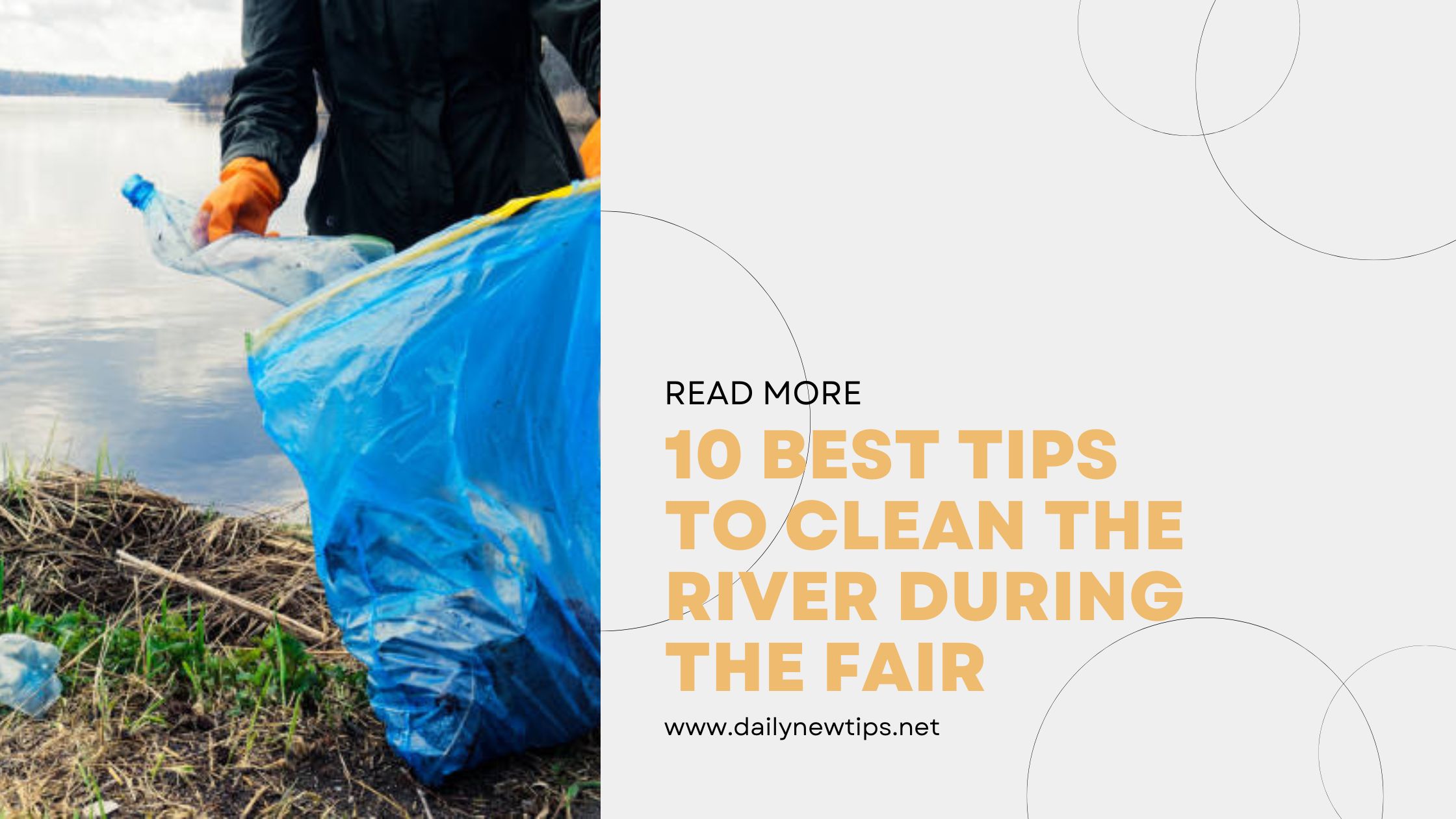
10 Best Tips to Clean the River During the Fair

Introduction:

10 Best Tips to Clean the River During the Fair

Fairs and festivals often bring joy, culture, and community bonding, but they can also lead to environmental challenges, especially when hosted near rivers. Waste accumulation and water pollution are common concerns. Keeping the river clean during such events is essential to protect aquatic life and maintain a healthy ecosystem. In this article, we will explore the 10 best tips to clean the river during the fair and ensure a more eco-friendly celebration.

10 Best Tips to Clean the River During the Fair

source:istocks

1. Organize a Pre-Fair Cleanup Drive

Before the fair begins, organize a cleanup campaign to remove existing waste and debris. This sets a standard for cleanliness and encourages fairgoers to maintain the area.

2. Set Up Sufficient Waste Disposal Bins

Install clearly labeled trash and recycling bins at multiple locations. Providing separate bins for biodegradable and non-biodegradable waste helps in proper disposal and recycling.

3. Encourage the Use of Eco-Friendly Products

Fair organizers and vendors should opt for biodegradable plates, cutlery, and packaging materials to reduce plastic waste. Visitors can be encouraged to bring reusable bags and bottles.

4. Deploy Volunteer Cleanup Teams

Assign dedicated volunteers to monitor waste disposal and clean up litter at regular intervals. Providing incentives like free fair tickets or discounts can motivate participation.

5. Limit Plastic Usage

Restrict the use of single-use plastics by enforcing policies such as banning plastic bags and straws. Encourage fairgoers to bring their own reusable containers.

6. Conduct Public Awareness Campaigns

Use posters, announcements, and social media to educate attendees about the importance of keeping the river clean. Highlight the environmental impact of pollution and how everyone can contribute.

7. Install Temporary Water Filtration Systems

Setting up temporary filtration systems near riverbanks can help prevent contaminated water from affecting aquatic life. This can be especially useful for preventing chemical spills or food waste from entering the river.

8. Arrange Scheduled Waste Collection

Ensure waste is collected and disposed of at designated intervals to prevent overflow and spillage into the river. Partnering with local waste management services can help streamline this process.

9. Conduct a Post-Fair Cleanup Drive

Once the event concludes, gather volunteers, local authorities, and environmental groups to clean up any leftover waste. Conducting a final sweep of the river and surrounding areas ensures complete cleanup.

10. Partner with Environmental Organizations

Collaborate with local NGOs and environmental groups for expert guidance on sustainable waste management. They can also help in planning long-term solutions for river conservation beyond the fair.

Importance of Keeping the River Clean

A clean river ensures safe drinking water, supports biodiversity, and provides recreational benefits. Fairs and large gatherings near rivers often contribute to littering and pollution. By adopting responsible cleanup methods, we can preserve natural resources for future generations.

source:pixabay

Cleaning the river during fairs is important for several reasons:

  1. Environmental Protection – Large gatherings often lead to waste, including plastic, food wrappers, and other pollutants that can harm aquatic life and degrade water quality. Cleaning helps prevent long-term damage to the river ecosystem.
  2. Public Health and Hygiene – Rivers can become contaminated with waste, increasing the risk of waterborne diseases for people who use the water for drinking, bathing, or religious rituals. Regular cleaning ensures safer conditions.
  3. Preservation of Aquatic Life – Litter and pollutants can harm fish, plants, and other aquatic organisms. Cleaning the river helps maintain biodiversity and the natural balance of the ecosystem.
  4. Aesthetic and Cultural Value – Many fairs are associated with religious or cultural significance, where clean water is essential for rituals. Keeping the river clean ensures a pleasant experience for visitors and maintains the sacredness of the place.
  5. Sustainability of Future Events – If left unchecked, pollution can accumulate and make it difficult to host future fairs at the same location. Regular cleanup efforts help sustain the venue for future use.

How can volunteers contribute to river cleanup during the fair?

Volunteers can play a crucial role in river cleanup during fairs by participating in various activities. Here’s how they can contribute:

source:pixabay

1. Waste Collection & Segregation

  • Gather plastic, food wrappers, and other litter from riverbanks and water.
  • Separate waste into biodegradable and non-biodegradable materials for proper disposal.
  • Encourage fair visitors to use designated trash bins.

2. Water Pollution Prevention

  • Educate vendors and visitors about responsible waste disposal.
  • Prevent people from throwing offerings, plastics, and chemicals into the river.
  • Set up eco-friendly offering stations where waste is collected instead of dumped into the water.

3. Community Awareness & Engagement

  • Organize awareness campaigns about the impact of river pollution.
  • Use posters, pamphlets, and social media to promote cleanliness.
  • Encourage fairgoers to take a pledge to keep the river clean.

4. Providing Eco-Friendly Alternatives

  • Distribute biodegradable bags and utensils to vendors.
  • Encourage the use of cloth bags instead of plastic.
  • Set up water refill stations to reduce plastic bottle usage.

5. Collaboration with Authorities

  • Work with local government, NGOs, and environmental groups to implement cleanup drives.
  • Assist in setting up waste disposal units and recycling stations.

6. Post-Fair Cleanup

  • Organize a final cleanup after the fair to remove any leftover waste.
  • Ensure that all collected waste is properly disposed of or recycled.

Conclusion

Keeping the river clean during fairs requires a collective effort from organizers, vendors, and attendees. By implementing these 10 best tips, we can significantly reduce pollution and protect our natural water bodies. Responsible celebrations ensure that future generations can also enjoy festivals without harming the environment.

References

  • Environmental Protection Agency (EPA) Guidelines on River Cleanup
  • World Wildlife Fund (WWF) Reports on Water Conservation
  • Local Government Waste Management Regulations

FAQs

1. How can fair organizers minimize river pollution?

Organizers can set up waste bins, restrict plastic use, deploy cleanup teams, and educate the public on responsible waste disposal.

2. What are some eco-friendly alternatives to plastic at fairs?

Biodegradable plates, wooden cutlery, cloth bags, and reusable water bottles are great alternatives to single-use plastics.

3. Are there government initiatives supporting river cleanup?

Yes, many governments have waste management programs and environmental policies to promote clean water bodies. Checking with local authorities can provide more insights.

By following these tips, we can make fairs enjoyable while preserving the natural beauty of our rivers!

7 Key Challenges and Future Solutions for Underwater Noise Pollution

Introduction

7 Key Challenges and Future Solutions for Underwater Noise Pollution

Underwater noise pollution is a growing environmental concern that threatens marine life, disrupts ecosystems, and affects global biodiversity. With increasing industrial activities such as shipping, offshore energy production, and naval operations, underwater noise pollution is at an all-time high. Addressing this issue requires understanding the key challenges and implementing innovative solutions. In this article, we explore seven major challenges and future solutions to combat underwater noise pollution effectively..

7 Key Challenges and Future Solutions for Underwater Noise Pollution

source:pixabay

1. Lack of Global Regulations

Challenge:

Currently, there are no comprehensive, legally binding international regulations that specifically target underwater noise pollution. While organizations like the International Maritime Organization (IMO) and United Nations Convention on the Law of the Sea (UNCLOS) address ocean pollution broadly, they lack strict enforcement mechanisms for noise control.

Solution:

  • Strengthening international agreements and treaties to include specific noise pollution regulations.
  • Encouraging nations to implement and enforce stricter national policies on marine noise.

2. Impact on Marine Life is Not Fully Understood

Challenge:

Although studies show that underwater noise affects marine mammals, fish, and invertebrates by interfering with communication, navigation, and reproduction, the full extent of these impacts is still unclear. Limited research makes it difficult to set effective noise reduction targets.

Solution:

  • Investing in long-term scientific studies on the effects of noise pollution on various marine species.
  • Developing underwater acoustic monitoring systems to track and analyze noise levels globally.

3. High Cost of Noise Reduction Technologies

Challenge:

Implementing noise reduction technologies, such as quiet propellers and bubble curtains, requires significant investment. Many shipping companies and industrial operations hesitate due to high costs and lack of incentives.

Solution:

  • Governments and environmental organizations can offer financial incentives and subsidies for adopting quieter ship designs.
  • Research and development in cost-effective noise mitigation technologies to make them accessible to all industries.

4. Growing Global Shipping Industry

Challenge:

The shipping industry is expanding rapidly, with commercial vessels producing one of the largest sources of underwater noise. Increased global trade and maritime transportation further worsen the problem.

Solution:

  • Implementing slow steaming policies (reducing ship speeds) to significantly lower noise levels.
  • Encouraging the adoption of low-noise ship designs and hull modifications.

5. Noise Pollution from Offshore Energy Projects

Challenge:

Seismic surveys, offshore wind farms, and oil and gas drilling create intense underwater noise. These activities disturb marine species, especially those relying on echolocation for survival.

Solution:

  • Using bubble curtains and marine vibroseis technology to dampen seismic and construction noise.
  • Establishing noise-free zones in sensitive marine habitats.

6. Limited Public Awareness and Advocacy

Challenge:

Compared to plastic pollution and climate change, underwater noise pollution receives less public attention. Without widespread awareness, policy changes and industry action remain slow.

Solution:

  • Launching public awareness campaigns to educate people on the impact of ocean noise.
  • Strengthening partnerships between governments, NGOs, and environmental activists to advocate for stricter regulations.

7. Difficulty in Monitoring and Enforcing Regulations

Challenge:

Even where noise reduction policies exist, enforcing them is difficult due to the vast and unregulated nature of international waters.

Solution:

  • Advancing real-time acoustic monitoring systems to track noise pollution in key ocean regions.
  • Encouraging industries to adopt voluntary compliance programs with incentives for meeting noise reduction standards.

Tips and Suggestions for Reducing Underwater Noise Pollution

Reducing underwater noise pollution is essential for protecting marine life, particularly species that rely on sound for communication, navigation, and survival. Here are some tips and suggestions to help minimize underwater noise pollution:

source:pixabay

For Individuals and Boaters

  1. Use Quiet Propulsion Systems – Opt for electric or hybrid boat engines, which produce less noise than traditional combustion engines.
  2. Slow Down – Reduce vessel speed, as slower-moving boats generate less noise.
  3. Maintain Your Boat – Keep propellers and hulls well-maintained to minimize cavitation noise, which occurs when propellers create air bubbles.
  4. Avoid Sensitive Areas – Refrain from boating in marine reserves, breeding grounds, and areas with known marine mammal populations.
  5. Use Noise-Reducing Technologies – Install vibration isolation mounts or quieter propeller designs that reduce acoustic disturbances.

For Industries and Shipping

  1. Implement Quieter Ship Designs – Encourage shipbuilders to incorporate noise-reducing technologies like bubble curtains, quieter hull designs, and improved propeller shapes.
  2. Use Alternative Propulsion Methods – Shift to LNG (Liquefied Natural Gas) engines or electric propulsion to minimize noise.
  3. Enforce Speed Reductions in Key Areas – Mandate slower shipping speeds in marine wildlife hotspots to lessen acoustic disturbances.
  4. Schedule Operations Wisely – Time industrial activities, such as offshore drilling and construction, to avoid critical breeding or migration periods.
  5. Use Sound-Absorbing Materials – Encourage the use of materials that dampen noise in shipbuilding and underwater structures.

For Governments and Organizations

  1. Strengthen Regulations – Establish and enforce stricter noise pollution limits for ships and industrial activities in marine environments.
  2. Create Marine Protected Areas – Designate and expand zones where human activity is limited to preserve underwater ecosystems.
  3. Promote Research and Awareness – Support studies on the impact of underwater noise pollution and invest in alternative, quieter technologies.
  4. Encourage International Cooperation – Work with global organizations to create uniform standards for reducing ocean noise pollution.
  5. Monitor and Enforce Compliance – Deploy acoustic monitoring systems to ensure compliance with noise regulations and identify problem areas.

For the General Public

  1. Support Eco-Friendly Products – Choose seafood from sustainable sources that follow responsible fishing and aquaculture practices.
  2. Raise Awareness – Educate others about the effects of underwater noise pollution and advocate for stronger conservation efforts.
  3. Participate in Beach Cleanups – While not directly related, reducing overall ocean pollution can contribute to healthier marine ecosystems.
  4. Support Marine Conservation Groups – Donate or volunteer with organizations working to reduce ocean noise pollution.
  5. Advocate for Policy Changes – Urge policymakers to prioritize regulations and innovations that reduce underwater noise.

Conclusion

Underwater noise pollution is a serious environmental challenge, but with increased awareness, technological advancements, and stronger regulations, progress can be made. By tackling these seven key challenges and implementing practical solutions, we can create a quieter and healthier marine environment for future generations.

References

  1. International Maritime Organization (IMO) – www.imo.org
  2. United Nations Convention on the Law of the Sea (UNCLOS) – www.un.org
  3. Marine Strategy Framework Directive (MSFD) – www.eea.europa.eu
  4. ACCOBAMS Agreement – www.accobams.org
  5. Convention on Biological Diversity (CBD) – www.cbd.int
Frequently Asked Questions (FAQs)

1. What is underwater noise pollution?

Underwater noise pollution refers to human-made sounds from activities like shipping, drilling, and sonar use that interfere with marine ecosystems and wildlife.

2. How does underwater noise pollution affect marine life?

It disrupts communication, navigation, and reproduction in marine species, especially those relying on echolocation, such as whales and dolphins.

3. What industries contribute most to underwater noise pollution?

The primary contributors are commercial shipping, offshore oil and gas exploration, naval sonar use, and construction of offshore wind farms.

4. Are there any global regulations on underwater noise pollution?

There are some guidelines from organizations like the IMO and UNCLOS, but no strict global regulations currently exist.

5. What can individuals do to help reduce ocean noise pollution?

Supporting sustainable seafood choices, advocating for quieter technologies, and spreading awareness about the issue are some effective ways to help.

Call to Action

Governments, industries, and individuals all play a role in reducing underwater noise pollution. Support marine conservation initiatives, advocate for stronger policies, and choose sustainable ocean-friendly products to make a difference!

9 Ways Governments Can Reduce Ocean Noise Pollution

Introduction

9 Ways Governments Can Reduce Ocean Noise Pollution

Ocean noise pollution is a growing threat to marine life, especially for species like whales, dolphins, and fish that rely on sound for communication, navigation, and survival. Increased shipping traffic, industrial activities, and offshore energy production have significantly contributed to underwater noise pollution. However, governments can take proactive measures to mitigate this issue and protect marine ecosystems. This article explores nine ways authorities can reduce ocean noise pollution effectively.

9 Ways Governments Can Reduce Ocean Noise Pollution

source:pixabay

1. Regulating Ship Speeds

Slower-moving ships generate less noise, reducing the disruption to marine life. Implementing speed limits in sensitive marine areas can significantly lower noise levels and minimize the impact on ocean species.

2. Developing Quieter Ship Designs

Governments can encourage or mandate the use of noise-reducing technologies in shipbuilding. Innovations like improved propeller designs, hull modifications, and better engine insulation can help reduce underwater noise emissions.

3. Establishing Marine Protected Areas (MPAs)

Creating designated quiet zones where human activities are limited can provide marine species with safe havens free from excessive noise pollution. MPAs help preserve ecosystems and promote biodiversity.

4. Regulating Industrial Activities

Offshore oil and gas exploration, construction, and mining generate significant underwater noise. Governments can enforce stricter regulations on these industries, requiring the use of noise-dampening technologies and limiting operations in critical habitats.

5. Promoting Alternative Propulsion Technologies

Encouraging the adoption of eco-friendly propulsion systems, such as electric or hybrid-powered ships, can significantly reduce underwater noise pollution. These technologies also contribute to lower carbon emissions and a cleaner marine environment.

6. Implementing Real-Time Monitoring Systems

Governments can set up acoustic monitoring networks to track noise levels in the ocean. These systems can help identify problem areas and allow authorities to take timely action to reduce disturbances.

7. Enforcing Seasonal Restrictions

Restricting shipping and industrial activities during key breeding and migration periods of marine species can protect them from excessive noise exposure. Governments can implement temporary bans or limitations in critical zones.

8. Raising Public Awareness and Industry Education

Governments should invest in educational campaigns to inform the public and industries about the harmful effects of ocean noise pollution. Providing guidelines and best practices for noise reduction can encourage compliance and cooperation.

9. Encouraging International Collaboration

Since ocean noise pollution is a global issue, governments must work together to establish international regulations and agreements. Collaborating with organizations like the International Maritime Organization (IMO) can help enforce consistent noise reduction standards worldwide.

Advice for Individuals and Businesses

  1. Support eco-friendly shipping companies – Choose companies that use noise-reducing technologies, follow sustainable shipping practices, and comply with environmental regulations to minimize underwater noise pollution.
  2. Reduce personal watercraft noise – Use quieter motors, operate at lower speeds, and adhere to marine conservation guidelines to avoid disturbing marine species. This helps minimize human impact on underwater ecosystems.
  3. Advocate for stronger environmental policies – Stay informed about ocean conservation efforts and support organizations pushing for stricter regulations on industrial and shipping noise pollution. Engaging in activism and policy discussions can drive meaningful change.

Are there any global regulations for ocean noise pollution?
There are no comprehensive, legally binding global regulations specifically targeting ocean noise pollution, but several international agreements and organizations address it within broader environmental and maritime frameworks. Some key global efforts include:

1. United Nations Convention on the Law of the Sea (UNCLOS)

  • Article 194 requires states to take measures to prevent, reduce, and control pollution of the marine environment, including noise pollution.
  • However, it does not provide specific guidelines on ocean noise.

2. International Maritime Organization (IMO)

  • Guidelines for the Reduction of Underwater Noise from Commercial Shipping (2014): These voluntary guidelines provide recommendations for ship design and operation to reduce noise.
  • IMO is working on revising these guidelines to strengthen efforts.

3. Convention on Biological Diversity (CBD)

  • Recognizes ocean noise as a threat to marine biodiversity and encourages research and mitigation measures.
  • The CBD Conference of the Parties (COP) has issued recommendations on addressing underwater noise.

4. Agreement on the Conservation of Cetaceans in the Black Sea, Mediterranean Sea, and Contiguous Atlantic Area (ACCOBAMS)

  • A legally binding regional agreement that addresses underwater noise and its impact on marine mammals.

5. Convention on the Conservation of Migratory Species of Wild Animals (CMS)

  • Includes resolutions urging member countries to reduce underwater noise, particularly in critical habitats of migratory species.

6. Regional Agreements and National Efforts

  • The European Union has adopted measures under the Marine Strategy Framework Directive (MSFD), requiring member states to monitor and reduce underwater noise.
  • The United States, Canada, and other nations have developed national strategies to address ocean noise, particularly concerning marine mammals.

Challenges and Future Developments

Challenges and Future Developments in Regulating Ocean Noise Pollution

source:pixabay

Challenges:

  1. Lack of Binding Global Regulations
    • Most existing frameworks (UNCLOS, IMO guidelines) are voluntary or regional, making enforcement difficult.
    • No universal legal framework specifically addressing ocean noise pollution exists.
  2. Multiple Noise Sources and Industries
    • Commercial shipping, offshore energy (oil, gas, wind farms), military sonar, and seismic surveys all contribute to underwater noise.
    • Coordinating global industries to implement noise reduction measures is complex.
  3. Limited Scientific Data and Monitoring
    • Understanding of long-term effects on marine life is still developing.
    • Lack of consistent international monitoring makes it hard to assess progress.
  4. Economic Considerations and Resistance to Regulation
    • Implementing noise reduction measures (e.g., quiet ship designs, speed reductions) can be costly for industries.
    • Nations and corporations may be reluctant to adopt stricter regulations that affect economic activities.
  5. Enforcement Difficulties
    • Even when regulations exist (e.g., ACCOBAMS, EU MSFD), ensuring compliance across international waters is difficult.

Future Developments:

  1. Stronger International Policies
    • The International Maritime Organization (IMO) is working on revising its 2014 noise reduction guidelines, potentially making them more enforceable.
    • Future UNCLOS amendments or new treaties could include specific noise pollution regulations.
  2. Technological Advancements
    • Research into quieter ship propulsion systems, bubble curtains (to block sound from industrial activities), and low-noise sonar for naval use is advancing.
  3. Increased Marine Protected Areas (MPAs)
    • Expansion of noise-free zones or seasonal shipping restrictions in sensitive habitats (e.g., whale migration routes).
  4. Better Global Monitoring Systems
    • Development of underwater noise monitoring networks to collect real-time data on noise pollution.
    • AI and bioacoustics research to track how marine life is affected.
  5. Greater Industry and Government Collaboration
    • Some shipping companies are adopting quieter ship designs voluntarily.
    • Governments and NGOs are increasing pressure on offshore energy projects to implement noise mitigation strategies.

Conclusion

Reducing ocean noise pollution requires a collaborative effort between governments, industries, and individuals. By implementing these nine strategies, authorities can help create a quieter, healthier ocean environment for marine species. Addressing this issue now will ensure the protection of marine biodiversity for future generations.

References

  • International Maritime Organization (IMO) – Noise Pollution Regulations
  • National Oceanic and Atmospheric Administration (NOAA) – Effects of Noise on Marine Life
  • Marine Conservation Institute – Protecting Marine Ecosystems

FAQs

Q1: How does noise pollution affect marine life?
A: Ocean noise pollution disrupts communication, navigation, and feeding behaviors in marine species, leading to stress, habitat displacement, and even death in extreme cases.

Q2: What are the main sources of ocean noise pollution?
A: The primary sources include shipping traffic, industrial activities (such as oil drilling and mining), military sonar, and seismic surveys.

Q3: Can individuals contribute to reducing ocean noise pollution?
A: Yes, individuals can help by choosing quieter watercraft, supporting sustainable shipping practices, and advocating for stronger environmental regulations.

read more