7 Smart Benefits of Hybrid Systems Combining Multiple Power Sources

Introduction

7 Smart Benefits of Hybrid Systems Combining Multiple Power Sources

In today’s energy-driven world, depending on a single power source can be risky, expensive, and inefficient. That’s why hybrid systems combining multiple power sources—such as solar, wind, diesel, and battery storage—are becoming increasingly popular. By merging different energy technologies, these systems deliver consistent, sustainable, and cost-effective power solutions for homes, offices, and industries. Let’s explore the 7 smart benefits of adopting hybrid energy systems..

7 Smart Benefits of Hybrid Systems Combining Multiple Power Sources

source:pixabay

1. Reliable & Uninterrupted Power Supply

One of the biggest advantages of hybrid systems is energy reliability. If one source (like solar) is unavailable due to cloudy weather, another (such as wind or backup generators) can step in. This ensures uninterrupted power and reduces dependency on a single source.

2. Energy Cost Savings

Hybrid systems significantly reduce electricity costs by optimizing energy consumption from cheaper renewable sources. For example, solar panels can supply daytime energy, while batteries and wind turbines can provide backup power, reducing reliance on costly grid electricity or fuel.

3. Improved Energy Efficiency

By combining multiple sources, hybrid systems can maximize efficiency. Energy storage solutions like lithium-ion batteries store surplus power, ensuring that no energy goes to waste. This makes them a smart option for both residential and commercial users.

4. Eco-Friendly & Sustainable

Hybrid systems reduce greenhouse gas emissions by minimizing the use of fossil fuels. Integrating renewable sources like solar and wind creates a sustainable energy cycle, contributing to a cleaner and greener environment.

5. Scalability & Flexibility

Another smart benefit is that hybrid systems are scalable. Whether you’re powering a small home, a remote village, or an industrial facility, you can easily expand or adjust the system to meet your energy demands without major changes.

6. Energy Security in Remote Areas

Hybrid systems are ideal for off-grid and remote locations where access to traditional electricity grids is limited. By combining solar, wind, and backup generators, these systems provide a reliable energy supply in rural or disaster-prone regions.

7. Long-Term Investment Value

Though the initial setup cost may be higher, hybrid systems pay off in the long run. They reduce utility bills, minimize maintenance costs, and often qualify for government incentives and subsidies, making them a wise long-term investment.

📈 Trends in Hybrid Energy Systems (2025)

source:pixabay
  1. Long-Duration Energy Storage
    Projects with batteries that can discharge for 8+ hours are gaining traction. For instance, Australia’s Limondale battery paired with a solar farm demonstrates how long-duration storage helps buffer renewable variability. This trend helps manage “dunkelflaute” periods (low solar + wind output), making hybrid systems more reliable
  2. Falling Costs of Renewables + Storage Components
    The cost of solar panels, wind turbines, and especially battery storage (e.g. lithium-ion) is steadily declining. This makes hybrid systems more affordable, accelerating adoption.
  3. Hybrid Models: Solar + Wind + Battery
    Many markets (India, Asia-Pacific, etc.) are seeing hybrid systems combining solar, wind and battery backup as a preferred configuration. These take advantage of complementary generation (e.g. solar during day, wind at other times) plus storage to smooth out supply. Greater Grid Resilience & Energy Security
    Hybrid systems are being deployed for critical power applications (telecom, hospitals, rural electrification) to reduce reliance on unstable grids or fossil fuel backups. The diversification helps mitigate disruptions.
  4. Smart Grid Integration, Digitalization & AI
    Use of data, IoT, AI, predictive analytics for optimizing hybrid systems is growing. This includes real‐time monitoring, predictive maintenance, demand forecasting, and automated control systems to optimize how different sources are used. Emergence of Distributed Energy Resources (DERs), Microgrids
    Smaller scale, localized hybrid systems are becoming more common. Microgrids, community energy systems, and behind-the-meter storage (at homes or businesses) are being integrated into larger grids, improving resilience and reducing losses. Energetica India+2sew.ai+2
  5. New Battery Technologies / Alternative Storage Media
    Beyond traditional lithium-ion, there is increasing interest in novel storage technologies: flow batteries, compressed air, and even exploring green hydrogen as part of hybrid storage or backup systems. hexaclimate.com+2Market Research Future+2
  6. Hybrid Projects at Scale
    Big hybrid renewable parks and power stations are under construction. For example, the Gujarat Hybrid Renewable Energy Park in India is one of the world’s largest, combining solar and wind generation. Wikipedia
    Also the Oya Hybrid Power Station in South Africa, combining solar, wind, and battery storage. Wikipedia
  7. Policy Support & Market Growth
    Governments are introducing incentives, regulations, and targets that favor hybrid solutions. Market reports show strong growth projections (CAGR in 5-10%+ range in many regions) for hybrid power systems. The Business Research Company+2WiseGuy Reports+2
  8. Vehicle-to-Grid (V2G) / Energy Carrier Integration
    EVs are being seen not just as loads, but as part of the storage ecosystem. Vehicle-to-Grid (V2G) technologies are expected to contribute to grid balancing, especially when integrated with renewables. Also, hydrogen as an energy carrier (green hydrogen) is becoming part of hybrid energy planning in some regions. Energetica India+2hexaclimate.com+2

💡 Suggestions for Best Results

  1. Choose Complementary Energy Sources
    Pair solar with wind, or solar with batteries, since their peak generation times differ. This ensures smoother energy supply and fewer disruptions.
  2. Invest in High-Quality Batteries
    Opt for lithium-ion or flow batteries with long life cycles to maximize energy storage efficiency and reduce replacement costs.
  3. Use Smart Energy Management Systems
    Incorporate IoT-based monitoring, AI, or smart meters to track performance and automatically switch between power sources for maximum savings.
  4. Plan for Scalability
    Design your system with future growth in mind. Start small, but ensure it’s easy to expand when your power needs increase.
  5. Regular Maintenance is Key
    Clean solar panels, service wind turbines, and check wiring regularly to keep your hybrid system running at peak performance.
  6. Leverage Government Incentives
    Many countries offer tax rebates, subsidies, or low-interest loans for renewable hybrid installations. Research and apply to cut initial costs.
  7. Consider Location-Specific Design
    For sunny areas, prioritize solar + battery. In windy or coastal regions, solar + wind hybrids perform best. Rural areas may benefit from adding a diesel backup.
  8. Integrate Backup Systems
    Even with renewable sources, having a backup generator or secondary storage system ensures power security during peak demand or bad weather.
  9. Use Certified Installers & Quality Equipment
    Work with licensed professionals and trusted brands to ensure safety, efficiency, and warranty protection.
  10. Monitor Energy Usage Patterns
    Track when your household or business consumes the most energy, then configure the hybrid system to prioritize low-cost sources during those peak times.

✅ Conclusion

Hybrid systems that combine multiple power sources are no longer just an option—they’re the future of energy solutions. With reliability, cost savings, sustainability, and scalability, they offer smart benefits for homeowners, businesses, and communities worldwide. Investing in hybrid power is a step toward energy independence and environmental responsibility..

📚 References

  • International Renewable Energy Agency (IRENA) Reports
  • U.S. Department of Energy – Hybrid Energy Systems Research
  • World Economic Forum – Future of Energy

❓ FAQs

Q1. What is a hybrid power system?
A hybrid power system combines two or more energy sources—such as solar, wind, diesel, or batteries—to deliver consistent power.

Q2. Are hybrid systems cost-effective?
Yes. While installation may cost more initially, hybrid systems reduce long-term energy bills and often qualify for subsidies.

Q3. Can hybrid systems work without grid electricity?
Absolutely. They are designed to work in off-grid locations, making them ideal for rural or remote areas.

Q4. How long do hybrid system batteries last?
Most high-quality batteries last between 7 to 15 years, depending on usage and maintenance.

Q5. Are hybrid energy systems good for the environment?
Yes. They reduce reliance on fossil fuels and increase the use of clean, renewable energy sources, lowering carbon emissions.

🖼️ 2-Minute Setup: How Easy It Is to Install a Smart Digital Frame

Introduction

🖼️ 2-Minute Setup: How Easy It Is to Install a Smart Digital Frame

Smart digital frames have transformed the way we display memories. With sleek designs, Wi-Fi connectivity, and app integration, these tech-savvy frames are more than just photo holders—they’re dynamic storytelling devices. And the best part? You can set one up in just 2 minutes..

⚡ Quick 2-Minute Setup Guide: How to Install a Smart Digital Frame

source:pixabay

Setting up a smart digital frame is easier than ever. Whether you’re gifting it to someone or upgrading your own space, follow these simple steps to get started in under 2 minutes.

🧰 What You’ll Need:

  • Your smart digital frame
  • Power adapter (included)
  • Wi-Fi connection
  • Smartphone with the companion app installed

🚀 Step-by-Step Setup

1. Unbox and Plug In

  • Connect the frame to a power outlet using the provided adapter.
  • Most frames will automatically power on once plugged in.

2. Connect to Wi-Fi

  • Use the touchscreen or on-screen prompts to select your Wi-Fi network.
  • Enter your password and wait for confirmation.

3. Download the App

  • Install the brand’s app (e.g., Aura, Nixplay, Skylight) from the App Store or Google Play.
  • Open the app and create an account if needed.

4. Pair Your Frame

  • Scan the QR code on the frame or enter the frame ID in the app.
  • This links your device to the frame securely.

5. Upload Your Photos

  • Choose images from your phone, cloud storage, or social media.
  • Send them directly to the frame via the app.

6. Customize Your Display

  • Adjust slideshow speed, brightness, sleep mode, and transition effects.
  • Set preferences for auto-rotation or portrait/landscape mode.

✅ You’re Done!

Your smart digital frame is now ready to showcase your favorite memories. You can continue adding photos anytime, from anywhere.

✅ Done! Your frame is now live and displaying your favorite moments.

💡 Tips for a Smooth Setup

🛠️ 1. Choose the Right Spot

Place your frame near a power outlet and within range of a strong Wi-Fi signal. Avoid areas with direct sunlight to prevent glare.

📶 2. Use a Stable Wi-Fi Connection

A reliable internet connection ensures seamless photo uploads and software updates. If possible, use a 2.4GHz network for better compatibility.

📱 3. Download the Companion App First

Before powering up the frame, install the brand’s app (e.g., Aura, Nixplay, Skylight) on your smartphone. This speeds up pairing and setup.

🔒 4. Create a Dedicated Album

Organize your favorite photos into a folder or album beforehand. This makes uploading faster and keeps your display curated.

👨‍👩‍👧‍👦 5. Invite Family Members

Most smart frames allow multiple contributors. Send invites via the app so loved ones can share photos directly to the frame.

🌙 6. Adjust Display Settings

Customize slideshow speed, brightness, and sleep mode to suit your room’s ambiance and your viewing preferences.

🔄 7. Enable Auto-Rotation

If your frame supports both portrait and landscape modes, turn on auto-rotation for flexible placement.

🔔 8. Turn On Notifications

Enable app notifications to get alerts for new uploads, firmware updates, or shared photos from family.

🔄 9. Keep Firmware Updated

Regular updates improve performance and add new features. Check for updates in the app settings.

🧼 10. Clean the Screen Gently

Use a microfiber cloth to wipe the screen. Avoid harsh chemicals that could damage the display.

🎯 Benefits of Smart Digital Frames

📲 1. Instant Photo Sharing

Send photos directly to the frame from anywhere in the world using a mobile app, email, or cloud service. It’s perfect for keeping loved ones updated with your latest memories—especially grandparents or distant family.

🧠 2. Smart Features & Automation

Many frames offer AI-powered photo curation, auto-rotation, and adaptive brightness. Some even support voice assistants like Alexa or Google Assistant for hands-free control.

🌐 3. Wi-Fi & Cloud Integration

No need for USB drives or SD cards. Smart frames connect to Wi-Fi and sync with cloud platforms like Google Photos, iCloud, or Dropbox for seamless access to your photo library.

🎁 4. Perfect for Gifting

Whether it’s a birthday, anniversary, or housewarming, smart frames make thoughtful tech gifts. You can preload them with photos before gifting for a personalized touch.

🖼️ 5. Dynamic Display Options

Customize slideshow speed, transitions, and display modes. Some frames even support video playback and captions for richer storytelling.

🌱 6. Eco-Friendly & Clutter-Free

Say goodbye to printing costs and physical photo clutter. Digital frames reduce paper waste and let you update your display without lifting a finger.

👨‍👩‍👧‍👦 7. Multi-User Access

Invite family and friends to contribute photos remotely. It’s a collaborative way to keep the frame fresh and meaningful.

🔒 8. Secure & Private

Reputable brands use encrypted connections and secure servers to protect your data. You control who can upload and view content.

🔥 Trending Now: What’s Hot in Smart Frames

Smart frames are no longer just digital photo albums—they’re evolving into interactive, intelligent lifestyle devices. Here’s what’s making waves in 2025:

source:pixabay

🧠 1. AI-Powered Photo Curation

Frames now use artificial intelligence to auto-select your best photos based on smiles, lighting, and composition. Say goodbye to manual sorting!

🗣️ 2. Voice Assistant Integration

Alexa and Google Assistant compatibility lets you control your frame hands-free. You can ask it to show specific albums or even turn off the display..

☁️ 3. Cloud-Based Unlimited Storage

Many brands offer free or subscription-based cloud storage, allowing you to upload thousands of photos without worrying about space.

📱 4. Multi-User Sharing

Frames now support multiple contributors. Family and friends can send photos directly to your frame from anywhere in the world.

🎥 5. Video Playback Support

Short videos and live moments are now part of the slideshow experience. Some frames even support audio playback for richer storytelling.

🖼️ 6. Art Mode & Ambient Display

When not showing photos, frames can display curated artwork, weather updates, or calendar events—blending seamlessly into your home decor.

🔄 7. Auto-Rotation & Smart Orientation

Advanced sensors detect the frame’s position and adjust the display accordingly, whether it’s mounted on a wall or placed on a table.

🔒 8. Enhanced Privacy Controls

New models offer encrypted sharing, password-protected albums, and customizable access settings to keep your memories secure.

🛍️ Top Smart Frames to Consider

🖼️ Brand🌟 Key Features💰 Price Range (INR)🎯 Best For
Aura CarverUnlimited cloud storage, auto photo curation, sleek design₹12,000–₹18,000Stylish home decor & gifting
Nixplay SmartApp control, video playback, wall-mountable, Alexa support₹10,000–₹16,000Tech-savvy users & families
Skylight FrameEmail-to-frame uploads, simple UI, touchscreen setup₹9,000–₹14,000Seniors & remote sharing
Dragon Touch Classic 10SD card/USB support, Wi-Fi, customizable slideshow₹8,000–₹12,000Offline use & budget buyers
Pix-StarWeb album sync, remote control, weather & radio features₹13,000–₹17,000Multi-user households

Sources: Aura Frames, Nixplay, Skylight, Dragon Touch, Pix-Star official websites


🧠 Pro Tips for Choosing the Right Frame:

  • For Gifting: Choose models that allow remote uploads and easy setup (Skylight, Aura).
  • For Tech Enthusiasts: Go for frames with voice assistant support and video playback (Nixplay, Pix-Star).
  • For Budget Buyers: Look for SD/USB compatibility and basic Wi-Fi features (Dragon Touch).
  • For Families: Pick frames with multi-user access and cloud syncing (Pix-Star, Aura).

🧠 Conclusion

Smart digital frames offer a seamless blend of technology and sentiment. With a 2-minute setup, they’re perfect for tech novices and photo lovers alike. Whether you’re gifting one to grandparents or upgrading your living room, these frames make sharing memories effortless and elegant.

❓ FAQs

Q1: Do I need a subscription to use a smart frame? Most frames work without subscriptions, though some offer premium features with optional plans.

Q2: Can I send photos from anywhere? Yes! As long as your frame is connected to Wi-Fi, you can upload photos remotely via app or email.

Q3: Will it work with Google Photos or iCloud? Many frames support cloud integration. Check compatibility before purchasing.

Q4: Can I use it without Wi-Fi? Some frames allow USB or SD card uploads, but Wi-Fi enables full functionality.

Q5: Is it safe to share photos through the app? Reputable brands use encrypted connections and secure servers to protect your data.

⚡ 9 Benefits of Using Small Generators Over Inverters for Homes & Offices

Introduction

⚡ 9 Benefits of Using Small Generators Over Inverters for Homes & Offices

When it comes to backup power solutions, two popular options often come to mind: small generators and inverters. While inverters are widely used for short-term electricity needs, small generators are proving to be a more reliable choice for both homes and offices. They not only provide consistent power output but also handle heavy loads efficiently, making them a practical investment for people who don’t want interruptions during power cuts..

In this article, we’ll explore the 9 benefits of using small generators over inverters and why they might be the smarter choice for your backup energy needs.

✅ 9 Benefits of Using Small Generators Over Inverters

source:pixabay

1. Higher Power Output

Small generators can handle heavy appliances like refrigerators, air conditioners, and office equipment without strain. Inverters, on the other hand, are designed for lighter loads.

2. Works Without Battery Dependency

Unlike inverters that require a fully charged battery, small generators generate electricity directly from fuel. This means you don’t need to worry about drained batteries during long outages.

3. Longer Backup Duration

A generator can run continuously as long as you have fuel. Inverters, however, can only last for the battery’s capacity, making them less reliable during extended blackouts.

4. Cost-Effective in the Long Run

While inverters need frequent battery replacements, generators only require fuel and occasional servicing, reducing long-term costs.

5. More Reliable in Rural or Remote Areas

In places with frequent and long power cuts, generators perform better since they don’t rely on grid electricity to recharge batteries like inverters do.

6. Supports Both Homes & Offices

From running household essentials like fans and lights to powering computers, printers, and small office equipment, small generators provide a wider application range than inverters.

7. No Waiting Time for Recharging

Inverters take hours to recharge, but generators provide instant backup once switched on, making them a quicker solution during emergencies.

8. Durability & Longer Lifespan

With proper maintenance, small generators can last for years. Inverters, however, have a shorter lifespan due to battery wear and tear.

9. Flexibility of Use

Small generators are portable and versatile, making them useful not just at home or in offices but also at outdoor events, construction sites, or remote areas.

📊 Trends in Backup Power Solutions (2025)

🔍 Key Trends in Backup Power Solutions (2025)

source:pixabay
  1. Hybrid Systems Combining Multiple Power Sources
    There’s increasing adoption of backup systems that mix generators, batteries, and renewable energy (solar, wind) rather than relying on a single source. Hybrid setups help ensure greater reliability, lower emissions, and cost savings. Volt Watt Electric+3Market Business Insights+3bstess+3
  2. Growth of Battery Energy Storage Systems (BESS)
    Batteries (especially lithium-ion, and newer chemistries) are increasingly being integrated, in homes, commercial buildings, and utility scale. Improvements in energy density, lifespan, and thermal stability are making battery storage more attractive. NenPower+3Solar Builder Magazine+3bstess+3
  3. Emerging Battery Technologies
    1. Lithium Iron Phosphate (LFP) batteries are getting better known for their safety and long life. Solartex News
    1. Flow batteries are also gaining ground for large, long-duration storage needs, especially in commercial/industrial/off-grid environments. Solartex News+1
    1. Other nascent battery types (e.g. lithium-sulfur) are seeing experimentation and early prototyping. Bez Kabli
  4. Smart / AI-enabled Monitoring and Management
    Backup systems are becoming smarter. Real-time monitoring, predictive maintenance, load optimization, and energy management software are helping improve reliability, reduce downtime, and extend equipment life. IoT sensors + analytics are big players. GlobeNewswire+2Volt Watt Electric+2
  5. Energy Storage as a Service (ESaaS) & Financing Innovations
    To make backup power more accessible, providers are offering service models where users don’t need to buy expensive systems outright. Instead they lease, subscribe, or pay based on performance. This reduces upfront cost barriers. bstess+1
  6. Modular & Scalable Solutions
    Systems that can be scaled up/down are in demand: e.g. modular battery packs, generators that can be paralleled, modular UPS units, or backup systems that allow adding more capacity later. This gives flexibility for growing needs. Volt Watt Electric+3Solar Builder Magazine+3Wedbush Investor+3
  7. Grid-forming and Microgrid Capabilities
    Backup systems are no longer just about “keeping lights on” — they’re being designed to form microgrids, isolate parts of the system during outages (“islanding”), or help rebuild grid segments (black start). Grid-forming inverters and power electronics are becoming more capable. Solar Builder Magazine+1
  8. Resilience, Disaster Preparedness, & Regulatory Pressure
    With more extreme weather events and infrastructure stress, there’s greater emphasis on backup systems for critical facilities (hospitals, data centers, emergency systems), regulatory mandates, and policies supporting reliability. That means more investment in robust, redundant systems. Wedbush Investor+2Market Business Insights+2
  9. Environmental/Sustainability Focus
    Clean energy backup systems (less reliance on diesel/fossil fuels), lower emission solutions, recyclability of components, and more efficient usage are becoming priorities. Users and regulators are also pushing for backup power that aligns with carbon reduction goals. Market Business Insights+1
  10. Improved Efficiency & Cost Reduction
    Through better materials, manufacturing, smarter operations, and economies of scale, backup systems are getting cheaper and more efficient. For example, better battery technologies, improved inverter designs (lower losses), better thermal management, etc

💡 Suggestions for Best Results

source:pixabay

·  Match Power Needs with Capacity

  • Calculate the total wattage of appliances you want to run.
  • Choose a generator/inverter with at least 20–30% extra capacity to avoid overload.

·  Prioritize Fuel & Energy Efficiency

  • Go for fuel-efficient generators or hybrid systems that integrate solar + battery backup.
  • This lowers long-term costs and reduces environmental impact.

·  Opt for Smart/Connected Models

  • Select backup systems with IoT or app connectivity for remote monitoring.
  • Features like fuel tracking, battery health, and load optimization improve performance.

·  Plan for Noise & Safety

  • If using a generator at home/office, consider a low-noise or soundproof model.
  • Always place it in a well-ventilated area to avoid carbon monoxide buildup.

·  Invest in Modular & Scalable Solutions

  • Choose systems that can be expanded later if your power demand increases.
  • This avoids the need to replace the entire unit.

·  Regular Maintenance is Key

  • Service generators at least once every 6–12 months.
  • For inverters, check batteries regularly and keep them charged.

·  Backup Fuel & Battery Strategy

  • Keep extra fuel stored safely (for generators).
  • For inverters, consider LFP (Lithium Iron Phosphate) batteries for longer life and safety.

·  Balance Cost with Reliability

  • Don’t just go for the cheapest solution; choose one that balances price, reliability, and durability.
  • A slightly higher upfront cost can save money in the long run.

·  Think About Future Trends

  • Look for hybrid-ready or renewable-compatible models that allow integration with solar panels or energy storage systems.

🌟 Conclusion

While inverters have their advantages for short-term power backup, small generators clearly provide more benefits for both homes and offices. They are more reliable, cost-effective, and powerful, ensuring that essential appliances and equipment continue running smoothly during power outages. If you live in an area with frequent power cuts or need to run heavy appliances, investing in a small generator is undoubtedly the smarter choice.

🔎 References

  • Energy Efficiency in Backup Power Systems – Energy.gov
  • Portable Generator Safety Guide – Consumer Reports
  • Choosing the Right Generator – Home Depot

❓ FAQs

Q1: Are small generators safe to use indoors?
👉 No, generators should always be used outdoors or in well-ventilated spaces to prevent carbon monoxide poisoning.

Q2: How much fuel does a small generator consume?
👉 On average, a 1kW generator consumes around 0.4–0.6 liters of fuel per hour, depending on load.

Q3: Which is cheaper: an inverter or a generator?
👉 Inverters have lower upfront costs, but generators are more cost-effective in the long run due to fewer battery replacements.

Q4: Can a small generator power an entire house?
👉 It depends on the generator’s wattage. A small generator can handle basic appliances but may not support all heavy loads simultaneously.

Q5: What is the average lifespan of a small generator?
👉 With regular maintenance, a small generator can last 8–10 years or more.

12 Elegant Wooden And Metal Frame Options for Chic Interiors

🏡 Introduction

12 Elegant Wooden And Metal Frame Options for Chic Interiors

Frames are more than just borders for your pictures, artwork, or mirrors—they are style statements that add personality to your home. Whether crafted from warm wood or sleek metal, the right frame can instantly enhance your interior décor. In 2025, homeowners are moving beyond plain, functional frames and embracing elegant designs that blend sturdiness with sophistication.

In this guide, we’ll explore 12 elegant wooden and metal frame options for chic interiors, along with tips, benefits, trends, and suggestions to help you choose the perfect frame for your space.

✅ Tips for Choosing the Best Frame

source:pixabay
  1. Match the Room Style – Rustic wood for farmhouse, sleek metal for modern, or a blend for eclectic spaces.
  2. Balance with Wall Color – Dark wood pops on light walls, while metallics shine against deep or bold colors.
  3. Size Proportion Matters – Large frames suit open walls, while slim frames are ideal for compact spaces.
  4. Think About Longevity – Choose durable materials if the frame will hold heavy mirrors or artwork.
  5. Coordinate with Furniture – Match frame tones with nearby furniture finishes for a cohesive look.
  6. Use Contrast Wisely – A black metal frame on a light wall or a light wooden frame on a dark wall creates visual impact.
  7. Don’t Overcrowd – Leave breathing space between frames to maintain elegance.
  8. Personal Touch – Pick frames that not only match décor but also reflect your personality.

🌟 Benefits of Wooden & Metal Frames

Benefits of Wooden Frames

  • Warm & Natural Look – Brings coziness and organic charm into interiors.
  • Versatility in Style – Works well with rustic, farmhouse, Scandinavian, and even modern décor.
  • Customizable – Easy to paint, carve, or stain for a personalized touch.
  • Eco-Friendly Options – Sustainable wood choices appeal to eco-conscious homeowners.
  • Timeless Appeal – Never goes out of style, making it a long-term investment.

⚙️ Benefits of Metal Frames

  • Sleek & Modern Finish – Perfect for minimalist, contemporary, and industrial interiors.
  • High Durability – Resistant to warping, cracking, and moisture damage.
  • Luxurious Look – Gold, silver, copper, and matte finishes add sophistication.
  • Light-Reflecting Quality – Enhances brightness when paired with mirrors or glass.
  • Space-Saving Designs – Slim metal edges maximize artwork or mirror visibility.

🌟 Combined Benefits

  • Mixing Wood & Metal – Offers the best of both worlds: warmth + durability.
  • Design Flexibility – Allows homeowners to blend traditional and modern aesthetics.
  • Long-Term Value – Frames that complement changing trends while lasting for years.
  •  Timeless Design – These frames never go out of style and add value to your interiors.

📈 Trending Now: Frame Styles in 2025

source:pixabay
  1. Mixed Material Frames – Combining wood and metal in one frame for a balanced rustic–modern look.
  2. Oversized Statement Frames – Large wall mirrors and dramatic art frames becoming central design pieces.
  3. Matte & Brushed Finishes – Matte black, brushed gold, and antique silver frames leading the trend.
  4. Eco-Friendly Frames – Sustainable wood and recycled metal frames gaining popularity among eco-conscious homeowners.
  5. Minimalist Floating Frames – Sleek edges with a “barely-there” style that puts focus on the art or photo.
  6. Curved & Organic Shapes – Round and oval frames replacing rigid rectangles for a softer vibe.
  7. Smart Digital Frames – Tech-integrated frames with chic wooden or metallic borders, displaying rotating digital art or photos.
  8. Gallery Wall Combinations – Stylishly mixing different frame sizes and materials to create curated accent walls.

💡 Suggestions for Best Use

·  Living Room: Use oversized wooden frames for mirrors or statement art pieces to create a warm focal point. Pair with smaller metal frames for accent photos.

·  Bedroom: Choose carved wooden frames for a cozy, intimate feel or brushed gold metal frames for a touch of luxury on nightstand photos.

·  Hallway/Gallery Wall: Mix wooden and metal frames in different sizes for a curated, stylish look.

·  Dining Room: Go for copper-toned or silver metal frames to add sophistication and reflect light, making the space feel larger.

·  Home Office: Opt for minimalist pine or matte white metal frames to keep the space bright and distraction-free.

·  Bathroom: Use water-resistant metal frames (silver, black, or gold) around mirrors for durability and elegance.

🪞 12 Elegant Wooden And Metal Frame Options for Chic Interiors

source:pixabay

1. Classic Oak Wooden Frames

Perfect for a timeless and cozy look in living rooms or bedrooms.

2. Rustic Barnwood Frames

Adds farmhouse charm with distressed textures and earthy tones.

3. Sleek Walnut Wooden Frames

A rich and dark finish ideal for modern and luxurious interiors.

4. Minimalist Pine Frames

Light-toned wood that pairs well with Scandinavian-inspired décor.

5. Carved Teak Wooden Frames

Intricate detailing that makes a bold statement in classic interiors.

6. Industrial Black Metal Frames

A strong, clean look—perfect for lofts and modern apartments.

7. Brushed Gold Metal Frames

Adds a touch of glamour to mirrors, artwork, and photographs.

8. Polished Silver Metal Frames

Sleek and reflective, great for contemporary or minimalist spaces.

9. Copper-Toned Frames

Warm and trendy, perfect for eclectic or vintage-style rooms.

10. Matte White Metal Frames

Clean and airy, excellent for coastal or Scandinavian interiors.

11. Mixed Wood & Metal Frames

Combines the warmth of wood with the strength of metal for balanced elegance.

12. Oversized Statement Frames

Large framed mirrors or art pieces that become the focal point of the room.

🏁 Conclusion

Choosing the right wooden or metal frame can transform the look of your home. From rustic wood to sleek metal, these 12 elegant options prove that frames are not just functional—they’re an essential part of interior design. In 2025, the focus is on durability, elegance, and personalization, ensuring that every frame complements your chic interiors.

📚 References

  • Houzz Interior Design Trends 2025
  • Architectural Digest – Frame & Décor Ideas
  • Elle Décor – Mixing Materials in Modern Homes

❓ FAQs

Q1: Which is better for interiors—wooden or metal frames?
Both are excellent—wood brings warmth and texture, while metal adds sleek modern elegance. Choose based on your décor style.

Q2: Can I mix wooden and metal frames in one room?
Yes! Mixing frames creates a balanced, eclectic look that feels both stylish and personal.

Q3: How do I maintain wooden frames?
Dust regularly and use wood polish every few months to maintain their shine and durability.

Q4: Are metal frames suitable for all décor types?
Yes, but they shine best in modern, minimalist, or industrial interiors. Brushed gold or brass also works beautifully in luxury settings.

Q5: What frame style is trending in 2025?
Slim black metal frames, distressed wood, and mixed-material designs are the most popular choices this year.

6 Natural Solutions to Prevent Musty Smell in Washing Machines During Monsoon

Introduction

6 Natural Solutions to Prevent Musty Smell in Washing Machines During Monsoon

Rainy season brings cool breezes and cozy days, but it also comes with high humidity that makes washing machines prone to musty odors. Dampness inside the drum, detergent buildup, and poor ventilation create the perfect environment for mold and mildew. Luckily, there are natural solutions that can keep your washing machine fresh without relying on harsh chemicals.

🌧️ Why Washing Machines Smell Musty During Monsoon

6 Natural Solutions to Prevent Musty Smell in Washing Machines

source:pixabay

The monsoon season brings high humidity and dampness, creating the perfect environment for mold and mildew to thrive inside washing machines. If left unchecked, this can lead to unpleasant odors, bacterial buildup, and even damage to your appliance.

🌿 1. Use White Vinegar for Deep Cleaning

Why it works: White vinegar is a natural disinfectant that breaks down mineral deposits and kills odor-causing bacteria.

How to use:

  • Add 2 cups of white vinegar to the drum.
  • Run a hot water cycle without any clothes.
  • Repeat once a month during monsoon.

🍋 2. Add Baking Soda for Odor Neutralization

Why it works: Baking soda absorbs moisture and neutralizes acidic odors.

How to use:

  • Mix ¼ cup of baking soda with water.
  • Pour into the detergent drawer and run a short cycle.
  • Leave the door open afterward to air out.

🌬️ 3. Keep the Door and Detergent Drawer Open

Why it works: Air circulation prevents moisture buildup and mold growth.

Actionable Tip: After every wash, leave the door and detergent drawer open for at least 30 minutes.

🧼 4. Wipe Down Seals with Tea Tree Oil Solution

Why it works: Tea tree oil has antifungal and antibacterial properties.

How to use:

  • Mix 10 drops of tea tree oil with 1 cup of water.
  • Use a cloth to wipe the rubber seals and drum.
  • Repeat weekly during monsoon.

🌾 5. Use Desiccants or Silica Gel Packs

Why it works: Desiccants absorb excess moisture, reducing the chance of mold.

How to use:

  • Place silica gel packs near or inside the machine when not in use.
  • Replace them every few weeks.

🧺 6. Wash with Neem Leaves or Neem Oil

Why it works: Neem is a powerful natural antibacterial and antifungal agent.

How to use:

  • Add a handful of neem leaves or 1 tablespoon of neem oil to the drum.
  • Run a rinse cycle to cleanse and deodorize.

✅ Bonus Tips for Monsoon Washing Machine Care

Even with natural solutions, consistent habits make all the difference. Here are some extra tips to keep your washing machine fresh and functional during the damp season:

🧽 Clean the Lint Filter Weekly

Moist lint can become a breeding ground for bacteria. Remove and rinse the filter once a week to prevent buildup and odors. Keyword: clean washing machine filter

🌬️ Improve Airflow Around the Machine

Avoid placing your washing machine in a cramped or poorly ventilated area. Use a small fan or dehumidifier nearby if needed. Keyword: washing machine ventilation tips

🧴 Use Low-Sudsing Detergents

Excess suds leave behind residue that traps moisture and causes smells. Opt for HE (High Efficiency) or low-sudsing detergents. Keyword: best detergent for washing machine smell

🧼 Dry the Rubber Gasket After Every Wash

The rubber seal around the door traps water and grime. Wipe it dry with a clean cloth after each use. Keyword: prevent mold in washing machine gasket

📅 Schedule a Monthly Deep Clean

Set a reminder to run a vinegar or baking soda cycle every 30 days. Regular maintenance keeps your machine odor-free. Keyword: monthly washing machine cleaning routine

🌟 Benefits of Keeping Washing Machines Fresh

Maintaining a clean and odor-free washing machine isn’t just about pleasant-smelling laundry—it’s a smart habit that pays off in multiple ways. Here’s why regular freshness matters:

source:pixabay

🧺 1. Fresher, Cleaner Laundry

A musty machine transfers odors and bacteria to clothes. Keeping it clean ensures your garments come out truly fresh, not just perfumed by detergent

🛡️ 2. Prevents Mold and Mildew Growth

Moisture and detergent residue create a breeding ground for mold. Regular cleaning stops fungal buildup before it starts.

⚙️ 3. Extends Appliance Lifespan

A well-maintained machine runs more efficiently and lasts longer. You’ll avoid costly repairs and premature replacements.

💧 4. Improves Water Drainage and Efficiency

Clogged filters and residue can slow drainage and reduce spin performance. A fresh machine uses less water and energy.

🧼 5. Reduces Skin Irritation and Allergies

Leftover detergent and mold spores can trigger skin issues. A clean drum means safer clothes for sensitive skin.

💰 6. Saves Money on Repairs and Rewashes

Foul smells often signal deeper issues. Preventive care helps you avoid technician visits and the need to rewash smelly loads.

🔮 Trending Laundry Habits in 2025

Laundry is no longer just a chore—it’s a reflection of eco-conscious living, tech-savvy choices, and personalized care. Here’s what’s shaping the way people wash in 2025:

🌱 1. Detergent Sheets Go Mainstream

Why it’s trending: Compact, plastic-free, and pre-measured, detergent sheets are replacing bulky jugs and powders.

  • Biodegradable and TSA-friendly
  • Ideal for cold-water washing
  • Popular among minimalists and eco-conscious consumers

❄️ 2. Cold-Water Washing Becomes the Default

Why it’s trending: Rising energy costs and climate awareness are driving cold-water habits.

  • Enzymatic boosters for stain removal
  • Cold-activated cleaning agents
  • Energy-efficient machines with cold rinse cycles

🧴 3. Skin-Safe, Hypoallergenic Formulas

Why it’s trending: Consumers are prioritizing skin health, especially for babies and sensitive skin.

  • Fragrance-free and dermatologist-tested
  • Plant-based surfactants
  • Allergen-free certifications

📦 4. Minimalist & Compostable Packaging

Why it’s trending: Laundry packaging is going green and smart.

  • Kraft boxes and refillable pouches
  • QR-coded smart labels for reordering
  • Subscription refill packs with compostable mailers

🧠 5. Smart Washing Machines with AI Sensors

Why it’s trending: Appliances now detect fabric type, soil level, and optimize cycles automatically.

  • AI-powered wash settings
  • App-controlled scheduling
  • Water and energy usage tracking

🧺 6. Multi-Functional Laundry Spaces

Why it’s trending: Laundry rooms are evolving into hybrid zones—doubling as pantries or mudrooms.

  • Stylish, space-saving designs
  • Integrated storage and drying rails
  • Popular in urban and modular homes

🧼 7. Natural Additives Like Vinegar & Neem

Why it’s trending: People are turning to natural remedies for freshness and hygiene.

  • Vinegar for odor control
  • Neem oil for antibacterial care
  • Baking soda for stain lifting

✅ Suggestions for Best Results

To make the most of these natural solutions and keep your washing machine fresh all monsoon long, follow these expert-backed habits:

📅 1. Be Consistent with Cleaning

Don’t wait for odors to appear. Schedule a monthly deep clean using vinegar or baking soda to stay ahead of buildup.

🚪 2. Keep It Open

After every wash, leave the door and detergent drawer open for at least 30 minutes. This simple habit prevents moisture from settling.

🧼 3. Wipe Down After Use

Use a soft cloth to dry the rubber gasket and drum after each cycle. This prevents mold from forming in hidden crevices.

🌿 4. Rotate Natural Additives

Alternate between tea tree oil, neem, and vinegar to keep bacteria guessing and your machine balanced.

🧴 5. Use the Right Detergent

Choose low-sudsing, eco-friendly detergents that rinse clean and don’t leave residue behind.

🧊 6. Avoid Overloading

Overstuffing traps moisture and reduces airflow. Leave space for clothes to tumble freely and dry properly.

🧠 Pro Tip: Turn Routine into Ritual

Treat these habits as part of your self-care mindset. A clean machine leads to clean clothes—and a clearer mind. Small actions, repeated consistently, create big results.

Conclusion

Keeping your washing machine odor-free during the rainy season doesn’t require harsh chemicals. By using natural solutions like baking soda, vinegar, lemon, and essential oils, you can prevent musty smells while ensuring a healthier home. Combine these remedies with good ventilation and regular maintenance, and your washing machine will stay fresh all monsoon long.

References

* American Cleaning Institute – Tips for Laundry Appliance Care

* Environmental Protection Agency (EPA) – *Indoor Air Quality & Mold Prevention

* Healthline – Natural Cleaning Alternatives for a Healthier Home

FAQs

Q1. Why does my washing machine smell during monsoon?

High humidity causes moisture buildup, leading to mold, mildew, and musty odors.

Q2. Can I use vinegar regularly in my washing machine?

Yes, vinegar is safe when used once a month for cleaning. Avoid excessive use as it may affect rubber parts over time.

Q3. How often should I deep-clean my washing machine in rainy season?

At least once every 3–4 weeks to prevent odor buildup.

Q4. Do essential oils really help with odors?

Yes, oils like tea tree and eucalyptus have natural antibacterial and antifungal properties.


12 Tips for Styling Linen and Velvet Cushions Together

Introduction

12 Tips for Styling Linen and Velvet Cushions Together

When it comes to elevating your home décor, linen and velvet cushions are timeless favorites. Linen brings a light, breathable, and natural charm, while velvet adds a touch of luxury, depth, and sophistication. When styled together, they can transform any sofa, bed, or reading nook into a chic yet cozy retreat. However, blending these contrasting textures requires a thoughtful approach..

In this guide, we’ll share 12 expert tips for styling linen and velvet cushions together, along with the latest trends, suggestions, FAQs, and references to help you achieve a balanced and elegant interior.

12 Tips for Styling Linen and Velvet Cushions Together

source:pixabay

1. Balance the Textures

Pair soft velvet cushions with crisp linen ones to create a tactile contrast. This adds both comfort and dimension to your space.

2. Play with Colors

Use neutral linen cushions as a base and introduce bold velvet tones such as emerald green, navy, or burgundy for a striking look.

3. Stick to an Odd Number

Decorators often use an odd number of cushions (3, 5, or 7) for a balanced yet effortless appearance.

4. Layer Different Sizes

Mix square velvet cushions with rectangular linen ones to bring depth and prevent monotony.

5. Add Seasonal Touches

Linen works beautifully in spring and summer, while velvet shines in fall and winter. Swap cushions seasonally for a fresh look.

6. Blend Patterns and Solids

Pair patterned velvet cushions with plain linen, or vice versa, for a sophisticated contrast that doesn’t overwhelm the space.

7. Keep a Neutral Base

Use beige, white, or gray linen cushions as a base, then accent with colorful velvet for a timeless look.

8. Mix Warm and Cool Tones

Combine warm-toned velvets (rust, mustard, terracotta) with cool-toned linen (gray, blue, or white) for a dynamic palette.

9. Consider the Room’s Style

Velvet complements glam or modern interiors, while linen fits rustic and Scandinavian styles. Mixing them allows versatility across décor themes.

10. Use Cushion Covers for Flexibility

Opt for removable cushion covers so you can easily switch between linen and velvet depending on mood or season.

11. Pay Attention to Arrangement

Arrange velvet cushions at the corners of your sofa and linen cushions toward the center for a balanced look.

12. Don’t Overdo It

Too many textures can overwhelm the space. Keep it simple with a few well-chosen linen and velvet pieces.

Trends in Linen and Velvet Cushions (2025)

Here’s a visual snapshot of the hottest 2025 cushion trends—featuring combinations of natural linen, plush velvet, bold patterns, and earthy tones. Now, let’s dive into what’s shaping the world of cushions this year.

source:pixabay

1. Tactile Texture Takes the Lead

Cushions crafted from richly textured materials like velvet, bouclé, corduroy, and linen are in high demand. These tactile fabrics are not only visually appealing but also invite touch, making spaces feel more inviting and cozy.

2. Earthy, Nature-Inspired Color Palettes

Warm natural tones—think terracotta, rust, olive, mustard, forest green, ochre, and rich burgundy—are prominent in 2025 décor. These hues create a grounded, calming atmosphere and pair especially well with linen’s organic feel and velvet’s depth.

3. Bold Patterns & Vintage Revival

Cushions are being elevated from functional to statement pieces, thanks to bold prints—retro geometrics, large-scale florals, vintage motifs, and Art Deco elements. These patterns bring personality and an artistic flair to spaces.

4. Eco-Conscious Materials & Production

Sustainability is now more than a buzzword. Cushions made from recycled fabrics, organic cotton, bamboo, and linen blends are gaining traction, as consumers seek stylish options with ethical production methods.

5. Oversized & Sculptural Forms

Beyond the classic square, cushions are embracing oversized plus artistic, organic shapes—ovals, blobs, waves, and more. These forms add sculptural interest and increase comfort.

6. Layering & Textural Contrast

Mixing textures is key. Designers layer foundations of neutral linen cushions with accents of plush velvet, patterns, and diverse shapes to create visually rich and cozy compositions.

7. Comfort-Driven Design

Oversized, “squashy” English-style cushions—understated, soft, and inviting—are gaining popularity, emphasizing tactile comfort alongside style.

Key Takeaways at a Glance

TrendDescription
Texture VarietyVelvet, bouclé, corduroy, linen for tactile diversity
Warm Earthy HuesRust, olive, mustard, ochre, burgundy dominating palettes
Statement PatternsVintage, geometric, floral, and Art Deco prints
Sustainable MaterialsRecycled linens, organic fibers, eco-friendly production
Organic CSPOversized and sculptural shapes bringing form and coziness
Layered StylingCombining neutrals with textured and bold accents
Cozy Comfort FocusSoft, oversized cushions promoting comfort-first design

✅ Suggestions for Homeowners

source:pixabay

1. Start with a Neutral Base

Choose linen cushions in neutral tones (beige, ivory, soft gray) as your foundation. This creates a versatile canvas for layering velvet accents.

2. Add Velvet for Luxury & Drama

Introduce velvet cushions in jewel or earthy tones like emerald green, terracotta, navy, or burgundy. These instantly elevate the look and bring warmth to your interiors.

3. Mix Sizes & Shapes

Combine square, rectangular (lumbar), and oversized cushions. Use linen for larger base cushions and velvet for smaller accents to balance textures.

4. Layer Textures Thoughtfully

Pair smooth velvet with washed linen or stonewashed textures to create a tactile contrast. This layering makes your seating area look more inviting.

5. Rotate Seasonally

  • Spring/Summer: Light linen tones (white, beige, pastel shades).
  • Autumn/Winter: Deep velvet tones (wine, forest green, mustard).
    This way, your décor feels fresh all year round.

6. Consider Your Room’s Style

  • Scandinavian/Rustic Homes: Focus on linen with minimal velvet accents.
  • Modern/Classic Homes: Use more velvet with linen as a grounding element.

7. Keep Maintenance in Mind

  • Linen is durable and easy to wash.
  • Velvet requires gentle cleaning and occasional brushing to maintain its sheen.

8. Use Cushion Covers for Flexibility

Invest in removable covers so you can switch between linen and velvet easily without buying new cushions each season.

9. Avoid Overcrowding

Don’t overload your sofa or bed with too many cushions. A balanced arrangement of 5 cushions (3 linen, 2 velvet) on a 3-seater sofa looks elegant.

10. Match with Other Textiles

Tie your cushions with curtains, throws, or rugs. For example, pair velvet cushions with a velvet throw or contrast them with a linen bedspread.


Pro Tip: If you’re unsure about bold colors, start with neutral linen cushions and add just one or two velvet cushions in a standout shade.


Conclusion

Styling linen and velvet cushions together is an art of balancing textures, colors, and proportions. Linen brings freshness and comfort, while velvet adds sophistication and luxury. By following these 12 tips, you can achieve a home décor that feels both cozy and elegant—perfect for any season or style.

FAQs

Q1: Can linen and velvet cushions work in a small living room?
Yes, opt for lighter linen shades with one or two bold velvet accents to avoid overwhelming the space.

Q2: Are linen cushions more durable than velvet?
Linen is generally more durable and easy to care for, while velvet requires gentle maintenance but offers a luxe appeal.

Q3: How do I clean velvet cushions without damage?
Use a soft brush or vacuum with an upholstery attachment. For stains, spot clean gently with mild soap and water.

Q4: Should I mix patterned linen with plain velvet?
Yes, mixing patterns with solids creates visual balance and prevents a cluttered look.

Q5: How many cushions should I use on a three-seater sofa?
Five is an ideal number—mix two velvet, two linen, and one patterned cushion for variety.

References

  1. Elle Décor – Cushion Styling Trends 2025
  2. Architectural Digest – Mixing Fabrics in Interior Design
  3. House Beautiful – Cushion Arrangement Tips for Sofas and Beds
  4. Good Housekeeping – Linen and Velvet Care Guide

7 Rustic Pathway Ideas with Miniature Lanterns and Bamboo Poles

Introduction

7 Rustic Pathway Ideas with Miniature Lanterns and Bamboo

Creating a magical outdoor space doesn’t always require expensive décor or high-tech lighting. Sometimes, the simplest natural elements like bamboo poles, twigs, and miniature lanterns can transform your garden pathways into enchanting walkways. Rustic pathway lighting not only adds charm but also improves safety by clearly defining your garden trails. If you want to give your yard a warm, countryside feel, these 7 rustic pathway ideas are worth trying.

7 Rustic Pathway Ideas with Miniature Lanterns and Bamboo

source:pixabay

1. Bamboo Skewers as Lantern Poles

Use bamboo skewers or twigs as miniature poles to hang small lanterns. This eco-friendly idea blends seamlessly into nature while guiding guests along your walkway with a soft glow..

2. Hanging Lantern Arches

Place bamboo sticks on both sides of the path and tie them together at the top to form a rustic arch. Hanging miniature lanterns from the arch creates a fairy-tale entrance.

3. Mason Jar Lanterns on Twigs

Repurpose mason jars as lanterns by filling them with tea lights or LED candles. Hang them from sturdy twigs stuck into the soil for a budget-friendly yet stylish option.

4. Solar Lanterns on Bamboo Stakes

For a sustainable twist, fix solar lanterns onto bamboo stakes. This ensures your garden stays illuminated at night without increasing your electricity bill.

5. Pathway Borders with Mini Lanterns

Line your walkway with evenly spaced bamboo poles, each holding a miniature lantern. This creates a glowing border that highlights your garden path beautifully.

6. Rustic Rope and Lantern Combo

Tie natural jute rope between bamboo poles on either side of the pathway. Hang miniature lanterns along the rope for a warm, countryside look.

7. Lantern Clusters for Corners

Place clusters of lanterns on bamboo poles at the corners of your pathway. This not only brightens dark spots but also adds a rustic focal point to your outdoor décor.

🌿 Tips for Styling Rustic Pathway Lanterns

  1. Choose Warm Lighting
    • Go for warm yellow or amber bulbs instead of harsh white light to create a cozy, inviting glow.
  2. Mix Lantern Sizes & Heights
    • Combine small, medium, and tall lanterns placed at different heights on bamboo poles or twigs for a layered, natural effect.
  3. Use Natural Materials
    • Stick with bamboo, twigs, jute rope, or reclaimed wood to maintain the rustic feel.
  4. Add Greenery Around Poles
    • Let climbing plants or vines wrap around your bamboo poles for a charming, countryside look.
  5. Line Pathways Symmetrically
    • Place lanterns evenly on both sides of your walkway for a balanced, elegant design.
  6. Experiment with Hanging Styles
    • Use hooks, ropes, or wire hangers to suspend lanterns. Hanging them at different angles creates a whimsical vibe.
  7. Opt for Solar or LED Lanterns
    • Save energy and avoid wiring hassles by choosing solar-powered or battery-operated LED lanterns.
  8. Create Focal Points
    • Use clusters of lanterns at corners, entryways, or seating areas to highlight important spaces in your garden.
  9. Incorporate Mason Jars
    • DIY rustic lanterns using mason jars with candles or fairy lights for a budget-friendly alternative.
  10. Weather-Proof Your Setup
  • Seal bamboo poles and choose waterproof lanterns to ensure durability in outdoor conditions.

✨ Styling rustic pathway lanterns is all about blending natural textures, soft lighting, and creative placement. The result? A warm, welcoming pathway that feels straight out of a countryside retreat.

2025 Rustic Outdoor Décor Trends You’ll Love

1. Neutral & Earthy Color Palettes

Garden spaces in 2025 lean into soothing tones like warm taupes, terracotta, olive green, forest greens, and rusty metallics—creating a cohesive and comforting outdoor vibe Martha Stewart.

2. Lush Greenery & Native Planting

Designers are gravitating toward freeform, wild-style landscapes featuring native, climate-adaptive plants that bring a serene, natural feel to outdoor spaces Martha Stewart.

3. Outdoor Living Rooms & Full Kitchens

Gardens are becoming extensions of the indoors—think fully furnished outdoor living rooms and even fully functional outdoor kitchens with brick pizza ovens as inviting focal points Martha Stewart.

4. Mixed Materials & Textures

Rustic design thrives on combinations of raw stone, reclaimed wood, clay finishes, and even sleek metals. These layered textures add depth and charm to your outdoor setting Martha Stewart.

5. Sustainable, Eco-Friendly Decor

From reclaimed wood furniture to bamboo fencing, clay pavers, and natural fiber cushions and rugs, sustainability is at the heart of the rustic décor movement House DecorzIdylkpfirebowls.com.

6. Biophilic Integration & Organic Forms

Expect more biophilic design elements—shapes and structures that mimic nature, such as flowing curves, living walls, and architectural pieces that harmonize with greenery decorhome-garden.comIdyl.

7. Upcycled & Vintage Charm

Vintage garden furniture with patina—like chipped wood benches or wrought-iron café sets—is trending, especially when refreshed with soft paint or floral cushions. DIY and upcycling reign for personalization and style miahomedecorsHome Renovation Blog.

8. Integrated Lighting Trends

While you’re focusing on rustic décor, lighting plays a key role. Solar-powered fixtures, layered lighting, dimmable options, portables, and organic-materials fixtures (like bamboo or rattan) elevate ambiance while remaining eco-conscious KOUBOO Unique Home DecorTaylormade Landscapeslampandlight.ie.

In Summary: What’s Shaping Rustic Outdoor Style in 2025?

ElementTrend Highlight
PaletteEarthy, comforting neutrals with pops of verdant or rusty accents
PlantingWild, low-maintenance native landscapes
PurposeOutdoor furniture and kitchens that extend home comfort
MaterialsFusion of raw, reclaimed, and modern materials
Eco-ValuesSustainable, recyclable, and ethically sourced décor
DesignBiophilic forms and romantic vintage-inspired accents
LightingFunctional, stylish, and nature-integrated lighting solutions

🏡 Suggestions for Homeowners

source:pixabay
  1. Start Small & Build Gradually
    • Begin with a few lanterns along one pathway or corner of your garden before expanding to the whole yard. This makes it budget-friendly and easy to adjust.
  2. Blend with Nature
    • Use bamboo poles, twigs, and natural stones instead of plastic or synthetic stands to keep the rustic charm authentic.
  3. Combine Rustic with Modern Convenience
    • Opt for solar-powered lanterns or LED candles to enjoy a rustic look without worrying about wiring or frequent replacements.
  4. Match Pathway Materials
    • Pair lanterns with gravel, stone, or wooden walkways for a seamless countryside feel. Avoid shiny or polished surfaces that clash with rustic vibes.
  5. Use Clusters for Drama
    • Instead of spacing lanterns too far apart, try clusters of 2–3 lanterns at corners, arches, or seating spots to create natural focal points.
  6. Weatherproof Your Setup
    • Treat bamboo poles with a protective sealant and choose lanterns designed for outdoor use to withstand rain, wind, and sunlight.
  7. Add Green Elements
    • Allow climbers, vines, or potted plants to grow around poles and lanterns, enhancing the rustic, organic look.
  8. Mix Sizes & Styles
    • Combine mini lanterns, mason jars, and vintage metal lanterns for a creative, layered pathway design.
  9. Think Seasonal Décor
    • Add fairy lights for holidays, autumn leaves for fall, or flowers in spring to keep your rustic setup fresh all year round.
  10. Prioritize Safety
    • If using real candles, place them in closed lanterns to avoid fire hazards, especially near plants or wooden poles.

✨ By combining creativity with practicality, homeowners can turn a simple garden path into a charming rustic retreat that’s both welcoming and timeless.

Conclusion

With just a few bamboo poles, twigs, and miniature lanterns, you can turn a simple pathway into a rustic masterpiece. These ideas are budget-friendly, sustainable, and add timeless charm to any outdoor space. Whether you prefer a minimalist lantern border or a magical archway, rustic pathway lighting is the perfect way to blend beauty with functionality.

FAQs

Q1: Can I use real candles in miniature lanterns?
Yes, but LED candles or solar lanterns are safer and more durable outdoors.

Q2: How do I make bamboo poles last longer?
Treat bamboo with a waterproof sealant to protect it from rain and insects.

Q3: Are these ideas suitable for small gardens?
Absolutely! Even a few bamboo skewers with lanterns can make a big impact in small spaces.

Q4: What type of lanterns work best?
Mini lanterns, mason jar lanterns, and solar LED lanterns are great rustic options.

References

  • Better Homes & Gardens – Outdoor Lighting Ideas
  • Houzz – Rustic Garden Design Trends
  • The Spruce – DIY Lantern Décor

11 Effective Ways to Keep Towels Fresh and Odor-Free

Introduction

11 Effective Ways to Keep Towels Fresh and Odor-Free

Nothing ruins the comfort of a warm towel faster than a lingering musty smell. Over time, moisture, detergent residue, and improper drying can cause towels to trap odors, even right after washing. The good news? With the right care, you can enjoy fresh, fluffy, and odor-free towels every day.

In this guide, we’ll share 11 effective ways to keep towels smelling fresh, plus benefits, trending laundry habits, expert suggestions, and answers to common towel-care questions..

🧽 11 Effective Ways to Keep Towels Fresh and Odor-Free

source:pixabay

Keeping towels fresh and odor-free isn’t just about tossing them in the wash—it’s about smart care, proper storage, and a few clever hacks. Here are 11 effective ways to keep your towels smelling clean, feeling soft, and lasting longer:

🧼 1. Wash with Baking Soda and Vinegar

•          Add ½ cup of baking soda during the wash cycle to neutralize odors.

•          Follow with ½ cup of white vinegar in the rinse cycle to soften fibers and eliminate residue.

•          Homemaking Skills | Stinky Towels (GET THE SMELL OUT) shows this method in action and explains why fabric softeners should be avoided.


🧴 2. Skip Fabric Softeners

•          Fabric softeners leave a waxy buildup that traps odors.

•          Use distilled white vinegar instead for natural softness.

•          5 Hacks to Keep Your Towels Smelling Fresh and Soft!


🍋 3. Use Wool Dryer Balls with Essential Oils

•          Toss in wool dryer balls with a few drops of lavender or lemon oil.

•          They fluff towels and add a fresh scent.

•          This tip is also featured in 5 Hacks to Keep Your Towels Smelling Fresh and Soft!


🧃 4. Try a Vodka Spray Between Washes

•          Mix vodka and distilled water in a spray bottle.

•          Spritz towels to kill bacteria and freshen them up.

•          A surprising but effective hack from 5 Hacks to Keep Your Towels Smelling Fresh and Soft! |


🌬️ 5. Dry Towels Immediately After Washing

•          Leaving towels in the washer breeds mildew.

•          Transfer them to the dryer or hang them up right away.

•          Revitalize Your TOWELS with these amazing TIPS! emphasizes the importance of drying timing.


🧺 6. Don’t Overload the Washing Machine

•          Overloading prevents proper rinsing and cleaning.

•          Wash towels in smaller loads for best results.

•          This tip is echoed in 10 Must-know tips to keep your towels odour-free this monsoon!.


🧂 7. Deep Clean with a Soak

•          Soak towels in hot water with OxyBoost or baking soda for an hour before washing.

•          How to Bring Stinky, Tired Towels Back to Life With NO … demonstrates this chemical-free method.


🧊 8. Store with Silica Packets

•          Silica absorbs moisture and prevents mildew.

•          Place packets in towel storage areas.

•          A clever storage tip from 10 Must-know tips to keep your towels odour-free this monsoon!.


🧼 9. Clean Your Washing Machine Regularly

•          Residue and mold in the washer can transfer to towels.

•          Run a cleaning cycle monthly with vinegar or a washer cleaner.

•          How to Get Rid of Towel Odor | Make Towels Smell Fresh explains how this impacts towel freshness.


🧖 10. Hang Towels Properly After Use

•          Avoid folding damp towels.

•          Hang them spread out to allow air circulation.

•          My Secret to Fluffy, Fresh-Smelling , and Absorbent Towels highlights this simple but crucial habit.


🧺 11. Iron Towels Occasionally

•          Ironing kills mildew and adds crispness.

•          Especially useful during humid seasons.

•          Recommended in 10 Must-know tips to keep your towels odour-free this monsoon!.

🌟 Benefits of Keeping Towels Fresh and Odor-Free

Keeping your towels fresh is more than just about a pleasant smell—it improves hygiene, comfort, and the overall feel of your home. Here are the top benefits:

source:pixabay

1. Improved Hygiene

Fresh towels prevent the growth of bacteria, mold, and mildew, reducing the risk of skin irritation and infections.

2. Enhanced Comfort

Clean, odor-free towels feel soft and inviting, making your post-shower experience more enjoyable.

3. Longer Lifespan for Towels

Regular cleaning and proper drying prevent fiber damage, keeping towels fluffy and durable for years.

4. Better Laundry Efficiency

When towels are maintained well, they require less frequent deep cleaning, saving time, water, and energy.

5. Pleasant Bathroom Atmosphere

Fresh towels add to the overall cleanliness of your bathroom, making it smell and feel fresh at all times.

6. Boosted Home Aesthetic

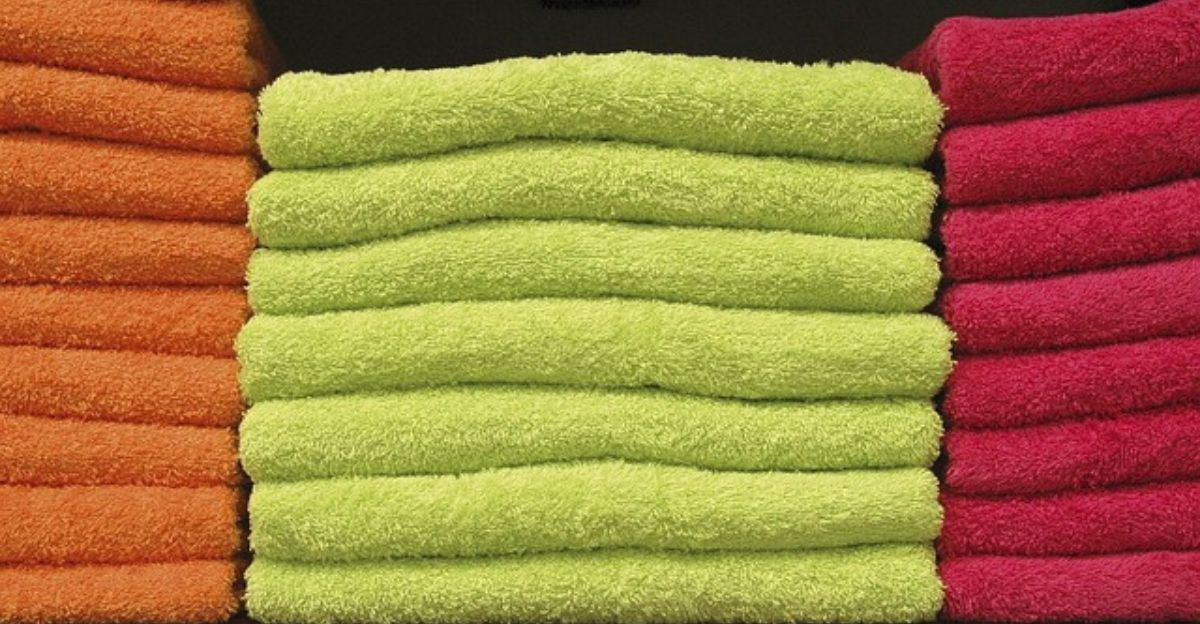
A stack of clean, neatly arranged towels gives your bathroom a spa-like appeal, impressing guests and enhancing home comfort.

📈 Trending Towel Care Habits in 2025

·  Eco-Friendly Detergents – More households are choosing plant-based, fragrance-free detergents for gentle care.

·  Wool Dryer Balls – A chemical-free way to soften towels and speed up drying.

·  Smart Laundry Machines – New washers have built-in odor-removal and antibacterial modes.

·  Minimalist Towel Sets – Owning fewer but higher-quality towels reduces laundry overload.

·  Fragrance Sachets in Storage – Lavender and cedar sachets keep stored towels smelling great.

At a Glance: Top Towel Trends in 2025

TrendWhy It Matters
Sustainable MaterialsSupports eco-conscious consumer demand
Quick-Dry & Antimicrobial DesignsPerfect for active and travel lifestyles
Smart Fabric TechAdds hygiene and convenience through innovation
Premium Texture & PlushnessOffers luxury feel and enhanced drying
Seasonal & Color PreferencesAligns inventory with demand trends
Natural Freshening MethodsEasy, effective home care routines
Modern Laundry AdviceKeeps towels clean, soft, and odor-free

💡 Suggestions for Best Results

To get the most out of your towel care routine and ensure they stay fresh, soft, and odor-free, follow these practical tips:

source:pixabay

1. Wash Towels Separately

Avoid washing towels with clothes, especially those with zippers or hooks, to prevent snags and lint transfer.

2. Use Less Detergent

Too much detergent leaves residue, which can trap odors. A small amount is often enough for a full load.

3. Add Vinegar or Baking Soda

Run an occasional wash with white vinegar (in the rinse cycle) or baking soda to neutralize odors and remove buildup.

4. Avoid Fabric Softeners

Liquid softeners can coat towel fibers, making them less absorbent and more prone to smelling musty.

5. Dry Towels Completely

Always make sure towels are fully dry before folding and storing to prevent mildew growth.

6. Store in a Well-Ventilated Space

Keep towels in a dry, airy place. Avoid cramped cupboards in humid bathrooms.

7. Sun-Dry When Possible

Drying towels in sunlight naturally kills bacteria and freshens fabrics without chemicals.

8. Rotate Towels Regularly

Using the same towel repeatedly without proper washing accelerates odor buildup. Keep a rotation to allow each to fully dry and air out.

9. Shake Before Drying

Give towels a quick shake before putting them in the dryer or on the line—this fluffs fibers and reduces stiffness.

10. Deep Clean Monthly

Even if they seem fine, run a deep-clean cycle every month with vinegar or baking soda to maintain freshness.

11. Address Odors Immediately

If you notice a musty smell, rewash right away instead of letting the towel sit—odors become harder to remove over time.

🧾 Conclusion

Fresh, odor-free towels are a simple luxury that can make a big difference in your daily routine. By following these 11 effective methods, you’ll not only keep towels smelling great but also extend their lifespan and maintain better hygiene. A little extra care in your laundry habits can go a long way toward keeping your bathroom—and your mornings—fresh.

🔗 References

❓ FAQs

Q1: How often should I wash my towels?

A: Ideally, wash towels after every 3–4 uses to maintain freshness and hygiene.

Q2: Can I use vinegar and baking soda together?

A: It’s better to use them separately in different cycles for maximum odor removal.

Q3: Why do my towels smell even after washing?

A: Detergent residue, fabric softener buildup, and incomplete drying are common causes.

Q4: Is sun-drying better than machine drying?

A: Yes, sunlight naturally disinfects and deodorizes towels, but a dryer can make them softer.

Q5: How do I prevent mildew on stored towels?

A: Make sure they are completely dry before folding and store them in a ventilated space.

🏡 10 Cork Decor Ideas That Will Transform Your Space in 2025

🌿 Introduction: Why Cork Is the Comeback King of 2025

10 Cork Decor Ideas That Will Transform Your Space in 2025

Cork is no longer just for wine bottles and bulletin boards—it’s the eco-chic material redefining interior design in 2025. With its natural texture, sustainability, and versatility, cork decor is making waves in homes across the globe. Whether you’re aiming for minimalist elegance or earthy warmth, cork offers a stylish solution that’s both functional and planet-friendly.

🔟 Top 10 Cork Decor Ideas to Elevate Your Interiors

source:pixabay

Cork is redefining interior design in 2025 with its earthy charm, versatility, and eco-friendly appeal. Whether you’re renovating or just refreshing your space, these cork decor ideas will add warmth, texture, and sustainability to your home.

🧱 1. Cork Accent Walls

  • Install cork wall panels to create a cozy, sound-insulated feature wall.
  • Ideal for bedrooms, home offices, or reading nooks.

🪵 2. Cork Flooring

  • Soft underfoot, naturally insulating, and visually warm.
  • Great for living rooms, bedrooms, and even kitchens.

🌿 3. Cork Planters

  • Lightweight and biodegradable, cork planters add rustic charm.
  • Perfect for indoor herbs, succulents, or hanging gardens.

💡 4. Cork Pendant Lights

  • Unique lighting fixtures made from cork offer a modern, organic look.
  • Adds texture and warmth to dining areas or entryways.

🪑 5. Cork Furniture

  • Cork-topped stools, benches, and side tables are trending.
  • Lightweight, durable, and visually striking.

🍽️ 6. Cork Tableware & Coasters

  • Functional and stylish—protect surfaces while enhancing your table setting.
  • Choose geometric or custom designs for added flair.

📌 7. Designer Cork Bulletin Boards

  • Go beyond basic with framed or patterned cork boards.
  • Use them as both functional organizers and wall art.

🎨 8. Cork Wall Art

  • Laser-cut cork designs or DIY cork mosaics add personality.
  • Ideal for gallery walls or minimalist decor themes.

🧺 9. Cork Drawer Liners

  • Keep drawers fresh and organized with cork liners.
  • Adds a subtle, natural touch to everyday storage.

🚪 10. Cork Room Dividers

  • Flexible and sound-dampening, cork partitions define open spaces.
  • Great for creating zones in studio apartments or hybrid workspaces.

✅ Benefits of Using Cork in Home Decor

Cork isn’t just trending—it’s transforming homes with its unique blend of sustainability, functionality, and style. Here’s why cork deserves a place in your 2025 interior design plans:

source:pixabay

🌱 1. Eco-Friendly & Renewable

  • Cork is harvested from the bark of cork oak trees without cutting them down.
  • Trees regenerate their bark, making cork a truly sustainable material.
  • Ideal for eco-conscious homeowners aiming to reduce their carbon footprint.

🔇 2. Natural Sound Insulation

  • Cork absorbs sound, reducing noise between rooms and floors.
  • Perfect for apartments, studios, or homes with open layouts.
  • Enhances privacy and creates a peaceful atmosphere.

🌡️ 3. Thermal Insulation

  • Cork retains heat, helping regulate indoor temperatures.
  • Keeps rooms warmer in winter and cooler in summer.
  • Can contribute to lower energy bills over time.

🧼 4. Hypoallergenic & Mold-Resistant

  • Cork resists mold, mildew, and dust—great for allergy sufferers.
  • Its antimicrobial properties make it ideal for kitchens and bathrooms.
  • Safe for homes with pets and children.

💪 5. Durable Yet Soft

  • Cork is resilient and can bounce back from minor impacts.
  • Comfortable underfoot, especially in flooring applications.
  • Long-lasting with minimal maintenance.

🎨 6. Aesthetic Versatility

  • Works well with modern, rustic, boho, and minimalist styles.
  • Can be stained, painted, or left natural for different looks.
  • Adds warmth and texture to any space.

🔧 7. Easy to Work With

  • Lightweight and easy to cut or shape.
  • Ideal for DIY projects and custom installations.
  • Can be used in furniture, wall art, planters, and more.

📈 Trending Now: Cork Decor in 2025

Cork has officially stepped into the spotlight in 2025, becoming a go-to material for designers, DIYers, and eco-conscious homeowners alike. Here’s what’s making cork decor trend this year:

source:pixabay

1. Biophilic Design Integration

Cork’s natural texture and earthy tones make it a perfect match for biophilic interiors—spaces designed to connect people with nature. Expect to see cork paired with indoor plants, natural light, and organic shapes.

2. Sustainable Renovation Boom

With sustainability at the forefront of home improvement, cork is being chosen for everything from flooring to wall treatments. Its renewable nature and low environmental impact make it a top pick for green remodels.

3. Muted Earthy Color Palettes

2025 is all about warm neutrals—think terracotta, sand, and olive. Cork’s soft brown hue complements these tones beautifully, adding warmth without overwhelming the space.

4. Hybrid Living Spaces

As remote work continues, cork is being used to define zones in open-plan homes. Cork room dividers and acoustic panels help create quiet, functional workspaces without sacrificing style.

5. Textured Minimalism

Minimalist interiors are evolving to include more tactile elements. Cork adds depth and interest to clean, simple designs—whether through furniture, lighting, or wall art.

6. DIY & Customization Craze

Cork is easy to cut, shape, and personalize, making it a favorite for DIY projects. From custom cork boards to handmade planters, creators are embracing cork’s versatility. Absolutely! Here’s a practical and engaging section on

💡 Suggestions for Getting Started with Cork Decor

Ready to bring cork into your home but not sure where to begin? These beginner-friendly tips will help you ease into the trend without overwhelming your space or budget:

🪴 1. Start Small with Accessories

  • Try cork coasters, trivets, or placemats to introduce the texture subtly.
  • Cork planters or vases add a natural touch to tabletops and shelves.

🖼️ 2. Create a Cork Feature Wall

  • Use cork tiles or panels to design a statement wall in your living room or study.
  • Bonus: It doubles as a pinboard for notes, art, or inspiration.

🪑 3. Incorporate Cork Furniture

  • Look for cork-topped side tables, stools, or benches.
  • These pieces blend well with wood, metal, and neutral fabrics.

🧰 4. Explore DIY Projects

  • Make custom cork bulletin boards, drawer liners, or wall art.
  • Cork is easy to cut, shape, and glue—perfect for weekend crafts.

🛒 5. Shop Sustainably

  • Choose cork products from eco-conscious brands or local artisans.
  • Check for certifications like FSC (Forest Stewardship Council) to ensure responsible sourcing.

🏠 6. Use Cork in Functional Spaces

  • Install cork flooring in bedrooms or home offices for comfort and insulation.
  • Add cork panels in noisy areas to improve acoustics.

🎨 7. Mix Materials for Visual Interest

  • Pair cork with bamboo, jute, or linen for a layered, organic look.
  • Use contrasting textures to keep the design dynamic and modern.

🧾 References

❓ FAQs

Q1: Is cork decor suitable for humid climates?
Yes, cork is naturally resistant to moisture and mold, making it ideal for kitchens and bathrooms.

Q2: Can cork be painted or stained?
Absolutely! Cork can be customized with eco-friendly paints or stains to match your decor.

Q3: Is cork safe for pets and kids?
Cork is non-toxic and soft, making it a safe choice for family-friendly homes.

Q4: How do I clean cork surfaces?
Use a damp cloth and mild soap. Avoid harsh chemicals to preserve its natural texture.

Q5: Where can I buy cork decor items?
Check out eco-focused retailers, local craft markets, or online platforms like Etsy and Amazon.

4 Mindset Shifts to Turn Frustration into Focus

🌟 Introduction

🧠 4 Mindset Shifts to Turn Frustration into Focus

In today’s fast-paced world, frustration is almost inevitable. Whether it’s a missed deadline, a traffic jam, or a difficult conversation, these moments can derail your productivity and peace of mind. But what if you could transform that frustration into fuel for focus? By shifting your mindset, you can turn emotional turbulence into clarity and drive. This article explores four powerful mindset shifts that help you stay centered, productive, and motivated—even when life throws curveballs.

🔄 4 Mindset Shifts to Transform Frustration into Focus

1. From Reaction to Reflection

Instead of immediately reacting to a frustrating situation, pause and reflect. Ask yourself:

  • What triggered this emotion?
  • Is this worth my energy?
  • What can I learn from this?

🧘 Tip: Practice mindfulness or journaling to build self-awareness and reduce impulsive reactions.

2. From Blame to Ownership

Blaming others or circumstances only prolongs frustration. Shift your mindset to ownership:

  • What part of this can I control?
  • How can I respond constructively?

💪 Tip: Use empowering language like “I choose” or “I will” to reinforce personal agency.

3. From Perfection to Progress

Frustration often stems from unrealistic expectations. Embrace progress over perfection:

  • Celebrate small wins.
  • Accept mistakes as part of growth.

📈 Tip: Set achievable goals and track your progress weekly to stay motivated.

4. From Emotion to Intention

Channel emotional energy into intentional action:

  • Turn anger into determination.
  • Use stress as a signal to prioritize.

🎯 Tip: Create a “focus ritual” (e.g., deep breathing + goal setting) to reset your mindset when overwhelmed.

📊 Trends in Emotional Intelligence & Focus

Emotional intelligence (EQ) is no longer just a buzzword—it’s a strategic asset in both personal development and workplace success. As we move through 2025, several key trends are shaping how individuals and organizations harness EQ to improve focus, productivity, and well-being:

source:pixabay

1. Emotional Intelligence Market Growth

  • The global emotional intelligence market was valued at $868 million in 2021 and is projected to grow at a 25.2% CAGR through 2032.
  • This surge reflects increased demand for EQ training in leadership, education, and healthcare.

2. EQ as a Predictor of Success

  • 58% of job performance is influenced by emotional intelligence, and 90% of top performers have high EQ.
  • EQ is now considered more critical than IQ in leadership and team dynamics.

3. AI-Assisted EQ Training

  • Platforms like Replika and Woebot use AI to simulate empathetic conversations, helping users develop emotional regulation and empathy.
  • Expect more personalized, tech-driven EQ coaching tools in the near future.

4. Rise of EQ-Driven Leadership

  • Companies like Microsoft have embraced empathy-focused leadership, transforming workplace culture and boosting engagement.
  • Empathy is becoming a measurable leadership metric in performance reviews.

5. Hybrid Work & Emotional Agility

  • The shift to hybrid work has amplified the need for emotional intelligence to manage remote teams, prevent burnout, and foster belonging.
  • EQ-focused communication training is now essential for virtual collaboration.

💡 Suggestions for Daily Practice

🌅 Morning Mindset Rituals

  • Gratitude journaling: Write down 3 things you’re grateful for each morning to prime your brain for positivity.
  • Mindful breathing: Spend 5 minutes in deep breathing or meditation to center your emotions.
  • Intentional goal-setting: Choose one emotional goal (e.g., patience, empathy) to focus on for the day.

🧠 Emotional Intelligence Builders

  • Name your emotions: Practice labeling your feelings throughout the day—this boosts emotional awareness.
  • Empathy check-ins: Ask yourself, “What might this person be feeling?” before reacting in conversations.
  • Reflective listening: Repeat back what someone says to ensure understanding and show you care.

🔍 Focus-Enhancing Habits

  • Pomodoro technique: Work in 25-minute focused blocks with 5-minute breaks to maintain mental clarity.
  • Digital detox windows: Schedule 1–2 hours of screen-free time daily to reset your attention span.
  • Single-tasking: Prioritize one task at a time to reduce cognitive overload and improve performance.

🌙 Evening Emotional Reset

  • Daily reflection: Journal about emotional wins and challenges—what triggered you, what helped you cope.
  • Gratitude rewind: Revisit moments of joy or kindness from the day to reinforce emotional resilience.
  • Sleep hygiene: Wind down with calming rituals like reading or stretching to support emotional regulation.

⏳ How Long Does It Take to Shift Your Mindset?

🧠 It’s Not Instant—But It’s Possible

  • Mindset change typically takes weeks to months, depending on the depth of the belief and consistency of new habits.
  • According to psychology experts, habit formation—which is key to mindset shifts—can take anywhere from 21 to 66 days, though some changes may take longer.

🔄 Factors That Influence the Timeline

  • Your current mindset: Fixed mindsets may take longer to shift than flexible ones.
  • Motivation & clarity: Knowing why you want to change speeds up the process.
  • Support system: Encouragement from others can reinforce new beliefs.
  • Daily practice: Consistent journaling, mindfulness, and reflection accelerate transformation.

💥 Sudden vs. Gradual Shifts

  • While some mindset shifts happen in a single emotional moment (like a powerful realization), most require ongoing effort and self-awareness.
  • Think of it like rewiring your brain—each new thought pattern strengthens the change.

🏁 Conclusion

Frustration doesn’t have to be a roadblock—it can be a stepping stone. By adopting these four mindset shifts, you empower yourself to turn emotional chaos into clarity and purpose. The key is consistency and self-compassion. With practice, you’ll find that focus isn’t just a skill—it’s a way of life.

📚 References

  • Goleman, D. (1995). Emotional Intelligence. Bantam Books.
  • Kabat-Zinn, J. (2003). Mindfulness-Based Stress Reduction. University of Massachusetts Medical School.
  • Harvard Business Review. (2022). The Neuroscience of Focus and Productivity.

❓ FAQs

Q1: Can frustration ever be useful?

Absolutely—frustration can be surprisingly useful when understood and harnessed the right way. Rather than being just an emotional irritant, it often acts as a signal for growth, change, and deeper focus. Here’s how:

🔥 The Hidden Power of Frustration

1. Catalyst for Change

Frustration is your brain’s way of saying, “Something isn’t working—let’s fix it.” Like hunger signals the need for food, frustration signals the need for a new approach or mindset.

2. Boosts Strategic Thinking

When managed well, frustration can push you to become more strategic. It forces you to pause, reassess, and find better solutions rather than settling for what’s not working.

3. Enhances Learning

In education and personal development, frustration can actually increase attention and motivation. Neuroeducation studies show that when students experience frustration in manageable doses, it helps them persevere and learn more effectively.

4. Reveals Passion & Purpose

What frustrates you often points to what you care deeply about. If something consistently bothers you, it might be a clue to your values, passions, or even your life’s calling.

5. Signals Growth Potential

Frustration often arises when you’re bumping up against the limits of your current abilities. That discomfort is a sign you’re ready to level up—like a plant outgrowing its pot.

So yes, frustration can be a powerful ally—if you listen to it instead of suppressing it. Want help turning a current frustration into a growth strategy? I’d love to help you map it out.

Q2: What’s the best way to start reframing negative thoughts?

Great question, Kristan! Reframing negative thoughts is one of the most powerful emotional intelligence skills—and the good news is, you can start right now. Here’s how:

🧠 Best Ways to Start Reframing Negative Thoughts

1. Catch the Thought

  • Awareness is step one. When a negative thought pops up, pause and notice it.
  • Use a journal or note-taking app to jot it down. This helps you spot patterns and triggers.

2. Challenge Its Truth

  • Ask: Is this thought 100% true? Often, it’s not.
  • Example: “I never do anything right” → “I make mistakes sometimes, but I also have many successes”.

3. Flip the Script

  • Replace the thought with a more realistic or empowering one.
  • Try: “I’m failing” → “I’m learning through challenges.”

4. Play Detective

  • Look for evidence that contradicts the negative thought.
  • Recall times you succeeded, overcame obstacles, or received praise.

5. Use Gratitude as a Disruptor

  • You can’t hold a negative and grateful thought at the same time.
  • Pause and name 3 things you’re thankful for—it shifts your emotional lens.

6. Act Opposite to the Feeling

  • If your thought says “I can’t do anything,” do one small thing—like washing a dish or taking a walk.
  • This breaks the thought’s grip and builds momentum.

Reframing isn’t about ignoring reality—it’s about choosing a more helpful perspective. Want me to help you create a personal “thought reframing cheat sheet” for your most common negative patterns?