6 Learning Games That Turn Frowns into Smiles

Introduction

6 Learning Games That Turn Frowns into Smiles

Children experience bad days just like adults. Whether they’re feeling sad, frustrated, or bored, engaging in fun learning games can help uplift their mood while improving their skills. Educational games provide a perfect blend of entertainment and learning, helping kids feel happy and engaged.

In this article, we’ll explore six amazing learning games that can turn frowns into smiles, boost creativity, and make education more exciting!

Why Learning Games Improve a Child’s Mood

source:pixabay

Creates a Positive Distraction – Fun activities help children shift their focus away from sadness.
Boosts Confidence – Games with rewards and achievements help kids feel accomplished.
Encourages Social Interaction – Multiplayer and interactive games prevent loneliness.
Stimulates Creativity – Many games allow children to express themselves through art, storytelling, and exploration.
Makes Learning Enjoyable – Kids absorb information better when learning feels like play.

6 Learning Games That Make Kids Smile

1. Prodigy Math Game (Ages 6–14)

🎮 Why Kids Love It: A magical fantasy world where math challenges unlock exciting rewards.
📌 Subjects Covered: Mathematics
💡 How It Helps: Turns math into an adventure, making problem-solving fun.

Visit Prodigy Math

2. Minecraft: Education Edition (Ages 7+)

🎮 Why Kids Love It: A creative sandbox game that allows children to build, explore, and solve challenges.
📌 Subjects Covered: STEM, problem-solving, history, and teamwork.
💡 How It Helps: Encourages creativity and collaboration while making learning interactive.

Visit Minecraft: Education Edition

3. ABCmouse (Ages 2–8)

🎮 Why Kids Love It: A colorful and interactive game-based learning platform.
📌 Subjects Covered: Reading, math, science, and art.
💡 How It Helps: Engages young learners with storytelling, puzzles, and songs.

Visit ABCmouse

4. GoNoodle (Ages 5–12)

🎮 Why Kids Love It: Fun movement-based learning with dance, mindfulness, and brain exercises.
📌 Subjects Covered: Fitness, mindfulness, and social-emotional learning.
💡 How It Helps: Boosts mood through music, movement, and interactive activities.

Visit GoNoodle

5. Toca Life World (Ages 4–10)

🎮 Why Kids Love It: Open-ended storytelling and role-playing in a vibrant world.
📌 Subjects Covered: Creativity, storytelling, and social skills.
💡 How It Helps: Encourages self-expression and emotional storytelling.

Visit Toca Life World

6. BrainPOP Jr. (Ages 5–9)

🎮 Why Kids Love It: Animated educational videos and interactive quizzes.
📌 Subjects Covered: Science, social studies, reading, and math.
💡 How It Helps: Simplifies complex subjects through fun animations and activities.

Visit BrainPOP Jr.

Tips to Maximize the Benefits of Learning Games

source:pixabay

Balance Screen Time – Encourage a mix of screen and offline activities.
Join the Fun – Play with your child to create positive bonding experiences.
Encourage Exploration – Let children choose games that match their interests.
Celebrate Small Wins – Praise achievements to build confidence.
Incorporate Learning into Daily Life – Connect game lessons to real-world activities..

Conclusion

Educational games are a powerful tool for lifting a child’s mood while enhancing their learning experience. Whether they enjoy math, science, storytelling, or creativity, these six engaging games provide fun, excitement, and valuable skills.

Which learning game is your child’s favorite? Share your thoughts in the comments!

Frequently Asked Questions (FAQs)

1. Are these games free to play?

Educational games come in all shapes and sizes, including both free and paid options. Here are a few things to consider:

  1. Free Games: Many educational games are available for free. These can be a great starting point, but they might include advertisements or in-app purchases to unlock additional content or features.
  2. Freemium Models: Some games are free to download and play but offer in-app purchases for extra content, levels, or features. Always check what kind of in-app purchases are available to avoid unexpected costs.
  3. Paid Games: These games require an upfront purchase or a subscription fee. They often offer a more comprehensive, ad-free experience and might include more advanced features or content.

When choosing a game, it can be helpful to read reviews and check the game’s description to understand what’s included in the free version versus the paid options. If you have a specific game or platform in mind, I can help look up more details for you.

2. How much screen time is appropriate for kids playing learning games?

Great question! While educational games can be a beneficial way for kids to learn, it’s important to strike a balance with screen time. Here are some general guidelines to consider:

  1. For toddlers (ages 2-5): Limit screen time to about one hour per day of high-quality programming or educational games.
  2. For school-aged children (ages 6 and older): Aim for consistent limits that ensure screen time does not interfere with sleep, physical activity, and other healthy behaviors. Typically, 1-2 hours per day is a reasonable amount.

It’s also a good idea to:

  • Encourage breaks: Make sure kids take frequent breaks to rest their eyes and move around.
  • Engage with them: Participate in the games and activities they’re doing to promote interaction and make it a more enriching experience.
  • Set clear boundaries: Establish specific times for screen use, like after homework is done or only on weekends.

Ultimately, the key is to ensure that screen time is part of a balanced day that includes physical activity, social interaction, and other forms of learning. How do you usually manage screen time in your household?

3. Can parents track their child’s progress in these games?

Absolutely! Many educational games and learning platforms have built-in features that allow parents to track their child’s progress. These features can provide insights into various aspects, such as:

  • Completion of tasks: See which activities or levels your child has completed.
  • Skills development: Monitor the specific skills your child is working on and their progress in those areas.
  • Time spent: Track how much time your child is spending on different activities within the game.
  • Performance metrics: View scores, achievements, and other performance indicators.

By using these tracking features, parents can get a better understanding of their child’s learning journey and provide support where needed. Plus, it’s a great way to celebrate achievements together and stay involved in their educational growth.

Do you have a specific game or platform in mind that you’re curious about?

4. Are these games safe for children?

Great question! Safety is a top priority when it comes to children’s activities, including educational games. Here are a few factors to consider to ensure these games are safe for kids:

  1. Age-appropriate content: Check the game’s rating and reviews to ensure the content is suitable for your child’s age group.
  2. Privacy settings: Ensure that the game has robust privacy settings and does not require unnecessary personal information from your child.
  3. Parental controls: Look for games that offer parental control options to manage screen time, in-game purchases, and access to content.
  4. Ad-free experience: Choose games that offer an ad-free experience or have minimal, age-appropriate advertisements.
  5. Secure platforms: Download games from reputable platforms and developers to avoid malware and other security risks.
  6. Online interactions: If the game includes online interactions, ensure that there are moderation features to protect your child from inappropriate behavior or content.

By keeping these factors in mind, you can help ensure that the educational games your child plays are safe and beneficial. Is there a specific game or platform you have in mind that you’d like to know more about?

10 Amazing Stencil Techniques for Number Designs

Introduction:

10 Amazing Stencil Techniques for Number Designs

 Stenciling is a fantastic way to bring precision and creativity to your projects. Whether you’re working on home decor, art, or crafts, using stencils can help you achieve clean, crisp number designs with ease. This blog post will explore ten amazing stencil techniques that will elevate your projects and inspire your creativity.Stenciling numbers can transform ordinary projects into something truly extraordinary. Whether you’re a seasoned crafter or a beginner, these techniques will help you achieve perfect results every time..

10 Amazing Stencil Techniques for Number Designs

source:pixabay
  1. Ombre Effect: Create a gradient effect by blending two or more colors within your stencil for a stunning, eye-catching design.
  2. Glitter Stencils: Add a touch of sparkle to your numbers by applying glue within the stencil and sprinkling glitter over the top.
  3. Spray Paint Stencils: For a bold and vibrant finish, use spray paint to stencil your numbers onto various surfaces.
  4. Embossed Stencils: Give your numbers a 3D look by using embossing paste or gel within your stencil.
  5. Chalkboard Paint Stencils: Create reusable number designs by stenciling with chalkboard paint, perfect for updating messages and countdowns.
  6. Watercolor Stencils: Use watercolor paints to achieve a soft, fluid look with your number stencils.
  7. Metallic Stencils: Apply metallic paints or foils for a luxurious and shiny finish to your numbers.
  8. Stencil Layering: Layer different stencils and colors to add depth and dimension to your number designs.
  9. Negative Space Stencils: Utilize the negative space within your stencil to create interesting and unique designs.
  10. Stencil Over Textures: Apply your stencil over textured surfaces like wood, fabric, or canvas for a tactile and visually appealing result.

With these techniques in your arsenal, you’ll be able to create stunning number designs that stand out in any project. Happy stenciling!

Tips:

  1. Choose the Right Stencil Material: Opt for durable materials like acetate sheets or mylar for reusable stencils.
  2. Secure Your Stencil: Use painter’s tape or stencil adhesive to keep your stencil in place and prevent smudging.
  3. Use a Light Hand: Apply paint lightly and build up layers to avoid bleeding under the stencil.
  4. Clean Stencils Promptly: Clean your stencils immediately after use to prevent paint buildup and extend their lifespan.
  5. Experiment with Different Paints: Try various types of paints like acrylics, spray paints, and even fabric paints for different effects.

Suggestions:

  • Practice on Scrap Material: Before stenciling on your final project, practice on a scrap piece to perfect your technique.
  • Customize Your Stencils: Create your own stencils using stencil paper and a craft knife for unique designs.
  • Mix and Match: Combine different stencil designs and techniques to add depth and interest to your project.

Benefits:

  • Precision: Achieve clean and precise number designs every time.
  • Versatility: Use stencils on a variety of surfaces like wood, fabric, walls, and paper.
  • Reusability: Durable stencils can be used multiple times, making them cost-effective and environmentally friendly.
  • Creativity: Stenciling allows you to explore different artistic styles and techniques.

The best way to clean stencils

Cleaning your stencils promptly after use is key to maintaining their longevity and ensuring crisp designs. Here are some effective ways to clean stencils:

source:pixabay
  1. Soap and Water: For water-based paints, simply wash the stencil with warm, soapy water. Use a soft brush or sponge to gently scrub off any paint residue.
  2. Solvents: For oil-based paints or stubborn stains, you can use a suitable solvent like paint thinner or mineral spirits. Be sure to work in a well-ventilated area and wear gloves.
  3. Baby Wipes: These are great for quick and easy clean-ups, especially if the paint is still wet.
  4. Spray Cleaners: There are specific stencil or craft cleaners available that can effectively remove paint. Follow the manufacturer’s instructions for the best results.
  5. Soaking: If the paint has dried on the stencil, you can soak it in warm, soapy water for a few hours to soften the paint before scrubbing it off.
  6. Gentle Scraping: For tougher, dried paint, you might need to gently scrape it off using a craft knife or a similar tool. Be careful not to damage the stencil.

Always ensure your stencils are thoroughly dried before storing them to prevent any mold or mildew from forming. With regular cleaning, your stencils can remain in great condition for many projects to come. Happy crafting! 😊

Reuse stencils

Absolutely! You can definitely reuse your stencils, especially if they are made from durable materials like mylar or acetate. Here are some tips to ensure they stay in good condition for multiple uses:

  1. Clean Promptly: Clean your stencils immediately after use to prevent paint from drying and building up.
  2. Use Gentle Cleaning Methods: Avoid using abrasive tools that can damage the stencil. Instead, opt for soft brushes or sponges.
  3. Store Properly: Keep your stencils flat or in a protective folder to prevent them from bending or getting damaged.
  4. Handle with Care: Be gentle when positioning and removing stencils to avoid tearing or distorting them.

By following these tips, you can enjoy many creative projects with the same stencils! Happy crafting! 😊

Conclusion:

Stenciling numbers opens up a world of creative possibilities. With the techniques, tips, suggestions, and benefits outlined in this blog post, you’ll be well-equipped to create stunning number designs for any project. Whether you’re a beginner or an experienced crafter, these stencil techniques will help you achieve professional and eye-catching results. So grab your stencils and get started on your next masterpiece!

Happy stenciling! 😊

References:
  1. Stencil Revolution
FAQs:
  1. Q: What type of paint is best for stenciling?
    1. A: Acrylic paints, spray paints, and fabric paints are all great options, depending on the surface you’re working on.
  2. Q: How do I prevent paint from bleeding under the stencil?
    1. A: Use a light hand when applying paint and build up layers gradually. Secure the stencil firmly with tape or stencil adhesive.
  3. Q: Can I create my own stencils?
    1. A: Absolutely! You can make custom stencils using stencil paper and a craft knife for unique and personalized designs.

Happy stenciling! 😊

5 Ancient Spiritual Traditions That Inspire Modern Life

Introduction

5 Ancient Spiritual Traditions That Inspire Modern Life

In today’s fast-paced world, many of us seek ways to find deeper meaning and connection in our lives. Ancient spiritual traditions offer timeless wisdom and practices that can inspire and guide us on our journey. Here, we explore five ancient spiritual traditions that continue to inspire modern life..

5 Ancient Spiritual Traditions That Inspire Modern Life

source:pixabay

1. Yoga: The Path to Inner Peace

Originating in ancient India, yoga is a holistic practice that combines physical postures, breathing exercises, and meditation. It promotes physical health, mental clarity, and spiritual growth. In modern life, yoga has become a popular way to reduce stress, improve flexibility, and cultivate mindfulness. By integrating yoga into your daily routine, you can experience a profound sense of inner peace and balance.

2. Zen Buddhism: Embracing Mindfulness

Zen Buddhism, with its roots in ancient China and Japan, emphasizes the practice of mindfulness and meditation. It teaches the importance of living in the present moment and letting go of attachments and desires. In our hectic lives, the principles of Zen Buddhism can help us find calm and clarity. Practicing mindfulness through meditation and mindful activities allows us to experience greater focus, reduced anxiety, and a deeper connection to ourselves and the world around us.

3. Shamanism: Connecting with Nature

Shamanism is one of the oldest spiritual traditions, practiced by indigenous cultures around the world. It involves connecting with the natural world and the spirit realm to seek healing, guidance, and insight. In modern times, shamanic practices such as drumming, journeying, and nature rituals can help us reconnect with nature and our inner selves. By embracing the wisdom of shamanism, we can cultivate a greater sense of harmony, purpose, and spiritual well-being.

4. Sufism: The Mystical Path of Love

Sufism, the mystical branch of Islam, focuses on the inner, personal experience of the divine through love and devotion. Sufis practice dhikr (remembrance of God), poetry, music, and dance to attain a closer connection with the divine. In today’s world, the teachings of Sufism can inspire us to cultivate a deeper sense of love, compassion, and spiritual devotion. By embracing the mystical path of Sufism, we can experience profound spiritual growth and a greater sense of unity with all beings.

5. Native American Spirituality: Honoring the Earth

Native American spiritual traditions are deeply rooted in a reverence for the Earth and all its inhabitants. These traditions teach the importance of living in harmony with nature, respecting the interconnectedness of all life, and honoring the spirits of the land. In our modern lives, we can draw inspiration from Native American spirituality by practicing gratitude, living sustainably, and connecting with the natural world. By honoring the Earth and its wisdom, we can cultivate a more grounded and spiritually fulfilling life.

Tips for Embracing Ancient Spiritual Traditions

source:pixabay
  1. Start Small: Incorporate one practice at a time to avoid feeling overwhelmed.
  2. Be Consistent: Regular practice is key to experiencing the full benefits.
  3. Stay Open-Minded: Approach each tradition with an open heart and mind.
  4. Seek Guidance: Learn from experienced practitioners or teachers.
  5. Personalize Your Practice: Adapt the practices to suit your individual needs and lifestyle.

Suggestions for Modern Integration

  1. Morning Routine: Begin your day with a yoga session or meditation inspired by Zen Buddhism.
  2. Nature Walks: Take time to connect with nature, inspired by shamanic practices and Native American spirituality.
  3. Mindful Breaks: Practice mindfulness throughout the day to reduce stress and enhance focus.
  4. Creative Expression: Explore Sufi poetry, music, or dance as a form of spiritual expression.
  5. Reading: Dive into books on ancient spiritual traditions to deepen your understanding and practice.

Benefits of Ancient Spiritual Traditions

  1. Improved Mental Health: Practices like meditation and mindfulness can reduce anxiety and depression.
  2. Physical Well-Being: Yoga promotes flexibility, strength, and overall physical health.
  3. Spiritual Growth: These traditions offer paths to deeper spiritual awareness and connection.
  4. Stress Reduction: Ancient practices help manage stress and cultivate inner peace.
  5. Sense of Community: Many traditions foster a sense of belonging and connection with others.

Conclusion

The timeless wisdom of these ancient spiritual traditions can offer valuable insights and practices for our modern lives. By integrating the teachings of yoga, Zen Buddhism, shamanism, Sufism, and Native American spirituality, we can find greater peace, clarity, and connection on our spiritual journeys. Embrace the inspiration of these ancient traditions and discover the transformative power they can bring to your life.

I hope this helps! Is there anything specific you would like to add or modify?

References

  • “The Heart of Yoga: Developing a Personal Practice” by T.K.V. Desikachar
  • “Zen Mind, Beginner’s Mind” by Shunryu Suzuki
  • “Shamanism: Archaic Techniques of Ecstasy” by Mircea Eliade
  • “The Essential Rumi” translated by Coleman Barks
  • “The Teachings of Don Juan: A Yaqui Way of Knowledge” by Carlos Castaneda
FAQs

Q: Can I practice multiple spiritual traditions simultaneously? A: Yes, you can integrate practices from different traditions that resonate with you. The key is to find a balance and ensure that your practice is meaningful and sustainable.

Q: How long should I meditate or practice yoga each day? A: Start with a few minutes each day and gradually increase the duration as you become more comfortable. Consistency is more important than the length of time.

Q: Do I need a teacher or guide to practice these traditions? A: While having a teacher or guide can be beneficial, many resources are available for self-study. Books, online courses, and community groups can provide valuable support and guidance.

Q: Can ancient spiritual practices help with modern-day stress? A: Absolutely. Many ancient practices, such as mindfulness and yoga, are highly effective in reducing stress and promoting mental well-being.

Q: Are there any cultural considerations when practicing these traditions? A: Yes, it’s important to approach these traditions with respect and sensitivity to their cultural origins. Learning about the history and context of each tradition can deepen your practice and appreciation.

I hope these additions enhance your blog post! If there’s anything else you’d like to include or modify, feel free to let me know.

9 Top Bathroom Organizer Innovations for Modern Homes in 2024

Introduction

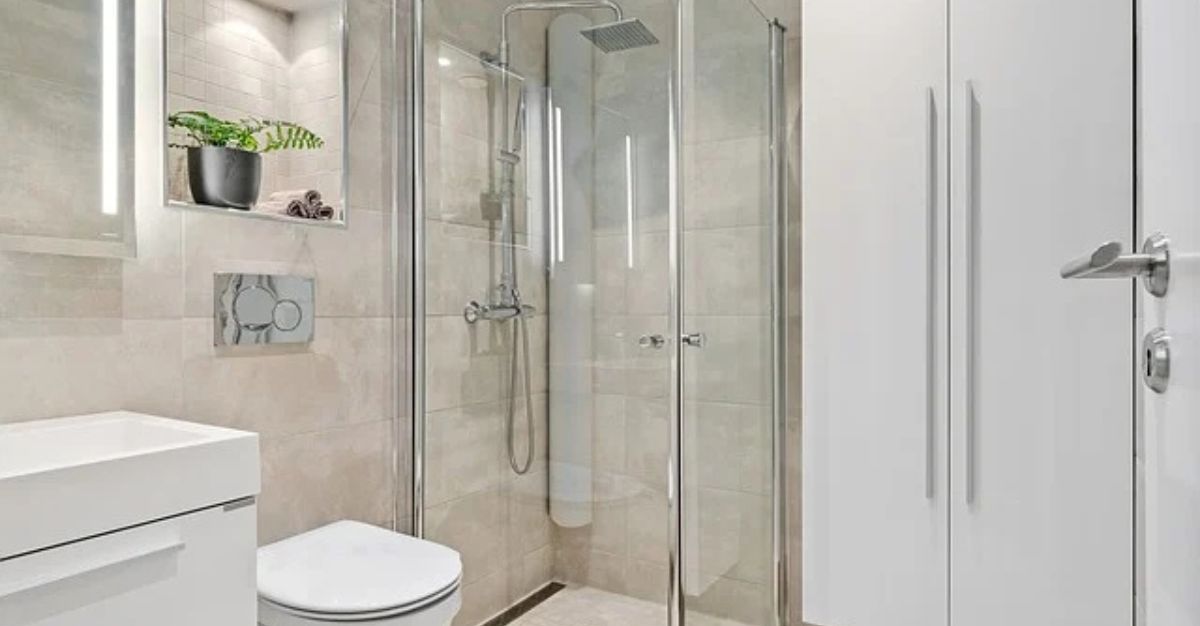
9 Top Bathroom Organizer Innovations for Modern Homes in 2024

In 2024, bathroom organization has evolved with innovative designs and solutions that not only enhance the aesthetic appeal but also improve functionality. Keeping your bathroom neat and tidy is essential for creating a relaxing and efficient space. In this article, we’ll explore nine top bathroom organizer innovations for modern homes, complete with tips and suggestions to help you make the most of these trends.

9 Top Bathroom Organizer Innovations for Modern Homes in 2024

source:pixabay

1. Minimalist Designs

Trend: Sleek and simple designs that blend seamlessly with modern aesthetics. Benefit: These designs create a clean and uncluttered look, making your bathroom feel more spacious and relaxing.

2. Eco-Friendly Materials

Trend: Use of sustainable and eco-friendly materials like bamboo, reclaimed wood, and recycled plastics. Benefit: Reduces environmental impact and adds a unique, rustic charm to your bathroom.

3. Smart Storage Solutions

Trend: Incorporation of technology, such as sensor-activated drawers and shelves. Benefit: Enhances functionality and convenience, making it easier to access your items.

4. Multi-Functional Furniture

Trend: Furniture pieces that serve dual purposes, such as a mirror cabinet with integrated lighting. Benefit: Maximizes space and adds practicality to your bathroom.

5. Bold Colors and Dark Tones

Trend: Use of bold colors and dark tones like navy blue, forest green, and matte black. Benefit: Adds depth and sophistication to your bathroom, creating a striking contrast against lighter walls and fixtures.

6. Floating Vanities

Trend: Vanities that create a sense of space, making small bathrooms appear larger and more open. Benefit: Offers additional floor space for storage baskets or decorative elements.

7. Natural Materials & Earthy Tones

Trend: Incorporating organic materials and finishes that evoke a spa-like ambiance. Benefit: Creates a zen retreat right at home with neutral, earthy tones and real wood textures.

8. Chrome Hardware

Trend: Cooler metals like chrome and polished nickel are becoming popular. Benefit: Adds timeless appeal and a sleek look to your bathroom.

9. Custom Bathroom Cabinets

Trend: Tailored cabinets that fit specific needs and preferences. Benefit: Maximizes storage space, enhances organization, and complements your bathroom’s existing style.

These trends can help you create a stylish, organized, and functional bathroom that meets your needs and preferences. 🌟

Would you like more information on any of these trends?

Tips for Effective Bathroom Organization

Certainly! Here are some tips for effective bathroom organization:

source:pixabay

Assess Your Space:

  • Benefit: Understanding your bathroom layout and available space will help you choose the right organizers.
    • Action: Measure your bathroom and take note of all the potential storage areas, including walls, under-sink spaces, and corners.

Categorize Your Items:

  • Benefit: Grouping similar items together makes it easier to find what you need and keeps your bathroom tidy.
    • Action: Create categories such as toiletries, cleaning supplies, towels, and first aid, and assign specific storage spots for each category.

Utilize Vertical Space:

  • Benefit: Maximize storage without crowding the floor by using walls and doors.
    • Action: Install shelves, hooks, or over-the-door organizers to make use of vertical areas.

Incorporate Multi-Functional Storage:

  • Benefit: Items that serve more than one purpose help save space and keep things organized.
    • Action: Look for furniture or organizers that combine storage with other functions, such as mirror cabinets with shelves.

Optimize Under-Sink Storage:

  • Benefit: This often-underutilized space can be perfect for storing cleaning supplies and toiletries.
    • Action: Use stackable bins, pull-out drawers, or custom cabinets to organize the area under the sink.

Use Clear Containers:

  • Benefit: Transparent containers allow you to see what’s inside, making it easier to locate items.
    • Action: Store smaller items in clear bins or jars and label them for quick identification.

Install Drawer Dividers:

  • Benefit: Dividers prevent items from mixing and make it easier to keep drawers organized.
    • Action: Place dividers in your bathroom drawers to separate and organize small items like makeup, hair accessories, and grooming tools.

Add Hooks and Racks:

  • Benefit: Hooks and racks keep items like towels and robes easily accessible and off the floor.
    • Action: Install hooks on the back of the door or on walls to hang towels, robes, and other essentials.

Regularly Declutter:

  • Benefit: Maintaining an organized bathroom is easier when you periodically declutter and get rid of unused items.
    • Action: Set aside time every few months to go through your bathroom items and dispose of anything that’s expired, broken, or no longer needed.

Personalize Your Storage Solutions:

  • Benefit: Customizing storage solutions to fit your specific needs ensures that your bathroom remains functional and organized.
    • Action: Think about your daily routine and storage needs, then choose organizers that work best for you.

By implementing these tips, you can create a well-organized bathroom that enhances your daily routine and promotes a sense of calm.

How can I keep my bathroom organized long-term?

Keeping your bathroom organized long-term requires a bit of planning and consistent effort. Here are some tips to help you maintain an organized and clutter-free bathroom:

source:pixabay

1. Declutter Regularly

Benefit: Prevents the accumulation of unnecessary items. Action: Set aside time every few months to go through your bathroom items and dispose of anything that’s expired, broken, or no longer needed.

2. Use Labels

Benefit: Makes it easy to identify where everything belongs. Action: Label storage containers, drawers, and shelves to ensure each item has a designated spot.

3. Optimize Storage Solutions

Benefit: Maximizes available space and keeps items organized. Action: Invest in multifunctional organizers like stackable bins, drawer dividers, and wall-mounted shelves to optimize storage.

4. Maintain a Cleaning Routine

Benefit: Keeps your bathroom tidy and organized. Action: Incorporate bathroom cleaning into your regular cleaning routine. Wipe down surfaces, clean mirrors, and organize items weekly.

5. Prioritize Accessibility

Benefit: Ensures frequently used items are easy to reach. Action: Keep everyday essentials like toiletries and towels within easy reach, while storing less frequently used items in higher or lower spaces.

6. Implement a “One In, One Out” Rule

Benefit: Prevents overstocking and clutter. Action: For every new item you bring into the bathroom, remove an old or unused item to maintain balance.

7. Use Clear Containers

Benefit: Allows you to see what’s inside, making it easier to locate items. Action: Store smaller items in clear bins or jars and label them for quick identification.

8. Personalize Your Storage

Benefit: Ensures the storage solutions fit your specific needs. Action: Think about your daily routine and storage requirements, then choose organizers that work best for you.

9. Keep Countertops Clear

Benefit: Creates a clean and clutter-free look. Action: Store items in cabinets, drawers, or shelves instead of leaving them on countertops.

10. Regularly Reassess and Adjust

Benefit: Keeps your organization system effective and up-to-date. Action: Periodically reassess your storage solutions and make adjustments as needed to ensure they continue to meet your needs.

By following these tips, you can maintain an organized and efficient bathroom that makes your daily routine more enjoyable and stress-free. 🌟

If you have any other questions or need more specific advice, feel free to ask!


Conclusion

Incorporating these innovative bathroom organizers can transform your space into a modern, clutter-free haven. Whether you’re dealing with a small bathroom or simply looking to enhance your storage options, these ideas offer practical and stylish solutions. Stay on trend in 2024 by embracing these top bathroom organizer innovations for a more efficient and aesthetically pleasing space.

References

  1. HGTV – Bathroom Organization Ideas: Link
  2. Better Homes & Gardens – Creative Bathroom Storage Solutions: Link
  3. The Spruce – Small Bathroom Storage Ideas: Link
FAQs

Q1: How can I make the most of a small bathroom? A1: Use wall-mounted organizers, over-the-door racks, and floating shelves to save floor space.

Q2: What are some budget-friendly bathroom organizer ideas? A2: Consider DIY options like repurposing mason jars, using inexpensive baskets, or installing magnetic strips.

10 Stylish DIY Wall-Mounted Shelves for Your Kitchen

Introduction

10 Stylish DIY Wall-Mounted Shelves for Your Kitchen

Wall-mounted shelves are a perfect blend of form and function, and when they are DIY, they add a personal touch to your kitchen space. With a range of designs and materials, they can transform your kitchen into an organized and aesthetically pleasing haven. In this article, we will explore ten stylish DIY wall-mounted shelves that you can create, along with tips, benefits, current trends, suggestions, a conclusion, references, and FAQs to help you get started..

10 Stylish DIY Wall-Mounted Shelves for Your Kitchen

source:pixabay
  1. Floating shelves: Floating shelves are a classic choice for kitchen storage. They are simple to make and can be customized to fit any space.
  2. Open shelving: Open shelving is a great way to display your favorite dishes and cookware. It is also a good way to make your kitchen feel more open and airy.
  3. Corner shelves: Corner shelves are a great way to utilize unused space in your kitchen. They are also a good way to add a touch of style to your kitchen.
  4. Spice racks: Spice racks are a must-have for any kitchen. They are a great way to keep your spices organized and within reach.
  5. Plate racks: Plate racks are a great way to store and display your dishes. They are also a good way to add a touch of vintage charm to your kitchen.
  6. Wine racks: Wine racks are a must-have for any wine lover. They are a great way to store and display your wine collection.
  7. Mug racks: Mug racks are a great way to keep your mugs organized and within reach. They are also a good way to add a touch of personality to your kitchen.
  8. Towel racks: Towel racks are a must-have for any kitchen. They are a great way to keep your towels organized and within reach.
  9. Utensil holders: Utensil holders are a great way to keep your utensils organized and within reach. They are also a good way to add a touch of style to your kitchen.
  10. Plant shelves: Plant shelves are a great way to add a touch of greenery to your kitchen. They are also a good way to purify the air in your kitchen.

These are just a few of the many stylish DIY wall-mounted shelves that you can make for your kitchen. With a little creativity and effort, you can create the perfect storage solution for your kitchen.

Tips for Creating DIY Wall-Mounted Shelves

source:pixabay
  1. Measure Your Space: Always measure the space where you plan to install the shelves to ensure a perfect fit.
  2. Choose the Right Materials: Select materials that match your kitchen’s decor and are sturdy enough to hold the items you plan to store.
  3. Use Stud Finders: To ensure stability, use stud finders to locate wall studs before drilling.
  4. Level Up: Use a level to ensure your shelves are perfectly horizontal.
  5. Safety First: Wear safety goggles and gloves while working with tools and materials.

Benefits of DIY Wall-Mounted Shelves

  • Customizable: Tailor the design, size, and color to your preferences.
  • Cost-Effective: Save money by building your own shelves.
  • Space-Saving: Maximize vertical space and keep your countertops clutter-free.
  • Enhanced Organization: Keep spices, jars, utensils, and cookbooks within easy reach.
  • Aesthetic Appeal: Add a touch of rustic or modern charm to your kitchen.

Current Trends in DIY Kitchen Shelves

source:pixabay
  • Open Shelving: Popular for its airy and spacious feel, open shelving makes it easy to access kitchen essentials.
  • Minimalist Designs: Clean lines and simple designs are in vogue, offering a sleek and modern look.
  • Natural Materials: Wood, bamboo, and reclaimed materials are trending, adding warmth and sustainability to your kitchen.
  • Mixed Materials: Combining wood with metal brackets or glass shelves with wooden supports creates a unique and stylish look.
  • Floating Shelves: Floating shelves offer a contemporary, clutter-free appearance by concealing mounting hardware.

Suggestions for DIY Wall-Mounted Shelves

  • Plan Ahead: Sketch your design and gather all necessary materials before starting the project.
  • Start Simple: If you’re new to DIY, start with a simple design and gradually move on to more complex projects.
  • Incorporate Lighting: Add LED strips or under-shelf lighting to highlight your shelves and create a cozy atmosphere.
  • Mix and Match: Combine different shelf sizes and shapes for an eclectic look.
  • Repurpose Items: Use old wooden crates, pallets, or ladders to create unique and functional shelves.

Conclusion

DIY wall-mounted shelves are a fantastic way to enhance the functionality and beauty of your kitchen. With the right materials, tools, and a bit of creativity, you can create stylish and practical shelves that reflect your personal style. Remember to follow the tips and suggestions provided, and stay updated with the latest trends to make the most of your DIY project.

References

  1. Pinterest: Find inspiration and step-by-step guides on Pinterest.
  2. YouTube: Watch tutorial videos for visual guidance on building DIY shelves.
  3. DIY Blogs: Explore various DIY blogs for detailed instructions and tips.
FAQs

Q1: What materials are best for DIY kitchen shelves? A: Wood, bamboo, and metal are popular choices due to their durability and aesthetic appeal.

Q2: How do I ensure my shelves are level? A: Use a spirit level during installation to ensure your shelves are perfectly horizontal.

Q3: Can I install shelves without drilling into the wall? A: While drilling provides the most stability, adhesive brackets and wall hooks are alternatives for lighter loads.

Q4: How much weight can DIY shelves hold? A: The weight capacity depends on the materials used and how well they are anchored to the wall. Always follow guidelines for weight limits.

Q5: Are there any safety tips for DIY projects? A: Wear safety gear, follow instructions carefully, and double-check measurements to ensure a safe and successful project.

By following this guide, you’ll be well on your way to creating stunning and functional DIY wall-mounted shelves for your kitchen. Happy crafting!

10 Reasons Ruth’s Loyalty is a Timeless Example for Us Today

Introduction:-

10 Reasons Ruth’s Loyalty is a Timeless Example for Us Today

Ruth’s story in the Bible is a powerful testament to faithfulness, commitment, and love. Despite facing loss and uncertainty, she remained steadfast in her loyalty to Naomi and her faith in God. Her unwavering dedication continues to inspire believers today. Here are ten reasons why Ruth’s loyalty is a timeless example for us all..

10 Reasons Ruth’s Loyalty is a Timeless Example for Us Today

source:pixabay

1. Unwavering Commitment

Ruth’s famous words, “Where you go, I will go” (Ruth 1:16), highlight her deep commitment to Naomi. She chose to stay even when it would have been easier to leave. This kind of dedication is a model for friendships, marriages, and faith.

2. Selflessness in Relationships

Instead of thinking about her own future, Ruth prioritized Naomi’s well-being. Her selflessness teaches us the importance of putting others before ourselves, a virtue that strengthens relationships and communities.

3. Faith Over Fear

Ruth left her homeland and ventured into the unknown, trusting God’s plan. Her faith reminds us that stepping out in faith, even when uncertain, can lead to greater blessings.

4. Hard Work and Perseverance

Ruth did not wait for her circumstances to change; she worked tirelessly to provide for herself and Naomi. Her determination is a lesson in diligence and persistence, especially in difficult times.

5. Honor and Respect

Ruth’s interactions with Boaz show her respectful nature. She approached situations with humility and grace, reminding us that honor and respect can open doors to unexpected blessings.

6. God’s Favor on the Faithful

Ruth’s faithfulness was rewarded when she found favor with Boaz and became part of the lineage of Jesus. Her story proves that God blesses those who remain faithful to Him and others.

7. A Model for Strong Family Bonds

Ruth’s loyalty to Naomi exemplifies the strength of family bonds. In a world where family ties can sometimes weaken, her commitment encourages us to nurture and protect our familial relationships.

8. A Reflection of Christ’s Love

Ruth’s self-sacrificing love mirrors Christ’s love for us. Her willingness to give up her own comfort for Naomi is a beautiful example of unconditional love and devotion.

9. God Uses Ordinary People for His Purpose

Ruth was a Moabite, an outsider, yet God used her to fulfill His divine plan. Her story reminds us that God can use anyone, regardless of background, to accomplish great things.

10. A Legacy of Faithfulness

Ruth’s legacy continues through the generations as she became an ancestor of King David and Jesus Christ. Her life demonstrates that faithfulness leaves a lasting impact beyond our lifetime.

Tips for Applying Ruth’s Loyalty in Your Life
  • Stay committed to your relationships even in tough times.
  • Put others’ needs before your own self-interest.
  • Trust in God’s plan even when facing uncertainty.
  • Work hard and be persistent in your endeavors.
  • Show respect and humility in your interactions.
Suggestions for Further Study
  • Read the Book of Ruth in the Bible for a deeper understanding.
  • Study commentaries on Ruth to gain historical and theological insights.
  • Reflect on how Ruth’s story applies to modern relationships and faith journeys.

How does Ruth’s loyalty relate to modern-day relationships?

Ruth’s loyalty, as seen in the Bible (Ruth 1:16-17), is a powerful example of commitment, selflessness, and faithfulness—qualities that are essential in modern-day relationships. Here’s how her loyalty applies today:

source:pixabay
  1. Commitment in Relationships – Ruth’s unwavering dedication to Naomi mirrors the kind of commitment needed in marriages, friendships, and family bonds today. Healthy relationships thrive on standing by each other in good times and bad.
  2. Selflessness and Sacrifice – Ruth put Naomi’s well-being above her own comfort, showing that true love often requires sacrifice. In modern relationships, prioritizing others over personal gain strengthens bonds.
  3. Faithfulness and Trust – Ruth trusted Naomi and followed her to an unfamiliar land. In today’s relationships, trust and faithfulness are key to lasting connections, whether in marriage, friendships, or work relationships.
  4. Love Beyond Obligation – Ruth wasn’t obligated to stay with Naomi, but she chose to out of love. Modern relationships flourish when people love and support each other willingly rather than out of duty.
  5. God-Centered Relationships – Ruth’s faithfulness led to blessings, including her marriage to Boaz and her place in Jesus’ lineage. Keeping God at the center of relationships today can lead to stronger, more fulfilling connections.

Ruth’s story teaches that loyalty is not just about staying, but about actively choosing love, faithfulness, and sacrifice—values that still shape meaningful relationships today.

How does Ruth reflect Christ’s love?

Ruth’s story reflects Christ’s love in several ways, demonstrating selflessness, redemption, and unwavering commitment—qualities that define Jesus’ love for humanity.

1. Selfless Love and Sacrifice

Ruth left her homeland, family, and comfort to care for Naomi, just as Christ left heaven to dwell among us and ultimately sacrifice Himself for our salvation (Philippians 2:5-8). Both Ruth and Jesus showed love that was not based on obligation but on deep, selfless devotion.

2. Faithfulness and Commitment

Ruth’s famous words—”Where you go, I will go” (Ruth 1:16)—mirror Jesus’ promise to never leave or forsake His people (Matthew 28:20). Her steadfastness reflects Christ’s unchanging love and commitment to His followers.

3. Redemption Through Grace

Boaz, as Ruth’s kinsman-redeemer, points to Jesus, our ultimate Redeemer (Titus 2:14). Ruth, a foreigner and widow, had nothing to offer, yet Boaz redeemed her out of grace. Likewise, Christ redeems sinners not because of their worthiness, but out of His love and grace (Ephesians 2:8-9).

4. Welcoming the Outsider

Ruth was a Moabite, an outsider, yet she was accepted into God’s people and even became part of the lineage of Christ (Matthew 1:5). This foreshadows Jesus’ love for all people, welcoming both Jews and Gentiles into His family (Galatians 3:28).

5. Love That Leads to Blessing

Because of Ruth’s faithfulness, God blessed her with a place in the lineage of David and ultimately Jesus. This reflects how Christ’s love transforms and blesses those who follow Him, offering eternal life and a place in God’s kingdom (John 3:16).

Ruth’s life is a beautiful picture of Christ’s love—faithful, sacrificial, redeeming, and inclusive—pointing us to the ultimate love story of Jesus and His people.

Final Thoughts

Ruth’s loyalty is a timeless example of faith, devotion, and perseverance. Her story encourages us to remain steadfast in our commitments, trust in God’s plan, and serve others with love. In a world that often prioritizes convenience over commitment, Ruth’s life challenges us to embrace true loyalty and faithfulness.

Do you find Ruth’s story inspiring? Share your thoughts in the comments below!

References

  1. The Holy Bible, Book of Ruth
  2. Matthew Henry’s Commentary on the Whole Bible
  3. John MacArthur Study Bible
  4. Bible.org Articles on the Book of Ruth
FAQs

Q1: Why is Ruth’s story so significant? A1: Ruth’s story is significant because it demonstrates unwavering faith, selfless love, and God’s providence in using ordinary people for His divine plan.

Q2: What lessons can Christians learn from Ruth? A3: Christians can learn about trust in God, the importance of loyalty, hard work, and how faithfulness leads to blessings.

read more

7 Futuristic Shoe Rack Designs Taking 2025 by Storm

Introduction

7 Futuristic Shoe Rack Designs Taking 2025 by Storm

The world of home organization is constantly evolving, and shoe rack designs are no exception. As we step into 2025, futuristic and innovative designs are making their way into our homes, offering both functionality and aesthetic appeal. Let’s explore 7 futuristic shoe rack designs that are set to transform your space.

7 Futuristic Shoe Rack Designs Taking 2025 by Storm

source:pixabay

1. Modular Magnetic Shoe Racks

Modular magnetic shoe racks offer flexibility and customization like never before. These racks consist of magnetic panels that can be rearranged to fit any space or shoe collection. The sleek and modern design makes them a perfect addition to contemporary homes.

2. Smart Shoe Racks with Built-In Deodorizers

Say goodbye to unpleasant odors with smart shoe racks that come equipped with built-in deodorizers. These high-tech racks use sensors to detect odors and release a pleasant fragrance, keeping your shoes fresh and your closet smelling clean.

3. Vertical Rotating Shoe Towers

Maximize your space with vertical rotating shoe towers. These towers can store numerous pairs of shoes and rotate to give you easy access to all your footwear. Ideal for small spaces, they add a touch of futuristic elegance to any room.

4. Interactive Shoe Racks with LED Lighting

Interactive shoe racks with LED lighting not only illuminate your shoes but also offer customizable lighting options. Change the colors or set up motion sensors to light up as you approach, adding a modern and functional touch to your closet.

5. Eco-Friendly Recycled Material Racks

Eco-friendly shoe racks made from recycled materials are gaining popularity. These racks are not only sustainable but also stylish. With various designs and finishes available, they offer a green solution for shoe storage.

source:pixabay

6. Wall-Mounted Shoe Pods

Wall-mounted shoe pods save floor space and create a futuristic look. These pods come in various shapes and sizes and can be mounted at different heights to accommodate your shoe collection. They add a unique and modern aesthetic to your home.

7. Smart Shoe Organizers with Inventory Tracking

Never lose track of your shoes again with smart shoe organizers that feature inventory tracking. These organizers use RFID tags and a connected app to help you manage your shoe collection, making it easy to find and track your favorite pairs.

Tips for Choosing the Perfect Futuristic Shoe Rack

  1. Consider Your Space: Measure your available space and choose a design that fits well.
  2. Think About Capacity: Select a rack that can accommodate your entire shoe collection.
  3. Prioritize Functionality: Look for features like rotating towers or inventory tracking that make shoe storage more convenient.
  4. Match Your Style: Choose a design that complements your home decor and personal style.

Benefits of Futuristic Shoe Racks

  • Space-Saving: Many futuristic designs maximize vertical or wall space, making them ideal for small areas.
  • Enhanced Organization: Features like inventory tracking and modular designs help keep your shoes organized.
  • Modern Aesthetic: Futuristic shoe racks add a contemporary and stylish touch to your home.
  • Improved Freshness: Built-in deodorizers and eco-friendly materials keep your shoes fresh and your home sustainable.

Suggestions for Maintaining Your Futuristic Shoe Rack

  • Regular Cleaning: Dust and wipe down your shoe rack to keep it looking new.
  • Inspect Technology: If your rack has smart features, regularly check for updates and maintain the technology.
  • Rotate Shoes: Rotate your shoes periodically to ensure even wear and tear.
  • Eco-Friendly Care: For eco-friendly racks, use sustainable cleaning products to maintain their quality.

Latest Trends in Shoe Rack Designs

  • Customization: Personalized and customizable designs are highly sought after.
  • Smart Features: Technology-driven racks with smart features are becoming increasingly popular.
  • Eco-Friendliness: Sustainable and eco-friendly materials are in demand.
  • Minimalist Designs: Sleek, minimalist designs that save space and offer functionality are trending.

Are smart shoe racks worth the investment?

Smart shoe racks can indeed be a worthwhile investment, depending on your needs and preferences. Here are some key benefits that make them a valuable addition to your home:

source:pixabay

Benefits of Smart Shoe Racks

  1. Organization and Convenience: Smart shoe racks often come with features like inventory tracking, making it easy to keep track of your shoe collection. Some models use RFID tags and connected apps, allowing you to quickly find and manage your shoes.
  2. Built-In Deodorizers: Many smart shoe racks come with built-in deodorizers or air purifiers, keeping your shoes fresh and your closet smelling clean. This feature can be especially useful for athletic shoes.
  3. Customizable Lighting: With LED lighting options, smart shoe racks can illuminate your shoes and add a modern touch to your closet. Motion sensors and customizable lighting settings enhance both functionality and aesthetics.
  4. Space-Saving Designs: Smart shoe racks often feature innovative designs, such as vertical rotating towers or wall-mounted pods, which maximize space and add a futuristic look to your home.
  5. Enhanced Protection: Some smart shoe racks include climate control features to protect your shoes from moisture and temperature fluctuations, preserving their quality and lifespan.

Considerations Before Investing

  1. Cost: Smart shoe racks tend to be more expensive than traditional ones. Consider your budget and weigh the cost against the benefits.
  2. Technology Dependence: As with any smart device, there’s a reliance on technology. Ensure you’re comfortable with using connected apps and maintaining the tech features.
  3. Space Requirements: Evaluate the space available in your home. While some smart shoe racks are designed to save space, others might require more room.

If you value organization, convenience, and modern design, a smart shoe rack can be a worthwhile investment. They offer several practical benefits that can enhance your home’s functionality and aesthetic appeal. However, it’s essential to consider your budget, space, and comfort with technology before making a decision.

Conclusion

The future of shoe rack designs is here, and it’s more exciting than ever. With innovative features like smart technology, eco-friendly materials, and customizable options, these futuristic shoe racks are set to transform your closet and enhance your home organization. Whether you’re looking for functionality, style, or both, there’s a futuristic shoe rack design that’s perfect for you.

References

  1. Johnson, M. (2025). Innovative Home Storage Solutions. Modern Living Magazine.
  2. Lee, S. (2024). Sustainable Designs for the Future. Green Home Journal.
FAQs

Q: What makes a shoe rack design futuristic? A: Futuristic shoe rack designs often incorporate technology, innovative materials, and modern aesthetics to enhance functionality and style.

Q: How can I choose the right shoe rack for my space? A: Measure your available space, consider your shoe collection size, and look for features that offer convenience and match your decor.

Q: Are smart shoe racks worth the investment? A: Yes, smart shoe racks offer benefits like inventory tracking, built-in deodorizers, and customizable lighting, making them a worthwhile investment for modern homes.

Q: Can I find eco-friendly futuristic shoe racks? A: Absolutely! Many futuristic shoe racks are made from recycled and sustainable materials, offering an eco-friendly option for shoe storage.

10 Benefits of AI-Powered Washing Machines You Need to Know

Introduction

10 Benefits of AI-Powered Washing Machines You Need to Know

Artificial Intelligence (AI) is transforming home appliances, and washing machines are no exception. AI-powered washing machines are designed to make laundry more efficient, convenient, and eco-friendly. These smart devices use machine learning, sensors, and automation to optimize washing cycles, reduce energy consumption, and improve fabric care. In this article, we explore the top 10 benefits of AI-powered washing machines and why they are a great investment for modern homes.

10 Benefits of AI-Powered Washing Machines You Need to Know

source:pixabay

1. Optimized Wash Cycles

AI washing machines analyze the weight, fabric type, and dirt level of clothes to automatically select the best wash cycle. This ensures thorough cleaning while preventing fabric damage.

2. Water and Energy Efficiency

These smart machines use sensors to determine the exact amount of water and detergent needed, reducing waste and lowering utility bills. Some models also adjust wash cycles based on real-time energy efficiency data.

3. Automatic Detergent Dispensing

AI technology calculates the precise amount of detergent required for each load, preventing overuse and residue buildup on clothes.

4. Smart Stain Detection

Advanced AI washing machines can identify different types of stains and adjust the wash settings accordingly, ensuring effective stain removal without additional pre-treatment.

5. Fabric Care and Longevity

By adjusting water temperature, spin speed, and detergent levels, AI-powered washing machines provide better fabric care, extending the lifespan of clothes.

6. Time-Saving Features

These washing machines can estimate wash time based on load size and dirt level, offering quicker cycles without compromising cleanliness.

7. Remote Control and Smart Connectivity

Many AI-enabled washers come with Wi-Fi and app integration, allowing users to start, stop, and monitor wash cycles from their smartphones or smart home assistants like Alexa and Google Home.

8. Noise Reduction Technology

AI-powered washing machines are designed to minimize noise and vibrations, making them ideal for homes where quiet operation is essential.

9. Self-Diagnosis and Maintenance Alerts

Smart washing machines can detect issues such as clogged filters, unbalanced loads, or motor problems and notify users via their smartphone app, preventing costly repairs.

10. Eco-Friendly Washing Options

With sustainability in mind, many AI washing machines offer eco-modes that use less water and energy, reducing environmental impact without compromising performance.

Current Trends in AI Washing Machines

  • Voice Control Integration – Smart assistants like Alexa and Google Assistant are being incorporated for hands-free operation.
  • Adaptive Learning – AI washing machines are becoming smarter over time, learning from user preferences and adjusting settings accordingly.
  • IoT Connectivity – Internet of Things (IoT) integration allows better synchronization with other smart home appliances.
  • Smart Dosing Systems – Advanced AI models can even suggest detergent brands or adjust formulas based on washing habits.

Suggestions for Choosing the Best AI-Powered Washing Machine

  1. Check Smart Features – Look for Wi-Fi connectivity, remote access, and voice control compatibility.
  2. Consider Energy Efficiency Ratings – Choose a model with a high energy star rating to save on utility bills.
  3. Look for Auto-Dispensing and Stain Removal Tech – Features like automatic detergent dispensing and smart stain detection can improve washing performance.
  4. Compare Load Capacities – Select a model that matches your household’s laundry needs.
  5. Read Customer Reviews – Checking real user experiences can help in making an informed decision.

How long do AI washing machines last?

AI washing machines generally last 10 to 15 years, similar to traditional washing machines. Their lifespan depends on factors such as brand quality, usage frequency, maintenance, and repairability.

source:pixabay

Factors Affecting Longevity:

  1. Brand & Build Quality – High-end brands with durable components tend to last longer.
  2. Usage Frequency – Machines used daily may wear out faster than those used less often.
  3. Maintenance – Regular cleaning, descaling, and filter checks help prevent malfunctions.
  4. Technology & Software Updates – AI features may become outdated, but the machine itself can still function.
  5. Availability of Parts & Repairs – Some AI models rely on sensors and software that may be harder to replace if discontinued.

To maximize lifespan, follow the manufacturer’s care instructions, avoid overloading, and update software when needed.

Conclusion

AI-powered washing machines are revolutionizing the way we do laundry, offering convenience, efficiency, and sustainability. With features like optimized wash cycles, smart stain detection, and remote access, these machines provide superior fabric care while saving time and resources. Investing in an AI washing machine is a smart choice for modern homes looking to embrace the future of laundry technology.

FAQs

1. Are AI-powered washing machines expensive?
AI washing machines may have a higher upfront cost, but they save money in the long run through energy efficiency and reduced detergent usage.

2. Do AI washing machines require a constant internet connection?
No, AI washing machines do not typically require a constant internet connection to function. Most AI features, such as auto-detecting load size, adjusting water levels, optimizing wash cycles, and recognizing fabric types, are built into the machine and operate offline. However, some smart features—like remote control via a mobile app, software updates, voice assistant integration, or energy usage tracking—may require periodic internet access.

So, while the core washing functions will work without the internet, certain smart features may be limited without a connection.

3. Can AI washing machines detect all types of stains?
Advanced models can recognize common stains and adjust settings, but for tough stains, pre-treatment may still be necessary.

4. Do these machines support multiple fabric types?
Yes, AI-powered machines automatically adjust settings for different fabrics to ensure gentle yet effective cleaning.

References
  • Industry reports on smart home appliances
  • Manufacturer websites (Samsung, LG, Whirlpool, etc.)
  • Consumer reviews and market research studies

By integrating AI into laundry routines, we step into a future where washing machines do more than just clean clothes—they simplify life. If you’re considering an upgrade, an AI-powered washing machine might be the perfect addition to your smart home!

Read more

10 Creative DIY Kitchen Countertop Ideas That Look Like Luxury

Introduction

10 Creative DIY Kitchen Countertop Ideas That Look Like Luxury

A stylish kitchen can significantly enhance the aesthetics of your home, but a full renovation can be expensive. One of the most impactful changes you can make is upgrading your kitchen countertops. Fortunately, you don’t have to break the bank to achieve a high-end look. With some creativity and DIY techniques, you can transform your countertops into luxurious surfaces that resemble marble, granite, quartz, and more. This guide will walk you through ten creative DIY kitchen countertop ideas that bring elegance to your space on a budget.

10 Creative DIY Kitchen Countertop Ideas That Look Like Luxury

source:pixabay

1. Epoxy Resin Countertops for a Marble Look

Epoxy resin can create stunning marble-like finishes at a fraction of the cost of real stone. With different color combinations and a high-gloss finish, epoxy countertops add a touch of luxury to any kitchen.

Tip: Use white, gray, and gold pigments for a realistic marble effect.

2. Faux Granite Countertops with Paint

Using specialized countertop paint kits, you can mimic the appearance of granite. These kits include sponges, multiple colors, and sealants to create a natural stone look.

Tip: Layer different shades and blend well for a realistic texture.

3. Butcher Block-Style Countertops

Wood countertops bring warmth and charm to a kitchen. You can create a butcher block look using plywood, hardwood planks, or reclaimed wood.

Tip: Seal with food-safe oil or epoxy to ensure durability.

4. Concrete Countertops for an Industrial Appeal

Concrete countertops offer a modern, industrial vibe. They can be cast in place or pre-formed and finished with stains and sealers to achieve different colors and textures.

Tip: Use a concrete countertop mix for a smoother finish and increased durability.

5. Peel-and-Stick Marble Contact Paper

For an ultra-budget-friendly update, peel-and-stick marble paper can transform existing countertops into sleek, marble-like surfaces in just a few hours.

Tip: Apply carefully to avoid air bubbles and use a heat gun to smooth edges.

6. Tiled Countertops for a Classic Look

Tile countertops can replicate high-end materials like marble or quartz. Opt for large tiles with minimal grout lines for a seamless appearance.

Tip: Use epoxy grout to prevent stains and water damage.

7. Refinished Laminate Countertops

If you have existing laminate countertops, refinishing them with a specialized coating can give them a brand-new look. There are kits available to create a stone or solid surface effect.

Tip: Sand the surface well before applying primer and paint.

8. Stainless Steel Sheets for a Sleek, Modern Look

Stainless steel countertops are often found in professional kitchens and bring a modern, high-end look. They’re also durable and easy to clean.

Tip: Use a thin plywood base before attaching the steel sheet for better adhesion.

9. Penny or Glass Mosaic Countertops

For a unique and eye-catching countertop, you can use pennies, glass tiles, or small stones encased in epoxy resin.

Tip: Arrange the materials carefully before pouring the epoxy to ensure an even finish.

10. Chalk Paint and Wax for a Matte Finish

If you love a rustic or vintage style, using chalk paint with a wax sealer can create a sophisticated matte countertop.

Tip: Use a dark base color for depth and texture.

Latest Trends in DIY Kitchen Countertops

  • Matte Finishes: More homeowners are opting for low-sheen surfaces over glossy ones.
  • Bold Colors: Dark countertops in deep blues and greens are gaining popularity.
  • Sustainable Materials: Reclaimed wood and eco-friendly sealers are trending.
  • Textured Surfaces: Concrete and stone finishes with subtle textures add character.

Suggestions for a Successful DIY Countertop Project

  • Plan Ahead: Choose a style that complements your kitchen.
  • Use High-Quality Materials: Durable finishes extend the lifespan of your DIY countertop.
  • Practice First: Test techniques on a small piece before applying to your entire countertop.
  • Seal Properly: Sealing ensures longevity and prevents stains.

How long does a DIY epoxy countertop last

A DIY epoxy countertop can last 5 to 10 years or more with proper care. The lifespan depends on factors such as:

source:pixabay
  • Quality of Epoxy – High-quality epoxy resins last longer and resist wear better.
  • Surface Preparation – Proper sanding and priming help prevent peeling and bubbling.
  • Usage – Heavy cutting, dragging heavy items, or placing hot pans directly on the surface can shorten its lifespan.
  • UV Exposure – Epoxy can yellow over time if exposed to direct sunlight without UV-resistant additives.
  • Maintenance – Regular cleaning with mild soap and avoiding harsh chemicals will extend its life.

To maximize durability, use heat-resistant epoxy, apply a strong topcoat, and avoid direct heat or impact damage. Would you like tips on maintaining an epoxy countertop?

Are DIY countertops durable?
Yes, DIY epoxy countertops are quite durable, but their longevity depends on how well they are made and maintained. Here’s a breakdown of their durability:

Pros:

Scratch & Stain Resistant – Epoxy creates a hard, non-porous surface that resists stains and minor scratches.
Waterproof & Heat Resistant – Most epoxy countertops handle moisture well, making them great for kitchens and bathrooms.
Seamless & Easy to Clean – The smooth, glossy finish prevents bacteria buildup.

Cons:

Prone to Scratches & Chips – Though tough, epoxy isn’t as hard as stone and can get scratched or chipped if heavy objects are dropped.
Heat Sensitivity – Some epoxies can discolor or soften with direct heat exposure (hot pans, curling irons).
Requires Proper Installation – Poor application can lead to bubbling, peeling, or uneven surfaces.

Verdict:

With proper installation and care, a DIY epoxy countertop can last 5-10 years and serve as a durable, budget-friendly alternative to materials like granite or quartz. If you want a tougher surface, adding a clear polyurethane or urethane topcoat can help.

Conclusion

Upgrading your kitchen countertops doesn’t have to be expensive. With these ten DIY ideas, you can achieve a luxurious look without overspending. Whether you prefer the sleek finish of epoxy resin, the warmth of wood, or the modern feel of stainless steel, there’s a budget-friendly option to suit your style. Get creative, follow the right techniques, and enjoy a kitchen transformation that looks high-end without the high price tag.

References

  1. DIY Network: “How to Create Epoxy Resin Countertops”
  2. HGTV: “Budget-Friendly Kitchen Countertop Makeovers”
  3. Home Depot: “Countertop Refinishing Kits”
FAQs

Q1: Can I place hot pans on DIY countertops?
It depends on the material. Epoxy and laminate surfaces can be damaged by heat, so always use trivets.

Q2: What is the cheapest DIY countertop option?
Peel-and-stick marble paper and refinished laminate are the most affordable options.

Q3: Can I install a DIY countertop by myself?
Yes! Many of these projects require minimal tools and can be completed with basic DIY skills.

9 Common Mistakes to Avoid When DIY-ing Your Kitchen Countertops

Introduction

9 Common Mistakes to Avoid When DIY-ing Your Kitchen Countertops

DIY-ing your kitchen countertops can be an exciting and cost-effective way to give your kitchen a fresh new look. However, without the right knowledge and preparation, this project can quickly turn into a frustrating and costly endeavor. Whether you’re working with wood, laminate, or concrete, avoiding common mistakes can save you time, money, and unnecessary stress. In this article, we’ll highlight nine common mistakes to avoid when DIY-ing your kitchen countertops, along with expert tips and current trends to help you achieve a professional finish.

9 Common Mistakes to Avoid When DIY-ing Your Kitchen Countertops

source:pixabay

1. Skipping Proper Planning and Measurement

One of the biggest mistakes homeowners make is not taking accurate measurements. Miscalculating even by a small fraction can lead to wasted materials and poor fitting countertops. Always double-check your measurements and consider the placement of sinks, appliances, and cabinets.

2. Choosing the Wrong Material

Each material has its pros and cons. For example, granite is durable but requires sealing, while laminate is affordable but can be prone to damage. Consider your lifestyle, budget, and maintenance requirements before selecting a material.

3. Ignoring Surface Preparation

Failing to prepare the base surface properly can lead to uneven countertops or adhesion issues. Ensure the surface is clean, dry, and level before installation. Using a primer or bonding agent can also improve durability.

4. Using Incorrect Adhesives or Sealants

Choosing the wrong adhesive or sealant can result in weak bonds, cracks, or peeling over time. Research the best adhesives for your specific countertop material and always follow manufacturer instructions.

5. Overlooking Edge Finishing

Rough or uneven edges can make even the most beautiful countertops look unprofessional. Invest in quality tools for smoothing and polishing edges to ensure a sleek and finished look.

6. Not Allowing Proper Curing Time

Many DIYers rush through the installation process, not giving adhesives or sealants enough time to cure. This can weaken the structure and lead to future issues. Always follow recommended drying times before using your new countertops.

7. Failing to Protect Against Moisture and Stains

Kitchens are high-moisture areas, and without proper sealing, your countertops can absorb water, leading to damage and stains. Always apply a high-quality sealer and reapply periodically as needed.

8. Neglecting Structural Support

Heavy materials like granite or quartz require proper support to prevent cracking or sagging. Make sure your cabinets and support brackets can handle the weight of your chosen material.

9. Not Researching Proper Maintenance

Each countertop material requires different maintenance. Failing to follow proper cleaning and care guidelines can lead to premature wear and damage. Research the best cleaning products and maintenance routines for your specific countertops.

Trends in DIY Kitchen Countertops

Here are some of the latest trends in DIY kitchen countertops:

source:pixabay
  1. Concrete Countertops: Concrete continues to be a popular DIY material due to its versatility and industrial-chic look. It can be customized with colors, textures, and inlays. DIYers are using concrete overlays or premade forms for easier installation.
  2. Butcher Block: Natural wood butcher block countertops are making a comeback, especially with eco-friendly and rustic designs. Homeowners are mixing different wood types for unique patterns or finishing them with eco-friendly oils to enhance their natural beauty.
  3. Reclaimed Wood: Using salvaged wood from old furniture, barns, or pallets is a trendy way to create a rustic or farmhouse look. It adds character and history to your kitchen while being sustainable and cost-effective.
  4. Terrazzo: This speckled, composite material has made a huge return in the DIY market. Terrazzo countertops can be made using marble chips, glass, or even recycled materials embedded in a resin, giving the kitchen a modern, colorful edge.
  5. Epoxy Resin: Epoxy has become a go-to option for DIYers looking to make a custom, high-gloss finish. It’s often used on concrete or wood surfaces for a sleek, durable look. You can mix in pigments to create unique color patterns.
  6. Tile Countertops: Large-format tiles are being used more frequently for countertops. They can be budget-friendly, customizable, and offer a wide range of designs, from simple subway tiles to intricate patterns.
  7. Bold Colors and Patterns: Bright, bold colors like navy blue, emerald green, and deep red are emerging as popular choices for DIY countertops. Combining solid colors with geometric patterns or hand-painted designs adds personality and flair.
  8. Natural Stone Alternatives: Materials like quartzite and soapstone are becoming accessible for DIY projects. These materials offer a similar aesthetic to granite and marble but are often easier to work with.
  9. Recycled Materials: Sustainability is key in modern DIY projects. Using recycled glass, paper composite, or recycled granite allows you to create eco-friendly countertops with a unique look and feel.
  10. Minimalist, Sleek Designs: Simplicity is in. DIYers are opting for clean, streamlined countertops with subtle finishes, such as matte or honed surfaces. The trend is towards simple, functional countertops that don’t overpower the rest of the kitchen design.

Expert Suggestions

Here are some expert suggestions for DIY kitchen countertops:

source:pixabay
  1. Choose the Right Material: Selecting a durable, functional material is key. Options like butcher block, concrete, or laminate are cost-effective for DIY projects, while granite and quartz require professional installation but are long-lasting and stylish.
  2. Preparation is Everything: Measure and plan your space carefully before cutting or assembling. A good prep job ensures you don’t make costly mistakes. Use a level to ensure the surface is even.
  3. Use the Right Tools: Invest in quality tools to make your project easier. For cutting, a circular saw or jigsaw works well for wood or laminate. For concrete, a wet saw will help with precision.
  4. Finishing Touches: Sand your countertop surfaces to smooth out rough edges and ensure a polished finish. Depending on the material, you may need to seal it (like with butcher block) or apply a protective coating (like for concrete).
  5. Safety First: Always wear safety gear—goggles, gloves, and a dust mask—especially when cutting or sanding materials.
  6. Consider Edge Styles: The edges of your countertop can significantly affect the look of your kitchen. DIY options include straight, beveled, or bullnose edges, but the design choice depends on the material you’re using.
  7. Don’t Skip Sealing: For porous materials like concrete or wood, always apply a high-quality sealant. This will protect your countertops from stains and damage from moisture.
  8. Budget Wisely: Stick to a realistic budget and consider materials like reclaimed wood or laminate for an affordable yet stylish option.
  9. Patience is Key: Countertop projects can be time-consuming, so pace yourself and take breaks when needed. Rushing can lead to mistakes.
  10. Get Creative: Add your personal touch with details like inlaid tile designs or custom finishes to make the countertop uniquely yours.

Conclusion

DIY-ing your kitchen countertops can be a rewarding project if done correctly. By avoiding these common mistakes and staying informed about trends and best practices, you can create stunning and functional countertops without unnecessary headaches. Take your time, follow instructions carefully, and enjoy the transformation of your kitchen space.

References

  1. Home Improvement Magazine – “DIY Countertop Installation Tips”
  2. National Kitchen & Bath Association – “Choosing the Right Countertop Material”
  3. DIY Network – “Best Practices for Kitchen Countertop Renovations”
FAQs

Q: What is the easiest countertop material for a DIY project?
A: Laminate and butcher block are among the easiest materials to work with for DIYers.

Q: How long does it take to DIY kitchen countertops?
A: Depending on the material and complexity, it can take anywhere from a weekend to a few weeks.

Q: Do I need to seal all types of countertops?
A: Not all countertops require sealing, but porous materials like granite, marble, and concrete do.

Q: Can I install countertops over existing ones?
A: In some cases, yes. However, it depends on the material and condition of the existing countertops.

By following these guidelines, your DIY kitchen countertop project can be a success, enhancing both the functionality and aesthetics of your space.