About Kristan Vihaan

Passionate about sharing knowledge and insights on a variety of topics. As the founder of Daily New Tips, I aim to provide valuable information and practical advice to help you learn and grow.

🎙️ 7 Simple Steps to Start Your First Podcast in 2026

Introduction

7 Simple Steps to Start Your First Podcast in 2026

Podcasting has become one of the fastest-growing content formats in the world. In 2026, starting a podcast is easier, more affordable, and more rewarding than ever. Whether you want to share knowledge, build a personal brand, or grow your business, podcasting gives your voice a powerful platform. This beginner-friendly guide walks you through 7 simple steps to start your first podcast successfully in 2026..


🚀 7 Simple Steps to Start Your First Podcast

source:pixabay

1. Choose a Clear Podcast Topic

Pick a topic you’re passionate about and that your audience cares about. A focused niche helps attract loyal listeners and improves discoverability.

Examples:

  • Education & tips
  • Health & fitness
  • Faith & motivation
  • Lifestyle & personal growth
  • Business & marketing

2. Define Your Target Audience

Ask yourself:

  • Who will listen to my podcast?
  • What problem am I solving?
  • What value will listeners gain?

Knowing your audience helps shape your content, tone, and episode length.


3. Plan Your Podcast Format

Decide how your podcast will sound:

  • Solo episodes
  • Interview-based
  • Co-hosted discussions
  • Storytelling or educational

Also decide episode length (15–30 minutes works well for beginners).


4. Get Basic Podcast Equipment

You don’t need expensive gear to start in 2026.

Basic essentials:

  • USB microphone
  • Headphones
  • Quiet recording space
  • Recording software (Audacity, GarageBand, or online tools)

5. Record and Edit Your First Episode

Create a simple structure:

  • Introduction
  • Main content
  • Key takeaways
  • Outro with call-to-action

Edit out background noise, long pauses, and mistakes to keep it engaging.


6. Choose a Podcast Hosting Platform

Podcast hosts distribute your show to platforms like Spotify, Apple Podcasts, and Google Podcasts.

Popular options in 2026:

  • Spotify for Podcasters
  • Buzzsprout
  • Podbean
  • Anchor-style platforms

7. Publish, Promote, and Stay Consistent

Once published:

  • Share episodes on social media
  • Embed them on your blog or website
  • Ask listeners to follow and review

Consistency is key — weekly or bi-weekly uploads build trust.


5 Benefits of Investing in💡 Practical Tips for New Podcasters

source:pixabay
  • Record multiple episodes before launch
  • Write a short script or outline
  • Speak clearly and naturally
  • Keep your intro under 30 seconds
  • Always end with a call-to-action
  • Track listener feedback and improve

🌟 Benefits of Starting a Podcast

  • Builds personal or brand authority
  • Creates a loyal audience
  • Improves communication skills
  • Low startup cost
  • Supports blogging, YouTube, and social media
  • Monetization opportunities over time

📈 Trending Now: Podcasting in 2026

  • AI-assisted editing tools
  • Short-form podcast clips for social media
  • Video podcasts gaining popularity
  • Niche and hyper-focused podcasts
  • Podcasts used for education and faith-based learning
  • Voice-search-optimized podcast descriptions

💬 Suggestions for Best Results

  • Stick to one niche consistently
  • Batch record episodes to save time
  • Learn from listener analytics
  • Collaborate with guest speakers
  • Upgrade equipment gradually
  • Focus on value, not perfection

✅ Do’s & ❌ Don’ts of Podcasting

✅ Do’s

  • Be authentic and consistent
  • Prepare episode outlines
  • Promote every episode
  • Listen to audience feedback
  • Improve audio quality steadily

❌ Don’ts

  • Don’t wait for perfection to start
  • Don’t change topics frequently
  • Don’t ignore editing
  • Don’t publish irregularly
  • Don’t copy other podcasts

How much does it cost to start a podcast in 2026?

Here’s a clear, up-to-date answer on how much it costs to start a podcast in 2026:
source:pixabay

🎙️ Podcasting Can Be Very Affordable — or More Investment-Focused

The cost to start a podcast depends on your goals and how professional you want it to be. You can launch with almost no budget, or invest in better gear and services as you grow.

💸 Beginner / Budget Setup (Most Common)

  • Equipment: Basic USB microphone, headphones, pop filter — ~$50–$150
  • Software: Free recording/editing tools (Audacity, GarageBand) — $0
  • Hosting: Free or entry-level podcast hosting (Spotify for Podcasters, etc.) — $0–$10/month
    👉 Total: Roughly $100–$300 upfront + minimal monthly fees
    You can start almost for free if you already have a computer or smartphone!

📈 Mid-Range Setup

  • Better mic & headphones: $150–$300
  • Paid hosting: $10–$20/month
  • Optional enhancements: pop filters, boom arm, editing tools
    👉 Total: About $300–$800 initial investment
    This setup works well for higher quality audio and more frequent publishing.

🎧 Professional Level

  • Pro microphones and interfaces: $300–$1,000+
  • Premium editing software & hosting: $20–$50+/month
  • Graphic design, website, marketing, niche production costs
    👉 Total: $1,000–$5,000+ or more for very polished shows
    This type suits podcasters building a brand with monetization or high audio standards.

🧠 Things That Affect Your Cost

  • Audio vs. video podcast (video increases cost)
  • DIY editing vs. hiring help
  • Paid tools for interviews, analytics, or promotion
    All these can raise your monthly or one-time expenses.

📌 Quick Summary

Type of PodcastEstimated Startup CostNotes
Budget/Starter~$0–$300Use free tools, bootstrap equipment
Mid-Range~$300–$800Better sound quality & hosting
Professional~$1,000–$5,000+Studio-like production & branding

So, you absolutely can start your first podcast on a small budget in 2026 — even under ~$150 — and scale up as your audience grows!

Do I need technical skills to start podcasting?

👉 No, you don’t need technical skills to start podcasting.

Here’s the clear breakdown 👇🎙️

Why Technical Skills Are NOT Required

  • Beginner-friendly tools: Most podcast platforms in 2026 are designed for non-technical users. Recording, editing, and uploading are mostly click-based.
  • Easy recording apps: Tools like Audacity, GarageBand, and online podcast recorders are simple and intuitive.
  • Automatic distribution: Hosting platforms automatically publish your podcast to Spotify, Apple Podcasts, and other apps.
  • Built-in editing features: Many tools now offer AI-assisted editing, noise reduction, and auto-cut options.
  • Step-by-step tutorials: Almost every platform provides free guides and videos for beginners.

🧠 What You Actually Need Instead

  • Basic computer or smartphone usage
  • Willingness to learn simple steps
  • Clear speaking and consistency
  • Passion for your topic

That’s it. No coding. No advanced audio engineering.

💡 Pro Tip for Beginners

Start simple. Focus on content and consistency first. You can always improve audio quality and learn advanced features later as your podcast grows.

👉 Many successful podcasters started with zero technical background.

If you want, I can also share:

  • a super-simple beginner tech checklist, or
  • the easiest podcast tools for non-tech users in 2026

🏁 Conclusion

Starting your first podcast in 2026 doesn’t require technical expertise or expensive tools. With a clear topic, simple equipment, and consistent effort, anyone can build a meaningful podcast. Focus on helping your audience, stay patient, and enjoy the journey — your voice matters.


📚 References

  • Spotify for Podcasters – Podcasting Guides
  • Google Podcasts Creator Resources
  • Buzzsprout Podcast Education Hub
  • HubSpot Content Marketing Blog

❓ FAQs

1. How long should podcast episodes be?

15–30 minutes is ideal for beginners, but quality matters more than length.

2. How often should I publish episodes?

Weekly or bi-weekly publishing works best for consistency.

3. Can I make money from podcasting?

Yes, through sponsorships, affiliate links, donations, or promoting your own products.

10 Dormer Window Daybed Ideas for Ultimate Relaxation

🌟 Introduction

10 Dormer Window Daybed Ideas for Ultimate Relaxation

Dormer windows are architectural gems that bring charm, light, and extra space to homes. Pairing them with a daybed transforms these alcoves into cozy retreats perfect for reading, lounging, or even guest sleeping. Whether you live in a cottage, loft, or modern townhouse, a dormer window daybed can elevate your interior design while maximizing functionality..

💡 Tips for Designing Dormer Window Daybeds

source:pixabay
  • Measure the space – Dormers vary in size, so make sure the daybed fits snugly.
  • Pick multifunctional furniture – Choose a daybed with storage drawers or shelves underneath.
  • Layer with textiles – Add cushions, throws, and blankets to make it cozy.
  • Use light colors – Whites, pastels, and neutrals help reflect natural light.
  • Install custom blinds – Tailored window treatments give privacy without blocking sunlight.
  • Add lighting – Wall sconces or LED strips make the nook usable at night.
  • Personalize décor – Plants, artwork, or a side table can make it feel inviting.

👉 These tips keep the design functional, stylish, and comfortable without overcomplicating things.

🔥 10 Dormer Window Daybed Ideas

  1. Classic Gable Retreat – A triangular dormer with a snug daybed for timeless charm.
  2. Storage Daybed – Built‑in drawers under the bed keep blankets and books handy.
  3. Minimalist Modern – Clean lines, neutral colors, and lots of light for a sleek look.
  4. Rustic Cottage Style – Wooden frames and cozy plaid cushions for countryside vibes.
  5. Loft Guest Nook – Perfect for attic dormers, doubling as a guest bed.
  6. Greenhouse Corner – Add plants around the daybed for a fresh, nature‑filled feel.
  7. Upholstered Comfort – Soft fabrics and bold colors for a modern, cozy touch.
  8. Window Seat Hybrid – A mix of seating and daybed, great for flexible use.
  9. Reading Alcove – Shelves around the dormer create a mini library with a comfy bed.
  10. Scandinavian Simplicity – Light wood, neutral tones, and minimal décor for calm relaxation.

👉 These ideas range from functional storage solutions to stylish design trends, so you can pick what fits your home best.

📈 Trends in Dormer Window Daybeds

Multifunctionality: Daybeds that double as storage units or guest beds are increasingly popular.

source:pixabay
  • Eco‑friendly materials: Sustainable woods, recycled fabrics, and organic textiles are being used to create greener interiors.
  • Smart lighting: Integrated LED strips, sconces, or hidden lighting make dormer alcoves usable day and night.
  • Biophilic design: Incorporating plants, natural textures, and earthy tones to connect the space with nature.
  • Compact living solutions: Dormer daybeds are being designed for small apartments and lofts, maximizing every inch of space.
  • Custom carpentry: Tailor‑made builds ensure a perfect fit for unique dormer shapes and add a bespoke touch.
  • Minimalist aesthetics: Clean lines, neutral palettes, and uncluttered styling for a calming retreat.
  • Seasonal styling: Homeowners swap textiles and décor with the seasons to keep the nook fresh and inviting.

✅ Suggestions for Homeowners

Start small: If you’re unsure, begin with a simple bench or cushioned seat before committing to a full daybed.

source:pixabay
  • Hire a carpenter: Custom builds ensure the daybed fits perfectly into irregular dormer spaces.
  • Mix styles: Blend rustic wood frames with modern upholstery for a unique, personalized look.
  • Think resale value: Dormer daybeds add charm and functionality, making your home more appealing to buyers.
  • Use seasonal styling: Swap cushions and throws—light linens in summer, cozy knits in winter—for fresh vibes year‑round.
  • Add storage: Choose daybeds with built‑in drawers or shelving to maximize utility.
  • Enhance lighting: Install sconces or LED strips to make the nook usable at night.
  • Personalize with décor: Plants, artwork, or a small side table can turn the space into a true retreat.

Do dormer daybeds increase home value?

Yes, dormer window daybeds can increase home value, though the impact depends on design quality and buyer preferences. Here’s why:

🏡 How Dormer Daybeds Add Value

  • Enhanced aesthetics – They create a charming focal point that makes interiors feel cozy and inviting.
  • Functional space – A daybed adds seating, lounging, or guest sleeping options without needing extra square footage.
  • Storage potential – Built‑in drawers or shelving make the space more practical, which buyers appreciate.
  • Lifestyle appeal – Reading nooks, relaxation corners, or guest beds resonate with modern buyers seeking multifunctional spaces.
  • Unique character – Custom dormer daybeds set a property apart from others, adding a “wow” factor during showings.

⚠️ Things to Keep in Mind

  • Value increase is indirect—it’s more about boosting buyer appeal than raising square footage.
  • Poorly built or mismatched designs may not add value and could even detract from the home’s appeal.
  • Custom carpentry and high‑quality finishes tend to yield the best return.

👉 In short, dormer daybeds don’t guarantee higher resale prices, but they make homes more attractive, which can help sell faster and potentially at a better price.

How do I style a dormer daybed seasonally?

Here’s a simple seasonal styling guide for a dormer window daybed:

🌸 Spring

  • Light pastel cushions (mint, blush, lavender)
  • Floral or botanical prints
  • Sheer curtains to let in fresh light

☀️ Summer

  • Crisp cotton or linen throws
  • Bright, cheerful colors (yellow, turquoise, coral)
  • Minimal layering to keep it airy and cool

🍂 Autumn

  • Warm earthy tones (rust, mustard, olive)
  • Chunky knit blankets and textured pillows
  • Add candles or lanterns for cozy vibes

❄️ Winter

  • Deep, rich colors (navy, burgundy, forest green)
  • Faux fur or wool throws for warmth
  • Layered cushions and heavy drapes for insulation

👉 The key is to swap textiles and accents—pillows, throws, curtains—while keeping the daybed structure the same. This way, your dormer nook feels fresh and inviting all year round.

🏁 Conclusion

A dormer window daybed is more than furniture—it’s a lifestyle upgrade. It maximizes natural light, creates cozy retreats, and adds functional storage. Whether you prefer rustic charm or modern minimalism, these 10 ideas can inspire your next home project.

📚 References

  • Pinterest – Bedroom Dormer Window Ideas
  • Lovely Space – 15 Creative Dormer Window Ideas
  • Casolia – 16+ Inspiring Dormer Window Ideas

❓ FAQs

Q1: Can a dormer window daybed fit in small rooms?

Yes, compact designs with storage drawers are ideal for small spaces.

Q2: What’s the best mattress for a dormer daybed?

A twin or custom foam mattress works best depending on alcove size.

Q3: Are dormer window daybeds expensive?

Costs vary—DIY builds are budget‑friendly, while custom carpentry adds premium value.

11 Creative Sink & Bathtub Garden Makeover Ideas

Introduction

11 Creative Sink & Bathtub Garden Makeover Ideas

Repurposing old sinks and bathtubs into gardens is a creative and eco-friendly way to transform unused items into beautiful green spaces. Instead of discarding broken or outdated bathroom fixtures, homeowners and gardeners are turning them into eye-catching planters for flowers, herbs, and even vegetables. In 2025, sink and bathtub garden makeovers are gaining popularity due to their sustainability, affordability, and rustic charm. This article explores 11 creative sink & bathtub garden makeover ideas along with practical tips, trends, suggestions, FAQs, and references to help you get started.


11 Creative Sink & Bathtub Garden Makeover Ideas

source:pixabay

1. Vintage Bathtub Flower Garden

Paint an old bathtub in pastel or rustic shades and fill it with colorful flowering plants for a cottage-style look.

2. Herb Garden in a Kitchen Sink

Repurpose a sink to grow basil, mint, coriander, and thyme—perfect for home chefs.

3. Succulent Sink Garden

Old sinks make excellent containers for succulents due to their built-in drainage holes.

4. Raised Vegetable Bathtub Garden

Use a bathtub as a raised bed to grow tomatoes, spinach, chilies, or lettuce.

5. Fairy Garden Sink Setup

Create a miniature fairy garden with moss, tiny plants, pebbles, and decorative figurines.

6. Water Feature Bathtub Garden

Convert a bathtub into a small pond with water plants for a calming garden element.

7. Rustic Outdoor Sink Planter

Leave the sink unfinished or stone-textured for a natural, rustic outdoor feel.

8. Colorful Mosaic Bathtub Garden

Decorate the outer surface with mosaic tiles for a bold and artistic garden feature.

9. Vertical Sink Garden Display

Mount sinks on walls or stack them creatively to build a vertical garden.

10. Kids’ Garden Bathtub

Turn an old bathtub into a fun learning garden where children can grow easy plants.

11. Recycled Sink Garden for Small Spaces

Perfect for balconies, patios, and rooftops where space is limited.


🌿 Tips for Creating Sink & Bathtub Gardens

  1. Ensure Proper Drainage
    Most sinks already have drain holes, but make sure they are open so excess water can escape and roots don’t rot.
  2. Use Lightweight Potting Mix
    Avoid heavy garden soil. A light, well-draining mix keeps plants healthy and reduces overall weight.
  3. Seal Cracks & Sharp Edges
    Repair cracks and smooth sharp areas to prevent water leakage and plant damage.
  4. Choose Plants Based on Depth
    Shallow-rooted plants like herbs, flowers, and succulents work best in sinks and tubs.
  5. Position for Sunlight
    Place your garden where it receives the right amount of sunlight based on plant needs.
  6. Raise the Fixture Slightly
    Elevating bathtubs improves drainage and airflow while preventing water buildup.
  7. Add a Drainage Layer
    Use stones, gravel, or broken pots at the bottom before adding soil.
  8. Use Weather-Resistant Paint
    If painting the exterior, choose outdoor-friendly, non-toxic paint.
  9. Avoid Overwatering
    Containers hold moisture longer, so water only when the soil feels dry.
  10. Mulch the Surface
    Mulch helps retain moisture and keeps the garden looking neat.
  11. Check Weight for Balconies & Rooftops
    Ensure your balcony or rooftop can safely support the garden’s weight.
  12. Choose Low-Maintenance Plants
    Beginners should start with hardy plants that require minimal care.

📈 Trending Now in 2025 — Garden Ideas That Are Growing Fast

source:pixabay

In 2025, gardening trends are shifting toward sustainability, creativity, and space-saving designs. Repurposing items like old sinks and bathtubs is part of a broader movement where style meets eco-friendly living.

1. Upcycled Garden Decor

Using reclaimed and repurposed household items (like sinks, bathtubs, barrels, and crates) as planters is one of the fastest-growing trends in home gardening.

2. Balcony & Rooftop Green Spaces

Urban dwellers are turning tiny balconies and rooftops into lush green retreats with creative container gardens.

3. Vertical & Tiered Planting

Stacking planters or creating vertical displays helps maximize space and adds visual appeal.

4. Low-Maintenance & Drought-Tolerant Plants

Succulents, herbs, and ornamental grasses are trending due to their resilience and ease of care.

5. DIY Garden Projects

More people are choosing DIY makeovers—painting, tiling, and personalizing repurposed planters for a custom look.

6. Eco-Friendly & Sustainable Gardening

Gardeners are prioritizing recycled materials, composting, and organic soil mixes to reduce waste and boost plant health.

7. Cottagecore & Vintage Aesthetics

Nostalgic, rustic gardening styles—like using vintage bathtubs and farmhouse sinks—are a hit on social platforms.

8. Smart Watering & Irrigation

Simple drip systems and water-saving techniques are trending to help plants thrive with less effort.


💡 Suggestions for Best Results

  • Choose the Right Location
    Place sink or bathtub gardens where they get the correct amount of sunlight and good air circulation.
  • Start Small & Simple
    If you’re new to repurposed gardening, begin with easy plants like herbs, flowers, or succulents.
  • Ensure Strong Drainage
    Always keep drainage holes clear to prevent root rot and waterlogging.
  • Use Quality Soil & Compost
    A nutrient-rich, well-draining soil mix ensures healthy plant growth.
  • Protect Outdoor Fixtures
    Apply weather-resistant paint or sealant to extend the life of sinks and bathtubs.
  • Avoid Overcrowding Plants
    Give plants enough space to grow and spread properly.
  • Water Smartly
    Check moisture levels before watering—containers retain water longer.
  • Rotate Plants Seasonally
    Replace plants according to weather and growing seasons for better results.
  • Decorate Thoughtfully
    Use stones, pebbles, or mulch for a neat and attractive finish.
  • Inspect Regularly
    Check for cracks, pests, or drainage issues and fix them early.

Conclusion

Sink and bathtub garden makeovers are a perfect blend of creativity, sustainability, and functionality. They allow gardeners to reduce waste while adding unique character to outdoor and indoor spaces. Whether you prefer a colorful flower display, a productive vegetable bed, or a whimsical fairy garden, these 11 creative ideas offer endless inspiration. With proper planning and care, repurposed sink and bathtub gardens can become stunning focal points in any home.


References

  1. Sustainable Gardening Practices – Environmental Studies
  2. DIY Container Gardening Guides
  3. Home & Garden Recycling Resources
  4. Urban Gardening & Balcony Garden Reports (2024–2025)

FAQs

1. Are sink and bathtub gardens safe for plants?

Yes, as long as proper drainage and soil quality are maintained.

2. What plants grow best in sink or bathtub gardens?

Herbs, flowers, succulents, leafy vegetables, and shallow-root plants work best.

3. Can I place a bathtub garden on a balcony?

Yes, but ensure the structure can support the weight and use lightweight soil.

4. Do sink gardens need special maintenance?

No. Regular watering, drainage checks, and seasonal cleaning are sufficient.

5. Is this type of garden eco-friendly?

Absolutely. Repurposing reduces waste and supports sustainable living.

25 Items You Can Get Delivered Within 30 Minutes Today

Introduction

25 Items You Can Get Delivered Within 30 Minutes Today

In today’s fast-paced lifestyle, 30-minute delivery services have become a game-changer. Whether you forgot an ingredient, need a last-minute gift, or want to satisfy a craving, platforms like Blinkit, Swiggy Instamart, Dunzo, and Croma Express are making ultra-fast delivery a reality. This article explores 25 items you can get delivered in under half an hour, along with tips, trends, and suggestions to make the most of these services..

25 Items You Can Get Delivered Fast

🛒 Everyday Essentials

source:pixabay
  • Milk & Dairy – for your morning tea or coffee.
  • Bread & Eggs – quick breakfast staples.
  • Rice & Grains – basic cooking needs.
  • Vegetables – fresh for your meals.
  • Fruits – healthy snacking options.

🍔 Snacks & Drinks

  • Chips & Namkeen – instant munchies.
  • Soft Drinks & Juices – refreshing beverages.
  • Ice Cream – perfect for dessert cravings.
  • Chocolates – sweet treats anytime.
  • Instant Noodles – fast hunger fix.

🍳 Cooking & Kitchen

source:pixabay
  • Cooking Oil – essential for daily meals.
  • Spices & Condiments – flavor boosters.

🧴 Personal & Health Care

  • Soap, Shampoo, Toothpaste – hygiene basics.
  • Medicines (OTC) – quick relief for common issues.
  • Baby Products (Diapers, Wipes) – urgent parenting needs.
  • Pet Food – for your furry friends.

📚 Home & Office

  • Stationery – pens, notebooks, supplies.
  • Printer Ink – for urgent office work.
  • Mobile Accessories – chargers, earphones.
  • Batteries & Bulbs – emergency fixes.

🎁 Gifts & Lifestyle

source:pixabay
  • Flowers – instant surprise for loved ones.
  • Cakes – perfect for birthdays or celebrations.
  • Gift Hampers – ready-made presents.
  • Perfumes & Beauty Products – last-minute gifting.
  • Small Electronics – grooming kits, smartwatches.

👉 In short: from groceries to gadgets, snacks to surprises, you can get almost anything essential delivered in under 30 minutes.

Tips for Using 30-Minute Delivery

  • Check service availability: Not all areas have ultra-fast delivery. Confirm coverage before placing your order.
  • Order during off-peak hours: Avoid delays by shopping outside lunch/dinner rush times.
  • Use subscription plans: Many apps offer priority delivery or free shipping for members.
  • Track your order live: Stay updated on the rider’s location and plan accordingly.
  • Bundle essentials: Save time and delivery fees by ordering multiple items together.
  • Keep a quick list: Save frequently ordered items in your app for faster checkout.
  • Leverage offers: Many platforms provide discounts or cashback on instant delivery.
  • Plan for emergencies: Stock essentials like medicines, baby products, and pet food for urgent needs.
  • Opt for eco-friendly packaging: Choose platforms that use recyclable or minimal packaging.
  • Compare multiple apps: Blinkit, Swiggy Instamart, Dunzo, and Zepto often have different deals and delivery speeds.

These tips not only help you get the most out of quick commerce services, but also ensure you save money, reduce stress, and shop sustainably.

🚀 Key Trends in Quick Commerce (2026)

  • Hyperlocal Dark Stores: Dense networks of micro-warehouses enable faster fulfillment and reduce delivery times.
  • AI-driven logistics: Smarter routing and predictive demand planning optimize delivery speed and reduce costs.
  • Non-grocery expansion: Platforms are adding electronics, beauty, pet care, and premium babycare to boost margins.
  • Private labels: Companies are launching in-house brands to improve profitability and customer loyalty.
  • Eco-friendly packaging: Growing consumer demand for sustainable delivery solutions is pushing greener practices.
  • Festival-driven gifting: Instant delivery of cakes, flowers, and hampers is becoming a major seasonal revenue driver.
  • Consolidation & mergers: 2026 is a “land-grab” year with acquisitions and shutdowns shaping market leaders.
  • Focus on urban high-value users: Platforms prioritize frequent, high-spending customers in metros over raw GMV growth.
  • AI-led shopping experiences: Personalized recommendations and predictive shopping lists enhance convenience.
  • Premium lifestyle integration: Rising purchasing power in India is fueling demand for aspirational products delivered instantly.

📊 Comparison of Emerging Trends

#TrendImpact on ConsumersImpact on Businesses
1Hyperlocal Dark StoresFaster delivery, wider product rangeHigher infrastructure costs but better reach
2AI-driven logisticsMore reliable delivery timesReduced operational costs
3Non-grocery expansionAccess to electronics & beauty instantlyHigher margins, diversified revenue
4Private labelsAffordable alternativesStronger brand loyalty
5Eco-friendly packagingSustainable shoppingCompliance with green regulations
6Consolidation & mergersFewer but stronger platformsMarket dominance, reduced competition

⚠️ Challenges & Risks

  • Profitability pressure: Ultra-fast delivery is costly; companies must balance speed with margins.
  • Regulatory oversight: Packaging waste and labor practices are under scrutiny.
  • Urban bias: Smaller towns may lag behind in access to quick commerce.
  • Consumer fatigue: Discounts and promotions may lose appeal if not paired with quality service.

🛒 Suggestions for Shoppers

  • Compare multiple apps: Platforms like Blinkit, Zepto, Swiggy Instamart, and Dunzo often have different deals, delivery speeds, and product ranges.
  • Keep a quick list: Save frequently ordered essentials (milk, bread, medicines) in your app for faster checkout.
  • Leverage offers: Look out for cashback, coupons, and festival discounts that are common in quick commerce.
  • Use subscription plans: Priority delivery memberships can reduce fees and guarantee faster service.
  • Plan for emergencies: Stock up on urgent items like baby products, pet food, and basic medicines.
  • Opt for eco-friendly packaging: Choose platforms that provide recyclable or minimal packaging to shop sustainably.
  • Bundle essentials: Order multiple items together to save on delivery charges and reduce trips.
  • Track your order live: Stay updated on the rider’s location to plan your time better.
  • Order during off-peak hours: Avoid delays by shopping outside lunch/dinner rush times.
  • Explore private labels: Many apps offer affordable in-house brands that deliver good quality at lower prices.

These suggestions not only help you save money but also make your shopping experience smoother, faster, and more sustainable.

Conclusion

30-minute delivery is no longer a luxury—it’s becoming the norm. From groceries to gadgets, these services save time, reduce stress, and add convenience to everyday life. By following tips and staying updated on trends, you can maximize the benefits of quick commerce.

References

  • Blinkit product catalog for instant delivery
  • Croma Express Delivery for electronics
  • IGP 30-minute gift delivery options

FAQs

Q1: Which apps offer 30-minute delivery in India? Blinkit, Swiggy Instamart, Dunzo, Zepto, and Croma Express are leading platforms.

Q2: Can medicines be delivered in 30 minutes? Yes, basic OTC medicines and health essentials are available via quick commerce apps.

Q3: Are electronics included in fast delivery? Small gadgets like earphones, smartwatches, and grooming kits can be delivered within hours.

Q4: Is 30-minute delivery available in smaller towns? Availability depends on local dark stores and logistics; metros and tier-1 cities have wider coverage.

Q5: How do I ensure eco-friendly delivery? Opt for platforms offering recyclable packaging and minimal plastic use.

18 Home Delivery Services That Are Trending in 2026

Introduction

18 Home Delivery Services That Are Trending in 2026

The year 2026 marks a turning point in home delivery services, with technology, sustainability, and convenience driving innovation. From hyperlocal grocery apps to AI-powered food delivery platforms, consumers now expect speed, personalization, and eco-friendly solutions. Businesses that adapt to these trends are thriving, while customers enjoy seamless access to essentials, meals, and lifestyle products at their doorstep.

🚚 18 Trending Home Delivery Services in 2026

source:pixabay
  1. Drone-powered food delivery – Ultra-fast, contactless meals delivered in under 30 minutes.
  2. Hyperlocal grocery apps – Fresh produce and essentials sourced from nearby stores.
  3. Pharmacy delivery platforms – Timely access to medicines and health supplies.
  4. Meal-kit subscription services – Pre-portioned ingredients for healthy, customizable cooking.
  5. AI-driven personalized food apps – Predicting cravings and suggesting meals before you order.
  6. Eco-friendly packaging delivery – Services committed to recyclable and biodegradable materials.
  7. Cloud kitchen delivery – Expanding food variety with centralized kitchens.
  8. Pet supplies delivery – Catering to growing pet care needs with same-day service.
  9. Furniture & decor delivery – Offering instant setup and AR previews before purchase.
  10. Fashion & apparel delivery – AR try-on tools and same-day wardrobe refresh.
  11. Alcohol & beverage delivery – Regulated but booming in urban nightlife.
  12. Bakery & dessert delivery – Niche but highly popular for indulgence.
  13. Organic & wellness product delivery – Supplements, teas, and eco-friendly goods.
  14. Subscription-based essentials – Toiletries, cleaning supplies, and household basics.
  15. Smart appliance delivery – IoT-enabled devices with instant installation.
  16. Book & stationery delivery – Supporting students, professionals, and creatives.
  17. Luxury goods delivery – Premium, secure, and personalized experiences.
  18. Local farm-to-home delivery – Direct from farmers to consumers for fresher produce.

✨ Why These Services Are Trending

  • Speed & convenience: Hyperlocal hubs and drones cut delivery times drastically.
  • Personalization: AI-driven apps tailor recommendations to individual lifestyles.
  • Sustainability: Eco-friendly packaging and farm-to-home models appeal to conscious buyers.
  • Niche expansion: Specialized services (pets, wellness, luxury) meet unique consumer needs.

🚀 Tips for Businesses

source:pixabay
  • Optimize for ultra-fast delivery: Invest in drones, autonomous vehicles, and hyperlocal hubs to meet the 30–60 minute delivery expectation.
  • Leverage AI-driven personalization: Use predictive analytics to recommend products, anticipate customer needs, and reduce cart abandonment.
  • Adopt sustainable practices: Eco-friendly packaging, carbon-neutral logistics, and green partnerships build loyalty among eco-conscious consumers.
  • Expand into niche markets: Pet care, farm-to-home produce, and wellness products are booming categories with high retention rates.
  • Enhance customer experience: Transparent tracking, flexible payment options, and proactive communication strengthen trust.
  • Integrate AR/VR shopping tools: Allow customers to virtually try on clothes, preview furniture, or visualize decor before purchase.
  • Offer subscription models: Essentials like groceries, toiletries, and wellness products benefit from recurring revenue streams.
  • Build strong local partnerships: Collaborate with nearby farms, bakeries, and artisans to differentiate offerings and support communities.
  • Focus on cybersecurity: Protect customer data with advanced encryption and transparent privacy policies to maintain trust.
  • Invest in multi-platform presence: Ensure seamless integration across apps, websites, and social media for maximum reach.

These tips not only help businesses stay competitive in 2026 but also align with consumer expectations for speed, sustainability, and personalization.

📈 Key Trends in 2026 Home Delivery

source:pixabay

🚀 Speed & Hyperlocal Expansion

  • Hyperlocal delivery services are dominating urban markets, offering groceries, food, and essentials within 30–60 minutes.
  • Platforms are building micro-warehouses and dark stores to reduce delivery times.
  • India’s food delivery sector, for example, is scaling through merchant inclusion, onboarding local restaurants and national chains for wider reach.

🛩️ Drone & Autonomous Deliveries

  • Drone-powered logistics are becoming mainstream, especially for food and medicine.
  • Autonomous vehicles are being tested for last-mile delivery, reducing human dependency and costs.

🤖 AI-Powered Personalization

  • AI-driven apps predict customer cravings and recommend products before users even search.
  • Smart routing algorithms optimize delivery paths, cutting delays and improving efficiency.
  • Businesses are using predictive analytics to reduce cart abandonment and boost retention.

🌱 Sustainability & Eco-Friendly Practices

  • Eco-friendly packaging is now a consumer expectation, with recyclable and biodegradable materials replacing plastics.
  • Companies are adopting carbon-neutral logistics to appeal to eco-conscious buyers.
  • Bundled deliveries and green partnerships are reducing emissions.

🛍️ Immersive Shopping Experiences

  • AR/VR try-on tools allow customers to preview fashion, furniture, and decor before purchase.
  • Virtual shopping assistants enhance engagement and reduce returns.
  • Luxury and niche delivery services are integrating personalized experiences for premium buyers.

⚠️ Risks & Challenges

  • Regulatory hurdles for drones and autonomous vehicles.
  • Data privacy concerns with AI-driven personalization.
  • Cost pressures on smaller businesses to keep up with tech-heavy competitors.

📊 Quick Comparison Table

TrendConsumer BenefitBusiness Advantage
Hyperlocal deliveryFaster access to essentialsHigher order frequency
Drone logisticsContactless, rapid serviceLower labor costs
AI personalizationTailored recommendationsImproved retention
Eco-friendly packagingReduced carbon footprintStronger brand loyalty
AR/VR shoppingBetter product visualizationFewer returns

Suggestions for Consumers

  • Leverage subscription models: Sign up for essentials like groceries, toiletries, or pet supplies to save money and avoid last-minute shortages.
  • Prioritize eco-friendly services: Choose platforms that use recyclable packaging or carbon-neutral delivery methods to reduce environmental impact.
  • Explore farm-to-home options: Support local farmers while enjoying fresher produce and healthier food choices.
  • Use AI-powered apps: Benefit from personalized recommendations, meal planning, and predictive ordering that save time and reduce food waste.
  • Compare delivery charges: Check hidden fees, surge pricing, and subscription discounts before committing to a service.
  • Check delivery speed vs. reliability: Sometimes a slightly slower but more reliable service is better than ultra-fast but inconsistent options.
  • Opt for niche services: Explore specialized platforms for wellness products, pet care, or luxury goods to meet unique lifestyle needs.
  • Track sustainability ratings: Many apps now display eco-scores for their delivery practices—use these to make informed choices.
  • Bundle orders: Combine multiple items in one delivery to cut costs and reduce carbon footprint.
  • Stay updated on local offers: Hyperlocal apps often provide exclusive discounts and faster service compared to global platforms.

These suggestions not only help consumers save money and time but also encourage responsible consumption in line with 2026’s delivery trends.

.

Conclusion

Home delivery in 2026 is smarter, faster, and greener than ever before. Whether it’s food, fashion, or farm produce, consumers benefit from convenience while businesses thrive by embracing AI, sustainability, and hyperlocal strategies. The future of delivery is not just about speed—it’s about personalization, eco-consciousness, and innovation.

References

  • Shiprocket Quick – Food Delivery Trends 2026
  • TrackoBit – Food Delivery Trends to Watch
  • TechQware – Future of Food Delivery

FAQs

Q1: Which delivery service is fastest in 2026? Drone-powered delivery services are leading with deliveries under 30 minutes.

Q2: Are eco-friendly delivery options more expensive? Not necessarily—many brands now offer sustainable packaging at no extra cost.

Q3: What niche delivery services are growing? Pet supplies, farm-to-home produce, and wellness products are trending.

Q4: How do AI-driven apps improve delivery? They predict customer preferences, optimize routes, and reduce wait times.

Q5: Can rural areas access these services? Yes, hyperlocal and farm-to-home models are expanding into semi-urban and rural regions.

8 Practical Ways to Show God’s Love in Your School and Home

Introduction

8 Practical Ways to Show God’s Love in Your School and Home

Showing God’s love doesn’t always require big gestures—often, it’s the small, consistent acts of kindness that reflect Christ the most. Whether at school or at home, children, teens, and adults can live out God’s love through words, actions, and attitudes. The Bible reminds us, “Let all that you do be done in love” (1 Corinthians 16:14). Here are eight meaningful ways to show God’s love in everyday school and home life..

8 Practical Ways to Show God’s Love in Your School and Home

source:pixabay

1. Practice Kindness Every Day

Simple acts like helping a classmate, sharing supplies, or assisting with household chores show God’s love in action.

Bible Verse:

“Be kind to one another” – Ephesians 4:32

2. Speak Encouraging Words

Words have power. Complimenting others, standing up for someone, or speaking gently reflects God’s grace.

At School: Encourage classmates
At Home: Speak respectfully to parents and siblings

3. Show Forgiveness

Forgiving others—whether it’s a friend at school or a family member at home—demonstrates Christ-like love.

Bible Verse:

“Forgive as the Lord forgave you” – Colossians 3:13

4. Help Without Being Asked

Volunteering to help with homework, cleaning, or class activities shows a servant’s heart.

Example:

  • Helping a younger sibling
  • Supporting a struggling classmate

5. Include Everyone

God’s love is inclusive. Sit with someone new at school or make sure no one feels left out at home.

Bible Verse:

“Love your neighbor as yourself” – Mark 12:31

6. Pray for Others

Prayer is a powerful way to show love—even quietly.

7. Be Honest and Respectful

Honesty builds trust and reflects God’s truth.

Examples:

  • Telling the truth even when it’s hard
  • Respecting teachers, parents, and elders

8. Lead by Example

Your actions can inspire others to know God’s love.

Remember:
People may not always read the Bible, but they see how you live.

❤️ Tips for Living Out God’s Love Daily

source:pixabay

1. Start Your Day with Prayer

Ask God to guide your words, actions, and attitude throughout the day.

2. Choose Kindness on Purpose

Be intentional about helping, sharing, and caring—even when it’s inconvenient.

3. Speak with Love

Use gentle, encouraging words. Avoid gossip, anger, or harsh speech.

4. Practice Forgiveness Quickly

Don’t hold grudges. Forgive just as God forgives you.

5. Serve Others Willingly

Help without expecting anything in return—at home or at school.

6. Be Patient with Everyone

Patience reflects God’s grace, especially during stressful moments.

7. Show Respect in All Situations

Honor parents, teachers, classmates, and elders through your behavior.

8. Include Those Who Feel Left Out

God’s love welcomes everyone. Be a friend to the lonely or new.

9. Read One Bible Verse a Day

Even a single verse can shape your mindset and actions.

10. End the Day with Gratitude

Thank God for the chances you had to show love and ask for strength tomorrow.


🌟 Daily Reminder

“Let us love one another, for love comes from God.” – 1 John 4:7

If you’d like, I can also turn these tips into a printable chart, children’s activity page, or school devotional outline.

🌟 Trending Now: Teaching God’s Love in 2026

1. Faith-Based Emotional Well-Being Programs

Schools and families are focusing on emotional intelligence rooted in faith, teaching children how God’s love supports mental health, empathy, and resilience.

2. Digital Devotional Tools for Kids and Teens

Christian apps, daily devotionals, and audio Bible tools designed for young learners are increasingly popular for reinforcing God’s love every day.

3. Family Prayer Time as a Daily Habit

More families are making morning or evening prayer together a consistent part of their schedule to build spiritual connection and mutual love.

4. School Kindness Challenges

Faith-inspired kindness campaigns, such as “Love Like Jesus Week,” encourage students to practice love through real actions and share experiences.

5. Service Projects with Purpose

Students and families are engaging in community service together—meals for the needy, senior visits, environmental clean-ups—as practical expressions of God’s love.

6. Storytelling & Scripture Integration

Using Bible stories that highlight love, forgiveness, and compassion in creative ways (drama, arts, journaling) is trending in classrooms and homes.

7. Parent–Child Devotion Time

Interactive devotion sessions between parents and children—with discussion prompts and prayer reflections—are increasingly common.

8. Love-Centric Bible Study Groups

Youth groups, school clubs, and home fellowships are hosting thematic studies on God’s love in action (e.g., forgiveness, service, kindness).

9. Inclusive Worship and Respectful Dialogue

There’s a growing emphasis on respectful interfaith understanding while still celebrating Christian love and values in inclusive settings.

10. Social Media Encouragement Movements

Christian creators are using platforms like Instagram, TikTok, and YouTube to share quick reminders, Bible verses, and love challenges that inspire daily faith practice.

💡 Suggestions for Best Results

1. Be Consistent, Not Perfect

Showing God’s love is a daily practice. Small, consistent actions matter more than occasional big efforts.

2. Lead by Example

Children and students learn best by watching. Model kindness, patience, forgiveness, and respect in your own behavior.

3. Create Simple Daily Routines

Set regular times for prayer, Bible reading, and gratitude at home or before school.

4. Encourage Open Conversations

Talk about feelings, challenges, and faith openly. Listening is a powerful act of love.

5. Use Real-Life Situations

Turn everyday moments—conflicts, mistakes, successes—into lessons about God’s love.

6. Celebrate Acts of Kindness

Acknowledge and encourage loving behavior to motivate continued growth.

7. Be Patient with Growth

Spiritual growth takes time. Allow room for mistakes and learning.

8. Involve the Whole Family or Class

Make showing God’s love a shared mission through group prayer, service, and discussions.

9. Pray for Guidance Daily

Ask God for wisdom to reflect His love through words and actions.

10. Reflect and Improve

At the end of each day, reflect on how God’s love was shown—and how tomorrow can be better.


🌟 Key Reminder

“Let all that you do be done in love.” – 1 Corinthians 16:14

Conclusion

Showing God’s love at school and at home is about living out faith through everyday actions. When kindness, forgiveness, prayer, and respect become habits, God’s love shines naturally. By practicing these eight simple ways, you not only grow spiritually but also inspire others to experience God’s grace and compassion.

References

  • Holy Bible (NIV, ESV)
  • Christian Family Devotion Guides
  • Church Educational Resources
  • Faith-Based Parenting Blogs

FAQs

1. Why is it important to show God’s love at school?

Because school is where children interact daily and can reflect Christian values through behavior.

2. How can children show God’s love easily?

By being kind, helpful, forgiving, and respectful to others.

3. Can small actions really show God’s love?

Yes. Even small acts of kindness can have a big spiritual impact.

4. How can parents encourage this at home?

Through prayer, Bible reading, and modeling loving behavior.

5. Is prayer important in showing God’s love?

Absolutely. Prayer strengthens faith and teaches compassion for others.

🚴 11 Things Only True Bike Riders Will Understand

Introduction

🚴 11 Things Only True Bike Riders Will Understand

Motorcycling isn’t just about transportation—it’s a lifestyle, a passion, and an identity. True riders know that every twist of the throttle brings freedom, adrenaline, and unforgettable experiences. Here are 11 things only real bike riders will understand, along with tips, benefits, and trending insights to make your ride even better.

11 Things Only True Bike Riders Will Understand

source:pixabay

1. The Thrill of the Open Road

•        Tip: Always plan your route but leave room for spontaneous detours.

•        Benefit: Boosts mental clarity and reduces stress.

2. The Bond With Your Machine

•        Riders treat their bikes like family.

•        Suggestion: Regular servicing keeps your bike’s performance sharp.

3. Helmet Hair & Gear Struggles

•        Only riders know the battle of helmet hair.

•        Tip: Invest in lightweight, breathable gear.

4. The Sound of the Exhaust

•        That roar is music to a rider’s ears.

•        Benefit: Enhances the riding experience and creates identity.

5. Weather Challenges

•        Rain, heat, or cold—riders adapt.

•        Tip: Carry waterproof gear and layered clothing.

6. The Rider’s Wave

•        A subtle nod or wave connects riders worldwide.

•        Benefit: Builds community and camaraderie.

7. Long Rides = Therapy

•        Suggestion: Plan weekend rides for mental refreshment.

•        Benefit: Improves focus and emotional well-being.

8. The Fear of Potholes

•        Riders instantly spot road hazards.

•        Tip: Maintain proper tire pressure for safety.

9. The Joy of Customization

•        True riders love modifying their bikes.

•        Trending Now: LED lights, smart helmets, and Bluetooth-enabled gear.

10. The Rider’s Discipline

•        Early morning rides, strict maintenance, and safety-first attitude.

•        Benefit: Builds responsibility and self-control.

11. The Unspoken Freedom

•        Riding is more than travel—it’s liberation.

•        Suggestion: Document your rides for memories and social sharing.

🌟 Benefits of Being a True Rider

Being a true bike rider goes beyond the thrill of speed—it’s a lifestyle that brings physical, mental, and social rewards. Here are the key benefits:

1. Stress Relief & Mental Clarity 🧘

  • Riding helps clear the mind and reduces anxiety.
  • The focus required on the road acts as a form of meditation.

2. Physical Fitness & Endurance 💪

  • Balancing and maneuvering a bike strengthens core muscles.
  • Long rides improve stamina and reflexes.

3. Stronger Social Connections 🤝

  • Riders share a unique bond through clubs, meetups, and the famous “rider’s wave.”
  • Builds lifelong friendships and a sense of belonging.

4. Adventure & Exploration 🌍

  • Riders discover hidden trails, scenic routes, and offbeat destinations.
  • Every ride becomes a mini-adventure, enriching travel experiences.

5. Discipline & Responsibility 🕒

  • True riders maintain their bikes meticulously and follow safety rules.
  • Builds habits of punctuality, responsibility, and self-control.

6. Boosted Confidence 🚀

  • Mastering challenging terrains and long rides enhances self-belief.
  • Overcoming road obstacles translates into resilience in everyday life.

7. Eco-Friendly Choices 🌱 (Trending Now)

  • With electric bikes rising in popularity, riders contribute to sustainability.
  • Reduces carbon footprint while keeping the thrill alive.

🔥 Trending Now in the Rider Community

Motorcycling culture is constantly evolving, and true riders love staying ahead of the curve. Here are the hottest trends shaping the rider community right now:

source:pixabay

1. Smart Helmets with Tech Integration 🪖

  • Helmets now come with Bluetooth, built-in cameras, GPS navigation, and voice assistants.
  • Benefit: Enhances safety and convenience while riding.

2. Rise of Electric Motorcycles ⚡

  • Eco-friendly bikes like Revolt RV400, Ultraviolette F77, and Harley-Davidson LiveWire are gaining traction.
  • Trending Insight: Riders are embracing sustainability without compromising performance.

3. Adventure Touring & Long-Distance Rides 🌍

  • More riders are exploring cross-country trips and offbeat trails.
  • Tip: Invest in touring gear like saddlebags, hydration packs, and GPS trackers.

4. Customization & Personal Branding 🎨

  • From LED lights to custom exhausts, personalization is booming.
  • Suggestion: Document your bike mods on Instagram or YouTube for community engagement.

5. Rider Safety Campaigns 🛡️

  • Social media is buzzing with #RideSafe and #HelmetOn movements.
  • Benefit: Builds awareness and encourages responsible riding.

6. Digital Rider Communities 📱

  • Platforms like Reddit, Instagram Reels, and Facebook Groups are hubs for sharing rides, tips, and gear reviews.
  • Tip: Join online forums to stay updated and connect globally.

7. Eco-Friendly Gear 🌱

  • Sustainable riding gear made from recycled materials and vegan leather is trending.
  • Benefit: Aligns lifestyle with environmental responsibility.

👉 This section is keyword-rich with “rider community trends,” “smart helmets,” “electric motorcycles,” “adventure touring,” and “eco-friendly gear” to boost SEO visibility.

Would you like me to also create a short meta description + keyword set for this article so it’s fully optimized for search engines?

✅ Suggestions for Riders

True riders are always looking for ways to improve their experience, safety, and lifestyle. Here are practical suggestions every rider should consider:

1. Join Local Rider Clubs 🤝

  • Connect with fellow enthusiasts for group rides, events, and networking.
  • Benefit: Builds community and keeps you updated on local riding trends.

2. Invest in High-Quality Safety Gear 🛡️

  • Prioritize helmets, jackets, gloves, and boots with proper certifications.
  • Tip: Look for gear with reflective elements for night riding.

3. Keep a Riding Journal or Vlog 📓🎥

  • Document your rides, tips, and experiences.
  • SEO Insight: Blogs and vlogs help you build an online presence and connect with a wider audience.

4. Explore Eco-Friendly Riding Options 🌱

  • Consider electric bikes or hybrid models.
  • Benefit: Reduces carbon footprint while staying trendy.

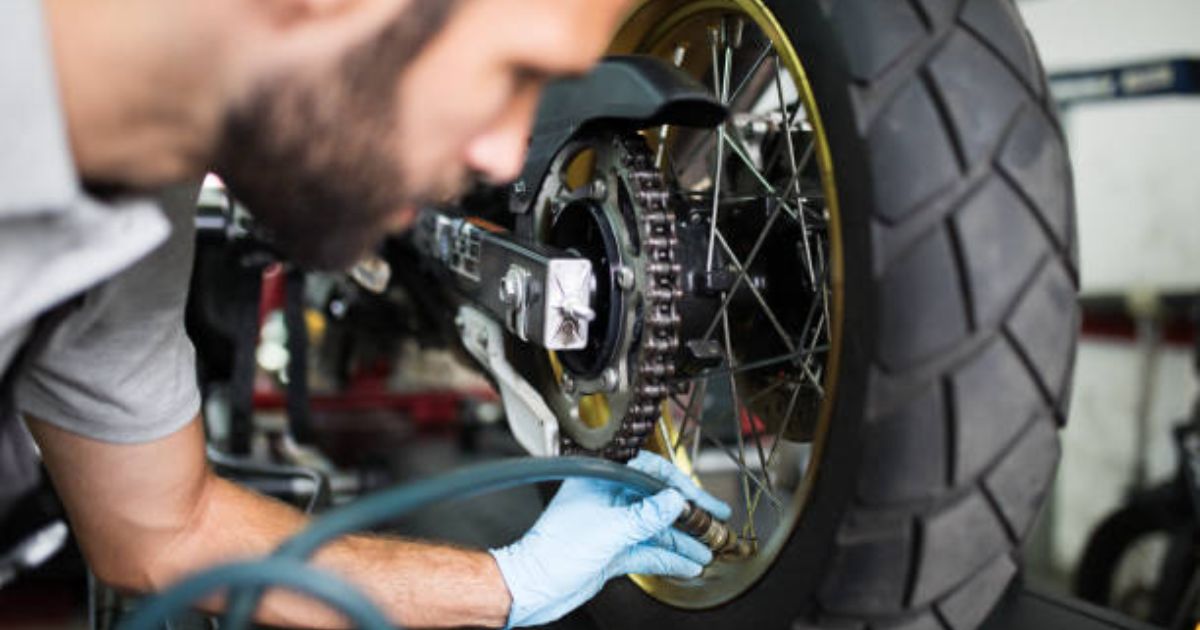
5. Regular Bike Maintenance 🔧

  • Schedule servicing, check tire pressure, and clean chains regularly.
  • Tip: Preventive care saves money and ensures safety.

6. Stay Updated With Rider Tech 📲

  • Use apps for navigation, weather updates, and ride tracking.
  • Trending Now: Smart helmets and Bluetooth-enabled gear.

7. Plan Adventure Rides 🌍

  • Explore scenic routes, offbeat trails, and long-distance touring.
  • Benefit: Enhances riding skills and creates unforgettable memories.

👉 This section is optimized with keywords like “rider suggestions,” “bike safety tips,” “eco-friendly riding,” and “motorcycle lifestyle” to boost search visibility.

Would you like me to also create a visual checklist infographic for these suggestions so you can share it on social media?

🏁 Conclusion

Being a true bike rider is about passion, discipline, and freedom. From the roar of the exhaust to the bond with fellow riders, these experiences shape a lifestyle that only riders truly understand. Whether you’re customizing your bike, braving the weather, or enjoying the therapy of long rides, remember—it’s not just about the destination, it’s about the journey.

📚 References

•        Motorcycle Safety Foundation (MSF)

•        Rider Magazine – Lifestyle & Gear Trends

•        BikeDekho & ZigWheels – Latest Bike News in India

•        WHO Road Safety Reports

❓ FAQs

Q1: What makes someone a true bike rider?

A true rider values safety, discipline, and passion for the journey—not just the destination.

Q2: How can riders stay safe on long trips?

Wear proper gear, plan routes, take breaks, and maintain your bike regularly.

Q3: Are electric bikes popular among riders?

Yes, eco-friendly electric bikes are trending, especially among urban riders.

Q4: What’s the rider’s wave?

It’s a subtle gesture riders use to acknowledge each other on the road.

Q5: How can I join a rider community?

Look for local clubs, online forums, or social media groups dedicated to biking.

Make Your Own “Armor of God” Costume — Ephesians 6 for Kids

Introduction

Make Your Own “Armor of God” Costume — Ephesians 6 for Kids

Teaching children about faith can be both meaningful and fun when lessons are hands-on. One of the most powerful and memorable Bible lessons for kids is the Armor of God found in Ephesians 6. Creating a DIY Armor of God costume helps children understand spiritual values like truth, righteousness, faith, and salvation in a creative and engaging way.

This guide will walk you through ideas, tips, trends, and suggestions to help kids make their own Armor of God costume using simple materials—perfect for Sunday school, VBS, church plays, or Bible-themed events.

What Is the Armor of God? (Ephesians 6 Explained for Kids)

source:pixabay

In Ephesians 6:11–17 (KJV), the Bible teaches believers to “put on the whole armor of God” to stand strong in faith. Each piece of armor represents a spiritual truth:

  • Belt of Truth
  • Breastplate of Righteousness
  • Shoes of Peace
  • Shield of Faith
  • Helmet of Salvation
  • Sword of the Spirit (God’s Word)

For kids, turning these ideas into a costume makes the lesson easier to remember and more exciting.

Tips for Making an Armor of God Costume for Kids

source:pixabay

1. Use Simple, Safe Materials

Choose kid-friendly and affordable supplies such as:

  • Cardboard
  • Foam sheets
  • Aluminum foil
  • Paper towel tubes
  • Construction paper
  • Craft paint and markers

Avoid sharp tools and supervise younger children.

2. Explain the Meaning as You Build

As each piece is created, explain what it represents spiritually. This turns crafting time into a Bible lesson.

3. Let Kids Be Creative

Encourage kids to decorate their armor with words, symbols, or Bible verses. Creativity helps reinforce learning.

4. Make It Comfortable

Ensure the costume is lightweight and easy to wear, especially for younger children.

Popular Trends in Armor of God Crafts for Kids

source:pixabay

Teaching the Armor of God through crafts isn’t just educational — it’s becoming more creative, interactive, and meaningful year after year. Here are the top trends helping kids connect with Ephesians 6 while having fun:

🎨 1. Recycled & Upcycled Craft Materials

Kids and adults are turning everyday items — like cereal boxes, paper towel rolls, plastic lids, and old cardboard — into pieces of spiritual armor.
This trend not only teaches Bible truth but also reinforces lessons about stewardship, creativity, and caring for God’s world.

📄 2. Printable Armor Templates

Printable cut-outs and coloring pages are huge hits for quick Sunday school lessons or home activities.
These templates often come in themed sets so kids can:

  • color their armor
  • add Bible verses
  • cut and assemble easily

This trend works especially well for busy teachers and parents.

🛠 3. 3D Foam & Wearable Foam Crafts

Soft craft foam offers durability and comfort, making it perfect for wearable pieces like shields, helmets, and belts.
Foam gives kids the feel of real armor — without weight or sharp edges — and allows for:

  • layering colors
  • decorating with stickers
  • writing encouraging faith words

🎤 4. Interactive Storytelling + Role Play

Instead of just making a costume, kids now act out the Armor of God story. Leaders use drama, movement, and storytelling to help children remember:

  • What each piece means
  • How to use it in real life

This immersive method keeps kids engaged and deepens their spiritual understanding.

📱 5. Digital Craft Tutorials

Thanks to online platforms (YouTube, Pinterest, church blogs), families and educators are turning to digital step-by-step craft videos.
This trend makes it easier for people at home to follow along and craft together, even when learning remotely.

👫 6. Group Collaboration Projects

Instead of each child making a whole costume alone, many churches and classes are assigning one piece of armor per child.
Then, kids:

  • share what their piece means
  • assemble the “Armor Wall”
  • build a large group costume

This fosters teamwork and spiritual sharing.

✍️ 7. Scripture-Based Decoration

Kids are writing verses and faith affirmations directly on their craft pieces. This trend helps children:

  • memorize key Bible verses
  • personalize their faith statements
  • connect Scripture to creative expression

Why These Trends Matter

These trends go beyond simple crafts — they help kids:
✅ Understand Bible truths hands-on
✅ Build confidence and spiritual language
✅ Remember lessons through play and creativity
✅ Share faith with peers and family

By making the Armor of God relatable, tangible, and memorable, these craft trends transform Bible learning into a joyful experience for kids of all ages.

Suggestions for Each Piece of the Armor

🛡 Belt of Truth

  • Use a strip of cardboard or fabric
  • Write “TRUTH” boldly on it

🦺 Breastplate of Righteousness

  • Cut a chest plate from cardboard
  • Decorate with hearts or crosses

👟 Shoes of Peace

  • Tape paper or foam cutouts onto shoes
  • Label them “PEACE”

🛡 Shield of Faith

  • Create a shield shape from cardboard
  • Write “FAITH” in the center

🪖 Helmet of Salvation

  • Use a bike helmet or paper headband
  • Add the word “SALVATION”

Sword of the Spirit

  • Make from cardboard or foam
  • Write a short Bible verse on it

Why Teaching the Armor of God Matters for Kids

Teaching the Armor of God helps children:

  • Understand Christian values
  • Build confidence in faith
  • Learn right from wrong
  • Apply Bible teachings to daily life

When kids wear the armor, they learn they are spiritually protected and loved.

Conclusion

Making your own Armor of God costume is a powerful way to teach kids the message of Ephesians 6 through creativity and fun. Whether at home, church, or school, this activity strengthens faith, encourages imagination, and builds lasting spiritual lessons. With simple materials and meaningful explanations, children can truly “put on the whole armor of God.”

References

  • The Holy Bible, King James Version (Public Domain)
    • Ephesians 6:11–17

Frequently Asked Questions (FAQs)

1. What age group is this Armor of God costume best for?

This activity works well for children ages 4–12, with adult help for younger kids.

2. Can this be used for Sunday school or VBS?

Yes! It’s perfect for Sunday school, Vacation Bible School, church plays, and Bible lessons.

3. How long does it take to make the costume?

Most costumes can be made in 30–60 minutes, depending on detail and age level.

4. Do I need special craft supplies?

No. Most items can be made using household or recycled materials.

5. How does this help children learn the Bible?

Hands-on activities help kids remember Scripture, understand meanings, and apply lessons to real life.

9 Common Cashless Payment Mistakes to Avoid

Introduction

9 Common Cashless Payment Mistakes to Avoid

The world is rapidly moving toward a cashless economy, with digital wallets, UPI, credit cards, and contactless payments becoming the norm. While these methods offer speed and convenience, many individuals and businesses fall into common traps that compromise security, efficiency, and customer trust. Avoiding these mistakes ensures smoother transactions and builds confidence in digital payments..

9 Common Cashless Payment Mistakes

source:pixabay
  • Ignoring cybersecurity measures: Weak passwords, unsecured Wi-Fi, and lack of two-factor authentication expose users to fraud.
  • Not educating customers: Businesses often fail to guide users on safe digital payment practices, leading to confusion and mistrust.
  • Overlooking transaction fees: Hidden charges from banks or payment gateways can erode profits if not monitored.
  • Failing to update software: Outdated apps or POS systems increase vulnerability to hacks.
  • Neglecting backup payment options: Relying solely on one platform can cause downtime during outages.
  • Poor internet connectivity: Weak networks delay or fail transactions, frustrating customers.
  • Ignoring regulatory compliance: Not adhering to RBI or government guidelines can result in penalties.
  • Skipping transaction records: Lack of proper documentation complicates audits and dispute resolution.
  • Resistance to change: Businesses hesitant to adopt new payment technologies risk losing customers.

✅ Tips to Avoid Cashless Payment Mistakes

source:pixabay
  • Enable two-factor authentication: Add an extra layer of security to protect against unauthorized access.
  • Use strong, unique passwords: Avoid reusing passwords across multiple accounts.
  • Update apps and POS systems regularly: Keep software patched to reduce vulnerabilities.
  • Educate staff and customers: Provide clear instructions on safe payment practices.
  • Monitor transaction fees: Track charges and negotiate better terms with providers.
  • Maintain multiple payment options: Offer UPI, cards, and wallets to avoid downtime.
  • Ensure reliable internet connectivity: Invest in stable networks to prevent failed transactions.
  • Comply with regulations: Stay updated with RBI and government guidelines to avoid penalties.
  • Keep transaction records: Document payments for audits, disputes, and financial tracking.

🌐 Current Trends in Cashless Payments

  • Contactless payments: NFC-enabled cards, smartphones, and QR codes are now standard in retail, cafés, and transport systems. They offer speed, hygiene, and convenience.
  • Biometric authentication: Fingerprint and facial recognition are increasingly used to secure transactions, reducing reliance on PINs and passwords.
  • AI-driven fraud detection: Generative AI is boosting fraud protection rates by up to 300%, identifying suspicious activity in real time.
  • Blockchain and cryptocurrency integration: Financial institutions are exploring blockchain for secure, transparent, and faster payments.
  • Cross-border digital payments: Fintech platforms are making international transactions seamless, reducing fees and delays.
  • Mobile wallet growth: Apps like Google Pay, Apple Pay, and local wallets are expanding rapidly, especially among younger generations.
  • Government initiatives: Programs like India’s Digital India are accelerating adoption of cashless systems worldwide.

📊 Comparison Table: Key Trends & Benefits

source:pixabay
TrendBenefit
Contactless paymentsFaster, hygienic, widely adopted
Biometric authenticationStronger security, user convenience
AI-driven fraud detectionReal-time fraud prevention
Blockchain integrationTransparency, reduced transaction costs
Cross-border paymentsSeamless global transactions
Mobile wallet growthAccessibility, youth adoption
Government initiativesPolicy support, infrastructure growth

⚠️ Risks & Challenges

  • Data privacy concerns with biometric and AI systems.
  • Regulatory hurdles in cross-border and crypto payments.
  • Digital divide: rural areas may struggle with infrastructure.
  • Hidden transaction fees in mobile wallets and international transfers.

Cashless payments in 2025 are defined by speed, security, and global reach. Businesses that embrace these trends—while addressing risks—will stay competitive in the evolving digital economy.

Sources:

💼 Suggestions for Businesses

  • Invest in secure infrastructure: Use encryption, firewalls, and PCI-DSS compliant systems to protect customer data.
  • Stay updated with regulations: Follow RBI, GDPR, and other local/global compliance standards to avoid penalties.
  • Offer multiple payment options: Provide UPI, cards, wallets, and net banking to ensure flexibility and reduce downtime.
  • Educate customers: Share guides, FAQs, and reminders about safe payment practices to build trust.
  • Leverage analytics: Use transaction data to understand customer behavior and improve services.
  • Provide strong customer support: Quickly resolve failed or disputed transactions to maintain loyalty.

👤 Suggestions for Users

  • Enable two-factor authentication: Add an extra layer of security for all digital wallets and banking apps.
  • Avoid public Wi-Fi: Use secure networks when making transactions to prevent hacking.
  • Update apps regularly: Keep wallets and banking apps patched to reduce vulnerabilities.
  • Monitor transaction alerts: Always check SMS/email notifications to detect unauthorized activity.
  • Keep backup payment methods: Carry an extra card or enable multiple wallets to avoid disruptions.
  • Maintain transaction records: Save receipts or screenshots for dispute resolution and financial tracking.

For businesses, the priority is building trust and compliance, while for users, it’s ensuring personal security and vigilance. Together, these practices create a safer and more efficient cashless ecosystem.

💰 Are Cashless Payments Cheaper than Cash Transactions?

✅ When Cashless Payments Can Be Cheaper

  • Reduced handling costs: Businesses save on cash counting, storage, and bank deposits.
  • Faster transactions: Digital payments reduce checkout time, improving efficiency.
  • Lower risk of theft: No physical cash means less risk of robbery or employee pilferage.
  • Promotional offers: Wallets and apps often provide cashback, discounts, or loyalty rewards.

⚠️ When Cashless Payments Can Be More Expensive

  • Transaction fees: Banks and payment gateways may charge merchants per transaction.
  • Infrastructure costs: Businesses must invest in POS machines, software, and internet connectivity.
  • Hidden charges: International transfers or credit card payments may include extra fees.
  • Dependence on providers: Outages or downtime can cause indirect losses.

📊 Comparison Table

FactorCash TransactionsCashless Payments
Handling costsHigh (counting, depositing)Low (automated)
SpeedSlowerFaster
SecurityRisk of theftSafer, but cyber risks
FeesNonePossible transaction charges
Customer perksRareCashback, discounts
InfrastructureMinimalRequires devices & internet

🔎 Key Takeaway

Cashless payments are often cheaper in the long run due to efficiency, reduced handling costs, and customer perks. However, transaction fees and infrastructure costs can make them more expensive for small businesses if not managed properly.

Conclusion

Cashless payments are here to stay, but success depends on avoiding common mistakes and embracing secure, customer-friendly practices. By staying updated with trends, educating users, and investing in reliable systems, both individuals and businesses can enjoy the benefits of a digital economy without unnecessary risks.

References

  • 10 Mistakes to Avoid in Cashless Event Ticketing
  • Cashless Transaction Challenges and Remedies – IJCRT
  • Challenges Associated with Cashless Payment Systems – Businesshab

FAQs

  • What are the biggest risks of cashless payments?

Cybersecurity threats, hidden fees, and poor connectivity are the most common risks.

  • How can I make my digital payments safer?

Use strong passwords, enable two-factor authentication, and avoid public Wi-Fi.

  • Are cashless payments cheaper than cash transactions?

They save time but may involve transaction fees depending on the provider.

  • What trends will shape the future of cashless payments?

Contactless tech, biometric security, and AI-driven fraud detection are leading innovations.

8 Cashless Payment Trends You Can’t Ignore in 2025

Introduction

8 Cashless Payment Trends You Can’t Ignore in 2025

Cashless payments have rapidly become a part of everyday life, reshaping how people shop, pay bills, and manage finances. In 2025, digital transactions are not just about convenience—they are about speed, security, and smart technology. With the rise of UPI, contactless payments, AI-based security, and global digital finance innovations, cashless payment systems are evolving faster than ever. This article highlights 8 major cashless payment trends in 2025 that individuals, businesses, and families should not ignore..

8 Cashless Payment Trends in 2025

source:pixabay

1. UPI Autopay for Recurring Payments

UPI Autopay is becoming the preferred method for subscriptions, utility bills, OTT platforms, and home delivery services, offering automatic and hassle-free payments.

2. Tap-and-Pay (NFC) Transactions

Contactless payments using smartphones, smartwatches, and debit/credit cards are growing rapidly, reducing checkout time and improving hygiene.

3. AI-Powered Fraud Detection

Artificial Intelligence is now actively monitoring transactions to detect suspicious activity in real time, providing faster alerts and better security.

4. Offline Cashless Payments

Offline UPI and low-network payment solutions are helping people make digital payments even in areas with weak internet connectivity.

5. Voice-Enabled Payments

Voice assistants are increasingly supporting payment commands, making transactions easier for seniors and visually impaired users.

6. QR Code Payments Everywhere

From street vendors to large malls, QR code-based payments have become universally accepted across India.

7. One-Click Checkout Experiences

E-commerce and delivery apps are offering faster checkout options by securely storing payment preferences.

8. Growth of Digital Wallet Super Apps

Digital wallets are evolving into super apps that combine payments, investments, insurance, and rewards in one place.

Tips for Using Cashless Payments Safely

  1. Use Strong PINs & Biometric Locks
    Always protect your payment apps with a strong PIN, fingerprint, or face authentication.
  2. Never Share OTPs or PINs
    Banks and payment apps never ask for OTPs—sharing them can lead to fraud.
  3. Enable Instant Transaction Alerts
    SMS and app notifications help you spot unauthorized transactions immediately.
  4. Avoid Public Wi-Fi for Payments
    Use secure mobile data or trusted networks when making financial transactions.
  5. Download Apps Only from Official App Stores
    Avoid third-party or unknown sources to reduce malware risks.
  6. Keep Apps & Phone Software Updated
    Updates often include important security patches.
  7. Set Daily Transaction Limits
    Limiting transaction amounts helps minimize losses if something goes wrong.
  8. Check Bank Statements Regularly
    Review transaction history weekly to detect suspicious activity early.
  9. Log Out from Shared or Public Devices
    Never stay logged in on devices you don’t own.
  10. Turn Off Screen Sharing During Support Calls
    Fraudsters may misuse screen access to steal information.
  11. Use Trusted Merchants Only
    Pay through verified QR codes, official websites, or known sellers.
  12. Block Your App or Card Immediately if Phone Is Lost
    Contact your bank or payment provider at once.
  13. Beware of Fake Links & Phishing Messages
    Avoid clicking on unknown links claiming refunds or prizes.
  14. Keep Emergency Contact Numbers Handy
    Save your bank’s helpline number for quick action during emergencies.

📈 Trending Now in 2025 — Cashless Payment Innovations You Can’t Ignore

source:pixabay

In 2025, digital payments are evolving rapidly with new technologies and changing consumer habits. These trends are shaping how people transact—whether in stores, online, or through home delivery services.

1. UPI Autopay for Recurring Payments

UPI Autopay is becoming the go-to choice for subscriptions, utility bills, and recurring services, eliminating the need for manual payments every month.

2. Contactless Payments Are the Norm

Tap-and-pay using NFC-enabled smartphones, smartwatches, and cards is widely accepted—making checkout faster and more hygienic.

3. AI-Driven Fraud Protection

Advanced artificial intelligence is now actively monitoring transactions to detect unusual activity, ensuring safer payments for users.

4. Offline Cashless Payments

Cashless payments are no longer limited by internet connectivity—offline UPI and SMS-based options are helping users make digital transactions even with low or no network.

5. Voice-Activated Payments

Voice assistants are now empowering users to make payments, check balances, and pay bills using simple spoken commands.

6. QR Codes Everywhere

From street vendors to big retail stores, QR-based payments have become universal, offering easy cashless payments even for small purchases.

7. One-Click Checkout Experiences

E-commerce and delivery apps now offer seamless one-click checkout capabilities, reducing cart churn and improving convenience.

8. Digital Wallets Evolving into Super Apps

Wallets are no longer single-purpose—many now integrate payments, loyalty points, investments, ticket booking, and financial services in one place.

💡 Suggestions for Best Results

source:pixabay
  • Use Trusted & Verified Payment Apps Only
    Choose apps approved by banks or official payment authorities for better security.
  • Enable Biometric & Two-Factor Authentication
    Fingerprint, face lock, and PIN protection add an extra safety layer.
  • Set Daily Transaction & Spending Limits
    Helps control expenses and reduces potential losses in case of fraud.
  • Turn On Instant Alerts & Notifications
    Immediate transaction alerts help detect unauthorized activity quickly.
  • Use UPI Autopay Only for Reliable Services
    Activate auto-debit features only with trusted merchants and subscriptions.
  • Avoid Making Payments on Public Wi-Fi
    Always use secure mobile data or private networks for financial transactions.
  • Regularly Review Payment History
    Checking statements weekly helps spot errors or suspicious transactions early.
  • Update Apps & Phone Software Frequently
    Updates often include important security patches and performance improvements.
  • Educate Family Members on Digital Safety
    Teach children and seniors basic safety rules to avoid scams.
  • Keep Emergency Support Numbers Handy
    Save bank and payment app helpline numbers for quick action if needed.
  • Use QR Codes Carefully
    Always verify the merchant name before completing a payment.
  • Maintain Some Backup Cash
    While cashless is convenient, small emergency cash can still be useful.

Conclusion

Cashless payments in 2025 are faster, smarter, and more secure than ever before. With innovations like AI security, offline UPI, and contactless transactions, digital payments are becoming accessible to everyone. Staying updated with these trends helps users enjoy seamless transactions while maintaining safety and financial control. Embracing cashless payments is no longer optional—it’s the future of everyday finance.

References

  1. National Payments Corporation of India (NPCI) – UPI Updates
  2. Reserve Bank of India – Digital Payment Reports
  3. Ministry of Electronics & IT – Digital India Initiative
  4. Consumer Digital Payment Studies (2024–2025)

FAQs

1. Are cashless payments safe in 2025?

Yes, advanced encryption, AI fraud detection, and biometric authentication make cashless payments highly secure.

2. Which cashless payment method is most popular in India?

UPI remains the most widely used digital payment method across India.

3. Can cashless payments work without internet?

Yes, offline UPI and USSD-based payment options are available in some cases.

4. Is cashless payment suitable for small daily transactions?

Absolutely. UPI Lite and QR-based payments are ideal for small purchases.

5. What should I do if a cashless payment fails?

Check the transaction status in the app and contact customer support if the amount is deducted but not credited.