About Kristan Vihaan

Passionate about sharing knowledge and insights on a variety of topics. As the founder of Daily New Tips, I aim to provide valuable information and practical advice to help you learn and grow.

7 Stunning Benefits of Installing a Fountain in a Small Pond

Introduction:-

7 Stunning Benefits of Installing a Fountain in a Small Pond

A small garden pond can be a serene and attractive feature in your backyard, but adding a fountain can elevate it to a whole new level of beauty and sophistication. Not only does a fountain enhance the visual appeal of your pond, but it also brings soothing sounds, improved water quality, and a vibrant atmosphere to your garden. In this article, we’ll explore the benefits of adding a fountain to your small pond and offer some tips on choosing and installing the perfect fountain for a stunning garden makeover.

7 Stunning Benefits of Installing a Fountain in a Small Pond

source:pixabay
  1. Aesthetic Appeal: Fountains can enhance the visual appeal of a pond, creating a focal point and adding a touch of elegance or whimsy depending on the style.
  2. Sound: The gentle sound of flowing water can create a calming and soothing atmosphere, masking background noise and promoting relaxation.
  3. Aeration: Fountains help to oxygenate the water, which can improve the health of fish and plants by promoting better oxygen levels and reducing stagnant conditions.
  4. Algae Control: By keeping the water moving, fountains can help reduce algae growth, which thrives in still water.
  5. Temperature Regulation: The movement of water can help regulate the temperature, preventing the pond from becoming too warm or too cold.
  6. Wildlife Attraction: The sound and movement of water can attract wildlife, such as birds, which may come to drink or bathe.
  7. Water Circulation: Fountains can aid in the circulation of water, helping to keep debris and leaves from settling at the bottom of the pond.
  8. Visual Interest: Changing the flow pattern or incorporating different fountain designs can add dynamic visual interest to your pond.

Choosing the Right Fountain for Your Small Pond

Choosing the right fountain for a small pond involves considering several factors to ensure it complements the pond’s size and meets your aesthetic and functional needs. Here’s a guide to help you make the best choice:

source:pixabay

1. Size and Scale

  • Choose a fountain that is proportionate to the size of your pond. A large fountain can overwhelm a small pond, while a very small one may not create the desired effect.
  • Measure your pond’s dimensions and ensure the fountain’s spray pattern and reach are suitable for the available space..

2. Fountain Type

  • Floating Fountains: These are easy to install and can be placed in the center of the pond. They are ideal if you want a simple installation without plumbing.
  • Spray Fountains: They create a classic, vertical water display. Good for small ponds, but make sure the spray height matches the pond’s size.
  • Bubblers: These produce a gentle, bubbling effect and are perfect for very small ponds where a subtle water movement is preferred.
  • Spitters: These small decorative features can be placed at the edge of the pond to spout water inwards. They add a charming and playful element.

3. Pump Capacity

  • Ensure the fountain pump has the appropriate flow rate for your pond size. A general rule is to circulate the pond’s total volume once per hour.
  • For small ponds, a pump capacity of 100 to 250 gallons per hour (GPH) is usually sufficient.

4. Power Source

  • Electric Fountains: Reliable and consistent, but they require a nearby power outlet and safe cabling.
  • Solar Fountains: Eco-friendly and easy to install, though they are dependent on sunlight and may not function well in shaded areas or during cloudy days.

5. Style and Design

  • Choose a fountain that complements the style of your garden. Whether you prefer a modern, minimalist look or a traditional, decorative style, there are options to suit various aesthetics.
  • Consider the material (stone, metal, ceramic) and design details to match your garden’s theme.

6. Noise Level

  • Some fountains produce more noise than others. Decide whether you want a gentle, tranquil sound or a more pronounced water feature noise.
  • For a small pond, a quiet, subtle sound is often preferable to avoid overpowering the space.

7. Maintenance

  • Look for fountains that are easy to maintain and clean. Small ponds can accumulate debris quickly, so a fountain with a removable pump or easy-access filter is ideal.
  • Regularly check and clean the pump to prevent clogging and ensure optimal performance.

8. Lighting

  • Consider adding LED lights to your fountain for a stunning nighttime display. Many fountains come with integrated lighting options that can add ambiance to your pond after dark.

By carefully considering these factors, you can select a fountain that not only fits your pond perfectly but also enhances the overall beauty and tranquility of your garden space.

Installing Your Fountain: Step-by-Step Guide

Installing a fountain in your pond can be a rewarding project that enhances the beauty and health of your water feature. Here’s a step-by-step guide to help you install your fountain:

source:pixabay

Step 1: Choose the Right Location

  1. Positioning: Select a location in your pond where the fountain will be the most visually appealing and functional. For floating or spray fountains, the center is usually ideal.
  2. Avoid Obstacles: Ensure the location is free from overhanging branches, leaves, or other debris that could obstruct the water flow or clog the pump.

Step 2: Assemble the Fountain

  1. Unpack and Check: Lay out all parts of the fountain and check for any missing or damaged pieces.
  2. Follow the Instructions: Follow the manufacturer’s assembly instructions carefully. This usually involves connecting the pump to the fountain head and any decorative components.

Step 3: Install the Pump

  1. Position the Pump: Place the pump in the pond at the desired depth. Ensure it is stable and level to avoid tipping.
  2. Attach the Fountain Head: Connect the fountain head to the pump. Adjust the height of the extension tube, if necessary, to get the desired water height.

Step 4: Connect the Power Source

  1. Electric Fountains: Run the power cord from the pump to an outdoor GFCI (Ground Fault Circuit Interrupter) outlet. Use a weatherproof cover to protect the outlet.
    • Safety Tip: Never use an extension cord as a permanent power solution. If needed, have an electrician install a safe, nearby outlet.
  2. Solar Fountains: Position the solar panel where it will receive maximum sunlight. Connect the panel to the pump and ensure all connections are secure.

Step 5: Secure the Fountain

  1. Anchor Floating Fountains: If using a floating fountain, anchor it in place with weights or stones to keep it from drifting.
  2. Stabilize Non-Floating Fountains: Use stones or other supports to stabilize the fountain base if necessary.

Step 6: Fill the Pond

  1. Check Water Levels: Ensure the pond is filled to the appropriate level, covering the pump completely. This will prevent the pump from running dry and getting damaged.
  2. Adjust as Needed: Add or remove water to get the desired level.

Step 7: Test the Fountain

  1. Turn On the Power: Switch on the pump to start the fountain. Observe the water flow to ensure it is working correctly.
  2. Adjust Settings: Adjust the height and pattern of the water spray by manipulating the fountain head or adjusting the flow control valve on the pump.

Step 8: Fine-Tune the Placement and Flow

  1. Check for Splashes: Ensure the fountain’s spray does not splash too far outside the pond, which could cause water loss.
  2. Adjust Height: If the water spray is too high or too low, adjust the pump settings or extension tube length accordingly.

Step 9: Secure and Conceal Cords

  1. Secure Cords: Tuck and secure any power cords along the pond edge or bury them in the surrounding soil or rocks for a clean appearance.
  2. Conceal with Landscaping: Use rocks, plants, or other landscape features to conceal the pump, tubing, and cables.

Step 10: Regular Maintenance

  1. Clean the Pump: Periodically check and clean the pump to prevent debris buildup, which can reduce performance.
  2. Check Water Levels: Regularly check the water level in the pond, especially during hot weather, to prevent the pump from running dry.

By following these steps, you can successfully install a fountain in your pond, enhancing both its visual appeal and overall health.

Final Touches: Landscaping Around Your Fountain

Landscaping around your fountain can elevate the look of your pond and seamlessly integrate the fountain into your garden. Here are some final touches and ideas for landscaping around your fountain:

1. Create a Natural Edge

  • Rocks and Boulders: Arrange a mix of rocks and boulders around the edge of the pond to create a natural, organic look. Use different sizes and shapes to add variety.
  • Pebbles and Gravel: Place pebbles or gravel around the pond’s edge for a soft, cohesive transition between the water and the garden. This also helps prevent soil erosion.

2. Add Lush Vegetation

  • Marginal Plants: Plant water-loving plants such as irises, cattails, or pickerelweed along the edges. They thrive in shallow water and create a seamless transition between pond and land.
  • Aquatic Plants: Add water lilies, lotus, or submerged plants like anacharis to the pond. They not only look beautiful but also help maintain water quality by absorbing nutrients.
  • Perennials and Shrubs: Around the pond’s perimeter, plant perennial flowers like hostas, ferns, and daylilies, or shrubs like hydrangeas and azaleas for color and texture.

3. Use Ground Cover and Mulch

  • Ground Covers: Plant low-growing ground covers like creeping thyme, moss, or ajuga to fill gaps between rocks and plants. They add color and reduce weed growth.
  • Mulch: Use mulch around plantings to retain moisture, suppress weeds, and give a neat appearance.

4. Incorporate Decorative Features

  • Garden Statues: Add small statues, figurines, or sculptures that complement the fountain’s style. Consider animals, fairy-tale figures, or modern art pieces.
  • Stepping Stones: Place stepping stones around the pond to create a path. It’s both functional and adds a decorative element.
  • Benches or Seating: Consider placing a bench or a few garden chairs near the fountain for a peaceful sitting area to enjoy the view and sounds of water.

5. Accent Lighting

  • Underwater Lights: Install LED or submersible lights inside the pond to illuminate the fountain and aquatic plants at night.
  • Pathway Lights: Use solar or low-voltage path lights around the pond’s perimeter to highlight the area and ensure safety.
  • Spotlights: Position spotlights to highlight the fountain, nearby trees, or statues, creating dramatic nighttime effects.

6. Water Features Integration

  • Waterfalls or Streams: If space allows, consider adding a small waterfall or a stream leading to the pond. This adds more movement and sound, enhancing the natural ambiance.
  • Water Spitters: Decorative spitters shaped like frogs, fish, or birds can add playful elements and additional water movement.

7. Windbreaks and Privacy

  • Plant Taller Shrubs or Trees: Use tall shrubs or small trees like bamboo, ornamental grasses, or evergreens to create a natural windbreak. This prevents debris from blowing into the pond and adds privacy.
  • Screening Plants: Choose dense, fast-growing plants such as arborvitae or privet hedges to screen out unwanted views and create a secluded feel.

8. Seasonal Color and Interest

  • Spring Bulbs: Plant spring bulbs like tulips, daffodils, or crocuses around the pond for an early burst of color.
  • Autumn Foliage: Include plants with vibrant fall colors like Japanese maples or burning bush to add seasonal interest.
  • Winter Structure: Opt for evergreens, grasses, or structural elements like rocks and sculptures to keep the area visually appealing during winter months.

9. Wildlife-Friendly Additions

  • Bird Baths and Feeders: Attract birds by placing feeders or bird baths nearby. This will bring more life and activity to your pond area.
  • Butterfly and Bee-Friendly Plants: Include nectar-rich flowers such as lavender, coneflower, or bee balm to support pollinators.

10. Personal Touches

  • Add elements that reflect your personal style, such as decorative pots, garden art, or whimsical items like wind chimes or fairy lights. These small details can make the pond and fountain area feel uniquely yours.

By thoughtfully landscaping around your fountain, you can create a harmonious and beautiful garden oasis that complements the natural beauty of your pond and enhances your overall outdoor space.

Conclusion

Adding a fountain to your small garden pond is a simple yet effective way to elevate the beauty and ambiance of your outdoor space. With the right fountain and a bit of creativity, you can transform your pond into a stunning focal point that brings joy and tranquility to your garden. So, why wait? Start planning your garden makeover today and enjoy the soothing, picturesque effect of a beautiful pond fountain!

References

  1. Gardening Know How: Offers detailed guides on water features and pond maintenance.
    • Gardening Know How: Adding a Water Feature to Your Garden
  2. Better Homes & Gardens: Provides tips on selecting and maintaining garden fountains.
    • Better Homes & Gardens: Garden Fountains
  3. The Spruce: Discusses different types of garden fountains and their benefits.
    • The Spruce: Garden Fountain Ideas
  4. Aquascape, Inc.: Expert advice on choosing and installing pond fountains.
  5. Houzz: Inspiration and design ideas for incorporating fountains into small garden ponds.
    • Houzz: Small Garden Pond Ideas

8 Plant-Based Salad Cream Alternatives You’ll Love

Introduction

8 Plant-Based Salad Cream Alternatives You’ll Love

source:pixabay

Switching to a plant-based diet doesn’t mean giving up creamy, delicious salad dressings. Many plant-based alternatives offer the same rich texture and flavor without dairy, eggs, or artificial additives. Whether you’re looking for a healthier option or simply want to try new flavors, these eight plant-based salad cream alternatives will enhance your salads and meals.

Tips for Choosing the Best Plant-Based Salad Cream

  • Check the Ingredients – Look for natural, whole-food ingredients without artificial additives.
  • Consider Texture – Some alternatives are thick and creamy, while others are light and tangy.
  • Look for Nutrient-Rich Options – Many plant-based dressings contain healthy fats, fiber, and vitamins.
  • Experiment with Flavors – Try different bases like avocado, cashews, or tahini to find your favorite.
  • Make Your Own – Homemade options let you control the ingredients and customize flavors.

8 Plant-Based Salad Cream Alternatives

source:pixabay

1. Cashew Cream Dressing

Cashews blend into a smooth, rich cream that mimics traditional salad cream.

  • Ingredients: Soaked cashews, lemon juice, garlic, water, and a pinch of salt.
  • Best For: Caesar salads, pasta salads, and coleslaw.

2. Avocado Dressing

Avocados provide natural creaminess with heart-healthy fats.

  • Ingredients: Ripe avocado, lime juice, garlic, and olive oil.
  • Best For: Green salads, grain bowls, and wraps.

3. Tahini Dressing

Made from ground sesame seeds, tahini creates a nutty, creamy texture.

  • Ingredients: Tahini, lemon juice, maple syrup, and water.
  • Best For: Mediterranean salads, roasted veggies, and falafel bowls.

4. Coconut Yogurt Dressing

Coconut yogurt is a great dairy-free alternative with a slightly tangy taste.

  • Ingredients: Unsweetened coconut yogurt, lemon juice, mustard, and garlic.
  • Best For: Coleslaw, potato salads, and creamy dips.

5. Hummus-Based Dressing

Hummus adds thickness and a protein boost to salads.

  • Ingredients: Hummus, lemon juice, garlic, and water to thin.
  • Best For: Chickpea salads, grain bowls, and veggie platters.

6. Silken Tofu Dressing

Blended silken tofu creates a smooth, protein-rich dressing.

  • Ingredients: Silken tofu, apple cider vinegar, Dijon mustard, and herbs.
  • Best For: Caesar salads, ranch-style dressings, and slaws.

7. Olive Oil and Vinegar Dressing

A classic and simple dressing with heart-healthy benefits.

  • Ingredients: Extra virgin olive oil, balsamic vinegar, Dijon mustard, and herbs.
  • Best For: Leafy greens, pasta salads, and grilled vegetables.

8. Miso Dressing

Miso paste adds umami depth to plant-based dressings.

  • Ingredients: White miso, rice vinegar, maple syrup, and sesame oil.
  • Best For: Asian-inspired salads, noodle bowls, and slaws.

Benefits of Using Plant-Based Salad Cream Alternatives

  • Dairy-Free and Vegan-Friendly – Ideal for lactose-intolerant individuals and plant-based diets.
  • Healthier Fats – Many alternatives contain heart-healthy monounsaturated and polyunsaturated fats.
  • No Artificial Preservatives – Homemade or natural dressings are free from synthetic additives.
  • Rich in Nutrients – Many plant-based options contain essential vitamins, minerals, and antioxidants.
  • Customizable – Easily adjust flavors and textures to suit your taste preferences.

DO’s and DON’Ts of Plant-Based Salad Cream Alternatives

source:pixabay

DO’s

Experiment with Ingredients – Try different nuts, seeds, and plant-based yogurts. ✅ Blend for Smoothness – Use a high-speed blender for the creamiest texture. ✅ Store Properly – Keep dressings in airtight containers in the fridge. ✅ Use Fresh Ingredients – Fresh citrus, herbs, and garlic enhance flavor. ✅ Taste-Test Before Serving – Adjust seasoning to balance flavors.

DON’Ts

Avoid Excess Sugar – Many store-bought options contain added sugars. ❌ Don’t Overdo Oil – While healthy, too much oil can overpower flavors. ❌ Skip Artificial Ingredients – Choose whole-food ingredients for the best health benefits. ❌ Don’t Forget Acidity – Lemon juice or vinegar balances flavors and prevents dullness. ❌ Ignore Texture – Some bases may need water or plant-based milk for the right consistency.

Advice for Making Your Own Plant-Based Salad Cream

  • Start with a Base – Choose a creamy ingredient like cashews, avocado, or tahini.
  • Add a Tangy Element – Use lemon juice, apple cider vinegar, or mustard.
  • Incorporate Herbs and Spices – Garlic, dill, parsley, or cumin can enhance flavors.
  • Blend Until Smooth – Use a blender or food processor for the best texture.
  • Taste and Adjust – Modify salt, sweetness, or acidity as needed.

Conclusion

Plant-based salad cream alternatives offer a delicious, nutritious way to enjoy creamy dressings without dairy. From cashew cream to miso dressing, these options provide unique flavors and health benefits. Whether store-bought or homemade, plant-based dressings can enhance your salads while supporting a healthier lifestyle.

References

  1. Harvard T.H. Chan School of Public Health – Healthy Fats & Plant-Based Diets
  2. American Heart Association – Benefits of Plant-Based Oils
  3. Mayo Clinic – Plant-Based Diet and Heart Health

FAQs

1. What is the best plant-based alternative to traditional salad cream?

Cashew cream and avocado dressing are among the best options for a creamy texture and rich taste.

2. Can I buy plant-based salad cream alternatives in stores?

Yes, many brands offer dairy-free salad dressings, including those made with cashew, avocado, or tofu bases.

3. How long do homemade plant-based dressings last?

Homemade plant-based dressings typically last 5 to 7 days when stored in an airtight container in the refrigerator. However, the shelf life depends on the ingredients used:

  • Oil-based dressings (e.g., olive oil, vinegar, mustard, herbs): Can last up to 2 weeks, as vinegar and oil help preserve them.
  • Creamy dressings (e.g., cashew, tahini, avocado, or tofu-based): Typically last 3 to 5 days, as these ingredients spoil faster.
  • Dressings with fresh ingredients (e.g., garlic, fresh herbs, citrus juice): Should be consumed within 3 to 5 days for optimal freshness.
  • Fermented dressings (e.g., with miso or apple cider vinegar): May last 7 to 10 days, as fermentation helps preservation.

To maximize freshness:

  • Store in a sealed container (mason jars work well).
  • Stir or shake before use, as ingredients may separate.
  • Smell and taste before consuming—if it smells sour or looks off, discard it.

 4. Are plant-based dressings healthier than traditional dressings?

Yes, plant-based dressings can be healthier than traditional dressings, but it depends on the ingredients used. Here’s a comparison:

Health Benefits of Plant-Based Dressings

Lower in Saturated Fat – Traditional dressings often contain dairy (like mayo, cream, or cheese), which adds saturated fat. Plant-based dressings can use avocado, beans, or yogurt alternatives instead.

No Cholesterol – Since they’re made without animal products, plant-based dressings have zero cholesterol, which supports heart health.

Rich in Nutrients – When made with whole-food ingredients (like tahini, nuts, citrus, and herbs), plant-based dressings provide vitamins, minerals, and antioxidants.

Easier to Digest – Many people find dairy-based dressings heavy, while plant-based options are often lighter and easier on digestion.

Potential Downsides of Plant-Based Dressings

⚠️ High in Processed Ingredients – Store-bought plant-based dressings may have additives, preservatives, or unhealthy oils. Always check the ingredient list.

⚠️ Some Can Be High in Sugar or Sodium – Some recipes or store brands may use added sugar, soy sauce, or salt for flavor, which can add up.

⚠️ Not Always Low-Calorie – Dressings made with nuts, seeds, or tahini are healthier but can still be calorie-dense. If you’re watching calories, opt for oil-free versions using hummus, beans, or yogurt alternatives.

Bottom Line:

Homemade plant-based dressings made with whole, natural ingredients are generally healthier than traditional dressings, especially when avoiding processed ingredients. Would you like recommendations for store-bought options or more homemade recipes?

5. Can I make a low-fat plant-based dressing?

Yes! Use blended silken tofu, vegetable broth, or pureed vegetables instead of oils and nuts for a lighter option.

7 Trends in Garden Decor Using Upcycled Materials

Introduction

7 Trends in Garden Decor Using Upcycled Materials

In a world increasingly driven by sustainability and creativity, upcycled garden decor has blossomed into one of the most popular and rewarding trends among eco-conscious homeowners and gardening enthusiasts. No longer confined to traditional pots and store-bought ornaments, modern gardens are becoming vibrant, meaningful spaces filled with repurposed treasures—each with its own story.

7 Trends in Garden Decor Using Upcycled Materials

source:pixabay

♻️ 1. Pallet Planters & Vertical Gardens

Wooden pallets are being transformed into:

  • Wall-mounted herb gardens
  • Succulent towers
  • Compact vertical planters

Why it’s trending: Perfect for small spaces, adds rustic charm, and reduces wood waste.

🛢️ 2. Repurposed Containers as Planters

People are planting in:

  • Old kettles, boots, and colanders
  • Broken ceramic bowls and chipped mugs
  • Paint cans and wine crates

Popular theme: Eclectic and quirky—each container tells a story.

🪑 3. Furniture Reimagined

Old chairs, dressers, or sinks become:

  • Raised garden beds
  • Planter stands
  • Fairy garden bases

Tip: Remove drawers, line with landscape fabric, and fill with soil.

💡 4. Lighting from Discards

  • Mason jar solar lights
  • Tin can lanterns
  • Wine bottle torches

DIY trend: Adding mood lighting with upcycled charm using solar-powered or LED options.

🧱 5. Mosaic Art from Broken Ceramics

Using broken tiles, dishes, and mirrors to create:

  • Pathway accents
  • Garden stepping stones
  • Decorated pots or birdbaths

Style note: Adds a colorful, Mediterranean flair.

🚲 6. Whimsical Installations

Repurposed bikes, ladders, or wheelbarrows are used for:

  • Multi-level plant displays
  • Seasonal focal points
  • Climbing plant supports

Look for: Flea market finds or attic treasures for instant character.

🌼 7. Tire Gardens

Old tires painted in bright colors become:

  • Flower beds
  • Tiered planters
  • Hanging gardens

Eco-perk: Keeps bulky waste out of landfills.

🌱 Why This Trend is Growing

The rise of upcycled garden decor is more than just a creative fad—it reflects a cultural shift toward sustainable, mindful living. Here’s why more gardeners and homeowners are embracing this eco-friendly trend:

source:pixabay

♻️ 1. Environmental Awareness

More people are seeking ways to reduce waste and live sustainably. Upcycling gives old, broken, or discarded items a new purpose, helping reduce landfill contributions and promote a circular lifestyle.

💸 2. Budget-Friendly Gardening

Upcycling is a cost-effective alternative to purchasing new garden decor. With a bit of creativity, anyone can create beautiful, functional pieces without spending much—perfect for thrifty gardeners and DIY lovers.

🧠 3. Creative Self-Expression

Upcycled decor turns ordinary gardens into personalized art spaces. Each piece tells a story—whether it’s a teacup from Grandma turned into a planter or a mosaic made from broken dishes. It’s about making your space uniquely yours.

🎨 4. Vintage and Rustic Aesthetic Appeal

The charm of weathered wood, antique tools, and vintage items is back in style. Upcycled pieces add nostalgic character and rustic elegance that modern, store-bought decor often lacks.

👨‍👩‍👧‍👦 5. Family-Friendly Projects

Upcycling encourages quality time with kids or loved ones. Turning old items into garden art becomes a fun, hands-on activity that teaches sustainability, craftsmanship, and creativity.

🧘 6. Therapeutic Benefits

Engaging in upcycling projects—painting, building, planting—can be a calming, therapeutic experience. It’s not just about the outcome; it’s also about the process of mindful creation.

Tips for Getting Started with Upcycled Garden Decor

Upcycling for your garden doesn’t have to be complicated. Here are easy and practical tips to help you begin your eco-friendly decor journey:

source:pixabay

🔍 1. Start by Scouting Around Your Home

Look for unused or forgotten items such as:

  • Old mugs, teapots, or bowls
  • Broken furniture or mirrors
  • Worn-out boots, baskets, or metal buckets
    You might be surprised how many “junk” items have garden decor potential!

🎨 2. Clean and Prep Your Materials

Before using any item:

  • Wash thoroughly with soap and water
  • Remove rust, dirt, or old paint
  • Sand rough edges or surfaces if needed
    Tip: Use eco-friendly cleaners and wear gloves for safety.

🛠️ 3. Plan Small Projects First

Don’t try to revamp your entire garden overnight. Begin with simple ideas like:

  • Turning a teacup into a succulent planter
  • Painting an old watering can as a flower display
  • Lining a flower bed with broken plate pieces

💧 4. Check for Drainage

If turning something into a planter, make sure it has proper drainage.
Options:

  • Drill small holes in the bottom
  • Add pebbles or broken pottery at the base to prevent soggy roots

🎯 5. Use Weather-Resistant Sealants

Protect your creations from sun, rain, and wind:

  • Use outdoor-rated paint and sealants
  • Consider mod podge or polyurethane for a finishing coat
    This keeps your projects looking fresh season after season.

🖌️ 6. Let Your Creativity Shine

There are no hard rules in upcycling. Mix and match colors, themes, and textures. Your garden should reflect your personality and story.

🧰 7. Keep Basic DIY Tools on Hand

A few simple tools can make a big difference:

  • Screwdriver, drill, sandpaper
  • Outdoor adhesive/glue
  • Paintbrushes and weatherproof paint

💡 Bonus Tip: Check Local Thrift Shops or Freecycle Groups

If you don’t have items to upcycle, look for free or low-cost treasures at:

  • Garage sales
  • Online marketplaces
  • Community swaps

Conclusion

Upcycled garden decor is more than a fleeting trend—it’s a sustainable movement rooted in creativity, environmental awareness, and personal expression. As more gardeners turn to upcycling, they not only reduce waste but also breathe new life into forgotten objects, transforming them into cherished focal points in their outdoor sanctuaries.

References

  1. Better Homes & Gardens – “Creative Ways to Upcycle for Your Garden”
    https://www.bhg.com
  2. HGTV – “Budget Garden Decor: Upcycle Your Way to a Stylish Yard”
    https://www.hgtv.com
  3. The Spruce – “DIY Garden Projects Using Repurposed Items”
    https://www.thespruce.com
  4. Treehugger – “How Upcycling Helps the Environment”
    https://www.treehugger.com
  5. Gardener’s Path – “How to Use Recycled Items for a Creative Garden Design”
    https://www.gardenerspath.com

🧠 FAQs

Q: Can rusty or old metal items be used safely?
A: Yes—just sand and seal them to prevent injury or further decay.

Q: How do I protect upcycled items from weather?
A: Use outdoor sealants or bring delicate items indoors during extreme weather.

Q: Are there any materials to avoid?
A: Avoid items treated with chemicals or lead-based paint, especially around edible plants.

read more

8 Creative Ways to Repurpose Broken Ceramics in Your Garden

Introduction

8 Creative Ways to Repurpose Broken Ceramics in Your Garden

Don’t toss those broken ceramic pieces just yet! If you’ve ever shattered a favorite plate, pot, or mug, you might be surprised to learn that these broken ceramics can breathe new life into your garden. Not only do they add character and charm, but they also contribute to sustainable gardening by reducing waste. In this article, we’ll explore 8 creative ways to repurpose broken ceramics in your garden, along with helpful tips, current trends, and practical suggestions for a unique and eco-friendly outdoor space.

8 Creative Ways to Repurpose Broken Ceramics in Your Garden

source:pixabay

1. Mosaic Pathways

Turn shattered plates or tiles into a colorful garden path mosaic. Arrange the pieces into patterns or randomly for a whimsical, artistic walkway. Use mortar or concrete to secure them in place.

2. Plant Pot Drainage

Place ceramic shards at the bottom of plant pots to improve drainage. This helps prevent root rot and adds a functional use to those broken bits.

3. Decorative Garden Borders

Use the jagged edges of ceramic pieces to line your garden beds. Ceramic borders can add texture and color to your garden while keeping soil and mulch in place.

4. DIY Fairy Garden Accessories

Create tiny furniture, steps, or walls for a fairy garden using small ceramic fragments. Their natural irregularity adds a magical, rustic feel.

5. Garden Markers

Paint or write on flat ceramic pieces with waterproof markers to label herbs, flowers, or vegetables. It’s a charming and personalized way to identify your plants.

6. Artful Wall Displays

Glue ceramic shards onto wooden boards or walls to craft a garden mural or art piece. This becomes a conversation starter and adds artistic flair.

7. Bird Bath Enhancements

Add ceramic pieces to the bottom of a bird bath for a colorful, mosaic-like underwater display. Just ensure the pieces are smooth so they don’t harm the birds.

8. Mulch Alternative

Spread small pieces around certain areas like succulents or potted arrangements as a decorative mulch. It suppresses weeds and retains moisture while offering a unique look.

Tips for Repurposing Broken Ceramics Safely

Here are practical and safe tips for repurposing broken ceramics, whether it’s a cherished mug, plate, or decorative piece. Instead of tossing them, you can give these items a second life with a creative twist—while keeping safety top of mind.

1. Handle With Care

  • Wear gloves and protective eyewear when handling sharp ceramic pieces.
  • Place broken items on a soft surface like a towel to prevent further shattering.

2. Create Mosaic Art

Use pieces to design:

  • Tabletops
  • Picture frames
  • Garden pots
  • Wall art
    Tips:
  • Use tile adhesive or epoxy glue.
  • Grout the gaps carefully and wipe excess with a damp sponge.

3. Turn Into Garden Mulch or Drainage

  • Break down further (carefully) and use in potted plants to aid drainage.
  • Works great in the bottom of large planters or raised beds.

4. Decorative Stepping Stones

  • Embed ceramic fragments in concrete molds for personalized garden stepping stones.
  • Arrange patterns or colors for a fun, artsy look.

5. Make Unique Candle Holders

  • Use shallow bowls or cups as candle bases.
  • Ensure surfaces are stable and heat-resistant.

6. Jewelry or Keychains

  • Select colorful or patterned shards with smooth edges.
  • Sand down sharp parts using a diamond file or sandpaper.
  • Add wire wrapping or glue findings to make wearable art.

7. Repurposed Home Decor

  • A broken teacup can become a mini planter or pincushion.
  • Plate halves can be mounted as wall art with adhesive strips or hangers.

Safety and Cleanup Tips

  • Always sand sharp edges if the item will be handled often.
  • Vacuum or sweep up small shards immediately.
  • Keep broken ceramic projects out of reach of children and pets.

Bonus Suggestions

  • Use broken tiles or dishes as label markers in the garden by writing plant names with a permanent marker.
  • Incorporate them into mirror frames for a boho look.

Suggestions for a Creative Garden with Repurposed Items

Turning trash into treasure is the heart of garden upcycling. Here are some fun, functional, and visually stunning ideas to help you craft a one-of-a-kind garden using repurposed items:

source:pixabay

1. Vintage Chair Planter

  • Remove the seat and replace it with a planter bowl or a coco liner filled with soil.
  • Paint in bold colors or leave rustic for shabby-chic appeal.

Great for: Front porches, patios, or creating vertical interest in flower beds.

2. Spoon & Fork Garden Markers

  • Use old cutlery as plant markers by stamping or writing herb or vegetable names.
  • Stick them into pots or garden beds for a charming, farmhouse-style look.

3. Old Window Frame Trellis

  • Hang or stand a salvaged window frame to support climbing plants like peas or morning glories.
  • Adds vintage character and vertical gardening space.

4. Basket Wall Planters

  • Mount old wire or wicker baskets to fences or walls.
  • Line with burlap or coco liners and fill with trailing flowers like petunias or ivy.

5. Bicycle Planter Display

  • An old bicycle becomes a whimsical planter stand.
  • Use the basket or attach flower pots to the frame for an eye-catching garden centerpiece.

6. Hat & Purse Planters

  • Turn quirky hats, handbags, or totes into hanging flower pots.
  • Line them and add drainage holes—great for vertical or fence gardens.

7. Paint Can or Tin Lanterns

  • Punch holes into recycled cans to create patterns.
  • Add tea lights or solar lights inside for magical evening ambiance.

8. Headboard Flower Bed

  • Repurpose a metal or wooden headboard as a backdrop for a flower bed.
  • Paint it to match your garden palette and anchor it behind a row of blooms.

9. Boot Planters

  • Use old rubber boots or work boots as planters.
  • Paint them or leave weathered—great for quirky entryway decor.

10. Repurposed Sink or Bathtub Garden

  • An old porcelain sink or clawfoot tub becomes a deep planter or mini veggie bed.
  • Add stones at the bottom for drainage and fill with soil and greenery.

Pro Tip:

Group upcycled items together in one area of your garden to create a themed vignette or “garden gallery.” Mix textures, colors, and heights for visual interest.

Conclusion

Repurposing broken ceramics in your garden not only enhances its visual appeal but also promotes sustainable living. With a little creativity and some safety precautions, you can turn what once seemed like trash into treasured pieces of your garden’s story. From mosaics to plant markers, the possibilities are endless. So next time a dish breaks—see it as an opportunity, not a disaster!

References

  1. Royal Horticultural Society. www.rhs.org.uk
  2. Gardenista – Creative DIY Garden Ideas
  3. Pinterest – Mosaic Garden Paths Inspiration
  4. Upcycle That – Ceramic Craft Projects
  5. Better Homes & Gardens – Eco-Friendly Garden Tips

FAQs

1. Are broken ceramics safe to use in the garden?

Yes, as long as you sand or position sharp edges safely, and use gloves while handling.

2. Will ceramic pieces harm plants?

Not at all. In fact, they can help with drainage and make beautiful plant markers.

3. Can I use broken mugs and plates for mosaics?

Absolutely! Mugs, plates, tiles—anything ceramic can be used in mosaic garden art.

4. How can I waterproof ceramic mosaics outdoors?

Use outdoor grout and seal with a weatherproof sealer to protect against moisture.

5. Can kids help with broken ceramic projects?

Yes, but with supervision. Let them handle pre-sanded or non-sharp pieces and involve them in design or painting.

3 Easy Ways to Save Money at Home and 6 Mistakes to Avoid with Energy-Efficient Lights

Introduction

3 Easy Ways to Save Money at Home and 6 Mistakes to Avoid with Energy-Efficient Lights

Lighting impacts both your energy bills and your quality of life. With the right strategies, you can brighten your home while saving money and reducing environmental impact. In this article, we’ll explore 3 easy ways to improve your home lighting and cut costs, as well as 6 common mistakes to avoid when switching to energy-efficient lighting..

💡 3 Easy Ways to Save Money at Home and Improve Lighting

source:pixabay

1. Switch to LED Bulbs

LED bulbs use up to 80% less energy than traditional incandescent bulbs and last 15–25 times longer. Replacing high-use bulbs (like those in the kitchen or living room) with LEDs is one of the quickest and most effective ways to cut energy costs.

Benefit:
Lower utility bills, longer lifespan, and reduced replacement costs.

2. Use Dimmers and Smart Controls

Installing dimmer switches or using smart lighting systems allows you to adjust light levels based on need. Lower light levels use less energy and extend bulb life.

Suggestion:
Use voice-controlled smart bulbs or apps like Google Home or Alexa to automate lighting schedules.

3. Maximize Natural Light

Open curtains during the day, use mirrors to reflect sunlight, and choose lighter wall colors to make the most of natural daylight. This reduces the need for artificial lighting during daylight hours.

Tip:
Place workstations near windows to avoid turning on lights during the day.

❌ 6 Mistakes to Avoid with Energy-Efficient Lights

source:pixabay

1. Buying Based on Watts Instead of Lumens

Many people still choose bulbs based on watts, which measure energy use—not brightness. For LEDs, always look at lumens to understand how bright the light will be.

Advice:
A 60-watt incandescent = roughly 800 lumens in LED.

2. Choosing the Wrong Color Temperature

Using bulbs that are too warm or too cool can make a room feel uncomfortable. Color temperature affects ambiance, productivity, and even mood.

Tip:

  • 2700K–3000K: Warm white (bedrooms, living rooms)
  • 4000K–5000K: Cool white/daylight (kitchens, bathrooms, work areas)

3. Ignoring Dimmability Compatibility

Not all LEDs are dimmable, and using the wrong dimmer can cause flickering or buzzing.

Suggestion:
Always check if the bulb is labeled “dimmable” and match it with a compatible LED dimmer switch.

4. Overlooking Fixture Compatibility

Some LEDs don’t perform well in enclosed fixtures or damp locations, leading to reduced lifespan or performance.

Advice:
Read packaging to make sure bulbs are rated for the intended use (outdoor, enclosed fixtures, etc.).

5. Underestimating Long-Term Value

People often avoid LEDs due to higher upfront costs, missing the long-term savings from lower electricity bills and fewer replacements.

Tip:
Invest in ENERGY STAR-certified bulbs for quality and reliability.

6. Using One Type of Bulb for All Rooms

Each room has different lighting needs. Using the same bulb type throughout your home can lead to inefficient and uncomfortable lighting.

Suggestion:
Use task lighting in kitchens and offices, ambient lighting in living areas, and accent lighting to highlight features.

🌟 Benefits of Smart Lighting Choices

Smart lighting isn’t just about convenience—it’s a powerful way to cut energy costs, improve home comfort, and boost your lifestyle. Whether you’re switching to LEDs, installing smart bulbs, or automating your system, here are the biggest benefits:

💰 1. Lower Energy Bills

Smart lighting solutions, especially LED bulbs and automated systems, can cut your lighting costs by up to 80%. You only use light when and where you need it—no more wasted electricity.

💡 Example: Replacing five frequently used bulbs with ENERGY STAR-rated LEDs can save $75 per year or more.

🕒 2. Longer Lifespan = Fewer Replacements

LED smart bulbs can last 15,000–50,000 hours, meaning you won’t have to change them for years or even decades.

Bonus: Less maintenance and fewer trips to the store!

📱 3. Remote Control & Automation

Turn lights on or off from anywhere using a smartphone, voice assistant, or timer. Set custom lighting scenes, schedules, and even geo-fencing features that trigger lights when you arrive home.

🗣️ “Alexa, turn off the living room lights” – and done!

🌈 4. Adjustable Mood and Ambiance

Smart bulbs offer a full range of color and brightness settings. You can go from bright daylight for work to warm, cozy lighting for movie nights—all with a tap or voice command.

🎮 Ideal for home offices, gaming setups, or relaxation zones.

🌎 5. Eco-Friendly Choice

LEDs use less energy and contain no toxic mercury, making them safer for the environment. Plus, smart controls help reduce overall consumption, cutting your carbon footprint.

🏠 6. Enhanced Safety and Security

Smart outdoor lighting, motion sensors, and automated timers can deter burglars and provide better visibility at night. No more coming home to a dark house!

👨‍👩‍👧 7. Customizable for Every Room and Need

From nightlights for kids to bright task lights for the kitchen, smart lighting adapts to each space in your home.

🧠 Smart lighting supports productivity, relaxation, and even better sleep with circadian rhythm-friendly settings.

💡 Lighting Trends to Watch in 2025

As technology evolves and eco-consciousness grows, lighting is becoming more than just functional—it’s smart, stylish, and sustainable. Here are the top lighting trends shaping 2025 that every homeowner, interior designer, and energy-saver should know about:

source:pixabay

1. Human-Centric Lighting (HCL)

Lighting designed to support your natural circadian rhythm is gaining popularity. HCL systems adjust color temperature and intensity throughout the day to mimic natural sunlight, promoting better sleep, focus, and overall wellness.

Trend Insight: Expect more bulbs and fixtures that change automatically from cool to warm tones.

2. Smart Lighting Ecosystems

Smart lighting is no longer just about turning lights on and off remotely. In 2025, smart bulbs are part of integrated ecosystems—working with thermostats, security cameras, and voice assistants.

Popular Features:

  • Voice control (Alexa, Google Assistant, Siri)
  • Geofencing (lights turn on when you arrive home)
  • Scheduled automation via apps
  • Mood-based scene presets

3. Minimalist, Sleek Fixtures

Modern homes are embracing minimalist design, and lighting is following suit. Expect more built-in LEDs with slim profiles, hidden light sources, and soft glows that blend into ceilings, walls, and furniture.

Hot Style: Linear pendant lights, halo rings, and frameless recessed lighting.

4. Color-Tunable and RGB Mood Lighting

Color-changing LEDs continue to dominate, especially in living rooms, gaming setups, and bedrooms. These lights can shift from daylight white for productivity to warm amber for relaxation—or cycle through RGB colors for ambiance or entertainment.

Cool Feature: Sync lights with music or movies for immersive experiences.

5. Solar-Powered Outdoor Lighting

Sustainability meets convenience with the rise of solar-powered LED outdoor lights. These are perfect for pathways, patios, gardens, and even security lighting—requiring no wiring and using zero electricity.

Upgrade Idea: Motion-sensor solar lights for eco-friendly home security.

6. Energy Monitoring Features

New smart bulbs can track real-time energy usage, helping homeowners make informed choices and reduce waste. Expect this to become more mainstream in 2025 as part of the smart home dashboard.

7. Vintage & Retro Revival—With LED Tech

Vintage-style bulbs with Edison-style filaments are back—but now they’re LED! These offer that nostalgic, warm glow while still being energy-efficient and long-lasting.

Perfect For: Cafés, reading nooks, and rustic-modern interiors.

8. Touchless & Motion-Sensing Controls

Hygiene-conscious and convenience-driven, motion-sensor and wave-activated lights are trending in kitchens, bathrooms, and entryways.

Pro Tip: Install under-cabinet motion lights for a sleek, high-tech touch.

✅ Expert Advice

Making smart lighting choices doesn’t have to be complicated. Follow these expert-backed tips to get the most from your lighting investment:

1. Prioritize High-Use Areas First

Start by upgrading lighting in the rooms you use most—like the kitchen, living room, and bathroom. This gives you the quickest return on energy savings.

2. Always Check the Lighting Facts Label

Before buying any bulb, look at the Lighting Facts label. It tells you the lumens (brightness), color temperature (light appearance), and estimated yearly cost, so you can make informed decisions.

3. Use Layers of Light for Function and Style

Combine ambient, task, and accent lighting in each room. This layered approach improves visibility, ambiance, and energy efficiency.

4. Choose ENERGY STAR Certified Bulbs

These bulbs undergo rigorous testing and meet strict energy efficiency guidelines. They also come with better warranties and longer lifespans.

5. Test Color Temperature in the Space

Buy one bulb first and test it in the room before buying a full set. Lighting can look different depending on wall color, furniture, and room size.

6. Upgrade Old Dimmer Switches

If you’re using dimmable LEDs, make sure your dimmer switch is LED-compatible to avoid flickering or reduced bulb lifespan.

7. Don’t Ignore Outdoor Lighting

Use motion-sensor or solar-powered LEDs for pathways, porches, and driveways. It’s safer, energy-efficient, and cost-effective.

🔚 Conclusion

Smart lighting is one of the simplest ways to reduce your electric bill, enhance your home’s atmosphere, and minimize your environmental impact. By avoiding common mistakes and following a few easy tips, you can make your lighting more efficient and effective—saving money while living more comfortably.

📚 References

  1. U.S. Department of Energy – Energy Saver
  2. ENERGY STAR – Lighting Tips
  3. Consumer Reports – Best LED Light Bulbs
  4. Lighting Facts Label Guide – FTC

❓ Frequently Asked Questions (FAQs)

Q1: Do LED bulbs work in any light fixture?
A1: Most do, but enclosed or damp-rated fixtures require compatible bulbs. Check packaging.

Q2: Can smart bulbs save money?
A2: Yes! They allow scheduling and automation, reducing energy use when lights aren’t needed.

Q3: What color temperature is best for reading?
A3: Cool white (4000K–5000K) mimics daylight and reduces eye strain while reading.

Q4: How long do LED bulbs really last?
A4: Quality LED bulbs last 15,000 to 50,000 hours, depending on usage and brand.

Q5: Are expensive LED bulbs worth it?
A5: Definitely. They often perform better, last longer, and come with warranties—saving you more in the long run.

read more

8 Beautiful Fence Décor Ideas Using Woven Textures

Introduction

8 Beautiful Fence Décor Ideas Using Woven Textures

Enhancing your outdoor space doesn’t have to be complicated. Natural fiber woven textures add charm, warmth, and personality to fences, transforming them into stylish design elements. Whether you’re looking for eco-friendly, boho-inspired, or modern rustic aesthetics, woven textures offer versatility and beauty..

8 Beautiful Fence Décor Ideas Using Woven Textures

source:pixabay

1. Bamboo Mat Fence Panels

Bamboo mats bring a tropical, Zen-like feel to outdoor spaces. These woven panels are lightweight, durable, and effortlessly blend into natural surroundings.

Tip:

Use weather-resistant sealants to extend the lifespan of bamboo panels in humid climates.

Benefit:

Bamboo provides privacy, reduces heat buildup, and adds an organic touch to fences.

2. Woven Rattan Wall Hangings

Rattan weaving adds depth and texture to otherwise plain fences. These hangings can be intertwined with fairy lights for an enchanting evening ambiance.

Tip:

Opt for synthetic rattan for waterproof durability in rainy seasons.

Benefit:

Rattan designs offer boho-chic aesthetics while maintaining functionality.

3. Macramé Hanging Panels

Macramé wall hangings create artistic, handmade appeal for fences, exuding a cozy, organic vibe.

Tip:

Choose UV-resistant cotton fibers to avoid sun damage.

Benefit:

Perfect for bohemian-themed gardens, macramé panels double as decor and shade screens.

4. Reed and Willow Woven Fencing

Reed and willow fencing introduces rustic charm, seamlessly blending into wild gardens or traditional landscapes.

Tip:

Secure with strong wooden frames for added durability against wind and rain.

Benefit:

A cost-effective solution for natural privacy barriers and windbreaks.

5. Seagrass Woven Screens

Seagrass woven screens are ideal for soft, calming aesthetics while being sustainable and biodegradable.

Tip:

Pair with wooden fence posts for sturdy installation.

Benefit:

Eco-friendly material that contributes to a natural, breathable fence.

6. Jute and Hemp Fence Coverings

Jute and hemp coverings provide earthy texture and can be woven in intricate designs.

Tip:

Apply natural oil treatments to prevent fraying.

Benefit:

Jute and hemp are biodegradable and enhance organic outdoor decor.

7. Decorative Woven Wire Panels

Woven wire fencing allows for airy and modern visuals, offering a semi-transparent barrier for elegance.

Tip:

Combine wire panels with climbing vines for an artsy green effect.

Benefit:

Durable and low maintenance, woven wire structures complement industrial and contemporary designs.

8. Handcrafted Basket Weave Fence Sections

Basket weave patterns add artistry and complexity to wooden fences, offering both privacy and elegance.

Tip:

Use weatherproof stains to preserve intricate woven wood designs.

Benefit:

A unique visual element blending tradition and craftsmanship.

Suggestions for Woven Fence Décor

  • Choose weather-resistant materials for longevity.
  • Combine woven textures with vertical gardens for eco-friendly aesthetics.
  • Use contrasting colors to highlight woven details.
  • Experiment with woven textile art for fence coverings.

How do I protect woven fence panels from weather damage?

source:pixabay

Protecting woven fence panels from weather damage is key to maintaining their beauty and longevity. Here are some actionable tips and suggestions to help you safeguard your panels, whether they’re made from natural fibers like bamboo and jute or synthetic materials like resin wicker:

1. Use Weather-Resistant Sealants and Treatments

  • Sealant Application: Apply an outdoor-grade sealant or varnish specifically designed for the material of your panels. This protective layer helps repel water, fend off UV rays, and prevent mold or mildew buildup.
  • UV Protection: For natural fibers, use UV-resistant sprays to minimize sun damage. Even synthetic fibers can benefit from additional UV inhibitors if they aren’t pre-treated.

2. Regular Cleaning and Maintenance

  • Routine Cleaning: Dirt and debris can trap moisture and accelerate wear. Clean your panels regularly with a soft brush and mild detergent mixed with water.
  • Drying Time: Ensure panels dry completely after cleaning or rain to prevent moisture accumulation that could lead to deterioration.

3. Proper Installation and Secure Mounting

  • Quality Fasteners: Secure your panels with UV- and moisture-resistant fasteners to prevent movement that can cause wear over time.
  • Optimal Positioning: Install panels where they have proper airflow and drainage to avoid water pooling. Slight overhangs or frames can help shield them from the hardest rains.

4. Protective Covers and Seasonal Adjustments

  • Retractable Awnings or Covers: During extreme weather conditions—such as storms or particularly intense sunlight—consider using protective covers or temporary awnings to shield the panels.
  • Seasonal Checks: Adjust your maintenance routine based on the season. For instance, extra cleaning and reapplication of sealant may be necessary during the rainy season.

5. Periodic Reapplication of Treatments

  • Regular Inspections: Over time, protective coatings can degrade. Schedule inspections every few months to check for signs of wear.
  • Reapply as Needed: Follow manufacturer guidelines for reapplying sealants or UV protectants, usually once a year or as weather conditions demand.

Additional Suggestions and Trends

  • Select Durable Materials: When purchasing woven panels, opt for those made of synthetic fibers (like resin wicker) or treated natural materials. These are engineered to withstand outdoor exposure and minimize weather-related damage.
  • Eco-Friendly Options: Consider eco-conscious treatments that protect while being environmentally safe, supporting sustainable outdoor décor trends.
  • Incorporate Technology: Some modern treatments offer smart applications where sensors alert you when maintenance is needed, ensuring your decorative investments stay in top condition.

Conclusion

Adding woven textures to fence décor is an effortless way to infuse charm and character into outdoor spaces. Whether you prefer natural fibers, handmade macramé, or woven metal panels, these textures enhance privacy, beauty, and sustainability.

By selecting durable, eco-friendly materials, your fence can serve as both aesthetic and functional—creating an inviting atmosphere for years to come.

References

  • “Eco-Friendly Fencing: Sustainable Designs for Modern Homes” – Green Architecture Journal
  • “The Art of Woven Textures in Outdoor Design” – Interior Design Trends Report 2024
  • “Best Materials for Weather-Resistant Outdoor Décor” – Home & Garden Magazine

FAQs

Q1: Which woven materials are best for durability?

When it comes to creating a stunning yet resilient outdoor space, choosing woven materials designed for durability is essential. Here are some of the best options:

  • Synthetic Rattan/Resin Wicker: Often made from high-density polyethylene (HDPE), synthetic rattan is engineered to mimic natural textures while offering exceptional resistance to moisture, UV rays, and temperature fluctuations. Its durability and low maintenance make it a top choice for outdoor wall hangings and fence décor.
  • Solution-Dyed Acrylic or Polyester Fibers: These fibers are specifically designed to withstand harsh weather conditions. They resist fading, mold, and mildew, ensuring that your woven décor retains its vibrant appearance even after prolonged sun exposure.
  • Treated Bamboo: Bamboo provides a natural, earthy appeal. When properly sealed with weather-resistant treatments, bamboo becomes durable enough for outdoor use, offering a unique look that blends nature with design.
  • Woven Metal Panels: For a more industrial or modern aesthetic, woven metal (using materials such as stainless steel or aluminum) offers unrivaled durability. These panels are virtually impervious to weathering and can stand up to the elements with minimal upkeep.

In summary, for outdoor applications like patio fences, synthetic options such as resin wicker and solution-dyed acrylic fibers often provide the best long-term performance. Natural materials like treated bamboo can also be a viable option when properly maintained, while woven metal adds a modern twist with high durability.

Q2: Can woven textures provide privacy for backyard spaces?

Yes! Many woven materials, such as basket weave fences, seagrass, and reed panels, serve as effective privacy screens.

Q3: Are woven fence textures environmentally friendly?

Natural fibers like hemp, jute, bamboo, and seagrass are sustainable and biodegradable, making them excellent eco-conscious choices.

Q4: What is the best way to attach woven wall hangings to fences?

Use hooks, nails, or reinforced wooden frames for stable, lasting installations.

9 Creative Ways to Style Woven Wall Hangings on Your Patio Fence

Introduction

9 Creative Ways to Style Woven Wall Hangings on Your Patio Fence

Are you looking to transform your outdoor space with a splash of artistic elegance? Woven wall hangings offer a unique blend of texture and style that can revitalize your patio fence while adding a boho-chic flair. In this article, we explore 9 creative ways to showcase woven wall hangings on your patio fence, along with practical tips, benefits, suggestions, and insights into current design trends.

9 Creative Ways to Style Woven Wall Hangings on Your Patio Fence

source:pixabay

1. Layered Contrasting Colors

Tip: Choose woven wall hangings in contrasting hues that complement the natural surroundings. Experiment by layering a bold, patterned piece with lighter, neutral fabrics.

Benefit: This approach immediately catches the eye, creating depth and visual interest on an otherwise plain fence.

Suggestion: Consider using outdoor paints or decorative fibers to add even more dimension and contrast.

2. Integrate Ambient Lighting

Tip: Install subtle LED strip lights or lanterns around your woven wall hangings to highlight textures during the evening.

Benefit: Ambient lighting not only enhances the woven details but also creates a warm, inviting atmosphere for nighttime gatherings.

Suggestion: Look into solar-powered LED lights as a sustainable option that blends both functionality and style.

3. Add a Botanical Touch

Tip: Pair woven wall hangings with lush potted plants or a vertical garden design nearby to create a harmonious indoor-outdoor continuum.

Benefit: The natural textures of the wall hanging combined with greenery produce a serene and refreshing outdoor sanctuary.

Suggestion: Choose native, drought-tolerant plants for low-maintenance beauty that thrives in your regional climate.

4. Embrace the Boho-Chic Vibe

Tip: Opt for wall hangings featuring natural fibers like jute, hemp, or cotton with intricate patterns and fringed edges to enhance a bohemian aesthetic.

Benefit: This style instantly adds an eclectic, relaxed charm that pairs perfectly with rustic patio décor.

Suggestion: Layer multiple boho pieces for a dynamic, free-spirited look that encourages conversation and creativity.

5. Mix-Textures with Complementary Materials

Tip: Combine woven hangings with metal or reclaimed wood accents on your fence to create a balanced mix of soft and hard textures.

Benefit: This juxtaposition not only enhances durability but also gives your patio a modern yet timeless appeal.

Suggestion: Use weather-resistant materials so your décor maintains its charm regardless of seasonal changes.

6. Seasonal & Rotating Displays

Tip: Change your wall hanging arrangement with the seasons by swapping pieces that feature autumnal hues, spring florals, or winter whites.

Benefit: Rotating décor keeps your patio fresh and engaging, while also reflecting the natural cycle of the seasons.

Suggestion: Keep a small collection of themed woven hangings for a quick and stylish seasonal refresh.

7. Customization and Personalization

Tip: Commission custom woven wall hangings or create your own DIY project featuring personal motifs, favorite colors, or cultural patterns.

Benefit: Custom pieces narrate your personal story and add a unique, irreplaceable element to your outdoor space.

Suggestion: Collaborate with local artisans to support community talent and ensure that your design stands out.

8. Use as an Artistic Backdrop

Tip: Position a large, statement woven wall hanging as the focal point on a clear section of your patio fence.

Benefit: This artistic approach acts as a backdrop for social gatherings and photo opportunities, enriching your patio with character.

Suggestion: Choose designs that incorporate patterns or symbols meaningful to your family or community to further personalize the space.

9. Combine with Recycled & Eco-Friendly Elements

Tip: Emphasize sustainability by integrating eco-friendly woven hangings made from recycled fibers or responsibly sourced natural materials.

Benefit: Not only does this style boost your exterior décor’s eco-credentials, it also draws environmentally conscious guests and neighbors.

Suggestion: Research local eco-friendly suppliers or upcycled material vendors to support sustainable design practices.

Trends in Woven Wall Hangings and Patio Décor

source:pixabay

Current trends show a growing interest in eco-conscious design, where sustainability meets artistry. Consumers increasingly seek handcrafted, locally sourced wall hangings that embody natural textures and vibrant yet earthy color palettes. The trend is also leaning toward multi-functional décor—pieces that work as both art and practical elements, such as privacy screens or light diffusers. Integrating technology like ambient LED lighting or modular designs is setting new benchmarks in outdoor aesthetics. These evolving trends highlight the shift to personalized, sustainable, and dynamic home décor that embraces nature.

Maintenance Tips for Outdoor Woven Wall Hangings

To ensure that your woven wall hangings remain beautiful and long-lasting, consider the following maintenance tips:

  • Avoid Direct Sunlight: Continuous exposure to harsh sunlight may cause the fibers to fade or weaken. Hang your woven piece in a shaded area to protect it from UV damage.
  • Keep It Dry: While some natural fibers are durable, excessive moisture can weaken them over time. If possible, bring your hanging indoors during heavy rain or snow.
  • Regular Cleaning: Dust and debris can accumulate, especially if the hanging is near plants or trees. Gently shake off dirt or use a soft brush to keep your hanging clean and fresh.

Final Thoughts

Natural fiber woven wall hangings are a simple yet stylish way to elevate your outdoor space and bring a touch of artistic flair to your fence. Their organic materials, combined with intricate craftsmanship, make them perfect for any garden, patio, or backyard area. Whether you create your own or purchase a pre-made piece, woven wall hangings can transform a plain fence into a visual masterpiece that reflects your love for nature and sustainable décor.

Embrace the beauty of natural fibers, and watch your outdoor space come to life!

References

  • Eco-Friendly Living in Modern Home DesignGreen Architecture Journal
  • Boho-Chic Trends and Handmade DécorInterior Design Trends Report 2024
  • Sustainable Materials for Outdoor SpacesHome & Garden Sustainability Magazine

FAQs

Q1: How do woven wall hangings enhance patio fences?

A1: They add texture, color, and a touch of artistry, transforming ordinary fences into unique design statements while offering benefits like improved ambiance and privacy.

Q2: Are woven wall hangings durable enough for outdoor use?

A2: Yes, when made from high-quality and weather-resistant materials such as synthetic fibers, treated natural fibers, or eco-friendly composites, they can withstand outdoor conditions.

Q3: What maintenance is required for outdoor woven décor?

A3: Occasional cleaning with a soft brush or cloth and periodic application of protective sealants (if applicable) will help maintain the vibrancy and durability of the pieces.

Q4: Can I create a DIY woven wall hanging for my patio fence?

 A4: Absolutely! Many DIY enthusiasts enjoy customizing their own wall hangings by exploring weaving tutorials and using upcycled or locally sourced materials.

Q5: How do current trends influence woven wall hanging designs?

A5: Current trends emphasize sustainability, eco-conscious materials, and personalization. Consumers are favoring handcrafted and custom designs that reflect natural motifs and integrate seamlessly with ambient outdoor lighting.

9 Genius Storage Solutions Using Wooden Crates

Introduction

9 Genius Storage Solutions Using Wooden Crates

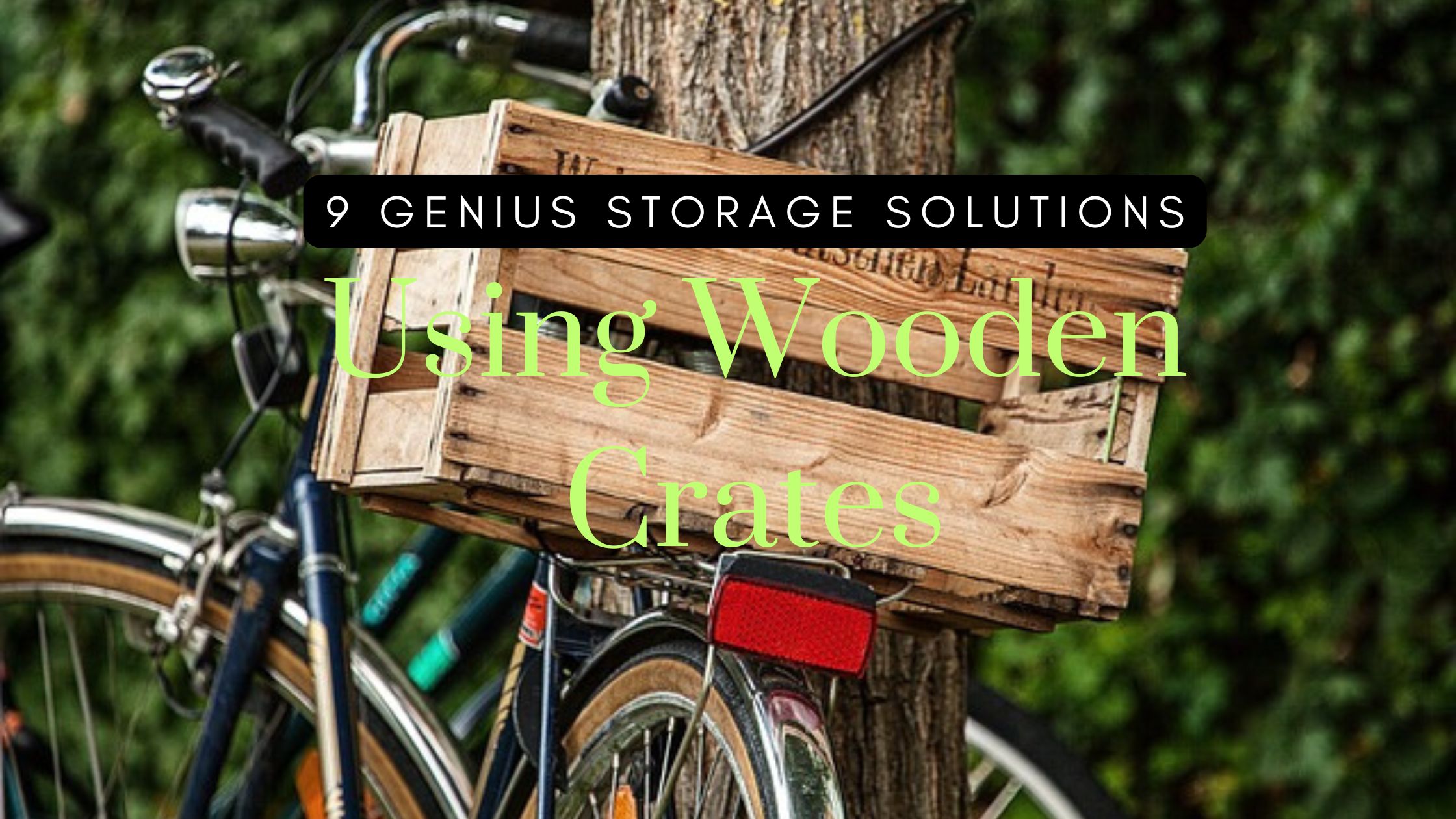
Wooden crates are a versatile and budget-friendly storage solution that can bring organization and style to any home. Whether you’re looking to declutter your space, add rustic charm, or maximize storage in small areas, wooden crates offer endless possibilities. Their sturdy structure and customizable nature make them ideal for a range of DIY projects. In this article, we will explore nine genius ways to use wooden crates for smart and stylish storage solutions..

9 Genius Storage Solutions Using Wooden Crates

source:pixabay

1. Under-Bed Rolling Storage

Maximize unused space under your bed by attaching wheels to wooden crates. This rolling storage solution is perfect for keeping extra bedding, shoes, or out-of-season clothes neatly tucked away yet easily accessible.

Tip: Use fabric liners inside the crates to protect delicate items from dust and friction.

2. Floating Wall Shelves

Transform wooden crates into floating shelves for a rustic and functional wall display. Secure them horizontally or vertically on your walls to store books, plants, or decorative pieces.

Trend Alert: Mixing crate shelves with industrial-style brackets creates a trendy farmhouse aesthetic.

3. DIY Bookshelves

Stack and secure multiple wooden crates to create an affordable bookshelf. This solution is ideal for small spaces and can be customized with paint or wood stain to match your decor.

Suggestion: Arrange crates in an asymmetrical pattern for a unique and modern look.

4. Entryway Shoe Organizer

Tidy up your entryway by stacking crates to form a shoe rack. This open-storage system makes it easy to grab shoes on the go while keeping the area clutter-free.

Tip: Add a cushioned top to one of the crates for a dual-purpose storage bench.

5. Kitchen Pantry Organizer

Wooden crates can help organize your pantry by storing fresh produce, canned goods, or kitchen supplies. Labeling each crate enhances functionality and makes finding items a breeze.

Trend Alert: Using chalkboard labels on wooden crates is a stylish and practical way to categorize items.

6. Bathroom Towel and Toiletry Storage

Keep your bathroom organized by using stacked wooden crates for towel and toiletry storage. This solution not only adds storage space but also gives a spa-like feel to your bathroom decor.

Suggestion: Paint or seal the crates to prevent moisture damage in humid environments.

7. Kids’ Toy Organizer

Encourage kids to keep their rooms tidy by using wooden crates as toy storage bins. Place them at a low level so children can easily access and return their toys after playtime.

Tip: Add wheels to create mobile toy bins that can be easily moved around the house.

8. Office and Craft Supply Storage

Keep your workspace tidy by using wooden crates to store office supplies, crafting materials, or important documents. Stackable crates allow you to create a compact storage unit customized to your needs.

Trend Alert: A wall-mounted crate storage system can add a creative and productive touch to your home office.

9. Indoor Garden Display

Turn wooden crates into a charming indoor garden by using them as planters or shelves for potted plants. They make great plant organizers for balconies, kitchens, or living rooms.

Suggestion: Line the crates with plastic or burlap to prevent soil from leaking and to retain moisture.

How can I make wooden crates more durable?

Making wooden crates more durable involves strengthening the wood, protecting it from environmental damage, and reinforcing the structure. Here are some effective ways to enhance their durability:

source:pixabay

1. Choose the Right Wood

  • Hardwoods (oak, maple, or birch) are more durable than softwoods (pine, fir).
  • If using softwood, opt for pressure-treated wood for extra longevity.

2. Reinforce the Structure

  • Thicker Boards: Use thicker planks to handle more weight.
  • Corner Braces: Add metal brackets or wooden reinforcements at the corners.
  • Extra Fasteners: Use screws instead of nails for stronger joints.
  • Cross Supports: Install diagonal braces or crossbars for added stability.

3. Protect Against Moisture & Pests

  • Seal the Wood: Apply a weather-resistant sealant, polyurethane, or varnish.
  • Waterproofing: Use wood stains or oils (e.g., linseed or tung oil) to prevent water damage.
  • Elevate the Base: Keep the crate off the ground to avoid water absorption.
  • Pest Protection: Treat the wood with borate to prevent termites and insects.

4. Prevent Cracking & Warping

  • Kiln-Dried Wood: Use kiln-dried wood to minimize warping.
  • Even Drying: Store crates in a dry, well-ventilated area to prevent moisture buildup.
  • Sanding & Smoothing: Regularly sand rough edges to prevent splitting.

5. Regular Maintenance

  • Inspect for Damage: Check for cracks, loose screws, or signs of rot.
  • Reapply Protective Coatings: Refresh sealants or paints every year for longevity.
  • Store Properly: Keep crates in a dry area, away from direct sunlight and excessive moisture.

By following these steps, your wooden crates will last longer and withstand heavier loads. Let me know if you need specific recommendations!

Conclusion

Wooden crates are not only affordable and durable but also offer endless creative storage possibilities. Whether you need under-bed storage, a DIY bookshelf, or an indoor garden display, these crate-based solutions can help you organize your space in style. With a little creativity and customization, you can transform wooden crates into functional and beautiful storage units that suit your home’s aesthetic and needs.

References

  • Home Decor Trends Magazine
  • DIY Storage Solutions Blog
  • Interior Design Experts Forum

FAQs

1. Where can I get wooden crates for storage projects?

You can find wooden crates at craft stores, home improvement stores, online marketplaces, and even local grocery stores that may give them away for free.

2. Can I paint or stain wooden crates?

Yes! Painting or staining wooden crates can enhance their look and match them to your home decor. Be sure to use non-toxic paint if they will be used in areas like kitchens or kids’ rooms.

3. Are wooden crates safe for food storage?

If using for food storage, ensure the crates are made of untreated wood and clean them thoroughly before use.

4. What tools do I need to attach wheels to wooden crates?

You will need caster wheels, screws, a drill, and a screwdriver to attach wheels securely to wooden crates for rolling storage solutions.

By implementing these creative wooden crate storage ideas, you can enhance your home’s organization while adding a touch of charm and functionality. Start your DIY storage journey today and enjoy a clutter-free space!

read more

10 Reasons Every City Needs More Green Spaces

Introduction:-

10 Reasons Every City Needs More Green Spaces

In the hustle and bustle of city life, finding a peaceful retreat can seem like an impossible dream. However, with a bit of creativity and planning, you can transform even the smallest urban area into a peaceful green park where you can unwind and recharge. This guide will walk you through the steps to create a tranquil oasis right in the heart of the city.

Urban environments are growing at an unprecedented rate, leading to crowded spaces, pollution, and stress among residents. Amidst the concrete jungles, green spaces—parks, gardens, and tree-lined streets—play a crucial role in improving urban living. Here are 10 compelling reasons why every city should invest in more green areas.

10 Reasons Every City Needs More Green Spaces

source:pixabay

1. Improves Air Quality

Green spaces help reduce air pollution by filtering harmful toxins and carbon dioxide, improving overall air quality and creating a fresher, healthier urban environment..

2. Enhances Mental Health

Spending time in nature reduces stress, anxiety, and depression. A simple walk in a park can boost mood and cognitive function, making cities more livable.

3. Encourages Physical Activity

Parks and open spaces encourage outdoor activities such as jogging, cycling, and yoga, promoting better physical health and an active lifestyle.

4. Reduces Urban Heat Island Effect

Concrete and asphalt trap heat, leading to higher temperatures in cities. Trees and green areas regulate temperatures, providing cooling effects and reducing energy consumption.

5. Supports Biodiversity

Urban greenery creates habitats for birds, pollinators, and other wildlife, fostering biodiversity and maintaining ecological balance.

6. Improves Water Management

Green areas absorb rainwater and reduce flooding risks, enhancing sustainable urban drainage systems and preventing waterlogging.

7. Strengthens Community Bonds

Public parks become social hubs where families, friends, and communities can connect, strengthening relationships and fostering social well-being.

8. Boosts Property Values

Neighborhoods with ample green spaces tend to have higher property values, making them attractive for residents and investors.

9. Promotes Sustainable Urban Planning

Integrating green areas into city planning supports environmental sustainability, ensuring a greener future for upcoming generations.

10. Enhances Aesthetic Appeal

A well-maintained urban landscape with trees, gardens, and parks adds beauty to the city, making it a pleasant place to live, work, and visit.

The best ways to personalize a Green park in the City

Personalizing a green park in the city can enhance its usability, aesthetics, and appeal to the community. Here are some of the best ways to personalize a green park:

source:pixabay

1. Community-Centered Design

  • Public Art Installations: Incorporate sculptures, murals, or interactive art pieces that reflect the local culture, history, or the community’s identity.
  • Themed Zones: Create areas tailored to specific interests such as playgrounds for children, fitness zones, or quiet spaces for relaxation.
  • Local Input: Engage the community in the design process by hosting workshops or surveys to gather input on desired features.

2. Sustainable Features

  • Native Plants and Gardens: Plant native trees, flowers, and shrubs that are adapted to the local climate. Consider creating community gardens where residents can grow vegetables or flowers.
  • Green Technology: Install solar-powered lighting, rainwater harvesting systems, or eco-friendly materials in benches and walkways to emphasize sustainability.

3. Interactive and Educational Elements

  • Nature Trails: Add educational signs along trails explaining the local flora and fauna, or about conservation efforts.
  • Outdoor Learning Spaces: Incorporate areas for outdoor classes, nature-based workshops, or environmental education programs.
  • Public Art with Local Stories: Incorporate art pieces or information boards that share stories about local history or ecology, enriching the experience for park visitors.

4. Custom Seating and Relaxation Areas

  • Unique Seating Designs: Use benches made from reclaimed or artistic materials, or hammocks, swings, or picnic tables in creative, shaded spots.
  • Quiet Zones: Design areas with secluded seating for relaxation, meditation, or reading, perhaps near water features like fountains or ponds.

5. Interactive Play Areas

  • Custom Playgrounds: Build playgrounds with unique structures that reflect local landmarks or cultural symbols, offering a fun and engaging space for children.
  • https://cart.hostinger.com/pay/c82270d5-9445-44f7-b79f-Adventure Zones: Incorporate zip lines, climbing walls, or other adventurous play areas that appeal to both kids and adults.

6. Multi-Use Spaces

  • Open Air Event Spaces: Design areas where concerts, yoga classes, markets, or other community events can take place. Make them adaptable to different events.
  • Sports Facilities: Personalize the park with multi-use courts for basketball, tennis, soccer, or skateboarding. Consider adding equipment rental kiosks.
  • Dog-Friendly Zones: Create spaces where people can bring their pets, like dog parks with agility equipment and water stations.

7. Water Features

  • Ponds and Fountains: Introduce water elements like reflective ponds, fountains, or interactive water play areas to enhance the park’s ambiance and offer places to cool off in hot weather.
  • Natural Water Systems: Design rain gardens, wetlands, or small streams that provide environmental benefits while adding natural beauty.

8. Inclusive Design

  • Accessibility Features: Ensure pathways, seating, and play areas are accessible for everyone, including those with disabilities. Incorporate tactile paths, braille signs, and sensory gardens.
  • Cultural Diversity: Design the park to cater to the diverse cultural backgrounds of the community by integrating spaces for traditional activities or cultural celebrations.

9. Nighttime Use

  • Creative Lighting: Use artistic or eco-friendly lighting designs that make the park enjoyable and safe during the evening hours. Light up walkways, sculptures, and focal points.
  • Night Markets or Events: Plan for spaces that can be used for evening activities, like pop-up markets, film screenings, or festivals.

10. Smart Technology Integration

  • Free Wi-Fi Zones: Offer Wi-Fi hotspots in key areas of the park to encourage working outdoors or casual gatherings.
  • Smart Benches: Install benches with built-in USB charging stations powered by solar energy.
  • Interactive Apps: Develop an app that helps visitors navigate the park, learn about its features, or participate in scavenger hunts or other interactive experiences.

By incorporating a mix of environmental sustainability, community engagement, and innovative features, city parks can be transformed into personalized, vibrant spaces that reflect the character and needs of the surrounding community.

Conclusion

Green spaces are more than just decorative elements—they are essential for sustainable cities, improving air quality, mental health, biodiversity, and overall well-being. Every city needs to prioritize urban greenery to create healthier and happier communities.

References

  1. “How to Create a Green Space in the City”
    • Website: Better Homes & Gardens
    • URL: BHG.com
    • Description: This online guide provides tips and ideas for designing green spaces in urban areas, emphasizing the use of plants, seating, and water features to create a tranquil environment.
  2. “The Importance of Green Spaces in Urban Areas”
    • Journal: Urban Forestry & Urban Greening
    • Authors: Cecil Konijnendijk, Matilda Annerstedt, Anders Busse Nielsen, et al.
    • Publication Year: 2013
    • Description: This research article discusses the benefits of urban green spaces for mental health and well-being, providing a scientific basis for the creation of peaceful retreats in city settings.

Frequently Asked Questions (FAQs)

Q1: How do green spaces improve air quality?

Green spaces filter pollutants, absorb CO₂, and release oxygen, significantly reducing air pollution in urban areas.

Q2: Can urban parks help reduce stress and anxiety?

Yes! Studies show that spending time in green environments lowers stress hormones and improves mental well-being.

Q3: What is the impact of green spaces on property value?

Homes near parks tend to have higher property values and demand due to their positive environmental and aesthetic appeal.

Q4: How do green areas contribute to sustainable urban planning?

They support biodiversity, reduce carbon footprints, and manage stormwater, making cities more livable and eco-friendly.

Q5: What are examples of successful green urban spaces?

Some well-known examples include Central Park (NYC), Hyde Park (London), and Gardens by the Bay (Singapore)—models of urban greenery success.

Final Tip: Incorporating Google-trending questions and optimizing headings will further improve visibility! 🚀

12 Beautiful Garden Ideas Featuring Sunflowers, Tropical Leaves, and Wildflowers

Introduction

12 Beautiful Garden Ideas Featuring Sunflowers, Tropical Leaves, and Wildflowers

A beautiful garden not only enhances your home’s curb appeal but also provides a peaceful retreat filled with vibrant colors and natural beauty. Incorporating sunflowers, tropical leaves, and wildflowers can create an eye-catching and dynamic outdoor space. Whether you prefer a rustic wildflower haven, a tropical paradise, or a classic sunflower-filled garden, these ideas will inspire you to design your dream garden.

12 Beautiful Garden Ideas

source:pixabay

1. Sunflower Border Garden

Create a striking garden border with towering sunflowers. Pair them with low-growing flowers like marigolds and zinnias for a layered effect.

2. Wildflower Meadow Garden

A wildflower garden with native flowers such as daisies, coneflowers, and poppies attracts pollinators while creating a picturesque, natural look.

3. Tropical Oasis Garden

Incorporate large-leafed tropical plants like banana leaves, elephant ears, and monstera for a lush, exotic appearance. Add bright-colored flowers like hibiscus and orchids for a tropical vibe.

4. Sunflower and Vegetable Companion Garden

Pair sunflowers with vegetables like tomatoes and cucumbers. Sunflowers provide shade and support for climbing plants.

5. Butterfly and Bee Garden

Grow nectar-rich wildflowers like lavender, black-eyed Susans, and echinacea to attract butterflies and bees, promoting a healthy ecosystem.

6. Container Garden with Tropical Foliage

Use large pots or containers to grow tropical leaves and sunflowers on patios and balconies for a space-saving yet lush garden.

7. Cottage-Style Wildflower Garden

Blend sunflowers, hollyhocks, and delphiniums with wildflowers for a whimsical, English cottage-inspired garden.

8. Rain Garden with Native Wildflowers

Design a rain garden filled with native wildflowers like swamp milkweed and Joe-Pye weed to manage runoff while supporting wildlife.

9. Zen Garden with Tropical Accents

Combine tropical foliage like ferns and palms with smooth stones and water features for a relaxing Zen-inspired garden.

10. Vertical Sunflower Wall Garden

Train sunflowers to grow against trellises or fences to create a natural green wall that adds privacy and beauty.

11. Pollinator-Friendly Wildflower Pathway

Line garden pathways with a mix of colorful wildflowers to create a visually appealing walkway that attracts bees and butterflies.

12. Sunflower and Wild Grass Garden

Mix tall sunflowers with ornamental grasses like pampas or fountain grass for a natural prairie-style garden with movement and texture.

Current Trends in Garden Design

Here are some of the current trends in garden design that are shaping outdoor spaces in 2025:

source:pixabay

1. Sustainable and Eco-Friendly Gardens

  • Use of native plants to support local biodiversity
  • Water-wise landscaping with drought-resistant plants
  • Organic and permaculture-inspired gardens

2. Edible Gardens

  • Homegrown fruits, vegetables, and herbs
  • Vertical gardening to maximize small spaces
  • Companion planting to naturally repel pests

3. Low-Maintenance Landscaping

  • Artificial grass and ground covers
  • Drought-resistant plants for less watering
  • Perennial gardens to reduce replanting needs

4. Smart Gardens & Technology Integration

  • Automated irrigation systems
  • Smart lighting for aesthetics and security
  • Apps for plant care and garden monitoring

5. Outdoor Living Spaces

  • Garden rooms with seating and fire pits
  • Pergolas and shade structures
  • Outdoor kitchens and dining areas

6. Wildlife-Friendly Gardens

  • Pollinator-friendly flowers for bees and butterflies
  • Birdhouses, bee hotels, and small ponds for wildlife
  • Chemical-free pest control

7. Japanese and Zen-Inspired Gardens

  • Minimalist designs with stones, gravel, and water features
  • Bonsai and carefully pruned shrubs
  • Meditation spaces within gardens

8. Container and Balcony Gardening

  • Urban gardening with pots and planters
  • Hanging gardens and green walls
  • Portable and modular garden designs

Suggestions for a Thriving Garden

Here are some essential tips to ensure your garden thrives:

source:pixabay

1. Choose the Right Plants

  • Select plants suited to your climate and soil type.
  • Opt for native plants that require less maintenance and water.

2. Prepare Quality Soil

  • Enrich soil with compost and organic matter.
  • Test soil pH and adjust it for optimal plant growth.

3. Water Wisely

  • Water deeply but less frequently to encourage strong roots.
  • Use drip irrigation or soaker hoses to conserve water.

4. Maximize Sunlight

  • Place sun-loving plants in areas with at least 6 hours of sunlight.
  • Use shade-tolerant plants for darker garden spots.

5. Encourage Pollinators

  • Plant flowers that attract bees, butterflies, and hummingbirds.
  • Avoid chemical pesticides that can harm beneficial insects.

6. Use Mulch

  • Apply mulch to retain moisture and prevent weeds.
  • Organic mulch improves soil health as it decomposes.

7. Practice Companion Planting

  • Pair plants that benefit each other, such as tomatoes with basil.
  • Use marigolds to repel pests naturally.

8. Regular Pruning and Maintenance

  • Trim dead or diseased branches to encourage new growth.
  • Remove weeds regularly to prevent competition for nutrients.

9. Feed Your Plants

  • Use organic fertilizers to provide essential nutrients.
  • Rotate crops in vegetable gardens to maintain soil health.

10. Protect from Pests and Diseases

  • Encourage beneficial insects like ladybugs to control pests.
  • Inspect plants regularly for signs of disease and treat them early.

What is the best soil for a wildflower garden?

The best soil for a wildflower garden is well-draining, nutrient-balanced, and slightly lean. Here are key soil characteristics to ensure a thriving wildflower garden:

1. Well-Draining Soil

  • Wildflowers generally prefer soil that doesn’t hold excessive moisture.
  • Avoid heavy clay soils, which can cause root rot.
  • If necessary, improve drainage by adding sand or organic matter.

2. Low to Moderate Fertility

  • Wildflowers thrive in soil that isn’t overly rich in nutrients.
  • Avoid excessive compost or fertilizers, which encourage weed growth.
  • Some native wildflowers prefer slightly poor or sandy soils.

3. Slightly Acidic to Neutral pH

  • A pH range of 6.0 to 7.0 is ideal.
  • Test soil pH and amend with lime (to raise pH) or sulfur (to lower pH) if needed.

4. Organic Matter for Moisture Retention

  • Add a thin layer of compost or aged leaf mulch to improve soil structure.
  • Organic matter helps retain moisture while allowing good airflow.

5. Avoid Chemical Treatments

  • Herbicides, pesticides, and synthetic fertilizers can disrupt wildflower growth.
  • Opt for natural amendments like compost or aged manure if needed.

Conclusion

A well-planned garden featuring sunflowers, tropical leaves, and wildflowers can transform your outdoor space into a vibrant paradise. Whether you prefer a structured garden or a free-flowing wildflower haven, these ideas cater to various styles and preferences. By following current trends and expert gardening tips, you can create a flourishing and visually stunning landscape that brings joy and nature closer to home.

FAQs

1. How long do sunflowers take to grow?
Sunflowers typically take 70–100 days to bloom, depending on the variety.

2. What are the best tropical plants for colder climates?
Hardy tropical plants like canna lilies, hardy bananas, and ferns can survive in cooler temperatures.

3. How can I attract more pollinators to my garden?
Plant nectar-rich wildflowers, provide a water source, and avoid using chemical pesticides.

4. Can I grow sunflowers in pots?
Yes! Choose dwarf sunflower varieties and use deep pots for optimal growth.