

Introduction:-
7 Reasons to Support Conservation for Beaches and Forests
Conservation is essential for preserving the natural beauty and ecological health of beaches and forests. These environments are not only home to diverse wildlife but also provide critical resources and recreational opportunities. Here are seven compelling reasons to support conservation for beaches and forests:
7 Reasons to Support Conservation for Beaches and Forests



1. Protects Biodiversity
Beaches and forests are home to countless species of plants and animals, many of which are endangered. Conservation efforts ensure that these habitats remain intact, supporting the survival of species and maintaining ecological balance..
2. Prevents Erosion and Natural Disasters
Healthy forests and coastal ecosystems act as natural barriers, preventing soil erosion and protecting communities from floods, hurricanes, and tsunamis. Mangroves, for instance, play a crucial role in buffering storm surges.
3. Combats Climate Change
Forests serve as carbon sinks, absorbing large amounts of carbon dioxide from the atmosphere. Similarly, coastal ecosystems like seagrass meadows and wetlands store significant amounts of carbon, helping mitigate climate change.
4. Boosts Tourism and Recreation
Pristine beaches and lush forests attract tourists from around the world, contributing significantly to local economies. Sustainable tourism depends on the health of these environments, which provide activities like hiking, wildlife viewing, and water sports.
5. Supports Local Communities
Conservation initiatives create jobs in eco-tourism, park management, and wildlife protection. They also provide resources like clean water, timber, and fish, which are vital for the livelihoods of many communities.
6. Preserves Natural Beauty
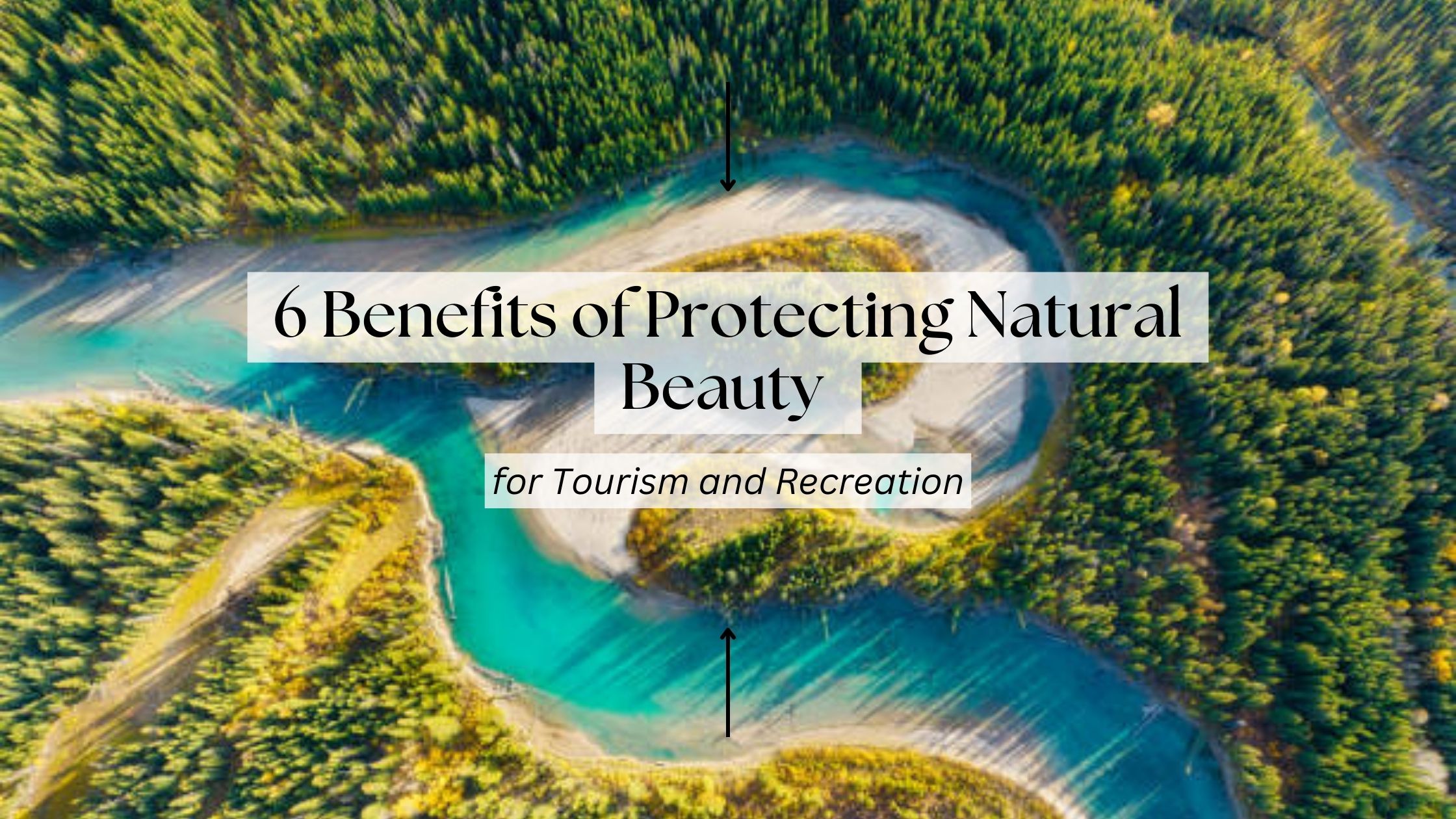
Beaches and forests are sources of inspiration and relaxation. By protecting these landscapes, we ensure that future generations can enjoy their beauty and tranquility.
7. Enhances Ecosystem Services
Healthy ecosystems provide essential services like water purification, air quality improvement, and pollination. Conserving beaches and forests ensures these benefits continue to support human and environmental health.
Tips for Supporting Conservation
- Choose eco-friendly travel options and support sustainable tourism operators.
- Participate in local beach or forest clean-up events.
- Reduce waste and avoid using single-use plastics that harm marine life.
- Advocate for policies that protect natural habitats and combat deforestation.
- Educate yourself and others about the importance of conservation.
Suggestions for Policymakers
- Enforce stricter regulations to prevent illegal logging, fishing, and coastal development.
- Provide incentives for businesses adopting sustainable practices.
- Increase funding for conservation projects and protected area management.
- Collaborate with local communities to ensure conservation efforts benefit them directly.
- Launch educational campaigns highlighting the importance of beaches and forests.
Benefits of Conservation
- Preserves biodiversity and protects endangered species.
- Prevents natural disasters and minimizes climate change impacts.
- Boosts local economies through sustainable tourism.
- Enhances recreational opportunities and public health.
- Supports long-term ecosystem health and resilience.
Why are beaches and forests important for climate change mitigation?
Beaches and forests play crucial roles in mitigating climate change due to their natural capacity to regulate carbon levels, protect ecosystems, and buffer against climate impacts. Here’s how they contribute:
Beaches
- Coastal Carbon Sequestration: Beaches and adjacent ecosystems like mangroves, salt marshes, and seagrasses (collectively termed “blue carbon ecosystems”) capture and store significant amounts of carbon dioxide from the atmosphere. These areas act as carbon sinks.
- Natural Barriers Against Storms: Beaches absorb wave energy and protect inland areas from storm surges and erosion, which are intensified by climate change. This helps reduce the physical and economic impacts of rising sea levels.
- Biodiversity Habitats: Beaches support unique ecosystems that include species critical to maintaining ecological balance. Preserving these ecosystems ensures the health of broader climate-resilient systems.
Forests
- Carbon Sequestration: Forests are among the most effective terrestrial carbon sinks. Trees absorb carbon dioxide during photosynthesis, storing carbon in their biomass and soil.
- Climate Regulation: Forests influence weather patterns by releasing water vapor and absorbing sunlight, which helps moderate local and global temperatures.
- Biodiversity Support: Forests provide habitats for diverse species, many of which play roles in maintaining ecological stability and resilience against climate change.
- Soil Protection: Forests prevent soil erosion and maintain nutrient cycles, which are essential for agriculture and water quality—key aspects of climate resilience.
- Air and Water Purification: Forests filter air pollutants and enhance water quality, contributing to healthier ecosystems and communities.
Interconnected Importance
Both beaches and forests contribute to climate change mitigation and adaptation. Protecting these environments ensures carbon capture, reduces the severity of climate-related impacts, and supports biodiversity, which is vital for resilient ecosystems.
Investing in conservation, restoration, and sustainable management of these areas is essential to harness their full potential in combating climate change.
What role do governments play in conservation?
Governments play a central role in conservation by creating and enforcing policies, providing funding, and fostering collaboration to protect natural ecosystems and biodiversity. Here are the key ways governments contribute to conservation efforts:
1. Policy and Legislation
- Protected Areas: Establishing national parks, wildlife reserves, and marine protected areas to conserve ecosystems and species.
- Environmental Laws: Enacting regulations to prevent deforestation, overfishing, habitat destruction, and pollution.
- Biodiversity Treaties: Participating in global agreements like the Convention on Biological Diversity (CBD) or the Ramsar Convention on wetlands.
2. Funding and Resources
- Budget Allocations: Providing financial resources for conservation projects, scientific research, and sustainable development.
- Grants and Subsidies: Supporting non-governmental organizations (NGOs), community initiatives, and industries that prioritize conservation.
- Tax Incentives: Encouraging private landowners and businesses to conserve natural areas through tax benefits.
3. Enforcement and Monitoring
- Compliance: Monitoring industries, agriculture, and individuals to ensure adherence to conservation laws.
- Combatting Illegal Activities: Tackling poaching, illegal logging, and trafficking of wildlife through law enforcement.
- Data Collection: Funding research and monitoring programs to track biodiversity, climate impacts, and the success of conservation initiatives.
4. Public Engagement and Education
- Awareness Campaigns: Educating citizens about the importance of conservation and sustainable practices.
- Community Involvement: Encouraging local communities to participate in conservation through co-management models, sustainable tourism, or citizen science projects.
- Environmental Education: Integrating conservation topics into school curricula to foster a sense of responsibility in future generations.
5. International Collaboration
- Global Agreements: Leading or participating in international conservation efforts, like climate agreements (e.g., the Paris Agreement) and species-specific treaties (e.g., CITES).
- Cross-Border Projects: Collaborating on shared ecosystems, such as transboundary forests, rivers, or migratory species.
6. Sustainable Development Initiatives
- Green Policies: Promoting sustainable agriculture, energy, and infrastructure development that minimizes environmental impact.
- Rehabilitation Projects: Restoring degraded ecosystems through afforestation, wetland restoration, and rewilding programs.
- Carbon Pricing: Implementing carbon taxes or cap-and-trade systems to incentivize emission reductions.
7. Crisis Management
- Disaster Preparedness: Addressing climate-driven threats like wildfires, floods, and habitat loss through mitigation and adaptation measures.
- Rapid Response: Mobilizing resources to protect ecosystems and species during emergencies, such as oil spills or illegal deforestation surges.
In summary, governments have a pivotal responsibility to balance development with environmental stewardship. Their actions—or inaction—can significantly influence the success of conservation efforts locally and globally.
Conclusion
Supporting conservation for beaches and forests is essential for preserving biodiversity, mitigating climate change, and enhancing human well-being. From preventing natural disasters to boosting local economies, the benefits are immense. By adopting sustainable practices and advocating for stronger conservation policies, we can ensure that these vital ecosystems thrive for generations to come.

References
- International Union for Conservation of Nature (IUCN) – www.iucn.org
- United Nations Environment Programme (UNEP) – www.unep.org
- World Wildlife Fund (WWF) – www.worldwildlife.org
- National Oceanic and Atmospheric Administration (NOAA) – www.noaa.gov
- Conservation International – www.conservation.org
FAQs
Q: What is the main goal of conservation?
A: Conservation aims to protect natural habitats, preserve biodiversity, and ensure the sustainable use of resources for future generations.
Q: How does conservation benefit local communities?
A: Conservation supports communities by creating jobs, providing resources, and enhancing resilience against environmental challenges.
Q: How can individuals help conserve beaches and forests?
A: Individuals can reduce waste, participate in clean-up drives, support eco-tourism, and advocate for environmental protection policies.
Q: What role do governments play in conservation?
A: Governments establish protected areas, enforce conservation laws, and provide funding for restoration projects.